Your pepper plants have been thriving, the flowers are blooming, and then you notice something troubling. Small brown spots appear on the leaves, white powdery residue covers the stems, or the plants begin to wilt unexpectedly. If this sounds familiar, your peppers may be battling disease. While pepper diseases can be frustrating, the good news is that most are preventable with proper knowledge and care. This comprehensive guide will help you identify common pepper diseases and take action before they devastate your harvest.
Understanding Pepper Diseases
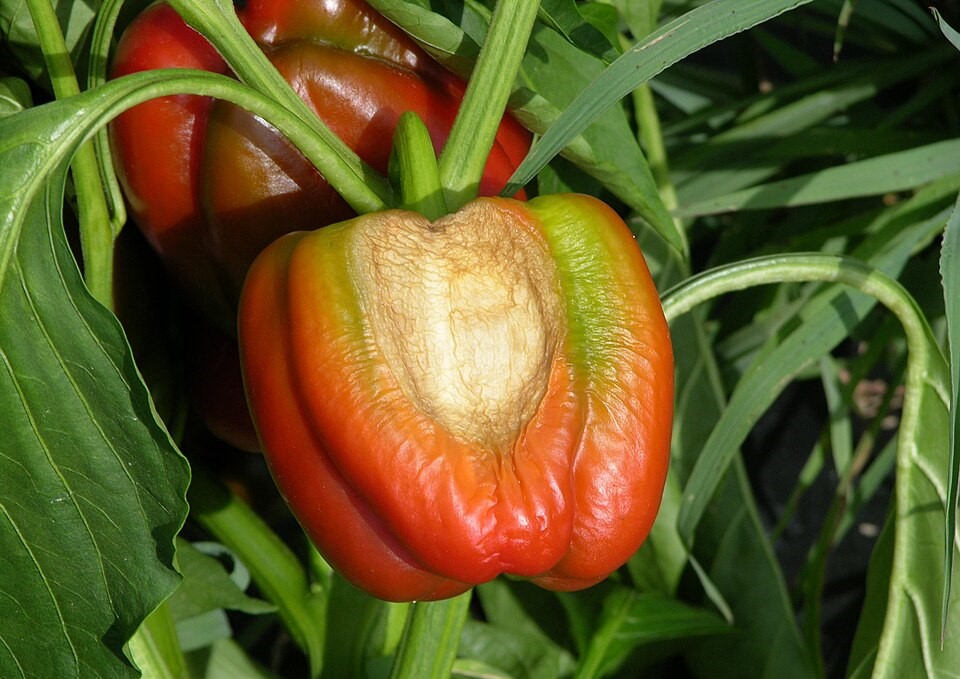
Peppers are generally hardy plants, but they remain vulnerable to various diseases that thrive in specific environmental conditions. Understanding why peppers become susceptible to disease is the first step toward effective management.
Environmental factors play a significant role in disease development. High humidity, especially when combined with warm temperatures, creates ideal conditions for fungal pathogens to flourish. Inconsistent watering practices also increase vulnerability. When soil alternates between waterlogged and dry, pepper roots become stressed and less able to fight off infections. Poor air circulation between plants traps moisture on leaves, providing the perfect breeding ground for disease spores.
The impact of disease on your pepper crop cannot be understated. Even mild infections can reduce fruit yield by 20 to 30 percent, while severe infestations may result in total crop loss. Early intervention is crucial because some diseases progress rapidly once they take hold. Prevention should always be your first line of defense, but understanding treatment options ensures you can respond quickly if disease appears despite your best efforts.
Bacterial Leaf Spot Treatment
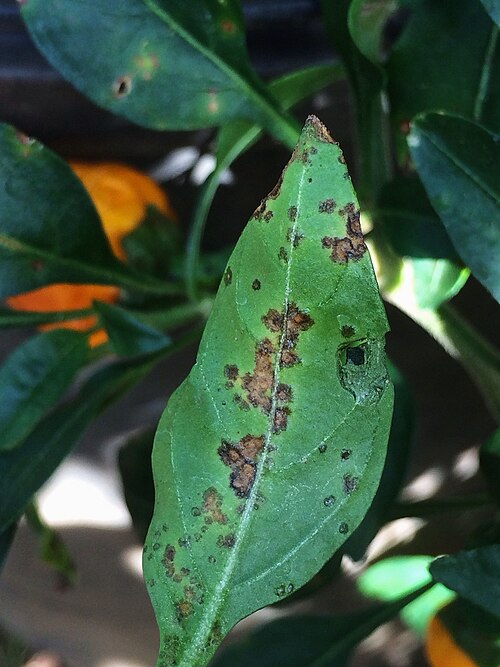
Bacterial leaf spot is the most common pepper disease encountered by gardeners. This bacterial infection spreads through water splash and contaminated tools, making it particularly problematic during rainy seasons or when using overhead irrigation.
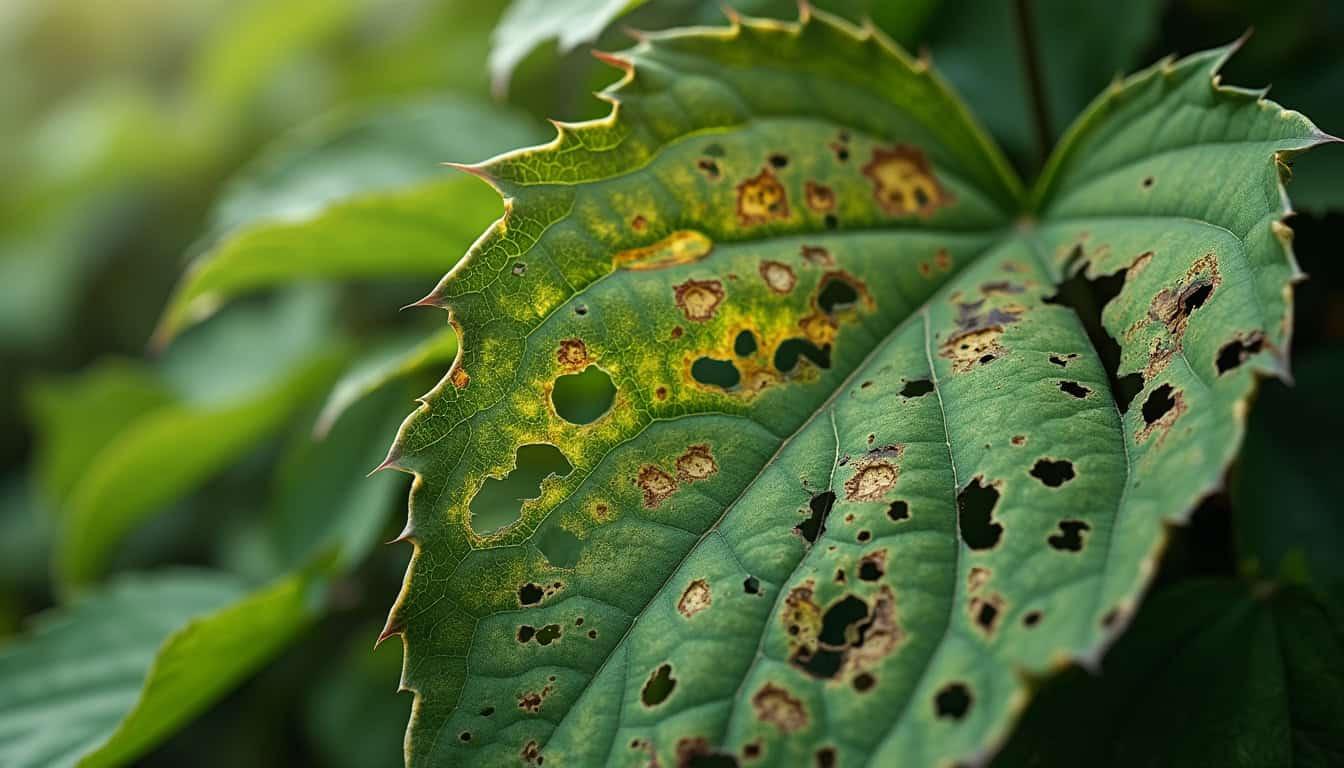
Recognizing bacterial leaf spot starts with careful observation. Look for small, yellow-brown circular spots that appear primarily on older leaves. These spots have a distinctive yellow halo surrounding a darker center. As the disease progresses, spots enlarge and merge together, eventually causing entire leaves to turn yellow and drop from the plant. Infected fruits develop similar spots with slightly raised, corky centers that make them unappealing for sale or consumption.
The bacterium responsible for this disease thrives in warm, humid conditions between 75 and 85 degrees Fahrenheit. Once it infects a plant, it spreads rapidly through water droplets from rain or irrigation. This is why prevention strategies focus heavily on water management. Avoid overhead watering whenever possible. Instead, use drip irrigation or soaker hoses that deliver water directly to the soil. When you must water, do so early in the morning to allow any incidental leaf moisture to dry quickly.
Treatment options for bacterial leaf spot include both preventive and reactive measures. Copper-based fungicides can suppress the disease but must be applied consistently and early in the season before spots appear. Once the disease is established, fungicides become less effective. Resistant pepper varieties are the most reliable solution. Varieties like Emporium, Intruder, and Marquis offer strong resistance and maintain excellent fruit quality.
Implement proper field sanitation to prevent the disease from overwintering. Remove crop residue after harvest and destroy it away from your garden. Sanitize all tools with bleach or rubbing alcohol between plants and between growing seasons. This simple step eliminates bacterial cells that could otherwise persist on equipment and infect next year's crop.
Powdery Mildew Control

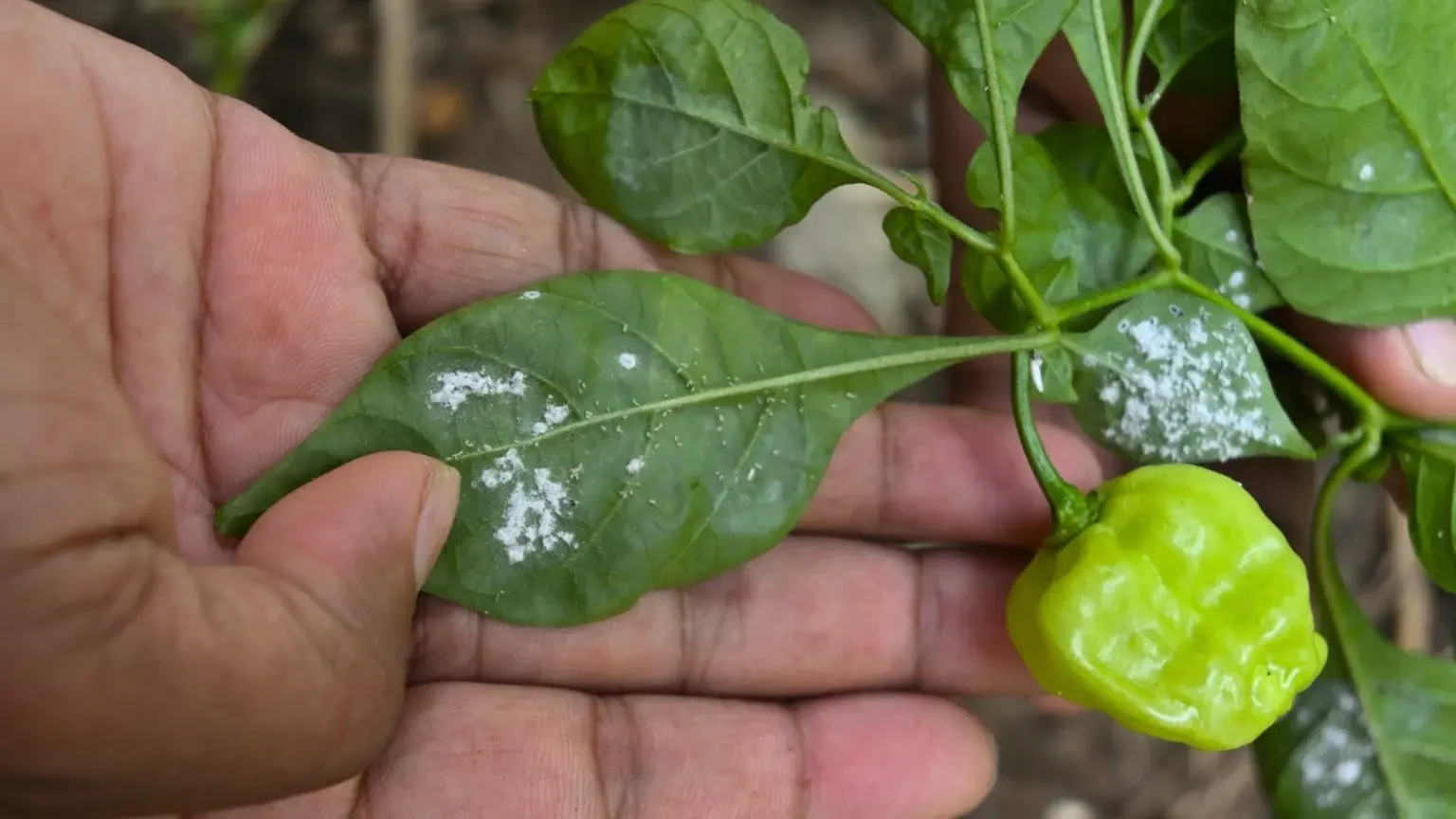
Powdery mildew appears as white or grayish powder coating pepper leaves, stems, and occasionally fruits. Despite its appearance, this fungal disease progresses differently than most gardeners expect.
The identifying characteristics of powdery mildew are unmistakable. Unlike many fungal diseases that produce spots, powdery mildew creates uniform white powder that you can actually rub off your fingers. The affected leaves may curl or become distorted, especially on younger growth. In severe cases, the powder covers so much leaf surface that it interferes with photosynthesis, weakening the entire plant.
This disease thrives in warm conditions, particularly when nights remain above 55 degrees Fahrenheit. Interestingly, it prefers moderate humidity and actually struggles in very wet conditions. Crowded plantings that restrict air circulation create favorable microclimates for powdery mildew development. The disease spreads via spores that travel on air currents and on contaminated tools and clothing.
Organic treatment options work effectively when applied early. Sulfur fungicide remains one of the most reliable organic treatments. Apply it every 7 to 10 days starting at the first sign of disease. Potassium bicarbonate fungicides work by changing leaf surface pH, making it inhospitable for fungal growth. Some gardeners report success using milk spray (one part milk to nine parts water), which research suggests has antifungal properties.
Cultural practices are equally important for powdery mildew management. Space your pepper plants at least 18 inches apart to encourage air circulation. Avoid overhead irrigation, which creates humidity that favors disease development. Water at the base of plants in early morning. Prune lower leaves on mature plants to improve airflow around the plant canopy. Avoid fertilizing with excessive nitrogen, as lush new growth is particularly susceptible to infection.
Fungal Diseases: Phytophthora, Anthracnose, and Rhizoctonia
Beyond bacterial and powdery mildew problems, peppers face several devastating fungal pathogens. Each requires different management strategies, though prevention principles remain similar.
Phytophthora blight ranks among the most serious pepper diseases. This water mold pathogen thrives in conditions you might least expect: it requires 24 to 48 hours of saturated soil to complete its infection cycle. Once established, it can kill all plants in a field during wet seasons. The disease manifests as brown lesions on stems and roots, though the most visible symptom is sudden plant wilting despite adequate moisture. By the time you notice above-ground symptoms, the damage is already extensive.
Water management is absolutely critical for Phytophthora control. Use raised beds at least 6 inches high to improve drainage. Create swales or drainage ditches around fields to remove standing water. Avoid planting in areas prone to water accumulation. Never use overhead irrigation. If your garden has had Phytophthora before, choose resistant varieties exclusively and consider rotating to a completely different location if possible.
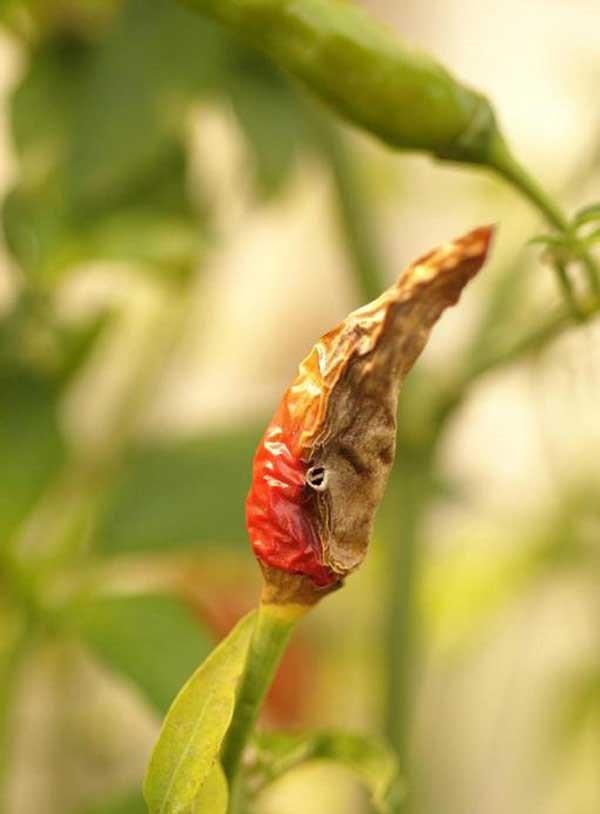
Anthracnose presents differently but is equally destructive. This fungal disease appears as round, sunken lesions on pepper fruits. The lesions start small but enlarge rapidly, eventually rotting entire fruits. The disease spreads by spores and can continue spreading after harvest while peppers are in storage. Warm, humid conditions and excessive water on fruits accelerate infection.
Anthracnose prevention relies on keeping pepper foliage and fruit dry. Improve air circulation, space plants adequately, and use drip irrigation. Copper fungicides applied preventively can limit disease spread. Remove infected fruit immediately and dispose of it away from your garden. Never compost diseased fruit, as this spreads spores.
Rhizoctonia, the damping-off fungus, primarily affects seedlings but can infect mature plants. It causes water-soaked lesions at the soil line that girdle and kill stems. Seedlings may collapse suddenly, while mature plants wilt despite adequate moisture. This fungus lives in soil year-round.
Use sterile seed-starting soil and well-draining growing media for seedlings. Avoid overwatering, as saturated soil favors disease development. Once established in a garden, Rhizoctonia persists for years. Practice crop rotation, using at least a three-year rotation away from other solanaceous crops (tomatoes, eggplants, peppers). Incorporate compost and beneficial organisms into your soil to create competition against pathogenic fungi.
Nutritional Deficiencies vs. Disease
One of the most common mistakes gardeners make is misdiagnosing nutritional problems as disease. Understanding the difference helps you respond appropriately and avoid unnecessary fungicide applications.
Blossom-end rot is a classic example of a nutritional issue masquerading as disease. This condition appears as dark, sunken lesions on the bottom of pepper fruits. The problem stems from calcium deficiency, not pathogenic infection. The deficiency usually results from inconsistent watering. When soil dries out, calcium uptake becomes impossible regardless of soil calcium levels. Plants receiving sporadic deep watering followed by dry periods develop blossom-end rot.
Magnesium deficiency shows up as yellowing of leaf tissue between the veins, starting on older leaves. Potassium deficiency causes yellowing leaf margins with yellowing progressing inward. These symptoms differ from fungal or bacterial diseases, which typically create distinct spots or patterns.
The solution involves balanced nutrition and consistent moisture. Establish a regular watering schedule that maintains moist but not waterlogged soil. Apply a balanced fertilizer every three weeks once flowering begins. If deficiency symptoms appear, use foliar feeding with a diluted balanced fertilizer applied directly to leaves for faster uptake. This approach strengthens plants naturally and increases disease resistance significantly.
Prevention is Better Than Cure
Preventing disease is far more effective than treating it. A comprehensive prevention strategy combines multiple approaches into your standard gardening routine.
Start with variety selection. Choose pepper cultivars bred for disease resistance. Look for varieties marked as resistant to your region's most common diseases. Consult your local extension office for region-specific recommendations.
Implement strict crop rotation. Never plant peppers or other solanaceous crops in the same location for at least three years. This breaks disease cycles by eliminating pathogen sources in soil and plant debris. Rotate with non-related crops like beans, corn, or leafy greens.
Practice meticulous garden hygiene. Sanitize all tools with bleach or rubbing alcohol between plants. Never work in your pepper garden when foliage is wet, as this spreads bacterial diseases. Remove fallen leaves and debris daily during the growing season. Clean up all plant material after final harvest and destroy it away from your garden.
Optimize growing conditions. Provide at least six hours of direct sunlight daily. Space plants 18 to 24 inches apart for adequate air circulation. Use mulch to regulate soil moisture and temperature. Implement drip irrigation rather than overhead watering. Maintain consistent soil moisture without waterlogging.
Scout your plants weekly. Early detection makes treatment far easier. Check both leaf surfaces for spots or discoloration. Look at the base of plants for lesions or wilting. If you spot any suspicious symptoms, consult a plant diagnostic resource or your local extension office before treatment.
Discover Plantlyze for Advanced Plant Diagnosis
When you're uncertain about disease identification, accurate diagnosis becomes crucial for effective treatment. Misidentifying a problem wastes time and money on ineffective solutions.
Plantlyze offers an AI-powered plant diagnosis tool designed specifically for gardeners. Upload a photo of your symptomatic pepper plant, and Plantlyze's advanced algorithms analyze the image to identify diseases, nutrient deficiencies, and pest damage. The platform provides specific treatment recommendations tailored to your identified problem.
The benefits of using Plantlyze include speed and accuracy. Get instant results rather than waiting for email responses from extension offices. Receive specific, actionable recommendations that address your exact problem. The AI learns from thousands of plant images, providing insights beyond what visual comparison alone offers.
Visit plantlyze.com today to try the free diagnosis tool. Combine Plantlyze's diagnostic capabilities with the prevention and treatment strategies outlined in this guide for maximum pepper plant health.
Conclusion
Pepper disease management combines vigilance, knowledge, and proactive care. While diseases can strike even well-maintained gardens, understanding how to prevent, identify, and treat problems positions you for success. Focus first on prevention through proper spacing, water management, tool sanitation, and variety selection. Scout your plants regularly to catch problems early. When disease appears, respond quickly with appropriate treatment. Remember that some diseases cannot be cured once established, making prevention your most valuable tool.
Your pepper harvest depends on the care you invest throughout the growing season. Take action today to implement the prevention strategies outlined in this guide. Your future self will thank you when you harvest healthy, disease-free peppers season after season.
References
University of Connecticut Integrated Pest Management Program
https://ipm.cahnr.uconn.edu/summary-pepper-integrated-pest-management-options/New Mexico State University Agricultural Research Extension
https://pubs.nmsu.edu/_circulars/CR549/Epic Gardening
https://www.epicgardening.com/pepper-diseases/Chili Craze Pest Management Guide
https://chilicraze.com/blog/pest-and-disease-management-for-pepper-plants/HEBEN Plant Health Database
https://www.hb-p.com/article/common-pepper-diseases-and-how-to-deal-with-them/