Prevention is easier than treatment. This fundamental principle guides everything about pepper disease management. Many pepper diseases have no cure once established. Bacterial leaf spot, phytophthora blight, and viruses cause permanent damage that spreads rapidly once infection begins. You can't reverse a viral infection or kill root rot fungus once it colonizes your soil. Your only practical option is prevention. This guide covers proven prevention strategies that stop diseases before they start. You'll learn exactly what prevents common pepper diseases, how to set up conditions where disease can't thrive, and what to watch for if problems emerge. When early detection catches problems, Plantlyze helps you identify emerging issues before they spread throughout your plants. Let's start with understanding why prevention matters so much more than treatment.
Why Prevention Matters More Than Treatment
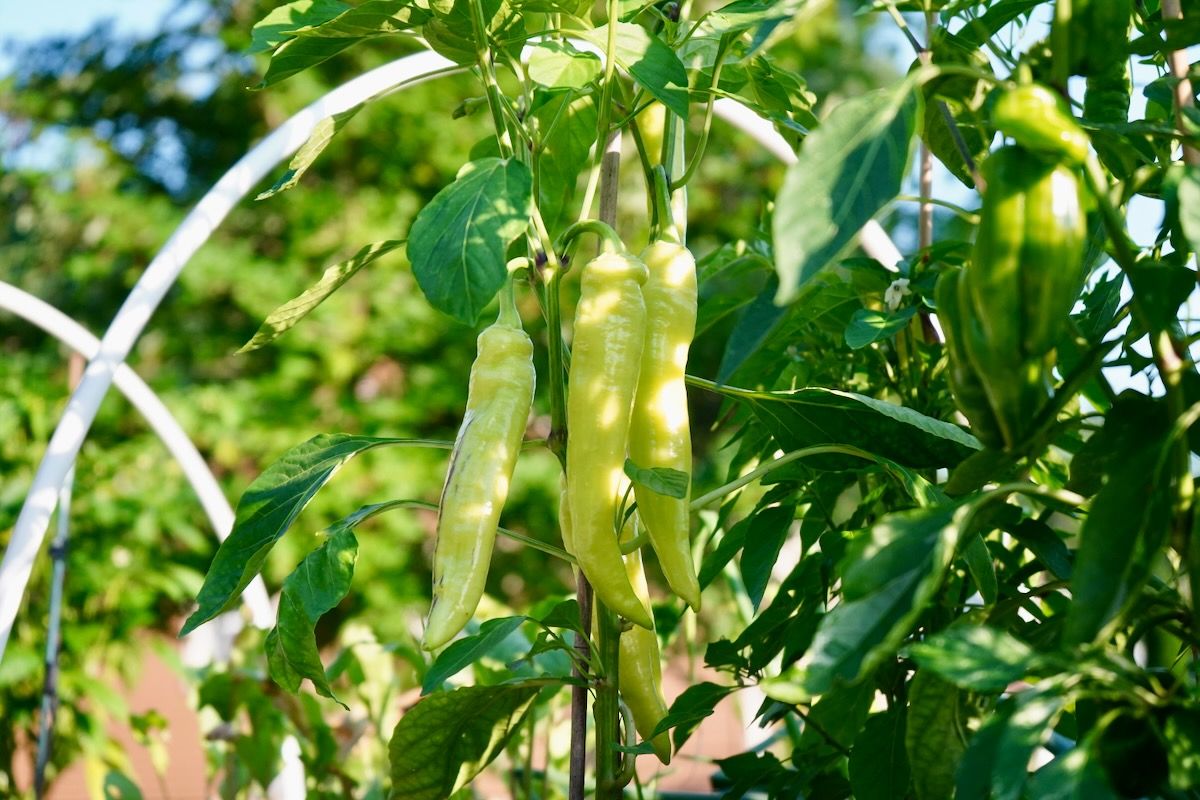
Think about the consequence of getting disease management wrong. A pepper plant infected with mosaic virus doesn't just suffer damage. The infection spreads to nearby plants through contact and insects. Your entire garden becomes compromised. You'll spend the rest of the season watching plants decline rather than producing peppers. Compare this to prevention: you spend time upfront setting up good soil, proper spacing, and smart watering. Your plants stay healthy all season long.
Prevention saves time, money, and heartbreak. A $3 disease-resistant seed packet prevents $50 worth of lost harvests. An hour spent setting up drip irrigation prevents weeks of fungal disease problems. Early detection that catches disease on day one stops what could become a catastrophic spread by day thirty. Healthy plants also resist stress and disease much better than weak plants. When your peppers have excellent soil, proper spacing, consistent water, and good light, they develop natural resistance that prevents many diseases from establishing. That's why this guide focuses on proven prevention strategies. Every section gives you actionable steps to create conditions where peppers thrive and diseases fail.
Understanding Common Pepper Diseases
Peppers are threatened by a number of major maladies that gardeners should know about. The most popular pepper disease is bacterial leaf spot, which manifests itself as small dark spots on leaves that eventually spread and coalesce. It likes hot and humid conditions and is spread through water splash and contact. Copper fungicides retard it but don’t get rid of it. Phytophthora blight: This leads to root rot and wilting. This fungus thrives in wet soil and kills plants quickly. The devastating part: no effective fungicide cures phytophthora once infection establishes. Prevention is your only practical option, which makes proper drainage absolutely critical.
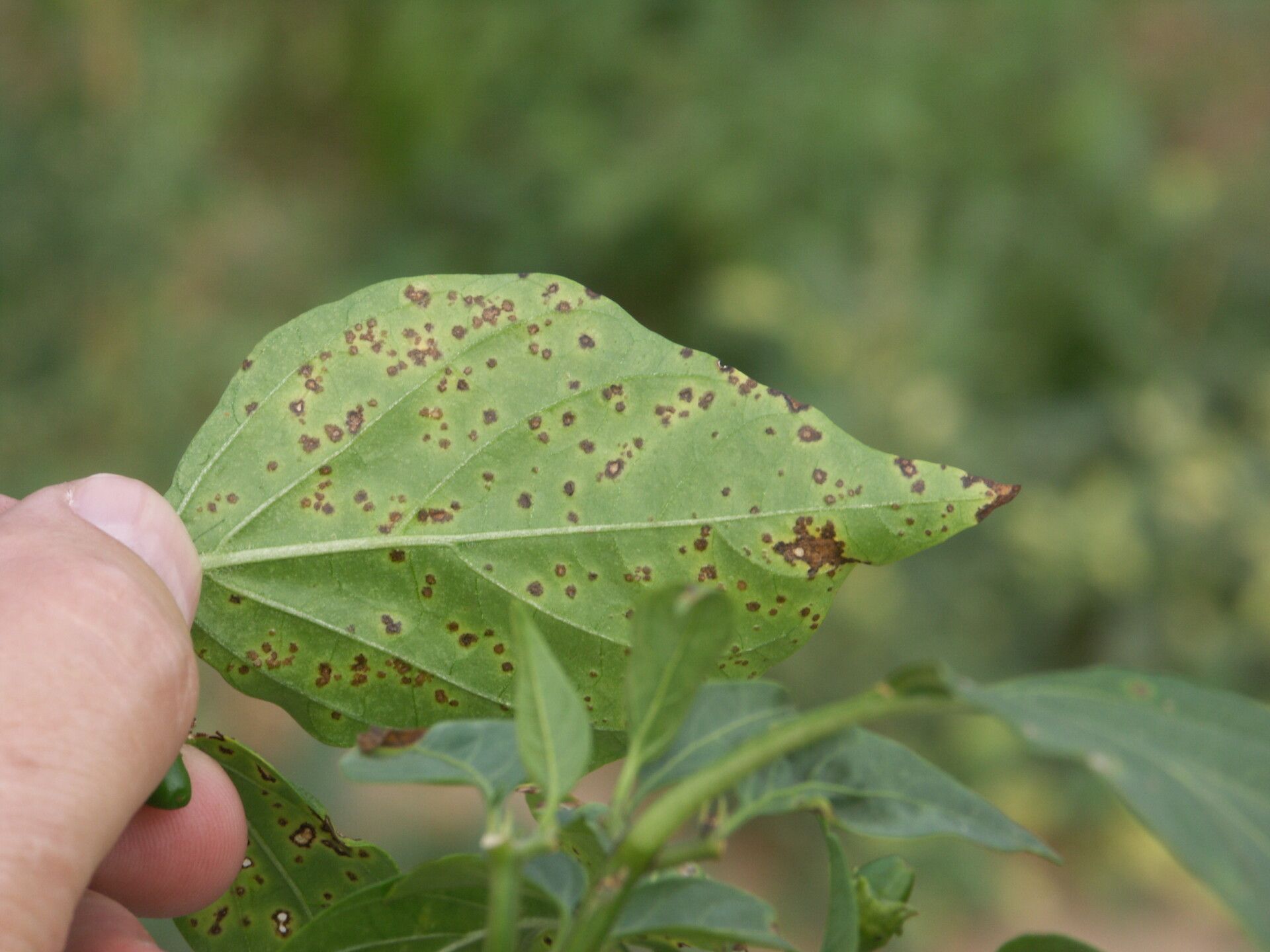
In addition to the fruit, anthracnose also attacks the leaves with dark sunken spots that render peppers unmarketable. The fungus can live in the soil and its spread is enhanced as soil splashes onto leaves. Not getting fruit soil contact and taking infected fruit off early stops the spread.” Mottled yellowing and distorted growthI, were associated with virus such as mosaic virus. After a virus invades a plant, there’s no changing it. No fungicide, no organic spray, no treatment exists. The plant stays infected for life and spreads virus to nearby plants. The only solution is preventing viral infection through disease-free seeds and controlling insects that transmit viruses.
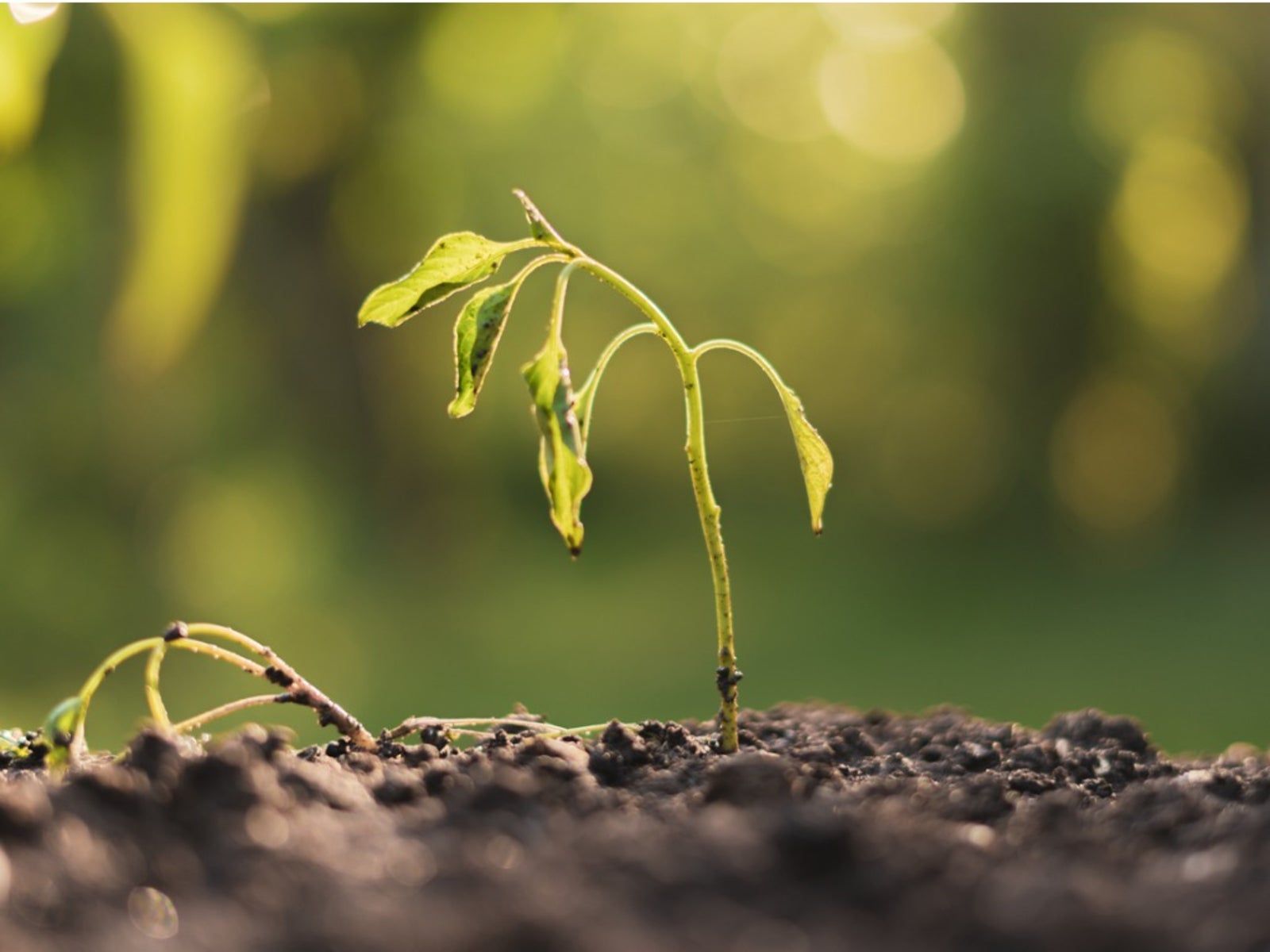
Damping off disease affects seedlings only, causing collapse at the soil line. This soil-borne fungal disease kills young plants quickly but only during the seedling stage. Proper seedling care prevents it entirely. All these diseases share a common theme: prevention stops them completely, but treatment rarely succeeds. Understanding this fundamental reality shapes every prevention strategy covered in this guide.
Soil Preparation: The Foundation of Disease Prevention
Your soil directly affects disease risk more than most gardeners realize. Well draining soil prevents root rot and phytophthora blight. Heavy clay soil holds moisture, creating perfect conditions for root diseases. Water sits in the soil rather than draining through, and fungi thrive in that wet environment. Well draining soil with proper aeration allows water to pass through, keeping roots healthy.
Start by testing your soil. Dig a hole about 12 inches deep, fill it with water, and watch how long it takes to drain. Water that drains within an hour indicates good drainage. Water that sits for several hours means you need amendments. Add compost, peat moss, or perlite to heavy soils to improve drainage. For garden beds, work amendments into the top 8 to 10 inches of soil before planting. Raised beds dramatically improve drainage for clay soil gardeners. A raised bed filled with quality garden mix provides excellent growing conditions that prevent root diseases.
Laser leveling and elimination of low water areas in such large gardens can help to avoid pooling of water that leads to diseases. “Just don’t plant them in any low areas of the garden where water puddles after rain,” he wrote for home gardens. Mulch 2 to 3 inches around plants, pull it back a few inches from the stem. Mulch keeps dirt from washing onto leaves, prevents soil from being pounded by raindrops and helps even out the moisture supply. Soil health also enhances plant resistance. Peppers planted in soil that is rich in organic material seem to be best able to withstand disease. Your spring foundation work determines your summer tells us about disease pressure. Invest time in soil preparation and disease prevention becomes significantly easier.
The Power of Crop Rotation
Crop rotation interrupts disease cycles that build up in soil. Many pepper diseases survive in soil for years, waiting for susceptible plants. Plant peppers in the same location year after year, and disease pressure builds to overwhelming levels. Rotate crops, and you break the cycle. The standard recommendation is 2 to 3 years minimum between pepper crops in the same location. Some serious soil-borne diseases require 5 to 7 years between crops. Phytophthora blight can survive 5 to 7 years in soil without a host plant. Verticillium wilt can persist even longer.
Choose safe rotation partners carefully. Never plant peppers where tomatoes grew the previous year. Both belong to the solanaceae family and share many diseases. Bacterial leaf spot, early blight, late blight, and other diseases affect both crops. Plant peppers after tomatoes and you're planting into soil full of pepper-pathogenic organisms. Safe rotation partners include corn, grasses, and other non-solanaceae crops. These plants don't harbor pepper diseases, so planting peppers after them breaks the disease cycle.
Keep a simple garden record noting what you plant where each year. This prevents accidentally rotating back to peppers too soon. Many gardeners with disease problems discover they've been planting peppers in the same bed for five consecutive years. The disease builds exponentially, making prevention impossible. Rotation forces the fungus to die from lack of host plants. Most soil-borne pathogens survive only a few years without susceptible hosts. By the time you plant peppers again, the disease pressure has declined dramatically. Crop rotation is one of the most powerful prevention tools available. It requires patience and planning but delivers remarkable disease prevention.
Water Management: Critical Prevention Strategy
The most important factor in disease prevention is water management. More pepper sick IS caused by faulty watering than all other troubles combined. Your watering style is the difference between a healthy crop or one overtaken by fungi. Watering from overhead wets leaves, in just the way fungi like them to become. More than a few hours of leaf wetness can result in fungal spores germinating and infecting the tree. Drip irrigation and soaker hoses water the base of plants, ensuring leaves stay bone dry. Irrigation Drip-irrigation, by replacing overhead irrigation, very often eliminates the problem of fungal diseases altogether.
Only water in the morning. This is what makes morning dew dry and then evaporate from the leaves instantly. Never water in the afternoon or evening, as the leaves will remain wet overnight. Fungi are most active during the evenings in moisture. Wet leaves overnight provide perfect infection conditions. Watering at 6 a.m. allows leaves to dry by 8 a.m., reducing fungal colonization. This simple timing adjustment prevents numerous diseases. Deep but infrequent watering is far better than shallow frequent watering. One deep watering to 6 to 8 inches deep, two to three times weekly, encourages strong root development and prevents overwatering. Shallow daily watering keeps soil constantly moist, creating conditions for root rot and fungal diseases.
Water at soil level only. Drip lines, soaker hoses and drip rings deliver water right where you want it. Cuando cae la lluvia, tus hojas no se mojan, la humedad permanece más baja y la presión de enfermedades cae notablamente. For seedlings, bottom water by setting trays in larger containers of water and letting the soil draw moisture from below. Damping off disease loves to form on wet seedling stems so this prevents that. Mulch also helps keep the ground uniformly moist and protects against soil splash. Mulch 2 to 3 inches deep helps maintain soil temperature and moisture. Erratic watering stresses the plant and lowers disease resistance. Keep soil moist but never waterlogged Peppers grow best with a steady supply of moisture that allows the soil to remain evenly damp. Master the watering and you eliminate half of your potential disease issues.
Proper Spacing and Air Circulation
Plant spacing directly affects disease risk. Eighteen to 24 inches between plants allows air circulation that keeps foliage dry. Crowded plants create humid microclimates where fungal diseases thrive. Air can't flow between leaves, so moisture hangs around for hours after rain or watering. Fungi love this humid, wet environment. Space plants properly and air flows through, leaves dry quickly, and fungal diseases can't establish.
Poor spacing accelerates disease spread dramatically. If one plant develops bacterial leaf spot in a crowded bed, the disease spreads to adjacent plants within days. Proper spacing creates space between plants where disease spread is slower. Even if disease starts on one plant, it takes longer to spread to neighbors, giving you more time for early detection and response. Positioning plants where natural breezes blow through the garden improves air circulation. Avoid enclosed spaces or tight corners where air stagnates. If you have a south-facing garden, position peppers where afternoon breezes can flow through.
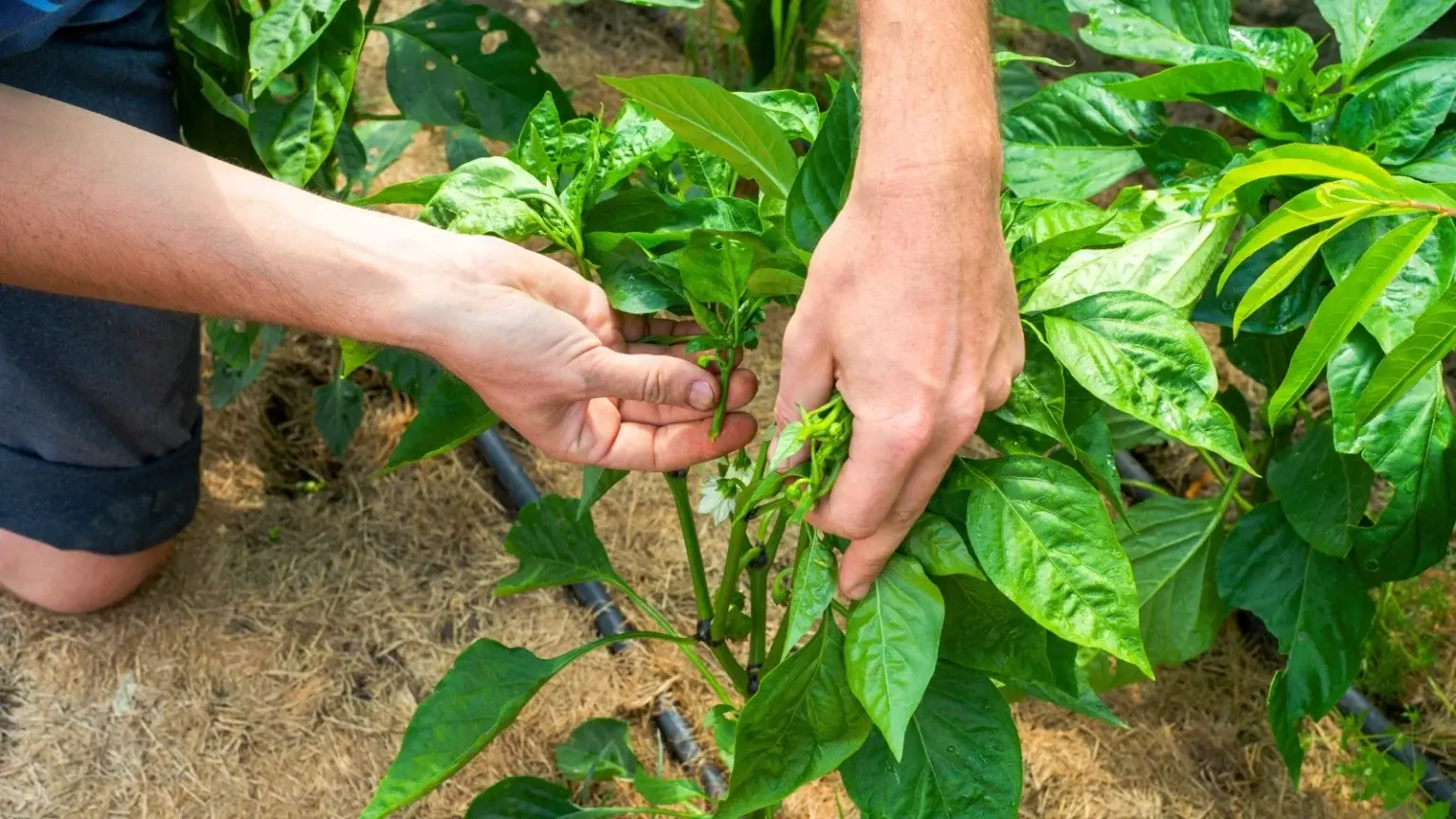
Pruning for air circulation helps as plants grow larger. Remove lower leaves once fruiting begins. These lower leaves don't contribute much to photosynthesis but create dense foliage that traps moisture. Removing them improves air circulation at the plant base, preventing soil-splash diseases. Remove crossing branches that touch the ground or other plants. Thin out extremely dense foliage on the plant interior to allow light penetration and air flow. Trellising peppers vertically instead of letting them sprawl horizontally improves air circulation naturally. The vertical orientation exposes foliage to more air movement and sunlight. All these spacing and air circulation strategies work together to create conditions where disease can't thrive.
Seedling Care and Early Prevention
Disease prevention starts before you plant outdoors. Seedling care practices that seem minor actually determine summer disease success. Using disease-free seeds and transplants is absolutely critical. Buy seeds from reputable sources with good quality control. Buy transplants from nurseries with clean growing practices. One infected transplant brought into your garden can introduce disease that affects your entire pepper crop. Don't try to save money with bargain-priced transplants from questionable sources.
Use sterilized seedling mix, never garden soil. Garden soil contains fungal spores and bacteria that cause damping off. Sterile seedling mixes are heat-treated to kill pathogens. This small investment prevents damping off disease that kills seedlings. Avoid overwatering seedlings while they're young. Soggy soil creates conditions for damping off fungus. Water from below by placing seed trays in larger containers of water. Seedlings absorb moisture from below while the soil surface stays relatively dry. This technique prevents wet seedling stems that damping off fungi exploit.
Provide seedlings with gentle air movement from an oscillating fan on low speed. This strengthens stems, prevents fungal growth on damp soil surface, and toughens plants. Run the fan for several hours daily. High quality seedlings are stocky, have purple-tinged leaves, and look tough. Weak, leggy seedlings are prone to problems outdoors. If seedlings appear weak despite good light, you've likely overwatered. Hot water seed treatment using 20 percent bleach for 40 minutes kills seed-borne pathogens. This is optional for home gardeners but recommended if you've had disease problems in the past. Everything you do in March determines August's harvest. Invest time in quality seedling care and disease prevention becomes much easier.
Choosing Disease-Resistant Varieties
Disease-resistant varieties aren't always perfect, but they prevent heartbreak. When you have a choice between a gorgeous non-resistant variety and a somewhat less pretty resistant variety, choose resistance. The variety that grows healthy all season with minimal disease issues always beats one that requires constant treatment. Look for HR and IR codes on seed packets. HR means the variety shows horizontal resistance to specific diseases. IR means it has intermediate resistance. These codes usually specify what diseases the resistance targets. HR: BLS indicates resistance to bacterial leaf spot. IR: TEV indicates resistance to tobacco etch virus.
Some varieties offer multiple disease resistances. A pepper that resists both bacterial leaf spot and phytophthora blight is worth choosing even if other traits are slightly less ideal. Disease-resistant varieties exist for most pepper types including sweet peppers, hot peppers, and decorative peppers. If local extension services recommend disease-resistant varieties for your region, follow their guidance. They know which diseases are most problematic in your area and which varieties offer the best protection.
Disease-resistant varieties sometimes sacrifice yield or taste slightly. Accept this trade-off willingly. A healthy plant that produces 70 percent of its potential yield is far better than a non-resistant plant that produces 30 percent yield due to disease. Over a full season, disease-resistant varieties significantly outperform non-resistant varieties in disease-prone situations. If you live in an area with serious disease pressure, disease resistance becomes non-negotiable. Local nurseries and extension services can recommend varieties proven to succeed in your region.
Sanitation and Field Hygiene
Sanitation prevents disease spread from plant to plant and season to season. Remove diseased plant material immediately. If you notice a branch with symptoms, cut it off. If an entire plant is heavily infected, remove and destroy the entire plant. Every infected leaf left on a plant is a source of spores that spread to healthy plants. Destroying infected material removes inoculum before spread occurs.
Clean your tools between plants. Washing hands and dipping tools in bleach solution between plants prevents spreading disease from sick plants to healthy ones. This small practice stops disease transmission dramatically. Tools used on an infected plant can carry spores to healthy plants. Clean stakes and supplies that have contacted diseased plants. Disinfect or replace them before reusing them. Destroy volunteer pepper plants from previous seasons. These plants likely carry disease and can infect your new plants. Work diseased areas last when scouting or harvesting. If you handle diseased plants early, you spread contamination. Handle healthy plants first, then diseased ones. Never work in wet plants, as this spreads disease easily. Work in dry conditions when water isn't on foliage.
Complete field sanitation after season. Remove all plant debris. Till in or remove peppers left hanging on plants. Clean soil from garden beds and tools. Destroy heavily diseased material by burning if legal in your area, or by deep burial away from garden areas. Don't compost diseased material unless your compost reaches 140 degrees Fahrenheit or higher. Most home compost piles don't get hot enough to kill pathogens. Proper sanitation at season's end removes disease sources that would overwinter and cause problems next year.
Early Detection and Scouting
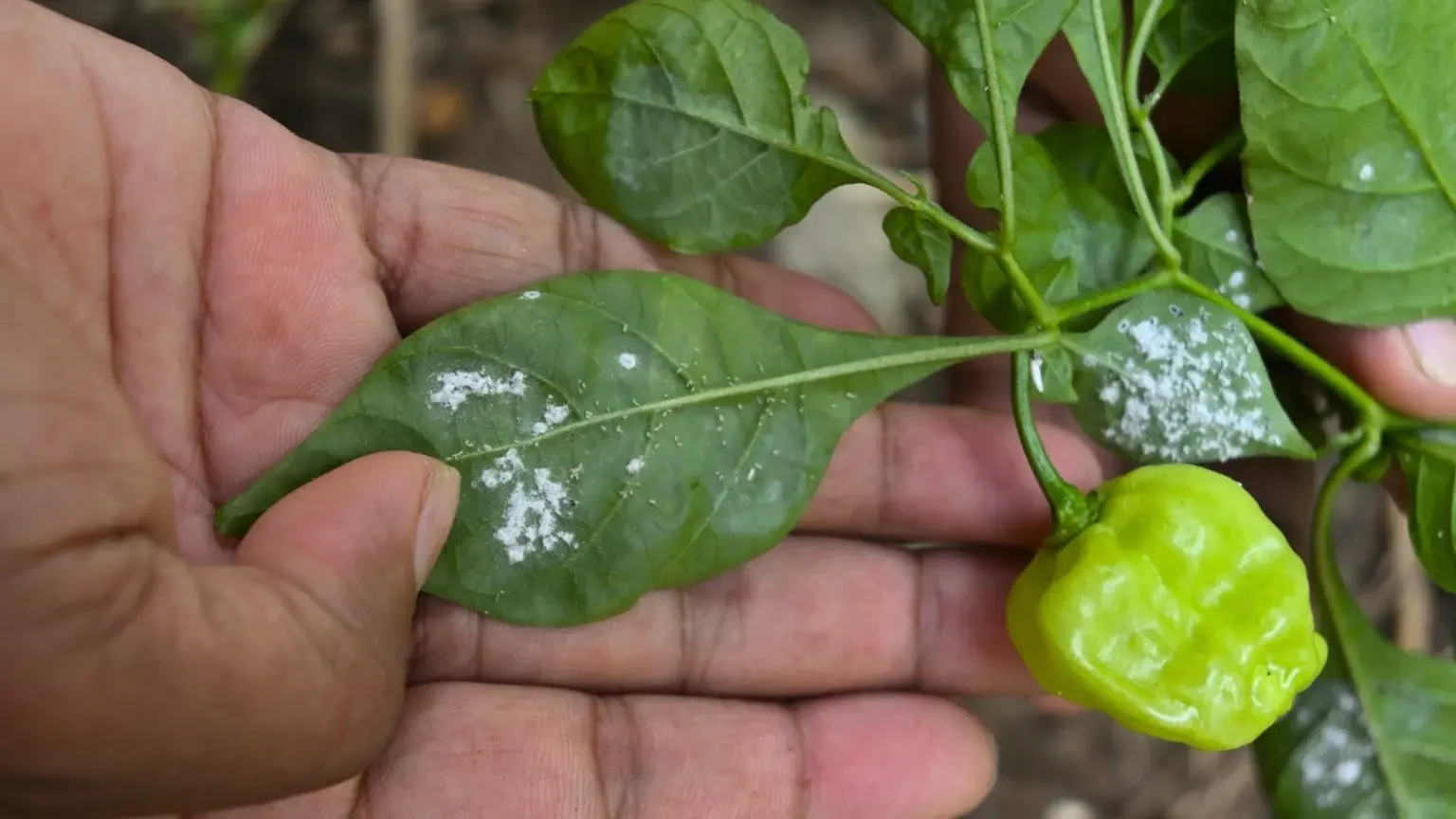
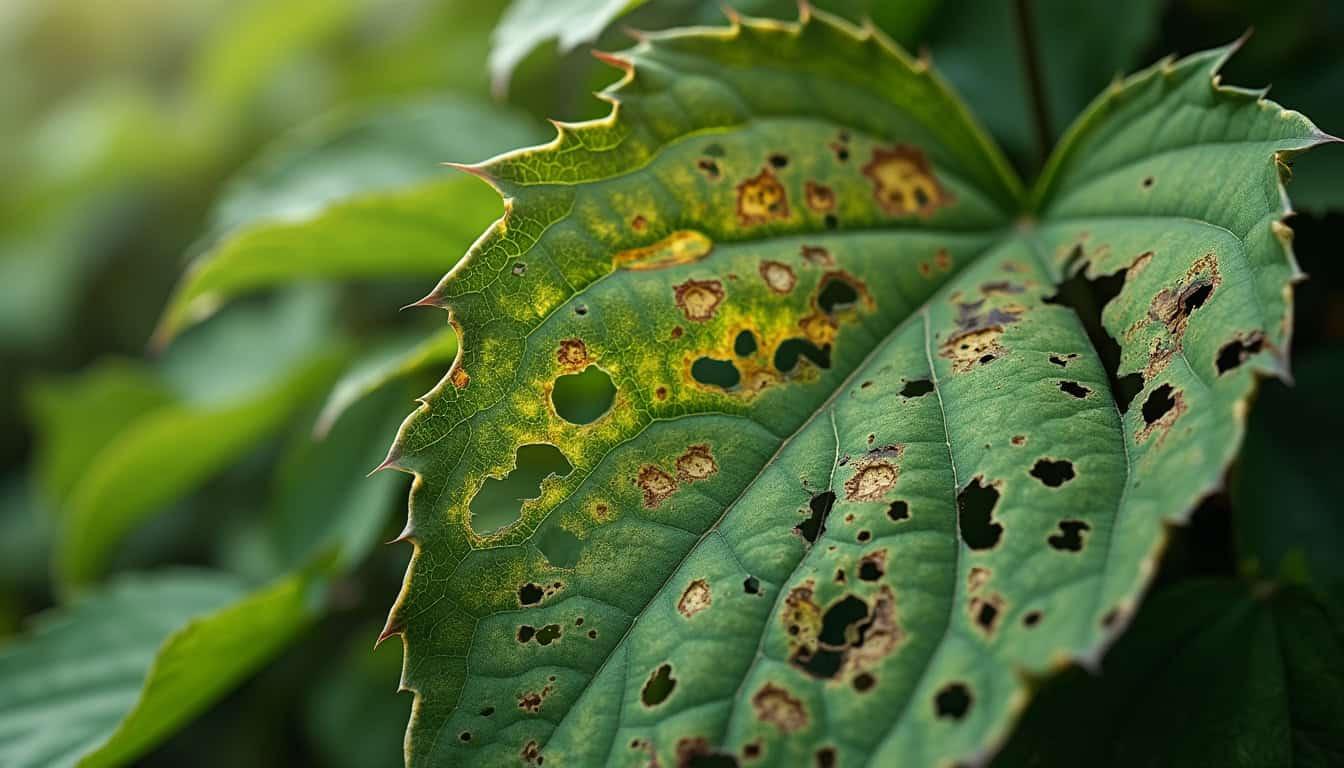
Early detection catches disease when options still exist. Late detection means disease has spread extensively and treatment becomes difficult or impossible. Scout your pepper plants weekly starting mid-summer. Look for unusual leaf spots, yellowing, wilting, or abnormal growth. Check leaf undersides where many pests and early disease signs appear. Look for "hot spots" where disease starts concentrating before spreading outward. Catching these hot spots early allows removal of infected plants before spread occurs.
Remove infected fruit immediately by strip-picking affected areas. This removes inoculum and prevents spores from spreading. If one fruit on a plant shows disease, don't leave it hoping it'll improve. Pick it off. This reduces overall disease pressure in your garden. Sometimes you need to choose between removing one diseased branch or removing the entire plant. If disease is limited to one branch, remove it and monitor the rest of the plant. If disease covers the plant, remove the entire plant. One healthy plant is better than one sick plant that spreads disease to neighbors.
Use a magnifying glass to spot early symptoms you might otherwise miss. Some diseases start with tiny spots barely visible to the naked eye. Magnification reveals problems early when options still exist. Keep simple scouting records noting which plants show symptoms and what those symptoms look like. This information helps you recognize patterns and anticipate future problems. Early detection dramatically changes disease management. A disease caught on day one is infinitely easier to manage than disease discovered on day thirty when it's already spread.
Organic Prevention and Control Methods
When prevention doesn't completely stop disease, organic control methods help. Copper-based fungicides effectively control bacterial leaf spot and some fungal diseases. These are approved for organic growing and have been used for over 100 years. They're not toxic to humans or beneficial insects at label rates. Apply copper fungicides preventively before disease appears, not after symptoms develop. Preventive applications work far better than reactive ones.
Trichoderma products contain beneficial fungi that crowd out disease-causing fungi. These biological controls prevent fungal diseases in soil and on plants. Bacillus products control bacterial diseases through similar mechanisms. These products work best when applied preventively before disease establishes. Once disease is severe, they're less effective. Neem oil and insecticidal soap control pests that transmit viruses. Controlling vectors prevents viral disease transmission. Spray these products in early morning or late evening when temperatures are below 85 degrees Fahrenheit to avoid plant damage.
Combining cultural methods and organic controls provides the best disease management. Excellent soil, proper spacing, drip irrigation, and sanitation form your prevention foundation. Organic controls support this foundation when additional help is needed. Using only organic sprays without proper cultural practices fails because you're treating symptoms while ignoring causes. Using excellent cultural practices with organic controls available as backup provides robust disease management. Follow label directions exactly. Apply fungicides only when conditions favor disease. Don't spray continuously; apply when needed based on weather and disease pressure.
Using Plantlyze for Disease Management
When you're uncertain about emerging symptoms, Plantlyze helps eliminate guesswork. Upload a photo of affected foliage to the Plantlyze app or website. The AI-powered system analyzes your image and provides instant identification along with recommended management strategies. This removes the confusion from disease diagnosis. Many diseases look similar to untrained eyes. Bacterial leaf spot versus early fungal disease versus nutrient deficiency can confuse gardeners. Plantlyze's technology identifies the exact problem.
Early identification allows immediate response. If Plantlyze identifies a disease in early stages, you can remove infected material before spread occurs. If it identifies nutrient deficiency, you can address the real problem rather than treating for disease. This clarity transforms disease management from guessing to knowing. Visit Plantlyze.com to access this tool for your pepper plants. Whether you're uncertain about a new symptom, trying to identify an unusual growth pattern, or worried about early disease signs, uploading a photo provides expert feedback in seconds.
Frequently Asked Questions
Can I prevent bacterial leaf spot completely? You can reduce it dramatically but eliminating it entirely requires disease-resistant varieties. Use HR: BLS coded varieties, avoid overhead watering, ensure good air circulation, scout weekly, and remove infected leaves immediately. These combined strategies prevent most infections. In extreme humidity conditions, copper fungicides applied preventively provide additional protection.
What's the single best watering method for disease prevention? Drip irrigation is superior. It delivers water directly to soil without wetting leaves. No overhead watering means no wet foliage where fungal diseases establish. Even a drip system isn't perfect unless you water early in the day when morning dew evaporates. Water management matters more than any other single prevention factor.
How often should I scout my pepper plants? Weekly scouting catches problems early. During peak season, every seven days provides ideal detection timing. Catch disease on day one of appearance, and management is simple. Miss it for two weeks, and spread becomes extensive. Your weekly commitment prevents hours of problem management.
Can I cure viruses on pepper plants? No. Once a plant is infected with virus, there's no cure. The virus stays in the plant for life. The only solution is preventing viral infection through disease-free seeds and controlling insects that spread virus. If you find a virally infected plant, remove and destroy it immediately to prevent spread.
What's the best crop rotation for peppers? Plant peppers where corn or grasses grew the previous year. Avoid planting peppers after any solanaceae family crops including tomatoes, eggplants, or potatoes. Wait 2 to 3 years minimum before planting peppers in the same location again. Keep records so you don't accidentally rotate back too soon.
How does proper spacing prevent disease? Crowded plants create humid conditions where fungal diseases thrive. Properly spaced plants allow air circulation that dries foliage quickly after rain or watering. Air movement prevents the wet conditions fungi need to establish and spread. Eighteen to 24 inches spacing is standard for most pepper varieties.
When should I remove an entire infected plant? If disease covers more than 30 percent of the plant, remove it entirely. Limited disease on one branch can be pruned off and monitored. Widespread disease is too much to manage, and the plant becomes a disease source for neighbors. One healthy plant is always better than one diseased plant.
Are disease-resistant varieties less productive? Disease-resistant varieties sometimes produce slightly less under ideal conditions, but in disease-prone situations they produce far more because they stay healthy. A healthy resistant plant producing 70 percent of potential yield beats a non-resistant plant producing 30 percent yield due to disease. In the real world with actual disease pressure, resistant varieties win.
Conclusion
Here's the core prevention principle: prevention beats treatment every single time. You can't cure phytophthora blight. You can't eliminate viruses from infected plants. You can't cure mosaic virus once it establishes. Your only practical option is preventing disease through excellent soil, proper watering, good spacing, sanitation, resistant varieties, and early detection. These prevention strategies work because they address the fundamental requirements pathogens need: moisture, crowding, poor drainage, and inoculum sources. Remove these conditions and diseases can't thrive.
Follow these proven strategies consistently, and your pepper plants will reward you with disease-free harvests season after season. Start with soil preparation and crop rotation. Add proper spacing and drip irrigation. Scout weekly and remove problems immediately. These fundamentals prevent most disease issues. When questions arise about unfamiliar symptoms or uncertain diagnoses, Plantlyze can help identify emerging problems instantly. The satisfaction of harvesting healthy, disease-free peppers makes every prevention effort worthwhile.
References
University of Connecticut Extension - "Summary: Pepper Integrated Pest Management Options"
https://ipm.cahnr.uconn.edu/summary-pepper-integrated-pest-management-options/University of Florida IFAS Extension - "Pest Management of Peppers in Miami-Dade County, Florida"
https://edis.ifas.ufl.edu/publication/PP316New Mexico State University - "Chile Pepper Diseases"
https://pubs.nmsu.edu/_circulars/CR549/North Carolina State Extension - "Anthracnose of Pepper"
https://content.ces.ncsu.edu/anthracnose-of-pepperUniversity of Georgia CAES - "Disease Management in the Home Vegetable Garden"
https://fieldreport.caes.uga.edu/publications/C862/disease-management-in-the-home-vegetable-garden/