You’ve waited months for your first pepper to ripen and at long last you spy a beautiful fruit developing perfectly on your plant. Then, just as it’s nearing maturity, dark sunken spots appear on the bottom of the pepper. Your heart sinks. This is blossom end rot—one of the most frustrating challenges that pepper growers face.Blsoosm end rot is a physiological disorder. It can cause up to 50 percent fruit loss in peppers, tomatoes or eggplants, if severely attacked. Here is the good news. Unlike those pathogenic fungal diseases, this non-contagious condition happens to be calcium deficiency and watering problem-which means it is totally preventable and correctable! Understanding the root causes empowers you to take control and grow beautiful, healthy peppers all season long.
What Is Pepper Blossom End Rot?
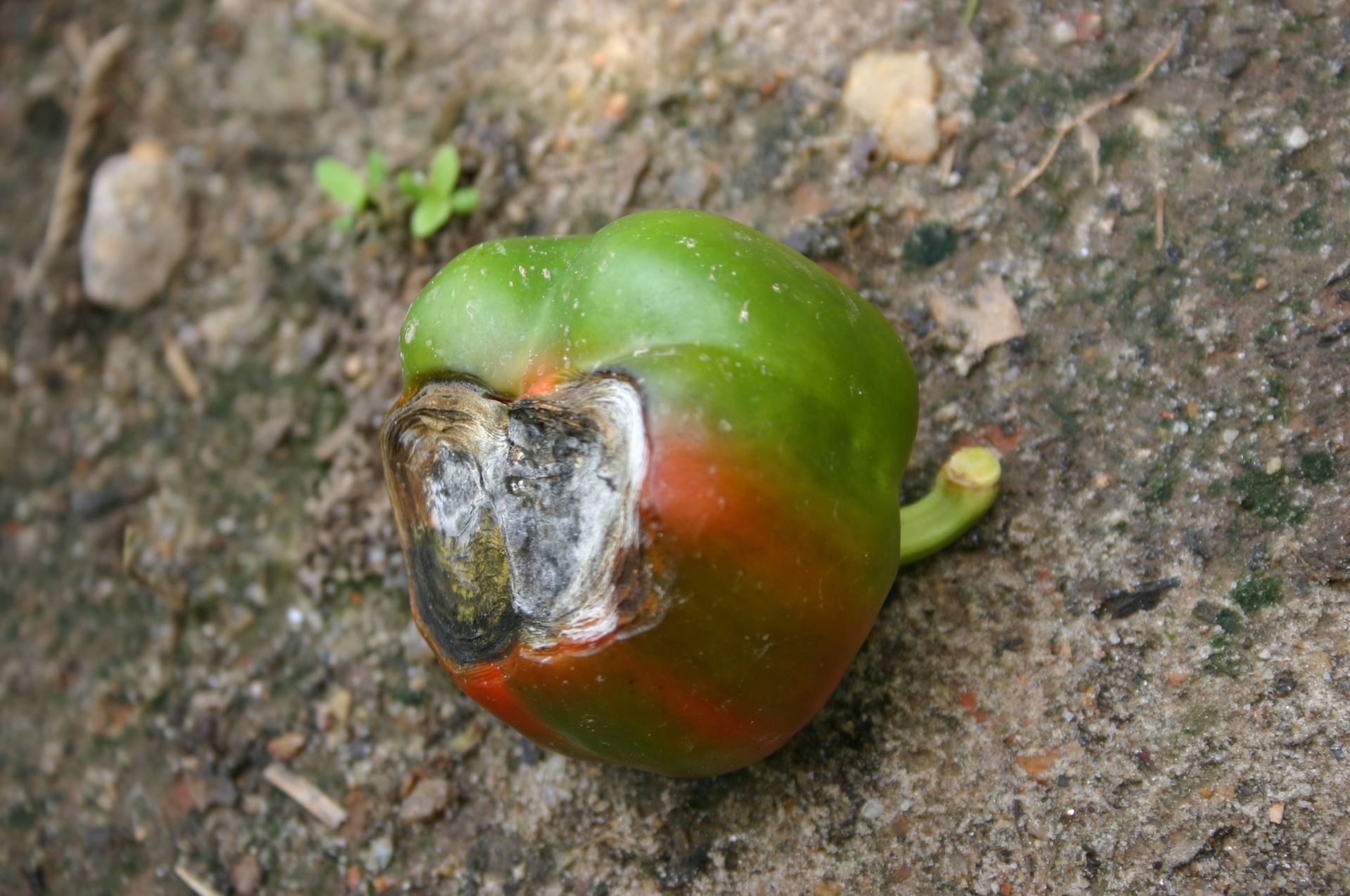
Blossom end rot is a physiological disorder, not a fungal, bacterial, or viral disease. This critical distinction matters because it means the problem cannot spread from plant to plant and isn't caused by pest damage or pathogen infection. Instead, the condition develops when developing pepper fruits experience calcium deficiency within their cell structures.
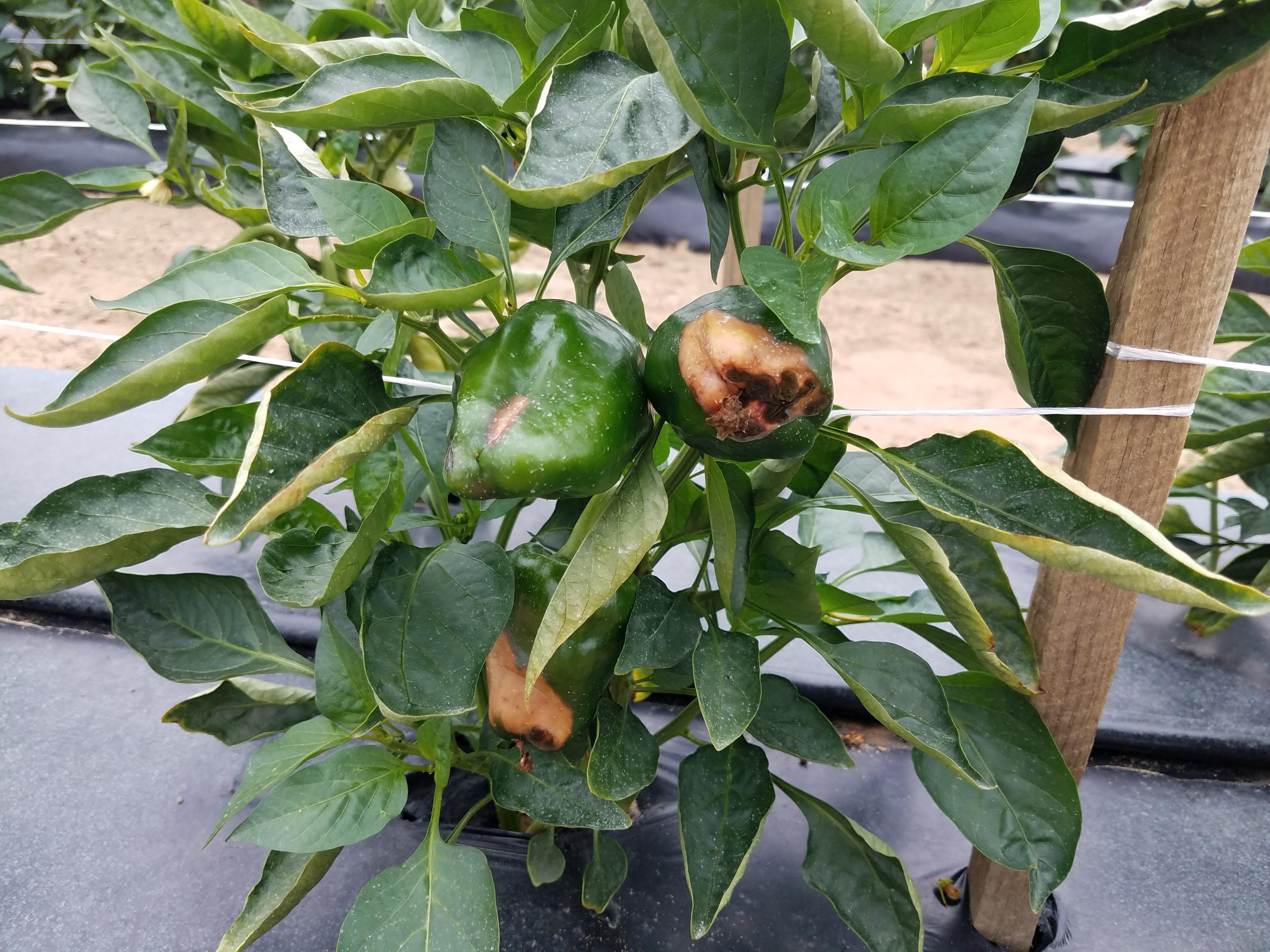
The visible problem is straightforward: calcium deficiency in developing fruit causes cell membrane collapse at the blossom end (the bottom of the pepper opposite the stem). Calcium provides strength to the cell wall, therefore when calcium becomes inadequate the cell walls lose structural integrity and collapse creating characteristic damage. Initially appears as light tan or yellow water soaked spots at the blossom end . Over time these spots enlarge ,turn dark brown to black and become sunken and leathery in texture. Secondary infections from fungi and bacteria often invade the damaged tissue, darkening the appearance further and potentially making the pepper unsuitable for consumption or sale.
The damage typically starts on the bottom or sides of peppers near the blossom end, though it can appear anywhere on the fruit surface. Severity ranges from minor cosmetic damage affecting just a small area to cases affecting 50 percent or more of the fruit surface. Interestingly, sometimes the exterior looks relatively sound but cutting into the affected fruit reveals internal discoloration and a shrunken cavity beneath the dark spot.
Identifying Pepper Blossom End Rot Symptoms
Early detection is crucial because once cell damage occurs, it's irreversible. Learning where to look and what to observe helps you catch blossom end rot when it's most manageable.
Early Warning Signs:
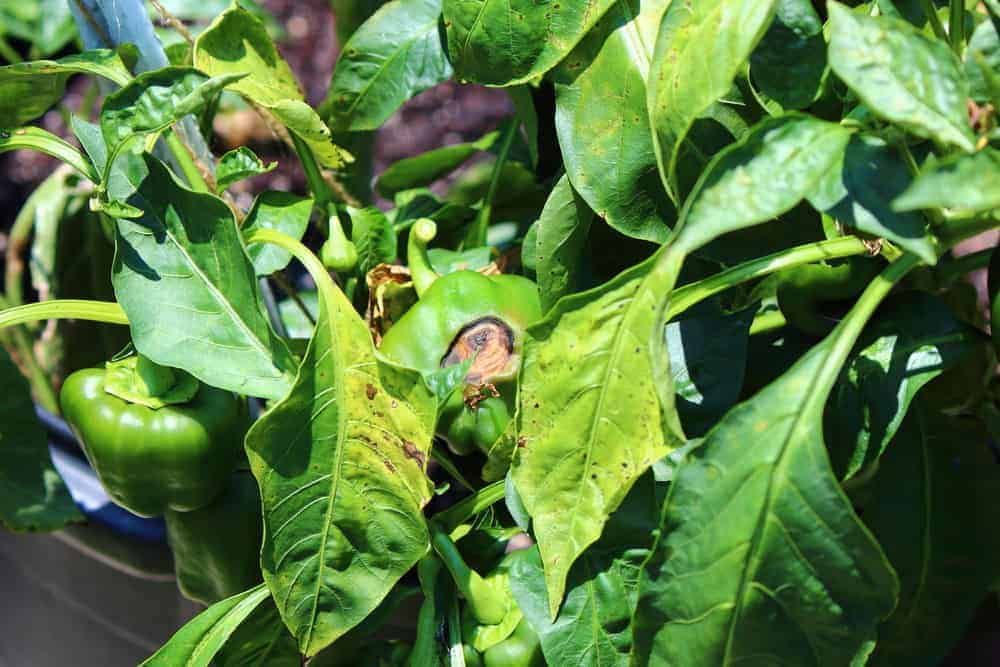
The first sign appears as water soaked spots resembling small bruises on the blossom end of developing fruit. These spots begin light tan or yellow in color, gradually darkening over days and weeks. Initially they appear wet and soft, eventually becoming dry and leathery in texture. The progression typically occurs on first flush of fruit, early in the growing season when plants are under stress.
Visual Inspection Guide:
Check fruit during development stage before full ripeness. Look carefully at the fruit attachment point to the stem, as lower pods are most susceptible. Early detection matters because spots are small when caught early, making them easier to manage. Observe progression over time as spots expand and darken as fruit matures. Secondary fungal growth may appear as black mold on damaged areas, complicating diagnosis.
Severity Assessment:
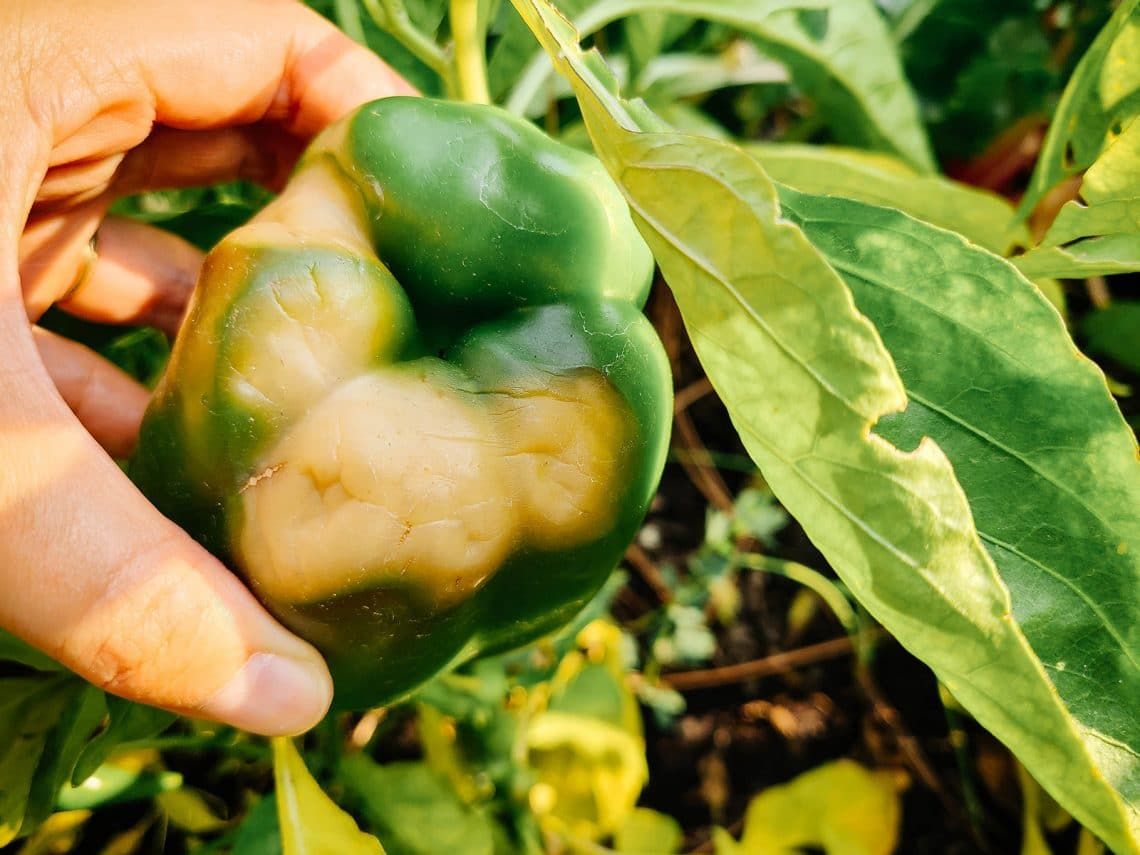
Minor blossom end rot affects less than 10 percent of the fruit surface and represents a cosmetic issue only. Moderate cases affect 10 to 40 percent of the fruit, with the affected fruit partially usable. Severe cases affect more than 40 percent of the fruit surface, making it unsuitable for market or consumption.
Why Early Detection Changes Everything:
Once cell damage occurs, it's irreversible on that fruit. However, affected fruit continues draining calcium from your plant, diverting resources from healthy developing fruit. Early removal redirects energy to peppers that can still develop properly. Prevention during the symptom onset phase prevents future crops from being affected. The difference between removing fruit when you first notice small spots versus waiting until they're obvious is dramatic.
The Root Cause: Understanding Calcium Deficiency
Understanding the mechanism behind blossom end rot helps you prevent it effectively. The problem isn't typically a shortage of calcium in your soil but rather the plant's inability to transport available calcium to developing fruit at a sufficient rate.
Calcium's Critical Role:
Calcium functions as a structural component in plant cells, maintaining cell membrane stability and overall integrity. In developing fruit, cell walls require calcium much like concrete requires rebar for structural strength. The timing is critical: calcium deficiency during the early 21 to 30 days of fruit development causes irreversible damage that cannot be corrected later. This vulnerable window is when cells are rapidly expanding and dividing.
The Transport Problem:
Here's the key insight: calcium only moves through plants via water transport from roots upward. Unlike nitrogen and other mobile nutrients, calcium cannot redistribute from older leaves downward to developing fruit. Calcium travels exclusively through xylem tissue, the water carrying vessels in plants. Developing fruits don't compete well with leaves for calcium uptake because leaves are established and have priority access to the water stream.
The real problem isn't usually calcium shortage in soil but rather the plant's inability to transport available calcium to developing fruit consistently.
Primary Culprits Behind Poor Calcium Transport:
Inconsistent watering is the number one cause of blossom end rot. Dry periods followed by heavy watering disrupts the steady water flow essential for calcium transport. Water soaked stress triggers calcium transport failure even when water is abundant. Dry containers lose water faster than in ground plants, making consistency even more critical. Temperature extremes accelerate moisture loss and interrupt the delicate balance.
Excess nitrogen fertilization promotes vegetative (leaf) growth over fruit development. High nitrogen encourages leaves to compete aggressively with fruit for limited calcium. Nitrogen in ammonium form interferes with calcium uptake at the roots themselves. Tender new growth from excess nitrogen demands more resources, further starving developing fruit.
Poor drainage and waterlogging create problems by reducing root oxygen availability, which impairs nutrient uptake ability. Cold, waterlogged soil reduces calcium mobility. Roots cannot function properly in saturated, anaerobic conditions.
Root damage from deep cultivation near plants, dry out and wet cycles that shock root systems, or physical injury reduces overall water absorption capacity. Damaged roots cannot deliver the consistent water flow needed for calcium transport.
Environmental Factors Triggering Blossom End Rot
Identifying the environmental triggers in your specific growing situation helps you eliminate the conditions inviting this problem.
Watering Related Factors:
Inconsistent moisture represents the most critical factor. Container gardening shows particular vulnerability because containers dry faster than ground soil. Hot weather with temperatures above 85 degrees Fahrenheit increases transpiration dramatically. Morning dew periods and early evening humidity fluctuations create irregular moisture stress. Overhead watering creates uneven moisture patterns compared to drip irrigation.
Nutritional Imbalances:
Excess ammonium nitrogen competes with calcium for root uptake. High potassium levels interfere with calcium absorption capacity. Magnesium imbalance affects the calcium to magnesium ratio, which influences transport efficiency. Fertilizing during early fruiting stage worsens the problem by pushing vegetative growth. Fertilizer burn from concentrated salts around roots limits water uptake entirely.
Soil and pH Conditions:
Incorrect soil pH below 6.5 reduces calcium availability in acidic soils. Above 7.2 pH, alkaline soils may lock up calcium despite adequate levels. Sandy soils drain calcium quickly, while heavy clay holds water excessively. Low organic matter reduces calcium retention capacity.
Plant Stage Factors:
Rapid growth phases in young pepper plants during peak growth consume resources aggressively. Initial fruit clusters are most susceptible to deficiency. Cold soil stress limits nutrient uptake. Extreme heat increases plant water demand beyond what roots can supply consistently.
Prevention Strategies: The Foundation
Prevention represents the most cost effective and plant friendly approach to managing blossom end rot. These strategies reduce the problem before it ever develops, making this foundation work absolutely critical.
Water Management: The Number One Prevention Strategy
Establish a consistent moisture routine that never allows complete soil dryness. Pepper plants need 1 to 2 inches of water weekly, though container plants may need daily watering in summer heat. Check soil moisture by feeling 2 inches deep; it should feel slightly moist. Create a daily or every other day watering schedule that maintains this consistency.
Use drip irrigation or soaker hoses to deliver water directly to the root zone. This approach avoids overhead watering that creates humid conditions and delivers water inconsistently. Drip systems can be placed on timers for perfectly consistent watering every single day, removing the guesswork. This method proves much more efficient than hand watering, which inevitably creates uneven moisture distribution.
Apply 2 to 3 inches of organic mulch around plants, pulling the mulch 3 to 4 inches away from plant stems to prevent rot. Mulch maintains consistent soil temperature and reduces evaporation dramatically, especially critical in containers. The mulch layer acts like a blanket, buffering temperature swings and moisture loss.
Water during cooler parts of the day, ideally early morning. Avoid watering in extreme heat when water evaporates rapidly before reaching roots. Water deeply, soaking soil to 6 inches minimum depth. Allow soil to dry to finger depth before the next watering rather than maintaining waterlogged conditions.
Soil Preparation Before Planting
Get a comprehensive soil test completed from a professional laboratory. Don't rely on simple NPK tests that only measure three nutrients. Professional lab analysis identifies all minerals present, shows calcium levels accurately, and provides specific amendment recommendations based on your soil conditions.
Adjust soil pH if needed to the target range of 6.0 to 7.0 for optimal calcium availability. Use lime (calcium carbonate) if pH is below 6.0, which also raises pH. Use gypsum (calcium sulfate) if pH is 6.5 to 7.2, which provides calcium without changing pH. Apply amendments 1 to 3 months before planting when possible, especially lime.
Incorporate calcium amendments before planting. Add gypsum at one cup per plant or 1 to 2 pounds per 100 square feet. Bone meal provides both calcium and phosphorus at 1 to 2 cups per plant. These amendments work faster than lime for immediate calcium availability and should be mixed thoroughly into planting soil before setting transplants.
Fertilization Strategy for Prevention
Choose appropriate fertilizer forms carefully. Use calcium nitrate or other fertilizers with nitrate nitrogen rather than ammonium based forms. Select tomato specific formulas with balanced NPK ratios like 5 to 10 to 15 rather than high nitrogen products. Choose fertilizers with higher calcium percentage (6 to 10 percent) specifically to prevent deficiency.
Time fertilizer applications strategically. Wait until peppers reach quarter size before side dressing with fertilizer. Apply fertilizer every 5 to 6 weeks rather than more frequently. Reduce nitrogen rates during fruiting stage to shift plant focus from leaves to fruit. If excessive green growth occurs, reduce fertilizer rate immediately rather than continuing current application rates.
Container Gardening Specific Prevention
Use the largest practical container possible. Five gallon containers are the absolute minimum; 10 gallon containers provide much better stability. Twenty gallon fabric grow bags excel for pepper production. Larger soil volume means less frequent watering needs and more stable temperature conditions.
Select quality potting soil specifically labeled potting soil or container mix, never garden soil which compacts in containers. Choose soil with organic matter content and avoid cheap soils lacking beneficial components. Look for mycorrhizae and beneficial microbe additives. Dr. Earth and similar organic brands significantly outperform bargain options.
Implement consistent daily watering in summer. Check soil moisture every morning before heat of day. Water deeply until water drains from the bottom. May need twice daily watering in extreme heat conditions. Add 2 inches of mulch to container surface, keeping mulch 2 inches from the stem to prevent rot.
Treatment Options When Prevention Fails
When prevention isn't perfect, swift treatment management minimizes damage to the rest of your crop.
Immediate Fruit Management
Remove affected fruit immediately when symptoms first appear. Pinch off or prune fruit showing blossom end rot as soon as you notice dark spots. Affected fruit continues draining calcium from developing peppers, redirecting energy from potential healthy harvests. This small sacrifice now saves a larger crop later. The timing is critical: remove as soon as symptoms appear, not weeks later.
Salvaged edible portions can still be eaten if you cut off the rotted section. Discard the rotted portion and keep the remaining pepper portion. Smaller affected areas are entirely edible and usable. In cooking applications, the affected portions don't impact taste.
Watering Adjustments: First Response
Increase watering frequency immediately at first sign of symptoms. Shift container plants to daily deep watering. In ground plants should receive 1 to 2 inches more water per week than previously. Aim for consistently moist (not waterlogged) soil. Check soil every morning; adjust based on actual conditions rather than sticking to a rigid schedule.
Calcium Supplementation Methods
Gypsum application provides slow but safe calcium supplementation. Sprinkle 1 cup gypsum around the plant base per treatment and water in thoroughly. Results appear slowly over 2 to 3 weeks. Reapply monthly if needed. Gypsum is safe for all soil types and pH levels, making it foolproof.
Calcium nitrate solution works fastest for urgent situations. Mix 2 tablespoons calcium nitrate in 1 gallon water and apply directly around plant roots. Results appear visible within days to 1 week. Can repeat every 2 weeks if needed. This works rapidly for emergency intervention.
Calcium chloride solution offers another effective alternative. Similar application and results to calcium nitrate, though less commonly available. Mix and apply at recommended rates on product packaging.
Foliar calcium sprays provide limited effectiveness since calcium doesn't redistribute from leaves to fruit after absorption. Results are minimal for treating existing rotting fruit. Better used for prevention than treatment of established issues. Use this option only if no other options are available.
Natural amendments like crushed eggshells provide very slow calcium release over weeks to months. Bone meal offers moderate speed plus phosphorus. Wood ash provides calcium but raises pH and should be used cautiously. Limestone provides calcium but acts slowly.
Avoid ineffective treatments like foliar sprays as sole solutions and relying on eggshells for rapid treatment. Tums or antacid tablets work but represent an expensive, impractical approach.
Fertilizer Adjustments
Switch nitrogen source immediately to calcium nitrate based fertilizers. Reduce total nitrogen application rate rather than continuing current schedules. Avoid ammonium based products temporarily while treating the problem. Cut application rates by 25 percent if over fertilizing is suspected. Wait 2 to 3 weeks between applications instead of weekly feeding.
Gypsum: Best All Around Choice
Gypsum provides calcium without changing soil pH, making it the safest amendment for most situations. Sprinkle 1 cup around each plant and water in thoroughly. Application can occur safely during the growing season. The drawback is slower results compared to chemical forms. It's best for prevention and maintenance throughout the season.
Calcium Nitrate: Best for Emergency Treatment
Calcium nitrate delivers the fastest results, working within days rather than weeks. The water soluble formula enables immediate plant uptake. Dissolve 2 tablespoons in 1 gallon water and apply to the root zone. Results become visible within 3 to 7 days. The drawback is higher cost and less environmental impact compared to other options. This works best for containers and urgent situations where rapid intervention matters.
Bone Meal: Best Long Term Amendment
Bone meal provides both calcium and phosphorus simultaneously. Work 1 to 2 cups into soil at planting time. This amendment proves most effective when incorporated before planting. The drawback is moderate speed for treatment and potential to attract animals. It's best for garden beds and permanent planting areas.
Growing Peppers in Containers: Special Considerations
Container growing presents unique challenges that increase blossom end rot vulnerability significantly.
Why Containers Are More Challenging
Limited soil volume means less water capacity for consistency. Temperature fluctuations affect the entire soil mass within the container. Roots compete in confined space for available resources. Nutrients leach more rapidly from containers than ground soil.
Containers dry faster than ground plants. Container sides exposed to sun heat the soil more than underground earth. Plastic containers heat more significantly than fabric pots. Summer heat can dry containers in 24 hours, creating stress.
Container Growing Prevention
Use the largest practical container available. Five gallon containers represent the absolute minimum. Ten gallon containers provide much better stability. Twenty gallon fabric grow bags excel for pepper production. Larger volume translates directly to less frequent watering needs.
Use quality potting soil specifically labeled for containers. Avoid garden soil that compacts in containers and lacks proper structure. Choose soil with organic matter content and beneficial microbes. Look for mycorrhizae and beneficial additive labels. Avoid cheap soils with ammoniacal nitrogen products.
Implement consistent daily watering during warm months. Check soil moisture every morning before the heat of day. Water deeply until drainage appears from the bottom. May need twice daily watering during extreme heat conditions.
Use drip irrigation in containers for perfectly consistent moisture. Drip lines or soaker hoses deliver consistent water without human error. Timers maintain your schedule even when you're away. This proves far more efficient than hand watering, which inevitably creates inconsistency.
Mulch the top with 2 inches of organic material. Keep mulch 2 inches from the stem to prevent rot. Dramatically reduces evaporation, keeping soil cooler. Monitor container plants frequently. Check daily during warm months. Assess fruit development regularly. Remove affected fruit immediately at symptom onset.
Selecting Resistant and Tolerant Pepper Varieties
Variety selection influences blossom end rot susceptibility significantly.
The Genetic Resistance Challenge
Unlike fungal disease resistance, blossom end rot resistance is physiological rather than genetic. Some varieties show more prone conditions due to growth characteristics. Determinate versus indeterminate growth habit affects fruit development patterns. Individual plant vigor influences stress tolerance capacity.
Peppers Less Susceptible to Blossom End Rot
Big Bertha peppers produce larger plants with better water uptake capacity. California Wonder shows proven resilience in many growing regions. Keystone Resistant was bred specifically for disease resistance and stress tolerance. Florida Resistant Giant was developed for challenging growing conditions. Cherry peppers and their small fruited cousins show lower overall incidence. Shishito peppers represent a different fruit type with lower vulnerability.
Peppers More Susceptible
Some early producing varieties show aggressive early fruit set that exhausts plant resources. Small fruited hot peppers sometimes struggle with consistent water uptake. Heirloom varieties may lack modern disease resistance traits and environmental tolerance.
Recommendation Strategy
Ask nurseries about resistance traits before purchasing. Request varieties bred for disease tolerance explicitly. Check seed catalogs for resistance notations in variety descriptions. Research regional success by asking local gardeners which varieties thrive. Start with proven varieties your first year. Avoid trying problem prone types until you've mastered the basics. Container peppers benefit from choosing larger fruited, vigorous varieties for stability.
Diagnosing Blossom End Rot Versus Other Pepper Problems
Preventing misdiagnosis ensures you apply the right solution.
Blossom End Rot Characteristics
Dark brown to black, sunken, leathery spots appear on the bottom (blossom end) of peppers, occasionally on the sides. The rest of the plant typically appears completely healthy. The condition is not contagious and doesn't spread plant to plant. Different peppers are affected randomly rather than progressing systematically. Secondary fungal infection may darken appearance further.
Similar Looking Conditions: Sunscald
Sunscald creates white or pale bleached spots (distinctly different color from BER). It results from direct sun exposure on fruit. Appears on the sun facing side of peppers. Prevented with shade cloth in extreme heat. Can occur simultaneously with blossom end rot.
Anthracnose: Fungal Disease
Anthracnose causes dark spots with concentric rings and watery edges. Caused by fungal pathogen spread through spores, not soil calcium. Spreads plant to plant through spore transmission. Worse in wet conditions with high humidity. Requires fungicide applications rather than watering adjustments. Appears later in season on ripening fruit.
Bacterial Spot: Disease
Small raised spots with yellow halos characterize bacterial spot. Starts on leaves and spreads to fruit. Spreads through water splash contact. Requires pruning and copper fungicide treatment.
Splitting or Cracking
Cracks radiating from top or splitting on sides differ from BER. Caused by inconsistent watering or excess moisture. Occurs suddenly during ripening. The split goes through the skin rather than creating sunken spots.
Diagnostic Key Questions
Are spots only on the bottom of fruit? (BER yes, others usually no)
Is the rest of the plant completely healthy? (BER yes, diseases no)
Do affected fruits spread to nearby plants? (BER no, diseases yes)
Did this occur right after heavy rain? (BER maybe, splitting likely)
Are there spots on leaves too? (BER no, diseases yes)
Integrating Blossom End Rot Management Into Overall Pepper Care
Managing blossom end rot success requires thoughtful integration into your complete seasonal pepper growing plan.
Seasonal Timeline Approach
Pre Season planning in winter and early spring means getting soil test completed, ordering soil amendments like gypsum, amending soil 1 to 3 months before planting (especially lime), researching pepper variety options, and planning watering systems.
Planting time in spring involves mixing calcium amendments into soil, adjusting pH if needed, incorporating quality potting soil for containers, installing drip irrigation or soaker hoses, and mulching around plants.
Early season from bloom to fruit set focuses on starting preventive calcium applications, beginning consistent watering schedule, monitoring soil moisture daily, and starting weekly plant inspections.
Peak fruiting season in summer requires increased watering frequency in heat, weekly fruit inspection, removal of any fruit showing early symptoms, continuing consistent fertilizer schedule, and adjusting mulch if breaking down.
Post harvest in fall means noting which plants had problems, cleaning up all plant debris, planning amendments for next season, and documenting successful practices for reference.
Record Keeping for Success
Note affected fruit dates and extent of damage. Track watering frequency and rainfall. Document fertilizer applications and timing. Record temperature and humidity conditions during critical periods. Track which varieties had problems. Adjust strategy based on past records and documented outcomes. This practice transforms experience into knowledge applicable to future seasons.
Plantlyze for Quick Diagnosis
Unsure if what you're seeing is blossom end rot or another pepper problem? Plantlyze's AI powered plant diagnosis tool helps you confirm the issue accurately in seconds. Simply upload a photo of your affected pepper to Plantlyze at plantlyze.com and receive instant diagnosis distinguishing between blossom end rot, sunscald, disease symptoms, and other conditions. Beyond diagnosis, Plantlyze provides customized treatment recommendations based on your specific growing environment, climate conditions, and pepper variety. This removes uncertainty and accelerates your response during critical windows.
Regular monitoring catches blossom end rot early. Many gardeners use Plantlyze to track plant health photos over time, noticing subtle changes before symptoms become severe. Take progress photos of your peppers weekly and upload to Plantlyze to monitor plant health development. If you notice unusual spotting on pepper bottoms and aren't certain whether it's blossom end rot or another condition, Plantlyze can confirm your diagnosis in seconds, eliminating guesswork entirely.
Troubleshooting Persistent Blossom End Rot
If blossom end rot continues appearing after treatment attempts, systematic troubleshooting identifies the persistent cause.
Reassess Your Watering
Inconsistent watering remains the most common cause of persistent blossom end rot despite treatment. Check soil daily and ensure truly consistent moisture. May need to increase watering frequency further than current level. Verify mulch is protecting soil from drying. Consider installing drip irrigation if not already implemented.
Evaluate Soil Calcium Levels
Get a follow up soil test to confirm calcium presence despite amendments applied. May need additional amendments if severely deficient. pH may still be off despite initial adjustment. Some soils require ongoing amendments for sustained levels.
Review Fertilizer Practices
Are you still using high nitrogen fertilizers? How often are you fertilizing? Too frequently creates problems. Have you switched to calcium nitrate fertilizers? Is excessive green growth still occurring despite treatment? These indicate continued nitrogen excess.
Assess Plant Stress
Is the plant getting adequate sunlight? Are roots damaged from cultivation or other injury? Is temperature stress from extreme heat affecting water uptake? Are pests or diseases affecting plant vigor? Any of these factors compounds the calcium transport problem.
Consider Variety Factor
Some varieties prove prone to blossom end rot despite best care practices. Plan to try different variety next season. Container varieties may need larger pots than initially used. Early season varieties may be particularly vulnerable to the problem.
When to Accept and Move Forward
If prevention wasn't implemented from the start, damage may continue until environmental conditions improve. Some fruit loss is normal and acceptable. Not all fruit can be saved in initial seasons. Focus energy on healthy fruit development going forward. Use experience to prevent problems next season through better planning and implementation.
Your Pepper Success Action Plan
Blossom end rot is preventable through consistent watering and thoughtful calcium management. The problem isn't usually calcium shortage but rather poor calcium transport to developing fruit. Prevention proves far superior to treatment. Early detection stops problems before they spread to additional fruit. Container plants require extra attention and monitoring for consistent moisture. Variety selection influences susceptibility to this physiological disorder.
Implement This Week:
Assess your current soil through professional testing. Evaluate your watering system and implementation consistency. Inspect peppers for any developing blossom end rot symptoms.
Before Next Season:
Get soil test results and amendments needed. Plan watering strategy with drip irrigation if possible. Choose pepper varieties proven successful in your region.
At Planting Time:
Add calcium amendments to planting soil. Install drip irrigation or soaker hoses. Apply mulch around plants after soil warms.
During Growing Season:
Water consistently, maintaining steady soil moisture. Monitor fruit weekly, removing affected fruit immediately. Adjust fertilizer if excessive green growth occurs. Use Plantlyze to confirm diagnosis when uncertain about fruit symptoms.
If Symptoms Appear:
Increase water frequency immediately. Remove affected fruit without delay. Add calcium supplement using gypsum or calcium nitrate. Adjust fertilizer to calcium nitrate formulation.
Blossom end rot is frustrating, but it's entirely within your control through understanding and consistent prevention. By implementing consistent watering, proper calcium levels, and thoughtful fertilization strategies, you can grow abundant, beautiful peppers all season long. The combination of these three elements removes this problem from your pepper growing challenges permanently.
References
1. University of Tennessee Extension - Blossom End Rot
https://utia.tennessee.edu/publications/wp-content/uploads/sites/269/2023/10/SP277-Y.pdf
2. University of Georgia Cooperative Extension - Blossom End Rot and Calcium Nutrition
https://fieldreport.caes.uga.edu/publications/C938/blossom-end-rot-and-calcium-nutrition-of-pepper-and-tomato/
3. Wisconsin Horticulture Extension - Blossom End Rot
https://hort.extension.wisc.edu/articles/blossom-end-rot/
4. New Mexico State University Extension - Blossom End Rot
https://pubs.nmsu.edu/_a/A231/
5. University of Florida Extension - Blossom End Rot Prevention
https://nwdistrict.ifas.ufl.edu/hort/2020/04/01/a-few-simple-steps-to-stop-blossom-end-rot-before-it-begins/