Have you ever wondered why your neighbor's tomatoes flourish while yours struggle to produce? The difference often comes down to understanding and managing the conditions that tomatoes actually need to thrive. Growing tomatoes successfully isn't complicated, but it does require attention to several key factors that work together to create the ideal environment for plant growth and fruit production. Getting these fundamentals right transforms your harvest from disappointing to bountiful.
Many gardeners make the same mistakes year after year because they don't fully grasp why their plants underperform. They plant too early, choose the wrong location, or struggle with watering consistency. The good news is that once you understand the five critical growing conditions for tomatoes, you can confidently grow healthy plants with abundant yields. This guide walks you through everything you need to know about optimal tomato growing conditions and shows you exactly how to implement each one in your garden.
Getting Temperature Right: The Foundation of Tomato Success
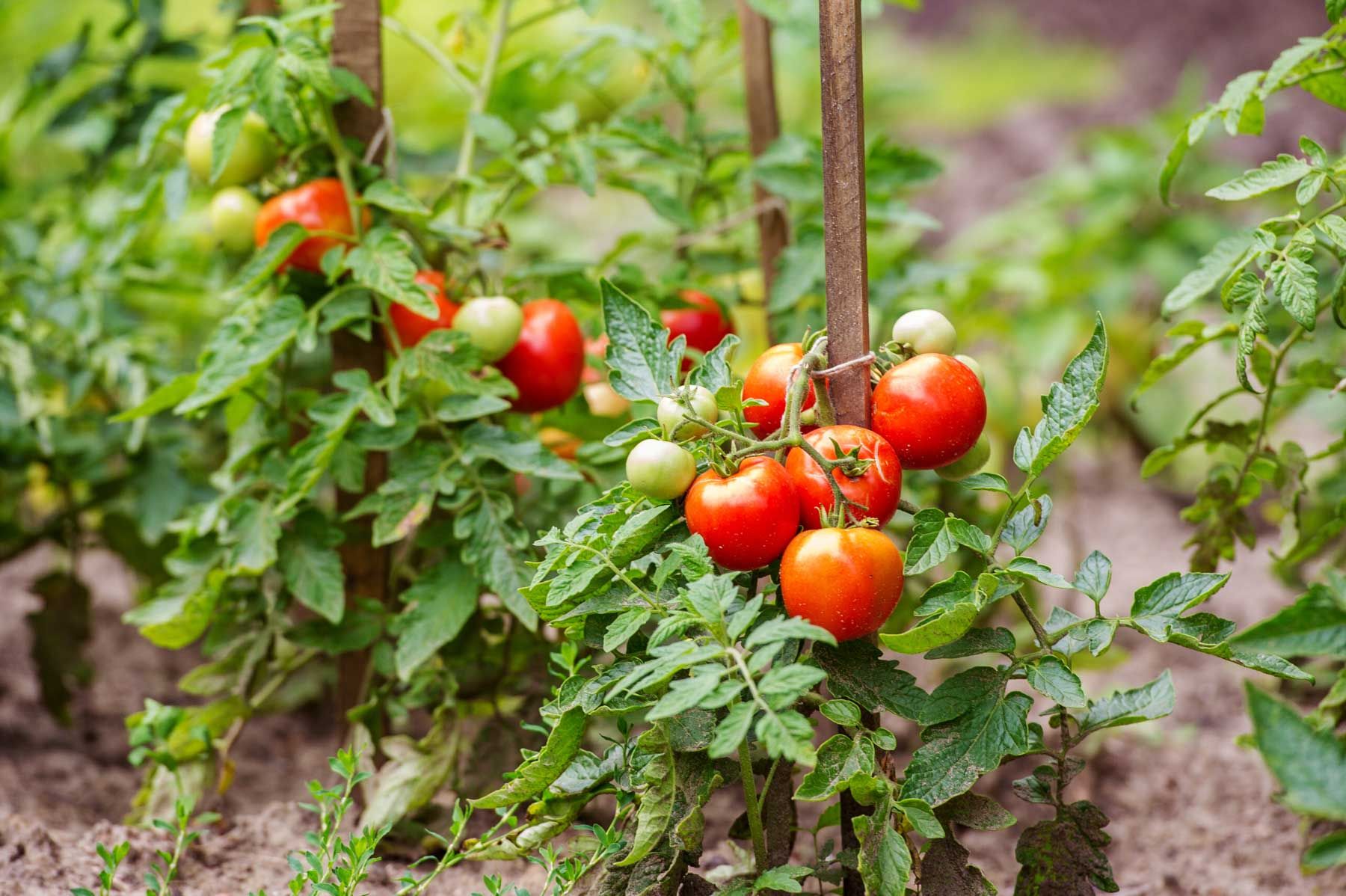
Temperature is arguably the most important factor determining whether your tomato plants will thrive or just survive. Tomatoes are heat-loving plants, and they respond dramatically to shifts in temperature throughout their growing season. Understanding both air temperature and soil temperature is essential because they work independently, and missing either one can spell disaster for your crop.
The optimal air temperature range for tomato growth is 70-85°F (21-29°C). Within this range, tomato plants exhibit their quickest development, produce the largest yields, and develop the highest quality fruit. This temperature range supports the enzyme activity that drives all the biochemical processes happening inside your plant. It also ensures proper pollination and fruit development. At temperatures below 60°F, tomato growth slows dramatically. At 45°F and below, plants essentially stop growing. Frost at 32°F causes severe damage to plant tissues.
Many gardeners overlook soil temperature, which is actually more critical than air temperature when planting seedlings. While the air might feel warm enough, the soil can still be far too cold for root development. The minimum soil temperature at a 6 inch depth should be 60-65°F before you transplant seedlings into the garden. If you plant in soil that's too cold, your plants will struggle with slow root development and nutrient uptake issues, particularly phosphorus deficiency, which shows up as purple or dark colored leaves. This is one of the most common mistakes early spring planters make.
The solution is simple but requires patience. Get a soil thermometer, check the temperature at the 6 inch depth, and wait until it reaches at least 60°F before transplanting. This means waiting longer than you probably want to, but it dramatically improves results. Most garden centers sell inexpensive soil thermometers for under 20 dollars, making this investment essentially free compared to the cost of failed plantings.
Night temperatures also matter significantly. Tomato plants need night temperatures of at least 50-55°F for flower and fruit set to occur properly. When night temperatures fall below 55°F consistently, flower production slows and fewer flowers develop into fruit. This is particularly important in early spring and fall. If you experience a cold snap with temperatures dropping into the 40s at night, cover plants with row covers or blankets to protect them.
Heat stress above 90°F also reduces pollination success and causes flower abortion. When temperatures consistently exceed 100°F, pollen becomes less viable and flowers drop without setting fruit, resulting in a complete loss of that fruit production cycle. In extremely hot climates, afternoon shade becomes beneficial. Providing 30% shade cloth or strategic planting near structures that cast afternoon shadows can prevent heat stress while still allowing enough light for proper fruit development.
Building the Perfect Soil Foundation for Tomatoes
Soil is the foundation of everything your tomato plants will become. The best watering schedule and optimal temperature won't overcome poor soil conditions. Tomatoes are moderately demanding plants that need soil rich in organic matter, proper pH balance, and good drainage. Before you ever plant a single seedling, invest time in preparing your soil correctly.
Soil pH directly affects your plant's ability to absorb nutrients. The ideal soil pH for tomatoes ranges from 6.0 to 6.8, with most sources recommending 6.5 as the target. At this pH level, the nutrients your tomato plants need are most readily available for uptake by the roots. If your soil is too acidic (below 6.0) or too alkaline (above 6.8), your plants can't efficiently absorb the nutrients present in the soil, even if those nutrients are plentiful.
Testing your soil pH takes minutes and costs almost nothing. You can use an inexpensive home soil test kit from any garden center, or contact your local extension office for a more comprehensive soil analysis. If your soil is too acidic, add ground limestone to raise the pH. If it's too alkaline, add sulfur to lower it. Most adjustments require working amendments into the top 12 inches of soil and waiting several weeks for the pH to shift, so test in fall if possible and make adjustments then.
Soil texture and organic matter content are equally important to pH. Tomatoes prefer well-draining, loamy soil that contains abundant organic matter. Loamy soil is a balanced mixture of clay, silt, and sand, and it holds moisture without becoming waterlogged. If your soil is heavy clay, it stays too wet and can promote root rot and disease. If it's pure sand, water drains too quickly and nutrients wash away before plants can absorb them.
The solution is always the same: add organic matter. Work 4-6 inches of well-rotted compost and aged manure into the top 12 inches of your garden soil. This improves drainage in clay soils, increases water retention in sandy soils, and adds nutrients and beneficial microorganisms to all soil types. In a single season, you'll notice significant improvement in plant vigor and productivity.
Before transplanting, loosen the soil to at least 12 inches deep using a garden fork or tiller. Break up any compacted clods that would restrict root growth. Create planting holes that are deep and wide enough to accommodate your seedling's root ball. If you're planting in containers or raised beds, fill them with a mixture of compost, peat moss, and perlite rather than garden soil. Container soils need better drainage than in-ground soil, and a quality potting mix provides exactly that.
Why Sunlight Hours Matter More Than You Think
Sunlight directly powers photosynthesis, the process by which your tomato plants create the sugars and energy they need to grow, flower, and produce fruit. Tomatoes are sun worshippers, and they reward you with abundance when you give them what they need.
Plant your tomatoes in a location that receives at least 6-8 hours of direct, unobstructed sunlight daily. More sun is better, and 10-12 hours of direct sun produces even better results. North-facing locations, spots shadowed by trees or structures, and areas receiving mostly afternoon shade won't support adequate fruit development. Your tomato plants won't die, but they'll be spindly, produce fewer flowers, and reward you with fewer and smaller fruits.
Choosing a sunny location requires looking at your garden throughout the day and identifying spots that remain in full sun for at least 6-8 hours, preferably 10 or more. Pay particular attention to summer sun patterns, which are longer and different from spring and fall patterns. A location perfect for sun-loving tomatoes might be shaded at planting time but becomes ideal a few weeks later as the sun's angle changes.
The one exception to the full sun rule applies to gardeners in extremely hot climates with consistently high temperatures above 90°F. In these regions, providing afternoon shade using shade cloth can actually improve fruit development by preventing heat stress during the hottest part of the day. This partial shade reduces stress on the plant and prevents flower abortion, ultimately leading to better fruit set and production.
Don't fall into the trap of planting tomatoes in partial shade hoping for easier maintenance or worrying that full sun will be too harsh. Tomatoes evolved in sunny Mediterranean climates and genuinely thrive in intense light. Give them the sun they crave, and they'll reward you with abundant production.
Mastering Watering: Consistency Is Your Secret Weapon
Inconsistent watering is one of the most controllable reasons for poor tomato crops. Many gardeners either underwater their plants or create problems by watering inconsistently, sometimes flooding the soil and sometimes letting it dry out. Tomatoes need consistent soil moisture, but they don't like waterlogged conditions. Finding the right balance is simpler than you might think.
Maintain consistently moist soil throughout the growing season, particularly once flowering begins and fruit starts developing. The soil should feel like a well-wrung sponge: moist but not saturated. Tomatoes typically need watering every 3-5 days depending on your climate, rainfall, and temperature. During hot spells, daily or even twice-daily watering might be necessary. During cool, cloudy periods, you might go longer between waterings.
The key to success is checking the soil directly rather than watering on a fixed schedule. Stick your finger 2-3 inches into the soil at the base of the plant. If it feels dry, water deeply. If it feels moist, wait another day or two before checking again. This simple system accounts for all the variables affecting moisture availability and keeps you from both overwatering and underwatering.
Always water at the base of the plant, never on the foliage. Wet leaves promote disease, particularly fungal infections like early blight and late blight that commonly affect tomatoes. Water in early morning when possible, allowing any accidental splash on leaves to dry quickly in the morning sun.
Deep watering is far better than frequent shallow watering. Water slowly and thoroughly, allowing water to penetrate 6-8 inches into the soil. Deep watering encourages deep root development, which creates more resilient plants that tolerate drought better than shallow-rooted plants. This single practice reduces disease pressure and improves overall plant vigor.
Mulch dramatically improves moisture retention and reduces watering frequency. Once your soil reaches 70°F and you've planted your seedlings, apply 4-6 inches of organic mulch around each plant. Keep the mulch layer at least 6-12 inches away from the plant stem to prevent disease problems. Straw, wood chips, and shredded leaves all work well. Mulch acts as a sponge, absorbing and holding water that would otherwise evaporate. It also keeps soil temperature more stable and suppresses weeds that compete with your tomatoes for water and nutrients.
Feeding Your Tomatoes: The Nutrition Blueprint
Your tomato plants need a steady supply of nutrients to support growth, flowering, and fruit production. While healthy, organic-matter-rich soil provides a foundation of nutrients, supplemental fertilization helps optimize growth.
Apply a balanced, water-soluble fertilizer at planting time or a few weeks after transplanting once plants are established. Follow the package directions carefully and water the fertilizer into the soil thoroughly. Apply fertilizer within 25 square feet of the base of each plant to ensure adequate nutrient coverage.
Once flowering begins, switch to a fertilizer higher in phosphorus to support flower development and fruit set. Phosphorus is the middle number in the nutrient ratio, so look for fertilizers with a higher middle number. Apply according to package directions, usually every 2-3 weeks through mid-summer.
Watch carefully for signs of nutrient deficiency. The most common deficiency in tomatoes is phosphorus deficiency, which typically occurs when soil is too cold for roots to absorb phosphorus efficiently. This shows up as purplish or dark colored leaf veins and stems, beginning on older leaves. If you see these symptoms, it usually means you planted too early. While you can apply a phosphorus-rich fertilizer to provide quick relief, the real solution is waiting until soil temperature reaches the appropriate range before planting.
Other nutrient problems appear as specific symptoms. Calcium deficiency causes blossom-end rot, a dark, sunken, water-soaked spot on the bottom of fruits. This typically results from inconsistent watering rather than a true lack of calcium in the soil. Consistent watering solves the problem much more effectively than adding calcium supplements. Potassium deficiency shows as yellowing leaf edges with brown spots progressing inward from the margins.
Choosing Tomato Varieties That Thrive in Your Conditions
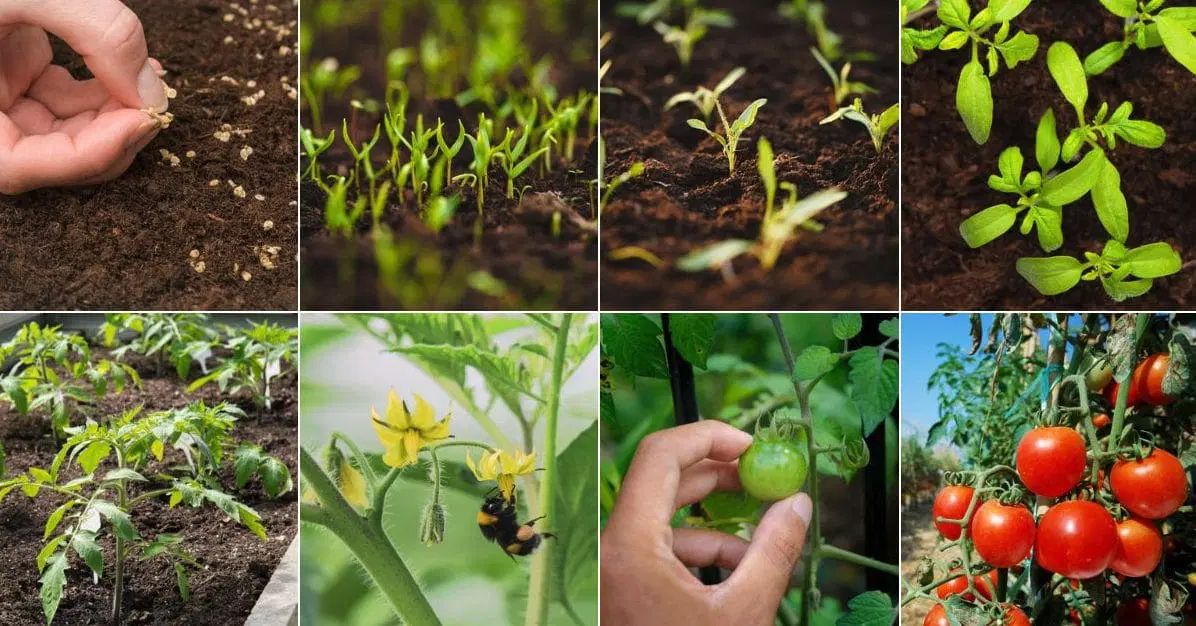
Not all tomatoes are created equal. Different varieties have different temperature tolerances and maturation periods. Selecting varieties suited to your local climate dramatically improves your growing success.
For short growing seasons with cool nights, choose early varieties that mature quickly, like Early Girl or Stupice. For hot climates, select heat-tolerant varieties bred to set fruit at high temperatures, like Phoenix, Heatwave, or certain cherry tomato types. For areas with extreme humidity and high disease pressure, choose resistant varieties. Seed catalogs clearly mark varieties with disease resistances using abbreviations like F, N, T, V, and L indicating resistance to different fungal and bacterial diseases.
Better Boy, Big Beef, Beefsteak, and Brandywine are classic beefsteak tomatoes with excellent flavor and reliable production. Cherry tomato varieties like Sungold consistently produce abundant small fruits. Determinate varieties are bush-type plants that grow to a fixed size and produce most fruit at once, making them ideal for canning and preserving. Indeterminate varieties continue growing throughout the season, producing fruit continuously until frost, making them better for fresh eating.
Research varieties well-suited to your specific region and climate. Local gardeners and your extension office are fantastic resources for this information. Growing varieties evolved to thrive in your climate dramatically increases your chances of success. A variety that thrives in California might struggle in Minnesota, and vice versa.
Common Questions About Tomato Growing Conditions
Many gardeners wonder why their tomatoes don't flower or set fruit despite apparently healthy plants. The culprits are typically temperature problems, humidity issues, or water stress. If your plants reach 100°F or above consistently, flowers abort and fruit won't set. If humidity stays above 80% or below 50%, pollen won't fertilize properly and flowers fall without setting fruit. If watering is inconsistent, stress reduces flowering and fruit set. Review these three factors first when troubleshooting flower or fruit problems.
Another common question involves purple leaves, which indicate phosphorus deficiency from cold soil planting. Use a soil thermometer next season and wait until soil reaches 60-65°F before transplanting. This single change prevents the problem entirely. If you already have plants with purple leaves, a phosphorus-rich fertilizer applied to moist soil can help, but consistency and patience offer the best solution.
Gardeners also ask whether their soil pH is actually right. A simple soil test kit from any garden center answers this definitively and costs less than 20 dollars. If your pH is off, adding lime or sulfur takes only a few minutes and makes a dramatic difference in plant performance. Contact your local extension office if you want a professional analysis that includes nutrient levels and other detailed information.
Is afternoon shade okay in your climate? Yes, in consistently hot regions where daytime temperatures exceed 90°F regularly, providing 30% afternoon shade actually improves fruit development and prevents heat stress. However, in moderate climates with occasionally warm days, full sun remains ideal. Tailor this decision to your specific climate conditions.
Many gardeners ask whether they can plant early using row covers. The answer is yes, but the real limiting factor is soil temperature, not air temperature. Row covers protect against air temperature fluctuations, but they don't warm the soil sufficiently. Use a soil thermometer to verify soil temperature has reached the appropriate range regardless of air temperature.
Your Tomato Success Checklist
Before you plant, review this practical checklist ensuring you've covered all the essential growing conditions.
Test your soil and adjust pH to 6.0-6.8 range if necessary. Check soil temperature at 6 inches depth and confirm it reaches 60-65°F minimum. Select a garden location receiving 6-8 hours or more of direct daily sunlight. Work 4-6 inches of aged compost into the top 12 inches of soil. Plan your watering schedule and identify when you'll check soil moisture daily. Gather mulch and plan to apply it once soil temperature reaches 70°F. Select tomato varieties suited to your local climate and growing season length. Prepare water-soluble fertilizer for application at planting and phosphorus-rich fertilizer for flowering stage.
How Plantlyze Supports Your Tomato Success
As you prepare your soil and implement these growing conditions, monitoring your plants' ongoing health and response becomes increasingly valuable. Real-time feedback about how your specific plants are responding to conditions helps you make adjustments before problems develop. Plantlyze offers plant health monitoring and AI-powered diagnosis features that help you track soil conditions and plant responses throughout the season. When yellowing leaves or other symptoms appear, using a diagnosis tool provides instant clarity about causes and solutions, transforming guesswork into confident decision making. Explore Plantlyze's free plant care tools at plantlyze.com to discover how technology can support your tomato growing success.
Transform Your Tomato Garden with Optimal Growing Conditions
Success with tomatoes comes from understanding and managing five essential conditions: optimal air and soil temperature, proper soil composition and pH, adequate sunlight, consistent watering, and appropriate nutrition. These factors work together synergistically, and addressing all of them creates the conditions where tomato plants thrive rather than merely survive.
Start this season by implementing whichever condition needs the most attention in your garden. If you've struggled with early planting, invest in a soil thermometer and wait for soil temperature to reach 60-65°F. If your soil has never been tested, get a test kit and adjust pH accordingly. If your garden location receives partial shade, consider relocating to a sunnier spot. If watering has been hit-or-miss, commit to checking soil moisture daily.
You can control all of these factors. You don't need special equipment or extensive gardening experience. You simply need to understand what tomatoes need and provide it consistently. Next season will be your best yet because you'll have the knowledge and framework to grow healthy, productive plants. Take these growing conditions and adapt them to your specific climate and circumstances, and you'll join the ranks of gardeners confidently growing abundant, delicious tomatoes season after season.
To maximize your tomato growing success and truly optimize your plant care, combine these proven conditions with ongoing monitoring and diagnosis. Plantlyze's AI-powered tools help you understand your plants' needs in real time, giving you the confidence to make decisions based on actual data rather than guessing. Start growing better tomatoes today by implementing these optimal growing conditions and visiting plantlyze.com to explore how technology can support your success.
References
1. Rutgers University New Jersey Agricultural Experiment Station
https://njaes.rutgers.edu/fs678/
2. University of Nebraska-Lincoln, Backyard Farmer
https://byf.unl.edu/tomatoes/
3. Texas A&M AgriLife Extension
https://agrilifeextension.tamu.edu/
4. UC Davis Integrated Pest Management Program
https://ipm.ucanr.edu/home-and-landscape/cultural-tips-for-growing-tomato/
5. Royal Horticultural Society (RHS)
https://www.rhs.org.uk/problems/blossom-end-rot
6. University of Alaska Fairbanks Extension
https://www.uaf.edu/ces/publications/database/gardening/pollination-fruit-development-tomatoes.php