You planted your onions with high hopes for plump bulbs by harvest time. Instead they sit there with skinny leaves and no sign of growth. This article breaks down the top reasons onions fail to thrive and shares simple fixes to get your garden back on track.
Why Onion Growth Problems Happen
Onions demand specific conditions to form bulbs. Without the right mix of soil, water, light, and timing, plants stall out early. Many gardeners face this issue each season, but most causes come down to a few fixable mistakes. Understanding these helps you spot problems fast and turn things around.
Signs Your Onions Are Not Growing Properly
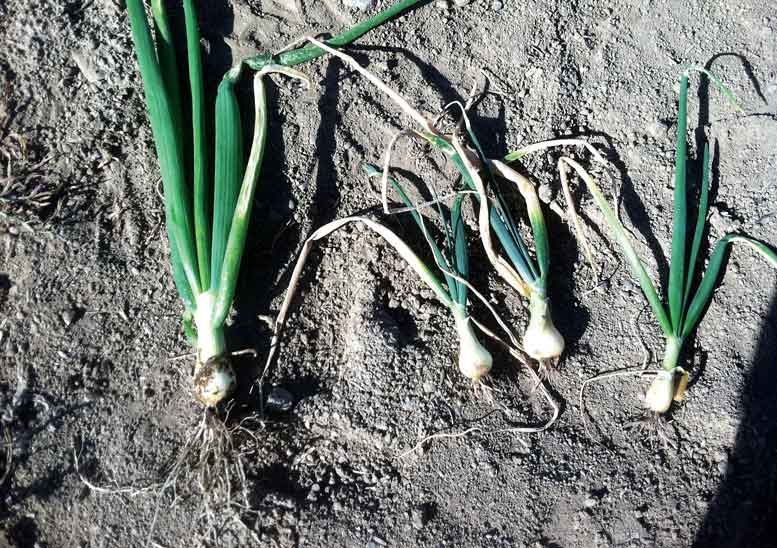
The first sign is in their tops. Faulty onions will maintain narrow, pale tops instead of thickening up healthily. Healthy onions always push out wide green leaves before bulbing starts. If they lean over or show yellow tips together with the absence of any visible swelling two months after planting, then something has gone wrong and they are being blocked somewhere.Take a clear photo shot for further scrutiny.
Quick Diagnosis Checklist
Start by checking planting records and weather logs from your area. Note how long plants have been in the ground and what care they received so far. Dig up one plant gently to examine roots and early bulb formation. This reveals hidden issues like rot or crowding right away.
10 Common Reasons Onions Are Not Growing
Wrong Onion Type for Your Climate
Onion varieties split into short day, intermediate day, and long day types based on hours of daylight needed to bulb. Plant a long day type in a short day zone and it focuses energy on leaves instead of bulbs. Match your choice to your latitude for best results. Short day onions suit southern regions while long day types thrive up north.
Planting Time and Season Mismatch
Plant bulbs at the correct time in season. Onion bulbs are formed by a combination of temperature and daylength, so if planting is too early or late, this signal never coincides with time to form bulbs. Overwintering types are best suited to fall planting while other types should be planted in early spring when soils can first be worked and soil temperatures are above 50 degrees Fahrenheit (10°C) in warm regions.
Poor Soil Conditions
Onions crave loose well draining soil rich in organic matter. Heavy clay locks roots in place and starves bulbs of space to expand. Aim for a pH between 6.0 and 7.0 to unlock nutrients. Work in compost before planting to improve texture and fertility without compacting later.
Incorrect Watering
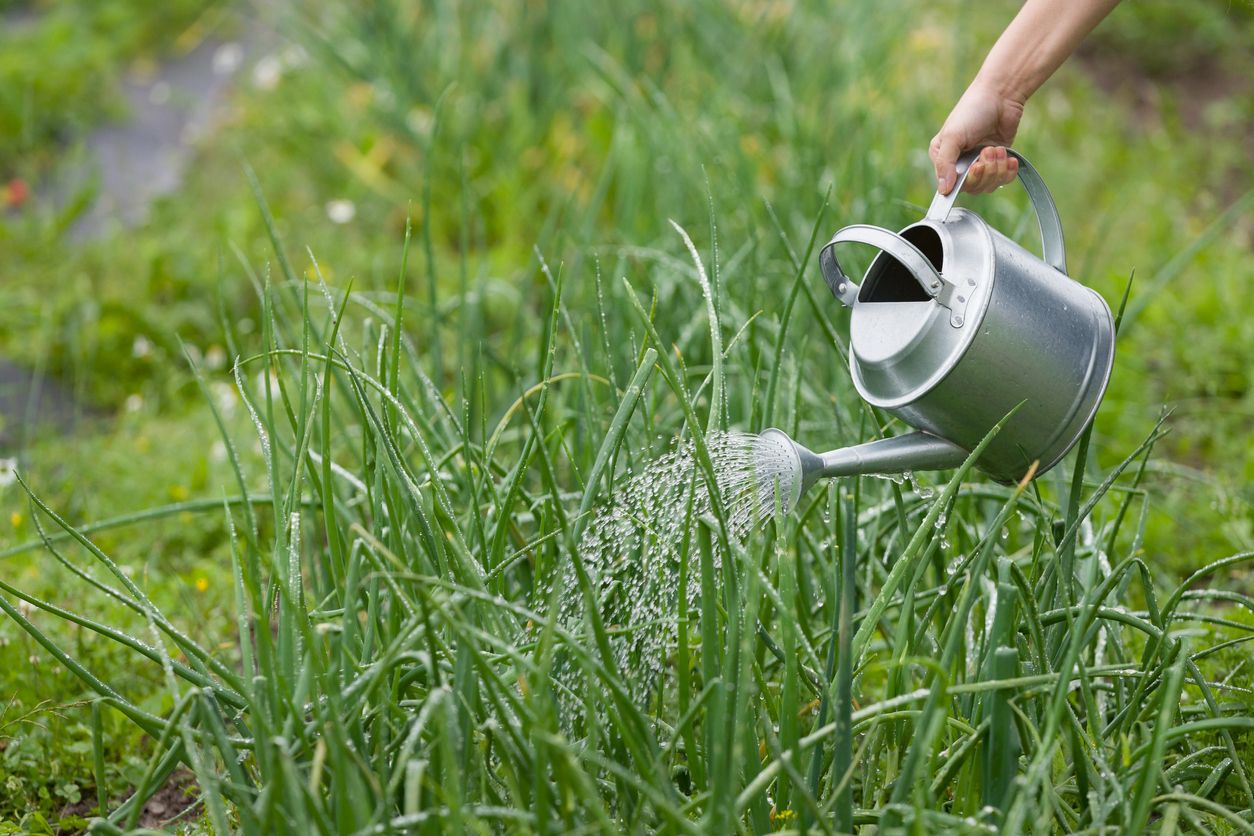
Onions like it on the moist side to keep growing upward but not wet because soggy invites rot. Water deeply once a week during dry spells letting the top of the soil dry slightly between waterings. The under-watered plant will stunt early in its growth while overwatered plants turn yellow and collapse at maturity. Mulch around bases to hold even moisture all season long.
Wrong or Imbalanced Fertilizer
Excess nitrogen builds lush tops at the expense of bulbs. Shift to phosphorus and potassium rich feeds once leaves reach six inches tall. Skip heavy applications close to bulbing or plants stay leafy forever. A soil test guides exact needs for balanced growth.
Crowding and Poor Spacing
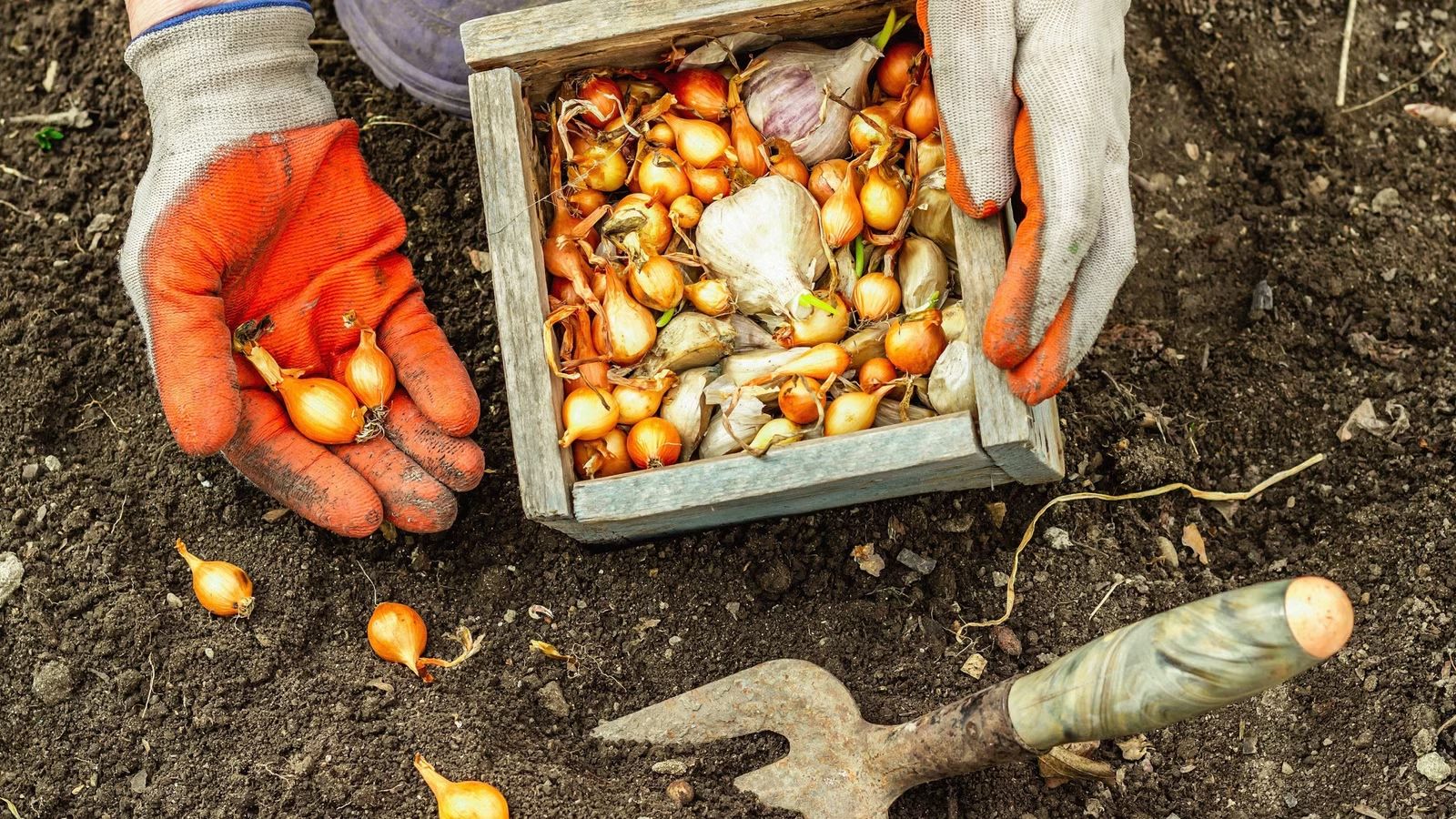
If they are deprived of sunlight and water because all the nutrients from the soil have been exhausted due to overpopulation, they will become weak and spindly. Leave between four to six inches from either sets or seeds for good air circulation as well as space for roots. Thin seedlings at an early stage to the strongest ones so that there will not be a tangled mess later on. Proper gaps promote fat, uniform bulbs.
Pests That Stunt Onion Growth
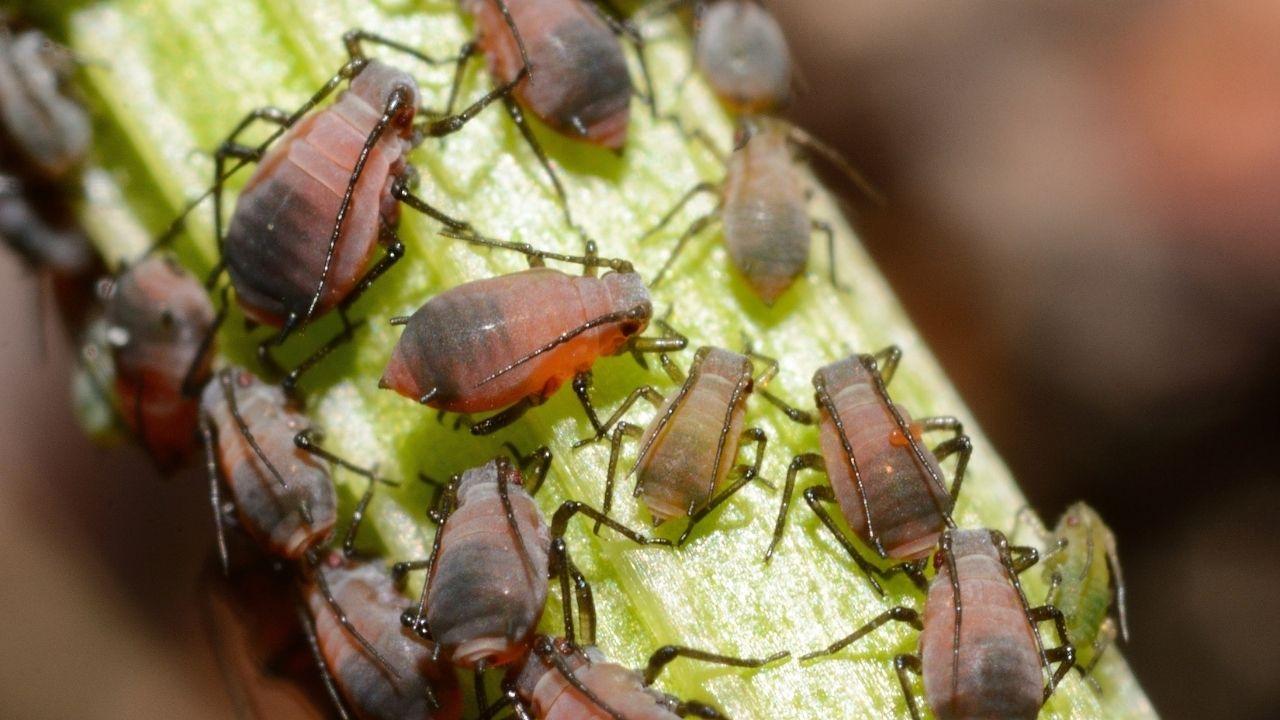
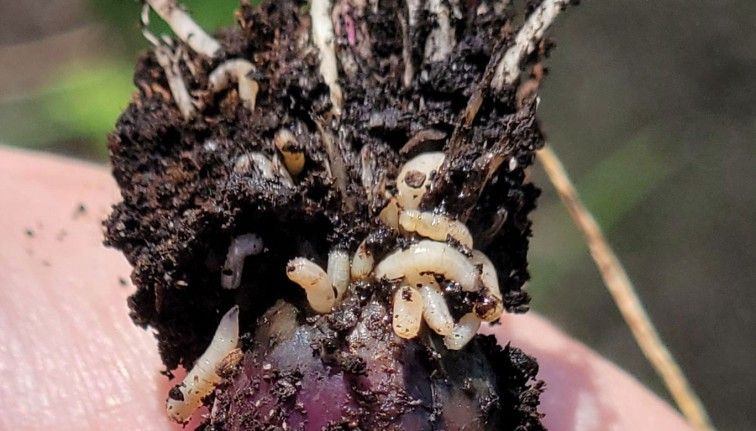
Onion maggots burrow into roots halting expansion completely. Thrips rasp leaves causing silver scars and slowed growth. Nematodes twist roots underground making water uptake impossible. Scout weekly and use row covers or beneficial nematodes to protect young plants.
Diseases Causing Onion Stunting
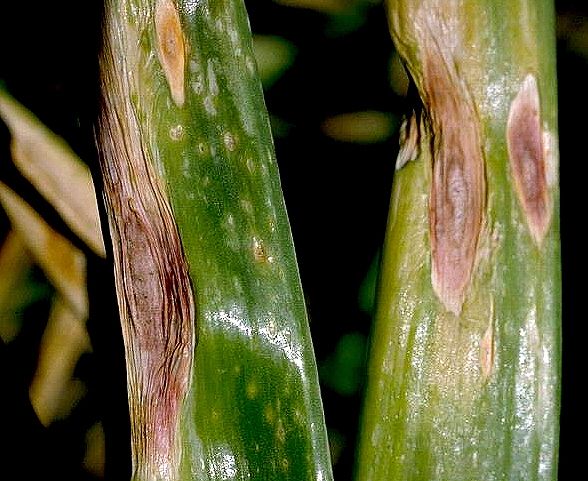
Pink root or white rot makes the roots mushy and blocks the flow of nutrients to the plant. Purple blotch leaves spots on the leaves which sap energy from the bulbs. Poor drainage fuels these pathogens so rotate crops and choose resistant varieties. Remove infected plants promptly to save the patch.
Stress and Bolting
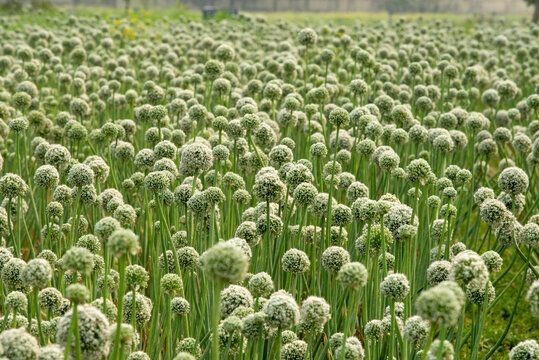
A sudden cold snap or heat wave will make them bolt where the plants shoot up flower stalks instead of bulbing. Turn bitter and woody fast! Cloches during freak weather, heat tolerant types for unstable climates. Steady conditions, no energy drain like this.
Nutrient or pH Deficiency Hidden in Soil
Low sulfur cripples bulb formation even in fertile looking beds. Micronutrients like boron matter too for cell wall strength. Test soil annually and amend with lime for acidic patches or sulfur for alkaline ones. Balanced nutrition ensures onions swell to full size.
Step by Step Fixes to Restart Growth
Improve soil first by loosening compacted spots and adding organic matter. Adjust watering to deep infrequent sessions avoiding shallow daily sprinkles. Thin crowded rows immediately giving survivors more resources. Switch fertilizers to low nitrogen formulas promoting root depth. Monitor for pests with sticky traps and treat early.
When to Pull the Plug and Start Over
Severe rot or bolting means harvest fails this round. Yank affected plants to stop disease spread and replant clean sets in fresh soil. Learn from the season by noting what went wrong for next years plan. Strong starts beat fighting lost causes midseason.
Diagnose with Plantlyze for Fast Results
Struggling to pinpoint why your onions are not growing? Upload a clear photo of leaves roots and soil to Plantlyze an AI powered plant care diagnosis tool. It scans symptoms and suggests fixes in seconds. Head to plantlyze.com today for personalized onion troubleshooting and care plans.
Prevention Tips for Next Seasons Onions
Choose varieties matched to your daylight hours and climate zone. Prep soil deeply with compost and test pH ahead of planting. Space evenly and water consistently through key growth phases. Rotate beds yearly to dodge soil borne pests and diseases. Track progress weekly to catch issues before they stall bulbs.
Final Thoughts on Growing Better Onions
Most onion setbacks trace to basics like soil water and timing. Fix those and watch bulbs pile up at harvest. Tools like Plantlyze make diagnosis effortless so you spend less time guessing and more time gardening.
Try Plantlyze next time your plants act up. Visit plantlyze.com for AI backed insights and step by step care guides tailored to your garden.
References
Bulb Onions | NC State Extension Publications - https://content.ces.ncsu.edu/bulb-onions
Why Onions Bolt, Failing to Bulb? - https://ipm.missouri.edu/mpg/index.cfm?ID=94