Onion white rot is one of the most feared diseases for anyone growing onions, garlic, leeks, or other allium crops. Caused by the fungus Sclerotium cepivorum (also known as Stromatinia cepivora), this disease can quietly ruin a seemingly healthy bed and then remain in the soil for many years. If you are unsure whether your plants have white rot or another issue, you can upload clear photos to Plantlyze and get AI‑assisted diagnosis at plantlyze.com.
What Is Onion White Rot?
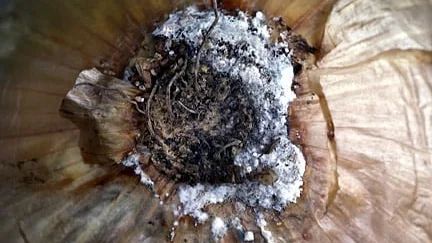
Onion white rot is a serious fungal disease of alliums that primarily affects onions, garlic, leeks, and shallots. The pathogen lives in the soil as tiny black resting structures called sclerotia, which can survive for 15 years or more. When these sclerotia sense chemicals released by nearby allium roots, they germinate and infect the roots and lower stem, leading to yellowing, wilting, and eventually plant death. Once soil is infested, white rot becomes very difficult to manage.
How Onion White Rot Develops in Soil
The life cycle of onion white rot centers on those resilient sclerotia. They can stay dormant deep in the soil, sometimes a few inches below the surface, waiting for the right signal from allium roots. When a suitable host is planted, volatile compounds from the roots trigger the sclerotia to germinate and form white, fluffy mycelium that invades the roots and bulb base.
As the fungus feeds on plant tissue, it produces new sclerotia within the rotting bulb and nearby soil, further increasing the inoculum load. In cool, moist conditions, this process can repeat within a single season, turning a few scattered wilting plants into a heavily infested bed. Because sclerotia are microscopic and soilborne, they can easily spread on tools, boots, or contaminated plant material.
Typical Symptoms on Onion and Garlic Plants
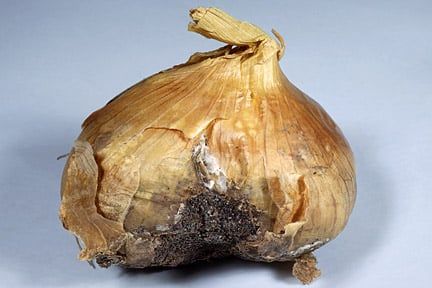
Onion white rot often starts with subtle signs that can be missed if you are not watching carefully. The first visible symptom is usually stunted growth, followed by yellowing leaves that wilt and collapse, often just before harvest. Affected plants may appear normal one day and collapsed the next.
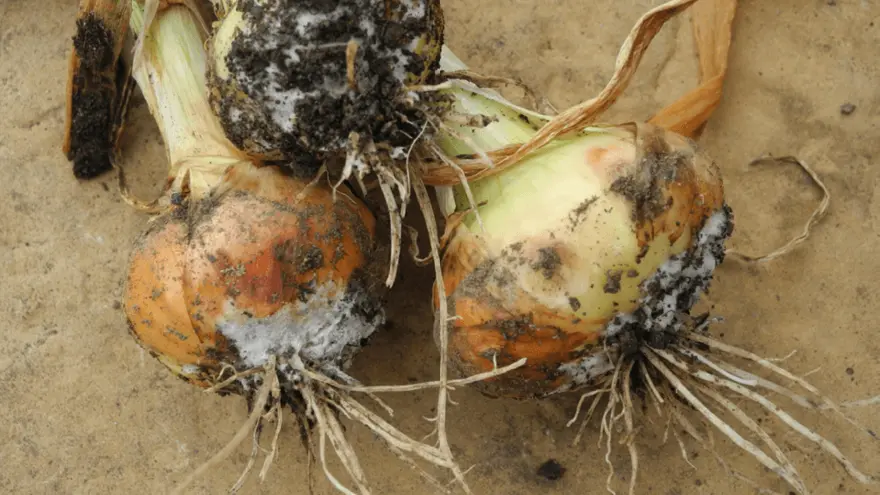
When you pull an infected plant, you will see that the roots are decayed and the bulb base is soft and water soaked. Around the stem plate and inside the bulb, you may find white fluffy mycelium that looks like cottony mold. If you look closely, tiny black sclerotia, resembling poppy seeds, may be embedded in the rotting tissue or in the surrounding soil. In storage, bulbs that were infected in the field can continue to decay if the environment is humid.
Conditions That Favor Onion White Rot
White rot thrives in cool to moderate soil temperatures, typically around 15 to 21 degrees Celsius. It is more problematic in cool, moist soils than in hot, dry conditions. Gardens or fields with poor drainage, compacted soil, or heavy clay are at higher risk because the soil stays wet for longer periods.
Planting onions or garlic in the same area year after year increases the chance of white rot because each season adds more sclerotia to the soil. The disease is especially challenging in home gardens where space is limited and rotation options are fewer. Avoiding alliums in infested beds for many years is one of the most important steps you can take.
Cultural Prevention and Management
Because there is no easy cure for onion white rot, cultural practices are the foundation of management. The goal is to reduce the number of sclerotia in the soil and avoid creating conditions where the pathogen can thrive.
Long‑term crop rotation is essential. Avoid planting any alliums in infested soil for as long as possible, which may mean 10 years or more in heavily affected areas. Instead, rotate with non allium crops such as cereals, legumes, brassicas, or leafy greens to dilute the sclerotia population over time.
Soil sanitation and hygiene play a big role. Do not compost infected plants; place them in sealed bags and dispose of them away from the garden. Clean tools, boots, and equipment before moving between beds or fields to prevent spreading contaminated soil. If you have a small infested area, consider digging out the soil and replacing it with clean, disease‑free mix for planting.
Careful planting practices can also help. Choose well‑drained sites and avoid low‑lying, wet areas. Space plants adequately so they are not competing for light and nutrients, which helps them stay more vigorous and better able to withstand stress. For home gardeners, growing onions or garlic in containers or growbags filled with clean potting mix can be an effective way to bypass infected garden soil.
Organic and Low‑Chemical Approaches
Organic management of onion white rot focuses on reducing sclerotia in the soil and strengthening plant health rather than trying to eliminate the pathogen completely. One experimental approach involves using allium waste or garlic and onion oil in the soil to stimulate sclerotia to germinate in the absence of host plants. Without roots to infect, the germinated mycelium starves and dies, gradually lowering the inoculum level.
These methods can take time and effort and may not completely eradicate white rot, but they can make a noticeable difference over several seasons. Improving soil organic matter, structure, and drainage also supports healthier plants that tolerate stress better. Using healthy, disease‑free seed and bulbs and avoiding planting in areas with a known history of white rot are simple but effective steps.
Conventional Fungicides and Chemical Options
For commercial growers, certain fungicides are registered to help manage onion white rot when applied at planting or early in the season. Products containing active ingredients such as tebuconazole, iprodione, or fludioxonil are sometimes used in furrow or banding applications to protect young plants. These treatments can reduce disease incidence but are not a silver bullet.
Even with fungicides, white rot control is often incomplete in cool soils, and long‑term management still depends heavily on rotation and sanitation. Always follow local extension recommendations and label instructions, including preharvest intervals and application rates. For home gardeners, chemical options are limited, so prevention through cultural practices is usually the best strategy.
Monitoring and Early Detection
Regular scouting is key to catching onion white rot early. Watch for plants that are smaller, yellowing, or wilting ahead of their neighbors, especially in cool, wet weather. When you see suspect plants, gently pull them up and inspect the roots and bulb base for white fluffy growth and tiny black sclerotia.
If you are unsure whether the problem is white rot, another disease, or a nutrient issue, you can upload clear photos of your plants to Plantlyze for AI‑assisted diagnosis. This can help you decide whether to remove affected plants, adjust your rotation, or move alliums to a different area of the garden.
When and How to Remove Infected Plants
If you confirm white rot in your onion or garlic patch, removing infected plants promptly can help slow the build‑up of sclerotia in the soil. Pull or dig the affected plants and place them in a sealed bag immediately to contain contaminated soil. Do not place them in the compost pile, as standard home compost may not reach temperatures high enough to kill the sclerotia.
After removal, avoid planting any alliums back into that bed for many years. If the infestation covers a large area, consider switching that bed to non allium crops and using containers or another part of the garden for onions and garlic. Keeping records of which beds you have planted with alliums can help you plan safer rotations in the future.
Tips for Home Gardeners and Small‑Scale Growers
Home gardeners face a unique challenge with onion white rot because space is often limited and starting fresh with clean soil can be difficult. If you suspect a bed may be infested, use it for non allium crops such as carrots, spinach, tomatoes, or beans. Reserve a different bed or containers for onions and garlic, using clean potting mix whenever possible.
Label your beds or keep a simple map so you can track which areas have had alliums and whether any disease outbreaks occurred. Over time, this helps you avoid planting alliums in risky spots. If you are growing in raised beds or containers, refresh the soil every few years and avoid reusing soil from known infested areas.
Plantlyze and AI‑Assisted Onion White Rot Diagnosis
Diagnosing white rot correctly can be tricky because symptoms may resemble other root rots or nutrient deficiencies. Plantlyze is an AI‑powered plant‑care and diagnosis tool that helps you identify diseases like onion white rot from photos of leaves, bulbs, and soil. By uploading clear images, you can receive plain‑language guidance on what the issue might be and how to manage it in your specific growing situation.
If you ever feel unsure whether your onions or garlic have white rot or another problem, you can use Plantlyze to get an AI‑assisted assessment and practical next steps. Visit plantlyze.com to explore the plant‑care tools and see how AI can support your garden.
Common Questions About Onion White Rot
What is the difference between onion white rot and garlic white rot?
Both diseases are caused by the same fungus, Sclerotium cepivorum, and behave similarly. The main difference is the host plant: onions, garlic, leeks, and shallots can all be affected, but the disease is often named after the crop it is seen on.
Can you still grow onions in soil that has white rot sclerotia?
Growing onions or garlic in infested soil is possible but risky. You may see recurring disease, and over time the sclerotia population can increase. Many growers choose to avoid planting alliums in that soil for many years or use containers with clean potting mix.
Is there any way to completely eliminate white rot from soil?
Complete elimination is very difficult. The best approach is to reduce sclerotia through long‑term rotation, sanitation, and experimental methods that starve germinated sclerotia, while accepting that heavily infested soil may not be suitable for alliums for a long time.
How long can sclerotia survive in the soil?
Research suggests that white rot sclerotia can survive in soil for 15 years or more, especially in cool, moist conditions. This is why long‑term planning and rotation are so important.
References
White Rot of Onion and Garlic – University of Maryland Extension
https://extension.umd.edu/resource/white-rot-onion-and-garlicOnion (Allium cepa) – White Rot – PNW Plant Disease Management Handbook
https://pnwhandbooks.org/plantdisease/host-disease/onion-allium-cepa-white-rotWhite Rot of Garlic and Onions – UMaine Extension Bulletin
https://extension.umaine.edu/publications/2062e/Alliums, White Rot – UMass Amherst Vegetable Program
https://www.umass.edu/agriculture-food-environment/vegetable/fact-sheets/alliums-white-rotVisualization of Three Sclerotiniaceae Species Pathogenic on Onion – PMC (peer‑reviewed research)
https://pmc.ncbi.nlm.nih.gov/articles/PMC7918164/