Onion thrips can silently weaken your onion patch, leaving you with stunted plants and smaller bulbs without you fully understanding why. These tiny insects, known scientifically as Thrips tabaci, feed on onion leaves and, in some cases, transmit viruses that reduce yield and quality. If you notice silvery streaks or brown leaf tips on your onions, you can upload a photo to Plantlyze for AI‑assisted diagnosis at plantlyze.com.
What Are Onion Thrips?
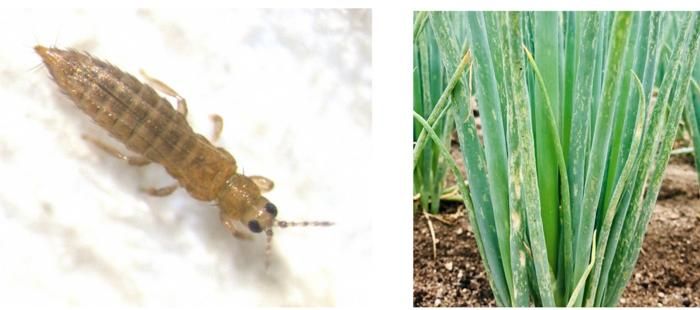
Onion thrips are slender, very small insects that feed on onion leaves and related crops. Both adults and larvae pierce the leaf tissue and suck out plant sap, which leads to visible damage and reduced plant vigor. They are often hard to see with the naked eye and tend to hide inside the tight spaces formed by onion leaves.
These insects are especially problematic in hot, dry conditions, where their populations can grow quickly. Onions, garlic, leeks, and many other crops can be affected, so spotting thrips early helps protect not only your current crop but also future plantings. If you ever feel unsure about the damage you see, Plantlyze can help you identify whether onion thrips or another issue is at play.
Life Cycle and Where They Hide
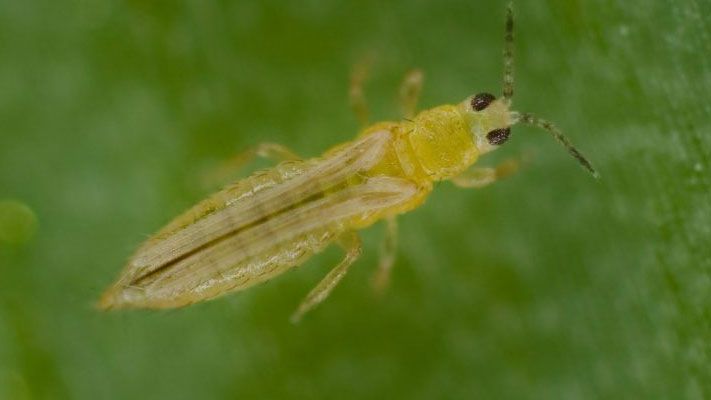
Onion thrips go through several stages: egg, two larval stages, prepupa and pupa, and then adult. Eggs are laid inside onion leaf tissue, which protects them from many sprays and environmental changes. After hatching, larvae continue feeding on leaves, then move to the soil or leaf litter to pupate before becoming winged adults that can spread to other plants.
Because they reproduce quickly, a single generation can take only a few weeks in warm weather. They often cluster deep inside the leaf whorl, where the leaves wrap tightly around each other. This makes them difficult to spot and challenging to control with sprays that do not reach the center of the plant.
Typical Symptoms on Onion Plants
The most common sign of onion thrips is tiny white or silvery spots on the leaves. These spots can merge into larger silvery streaks or patches, especially on the upper sides of the leaves. As feeding continues, affected areas dry out and turn yellow or brown, often starting at the leaf tips.
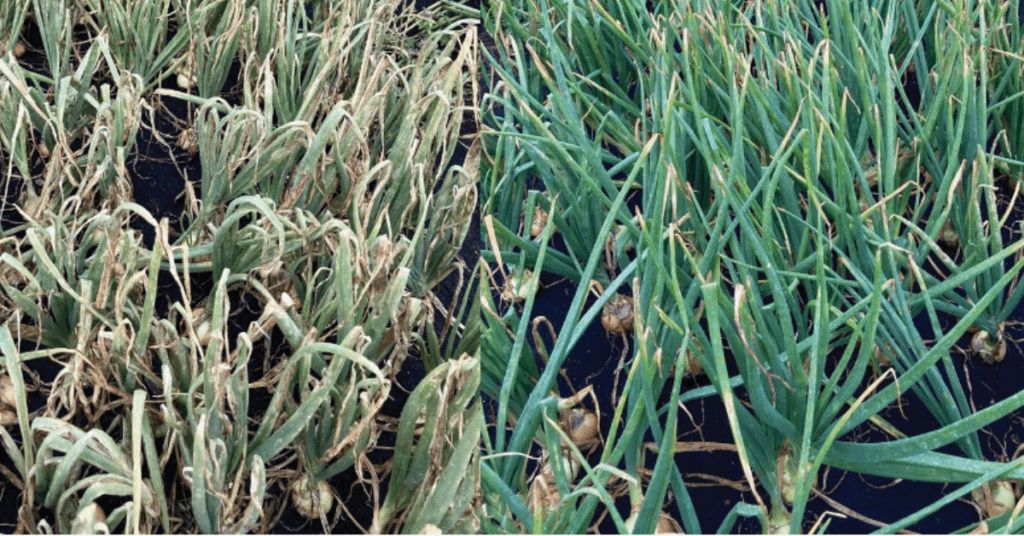
Heavily infested plants may look stunted, with leaves that are shorter and thinner than healthy ones. In severe cases, bulb development slows or stops, leaving smaller onions that are less valuable for storage or sale. Thrips can also transmit viruses such as iris yellow spot, which causes tan to straw‑colored lesions on the leaves and further reduces yield.
Conditions That Favor Onion Thrips
Onion thrips thrive in hot, dry, and windy conditions, especially when irrigation is infrequent and soil is dusty. These environments stress the plants and make thrips more active and damaging. Gardens or fields with poor weed control often have more problems because weeds and alternative crops provide shelter and food when onions are not present.
Overcrowded plantings give thrips many places to hide and make it harder for sprays to reach the center of the plant. Thrips can also move from nearby legumes, grains, and other crops into onion beds, especially when they are in the adult, winged stage. Careful field or bed layout, along with weed and border management, can help reduce these migration routes.
Cultural and Physical Control Methods
Begin by implementing good cultural practices that will reduce their population and the damages inflicted by them. Frequent irrigation together with mulching makes the condition cool and less dusty thus unfavorable to thrips. Straw or plastic mulch may be used in maintaining the stability of soil moisture which results in a low population of thrips, eventually.
Weeds and alternative hosts near onion beds provide places for thrips to live and feed. Do not plant onions next to known thrips‑prone crops or use barrier strips of taller plants or grasses if space is limited. The selection of more resistant or tolerant varieties to onion thrips makes a noticeable difference in both appearance and yield.
Keeping plants well spaced helps improve airflow and makes it easier to see and manage pest problems. Wide plantings also allow sprays and natural enemies to reach the center of the plants more effectively. If you notice heavy thrips presence early, light pruning or thinning of crowded leaves can open up the canopy and reduce shelter for the insects.
Biological and Organic Treatments
Organic and low‑chemical growers often rely on a mix of beneficial insects, biopesticides, and cultural practices to keep thrips under control. Beneficial insects such as predatory mites, minute pirate bugs, and lacewings can help reduce thrips populations, especially when broad‑spectrum insecticides are avoided. Encouraging flowering plants around the garden provides food and shelter for these natural enemies.
Several organic‑approved products are available for thrips management. Spinosad, derived from a soil bacterium, has been shown to be effective against onion thrips in many studies. Neem‑based products containing azadirachtin can disrupt feeding and development, while entomopathogenic fungi such as Beauveria bassiana infect and kill thrips when they contact treated foliage. These products work best when applied early and rotated to reduce the risk of resistance.
It is important not to rely on any single method for long periods. Combining cultural practices, biological controls, and targeted organic sprays usually gives better long‑term results than using one tactic alone. Always follow label instructions and local regulations when using any plant‑protection product.
Conventional Insecticides for Commercial Growers
Thrips can cause a reduction in yield and quality of bulbs even with moderate infestations, thus insecticides are also applied on thrips by most commercial growers. Many products result in good control but resistance is the major concern. It develops quickly when the same active ingredient is used repeatedly hence different modes of action should be rotated.
Timing is also critical. Insecticides work best when applied at the first sign of thrips or thresholds are reached, before heavy bulb formation. High spray volumes and good coverage, especially into the center of the plant help ensure that the product reaches the hidden insects. Integrated pest management strategies that include thresholds, scouting, and non chemical methods usually give the best long‑term control.
For home gardeners, chemical insecticides should be used with caution and only when necessary. Even in small‑scale situations, focusing on prevention, host‑plant resistance, and selective products can reduce the need for broad‑spectrum sprays and protect beneficial insects.
Monitoring and Early Detection
Regular scouting is one of the simplest and most powerful tools for managing onion thrips. You can check for thrips by gently tapping leaves over a white sheet or piece of paper and watching for tiny, fast‑moving insects. If you see small, dark bodies that move quickly away from light, those are likely thrips.
Inspect the inside of the leaf whorl and the base of the plants, where thrips often gather in the tight spaces between leaves. Counting thrips on a few plants and tracking their numbers over time can help you decide when to act. If you are unsure whether those silvery streaks are caused by thrips, brown spots, or another issue, you can upload clear photos to Plantlyze for AI‑assisted diagnosis and plain‑language guidance at plantlyze.com.
When and How to Treat Infestations
Do not rush to treat light infestations on healthy plants immediately, especially if you are using mulch, tolerant varieties, and natural enemies. In most cases, cultural improvements together with the encouragement of beneficial insects will be enough to maintain thrips at a non-damaging level. Regular monitoring will detect any increase before it becomes a serious problem.
Targeted sprays help in reducing the population of thrips. Heavily infested areas should be sprayed with organic approved spinosad, neem-based products or fungal biopesticides which are effective on early and heavy applications. In case there is a need to use conventional insecticides then rotate active ingredients and do not spray when beneficial insects are most active.[81] Comply with label instructions and local regulations particularly on preharvest intervals (PHI)and application rates.
After treatment, continue to monitor your plants to see if the thrips population drops. If numbers stay high, consider changing your approach, such as switching products, improving mulching, or adjusting planting density and variety selection.
Tips for Home Gardeners and Small‑Scale Growers**
Home gardeners can manage onion thrips effectively by focusing on prevention and early intervention. Choose onion varieties that are less attractive to thrips or have shown some resistance in your region. Keep plants well spaced and avoid overcrowding, which makes it easier for you to inspect and manage the crop.
Water regularly and use mulch to keep soil cooler and less dusty, which naturally reduces thrips pressure. Remove weeds and plant debris from around your onion beds and avoid planting onions next to crops that are known to harbor thrips. If you notice silvery streaks or brown leaf tips early in the season, consider using an organic spray or encouraging beneficial insects before the damage becomes severe.
Remember that the goal is not to eliminate every last thrips, but to bring populations down to a level where your onions can grow and form good‑sized bulbs. Small, frequent actions are often more effective than trying to fix a serious infestation all at once.
Plantlyze and AI‑Assisted Onion Thrips Diagnosis
Diagnosing onion thrips correctly can be challenging, especially if you are new to growing onions. Plantlyze is an AI‑powered plant‑care and diagnosis tool that helps you identify problems like onion thrips from photos of leaves and stems. By uploading clear images, you can receive plain‑language guidance on what the issue might be and how to manage it in your specific situation.
This can be especially helpful if you are unsure whether the damage is caused by thrips, other insects, or environmental stress. If you want AI‑assisted support for your onion or other crops, you can explore Plantlyze at plantlyze.com and get step‑by‑step recommendations tailored to your garden.
Common Questions About Onion Thrips
What do onion thrips look like?
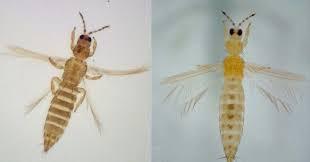
Onion thrips are tiny, slender insects, usually about the size of a grain of salt. They are pale yellow to brown and move quickly when disturbed. You may see them clustered in the tight spaces between onion leaves.
Can you eat onions with thrips damage?
Yes. Thrips damage the leaves and can reduce yield, but it does not usually make the bulbs unsafe to eat. As long as the bulbs are firm and not rotted, they are typically fine for cooking.
Do onion thrips affect other crops besides onions?
Yes. Onion thrips can also feed on garlic, leeks, and many other vegetables and ornamentals. They may move between crops, especially in warm, dry conditions.
How fast can onion thrips populations grow?
In warm weather, onion thrips can complete a generation in a few weeks. This means a small population can grow quickly if conditions are favorable and no control measures are used.
References
Onion Thrips – Wisconsin Vegetable Entomology
https://vegento.russell.wisc.edu/pests/onion-thrips/Onion Thrips – Wisconsin Horticulture Extension
https://hort.extension.wisc.edu/articles/onion-thrips/Management of Onion Thrips in Organic Onion Production – PMC (NIH)
https://pmc.ncbi.nlm.nih.gov/articles/PMC8000123/Thrips / Onion and Garlic / UC IPM (University of California)
https://ipm.ucanr.edu/agriculture/onion-and-garlic/thrips/