If you have noticed your onion leaves turning yellow, you are not alone. Many gardeners and small farmers see this problem and worry that their crop is ruined. In most cases, yellow leaves are a sign that something is off with water, nutrients, pests, or disease, not a death sentence for your plants. With a few simple checks and adjustments, you can often bring your onions back to health and still grow strong bulbs.
This article explains the main reasons why onion leaves turn yellow, how to diagnose the problem in your garden, and practical, step by step ways to fix it. You will also see how an AI powered plant care tool called Plantlyze can help you identify yellowing leaves faster and give you tailored care tips.
Why Onion Leaves Turn Yellow – A Simple Overview
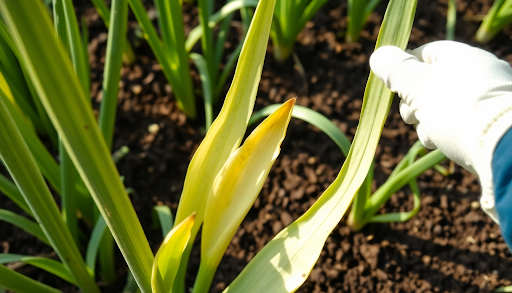
Yellowing in onion leaves is basically your plants saying they are under stress. The green color comes from chlorophyll, and when the plant lacks nutrients, water, or faces pests and disease, that green fades and leaves become pale or yellow. Sometimes only the tips turn yellow, sometimes whole leaves, and in severe cases entire plants look weak and wilted.
The main buckets of causes are:
Nutrient problems, especially nitrogen, sulfur, and potassium.
Water and soil issues, such as too much or too little water, compacted or poor soil.
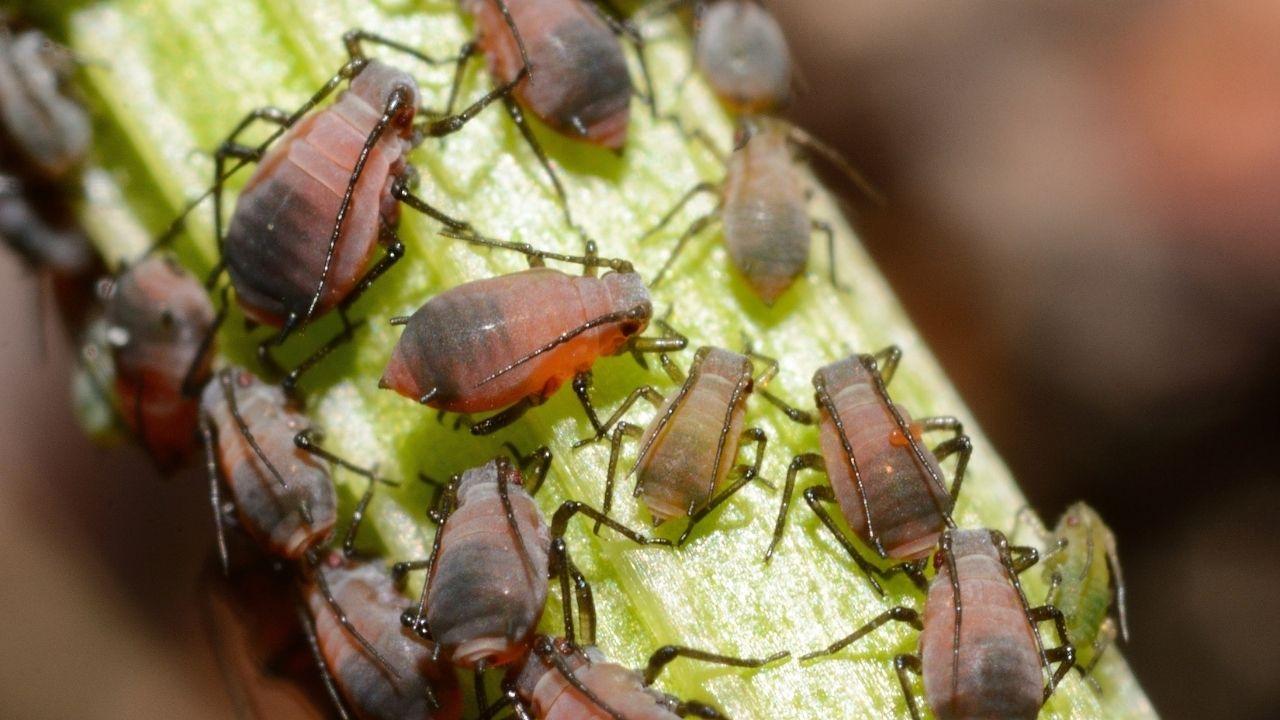
Pests like thrips, maggots, and nematodes.
Diseases such as downy mildew, Fusarium rot, and bacterial infections.
Environmental stress, including cold, heat, or sudden weather changes.
The earlier you catch the yellowing and act, the better your chances of a good harvest.
Nutrient Problems Behind Yellow Leaves
Nutrients are one of the most common reasons onion leaves turn yellow. Different deficiencies show different patterns, so paying attention to where the yellowing starts can tell you a lot.
Nitrogen deficiency
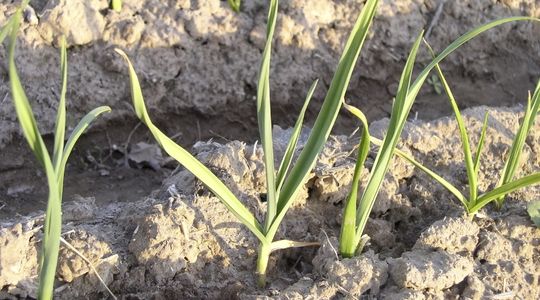
When onions lack nitrogen, the oldest leaves usually turn yellow first. The plant looks pale, weak, and slow to grow. Nitrogen helps foliage develop, so without enough, your plants stay small and the leaves lose color. A simple fix is to apply a balanced fertilizer or well rotted compost around the plants, making sure not to let it touch the bulbs directly.
Sulfur deficiency
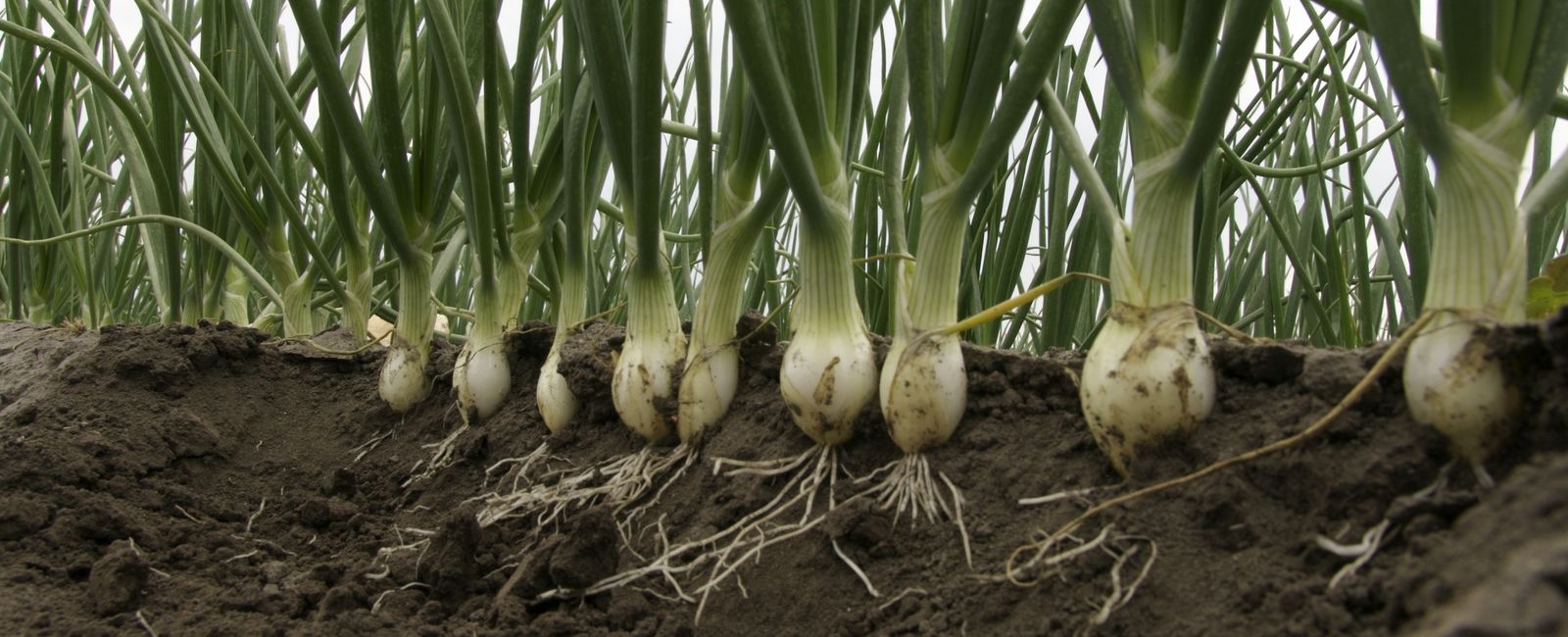
Sulfur problems often show up in new leaves. They turn pale yellow or light green, and growth slows down. Sulfur is important for both growth and flavor, so onions may end up smaller and less tasty. If your soil test shows low sulfur, you can add a small amount of gypsum or a balanced fertilizer that includes sulfur.
Potassium and magnesium issues
Potassium helps onions manage water and resist disease. When potassium is low, you may see yellow or brown edges on leaves, sometimes with curling or spotting. Magnesium deficiency can cause yellowing between the veins of older leaves. Adding compost, well rotted manure, or a potassium rich fertilizer can help, but avoid overdoing it, as too much can imbalance other nutrients.
Micronutrient problems
Iron, manganese, and zinc are needed in small amounts, but they matter. If these are missing, you might see yellowing between leaf veins or twisted, distorted leaves. This is more common in soils with very high or very low pH or very little organic matter. Adding compost and organic matter usually improves micronutrient availability, and in some cases a targeted foliar spray can give a quick boost if tests confirm a deficiency.
Water and Soil Issues That Cause Yellowing
Water and soil go hand in hand when it comes to yellow onion leaves.
Overwatering
Onions need moist soil, but they also need good drainage. If your soil stays soggy for days, roots can start to rot. You may see yellowing from the base of the plant upward, and in severe cases there can be a sour or musty smell. To fix this, improve drainage by adding compost, sand, or raised beds, and reduce how often you water. Let the top layer of soil dry slightly between waterings.
Underwatering or shallow roots
Onions have shallow roots, so they can dry out quickly in hot, windy weather. If the soil feels very dry and the leaf tips look crispy before turning yellow, your plants are likely too dry. Make sure they get consistent moisture but not a flood. Mulching with straw or compost helps keep the soil cool and moist and reduces how often you need to water.
Poor soil or compaction
If your soil is very compacted, heavy, or lacks organic matter, onion roots struggle to grow and take up nutrients. Plants may look pale, weak, and yellow even if you water them regularly. The best long term fix is to add compost, avoid heavy tilling, and rotate crops so onions are not grown in the same spot every year. This boosts soil structure and nutrient availability naturally.
Pests That Cause Onion Leaves to Turn Yellow
Pests can stress onion plants and make leaves yellow, especially if they feed on leaves or roots.
Onion thrips
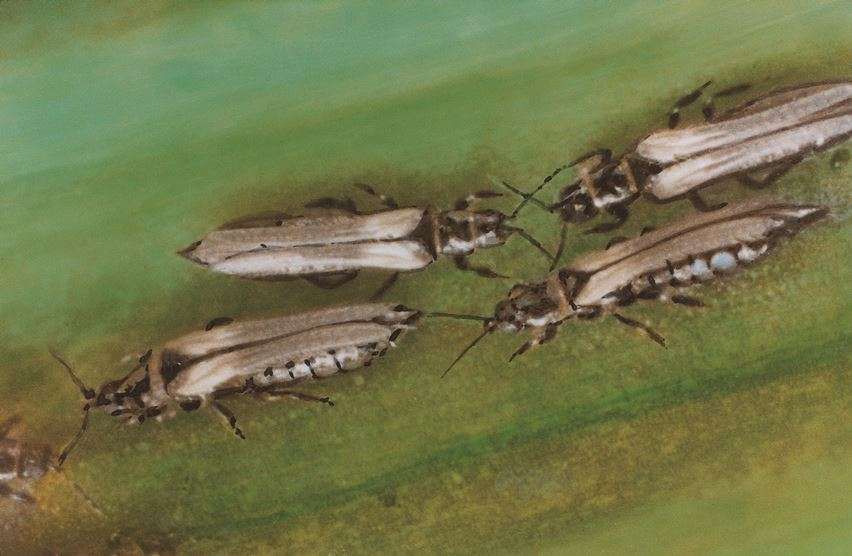
Thrips are tiny insects that suck sap from the leaves. You may not see them clearly, but you can notice silvery streaks, tiny black specks, or leaves that look scraped and twisted. Affected leaves often turn yellow or brown in patches. To control thrips, use neem oil, insecticidal soap, or reflective mulch, and keep the area clean of plant debris. Row covers can also help protect young plants.
Onion maggots and nematodes
Onion maggots are small white larvae that live in the soil and feed on the base of the onion. Infested plants may yellow, wilt, or collapse easily when you gently tug them. Nematodes are tiny worms that damage roots and can cause similar symptoms. The best prevention is crop rotation, clean tools, and avoiding planting onions in the same spot for several years. If you see larvae around the base, remove affected plants and improve soil hygiene.
Diseases and Infections That Lead to Yellow Leaves
Diseases are another common cause of yellowing, especially in cool, wet conditions.
Downy mildew
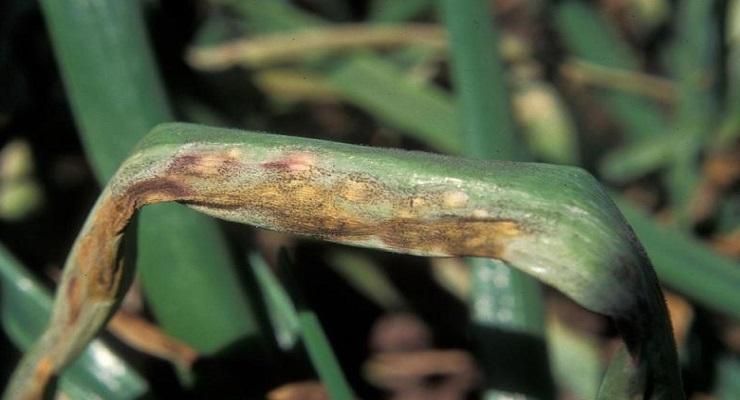
This fungal disease likes cool nights and high humidity. You may see pale yellow or light green spots on leaves that later turn brown. Under humid conditions, a fuzzy, purplish growth may appear on the leaves. To reduce the risk, space plants well, avoid overhead watering, and remove badly infected leaves. In serious cases, fungicides labeled for onions can help.
Fusarium basal rot and white rot
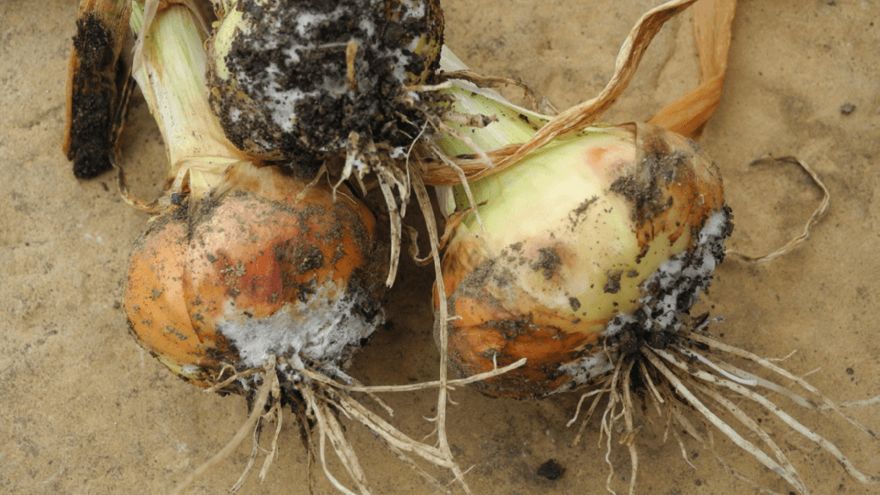
These are soil borne fungi that attack the base of the bulb and roots. Leaves may yellow from the tips down, and bulbs can become soft, rotten, or develop a white mold. These fungi can survive in soil for years, so rotating crops, improving drainage, and avoiding continuous onion planting in one spot are key. If you see soft, rotten bulbs with a bad smell, remove them and disinfect tools.
Bacterial or center rot
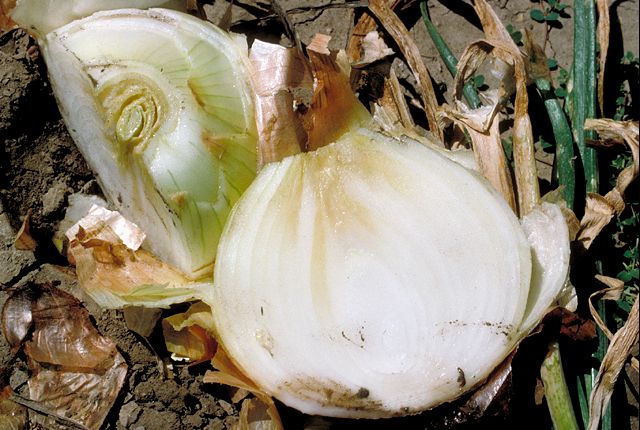
Bacterial center rot can cause yellow or brown centers in leaves, sometimes with a foul odor. The disease often spreads through water splashing from infected plants or soil. To slow it down, water at the base, remove infected plants, and avoid using overhead sprinklers. Keep tools clean and avoid working in the garden when it is very wet.
Environmental Stress and Weather Effects
Weather and environment can also trigger yellow leaves.
Cool, wet springs are ideal for fungal diseases and can slow growth, making leaves look pale and weak. If your region has had a lot of rain or cold snaps, that alone can explain some yellowing, especially if the soil is heavy. On the other hand, intense heat and strong sun can burn the leaf tips, which then turn yellow and crispy. In both cases, mulch and good airflow help. Using shade cloth in extreme heat and planting in well drained beds can reduce stress.
How to Diagnose Your Onion Plants
You can diagnose yellow leaves with a simple, step by step check.
First, look at the pattern of yellowing. Are the oldest leaves yellow first, or the newest? Are tips turning yellow, or are whole leaves affected? This helps narrow down nutrient issues versus stress or disease. Next, inspect the roots and bulbs. Gently pull a few plants and check if the roots are soft, slimy, or have strange colors. Smell the bulbs; a foul odor often means rot. Then check for insects and marks. Look closely at the leaves and base for tiny insects, streaks, or spots. Review your soil and watering. Does the soil hold water like a sponge, or is it dry and dusty? Finally, think about recent weather. Have there been heavy rains, cold spells, or heatwaves?
If you are unsure, taking a clear photo of the yellow leaves and using a plant diagnosis app like Plantlyze can help match the symptoms to likely causes and suggest care steps.
Step by Step Action Plan to Fix Yellow Leaves
Here is a simple routine you can follow.
Inspect your plants
Look at the pattern of yellowing, check roots and bulbs, and search for pests or disease signs.
Improve your soil
Add compost or well rotted manure, loosen compacted soil, and improve drainage if needed.
Adjust watering
Water at the base, keep the soil moist but not soggy, and let the top layer dry a little between waterings.
Fix nutrition
Use a balanced fertilizer or organic inputs if you suspect nitrogen, sulfur, or potassium lack. If micronutrients are an issue, compost and organic matter can help.
Treat pests
Use neem oil, insecticidal soap, or organic methods for thrips and other visible pests. Remove and destroy badly infested plants.
Manage disease
Remove heavily infected plants, avoid overhead watering, sanitize tools, and rotate crops.
Monitor and repeat
Check your onions again in about a week. If yellowing improves, keep doing what you are doing. If it worsens, consider a soil or tissue test and try adjusting fertilizers or methods.
With tools like Plantlyze, you can upload photos and track how your plants respond over time, which makes it easier to see what is working.
How Plantlyze Helps Catch Yellow Leaves Early
Plantlyze is an AI powered plant care and diagnosis tool designed for gardeners, farmers, and plant lovers. It helps you take a photo of your onion leaves and quickly identifies likely causes of yellowing, whether nutrient issues, pests, or disease. Instead of guessing, you get clear, step by step suggestions tailored to your situation.
You can use Plantlyze to:
Diagnose yellow leaves with a simple photo.
Get personalized care tips for watering, fertilizer, and pest control.
Track plant progress over time and compare changes after each adjustment.
If you notice yellow onion leaves and are unsure what is wrong, take a picture and upload it to Plantlyze for a quick, AI assisted diagnosis. Visit plantlyze.com to learn more and start using the tool.
Conclusion – Turning Yellow Leaves Back to Green
Yellow onion leaves are a warning, not a guarantee of crop failure. Most of the time, the problem comes down to water, nutrients, pests, or disease, and with careful observation and simple fixes, you can bring your plants back to health. Start by inspecting the plants, checking soil and watering habits, and treating any obvious pests or diseases. If you are unsure what is happening, an AI plant care app like Plantlyze can help you diagnose the issue faster and guide your next steps.
With the right care, your onions can recover and still produce strong bulbs. Keep an eye on them, act early, and use tools that make plant care easier and more precise.
References
Iris Yellow Spot Virus in Onions – Utah State University Extension
https://extension.usu.edu/planthealth/research/iysvOnion Yellow Dwarf – UC IPM (University of California Integrated Pest Management)
https://ipm.ucanr.edu/agriculture/onion-and-garlic/onion-yellow-dwarf/Onion (Allium cepa) – Fusarium Basal Rot – Pacific Northwest Extension
https://pnwhandbooks.org/node/3133/printOnion Thrips – Virginia Cooperative Extension
https://www.pubs.ext.vt.edu/3104/3104-1556/3104-1556.htmlDiagnosis and Control of Onion Diseases – Purdue Extension
https://www.extension.purdue.edu/extmedia/bp/bp-23-w.html