Introduction
You've planted your tomatoes, waited weeks for growth, and suddenly the leaves start curling. Your plant looks stressed, and you're wondering if you're doing something wrong. The truth is that watering seems simple on the surface, but most gardeners struggle with getting it exactly right. The good news is that mastering tomato watering isn't complicated—it just requires consistency and awareness of a few key principles.
Here's the thing: many common tomato problems like blossom end rot, cracking fruit, and stunted growth all trace back to watering mistakes. But once you understand the fundamentals, you'll grow healthier, more productive tomato plants. For ongoing monitoring beyond these basics, Plantlyze's AI-powered plant diagnostics can alert you to water stress before visible problems appear, helping you maintain perfect conditions year-round.
Tomato Watering Rule 101
The Golden Standard
Tomatoes need water to thrive, and the golden rule is straightforward: aim for 1 to 2 inches of water per week. But here's where it gets interesting—the exact frequency depends on several factors including soil type, climate, and your plant's growth stage. The key isn't hitting a specific number of days between watering. Instead, it's about maintaining consistent moisture in the soil.
Think of it this way: deep, slow watering creates strong root systems. When you water gradually and deeply, roots develop the resilience to handle dry periods. Shallow, frequent watering actually encourages weak roots that stay near the soil surface, making your plants vulnerable to stress.
Why Consistency Matters
This is non-negotiable: your tomatoes want predictability. Fluctuating water supply causes some of the most frustrating tomato problems. When soil swings between soaking wet and bone dry, your plants experience stress that leads to cracking, blossom end rot (those dark sunken spots on the fruit), and poor nutrient absorption.
Consistency matters more than perfection. If you water every three days instead of every two, that's fine—as long as you stay consistent. Your tomato plants actually adapt to a predictable watering schedule, developing root systems that match your routine. The worst scenario is erratic watering where plants never know what to expect.
Understanding Your Soil: The Real Key
Sandy Soil vs. Clay Soil
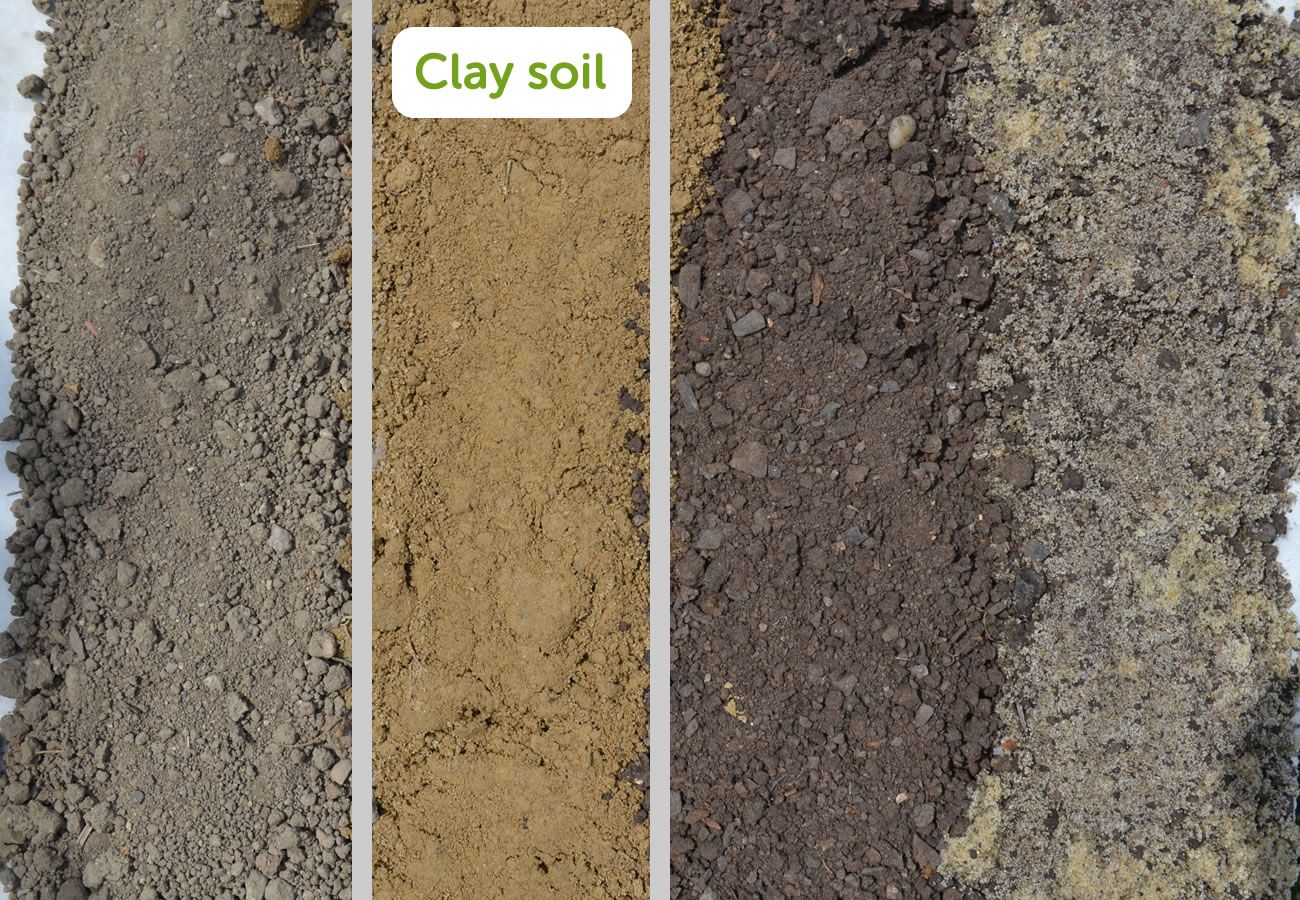
Here's the most important secret: your soil type determines everything about watering frequency. Sandy soil drains quickly and holds very little moisture. If your garden has sandy soil, you'll need to water 3-4 times per week to keep tomatoes adequately hydrated. The water simply runs through, leaving roots dry within days.
Clay soil is the opposite. It holds water like a sponge and drains slowly. With clay soil, you typically need to water just once per week. The challenge with clay is preventing waterlogging, which can lead to root rot and fungal diseases. Most gardeners with clay soil actually underwater tomatoes because they're afraid of overwatering.
If you're lucky enough to have loamy soil (a balanced mix of sand, silt, and clay), you've got the sweet spot. Loamy soil drains well while retaining adequate moisture. Most gardeners in this situation water 2 times per week during the growing season.
Checking Soil Moisture Like a Pro
Forget guessing games. Use this simple three-step soil moisture test:
Check the soil surface visually for dryness
Insert your finger 2 to 3 inches into the soil
Feel if the soil is moist or dry at that depth
If the soil feels dry at that depth, it's time to water. If it's still moist, wait another day or two. This finger test is your best watering guide because it tells you exactly what's happening in the root zone where it matters most. Many gardeners check only the surface, which is misleading—the surface dries out first while deeper soil remains moist.
The visual inspection is also helpful. Sandy soil that's dry looks lighter in color, while clay soil looks noticeably darker when moist. Over time, you'll develop an intuition for your soil's appearance and feel.
How Deep to Water
Here's the critical part: water deeply to wet the soil 6 to 8 inches down. This isn't optional if you want healthy tomatoes. Deep watering encourages strong root development, making plants more drought resistant and better able to absorb nutrients.
Shallow watering creates weak, surface-level roots. Plants with shallow roots can't access moisture during dry spells and are prone to wilting and stress. When you water deeply, roots grow downward seeking moisture, creating an extensive root system that supports a productive plant.
The trick is watering slowly enough that water penetrates instead of running off. If you're using a hose, reduce the pressure. If you're using a watering can, pour slowly around the base. Let the water soak in gradually over 10-15 minutes rather than dumping it all at once.
Watering Methods: Find What Works for You
Drip Irrigation
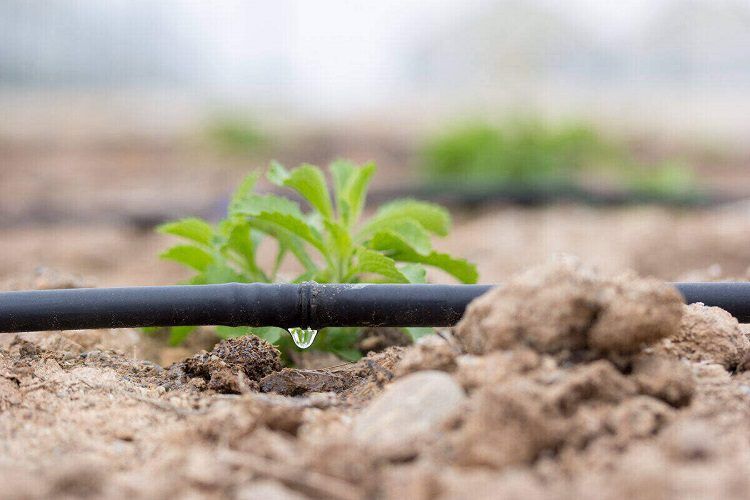
Drip irrigation is the most effective method for watering tomatoes. Water is delivered directly to the roots via small drips or emitters, keeping foliage completely dry. This targeted approach reduces disease risk significantly because wet leaves invite fungal infections like early blight and septoria leaf spot.
Drip systems are also remarkably efficient. A drip irrigation system uses roughly one-quarter the water of overhead watering while delivering more consistent moisture. You can automate drip systems with timers, so your tomatoes get watered on schedule even when you're busy or traveling. If you're serious about tomato growing, drip irrigation is worth the investment.
Soaker Hoses
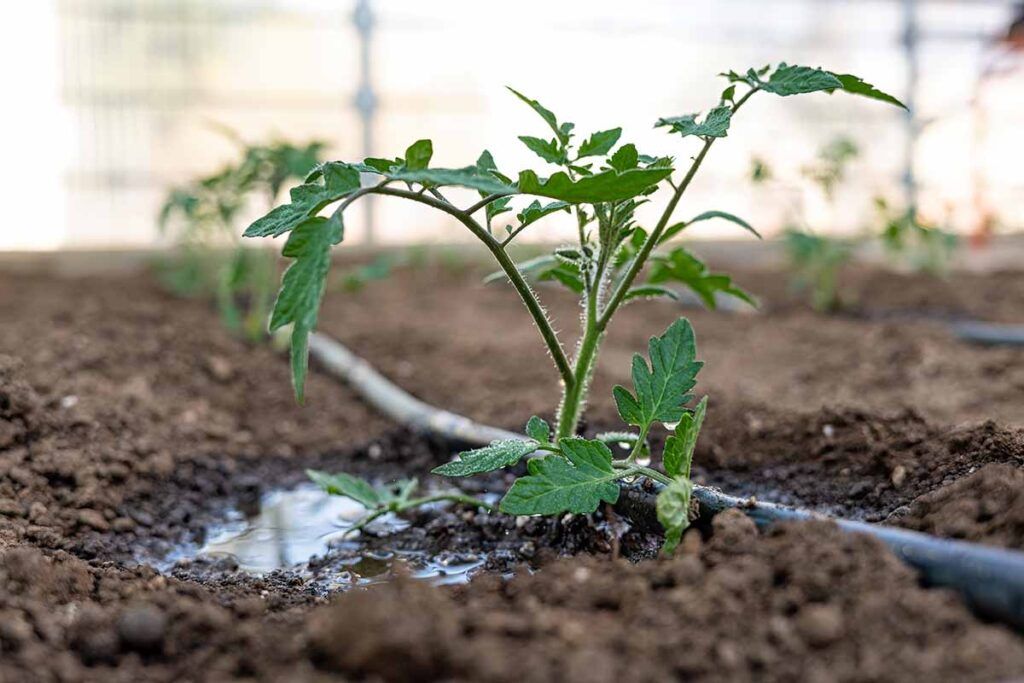
A soaker hose is an excellent middle-ground option. It's affordable, efficient, and very reliable. Simply lay the hose at the base of your tomato plant, turn it on for 20 to 30 minutes about 3 to 4 times per week, and you're done. The water seeps out along the entire length of the hose, wetting the soil gradually.
The beauty of soaker hoses is their simplicity. No installation required, no timers needed, and they work equally well in gardens and containers. Position the hose right at the soil level to keep foliage dry while getting water exactly where roots need it.
Hand Watering with Can or Hose
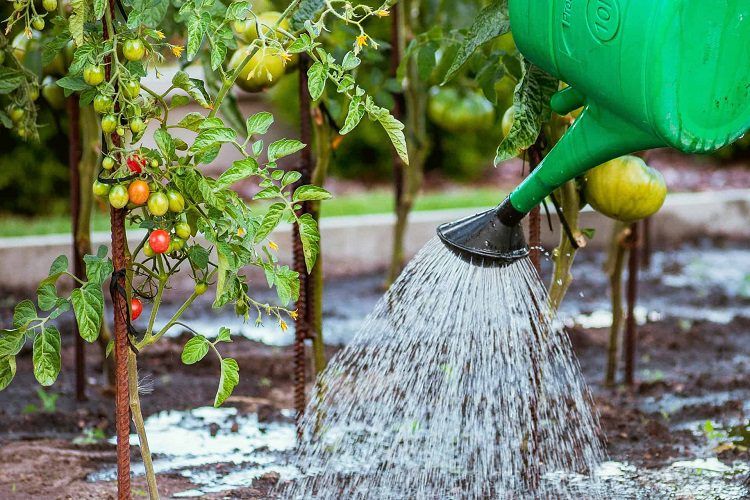
Hand watering is perfect if you have a small garden or enjoy the hands-on approach. Use a rose spout on your watering can or hose to avoid harsh water streams that disturb soil and displace mulch. Water only at the base of the plant—never from above where water hits the foliage.
The advantage of hand watering is observation. While you're watering, you're inspecting your plants closely. You'll notice pest damage, disease symptoms, or nutrient deficiencies that you might miss with automated systems. Plus, hand watering gives you precise control over water delivery.
Container Tomatoes: Special Attention Needed
Container-grown tomatoes have special watering needs because potted soil dries out much faster than garden beds. Your container tomatoes may need daily or even twice-daily watering during hot weather. In extreme heat, a potted tomato can consume up to 1 gallon of water daily.
Check container soil daily by inserting your finger into the top inch. If it feels dry, it's time to water. Use containers with drainage holes to prevent waterlogging, and consider adding mulch to the container surface to slow evaporation. Large containers (20+ gallons) retain moisture better than small pots, so size matters.
Timing and Frequency by Growth Stage
Seedling and Young Transplant Stage
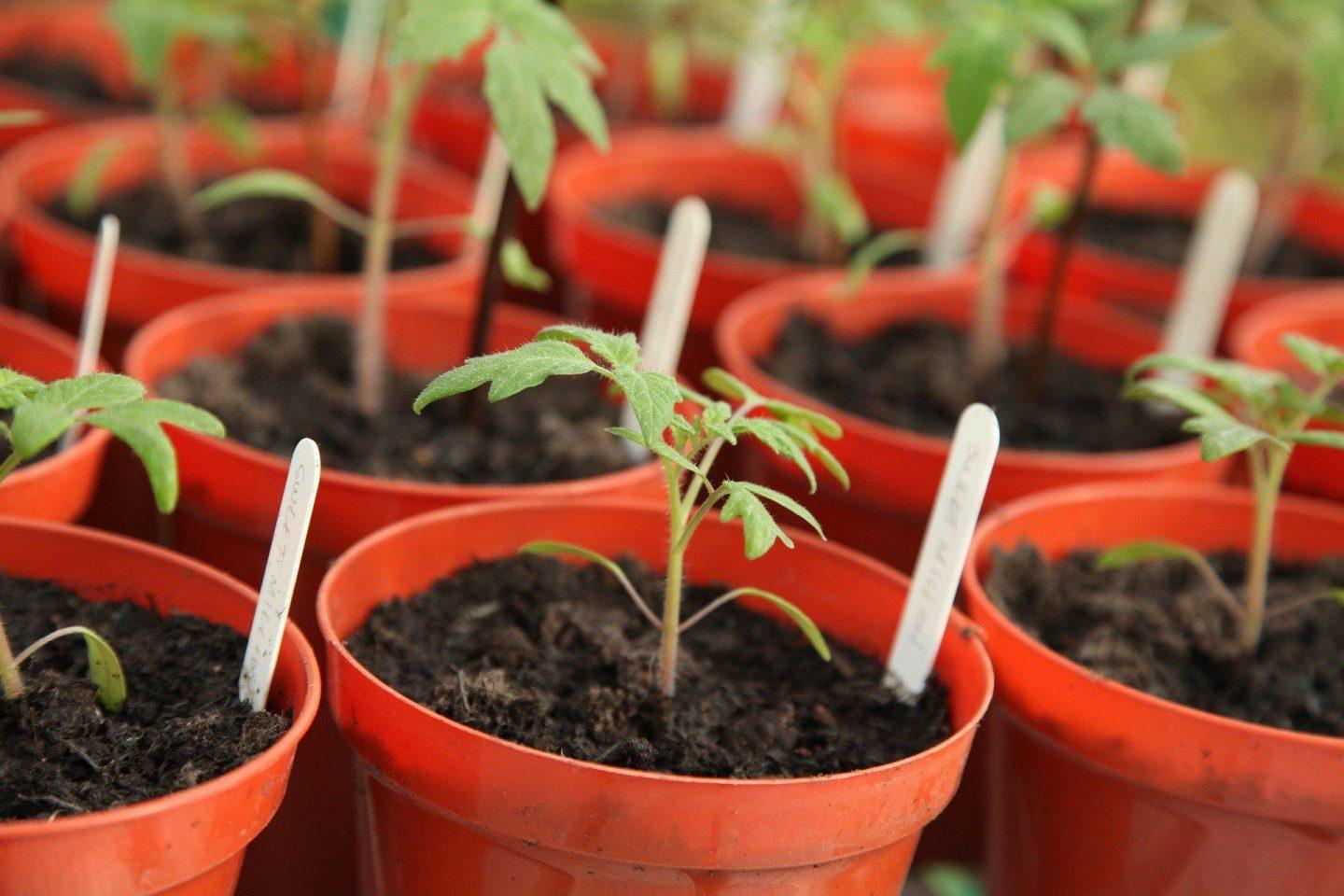
When you first transplant seedlings into the garden, they're establishing their root systems and need consistent moisture. Water daily or every couple of days during this crucial establishment phase, typically the first week after transplanting. Keep the soil evenly moist but not waterlogged—it should feel like a wrung-out sponge.
During this stage, you're not watering for the plant's immediate hydration needs so much as encouraging root development. Consistent moisture signals the roots that they can expand confidently. Inconsistent watering stresses young plants and can cause them to wilt back, delaying growth.
Established Young Plants
After the first week, gradually reduce your watering frequency. Move from daily to watering 2-3 times per week as the root system develops. The soil should begin to dry out slightly between waterings, but never completely dry out.
This transition period trains roots to grow deeper seeking moisture. Plants that experience slight stress (brief periods of dryness) develop stronger, deeper root systems. Continue monitoring: if the soil surface feels dry a few inches down, it's time to water. You're moving toward the maintenance phase.
Mature Fruiting Plants
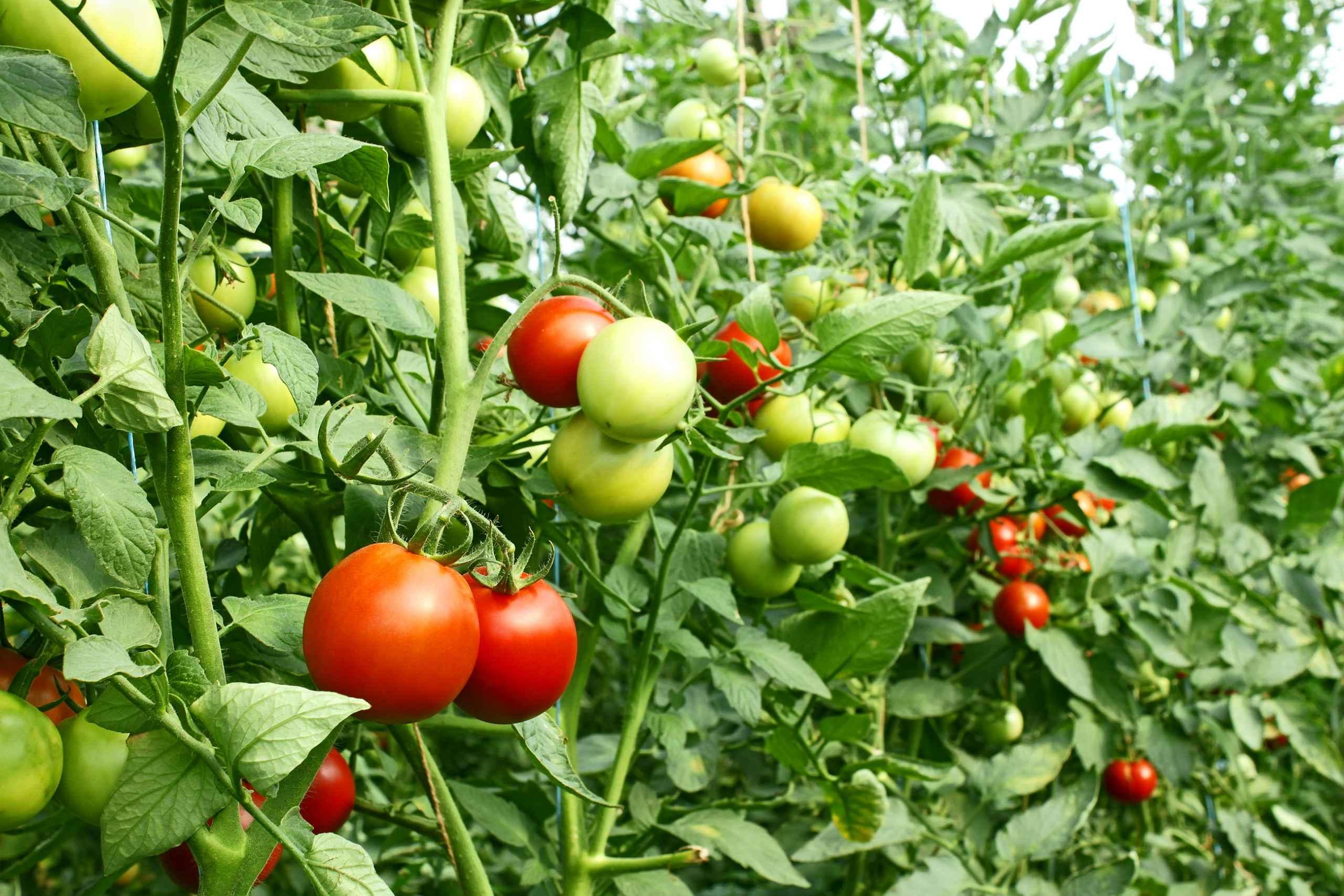
Once your tomato plant is established and producing fruit, aim for that golden standard: 1 to 2 inches per week. This translates to approximately 1 gallon every 5 days for a single plant in average conditions. But here's where temperature becomes critical.
When daytime temperatures reach 70 to 85°F, once weekly watering is adequate. As temperatures climb to 85 to 100°F, increase to twice per week. When temps exceed 100°F, you'll likely need to water three or more times weekly. Some gardeners in extremely hot climates water daily during peak summer.
The reason is simple: heat increases evaporation and water stress on the plant. High temperatures also increase the plant's water demand as it works to cool itself through transpiration. Watch your plants closely during heat waves. If leaves look slightly wilted even after watering the previous day, increase frequency.
Timing of Day Matters
Water your tomatoes in early morning, period. This is non-negotiable if you want disease prevention. Morning watering allows foliage to dry quickly during daylight hours, eliminating the environment that fungal diseases love. Fungal spores germinate on wet leaves in warm, humid conditions.
Evening watering is your enemy. When you water in the evening, leaves stay wet throughout the night while temperatures cool and humidity rises. This creates the perfect storm for fungal infections like early blight and powdery mildew. If you must water in the evening, do so at least 3-4 hours before sunset to give foliage time to dry.
Consistent morning timing also helps plants adapt to your watering schedule. They "know" to expect water at a certain time and develop accordingly. Your water runs deep into the soil rather than quickly evaporating under the hot midday sun.
Common Mistakes to Avoid
Overwatering
Overwatering is surprisingly common and creates serious problems. Soggy soil prevents oxygen from reaching roots, leading to root rot and fungal diseases. Watch for yellowing leaves, soft or mushy stems, and soil that stays wet for days after watering. These are unmistakable signs you're watering too much.
The irony is that overwatered plants often look like they need water because stressed roots can't absorb nutrients properly. Leaves look pale or yellowed even though the soil is moist. If you see these symptoms, your first instinct might be to water more—resist it. Back off and let the soil dry out.
Underwatering
Underwatered tomato plants wilt dramatically, showing drooping leaves and dry, hard soil. Wilting combined with brown leaf edges indicates your plant is severely stressed. Extended underwatering causes blossom end rot because the plant can't transport calcium to developing fruit.
But here's the tricky part: occasional mild stress (soil drying slightly between waterings) is actually beneficial. It encourages deep root growth. Extreme underwatering, where soil becomes hard and crusty, is harmful. The goal is consistent moisture, not constant sogginess or extended drought.
Wetting the Foliage
This is a critical mistake that invites disease. When water hits tomato leaves, especially in evening, you're creating conditions for fungal infection. Early blight, septoria leaf spot, and other leaf diseases thrive on wet foliage.
Water at the base of the plant only. Keep your watering method at ground level, maintaining 2 to 3 inches of clearance from the lowest leaves. If you're hand-watering, use a rose spout and direct water down at the soil. If you're using drip irrigation, position emitters at the base. Never use overhead sprinklers on tomatoes.
Inconsistent Watering
The biggest overall mistake is inconsistent watering. Fluctuations in moisture cause cracking and blossom end rot. Your tomatoes prefer predictable moisture over dramatic swings. Even if your watering schedule isn't perfect, consistency is what matters.
Many gardeners water heavily after noticing dry soil, then wait too long before watering again. This creates the boom-bust cycle that stresses plants. Instead, establish a routine you can maintain. Whether it's every 2 days or every 3 days doesn't matter as much as sticking to it.
Monitoring Your Tomato Plants Made Easy
So far, we've covered observation and consistency—the fundamentals of perfect tomato watering. But what if you could take the guesswork out entirely? For real-time plant monitoring and personalized care tips beyond what you can track manually, Plantlyze's AI-powered plant diagnostics can identify water stress before it becomes visible.
Imagine having a plant expert monitoring your tomatoes 24/7, alerting you to problems before leaves show symptoms. Plantlyze uses advanced diagnostics to analyze your plant's health data and sends you specific watering recommendations based on your soil type, climate, and growth stage. No more second-guessing whether it's time to water—you'll have data-driven insights.
The system learns from your garden conditions and adjusts recommendations seasonally. Spring watering schedules differ from summer, and Plantlyze accounts for this automatically. Whether you're a beginner overwhelmed by options or an experienced gardener wanting to optimize, Plantlyze brings precision to plant care.
Ready to combine practical knowledge with AI-powered support? Try Plantlyze's free plant care guide and start monitoring your tomatoes with confidence.
Conclusion
Let's recap the fundamentals because they truly matter. Tomato watering boils down to one core principle: consistency. Remember the 1 to 2 inches per week rule, but understand that this adjusts based on three key factors: soil type (sandy, clay, or loamy), growth stage (seedling, established young, or mature fruiting), and climate (temperature and rainfall in your region).
Watering tomatoes is an art, not a science. Observation is your greatest tool. Check soil moisture regularly using the finger test. Water deeply and slowly to encourage strong root development. Water in early morning to prevent disease. Maintain a consistent schedule that your plants can depend on.
You've got this. The fundamentals are simple, and once you develop a routine, watering becomes automatic. Start with these principles, observe your plants closely, and adjust as needed based on your specific growing conditions. Combine this knowledge with Plantlyze's plant care resources, and you'll grow abundant, healthy tomatoes season after season.
References
University of Georgia Extension - College of Agricultural and Environmental Sciences
https://site.extension.uga.edu/fultonag/2025/05/good-watering-practices-help-keep-tomatoes-healthy/Clemson University Cooperative Extension - Department of Horticulture
https://www.clemson.edu/extension/ (General extension - tomato watering resources)Penn State University - College of Agricultural Sciences Extension
https://extension.psu.edu/ (Vegetable production guides)