You're watering your potatoes but you aren't sure if you're doing it right. Yield is dramatically reduced with inadequate watering and most of us always associate that extra bit of water with a healthy, luxuriant plant! Overwatering brings on disease and eventually rot. Proper watering is a balancing act-but it's completely learnable. This guide reveals exactly how to water potatoes for maximum harvest.
Why Potatoes Are Water-Sensitive
Potatoes are unusually water-sensitive compared to most vegetables. This sensitivity stems from their shallow root system. Approximately 90 percent of potato roots grow in the top 12 to 18 inches of soil. This shallow root zone means potatoes cannot access water deeper in the soil. Potatoes depend on consistent surface moisture throughout the entire growing season.
Potatoes are made up of about 80 percent water themselves. This high water content explains why consistent hydration matters so much. Water moves nutrients throughout the plant and develops tubers properly. Inadequate water severely reduces harvest size and tuber quality. Too much water results in rot, disease, and poorly formed tubers. The challenge is to find that narrow window between drought and flood. This sensitivity helps one understand why watering matters so much; it's not only about the survival of the plant but also in maximizing the yield-yes, every extra kilo that your patch can produce counts! Proper technique directly determines your potato success.
Potato Water Requirements by Growth Stage
Water needs change dramatically throughout the growing season. Each stage has specific requirements. Understanding stage-specific needs prevents both over and underwatering.
Germination and Sprouting Stage
Duration: First 2 to 3 weeks after planting. Water needs are light and consistent, not heavy. Keep soil moist but not waterlogged. Weekly water amount should be about 0.5 to 1 inch per week. Avoid heavy overwatering (causes seed rot). Strategy: prewet soil before planting to ensure good seed piece germination.
Early Growth and Emergence
Duration: Weeks 3 to 6 after planting. Begin increasing water gradually. Soil moisture target: 70-80 percent field capacity. Weekly amount: increase to 1 to 1.5 inches per week. Target depth: soak 6 to 8 inches into soil. Water when top inch of soil feels dry to your touch.
Vegetative Development and Canopy
Duration: Weeks 6 to 10 approximately. Water needs steadily increasing as foliage grows. Soil moisture target: maintain 70-80 percent field capacity. Weekly amount: 1.5 to 2 inches per week. This is critical phase where foliage development determines yield. Caution: don't let soil dry below 65 percent field capacity during this stage.
Tuber Formation and Bulking
Duration: Weeks 10 to 14 (peak water needs period). This is your highest water requirement phase. Soil moisture target: 80-90 percent field capacity. Weekly amount: 1.5 to 2.5 inches per week (may need daily irrigation). This is the most critical stage. Inconsistent water during this phase causes malformed, cracked tubers. Sandy soils may need daily irrigation during heat waves.
Maturity and Pre-Harvest
Duration: Final 1 to 2 weeks before harvest. Water needs reduce deliberately. Soil moisture target: allow to drop to 60-70 percent. Purpose: harden potato skins for storage. Stop watering 2 weeks before harvest completely. Drier soil improves storage potential substantially.
How Much Water Do Potatoes Need
The general rule is to provide potatoes with about one to two inches of water every week during their growing season. This total can be made up entirely by rainfall or partly by rainfall and the rest through irrigation. In regions where rains are well distributed, very little supplementary watering may be required. It becomes absolutely essential in dry areas that irrigation has been introduced recently-adequate meanwhile varies from soil type climate growth stage.
Sandy soils dry faster requiring more frequent watering. Clay soils retain moisture longer requiring less frequent watering. Specifically monitor your soil conditions. Feel the soil down two to three inches. If it’s dry, water. If it’s still moist, leave it alone. This hands-on method far outweighs any strict scheduling.
Increase watering to two to two and a half inches per week if possible during weeks 10-14 of peak tuber formation. This is when final yield and quality are most dramatically affected by consistency in watering. Inconsistent moisture during this stage causes cracked and malformed tubers. Keep soil consistently moist but never waterlogged. The goal is 70-90 percent soil field capacity depending on growth stage. Above 90 percent causes disease and rot problems. Below 65 percent stresses plants reducing yield. Hitting the target range ensures maximum productivity.
Monitoring Soil Moisture
Checking soil moisture regularly prevents both over and underwatering problems. Dig down 2 to 3 inches with a trowel into the top soil layer. This is where roots actively absorb water. Feel the soil carefully. If crumbly and dry, water. If damp and cool, wait. If waterlogged and muddy, hold off watering immediately.
Record the rainfall. Note the day and amount of watering. Once a week, in your garden journal, record the condition of the soil. This will help you notice any patterns and make adjustments to your schedule accordingly. Eventually, over time, you develop an instinctual feeling for knowing when to water-a feeling that can only be personalized through individual experience since every garden is different.
Visual indicators help too. Wilting foliage during hot afternoon often indicates need for water. However, temporary wilting in heat is normal plant response. Water only if soil itself is dry. Leaves perk up as soil warms or evening comes. Don't overreact to midday wilting.
Consider installing simple soil moisture meters (about $10 to 15). These remove guesswork providing accurate soil moisture percentage. Meters are especially valuable for container potatoes where soil dries quickly.
Irrigation Methods and Systems
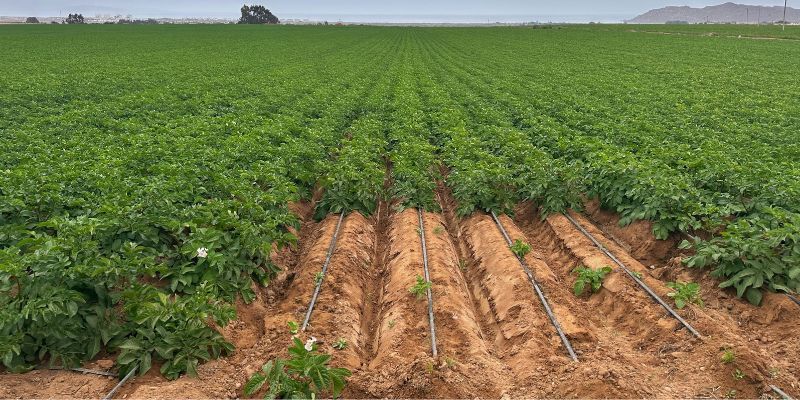
Different irrigation methods affect water efficiency and disease risk. Understanding each helps you choose best approach for your situation.
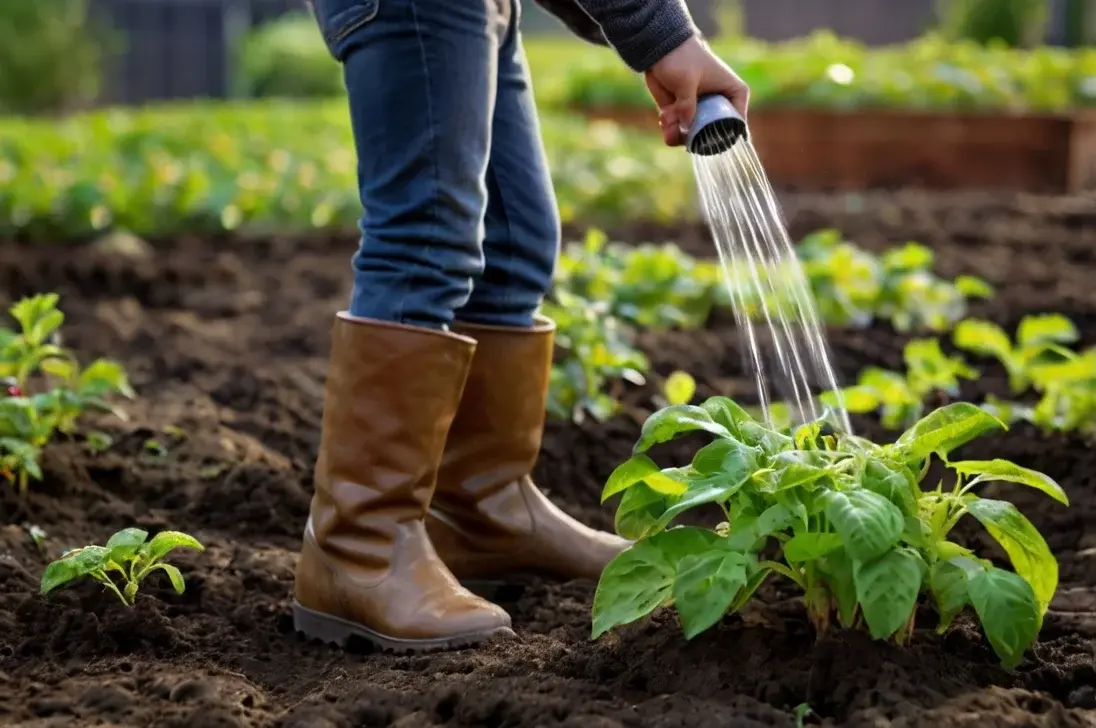
Hand watering with hose gives maximum control and flexibility. Water at soil level avoiding wet foliage completely. Direct water toward base of plant carefully. Hand watering takes time but works well for small gardens. Water in early morning when foliage will dry quickly. Never hand water at night or foliage stays wet overnight creating disease conditions.
Soaker hoses deliver water directly to soil surface efficiently. These are efficient conserving water resources. Soaker hoses reduce disease risk compared to overhead watering. They're inexpensive and work for ground beds and containers. Lay soaker hoses along potato rows. Water flows gradually and deeply into soil. Use timers to automate watering schedules.
Drip irrigation is most efficient method available commercially. Water drips slowly at root zone with minimal evaporation. Drip systems reduce water use by 10 to 20 percent compared to sprinklers. Installation costs more initially but saves water long-term significantly. Drip irrigation virtually eliminates foliar disease spread. Most efficient for commercial operations and large gardens.
Sprinklers (overhead) are less efficient and increase disease risk substantially. Wet foliage creates humid conditions favoring blight and other diseases. However, some gardeners prefer sprinklers for simplicity. If using sprinklers, run them early morning only. Never run past 6 AM ensuring foliage dries quickly before nightfall.
Watering Timing and Frequency
Timing irrigation prevents disease and maximizes water uptake significantly. Always water in early morning (before 7 AM ideally). Morning watering allows foliage to dry before dew settles. This minimizes late blight and early blight risk substantially. Morning watering also cools plants before hot afternoon.
Never water at night under any circumstances. Nighttime watering leaves foliage wet for 12-14 hours. This extended wetness creates perfect conditions for fungal disease. Night watering is the single biggest mistake gardeners make. Frequency depends on weather and soil type primarily. Sandy soils need watering every 3-4 days or even daily during heat. Clay soils may need watering only once weekly. Feel soil before watering consistently. Don't irrigate deeper than 18 to 24 inches. Shallow watering encourages shallow roots. Deep watering encourages deep root systems more resilient to stress.
Adjust watering during rainy periods. Don't water if significant rain fell recently. Potatoes don't need additional watering after heavy rain. Reduce watering frequency during cool periods. Increase frequency during hot, dry spells. Follow plant needs, not calendar dates.
Containers and Raised Beds
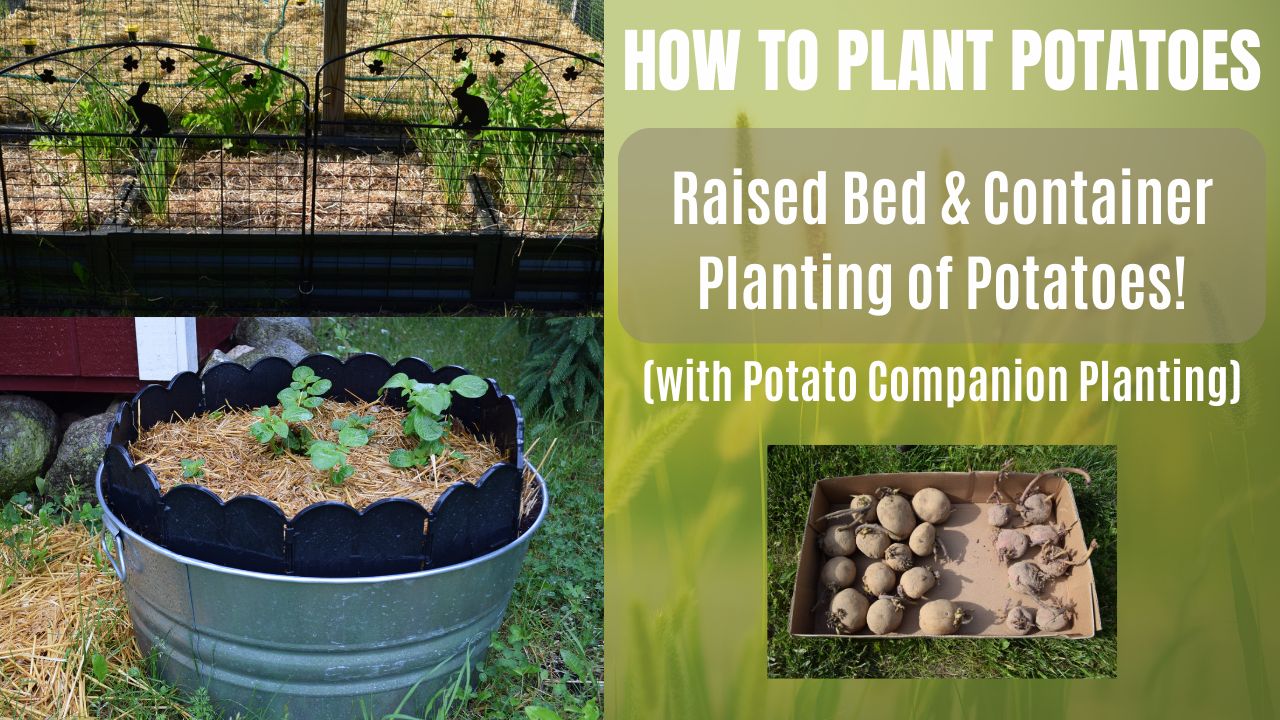
Container and raised bed potatoes dry faster than ground plantings significantly. Containers lose moisture through all sides. Raised beds with good drainage dry quickly. Both require more frequent watering than in-ground gardens.
Container potatoes may need daily watering during hot weather. Check container soil moisture daily by inserting your finger into soil. If dry 1 inch down, water thoroughly. Containers usually need watering every 1 to 2 days during growing season. Use containers at least 18 inches deep for adequate root zone. Raised beds need checking every other day during hot periods. Add mulch (3 to 4 inches) to raised beds to retain moisture. Mulch reduces watering frequency by 25 to 50 percent. Water raised beds more frequently than ground soil. Aim for consistent moisture without waterlogging.
Use quality potting or garden mix in containers. These drain well while retaining adequate moisture. Poor quality mix either drains too fast or waterloggs. Investment in good soil mix pays dividends in reduced watering stress.
Smart Soil Moisture Monitoring for Perfect Watering
Works fine with manual checking of the soil. Needs daily attention. Easy to underwater or overwater without precise monitoring, Shaded area stays wetter than sunny spots most variance happens between different areas of a garden across all soil moisture somewhere is always drier than optimum even experienced gardeners miss the optimal timing Plantlyze AI monitors continuously check on condition checks for how many times per day and week moisture levels are high sends an alert when watering based on actual (not assumed)soil data needed personalized recommendation suitable for your microclimate real-time eliminate guesswork! Maximize yields through precision watering timing. Reduce water waste from overwatering significantly. Get Smart Watering Alerts from Plantlyze.
Troubleshooting Common Watering Problems
Underwatering: Leaves wilt during day, don't recover by evening. Tubers stay small. Soil is hard and compacted. Solution: Increase watering frequency and amount. Water more deeply. Mulch to retain moisture. Check soil daily during hot periods.
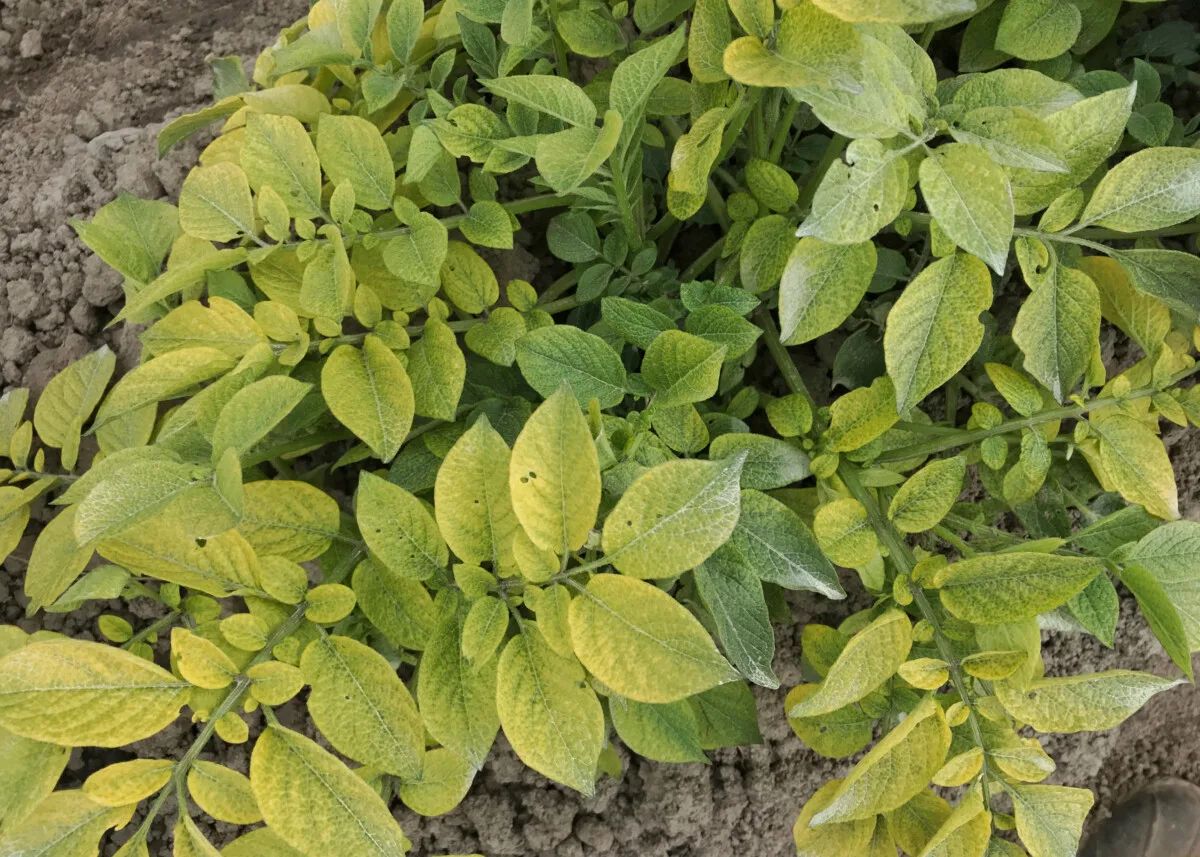
Overwatering: Foliage yellows and droops noticeably. Soil remains soggy and smells bad. Tubers rot in ground or storage. Fungal diseases appear. Solution: Reduce watering frequency. Ensure soil drains well. Create raised beds if ground stays waterlogged. Check rainfall and reduce supplemental watering accordingly.
Inconsistent watering: Tubers crack or develop hollow centers. Growth stunted then accelerates. Solution: Monitor soil daily. Establish consistent watering schedule. Use drip irrigation or soaker hoses providing steady water. Mulch helps buffer moisture fluctuations effectively.
Chlorotic leaves: Yellowing despite adequate water. Solution: May be nutrient deficiency (nitrogen) masked by watering problem. Check soil moisture first. If adequate, fertilize appropriately.
Late blight during wet season: Foliage shows water-soaked lesions. Solution: Reduce evening and nighttime watering. Only water early morning. Improve air circulation. Apply fungicides preventatively.
Watering Through Season: Timeline
Before planting: Prewet soil to field capacity. This ensures good seed piece germination without planted-day irrigation.
Week 1-3 after planting: Light and consistent watering (1 inch per week). Avoid heavy watering. Allow soil to dry slightly between waterings.
Week 3-6: Increase to 1 to 1.5 inches weekly as foliage develops. Water when top soil inch feels dry. Maintain 70-80 percent field capacity.
Week 6-10: Peak foliage development. Maintain 1.5 to 2 inches weekly. This establishes strong leaf area for photosynthesis.
Week 10-14: Peak tuber formation. Increase to 1.5 to 2.5 inches weekly. Most critical watering period. Consistent moisture absolutely essential.
Week 14-16: Reduce watering gradually. Allow soil to dry toward 60 percent field capacity. This hardens potato skins for storage.
Final 2 weeks: Minimal watering. Allow soil to dry. This improves skin set and storage potential.
Water Quality and Special Considerations
Most tap water works fine for potatoes. However, extremely high salt content water can stress plants. If water smells heavily chlorinated, let sit Cold water (below 50 degrees F) shocks roots. Allow cold water to warm slightly before applying. Room temperature water works best. Water from rain barrels is excellent (free and better than chlorinated tap water). Irrigation system maintenance matters tremendously. Clean drip emitters regularly preventing clogs. Replace cracked hoses and fittings. Check for leaks wasting water. Maintain sprinkler nozzles ensuring even coverage. Well-maintained systems deliver water efficiently.
Soil in containers and raised beds depletes faster than the ground soil. Fertilize more often, and do not let them dry out: add frequent watering as well. Nutrition develops with moisture for best results.equent watering. Balance nutrition with moisture for best results.
Mulching to Reduce Watering Needs
Mulch is your secret weapon for efficient watering. Organic mulch (straw, leaves, compost) reduces watering frequency significantly. Apply 3 to 4 inches mulch around potato plants after soil warms (usually 5-6 weeks after planting).
Mulch benefits include: retains soil moisture (reduces watering by 25-50 percent), moderates soil temperature, suppresses weeds competing for water, prevents soil splashing disease onto foliage, adds organic matter improving soil over time. Don't place mulch directly against potato stems. Keep at least 6 inches space between stem and mulch to prevent rot. Maintain 3 to 4 inch mulch depth throughout season. Add more as it decomposes.
Straw makes excellent mulch (shredded leaves work too). Avoid hay which contains weed seeds. Use only mulch free of herbicides. Good quality mulch prevents weed problems while reducing watering dramatically.
Conclusion
Potato watering is balancing act but completely learnable. Consistent moisture throughout season is absolutely key. Water needs change with growth stage. Early morning watering prevents disease. Never water at night or with overhead sprinklers at night. Soil moisture checking takes just 30 seconds. Adjust frequency based on soil type and weather. Container and raised beds need special attention. Mulch reduces watering burden significantly. Records help refine your approach. Plantlyze monitoring eliminates guesswork entirely. Proper watering directly determines harvest size. Combined with good variety selection and spacing, watering ensures abundant potatoes. You've learned everything needed for watering success. Apply this knowledge for rewarding abundant harvests this season.
References
UC IPM - Irrigation and Potato
https://ipm.ucanr.edu/agriculture/potato/irrigation/Colorado State University Extension - Potato Watering
https://extension.colostate.edu/EOSDA Crop Monitoring - Potato Growth Stages
https://eos.com/crop-management-guide/potato-growth-stages/International Potato Center - Efficient Irrigation
https://cipotato.org/