Shallow watering promotes shallow rooting remember that fact and you will never go far wrong in watering any crop provide just sufficient to encourage the plant to forage deeply but do not make the surface soil too dry for seeds to germinate or transplants to establish onions are no exception although their roots are fine and fibrous they penetrate deeply unless checked by a hardpan bulbs cannot form well without ample moisture but over‑wetting encourages thick necks which delay maturity ripening is hastened by withholding water when bulbs have sized up properly this also improves keeping qualit. In this guide you will learn general rules, growth‑stage tips, and simple ways to read your plants and soil so you can adjust on the fly. Toward the end you will also see how an AI‑powered plant‑care assistant like Plantlyze can help you create a personalized watering schedule for your garden and climate at plantlyze.com.
Why Watering Matters for Onions
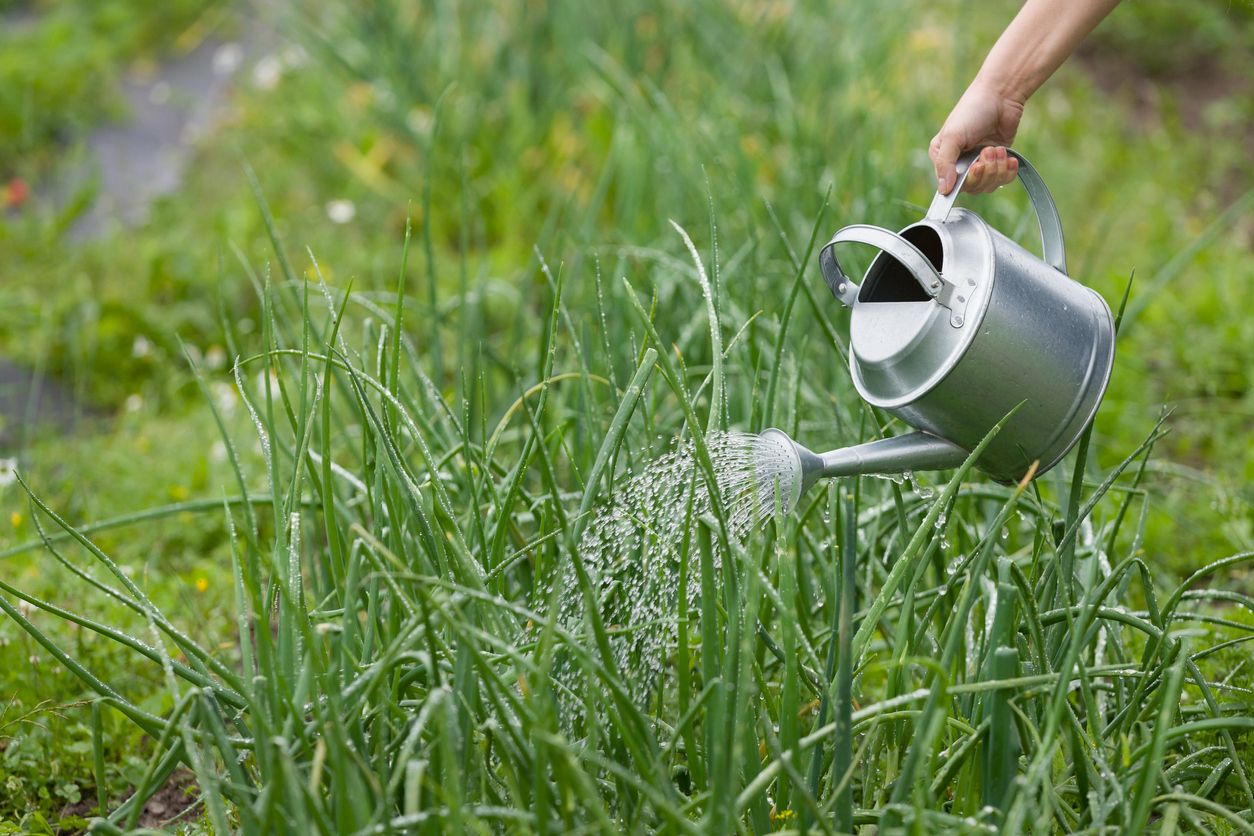
Onions develop very shallow root systems at the surface, so they cannot tap deep groundwater like many other vegetables. They are completely dependent on you to keep the upper layers of soil moist. If allowed to dry too much, growth is retarded, bulbs remain small, and stress can create cracking or splitting of the bulbs. In return for all this kindness-if-ever-the-topsoil-dries-out-a-little-bit-heavy-rains-or-overwatering-will-turn-the-bulbs-soft-make-the-roots-suffocate-and-attract-fungus-rot-and-mildew.
Consistent watering also affects how well onions store after harvest. Bulbs that experienced drought stress during development often do not keep as long in storage, while constantly water‑logged bulbs are prone to decay. Your local soil type and climate change how often you need to irrigate, but the basic principle remains the same: deep, even moisture without puddles around the crowns. An AI assistant such as Plantlyze can help you interpret local conditions and suggest a tailored watering plan based on your soil, weather, and plant stage.
How Much Water Do Onions Need
Most gardening and extension guidance agrees that onions generally need about 1 inch (roughly 2.5 cm) of water per week when there is no rain. This is not a rigid rule, but a good starting point for home gardeners. The goal is to wet the soil to a depth of 6–12 inches, so the roots have access to moisture without the surface staying saturated.
What 1 inch of water feels like depends on your method. If you use a soaker hose or drip system, you are aiming for a slow, deep soak rather than a quick spray. If you use a watering can or hose, stop when the soil looks dark and damp to that depth, not just moist on the very top. Sandy soils drain quickly and may need more frequent, lighter watering, while clay holds moisture longer and can be watered less often but more deeply. Checking soil moisture with your finger (the “knuckle test”) is a simple way to decide whether it is time to water again. If the soil feels dry at the first knuckle depth, it usually means onions are ready for another drink.
When to Water Onions by Growth Stage
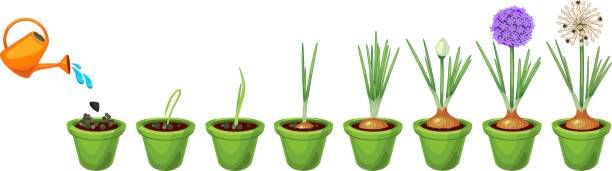
The ideal watering schedule for onions changes as they move through different growth stages. Sticking to a single rigid routine can either under‑water them during critical periods or over‑water them later, when you should be drying them off.
After Planting and Seedling Stage
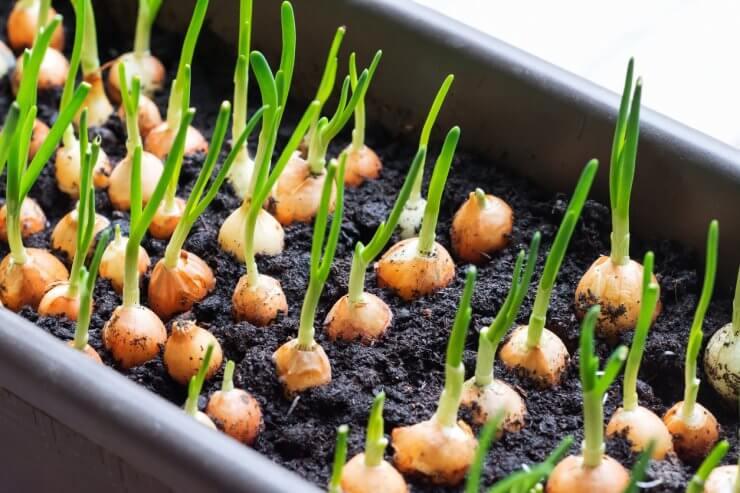
Right after planting sets, seeds, or transplants, the top inch of soil should stay consistently moist. This helps the shallow roots establish and the plants settle into their new location. During this early stage, light but frequent watering is acceptable, as long as there is no standing water. The goal is to avoid letting the surface dry out completely, especially in hot or windy weather. Gentle watering at soil level keeps the crown from becoming water‑logged and reduces the risk of soil‑borne diseases.
Leaf Growth and Pre‑Bulbing Stage
Once the plants are established and actively producing leaves, you can move toward about 1 inch of water per week if there is no rain. Keep the irrigation deep and even, focusing on the root zone rather than splashing the foliage. Watering early in the day is ideal, because it gives leaves time to dry before evening and lowers the chance of mildew. Strong, healthy top growth during this phase sets the foundation for larger bulbs later, so do not let the plants wilt for long stretches.
Bulb Formation Stage
The most sensitive period for onions is bulbing. Many growers and extension sources note that drought stress at this stage results in smaller or split bulbs while very wet conditions can rot encourage. Some recommendations slightly increase water during mid‑season bulbing, aiming for about 2 inches over 4 days in certain systems then gradually reduced as harvest approaches. The key is consistency: do not suddenly cycle heavy watering after long dry spells which can crack the bulbs. If your soil drains quickly or you are in a hot, dry area, you may need to water every 3–4 days instead of once per week.
Late Season and Ready‑to‑Harvest
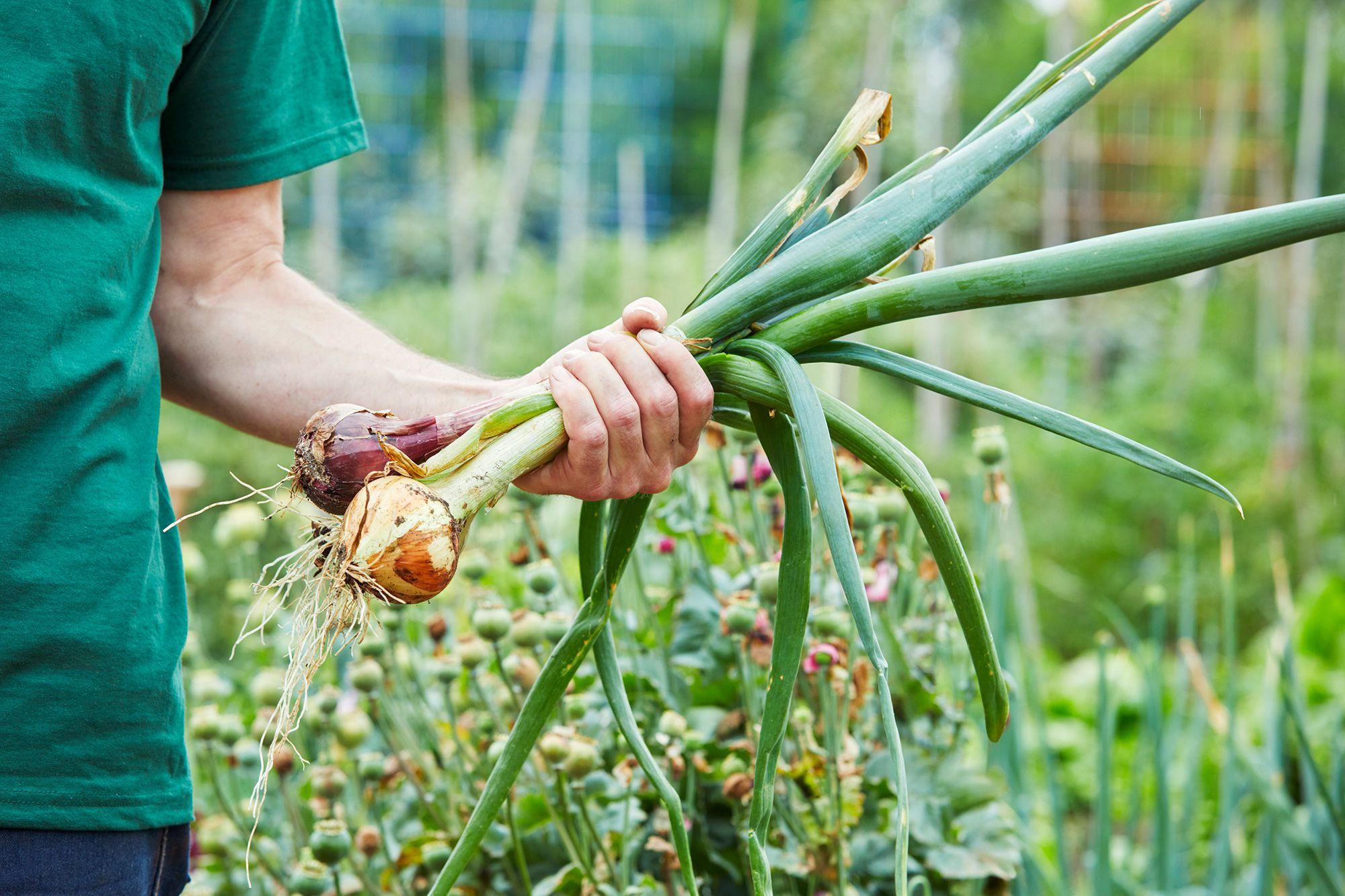
Begin watering less frequently as the tops turn yellow and fall over. Guidance from most sources advises stopping irrigation one to two weeks before harvest so that bulbs can harden and lose some surface moisture. This drying period improves storage life, letting dry matter accumulate within the bulb that would otherwise be used for new foliage if watered late into maturity.it also reduces the chances of rot while curing .unsure when exactly you should stop watering? get an ai powered plant care assistant to help you track growth stage and suggest when to begin drying down your crop.
How Often Should You Water Onions
Frequency depends on weather, soil, and how much rain you receive. In cooler spring conditions with normal rainfall, once‑a‑week watering is often enough. In hot, dry weather, or on light, sandy soils, increasing to every 3–4 days can be necessary. The important point is to water deeply each time rather than giving a light sprinkle every day, which only keeps the surface damp and encourages shallow rooting.
If you get a good rain, you can subtract that from your irrigation needs. For example, if you receive about 0.5 inch of rainfall in a week, you may only need 0.5 inch of supplemental water. Deep, less frequent watering encourages the roots to reach downward, which makes plants more resilient when conditions turn dry. A simple rule of thumb is to feel the soil with your finger; if it feels dry at the first knuckle depth, it is time to water again.
Best Watering Methods for Onions
Using the right watering method can make a big difference in plant health and labor.
Watering at Soil Level
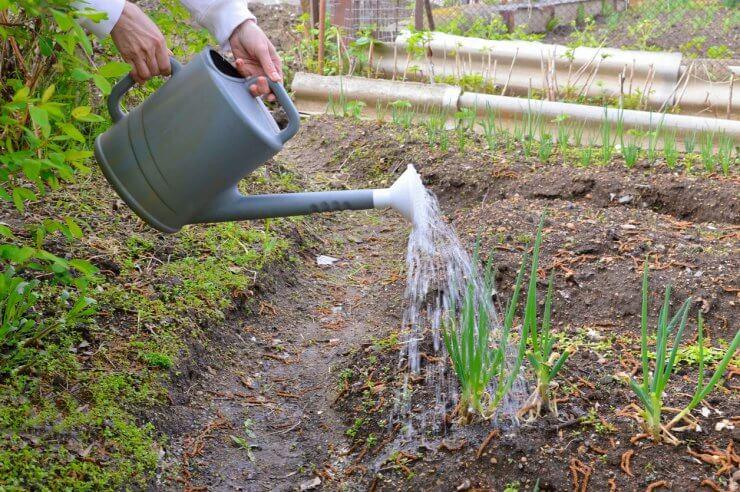
Whenever possible, apply water directly at the soil around the base of the plants, not over the leaves. Wet foliage that stays damp overnight promotes mildew and other foliar diseases. A gentle hose nozzle or watering can aimed at the ground keeps the roots hydrated without soaking the tops. This method is especially useful for small beds and containers.
Drip Irrigation or Soaker Hoses
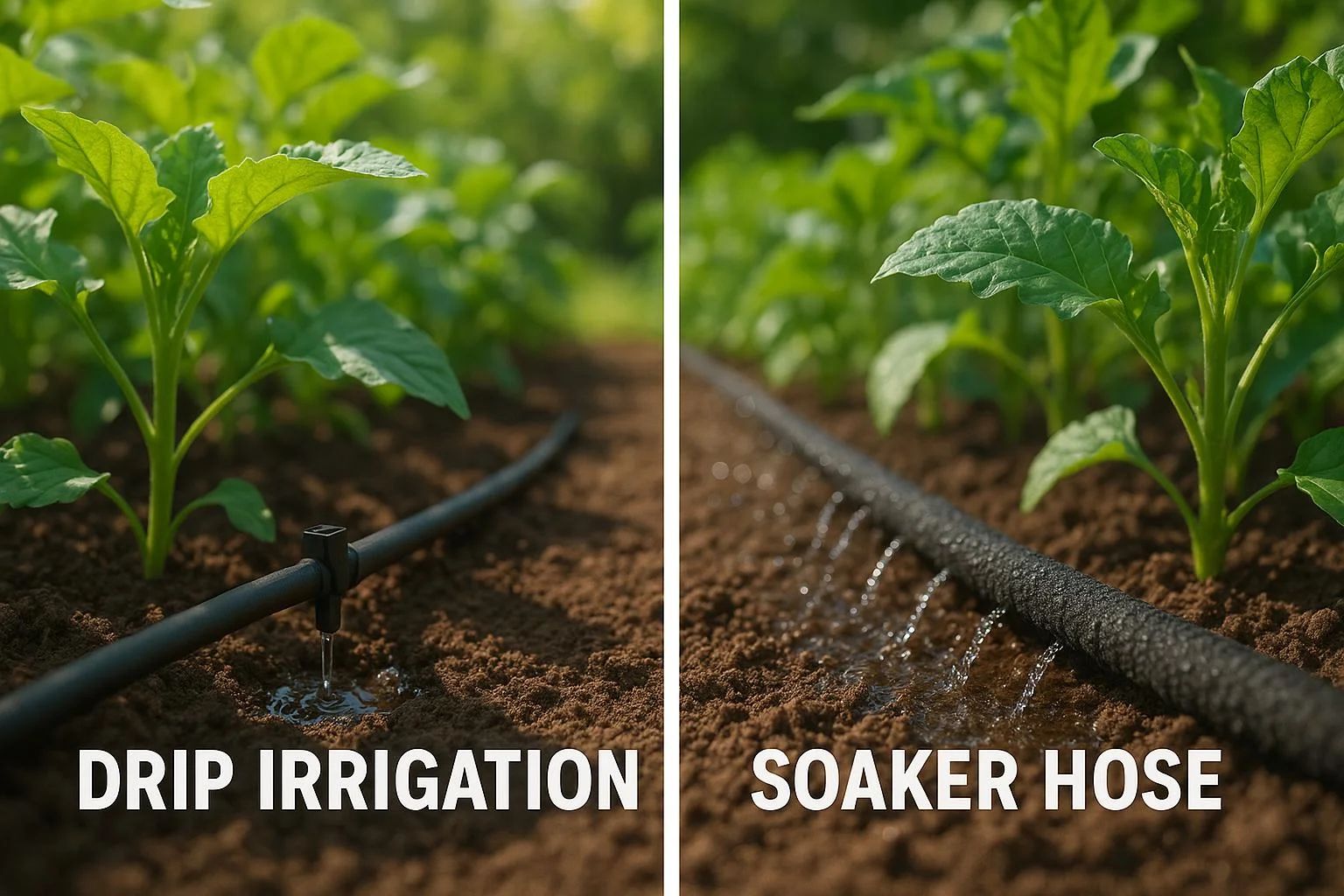
Drip irrigation or soaker hoses are perfect systems for onions. The water drips slowly to the root zone and never gets the leaves wet. Less evaporation from the soil surface means consistent moisture with less labor! If using drip lines, ensure even spacing of all lines and check them periodically-for clogs or leaks-so every plant receives its fair share of water.
Furrow Irrigation and Hand‑Watering Tips
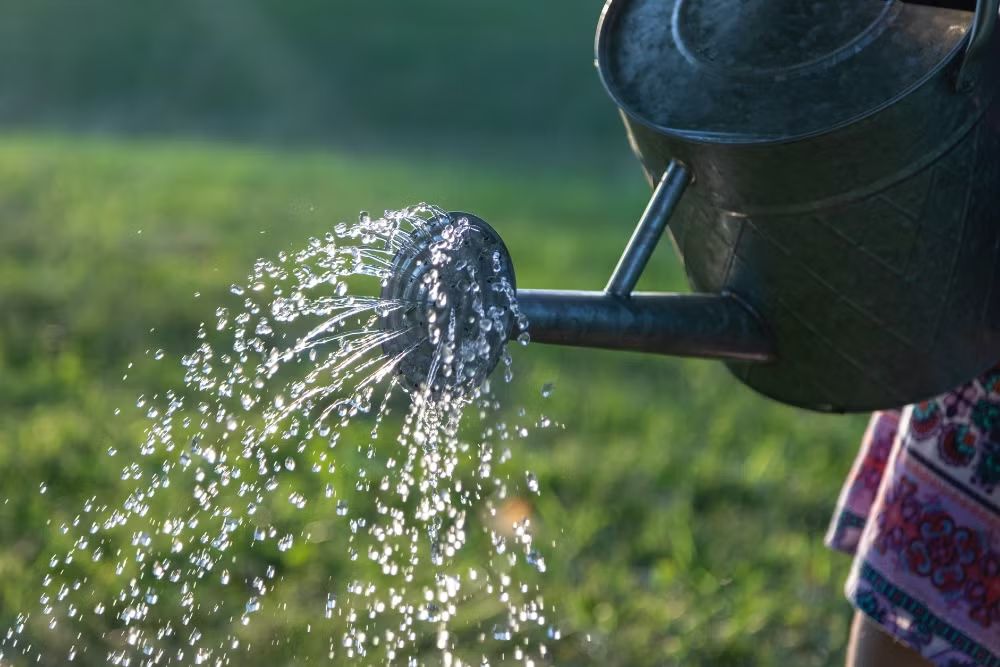
In bigger plots or where the furrow irrigation can be applied, small‑scale plantings (flooding shallow channels between rows) are much more efficient, particularly on loamy soils that hold water well. Home gardeners, however, mostly prefer to hand-water using either a watering can or hosepipe directed at the soil beneath the foliage. Whichever method is used, do not allow water to stand around the base of plants as this softens the neck and induces rotting.
Signs You Are Overwatering or Underwatering
Sometimes the best way to adjust your schedule is to watch the plants and the soil.
Signs of Underwatering
Dry, cracking soil, pale or drooping leaves, and slower growth are common signs that onions are not getting enough water. If you notice that the top inch of soil pulls away from the plant or feels very light and dusty, the roots are likely thirsty. Short, shallow watering can look adequate but does not reach deep enough to support healthy bulbs. Increasing the depth and consistency of watering, especially during bulbing, usually improves results.
Signs of Overwatering
Yellowing foliage, soft or mushy stems, and an unpleasant smell near the base of the plant suggest overwatering and possible rot. In poorly drained clay soils, this risk is higher because water stays around the roots for longer. If you see these symptoms, reduce watering frequency and improve drainage if possible, such as by raising beds or adding organic matter to lighten heavy soil. Letting the soil dry slightly between irrigations can help plants recover.
How Soil Type Affects Onion Watering
Soil type dramatically changes how often and how much you need to water. Sandy soils drain quickly and can dry out in a day or two, especially in hot weather. These soils often benefit from more frequent, lighter watering to keep the root zone moist. However, they rarely stay water‑logged unless you irrigate excessively.
Clay soils retain water for longer periods. In such soils, less frequent but deep watering is generally sufficient. Overwatering clay can easily turn it into the saturated conditions that onions dislike. Loamy soils with organic content provide a good compromise, holding steady moisture with reasonable drainage. If you have no idea about your soil, an AI‑driven plant‑care assistant like Plantlyze can help you determine texture and moisture levels and suggest an appropriate watering routine for your particular conditions.
Simple Onion Watering Schedule by Stage
Early on, keep the top inch of soil moist after planting, with light watering every 2–3 days until the plants are established. Avoid puddles but do not let the soil completely dry out. Once the plants are growing well, move to about 1 inch of water per week in normal conditions, applied deeply at the soil level. During bulbing, maintain or slightly increase moisture to keep the root zone consistently hydrated, especially if you are in a hot or dry climate. As the tops begin to yellow and fall, reduce watering and stop about 1–2 weeks before harvest so the bulbs can harden and prepare for storage.
These are general guidelines, and your exact schedule will depend on local weather, rainfall, and soil. If you would like a more precise, personalized plan, you can use an AI‑powered plant‑care tool to generate a schedule that matches your garden, soil, and climate.
Plantlyze: Your AI‑Powered Onion‑Care Assistant
Growing onions can feel like guessing, especially when you are not sure how much water they really need. That is where an AI‑powered plant‑care assistant such as Plantlyze can help. Add information about your garden, soil and weather or simply upload a photo to get detailed watering recommendations that are suitable for this particular growth stage of onions. Plantlyze will also help you in determining slight symptoms of overwatering or underwatering long before the damage becomes apparent.
You can get a custom onion‑care plan that fits your specific microclimate and soil type by trying Plantlyze at plantlyze.com. The intelligent assistant reduces guesswork, whether for a small backyard patch of onions or a larger vegetable plot, and helps in growing healthy bulbs with less frustration.
References
FAO Land & Water: https://www.fao.org/land-water/databases-and-software/crop-information/onion/en/
PMC/NIH Onion Drought Study: https://pmc.ncbi.nlm.nih.gov/articles/PMC10919983/
UC Desert Research Irrigation: https://blogs.cdfa.ca.gov/FREP/index.php/research-update-nitrogen-and-irrigation-managements-for-onions/