
Introduction
You look at your tomato plant and it's exploded into a jungle of leaves and stems. Fruit is hiding somewhere in there, but where? You start wondering: should you prune this thing, or will pruning kill your harvest? You've heard conflicting advice from fellow gardeners, and you're not even sure if your variety can handle pruning.
Here's the truth: pruning tomatoes is one of the most misunderstood gardening tasks. Most confusion comes from the fact that some tomato types benefit dramatically from pruning while others produce less if you prune them. Learn the difference and everything becomes simple. Proper pruning increases yields, prevents disease, and creates plants you can actually manage. While pruning creates ideal conditions for healthy plants, spotting disease symptoms early is just as crucial. Plantlyze's AI-powered diagnostics monitor your plants 24 and 7 to catch problems before they become severe.
Why Prune Tomatoes: Four Game-Changing Benefits
Tomato diseases like early blight, septoria leaf spot, and bacterial wilt thrive in humid conditions with poor airflow. When you prune your tomato plant, you're opening up the interior, allowing air to move through the leaves. This means leaves dry faster after rain, which creates an environment hostile to disease. Additionally, soil-borne diseases live in the ground. When rain splashes soil onto lower leaves, disease spores climb up the plant. By removing lower leaves, you eliminate this disease pathway entirely.
Disease Prevention Through Better Airflow
Think about what humidity does to disease development. Wet, humid air clinging to leaves is like an invitation to fungal problems. Remove leaves strategically and suddenly air moves through your plant. Wet leaves dry quickly. The entire disease development cycle gets interrupted.
Bigger, Better Tomatoes
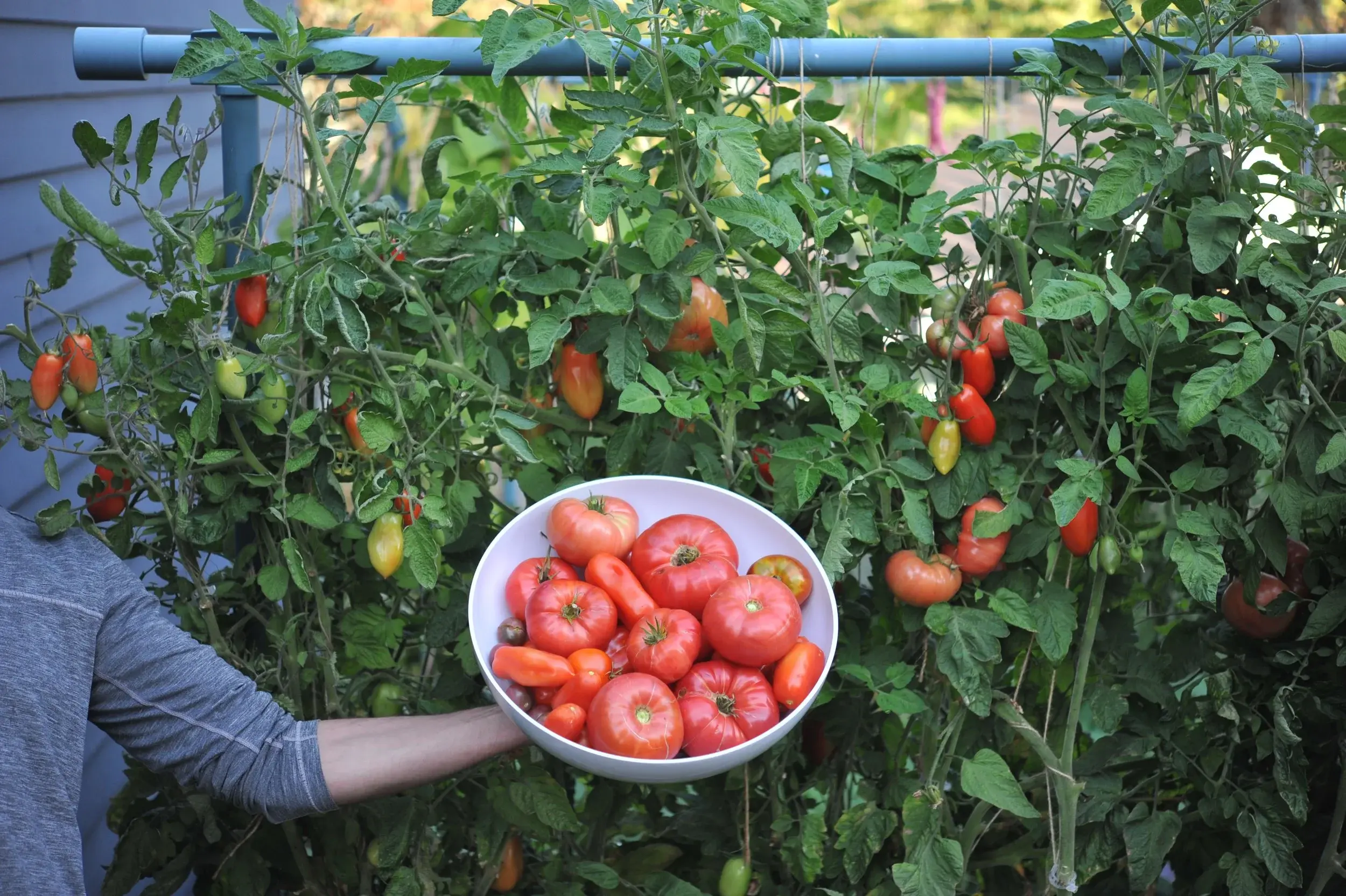
Here's where pruning becomes genuinely exciting: pruning redirects plant energy. Instead of the plant devoting resources to producing excessive foliage, that energy flows to fruit development. Your plant produces the same weight of tomatoes whether pruned or unpruned, but pruned plants have fewer, bigger individual fruits. Unpruned plants spread that same energy across numerous small tomatoes.
More importantly, sunlight reaches developing fruit. Sunshine touches ripening tomatoes, improving color, flavor, and sugar content. Leaves directly above fruit can't shade it if you prune intelligently. The result is noticeably better tasting tomatoes.
Easier Management and Harvesting
Imagine reaching into a pruned plant versus crawling through a sprawling jungle. Pruned plants stay compact and manageable. You can train them on trellises or stakes efficiently. Space becomes precious in most gardens, and pruned plants let you fit more plants in the same area. Harvesting becomes faster and actually enjoyable instead of frustrating.
Faster Ripening for Earlier Harvests
In northern climates with short seasons, early ripening matters. When fruit receives direct sunlight instead of being buried in foliage, it ripens faster. Your first ripe tomato arrives 1 to 2 weeks earlier with proper pruning. That first fresh tomato of summer is worth the pruning effort alone.
Indeterminate vs. Determinate: Prune or Don't
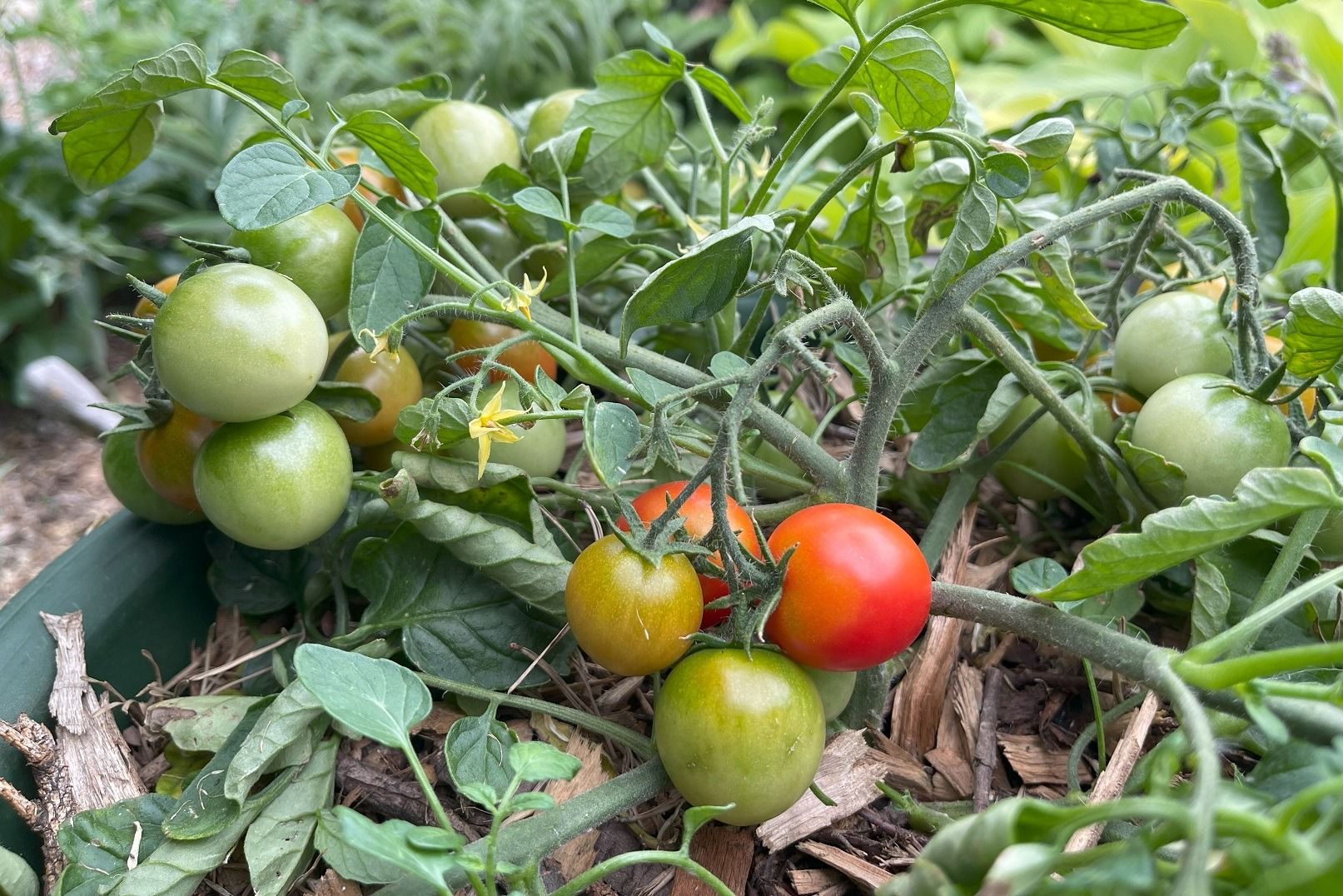
This is the critical distinction that prevents most pruning mistakes. Tomatoes come in two main types, and they require completely different pruning approaches.
Understanding Indeterminate Tomatoes
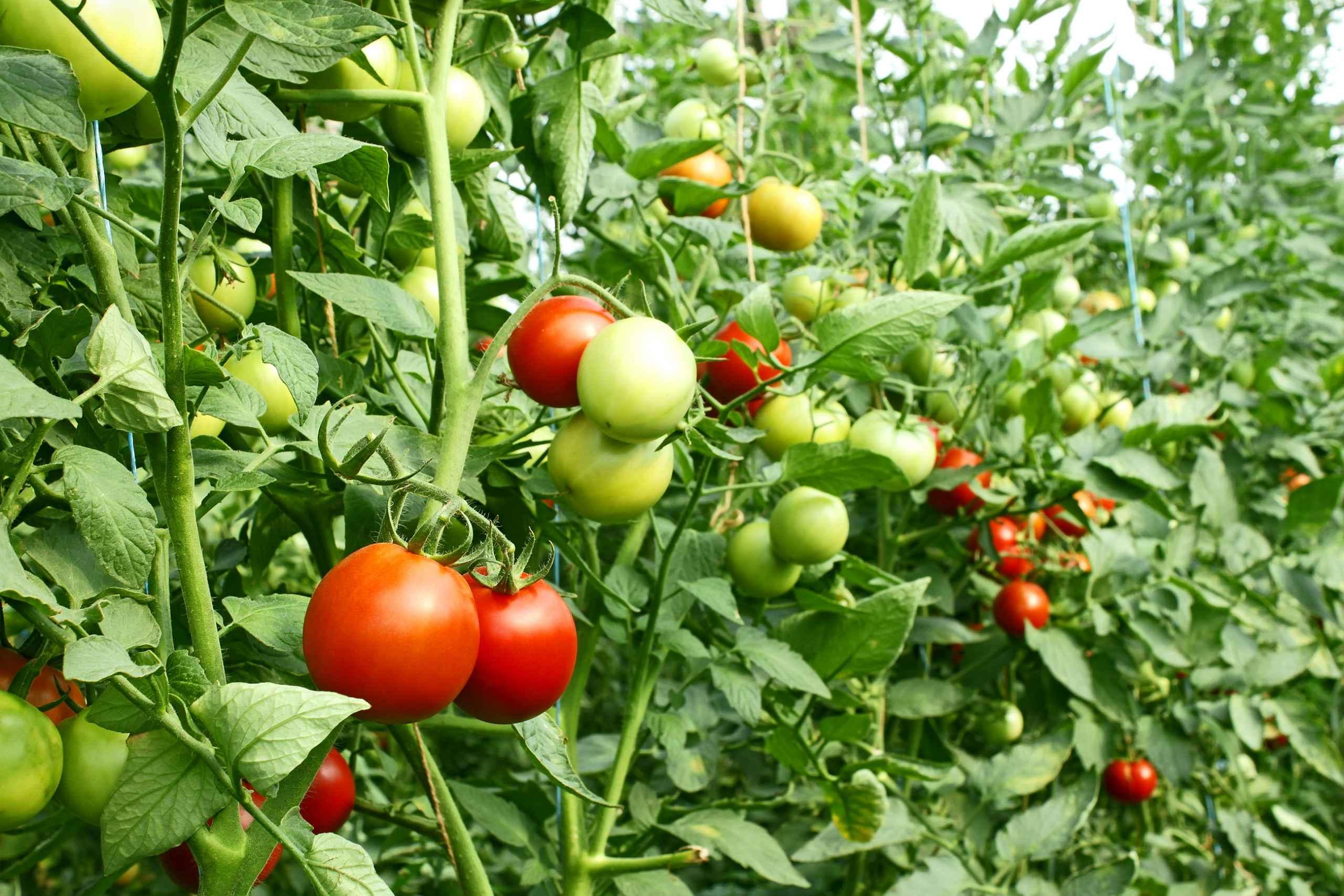
Indeterminate tomatoes keep growing taller and taller throughout the season. They produce flowers and set fruit continuously until the first frost. Examples include heirloom varieties, cherry tomatoes, and most traditional garden varieties. These plants can become massive sprawling vines if left completely unpruned.
Here's the good news: indeterminate tomatoes benefit greatly from pruning for disease management and airflow. They're the ones you want to prune aggressively. Pruning actually improves their health and productivity.
Understanding Determinate Tomatoes
Determinate tomatoes grow to a predetermined height, then stop. They produce most of their fruit within a concentrated period, usually 2 to 3 weeks. Roma tomatoes and bush varieties are usually determinate. These plants are naturally compact.
Here's the critical point: do not aggressively prune determinate tomatoes. Pruning reduces your harvest because every sucker you remove would have become productive growth. These plants are designed to produce heavy fruit on compact plants. Let them do their thing.
How to Know Which Type You Have
Check your seed packet or plant label from the nursery. The variety name usually indicates the type. Search online if you're unsure. Determinate types are usually labeled "bush" or "compact." Indeterminate types are often heirlooms or long season varieties.
When in doubt, research your specific variety name. Most common garden tomatoes are actually indeterminate, so if you're completely unsure, you probably have an indeterminate type that benefits from pruning.
The Pruning Rule
Only prune indeterminate tomato plants. This is the single most important pruning rule. Pruning determinate tomatoes reduces your entire harvest. Identify your variety before starting any pruning. This one distinction prevents almost every pruning mistake.
The Anatomy of a Tomato Plant: Know What to Cut
Before you grab pruners, understand the different parts of your tomato plant so you're cutting the right things.
Main Stem
The single central stem comes up from the ground. This is your plant's backbone. The growing point at the top continues getting taller throughout the season for indeterminate varieties. Always keep your main stem. Never cut it. This is your anchor point for everything else.
Flower and Fruit Clusters
These are groups of yellow flowers that become tomatoes. They're the most important part of your plant. Everything you do should protect and support these clusters. Clusters form along the main stem at regular intervals. Leaves directly above and below clusters feed that fruit, so protect those leaves.
Suckers
Suckers are small shoots growing between the main stem and a leaf. They grow in the axil (the junction where a leaf meets the stem). If left alone, suckers will become full stems. Suckers are the primary target of pruning. Removing them focuses energy on fruit production rather than excess foliage.
Leaves
Leaves are connected to the main stem throughout the plant. They're essential for photosynthesis and feeding your fruit. Lower leaves touching ground or soil are a disease risk. Shade-creating leaves that completely block sunlight from fruit can be removed selectively. Never remove more than one-third of your leaves at once.
How to Prune Indeterminate Tomatoes: Step by Step
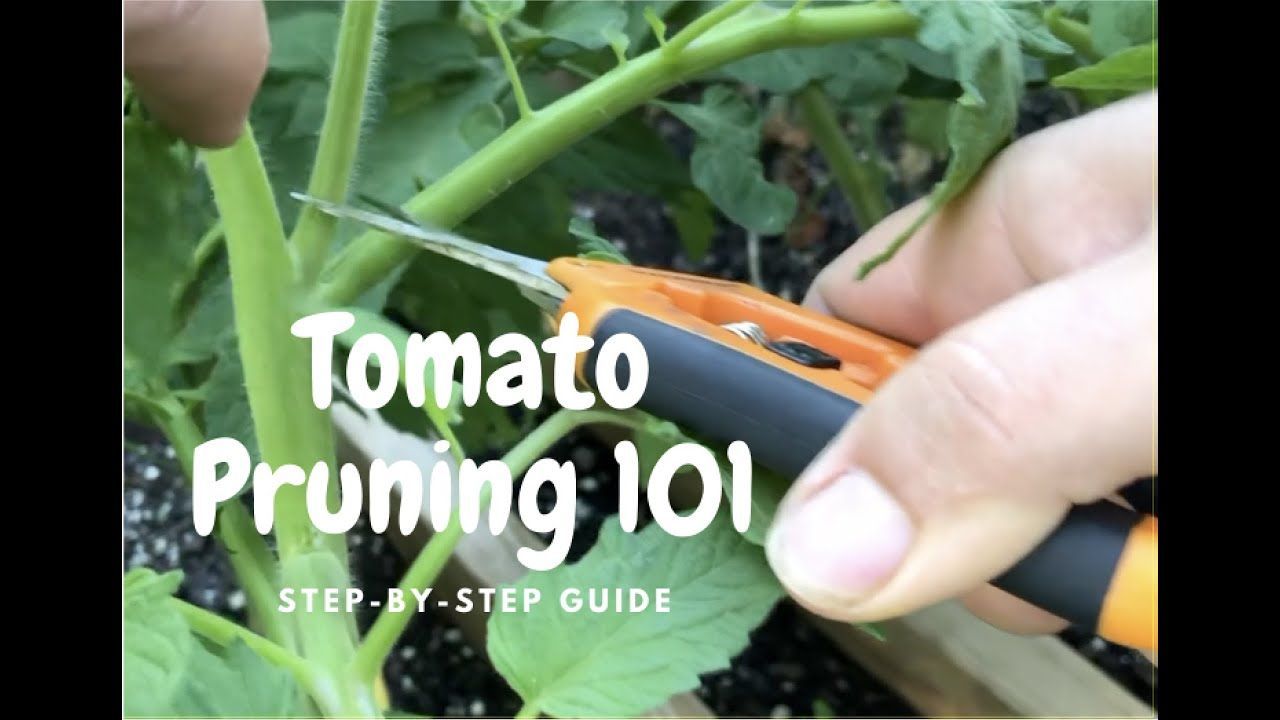
Step One: Wait Until Plant is Established
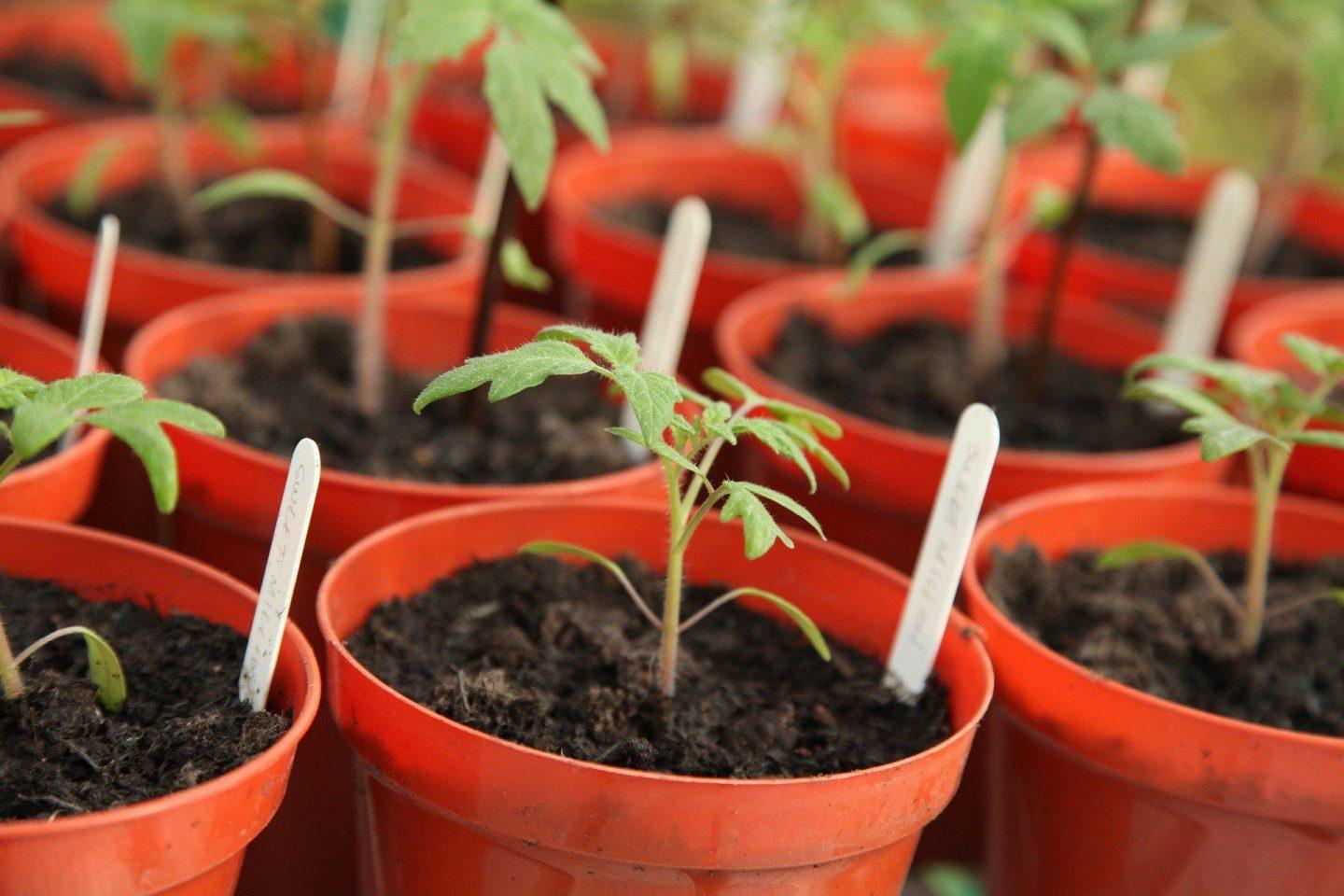
The best time to start pruning is when your plant reaches 12 to 18 inches tall. This usually occurs 3 to 4 weeks after transplanting. Wait until you see the first flowers appear—that's your signal to begin pruning. Jumping in too early stresses young, vulnerable plants. Established plants recover from pruning much faster and respond better to the practice.
Step Two: Remove All Suckers Below First Flower Cluster
Identify the lowest flower or fruit cluster on your plant. Look immediately below that cluster for the sucker. This sucker directly below the cluster is usually the largest because so much energy flows to the fruit above it. Remove every sucker below this lowest cluster. Use your fingers to pinch off small suckers. Use pruners for larger ones. Make cuts close to the stem without leaving stubs.
Why this matters: suckers below fruit don't contribute to your harvest but consume significant plant energy. Removing them focuses that energy where it matters.
Step Three: Remove Every Other Sucker Above
Once you've removed the bottom suckers, look upward. Remove every other sucker as you go up the plant. This pattern maintains airflow while keeping productive growth. Don't remove all suckers or you'll stress the plant unnecessarily. Keep some suckers because they'll eventually produce flowers and fruit.
Step Four: Remove Lower Leaves as Plant Grows
Create 12 inch gap between your lowest leaves and the soil. This prevents soil-borne diseases from splashing onto leaves during rain. Remove leaves that touch ground. Remove yellowing leaves. Do this progressively as your plant grows taller, not all at once. By late season, your main stem should have no leaves below the first fruit cluster.
Step Five: Thin Crowded Interior Growth
Remove leaves that completely shade developing fruit. Keep leaves directly above and below fruit clusters because those leaves feed the fruit below them. Thin rather than slash. Never remove more than one-third of your leaves at any given time. Your goal is good air circulation, not bare branches.
Common Pruning Mistakes
Over Pruning
Removing more than one-third of leaves stresses your plant significantly. This stunts growth and reduces fruit production. It creates excessive bare branches that can experience sun scald. Less is more with pruning. Regular light pruning beats occasional heavy pruning every time.
Pruning Determinate Tomatoes
This is the single biggest mistake gardeners make. Pruning determinate varieties reduces your entire harvest. Determinate types don't need aggressive pruning. Check your variety before cutting anything. If unsure, leave it alone on bush varieties.
Pruning Wet Plants
This spreads disease from plant to plant. Prune only on dry days. Wait after rain before working with plants. Disease spores travel easily on wet leaves. If disease is present in your garden, sterilize pruners between plants.
Ignoring the Main Stem and Growing Point
Some gardeners accidentally cut the main stem or growing point at the top. This severely damages your plant and reduces yields. The growing point must remain intact. Never cut the top of the plant during the season. The plant can recover from most mistakes except this fundamental error.
Tools and Timing
Your fingers work surprisingly well for small suckers. Clean fingers make precise cuts with minimal plant damage. Use a clean garden knife for slightly larger suckers. Bypass pruners are essential for thicker stems. Sterilize pruners between plants if disease is present in your garden. Sharp tools make clean cuts that heal quickly.
Prune on early morning when plants are dry. Overcast days are ideal for pruning. Never prune wet plants. Check your plants every few days during active growth. Remove small suckers quickly while they're tiny. Big suckers create larger wounds and stress the plant more. Regular light pruning beats occasional heavy pruning.
Bottom Pruning: The Most Important Pruning You'll Do
Bottom pruning might be the most important pruning technique you'll learn. Remove the lower leaves of your tomato plant to create a 12 inch gap between soil and the lowest remaining leaves.
Here's why this matters so much: soil-borne diseases live in the ground. When it rains, soil splashes onto lower leaves, transmitting disease spores up the plant. By removing lower leaves, you eliminate this disease pathway. Do this progressively as your plant grows. Remove a few lower leaves every week rather than stripping them all at once. By mid-summer, your plant should have no leaves touching ground.
This single practice prevents more disease than any other technique. Many experienced gardeners consider bottom pruning essential while considering sucker removal optional.
Catch Disease Early with Plant Monitoring
Pruning creates conditions hostile to disease, but spotting disease symptoms early is just as important. Some disease symptoms are hard to spot until damage is already done. Yellowing leaves, dark spots, wilting can happen incredibly fast. Early detection prevents entire plant loss.
Plantlyze's AI diagnostics monitor your plants continuously, identifying disease symptoms before they become severe. Get personalized recommendations based on your specific climate and plant stage. Stop guessing about what's wrong with your tomato plant. Start growing disease-free tomatoes with confidence. Try Plantlyze's free plant disease detection today.
Pruning Determinate Tomatoes: Do Minimal Pruning
Determinate tomatoes do not benefit from aggressive pruning. You can remove lower leaves touching ground. Remove yellowing or obviously diseased leaves. Avoid cutting suckers or they'll multiply aggressively. Keep your plant relatively full and bushy. Good airflow is still important, but don't over-prune these naturally compact plants.
Cages work better than stakes for determinate varieties. If you have determinate tomatoes, relax about pruning. Focus on watering, fertilizing, and disease prevention instead. These plants are already designed for low maintenance growing. Let them do their thing.
Conclusion
Here's what you need to remember: only prune indeterminate tomatoes. The key techniques are removing suckers and progressively removing lower leaves. Check your plants every 7 to 10 days during the growing season and remove small suckers promptly. The primary benefit is disease prevention through improved airflow. The secondary benefit is bigger, better fruit. Never prune more than one-third of your leaves at once. The tool doesn't matter as much as technique. Consistency beats perfection every single time.
Monitor your plants and adjust pruning based on what you see. Every garden is different. Some plants need more aggressive pruning than others depending on humidity and disease pressure. Combine your pruning knowledge with Plantlyze's disease monitoring to ensure your tomatoes stay healthy and productive throughout the entire season. You've got this.
References
University of Wisconsin Extension - Department of Horticulture
https://hort.extension.wisc.edu/articles/tomato-pruning/Fine Gardening - Pruning Tomatoes Guide
https://www.finegardening.com/project-guides/fruits-and-vegetables/pruning-tomatoesPenn State University Extension - Vegetable Production
https://extension.psu.edu/tomato-productionClemson University Cooperative Extension - Horticulture Department
https://www.clemson.edu/extension/horticulture/