Introduction
There's a special moment every summer when zucchini plants explode into abundance. You walk out to your garden expecting to find a few small fruits, and suddenly you're discovering baseball-sized zucchini hidden under sprawling leaves. If this scenario sounds familiar, you're not alone. Most home gardeners struggle with zucchini timing, either harvesting too late when the fruit becomes tough and seedy, or harvesting so infrequently that their plants give up producing altogether.
The secret to exceptional zucchini harvests isn't complicated. Harvest zucchini when they reach 6 to 8 inches long with glossy, unblemished skin and a firm feel throughout. Check your plants every 2 to 3 days during peak season, removing fruit at this optimal size regardless of how many you pick. This single practice signals to your plant that it needs to keep producing, transforming a moderate harvest into an abundance of tender, flavorful fruit throughout the entire summer.
In this comprehensive guide, you'll discover exactly when to harvest your zucchini, the proper techniques that protect your plants, how frequently you should check for ripe fruit, and strategies to maximize your total season yield. You'll also learn common harvesting mistakes that inadvertently reduce production, storage tips for preserving your harvest, and how plant monitoring tools can help you optimize your timing.
Let's dig into everything you need to know about harvesting zucchini like a seasoned gardener.
Understanding Zucchini Growth: From Bloom to Harvest Ready Fruit
Zucchini grows on an impressive timeline that often surprises first time growers. Within 45 to 60 days of planting seeds or transplants, you'll see large, bright yellow flowers emerging from the plant. These blossoms are the visual signal that fruiting is about to begin. The flowers are beautiful and actually edible, but their real importance is that they announce the start of your harvest season.
Here's where things get interesting. Within just 2 to 3 days after a flower opens and then closes, a small immature zucchini will appear directly behind where the flower was attached. This is the beginning of your potential harvest. Some gardeners swear they can actually watch zucchini grow throughout the day if they sit long enough beside their plants. The growth rate during warm summer weather is genuinely that rapid.
Understanding this rapid development phase is the foundation of successful harvesting. Because fruit grows so quickly, waiting just a few extra days can mean the difference between a tender, medium-sized zucchini and an oversized, tough specimen that's past its prime. This is why experienced gardeners check their plants regularly rather than assuming the same fruit will be there next week. The growth timeline changes everything about your harvesting strategy.
The warm weather of summer accelerates this growth even more. During periods when daytime temperatures exceed 85 degrees, zucchini can go from ideal harvest size to overgrown in a single day or overnight. This rapid growth is actually a sign of a healthy, productive plant, but it means your attention and regular checking become even more critical to capturing fruit at the perfect moment.
Signs Your Zucchini Is Ready to Harvest: Size, Skin, and Texture
The perfect moment to harvest zucchini relies on multiple signals working together, not just one single factor. Learning to read these signals correctly means you will consistently pick fruit at peak tenderness and flavor, which is what separates average gardeners from those with exceptional harvests.
The Ideal Harvest Size
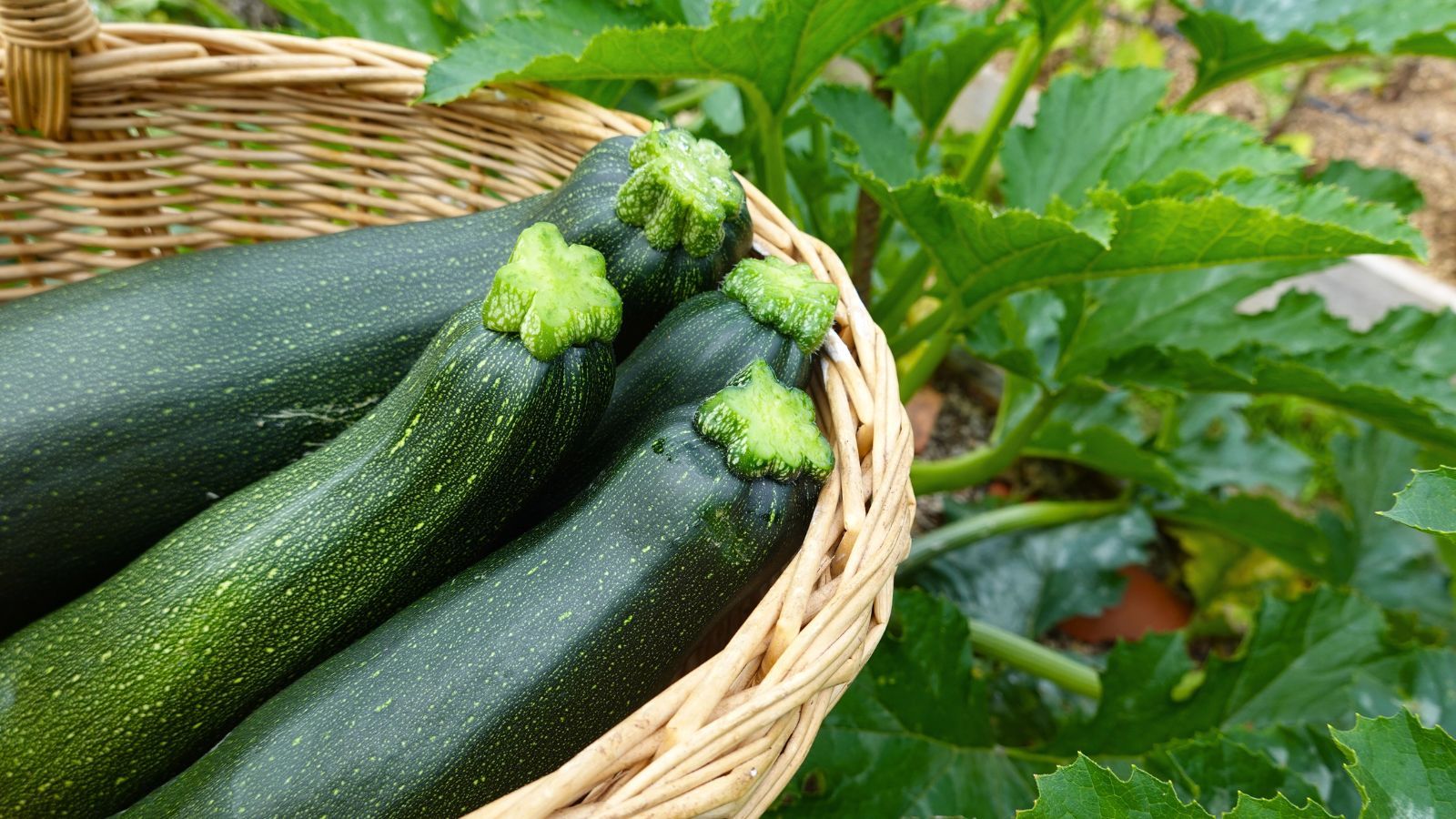
The optimal harvest size is 6 to 8 inches long, which provides the best balance between tenderness and quantity. At this size, the skin has developed enough to protect the fruit but remains thin enough to be tender when cooked. The seeds inside are small and barely noticeable, and the overall flavor is mild and versatile for cooking. Whether you're grilling, sautéing, stuffing, or adding to pasta dishes, zucchini at this size performs beautifully in every preparation method.
Smaller zucchini ranging from 2 to 3 inches long are even more delicate and provide the ultimate tender texture. Many chefs and quality-conscious gardeners prefer harvesting at this smaller size despite getting fewer fruits per plant. These diminutive zucchini feel almost decadent with their silky texture and delicate flavor. If you enjoy zucchini and don't mind slightly lower yields, this size is worth pursuing.
Conversely, some gardeners allow fruit to reach 9 to 10 inches based on personal preference or household needs. These larger specimens still taste reasonably good, though the texture begins shifting from tender to slightly firm. However, once zucchini exceed 10 inches, several undesirable changes occur. The seeds become larger and harder, the flesh becomes mushy and watery rather than firm, and the overall flavor diminishes. Additionally, leaving oversized fruit on the plant signals to the plant that it has successfully reproduced, which actually reduces the plant's motivation to keep flowering and producing new fruit.
This is why harvest size directly impacts your total season yield. Small, frequent harvests keep your plant in continuous production mode far longer than occasional harvesting of larger fruit.
Visual and Tactile Signs of Readiness
Beyond size, zucchini sends clear visual messages that it's ready to harvest. Look for glossy, unblemished skin that looks freshly developed. Mature zucchini skin has a subtle sheen to it, almost like it's been polished. The skin should feel firm when you gently press it. Soft or dull skin often indicates the fruit is past peak ripeness and should have been harvested days earlier.
Pay attention to the flower that was attached to the fruit base. On freshly developed zucchini, this flower either is still visible or recently fell off naturally. As zucchini matures beyond optimal harvest stage, the flower attachment becomes hard, dried out, and brown. Fresh flower presence is one of the most reliable indicators that you're picking at the right moment. If you see a brown, crusty flower attachment, the fruit has likely been developing for too long.
The entire fruit should feel firm and dense when you hold it. If it gives slightly when you press gently, or if it bends easily, the zucchini has gone too far in development and will be watery inside. This firmness test takes just a second but provides invaluable information about readiness. Trust your hands. Your instincts about firmness become more accurate with each harvest.
Why Size Matters for Plant Productivity
Here's the key insight that separates average gardeners from those with exceptional harvests: harvesting at smaller sizes dramatically increases total plant production. This principle matters more than most gardeners realize.
When fruit reaches full size and maturity, it sends chemical signals to the plant saying you have successfully reproduced. The plant then slows its flower and fruit production. This is a natural biological response that makes sense from the plant's perspective. Its job was to create seeds, and now that it has done so, the urgency decreases.
By harvesting regularly at the 6 to 8 inch size, you keep interrupting this reproduction signal. You're essentially fooling the plant into thinking it hasn't yet achieved its goal. The plant continues to be driven to produce more flowers and fruit, creating what gardeners call continuous production mode. This ongoing desire to reproduce is what gives you abundant harvests throughout the entire season.
Many home gardeners report doubling or even tripling their harvest volume simply by switching from picking large fruit occasionally to picking medium fruit frequently. This single practice change has more impact on total season yield than most other factors, including fertilizer application, watering frequency, or pest management. It's that powerful.
Proper Harvesting Technique: Tools, Methods, and Safety Tips
How you remove the zucchini from the plant is just as important as when you harvest it. Poor technique can damage the plant, reduce future production, or even result in scratches and cuts to your hands. The right approach protects both your plants and yourself.
Essential Harvesting Tools
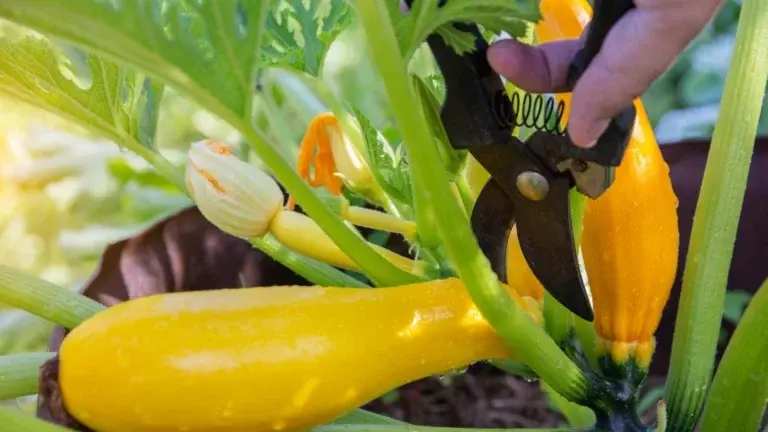
You need only a few tools for successful zucchini harvesting. First and foremost, use a sharp knife with at least a 4 inch blade, or preferably gardening shears designed for cutting vegetables. The key word here is sharp. Dull tools crush the plant stem rather than cutting cleanly, which creates ragged wounds that invite disease and pests into your plant. A dull blade does far more damage than a sharp one.
Work gloves are important and often overlooked by beginners. Zucchini leaves have tiny hairs that irritate skin and can cause small scratches on your arms. Heavy work gloves prevent this irritation and give you a better grip on the fruit when cutting. After your first encounter with zucchini leaf irritation, you'll understand why gardeners never harvest without gloves.
A small bucket or basket for collecting your fruit makes harvesting easier and protects the zucchini from bruising. Simply carrying loose fruit can cause damage that shortens storage life. Finally, having pruning clippers nearby is optional but helpful for more precise cuts, especially for smaller fruits.
The Correct Cutting Method
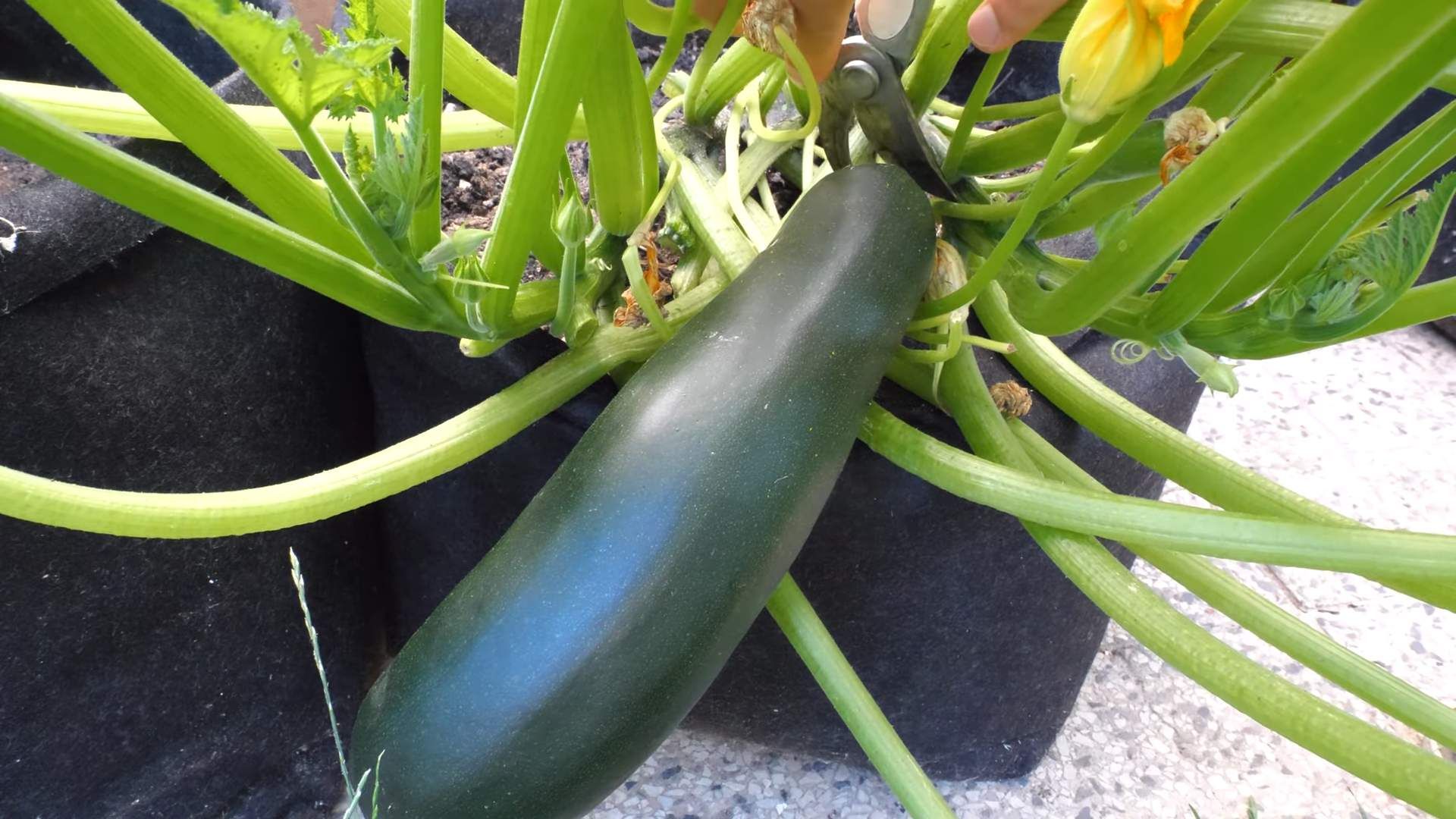
Step 1: Wear heavy work gloves before you even approach the plant. Zucchini leaves have tiny hairs that irritate skin and can cause small scratches on your arms. Gloves protect you and make harvesting more comfortable throughout the season.
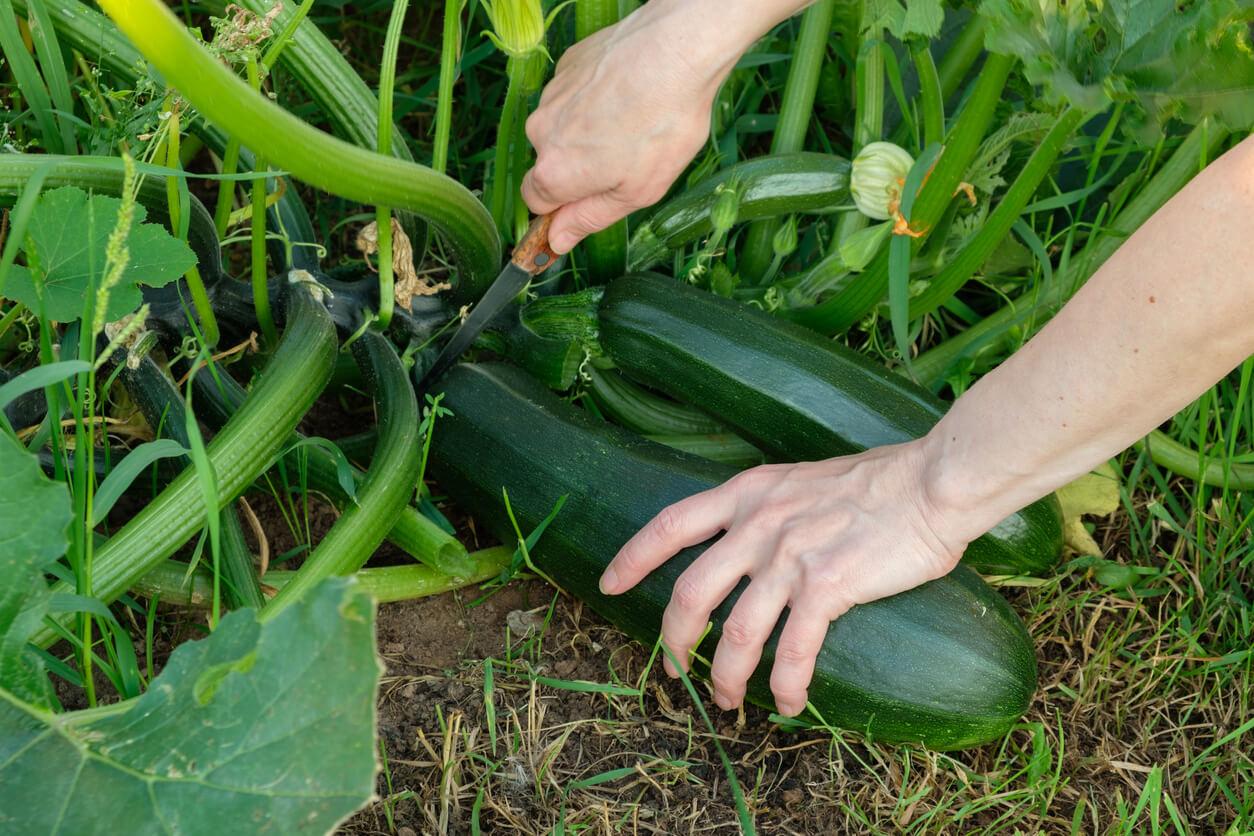
Step 2: Locate the fruit stem where the zucchini attaches to the plant. You'll see a small stem connecting the fruit to the main plant structure. This is what you'll be cutting through.
Step 3: Position your cut at a point 1 to 2 inches above the fruit, still on the stem. This leaves enough stem attached to the plant for proper healing while removing most of the stem that was supporting the fruit.
Step 4: Using sharp clippers or a knife, cut through the stem in one smooth motion. Don't saw back and forth, as this creates a ragged wound that becomes an infection site. One clean cut is far better than multiple sawing motions.
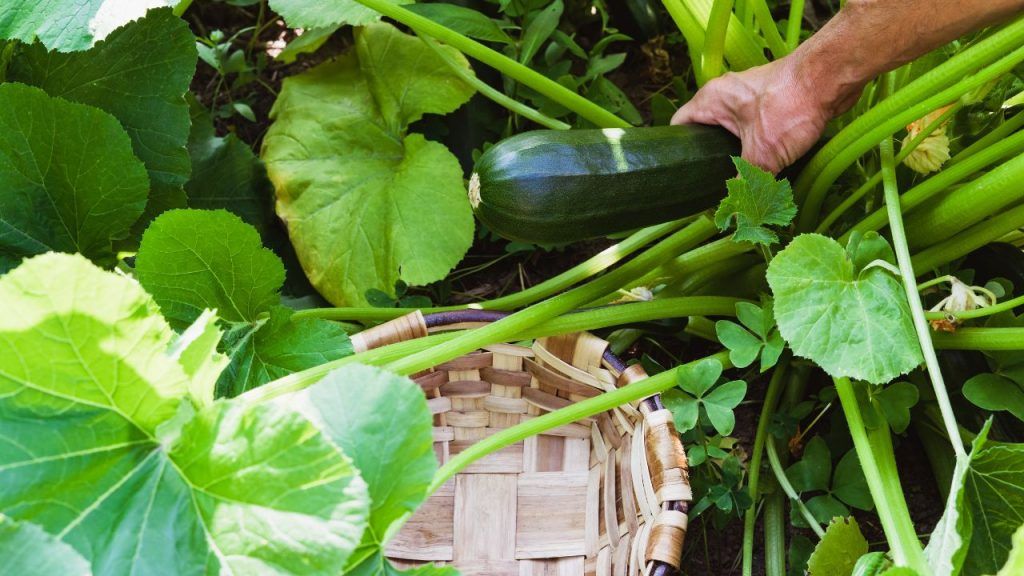
Step 5: Gently place the fruit in your basket. Don't drop it or throw it, as zucchini bruises easily and bruised fruit will not store as long or cook as evenly.
Step 6: Move to the next fruit and repeat. Check behind large leaves, as zucchini sometimes hides from view and you might miss productive fruit on your first pass through the plant.
Why You Should NOT Hand Twist Zucchini
Many novice gardeners try to twist the zucchini off the vine, thinking they can avoid using tools. This method causes problems on multiple levels. Twisting strains the entire vine, which can break branches and create large wounds that persist throughout the season. It also often breaks the stem unevenly, leaving jagged edges that become infection sites. Additionally, the fruit may be bruised or cracked during the twisting process, shortening its storage life.
Always use a sharp cutting tool instead. The thirty seconds it takes to get your clippers and make a proper cut is time well invested in plant health and fruit quality.
Why Daily Monitoring Keeps Plants Producing: The Harvest Schedule
The difference between a moderately productive zucchini plant and an exceptional one often comes down to harvest frequency. This might sound like a small thing, but the mathematics are powerful.
Zucchini grows so rapidly that checking your plants every 2 to 3 days during peak season ensures you catch fruit at optimal harvest size. If you check only once a week, many fruits will already be oversized. Once a fruit passes its ideal harvest window, it begins sending those completion signals to the plant that reduce future production. Missing harvest windows is like leaving money on the table.
Picture this scenario: you harvest all your zucchini on a Wednesday, leaving only tiny immature fruits behind. You plan to check again on Saturday. When you return, you discover several baseball bat sized fruits hiding under the leaves. Zucchini truly can grow from ideal size to oversized in a single day or even overnight, especially during warm weather. Once a fruit reaches this oversized state, it's no longer optimal for the table, and its presence on the plant begins to reduce future production.
Think of consistent harvesting as telling your plant "keep producing, I need more fruit." Each time you remove a medium sized zucchini, the plant interprets this as a cue to grow more flowers and more fruit. If weeks pass between harvests, your plant believes its job is complete and slows production. This is why the most productive gardeners harvest 2 to 3 times per week during peak season.
Develop a harvest routine that works for your schedule. Some people check their garden every morning with their coffee. Others do a dedicated zucchini check on Mondays, Wednesdays, and Fridays. A few gardeners even set phone reminders during peak season. Find what works for you and stick to it. Consistency matters more than the specific timing.
If you plan to be away for more than 3 days during peak harvest season, pick all the fruit on the smaller side before you leave. Bring it with you, gift it to neighbors, or store it in your refrigerator for your return. Coming back to discover a plant covered in oversized fruit is demoralizing, and those oversized fruits have already begun reducing future plant production.
After the Harvest: Storage and Preservation Tips
Your work doesn't end when you cut the fruit. Proper storage extends shelf life and preserves the quality of your harvest, ensuring you can enjoy your zucchini at its peak.
Short Term Storage
Fresh zucchini stores best in your refrigerator for up to 3 to 5 days. Place them in the vegetable drawer, ideally in a breathable produce bag to prevent moisture buildup. Do not wash them before storing, as excess moisture promotes mold growth. The ideal storage temperature is 45 to 50 degrees Fahrenheit, which is what most refrigerator vegetable drawers maintain.
Zucchini stored at room temperature will deteriorate rapidly within 1 to 2 days, so refrigeration is essential for longer storage. The cold dramatically slows down the ripening process and maintains firmness and flavor.
Freezing Zucchini Properly
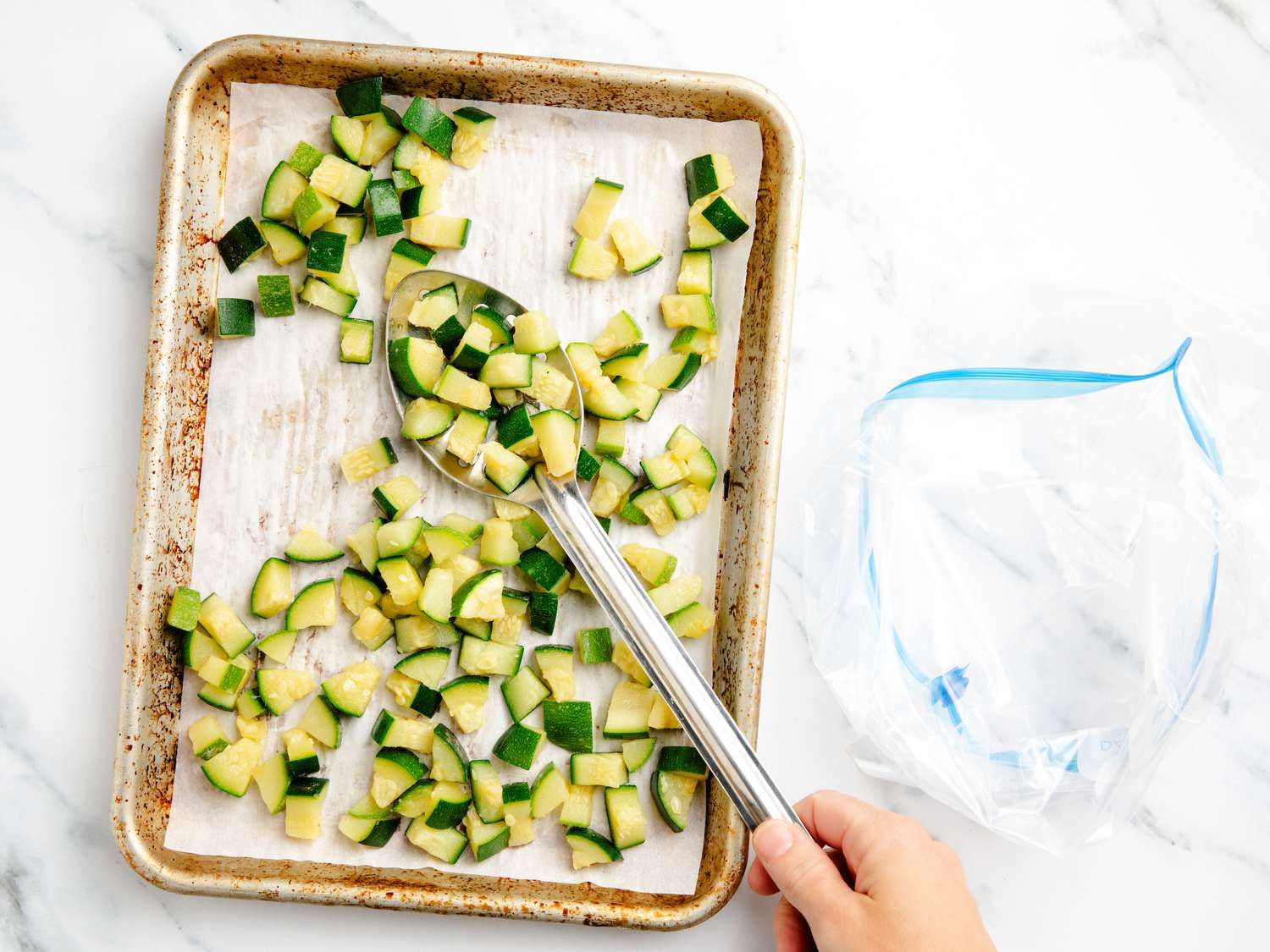
For long term storage, freezing is your best option. Properly frozen zucchini maintains quality for 8 to 12 months, giving you access to your harvest well into winter months.
Here's the proper freezing process: First, slice the zucchini into rounds approximately one half inch thick. Consistency matters here because uniform slices freeze more evenly.
Second, prepare a boiling water bath by filling a large pot with water and bringing it to a rolling boil. Third, prepare an ice bath by filling another pot with ice and cold water. You'll need both for the blanching process.
Fourth, blanch the slices by carefully dropping them into boiling water for 1 to 2 minutes only. Do not overcook, as this will break down the texture. You're just stopping the enzymes that cause deterioration, not cooking the zucchini.
Fifth, cool immediately by transferring the blanched slices to the ice bath using a slotted spoon. This stops the cooking process dead in its tracks, locking in flavor and texture.
Sixth, drain thoroughly by scooping the slices out and spreading them on paper towels to dry completely. Any excess moisture will cause ice crystal formation during freezing, which degrades texture.
Seventh, flash freeze by spreading the dried slices on a parchment lined baking sheet and freezing for 2 to 4 hours until solid. This initial freezing step prevents slices from sticking together in one large frozen block.
Eighth, transfer to freezer storage by moving the frozen slices into freezer bags, removing as much air as possible, and returning them to the freezer for long term storage. This blanching and flash freezing method preserves texture far better than simply freezing raw zucchini.
Mistakes That Kill Your Zucchini Production (And How to Avoid Them)
Even experienced gardeners sometimes fall into these traps. Learning to avoid them puts you ahead of most home gardeners.
The first common mistake is harvesting too late and too large. When you let zucchini become oversized, you trigger a production slowdown in your plant. Additionally, larger fruit is less tender and flavorful. The fix is simple: harvest smaller and more frequently.
The second mistake is using dull tools. Dull knives and shears crush the plant stem instead of cutting cleanly. This damage invites disease and pest problems. Always use sharp tools, and sharpen them mid-season if they become dull.
The third mistake is twisting fruit off the vine. Twisting damages both the fruit and the plant structure. Always cut with sharp tools instead.
The fourth mistake is checking your plants infrequently. If you check only once a week or less, you will miss the optimal harvest window for most fruit. Establish a 2 to 3 day checking routine instead.
The fifth mistake is ignoring the growth timeline. Many beginning gardeners are surprised by how quickly zucchini grows. Once you see tiny immature fruit, plan to harvest within 2 to 3 days at most.
The sixth mistake is not wearing gloves. Zucchini plant leaves have tiny hairs that irritate skin. Gloves protect you and make harvesting more comfortable.
The seventh mistake is leaving oversized fruit on the plant too long. Oversized fruit tells your plant that reproduction has succeeded, reducing its drive to keep producing. Remove overgrown fruit even if you won't eat them, to keep your plant in production mode.
Maximizing Your Zucchini Yield: Strategies for Success
Beyond basic harvesting, several practices significantly boost total season production and extend your harvest window.
Plant zucchini with adequate spacing, usually 24 to 36 inches apart, so that mature leaves do not completely shade developing fruit. Good air circulation also reduces disease pressure. As plants mature, selectively remove large lower leaves to improve visibility and make daily harvest checks faster. Be careful not to remove so many leaves that you expose developing fruit to sunburn.
Many zucchini fruits hide behind the large, sprawling leaves. During your harvest checks, gently lift the upper leaves to reveal hidden fruit beneath. As the season progresses, you might consider cutting off the lowest leaf layers to improve visibility and air circulation. This simple practice cuts harvest time in half while making it harder for pests to hide among the foliage.
Keep a simple notebook or use a note on your phone to record harvest dates and quantities. Over time, you'll notice patterns: which days produce the most fruit, how many days typically pass between flowers and harvestable fruit, and how your harvest volume changes with temperature fluctuations. This data helps you plan better and anticipate peak production times.
Using a plant tracking app like Plantlyze helps you monitor daily growth progression, set harvest reminder notifications, and document the full production cycle for your specific plant variety and growing conditions. Plantlyze's AI plant analysis can assess maturity from simple photos and provide personalized recommendations for optimal harvest timing based on your location and growing season patterns.
Zucchini production sometimes slows during extreme heat, when daytime temperatures exceed 95 degrees. This is normal and temporary. Production usually resumes when temperatures moderate slightly. Some gardeners practice succession planting, planting new seeds every 2 to 3 weeks to ensure continuous production throughout the season. This overlapping approach guarantees fresh harvests even if one planting cycle slows during heat waves.
Frequently Asked Questions About Zucchini Harvesting
Q: How often should I check my zucchini plants during peak season?
Check every 2 to 3 days during peak summer production. If temperatures exceed 90 degrees, check every other day, as growth accelerates in warm weather. If you notice fruit is consistently becoming oversized, increase your checking frequency to every day or every other day.
Q: Can I eat zucchini flowers, and should I harvest them?
Yes, zucchini flowers are delicious and edible, with a delicate, slightly sweet flavor. However, if flower production is the limiting factor in your garden rather than fruit production, harvesting flowers may reduce your fruit yield. Most home gardeners focus on fruit rather than flowers.
Q: What is the absolute maximum size a zucchini can be and still be good?
While personal preference varies, zucchini larger than 12 inches typically have noticeably tough skin and larger, more pronounced seeds. For best quality, stay in the 6 to 10 inch range.
Q: Should I wash zucchini before harvesting or immediately after?
Do not wash zucchini before harvesting, as wet hands make it harder to grip tools safely. You can wash immediately after harvest if desired, but washing for storage should wait until just before you use the fruit.
Q: How do I know if my zucchini is ready without measuring it with a ruler?
Use the flower attachment as your guide. Recently developed fruit with the flower still visible or recently fallen off is usually perfect harvest size. Firm texture and glossy skin are your other signals. After harvesting a few times, you'll develop a feel for the right size and won't need to measure.
Your Path to Abundant Zucchini Harvests
Zucchini harvesting success boils down to understanding just three core principles: recognizing when fruit reaches optimal size, using proper cutting technique, and checking your plants frequently. These three practices work together to maximize both fruit quality and plant productivity.
The single most impactful change you can make is establishing a regular 2 to 3 day harvest schedule during peak season. This consistency signals to your plant to keep producing abundantly. Plants harvested frequently will outproduce occasionally harvested plants by a factor of 2 to 3 times or more.
There's something uniquely satisfying about walking out to your garden and discovering perfectly sized zucchini ready to harvest, knowing that by picking them now, you're setting up another harvest just days away. This ongoing cycle of abundant production is within reach for any gardener willing to check their plants regularly and harvest at the right moment.
Ready to streamline your harvest timing and never miss a perfectly ripe zucchini? Discover how thousands of gardeners use Plantlyze to track plant growth, set harvest reminders, and optimize their vegetable garden yields. Visit plantlyze.com today and unlock personalized plant insights powered by AI. Start your free trial and watch your gardening productivity soar.
References
USDA National Institute of Food and Agriculture
https://www.nifa.usda.gov/Purdue University Extension - Vegetable Gardening
https://www.purdue.edu/