Introduction: Wondering If Your Peppers Are Ready to Pick
You stand in front of your pepper plants with a mix of excitement and uncertainty. The peppers look close to ready. Are they actually ripe? Will they continue growing if you leave them on the plant? What is the right way to pick them without damaging the plant?
These questions frustrate countless home gardeners every season. The answer is simpler than you might think. Ripeness is actually easy to identify once you understand what to look for. The harvesting technique prevents plant damage when done correctly. This guide teaches you exactly when to pick peppers and how to harvest them properly for maximum yield throughout your growing season.
Why Harvesting Matters: The Production Connection
Here is a secret that dramatically changes pepper productivity. Leaving mature peppers on the plant stops new flower production. The mature fruit signals the plant that its reproductive goal is achieved, so it stops investing energy in new flowers. Harvest that same mature pepper, and the plant immediately begins producing more flowers.
This connection between harvesting frequency and production cannot be overstated. Regular harvesting is the single most important factor determining your total season yield. A plant that is harvested diligently every few days produces dramatically more peppers than a plant where mature fruit is left to sit.
Harvesting also influences flavor. Peppers picked at full ripeness taste sweeter and more developed than those picked early. Yet that delayed harvest comes with a consequence: reduced future production if you wait too long between pickings.
Understanding this tradeoff shapes your harvesting strategy. Early harvesting maximizes yield quantity. Later harvesting maximizes individual pepper flavor. Most gardeners find the optimal approach is harvesting when peppers reach full color and maturity, which captures both excellent flavor and continued production.
Understanding Pepper Ripeness: The Signs
Ripeness determination involves multiple indicators working together. Relying on a single factor often leads to harvesting before optimal ripeness. Using several indicators together ensures you pick at the perfect time.
Color change is the primary ripeness indicator. Each pepper variety changes color as it ripens. Green peppers are immature. Bell peppers progress from green to red, yellow, orange, or chocolate brown depending on variety. Jalapeños deepen in green color then transition to red. Habaneros progress from green to bright orange to red. Knowing your variety's color progression is essential.
Size at maturity is the second indicator. Seed packets specify expected mature pepper size. Peppers typically reach full size before achieving full color. If your pepper matches the packet description for size and is approaching final color, ripeness is near.
Firmness of the flesh is the third indicator. Ripe peppers feel firm when gently squeezed but not hard and plastic-like. Very immature peppers feel soft and thin-walled. Approaching ripeness peppers begin developing thicker walls and firmness. Learning this feel takes minimal practice.
Ease of removal from the stem is the fourth indicator. A quick gentle upward pull on a ripe pepper meets light resistance. The stem feels like it would detach fairly easily with a little more pressure. An immature pepper resists strongly. A perfectly ripe pepper practically detaches with minimal effort.
These four signs working together ensure you pick at perfect ripeness rather than guessing based on appearance alone.
Bell Peppers: When and How to Harvest
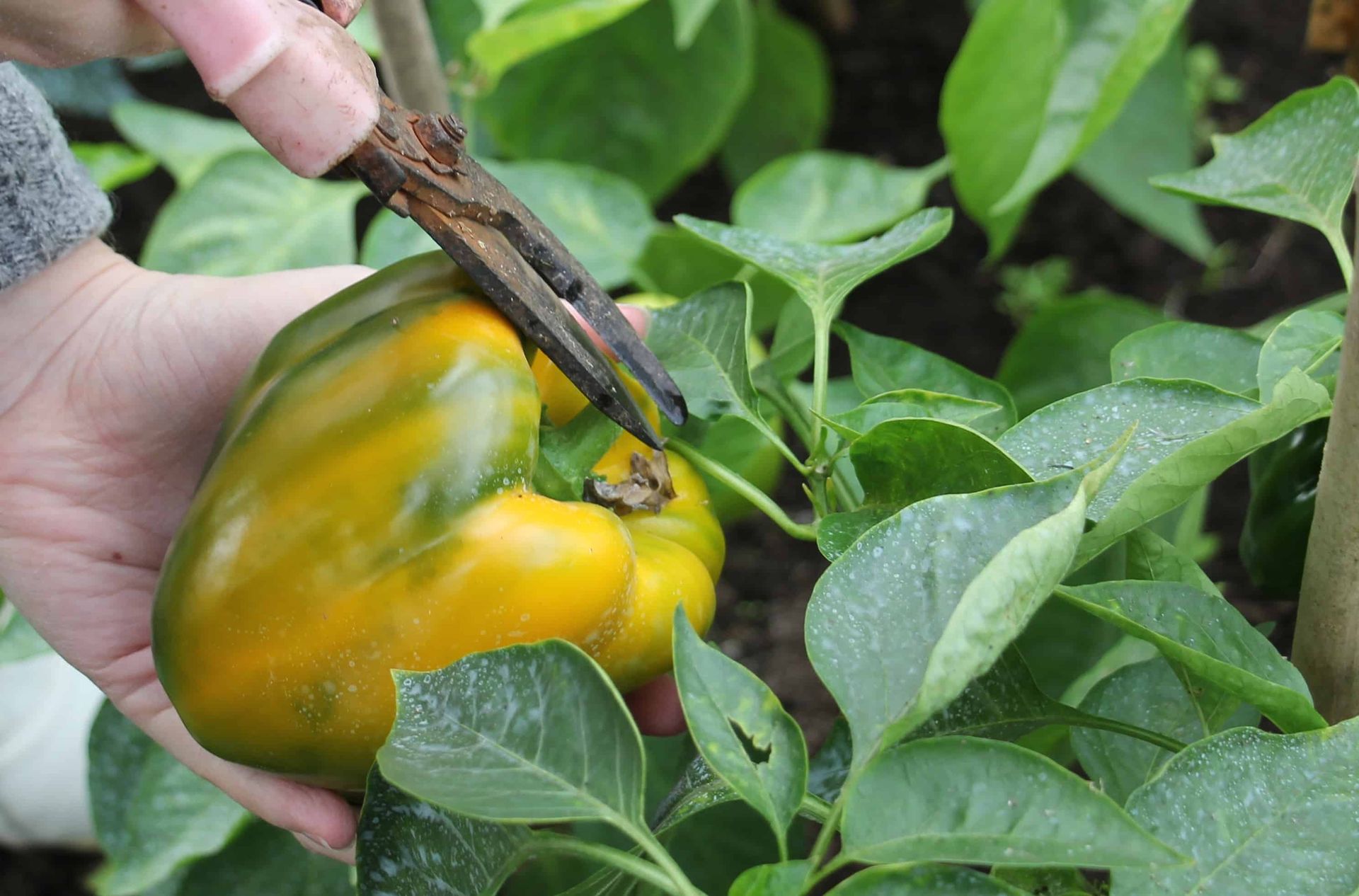
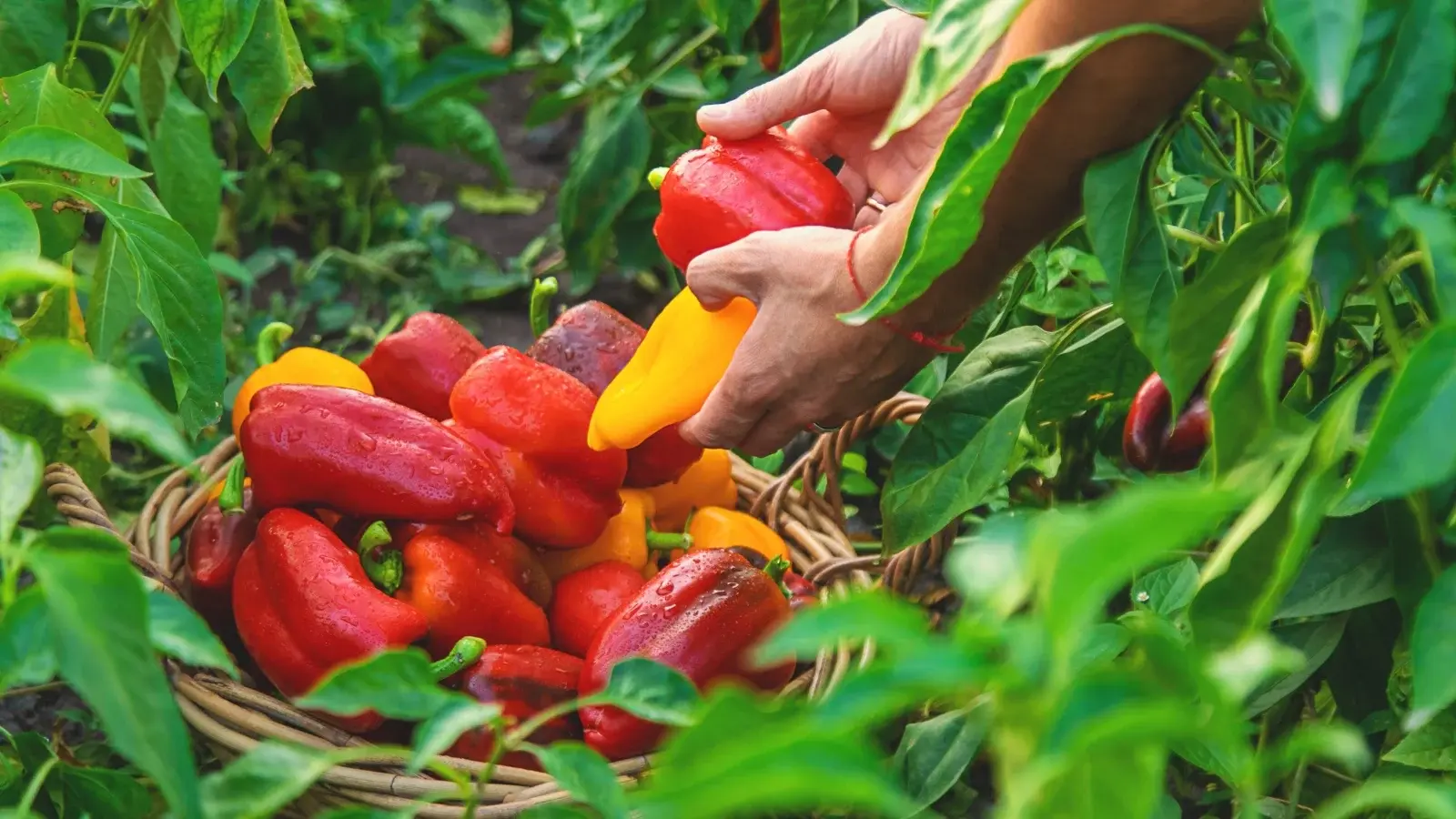
Bell peppers offer an interesting choice that shapes your harvesting approach. You can harvest them at any color stage from green to full maturity. This flexibility means your strategy depends on your priorities.
Green bell peppers are fully mature even though they are still green. They have reached full size and are ready to eat. Many people harvest at this stage to encourage maximum production. Green bell peppers are firmer and have a fresher, more herbaceous flavor profile.
Colored bell peppers, whether red, yellow, orange, or chocolate, represent further ripening. These peppers have typically been on the plant an additional 20 to 30 days beyond green maturity. During this additional time, the pepper develops significantly more sweetness, nutrients, and flavor complexity. Red bell peppers are particularly sweet and mild.
Days to harvest typically means 60 to 70 days from transplant to green harvest stage. Full color maturity usually requires an additional 20 to 30 days, bringing the total to 80 to 100 days from transplant. Your specific timeline depends on temperature, sunlight, and your variety.
For maximum sweetness and flavor, wait for full color development. For maximum production and an extended harvest, pick peppers green. Many gardeners compromise by harvesting the first peppers at green stage to encourage plant bushiness, then later harvesting some peppers at colored stages to maximize flavor.
Jalapeños: The Green Harvest Choice
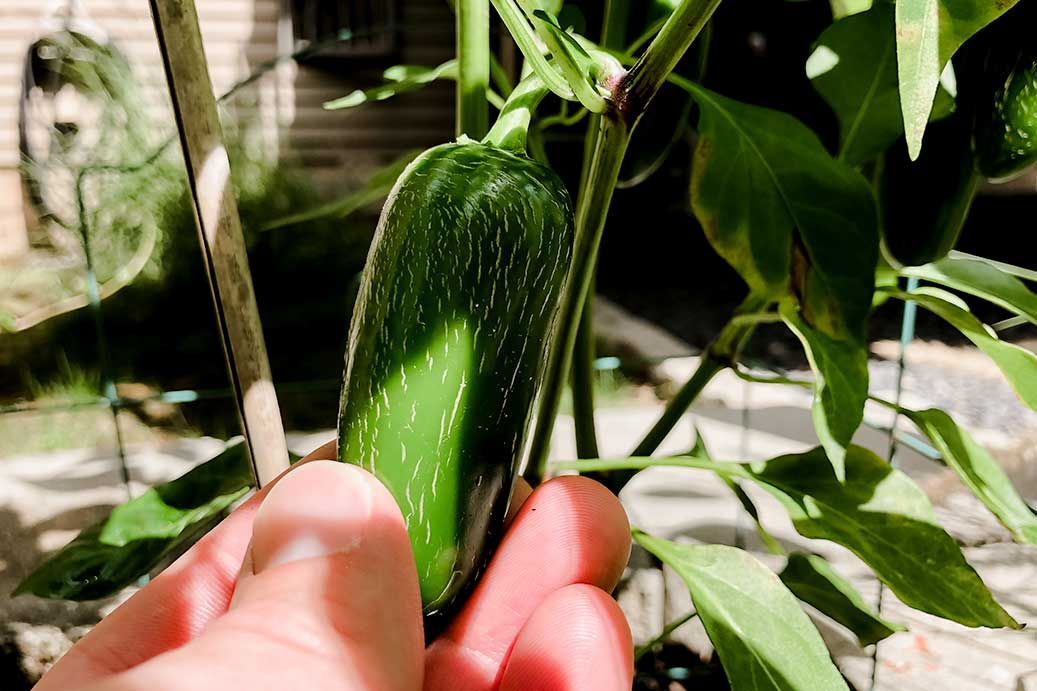
Jalapeños traditionally are harvested green, creating the crisp, bright jalapeño pepper familiar from cooking. Yet jalapeños also ripen to red if left on the plant longer, completely transforming their character.
Green jalapeños are typically harvested at approximately 3 to 4 inches long. They have reached full size and developed a darker green color. Days to this green harvest stage is typically 55 to 65 days from transplant. At this stage, jalapeños deliver the classic crisp, bright, moderately spicy flavor most people expect.
If you allow jalapeños to continue ripening, they transition from green to deep red, typically requiring an additional 20 to 30 days. At this fully ripe red stage, jalapeños are much sweeter, with heat mellowed slightly. The flavor becomes fruity and complex. Many of the red jalapeños are dried to make chipotles, smoked peppers with deep flavor.
Most home gardeners stick with green jalapeño harvesting because the transition to red extends the timeline significantly while reducing overall plant productivity. However, growing some of your jalapeños to full red ripeness creates a different culinary experience worth exploring.
Harvest by hand with a gentle upward pull, or use scissors to cut the pepper stem leaving a short portion on the pepper. Jalapeños are relatively sturdy and tolerate hand harvesting well compared to larger, more fragile pepper types.
Habaneros: Patience Required
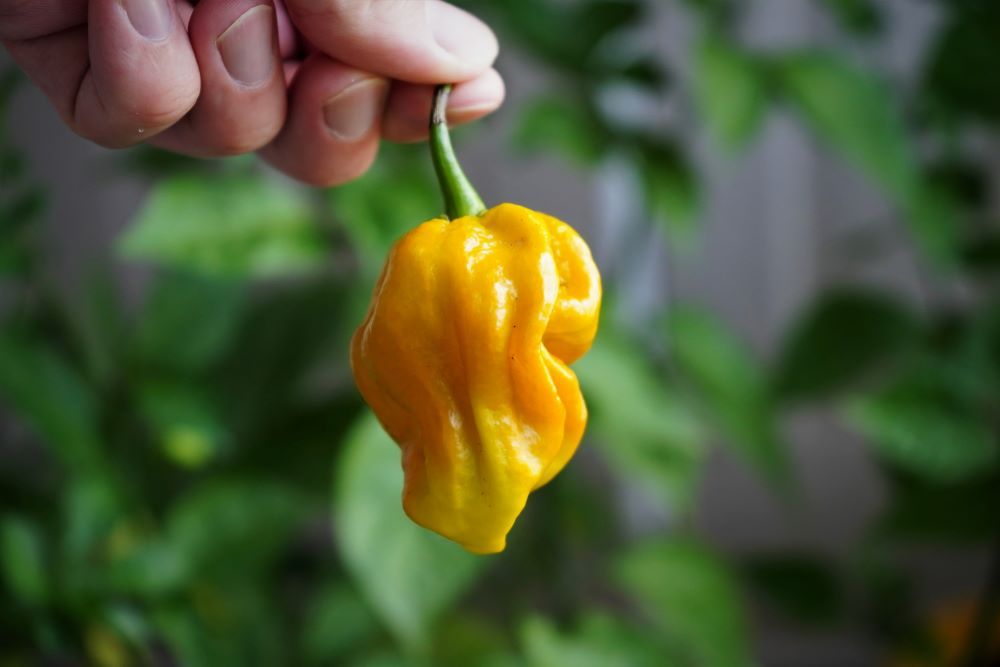
Habaneros test gardener patience because they demand extended growing time before reaching full ripeness. Yet that patience is rewarded with extraordinary flavor and heat.
Green habaneros are technically harvestable at approximately 60 to 90 days from transplant, but they lack the depth and complexity of fully ripened peppers. Harvesting green means missing out on the habanero experience.
The real habanero magic happens when you wait for full color development. Habaneros progress from green to pale orange (early ripeness stage, 90 plus days) to bright orange (full ripeness, 100 to 120 days). Fully ripe habaneros are intensely fragrant, remarkably fruity, and extremely hot with a complex flavor profile that green habaneros completely lack.
A ripe habanero pepper should be firm but not hard. Gentle pressure on the pepper reveals thickened walls that feel substantial. The aroma becomes noticeable as the pepper approaches full ripeness.
Harvest by hand with gentle support. Place one hand under the branch holding it steady, then gently pull upward on the pepper with your other hand. Habaneros ripen from the bottom of the plant upward, so check lower branches first.
Frost-threatened end of season harvesting forces difficult decisions. You can harvest green habaneros in advance of frost, but the flavor sacrifices significantly. Alternatively, wait and take the risk. Most gardeners in frost-prone areas consider late season habaneros worth the frost risk because fully ripe specimens are simply outstanding.
Hot Peppers: Cayenne and Other Varieties
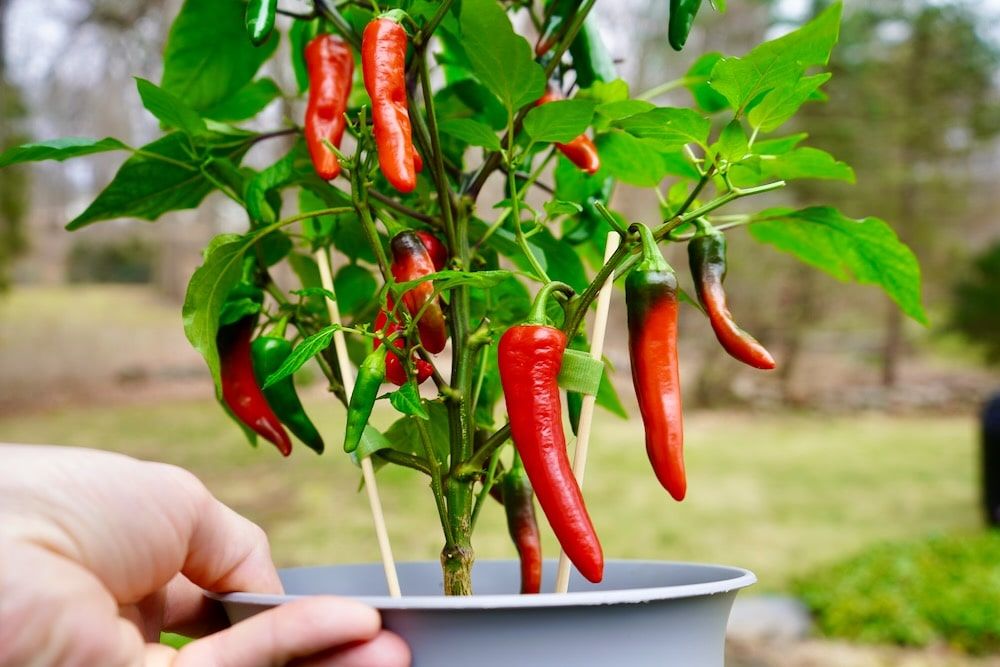
Cayenne peppers typically are harvested fully red. Green cayennes are not traditional and lack the flavor depth cayennes are known for. Days to full red ripeness is typically around 75 days from transplant, sometimes longer depending on conditions.
A fully ripe cayenne pepper is a deep red color, approximately 4 to 10 inches long depending on variety, and firm with substantial wall thickness. Cayennes are often dried because they maintain their heat and flavor beautifully through the drying process.
Serrano peppers traditionally are harvested green at approximately 2 to 3 inches long, about 55 to 65 days from transplant. They remain green or may develop red color depending on harvest timing. Green serranos deliver bright, fresh heat. Allowing them to fully ripen to red mellows the heat slightly while developing more fruity flavor, similar to jalapeños.
Banana peppers are typically harvested at green or yellow stage, before they fully ripen to red. This creates the familiar waxy, mildly flavored pepper common in cooking. Days to green harvest is approximately 60 to 80 days from transplant.
Poblano peppers traditionally are harvested green at approximately 3 to 8 inches long and 2 inches wide. Green poblanos are mild, slightly smoky, and perfect for stuffed pepper dishes. They can be allowed to ripen to red, becoming somewhat sweeter, typically requiring an additional 15 to 20 days beyond green maturity (85 days total from transplant).
Small hot pepper varieties like Thai chilies or bird's eye peppers often are harvested at green stage, though allowing full color development creates intensely hot peppers for specific uses. These varieties benefit from frequent harvesting at earlier stages to maximize total fruit production throughout the season.
Signs of Ripeness: Know Before You Pick
Before you pick any pepper, ensure multiple ripeness indicators align. Color change is obvious. But verify the other signs converge as well.
Consult the seed packet maturity information. Most reputable seed companies provide specific guidance on days to harvest and color descriptions at full ripeness. Knowing what your specific variety should look like prevents confusion.
Size should match the expected mature dimensions. Bell peppers typically finish at 3 to 4 inches long and 2 to 3 inches wide depending on variety. Jalapeños typically reach 3 to 4 inches. Habaneros finish around 1 to 2 inches. Reference your seed packet dimensions.
Firmness indicates substantial wall thickness. Press gently on the pepper with your thumb. Ripe peppers feel firm and substantial. Very immature peppers feel thin-walled and soft. Approaching ripeness peppers progressively firm up as ripening continues.
The gentle pull test works perfectly as a final confirmation. Grasp the pepper stem gently and pull upward with minimal pressure. A ripe pepper detaches easily or shows it is ready to detach soon. An immature pepper resists strongly. This test is remarkably accurate once you try it a few times.
Only when all four indicators align should you harvest. A pepper that is the right color but undersized, firm yet immature-looking, or difficult to pull, probably needs additional time.
The Correct Harvesting Technique
Technique matters tremendously because incorrect harvesting damages plants and reduces long-term productivity.
The biggest mistake home gardeners make is pulling peppers directly off the plant. This seems intuitive, but pulling applies stress to branches that can crack or break. The plant damage reduces its ability to produce future flowers and fruit. Additionally, aggressive pulling sometimes tears leaves or damages the plant structure.
Use scissors or pruners instead. Sharp herb scissors work perfectly for most peppers. Anvil-style pruners or bypass pruners also work well. The tool should cut cleanly without crushing the stem. Avoid dull tools that tear rather than cut.
Position the scissors above the pepper stem, cutting at the location where the pepper stem attaches to the branch. Leave a short portion of the pepper stem attached to the fruit itself. This short stem serves important purposes. It prevents direct access to the pepper interior, reducing disease entry. It helps the pepper retain moisture during storage and handling. It prevents the wound from becoming an entry point for bacteria or fungal spores.
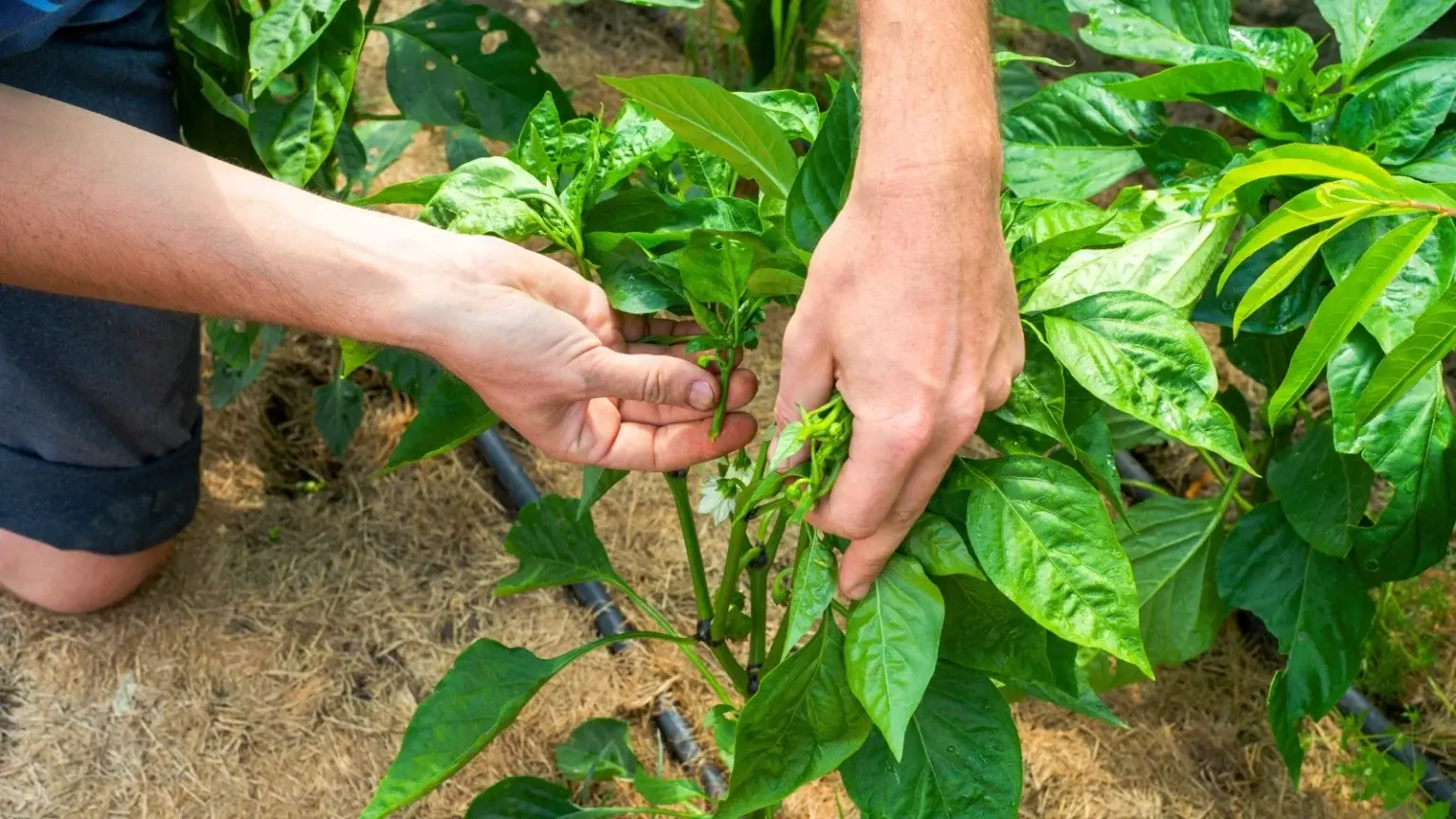
When hand harvesting is appropriate (smaller pepper varieties), support the plant with one hand while gently pulling the pepper with your other hand. The gentle pulling motion combined with plant support prevents branch damage. If the pepper resists significantly, it probably is not fully ripe. Wait and harvest in a few days.
Harvest during early morning hours when peppers are well hydrated and temperatures are cool. Early morning harvest produces peppers that maintain higher nutrient concentration and better flavor than afternoon-harvested peppers. Early morning is also more pleasant for the gardener, with cooler temperatures and no afternoon sun exposure.
Harvest Frequency: More Picking Equals More Peppers
Check your pepper plants every two to three days during peak growing season. Peak season typically runs from mid-August through early October, though your region's exact timing varies based on climate and frost-free date.
This frequent checking serves multiple purposes. It identifies peppers reaching ripeness so you harvest at optimal flavor. More importantly, it allows you to remove mature peppers before they stop flower production. Harvesting fruit at peak maturity keeps plants in continuous flowering mode rather than resting mode.
Early morning harvest routine becomes a pleasant garden ritual. Spend 10 to 15 minutes checking plants, harvesting ripe fruit, and assessing plant health. This consistency maximizes productivity far more than occasional harvesting.
The difference in productivity between consistent harvesting and sporadic harvesting is dramatic. Research comparing harvesting frequency shows plants that are checked and harvested every two to three days produce roughly double the total peppers compared to plants harvested less frequently.
Harvesting Unripe Peppers: Emergency Situations
Sometimes you must harvest before optimal ripeness. Frost threatens and you must save fruit before freezing kills the entire crop. Early season time constraints force choices. Understanding how to handle unripe peppers minimizes loss.
Green peppers are still usable even though not fully ripe. They lack the sweetness of colored peppers, but they are perfectly acceptable for cooking. Green peppers are actually the preferred choice for many dishes like fajitas or stuffed peppers because they provide fresher flavor.
Some gardeners place harvested unripe peppers on a cool windowsill or shelf, allowing them to ripen indoors. Peppers continue ripening after harvest if conditions are appropriate. Cool locations (around 68 to 75 degrees Fahrenheit) allow slow ripening over one to two weeks. The peppers gradually develop color and flavor during this time.
Accelerating indoor ripening is possible by placing peppers in a paper bag with a ripe banana or apple. These fruits produce ethylene gas that triggers ripening in peppers. Sealed in a paper bag, ethylene concentration builds and accelerates color development. Check daily to harvest as color develops.
The main limitation of indoor ripening is that peppers do not achieve the same flavor intensity as tree-ripened peppers. They develop color and some sweetness, but less of the full complexity of peppers ripened on the plant. However, emergency situations make this compromise worthwhile.
Pruning for Increased Yield
Early season pruning dramatically increases pepper production. Research testing this approach found that pruned pepper plants produced roughly two to three times more peppers than unpruned plants.
Timing matters for pruning effectiveness. Begin pruning early in the plant's development, around the time it begins naturally branching. Do not wait until the plant is massive. Early pruning channels plant energy into branch structure rather than fighting against an already-established shape.
Cut just above a leaf node (where leaves attach to the stem). This cutting location encourages the plant to develop new branches below the cut. More branches mean more flowering points, directly translating to more peppers.
The goal of pruning is creating a bushier plant with lower, more spreading growth habit. Compact plants with multiple branches produce more flowers and peppers than tall, sparse plants with few branches.
Smaller pepper varieties like jalapeños and thai chilies benefit dramatically from pruning. Bell peppers also respond well to early pruning, though their larger fruit size creates heavier branches that may need staking. Habaneros respond excellently to pruning, producing substantially more fruit on pruned versus unpruned plants.
Late-season considerations matter for pruning strategy. In areas with short growing seasons, pruning early is critical to allow time for the increased branches to develop flowers and produce fruit before frost. In longer-season areas, you can prune later and still benefit from increased production.
Storage and Preservation After Harvest
Peppers stored correctly maintain quality for weeks. The short stem you left attached when harvesting serves as a protective feature. Unlike a wound exposed to air, the stem limits dehydration and disease entry.
Store peppers in the refrigerator in a plastic bag or perforated plastic container. The refrigerator's cool, humid environment preserves peppers much better than room temperature storage. Most peppers maintain good quality for two to three weeks under refrigeration.
Place a paper towel in the storage container to absorb excess moisture. Too much humidity promotes mold growth. Too little humidity causes wrinkled, soft peppers. The paper towel creates the right moisture balance.
If you do not cut the peppers, they store longer than cut peppers. Cut peppers dry out more quickly and have reduced shelf life. Keep whole peppers intact as long as possible, cutting them only when ready to use.
Freezing peppers works well for cooking applications though texture changes. Chop peppers into desired sizes and freeze on a baking sheet before transferring to freezer bags. Frozen peppers work beautifully in cooked dishes like stir-fries and soups. They maintain flavor remarkably well though texture becomes soft after thawing.
Drying peppers, particularly hot peppers, preserves flavor intensely. Whole peppers can be strung together and dried in warm, dry locations. Dried peppers store for months and develop deeply concentrated flavors perfect for grinding into powder or rehydrating for cooking.
Seed Saving from Harvested Peppers
Peppers at full ripeness contain viable seeds. Harvesting seeds from your best-performing plants creates a renewable supply for next season.
Always save seeds from fully ripe peppers only. Green peppers contain immature seeds that will not germinate. Allow peppers to reach complete color development before harvesting for seed saving.
Cut the pepper in half lengthwise. Scrape the seeds into a container. Many gardeners ferment seeds before drying because fermentation increases viability and germination rates. Soak seeds in water for a few days, allowing fermentation to occur naturally. Then rinse thoroughly and dry on a paper plate in a cool, dry location.
Fully dried seeds can be stored in envelopes or small containers in a cool, dry place. Adding a silica gel packet to the container absorbs any moisture, extending seed viability. Properly stored pepper seeds remain viable for three to five years typically.
Each pepper typically produces 50 to 200 seeds depending on variety. Saving seeds from multiple peppers provides plenty for next season and extras to share with fellow gardeners.
Hybrid pepper varieties may not grow true from seeds, producing plants or peppers different from the parent plant. Open-pollinated and heirloom varieties reliably produce seeds that grow plants identical to the parent. Check your seed packet to verify whether your variety is hybrid or open-pollinated.
Variety-Specific Timing Guide
Each pepper variety has specific harvest characteristics worth noting. Seed packet information provides baseline timing, but your specific conditions affect actual harvest dates.
Bell peppers reach green maturity in approximately 60 to 70 days from transplant. Full color development typically requires 20 to 30 additional days (80 to 100 days total).
Jalapeños reach green harvest in 55 to 65 days. Full red ripeness requires 75 to 85 days from transplant. The extended timeline for red maturity explains why jalapeños are more commonly harvested green.
Habaneros are the longest season peppers. Green harvest is possible at 60 to 90 days but not recommended. Pale orange (early ripeness) typically appears around 100 days. Bright orange (full ripeness) usually occurs around 120 days or later.
Cayennes typically reach full red ripeness around 75 to 90 days from transplant, depending on exact variety and growing conditions.
Serranos reach green harvest in 55 to 65 days from transplant. Full red ripeness requires 75 to 85 days.
Banana peppers reach green or yellow harvest in 60 to 80 days from transplant. Red maturity, if desired, typically requires 85 to 100 days.
Poblanos reach green harvest in approximately 65 days from transplant. Full red ripeness requires 85 days or more.
These timelines assume warm growing conditions (daytime temperatures 75 to 85 degrees Fahrenheit, night temperatures above 60 degrees Fahrenheit). Cool weather significantly extends ripening timelines. Additional fertilization and consistent watering can accelerate development.
Troubleshooting Common Harvesting Problems
Peppers reaching full size but refusing to change color frustrates many gardeners. Several factors could cause this problem.
Insufficient sunlight is the most common cause. Peppers require six to eight hours of direct sunlight daily. Plants in shaded locations produce fewer peppers, and those peppers ripen more slowly or not at all.
Cool night temperatures slow ripening dramatically. If night temperatures consistently remain below 65 degrees Fahrenheit, pepper ripening virtually stops. This problem is common in late season as autumn weather arrives. Some gardeners cover plants with row covers on cool nights to retain heat.
Nutrient deficiency, particularly nitrogen or potassium, slows ripening. If leaves look pale or unhealthy, foliar feed with balanced fertilizer or apply potassium-emphasized fertilizer around plant bases.
Inconsistent watering creates stress that delays ripening. Peppers need consistent moisture without waterlogging. If plants alternate between dry and soggy conditions, productivity suffers. Mulching helps moderate moisture fluctuations.
Fragile peppers breaking during harvest indicate branch overload or structural weakness. Young plants cannot support heavy fruit loads well. Aggressive pruning earlier in the season would have improved branch thickness and strength. For current seasons, prop up heavy-laden branches with stakes or ties to prevent breaking.
Maximizing Your Harvest
Succession planting extends your pepper harvest far beyond the season normal for your region. Instead of a single planting, plant seeds at staggered intervals. First plantings go in early for mid-summer production. Second plantings go in mid-summer for late-season and early-fall production.
Stagger plantings by four to six weeks. This approach produces fresh, vigorously growing plants entering peak production exactly as earlier plantings begin declining. The result is continuous, fresh pepper production from mid-summer straight through frost.
Regional considerations matter. In cold climates, succession planting may be impractical because late plantings will not mature before frost. In warm climates with extended seasons, succession planting is highly effective.
Plant number dramatically affects total harvest. A single pepper plant produces enough peppers for a household that uses peppers regularly but does not preserve them. Growing multiple plants ensures abundant fresh peppers, plus extras for preserving, drying, or giving away.
Container gardening maximizes space efficiency. Peppers grow beautifully in containers with sufficient depth. Large containers allow pepper plants to develop substantial root systems producing excellent yields in small spaces.
Documentation through photos or notes (or tools like Plantlyze dot com) helps you track what works in your specific conditions. Note planting dates, harvest timing, peak production periods, and which varieties thrive in your garden. This documentation becomes invaluable for next season's planning.
Conclusion: Harvesting Is Simpler Than You Think
Harvesting peppers is actually simpler than growing them if you understand the basic principles. Ripeness is easy to identify once you know what signs to look for. Proper technique prevents plant damage. Regular harvesting maximizes production throughout the season.
The key takeaway is this: harvest frequently and harvest when peppers reach full ripeness signs. This approach captures both excellent flavor and maximum production. Your plants reward consistent, attentive harvesting with abundant peppers from mid-season through frost.
Variety matters tremendously. Bell peppers, jalapeños, habaneros, and hot peppers each have their own harvest characteristics and optimal timing. Learning your specific varieties' requirements ensures you harvest at their peak potential.
This season, implement frequent checking of your pepper plants, harvest peppers when ripeness indicators align, and use proper scissors-based technique to protect your plants. Document harvest timing through photos or notes. By season end, you will have captured more peppers at better ripeness than you imagined possible.
For tracking your harvest progress through the season and documenting ripeness stages, Plantlyze dot com offers convenient photo-based documentation. Upload images of developing and ripe peppers to track your specific growing patterns and optimize next season's approach.
References
1. Wisconsin Extension (University of Wisconsin-Madison)
https://chippewa.extension.wisc.edu/2023/08/30/harvesting-the-fruits-of-your-labor/
2. UF Seeds (University of Florida)
https://www.ufseeds.com/pepper-seed-to-harvest.html
3. Illinois Extension (University of Illinois)
https://extension.illinois.edu/gardening/cucumber
4. North Carolina State University Extension
https://extensiongardener.ces.ncsu.edu/2024/05/cucumbers-a-refreshing-treat-from-the-garden/
5. University of Minnesota Extension
https://extension.umn.edu/vegetables/growing-cucumbers
6. Michigan State University Extension
https://www.canr.msu.edu/resources/how_to_grow_cucumbers
7. Texas A&M Aggie Horticulture
https://aggie-horticulture.tamu.edu/