Introduction: The Harvest Timing Question Nobody Wants to Get Wrong
You've grown cucumbers all summer. They're proliferating on the vine, and now the real question arrives: when exactly should you pick them?
Wait too long and they become bitter, seedy, and soft. Pick too early and you're harvesting immature fruit. There's a narrow window of perfect ripeness where cucumbers deliver their best flavor, crispness, and tender seeds.
Beyond timing, how you pick matters. The technique you use affects both the cucumber's quality and whether the plant continues producing. This guide walks you through everything from recognizing ripeness to picking technique to managing your harvest for continuous production throughout the season.
Why Harvest Timing Matters: The Ripeness Reality
Unlike tomatoes or avocados that continue ripening after picking, cucumbers stop developing the moment you separate them from the vine.
This means that timing is everything. There's no second chance to develop sweetness, crispness, or tenderness. Whatever stage the cucumber is at when you pick it is the stage it will remain.
Cucumbers taste best when harvested in the immature stage, before they develop seeds and bitter compounds. As cucumbers mature, they develop more seed tissue, become larger, and accumulate bitter-tasting compounds that make them unpleasant to eat. A cucumber that looks fully mature on the vine will taste significantly less pleasant than one harvested at the proper stage.
Furthermore, leaving mature fruit on the plant signals to the plant that reproduction is complete. The plant redirects energy away from flower production toward seed maturation. This slows the production of new flowers and fruit. Removing cucumbers promptly keeps the plant focused on continuous production.
General Guidelines: The 6 to 8 Inch Standard
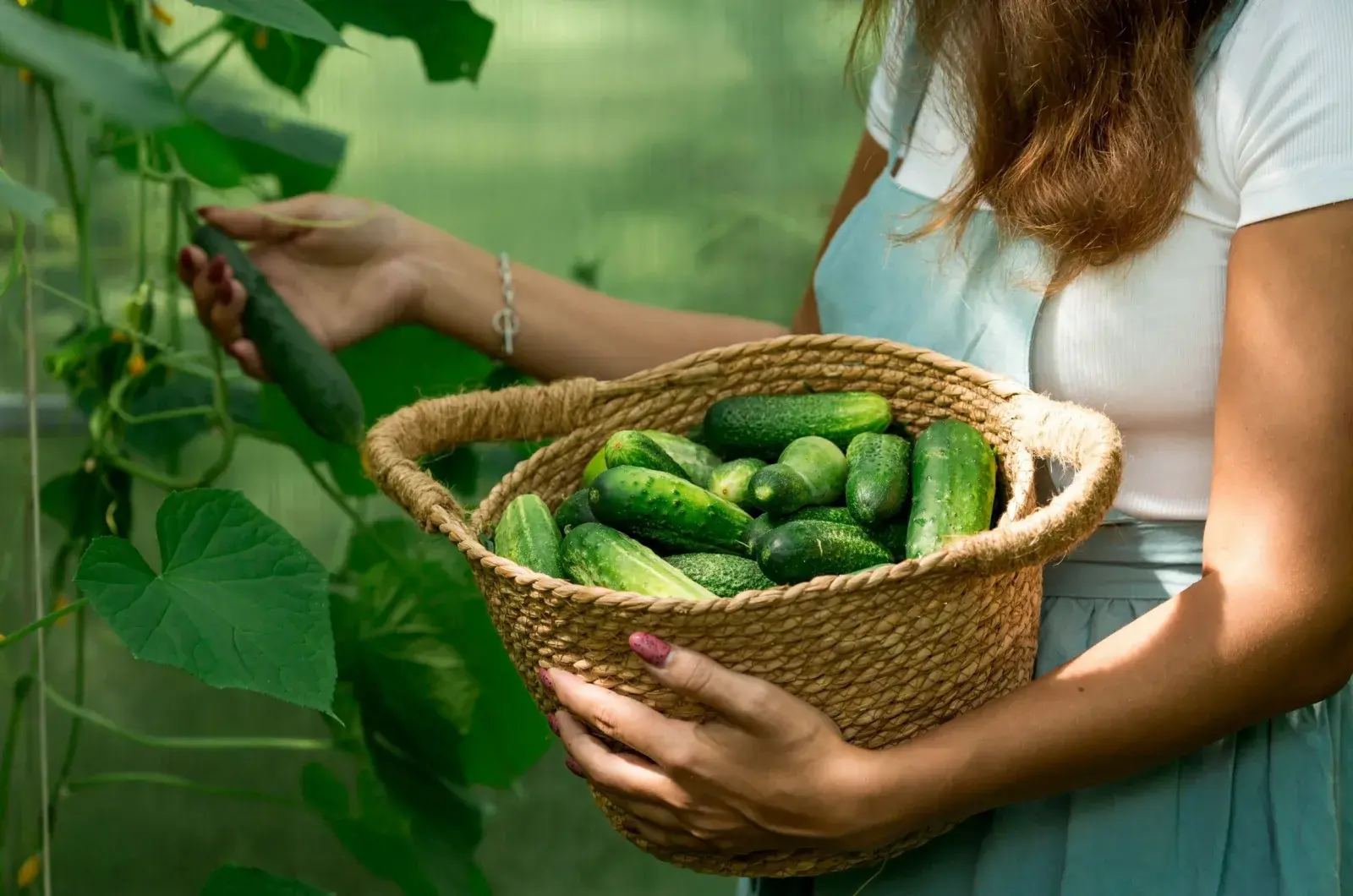
Most slicing cucumber varieties reach their peak at 6 to 8 inches long with firm, vibrant green skin.
This is the general guideline for mainstream slicing cucumbers like the varieties commonly grown in home gardens. At this size, the flesh is sweet, tender, and filled with soft seeds. The skin is thin enough to eat comfortably.
However, always check your specific seed packet. Variety matters significantly. Some varieties are shorter, some longer. Some are thicker, some narrower. The seed packet specifies the ideal harvest size for your specific variety.
Firmness and Color Indicators
Press the cucumber gently. It should feel firm, not soft. Soft cucumbers are overripe. The skin should be dark green and vibrant, never yellow or dull. Yellowing indicates the cucumber has passed its prime and bitterness has developed.
Some cucumber varieties naturally develop other colors when ripe. Lemon cucumbers develop yellow skin when ripe, for example. Know your variety so you recognize true ripeness versus overmaturity.
Variety-Specific Harvest Timing: Size Matters More Than You Think
Different cucumber types have dramatically different harvest sizes. Knowing your variety is essential for perfect timing.
Slicing Cucumbers
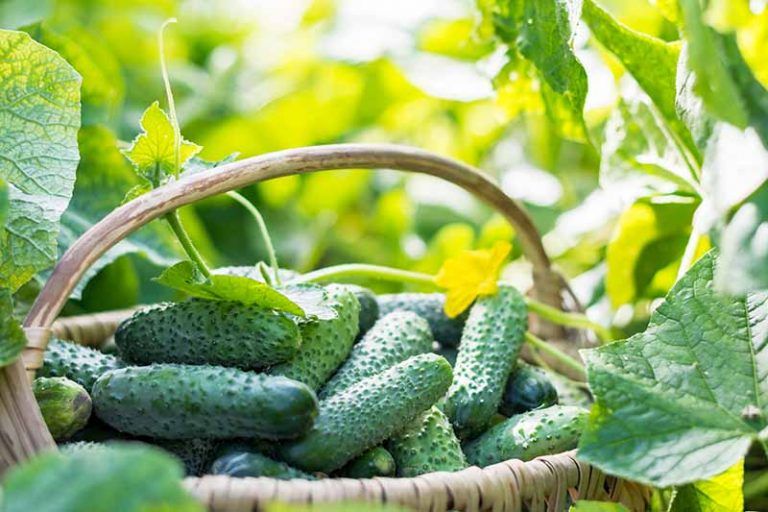
Standard slicing varieties harvest at 6 to 8 inches long. This size provides the perfect balance of tender flesh, soft seeds, and sweet flavor.
Pickling Cucumbers
Pickling cucumbers are harvested significantly earlier than slicing types, based on their intended use:
For gherkins: Harvest at 1.5 to 2 inches long, about the size of your thumb. At this size, they're crisp and perfect for whole pickles.
For pickle chips or bread and butter pickles: Harvest when 1.25 to 1.75 inches in diameter and about 3 to 4 inches long, roughly the size of a spice jar. This size slices perfectly for chip style pickles.
For pickle spears: Harvest at 4 to 5 inches long. Remember to remove the blossom end before pickling, as enzymes at that end can soften pickles during storage.
Burpless or English Cucumbers
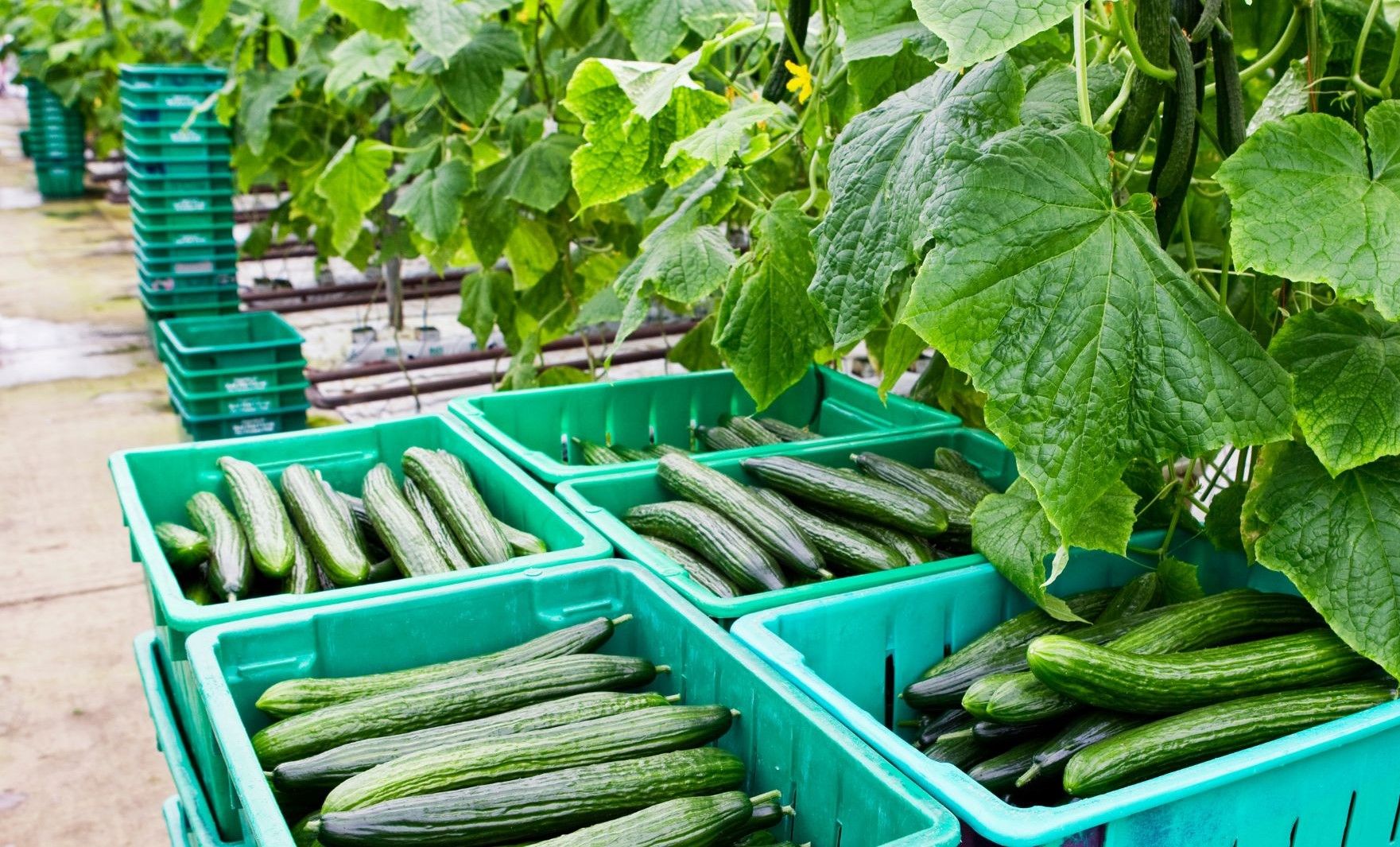
These long, seedless varieties harvest at 10 to 12 inches, and some varieties extend to 18 inches. They develop exceptional flavor at these larger sizes because they're naturally less bitter than regular slicing types.
Japanese and Chinese Cucumbers
These varieties feature glossy green skin and may have small spines. Harvest at 8 to 12 inches. These spines rub off easily with a clean cloth if desired.
Specialty Varieties
Lemon cucumbers develop yellow skin when ripe (2 to 3 inches). Armenian cucumbers can grow very long but taste best harvested before reaching 18 inches. Always check the seed packet for exact specifications for your variety.
Picking Technique: How to Remove Fruit Correctly
Using the correct picking technique preserves plant health and prevents damage.
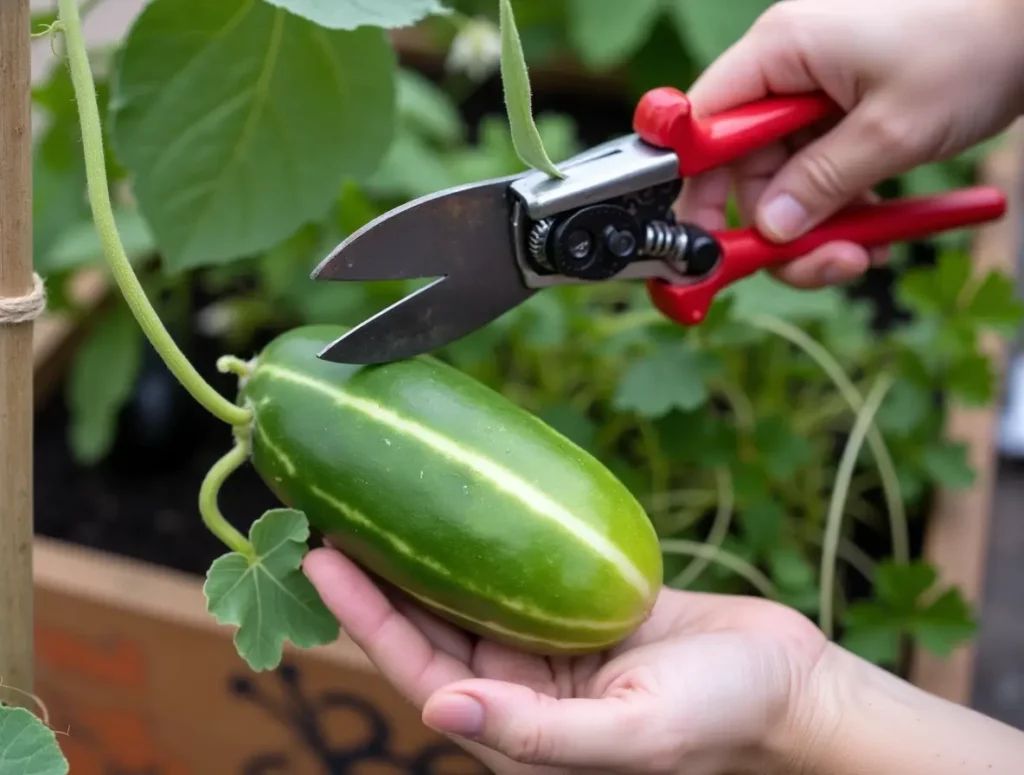
Never twist or pull cucumbers from the vine. Twisting damages the vine and can tear off entire shoots. Instead, use sharp pruning shears or a clean knife to cut the cucumber stem.
Cut the stem 1/4 to 1 inch above the fruit, leaving a small piece of stem attached to the cucumber. This short stem protects the fruit from stem-end rot if the cucumber will be stored before use.
Handle cucumbers gently. Dropping or bruising fruit damages cells and shortens shelf life. Place harvested cucumbers carefully into a collection container rather than tossing them.
Timing: The Best Time to Harvest
Harvest cucumbers in early morning (6 to 9 AM) when plants are cool and damp with dew. Cucumbers harvested in the heat of the day may be slightly limp from heat stress. Morning harvesting ensures they're at peak crispness.
If you're harvesting a large quantity for pickling, morning cool temperatures help maintain crispness and quality throughout the harvesting process.
Daily Monitoring: The Key to Success
Cucumbers grow incredibly fast. A flower pollinated today becomes a harvestable cucumber in just 7 to 10 days.
Once flowering begins, check plants daily or at least every other day. Cucumbers can go from perfect harvest size to overripe and bitter in just 2 to 3 days, particularly during hot weather.
Daily monitoring accomplishes multiple things simultaneously. It ensures you catch cucumbers at peak ripeness before they become bitter. It removes overripe fruit before the plant redirects energy away from flower production. It prevents the frustration of discovering a month's worth of overgrown, seedy cucumbers hiding in the dense foliage.
Finding Hidden Fruit
Dense cucumber foliage makes fruit easy to miss. Train your eye to part leaves and look under the canopy. Fruit often grows underneath where it's hidden from view. Systematic checking, moving from plant to plant methodically, ensures you catch everything.
Removing Overripe Fruit: Critical for Continued Production
Leaving overripe cucumbers on the plant is one of the biggest mistakes gardeners make.
Overripe cucumbers signal to the plant that reproduction is complete. The plant responds by slowing flower production and redirecting energy toward ripening the existing fruit. This pause in flowering directly reduces the number of new fruit developing over the rest of the season.
If you discover an overripe cucumber, remove it immediately and compost it. Even if it's too bitter to eat, removing it restarts the plant's flowering cycle. You'll see renewed flower production within days.
Late Season Management: Extending Your Harvest
As autumn approaches and frost threatens, adjust your strategy.
About one month before the expected first frost date, stop harvesting new flowers. Pinch off newly developing flower clusters. This directs all plant energy toward ripening the cucumbers already on the vine.
Simultaneously, harvest all mature and near-mature cucumbers. Most varieties cannot survive frost, so harvest everything regardless of size as frost approaches.
Container and High Tunnel Growing: Special Considerations
Container grown cucumbers produce fruit more intensely and require more frequent harvesting. Check container plants daily since the limited soil volume dries faster and temperature fluctuates more dramatically.
High tunnel or greenhouse grown cucumbers extend the season dramatically, allowing harvests 2 to 4 weeks earlier than field-grown crops and lasting well into fall. The controlled environment and protection from weather allows extended production windows.
Vertical trellising in containers and high tunnels makes fruit easier to spot and harvest. Ensure adequate spacing to maintain visibility of fruit as it develops.
Troubleshooting Common Harvest Problems
Bitter taste indicates the cucumber was harvested too late or experienced stress during growing (typically from inconsistent watering). Prevent bitterness by harvesting immature fruit at the recommended size and maintaining consistent moisture.
Misshapen or twisted fruit results from poor pollination combined with moisture stress. These often taste fine but look unusual. Use them for pickling or cooking rather than fresh eating.
Over-production during peak season can feel overwhelming. Establish a regular harvest and preservation routine (pickling, refrigerator pickles, gifting). Monitor your planting schedule to avoid massive gluts.
For those managing larger plantings or wanting detailed tracking of harvest patterns, tools like Plantlyze dot com help record flowering dates, harvest sizes achieved, production patterns, and correlate this information with variety performance in your specific climate.
Moving Forward: Your Harvest Strategy
Successful cucumber harvesting begins with knowing your specific variety and its harvest characteristics. Check the seed packet before planting and consult it again at harvest time.
Monitor plants daily during the fruiting season. Pick cucumbers at the recommended size for your variety. Use proper cutting technique that preserves vine health. Remove overripe fruit promptly.
Document what works in your garden. Record variety names, first flowering dates, first harvest dates, and how long harvest extends. Over seasons, you'll develop an intuitive sense for your specific varieties and conditions, transforming harvest timing from guesswork into predictable success.
References
1. University of Georgia Extension
https://www.uga.edu/
2. South Dakota State University Extension
https://www.sdstate.edu/
3. Purdue University Extension
https://www.purdue.edu/
4. University of Florida IFAS Extension
https://sfyl.ifas.ufl.edu/