Pepper planting depth seems like a simple topic until you start researching it. Then you discover conflicting advice, passionate growers defending different methods, and real disagreement about whether deep planting helps or hurts. The truth is more nuanced than any single recommendation. Planting depth matters significantly, but the right depth depends on your climate, soil conditions, and your specific objectives. This comprehensive guide teaches you exactly how deep to plant pepper seeds, when to bury transplants deeply, and how to recognize when deep planting will help versus when it will cause problems.
Pepper Seeds: The Foundation Starts Small
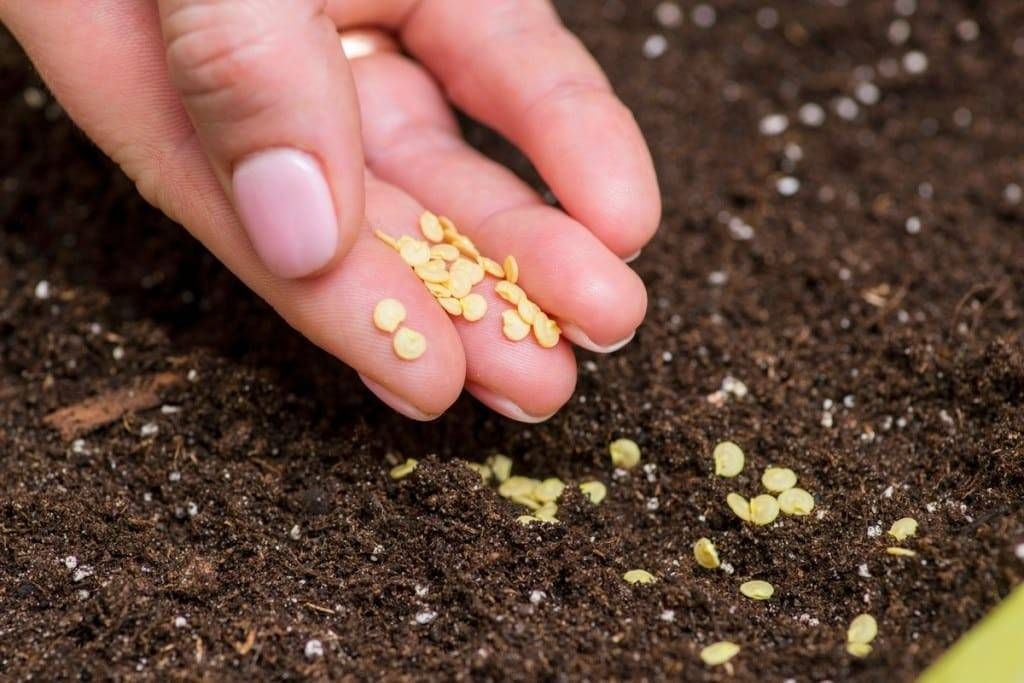
Pepper seed planting depth is straightforward and non-controversial. Plant pepper seeds approximately one quarter inch deep in seed starting mix. This single recommendation works reliably because the seed size determines how much soil pressure seeds can push through. Any deeper than one quarter inch and pepper seeds struggle to emerge through the overlying soil. Seeds exhausted their energy reserves pushing upward and fail to sprout.
A helpful rule of thumb when planting any small seed is to plant it two to three times its physical size in depth. For pepper seeds, this works out to approximately four to six millimeters, which matches the standard one quarter inch recommendation perfectly. Some growers successfully plant at one eighth inch or up to one half inch deep, but these edges represent the practical limits. Within this range, seeds will still germinate, though slightly shallower or deeper planting may slow germination speed slightly.
The critical factor beyond depth is keeping seeds warm and moist throughout germination. Pepper seeds require consistent warmth between 70 and 85 degrees Fahrenheit for reliable germination. Cold soil temperature stops germination cold, regardless of planting depth. Maintain soil moisture but avoid waterlogged conditions that cause seeds to rot. With proper warmth and moisture, properly planted pepper seeds germinate within seven to fourteen days.
Understanding Pepper Root Systems: Why Depth Matters
Before deciding how deep to plant transplants, understanding pepper root structures illuminates why depth decisions matter. Pepper plants develop extensive root systems that typically reach down between one and two feet vertically while spreading two to three feet horizontally. This growth pattern contrasts with what many growers expect. Peppers invest heavily in sideways root exploration, seeking nutrients and moisture across wide areas rather than driving straight down like some crops do.
The depth component matters because deeper rooting increases stability and reduces wind damage. Peppers naturally grow as bushes, branching from a central stem into a wide, heavy canopy. This canopy catches wind strongly. A plant with roots only one foot deep might topple over under wind stress carrying heavy fruit. A plant with roots extending deeper and more broadly anchored remains stable through weather stress. This is why deeper planting produces measurably stronger plants that handle wind, rain, and heavy fruit loads better.
Additionally, deeper roots access nutrients and moisture from lower soil layers. In dry seasons, shallow-rooted peppers wilt and struggle while deeper-rooted neighbors thrive. In nutrient-poor soils, deeper rooting increases the chance of finding nutrient-rich layers that surface soil lacks. The advantage is real and scientifically supported.
The Great Deep Planting Debate: Standard Method Versus Adventitious Rooting
Here is where pepper planting gets complicated. Unlike tomatoes, which enthusiastically produce roots all along buried stems, peppers do not reliably create adventitious roots from buried stems. This fundamental difference guides planting recommendations. Most extension services and seed companies recommend planting peppers at the same depth they were growing in their nursery pots. Do not bury the stem. This is the safest, most reliable approach for beginners.
However, some experienced growers report success burying pepper stems similar to how they bury tomatoes. By trimming lower leaves and stems from the transplant and burying half to two-thirds of the stem deeply, they encourage root growth along the buried stem. When conditions are right, this produces stronger plants with deeper, more expansive root systems. The reported benefits align with logic: more roots support heavier fruit and access more nutrients.
The problem is that deep pepper planting fails catastrophically when conditions are wrong. Peppers are less tolerant of cool, moist soil than tomatoes. Buried stems in cool soil rot instead of rooting. A single week of cool weather after planting peppers deeply can kill your entire transplant. This is the critical limitation that makes deep planting risky in many climates.
When Deep Planting Works: The Warm Soil Requirement
The single most important requirement for successful deep pepper planting is soil temperature. Soil must be consistently warm, ideally 60 degrees Fahrenheit or above, with daytime air temperatures above 65 degrees Fahrenheit. These are not negotiable minimums. Plant peppers deeply in soil below 60 degrees and you will likely lose them to stem rot.
This requirement means timing is critical. In northern climates, this warm soil window is short. Early spring soil remains too cold. Late spring through early fall offers the warmth deep planting requires. Impatient gardeners who plant peppers too early in spring in anticipation of warm weather discover this the hard way when unexpected cool weather returns and kills their plants.
Soil moisture must also be balanced precisely. Soil should be moist but not waterlogged. Soggy soil around buried stems leads to rot. Dry soil fails to encourage root growth along the stem. Finding this balance requires attention and management. Sandy soils dry too quickly. Heavy clay soils stay waterlogged too long. Well amended soils with abundant compost reach this balance most reliably.
The Standard Recommendation: Plant at Original Depth
The safest, most reliable approach for most growers is planting pepper transplants at the same depth they were growing in their nursery pots. Place the top of the root ball level with the soil surface. Make the planting hole twice as wide as the root ball but just as deep. This approach minimizes stem rot risk while still providing adequate rooting depth for good growth.
When using this method, bury no leaves. Remove any lower leaves that might touch soil because soil contact encourages fungal disease. Create firm soil contact around the root ball to eliminate air pockets. Roots exposed to air through air pockets die quickly, limiting establishment. Once the root ball is firmly settled with no air pockets, the transplant will establish rapidly and begin growing strongly.
Add amendments to the planting hole to support early growth. Include a trowelful of compost and a small amount of blood meal to provide nitrogen for foliage development. Slow-release fertilizer blended into the planting mix supports growth throughout the season. These amendments boost early growth without requiring additional fertilizer applications for several weeks.
Soil Depth Requirements for Optimal Growth
Whether planting in containers, raised beds, or in-ground gardens, soil depth determines how much room roots have to develop. Minimum soil depth for peppers is approximately ten to twelve inches, but this provides only basic rooting capability. Much better is eighteen to twenty-four inches of soil depth, which allows roots to explore deeply and access moisture and nutrients reliably.
For containers, choose five-gallon buckets as a minimum, though ten-gallon containers or larger prove superior. Whiskey barrel-size containers (eighteen to twenty-four inches deep) represent the ideal. The deeper soil volume provides better moisture retention in hot weather and more nutrient availability overall. The difference in yield between five-gallon and twenty-gallon containers is measurable and worthwhile if you have the space.
Raised beds should be at least twelve inches deep for minimum viability, but eighteen to twenty-four inches deep produces dramatically better results. In shallow raised beds, pepper roots hit the bottom early in summer and cannot explore further for moisture or nutrients. Deeper raised beds allow roots to explore throughout the season, supporting bigger plants and better yields.
In-ground gardens should have at least ten to twelve inches of amended soil loosened and mixed with compost. Work this compost or premium garden soil into the top six to ten inches before planting. This amended layer provides excellent rooting conditions for the first foot or more of soil depth, supporting strong establishment and growth.
Deep Planting: When and How to Do It Right
If you want to attempt deep planting to create stronger, more stable plants, the process requires careful preparation and exact conditions. First, verify your soil is warm. Use a soil thermometer to measure temperature in the morning. It should read at least 60 degrees Fahrenheit, ideally warmer. Air temperature should be consistently above 65 degrees Fahrenheit. If cold snaps are forecast within the next two weeks, wait.
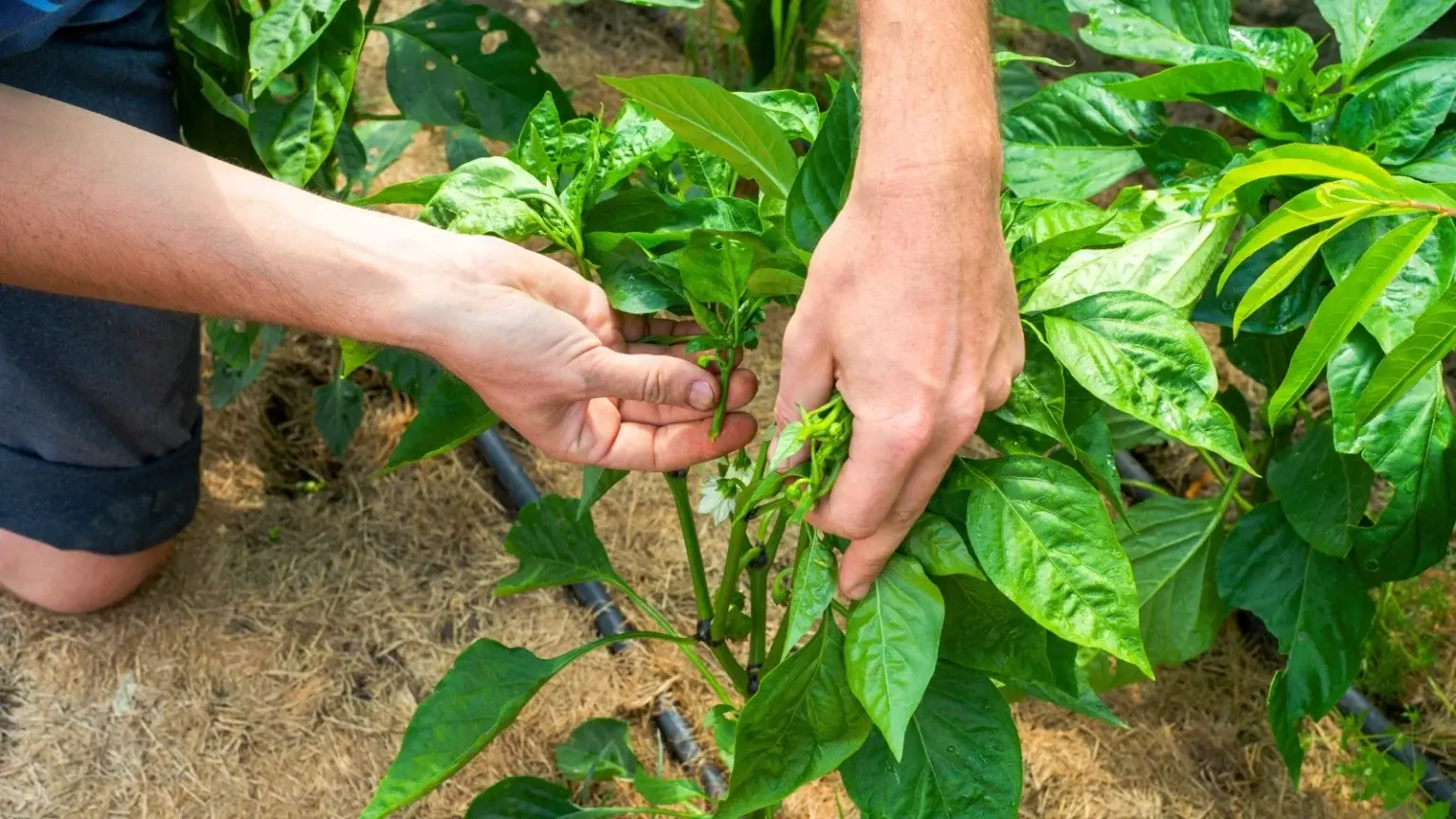
Prepare your transplants by removing all lower leaves and side shoots from the stem. Keep only the central stem with leaves at the top. This removes the material that could rot if in contact with soil and directs the plant's rooting energy into the buried stem rather than multiple stems. Remove early flower buds to encourage vegetative growth and strong root development before flowering begins.
Dig a hole deep enough to bury half to two-thirds of the stem. Place a trowelful of compost in the bottom with a small amount of blood meal for nitrogen. Place the prepared stem into the hole and firm soil around it deliberately and repeatedly as you fill. Ensure no air pockets remain at the base where roots could be exposed. Water in thoroughly but avoid overwatering that creates waterlogged soil.
Monitor the plant closely over the following weeks. If soil becomes waterlogged, reduce watering. If the stem shows any discoloration or soft spots indicating rot, the plant is failing and nothing will save it. Remove and replace rather than spending energy on a dying plant. With successful deep planting, new stem growth will emerge from buds on the underground stem within one to two weeks, creating a stronger, bushier plant than standard-depth planting.
Deep Planting Benefits: More Than Just Deeper Roots
When deep planting succeeds, the benefits extend beyond just deeper root systems. Plants grow stronger with thicker stems capable of supporting heavier fruit loads. The wider root base anchors plants firmly, reducing wind damage and plant breakage during storms. Plants rarely need staking or support structures because they stand strong independently.
Better nutrient access from deeper root systems translates to larger fruit and healthier foliage. Plants maintain better water availability during dry spells because roots extend into moisture-retaining deeper soil layers. Overall plant vigor improves noticeably with successful deep planting in appropriate conditions.
An unexpected benefit appeared when frost returned unexpectedly late in spring. One grower discovered that deeply buried peppers survived where standard-planted neighbors died. The underground stem portion stayed warmer than the air temperature, allowing the plant to survive frost and regenerate new stems aboveground. This emergency protection has value in unpredictable climates.
When Plantlyze Can Help: Assessing Your Plants
If you transplant your peppers and are unsure whether the planting depth was optimal or whether your plants are establishing well, upload photos to Plantlyze at www.plantlyze.com. This AI powered plant diagnosis tool analyzes your pepper plant's growth stage, stem thickness, leaf color, and overall vigor to assess whether the plant is establishing as expected or showing signs of stress. Early detection of establishment problems allows you to make corrections or provide support before problems become serious. Accurate assessment guides whether your planting depth worked or whether adjustments are needed for future plantings.
Special Situations: Leggy and Weak Seedlings
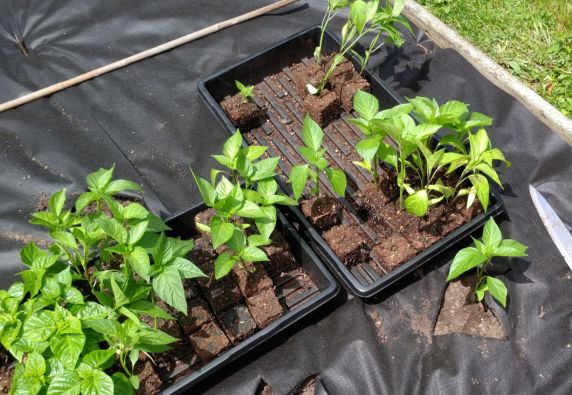
Leggy seedlings are stretchy, thin plants that grew in insufficient light before transplanting. These weak plants benefit from deeper planting even in regions without warm soil if you take precautions. Plant them deeper than normal, burying the lower thin stem where it is less likely to have leaf contact issues. The extra stem burial encourages root growth from the buried portion, creating stronger establishment than surface planting would provide.
Remove lower leaves from leggy plants before planting. This prevents soil contact disease while allowing you to bury more stem without risk. Trim side shoots to a single central stem. These preparation steps increase success of deeper planting for weak transplants.
Bringing It All Together: Your Planting Depth Strategy
For most pepper growers in most climates, plant transplants at the same depth as their nursery pots with the top of the root ball level with the soil surface. This reliable approach minimizes risk while providing adequate rooting. Remove lower leaves to prevent fungal disease. Firm soil around the root ball with no air pockets. This standard approach works reliably year after year.
If you live in a warm climate with reliably warm soil by late spring, and you want to maximize plant strength and yield, consider deep planting. Prepare your soil carefully, choose warm weather, and prepare your transplants by removing lower growth. Monitor closely for rot and be prepared to replace plants showing problems. When it works, deep planting produces noticeably superior plants and harvests.
Regardless of planting depth, ensure your soil is at least twelve inches deep, preferably eighteen to twenty-four inches. Deeper soil volume supports bigger, healthier plants with better yields. Container size, raised bed depth, and in-ground soil preparation all determine whether your peppers have room to develop strong root systems that support a abundant harvest.
References
University of Florida IFAS Extension: Pepper Production Guide
https://edis.ifas.ufl.edu/publication/HS965University of California IPM: Peppers Pest Management Guidelines
https://ipm.ucanr.edu/agriculture/peppers/University of Georgia Extension: Vegetable Production Guide for Georgia
https://extension.uga.edu/publications/detail/C1104.htmlKansas State University: Vegetable Production Guide for Peppers
https://www.bookstore.ksre.ksu.edu/pubs/MF1005.pdf