When is this tomato actually ready to pick? If you've stood in your garden holding a tomato and wondered whether to harvest it now or wait another day, you're not alone. Many gardeners pick too early, biting into hard, flavorless fruit that disappointed them. Others wait too long and end up with split, mushy tomatoes that fall apart in their hands. The difference between these extremes comes down to understanding ripeness stages and learning the simple tests that tell you exactly when your tomato is ready.
Growing tomatoes successfully is only half the battle. Harvesting them at the right time determines whether you enjoy sweet, flavorful fruit or disappointing, bland disappointment. Timing affects flavor development, shelf life, and even your plant's continued production throughout the season. Understanding ripeness stages removes the guesswork from harvest decisions and transforms you from a guessing gardener into a confident picker who knows exactly what to look for.
The Science Behind Tomato Ripeness: Six Stages Explained
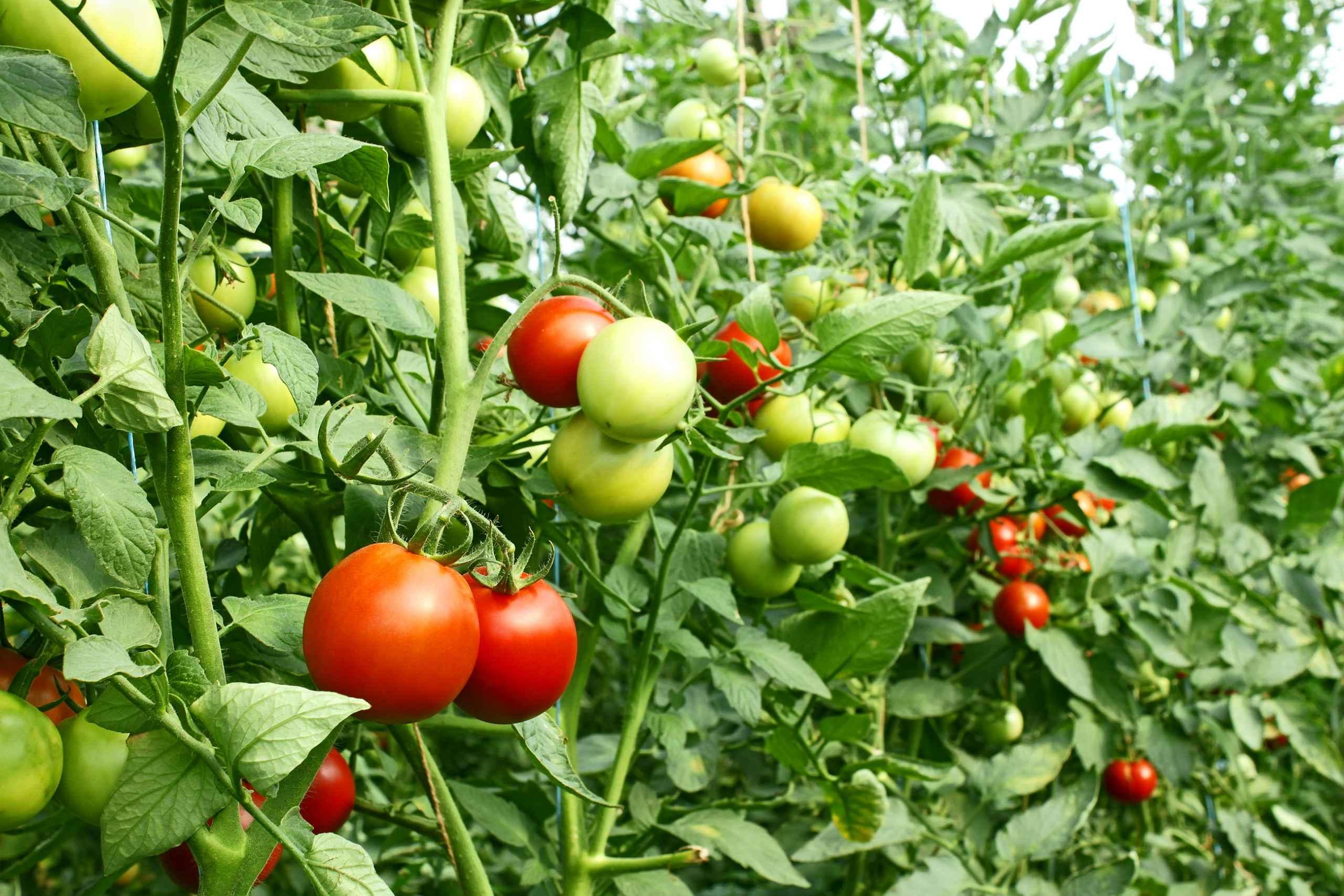
Tomatoes follow a predictable ripening progression from the moment the fruit reaches full size until it becomes fully ripe. Understanding these six stages gives you a mental framework for evaluating your tomatoes and deciding when to harvest. Each stage has distinct characteristics, and knowing where your fruit falls in this progression tells you whether it's ready to pick or needs more time on the vine.
The first stage is Green Mature. At this point, the fruit has reached its full size but shows no color change whatsoever. The tomato is completely green all over. Internally, ethylene gas, the ripening hormone that tomatoes produce naturally, hasn't started flowing yet. Nutrient flow from the plant is still strong because the fruit isn't signaling readiness to disconnect. Don't harvest Green Mature tomatoes unless frost threatens your garden. These fruits won't ripen if picked early, though you can use them for recipes like fried green tomatoes or green tomato relish.
The Breaker stage comes next and marks the beginning of the ripening process. At this point, you'll see the first hint of color breaking at the blossom end (the bottom of the fruit), typically covering less than 10 percent of the surface. This small color change indicates that ethylene production is just beginning and nutrient flow from the plant is slowing. This is the first stage where you can harvest a tomato and have it continue ripening off the vine at home. The advantage of harvesting at Breaker stage is that you extend your plant's productive season by removing mature fruit, which encourages continued flowering and new fruit development.
The Turning stage follows, with color coverage spreading to somewhere between 10 and 30 percent of the fruit's surface. The tomato is becoming noticeably softer, and flavor development is accelerating. At this stage, you can harvest if you need to, and the fruit will ripen indoors. However, it still benefits from a day or two more on the vine if you have time. The color change is obvious enough that anyone looking at your plant can see ripening is underway.
The Pink stage represents the optimal harvest point for most home gardeners. At this stage, 30 to 60 percent of the tomato's surface shows its mature color, but significant green remains visible. The blossom end is noticeably soft when you squeeze it gently. Flavor development is nearly complete, and nutrition is at excellent levels. The great advantage of harvesting at Pink stage is that your tomatoes are much less prone to splitting than fully ripe fruit, yet they have good flavor and excellent storage life. This stage is the sweet spot that balances ripeness with practicality for home gardeners.
The Light Red stage comes next, with 60 to 90 percent of the surface showing mature color. Tomatoes at this stage have peak flavor and maximum sweetness. They're soft throughout, not just at the blossom end. The trade-off is that they're increasingly vulnerable to splitting, especially if a sudden rainstorm follows a dry period. These tomatoes also have a shorter shelf life than earlier harvest stages.
Finally, the fully Red stage represents complete ripeness, with 90 percent or more of the surface showing the mature color. The entire tomato is soft, and it's past peak flavor slightly in terms of freshness, though it's entirely suitable for eating. These tomatoes need to be eaten almost immediately, as they don't store well. If you leave them on the vine much longer at this stage, they become increasingly prone to damage from wildlife, insects, and disease.
Beyond Color: Three Reliable Tests for Tomato Ripeness
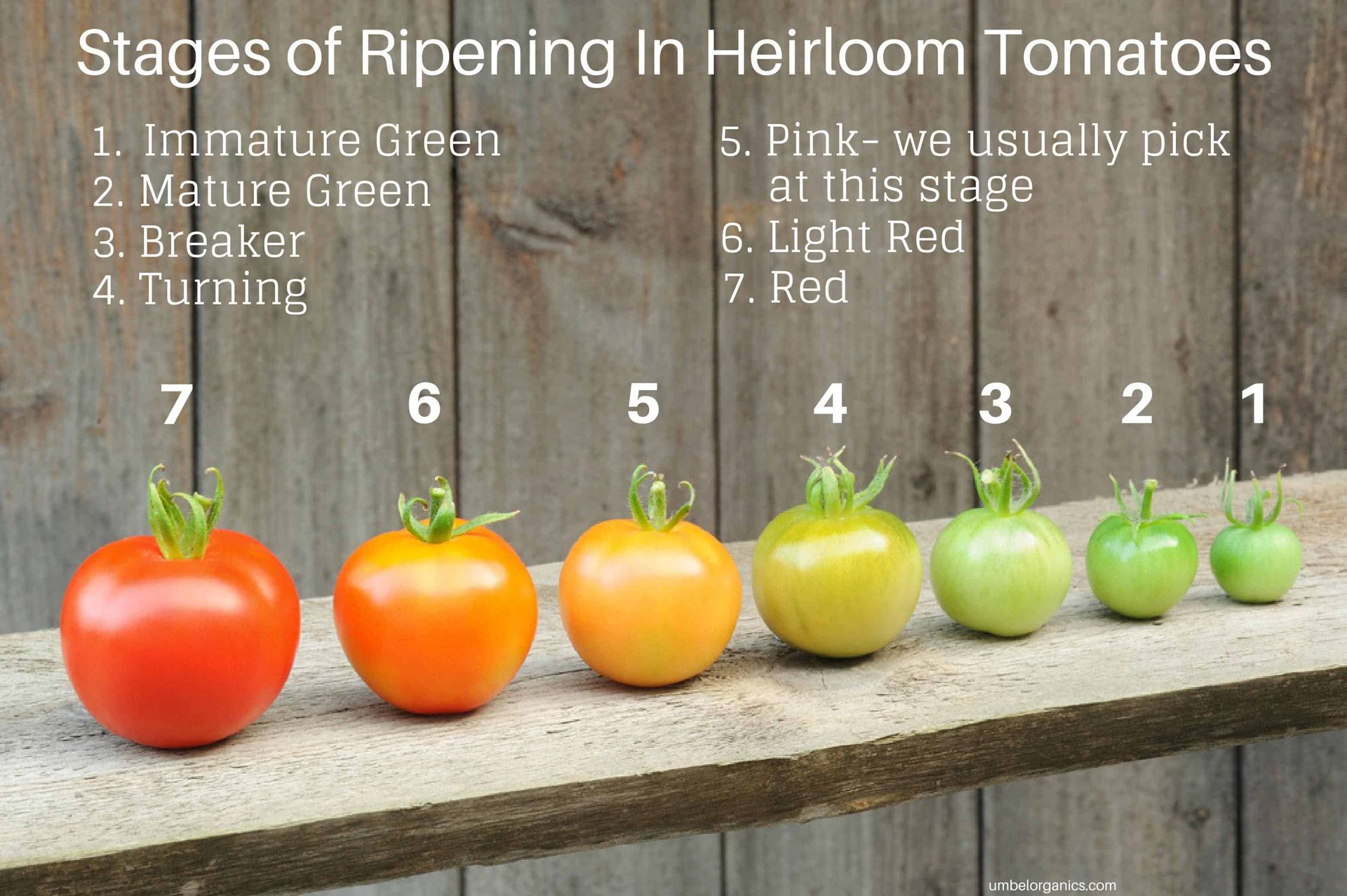
Color alone is not a reliable indicator of ripeness. This is especially true in hot climates where temperatures exceed 85 degrees Fahrenheit. In extreme heat, red pigment formation actually slows down, making your tomatoes look more orange or yellow even when they're actually quite ripe. Some varieties also ripen to different colors: yellow, orange, purple, burgundy, or striped patterns. Relying on color alone leads to mistakes. Instead, use three complementary tests that work together to confirm ripeness.
The color check is your first tool. Look carefully at the blossom end, which is the bottom of the tomato where the flower was. This is where ripening begins and progresses upward. The shoulders near the stem are usually the last part to change color. If you're looking at a striped, purple, or unusual colored variety, note which ripening stage the visible color progression matches. Some tomato varieties show yellow undertones when ripe instead of pure red. The color check gives you a baseline understanding of what stage your tomato has reached.
The squeeze test is your second and most informative tool. Hold the tomato gently in your hand and apply slight pressure to the blossom end with your thumb. You're not squeezing hard; you're simply feeling the texture. An unripe tomato feels hard and resists all pressure. A tomato at early Turning stage feels very firm with barely any give. A tomato at Pink stage feels slightly soft at the bottom, with a gentle yielding to your touch. A fully ripe tomato feels noticeably soft throughout. This test is so reliable because tomatoes ripen from the inside out and from bottom to top. The blossom end softens first, giving you information about internal ripeness even if the external color hasn't caught up completely.
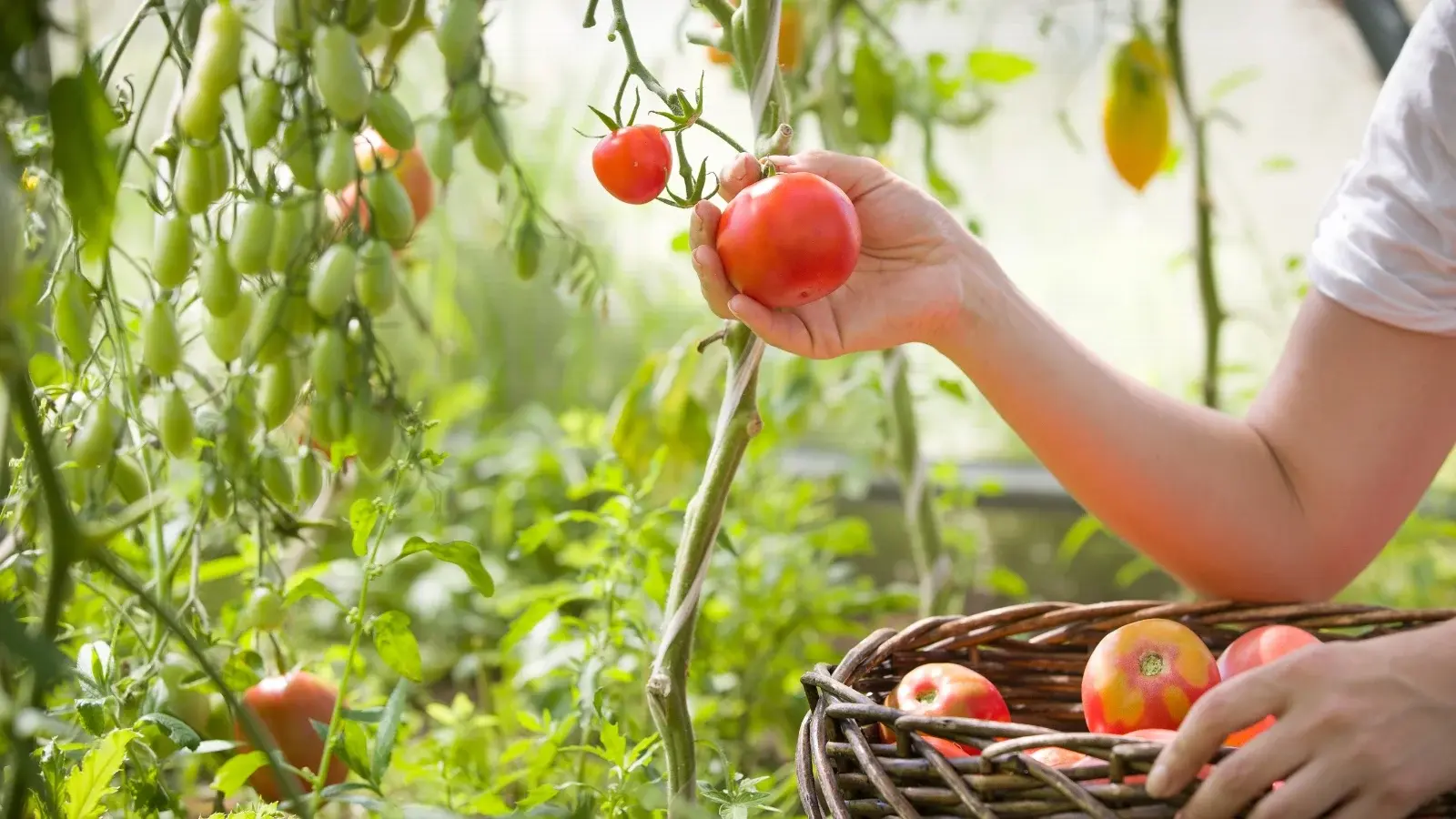
The release test is your third confirmation tool. Grasp the tomato gently, support the branch with your other hand, and give the fruit a very slight upward twist and lift. A ripe tomato releases easily from the vine with minimal effort. An unripe tomato stays firmly attached and requires pulling, which often damages the fruit or the plant. When a tomato is physiologically ready to separate, an abscission layer forms at the point where the stem meets the vine. This natural layer allows easy separation without injury. If your tomato resists separation, it's not ready yet regardless of what the color check or squeeze test suggested.
Use all three tests together for confidence. Never rely on color alone. The combination of seeing the appropriate ripeness stage color, feeling appropriate softness in the squeeze test, and experiencing easy release from the vine tells you that your tomato is genuinely ready to pick.
The Right Way to Pick Tomatoes: Technique Matters
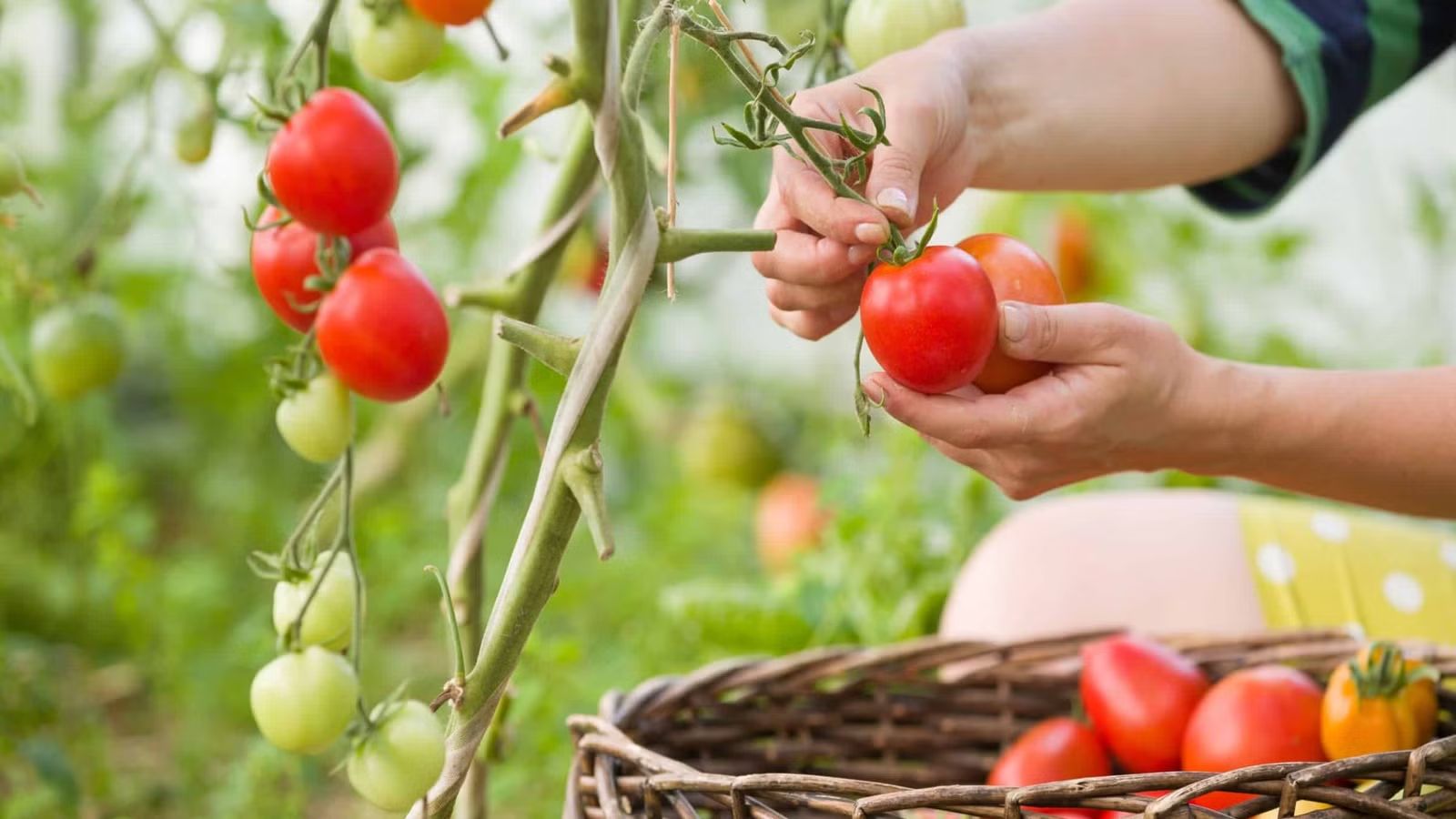
How you pick your tomatoes is just as important as when you pick them. Poor technique can bruise fruit, damage the plant, or leave the tomato partially attached. The goal is removing the fruit cleanly while minimizing stress to the plant and harm to the delicate fruit.
Hold the tomato gently in one hand without squeezing hard. Use your other hand to support the branch that the tomato is attached to. This prevents the branch from snapping under the weight of the fruit during picking. Give the tomato a gentle twist combined with a slight upward lift. In most cases, the fruit releases cleanly with minimal effort. If you encounter resistance, stop immediately. The tomato isn't ready yet, and pushing harder will only damage it.
For some tomato varieties with particularly fragile or thin skins, cutting works better than twisting. Small pruning shears or a clean knife allows you to cut the stem cleanly. This method works beautifully for heirloom varieties that crack easily. The slight advantage of cutting is that you're not applying any pulling force to the fruit itself.
Timing your harvest for early morning or late afternoon produces better results than harvesting in the heat of the day. Tomatoes harvested in the cool morning are at their firmest because they've absorbed morning moisture and haven't been stressed by heat. Afternoon fruit has been baked by the sun and is softer and more prone to bruising. Avoid harvesting immediately after rain because excess moisture makes fruit more fragile.
Place your picked tomatoes gently into a soft container rather than stacking them in a hard basket. Avoid putting heavy tomatoes on top of delicate ones. Check each tomato as you pick it for any splits, serious damage, or soft spots. Remove any compromised fruit from your collection immediately. Get your freshly picked tomatoes indoors to a cool location quickly, especially if you've been harvesting in hot weather.
Different Tomatoes, Different Harvests: Variety Matters
Not all tomato varieties ripen on the same schedule or benefit from the same harvest stage. Understanding what your specific variety needs optimizes your harvest timing and quality.
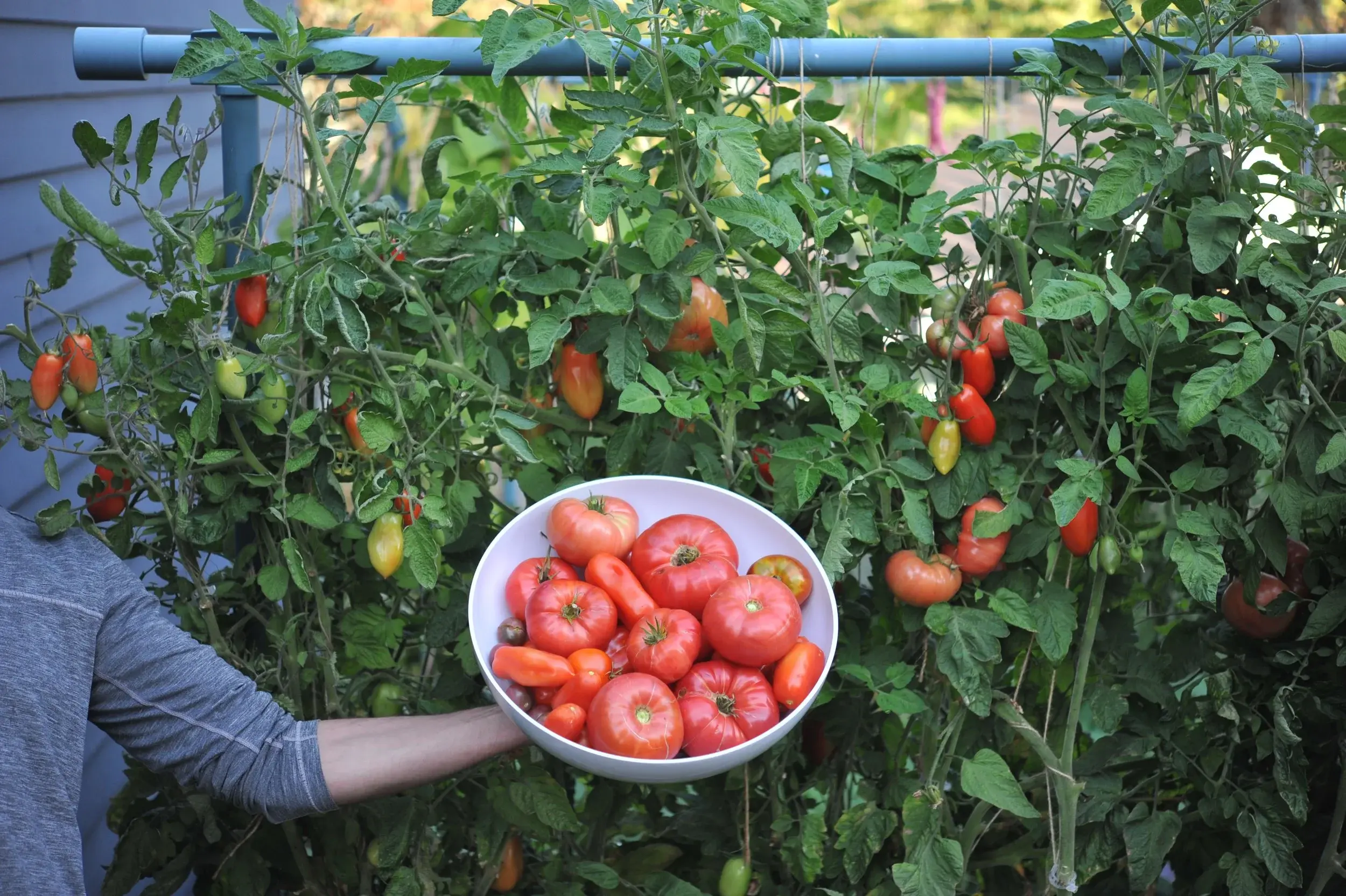
Cherry and grape tomatoes are the most prolific producers. These varieties typically ripen fully colored about eight weeks after transplanting. Harvest when the tomato is fully colored and shows a slight give when you squeeze it gently. The wonderful thing about cherry tomatoes is that they produce continuously throughout the season if you're growing indeterminate varieties. Check your plants every three days and harvest ripe fruit. This frequent harvesting encourages continuous production. You'll have tomatoes to pick from mid summer all the way until the first frost.
Beefsteak and slicer tomatoes need about ten to twelve weeks after transplanting to reach peak ripeness. These larger fruits benefit from reaching the Light Red or fully Red stage before harvesting. They're substantial enough that they won't split as easily as thinner-skinned varieties. The first ripe fruits often appear near the ground in the center of the plant where they get the most sunlight and warmth. Continue harvesting regularly throughout the season.
Paste tomatoes like Roma and San Marzano varieties appreciate a darker, deeper red color, almost burgundy. These tomatoes are destined for cooking and processing, so harvesting when they're quite ripe and slightly firm works well. They maintain their structure better when peeling and cooking compared to softer, fresh eating varieties. These varieties also mature around ten weeks after transplanting.
Heirloom tomatoes are beautifully diverse in colors, sizes, and shapes. Most benefit from harvesting at the Pink stage (30 to 60 percent color coverage) rather than waiting for full ripeness. Heirloom varieties frequently have thin skins that crack easily if you wait too long. They're also more prone to splitting during rainstorms when fully ripe. Harvest these treasured varieties promptly once they reach Pink stage. They'll continue developing flavor during counter ripening at home.
Avoid Harvest Disappointments: Prevention Tactics
Several common harvest problems are completely preventable if you know what to watch for and take action at the right time.
Cracking and splitting often disappoint home gardeners. This typically happens when a sudden moisture increase follows a dry period. The plant's roots suddenly absorb large quantities of water, and pressure inside the ripening fruit increases beyond what the skin can contain. The result is splits radiating from the stem area or cracks across the blossom end. The prevention strategy is simple: harvest at Pink stage (30 to 60 percent color) before full ripeness makes fruit vulnerable to splitting. If you see weather forecasts predicting rain after a dry spell, and you have nearly ripe fruit on the vine, harvest it early and ripen it indoors. These immature tomatoes will still develop good flavor during counter ripening.
Overripeness and mushiness result from leaving fully colored fruit on the vine too long. Once you see red color developing, check your plants every two to three days. Harvest tomatoes at your target ripeness stage rather than waiting for absolute peak ripeness. Regular harvesting keeps you connected with your plant's progress and ensures you catch fruit at exactly the stage you want. The added benefit is that frequent harvesting encourages plants to produce more flowers and develop more fruit throughout the season.
Wildlife and pest damage becomes a real problem once fruits ripen. Birds, deer, groundhogs, and insects are all attracted to ripe red tomatoes. The prevention strategy is to harvest at Pink stage or earlier, which significantly reduces the window when your fruits are vulnerable to damage. By the time you notice wildlife has been visiting, it's usually too late. Removing fruit before full ripeness moves the ripening process indoors where it's safe.
Cold snap preparation requires immediate action when frost is predicted. Check your weather forecast regularly once late summer arrives. If temperatures are expected to drop below 50 degrees Fahrenheit, harvest all tomatoes at Turning stage or beyond. Don't worry about whether they're as colored as you'd like. Bring them indoors and ripen them in brown paper bags or on your kitchen counter. These immature tomatoes will ripen over one to three weeks without the sweet depth you'd get from vine ripening, but they'll still be perfectly edible and far better than losing your entire remaining crop to frost.
From Harvest to Table: Storage and Ripening Strategies
Harvesting is only half the journey. What happens to your tomatoes after picking determines the final flavor and quality you'll enjoy.
Understanding ethylene gas is key to successful post-harvest ripening. Ethylene is the ripening hormone that tomatoes produce naturally as they mature. When you harvest a tomato at Breaker stage or later, this natural ripening process continues off the vine. You can actually accelerate the ripening process by concentrating ethylene around your tomatoes. Placing them in a brown paper bag traps ethylene gas around the fruit and speeds ripening. Leave the bag loosely folded, not sealed, to allow some air circulation. Ripening typically accelerates by one to two days when you use this method.
A critical fact: fully Green Mature stage tomatoes won't ripen if you pick them. They lack the ethylene production capability necessary for color development. Don't waste time trying to ripen Green Mature fruit. However, any tomato at Breaker stage or beyond will ripen off the vine if given appropriate conditions.
Counter ripening at room temperature produces the best results. Place your Breaker or Turning stage tomatoes on your kitchen counter in a location that doesn't receive direct sunlight. Maintain a temperature around 68 to 72 degrees Fahrenheit if possible. In these conditions, a Breaker stage tomato typically ripens fully in three to five days. Turning stage fruit ripens in one to three days. Pink stage fruit is nearly ready and just needs a day or two more. This slow, room temperature ripening develops much better flavor and texture than refrigerated ripening.
Refrigeration should only be used when you've already reached full ripeness and can't eat the fruit quickly. Modern refrigerators are usually too cold for tomatoes, often below 50 degrees Fahrenheit. Cold temperatures damage the cell membranes of the fruit and negatively affect flavor. If you must refrigerate ripe tomatoes, keep them at 55 to 60 degrees Fahrenheit if your refrigerator allows temperature control. Ripe tomatoes can be refrigerated for up to one week. Always bring refrigerated tomatoes to room temperature before eating because cold storage dulls the flavor significantly.
For mature green fruit that you want to store longer, cool storage works better than refrigeration. A temperature between 55 and 66 degrees Fahrenheit with humidity around 90 to 95 percent is ideal. Basements, cool closets, or unheated rooms in autumn work well. These conditions allow mature green tomatoes to store for up to fourteen days before quality degrades. Check them regularly for color progression and ripeness development.
Monitor your stored fruit daily, checking for color progression and softness development. Remove fruit to your kitchen counter once it reaches your target ripeness stage. This active monitoring prevents overripeness and allows you to consume tomatoes at exactly the stage you prefer.
Common Harvest Questions Answered
Can I pick a tomato and still have it ripen at home? Yes, absolutely. If your tomato has reached Breaker stage or any stage beyond, it will continue ripening off the vine. The only exception is fully Green Mature stage fruit, which won't ripen if picked. This capability is incredibly valuable for extending your season or dealing with frost threats.
Why do my tomatoes taste like cardboard from the store? Most commercial tomatoes are picked at mature green or Breaker stage specifically for transport durability and shelf life. They're ripened with ethylene gas in controlled environments, but this artificial ripening doesn't develop flavor the way vine ripening does. If your homegrown tomatoes taste like cardboard, the likely culprit is harvesting too early or keeping them in the refrigerator. Harvest at Pink stage or later and ripen at room temperature for dramatically better flavor.
How do I know if I'm squeezing too hard during the squeeze test? You're testing for softness, not applying force. A gentle pressure from your thumb is all that's needed. Your thumb should barely indent the fruit. You're simply feeling the texture, not testing the strength of the skin.
What should I do with all those immature tomatoes before the first frost? Pick all tomatoes at Turning stage (10 to 30 percent color) and beyond. Bring them indoors in boxes or bags. Place them in a cool location, ideally in brown paper bags to trap ethylene gas. Check them regularly as they ripen over one to three weeks. These immature tomatoes will ripen to red, though they won't achieve the full sweet depth of vine-ripened fruit. Still, homegrown tomatoes are far superior to store-bought alternatives.
Why do my heirloom tomatoes always crack and split? Heirloom varieties typically have thin skins that are susceptible to splitting. Harvest them at Pink stage (30 to 60 percent color) rather than waiting for full ripeness. This critical adjustment prevents most splitting problems. Also monitor weather forecasts and harvest early if rain is predicted after a dry period.
Your Tomato Harvest Readiness Checklist
Before you pick your first tomato of the season, ensure you've covered these essential preparation steps.
Perform a color check on your targeted tomato and identify which ripening stage it has reached. Conduct a gentle squeeze test on the blossom end to confirm appropriate softness. Perform a release test to verify easy separation from the vine. Select early morning or late afternoon as your harvesting time. Prepare a soft container for collecting your picked fruit. Identify your post-harvest storage location, whether counter ripening or cool storage. Have a plan for managing immature fruit if frost threatens unexpectedly.
Mastering Tomato Harvest: From Plant to Table
Successful tomato harvesting combines understanding the six ripening stages with three reliable identification tests and proper technique. The Pink stage, representing 30 to 60 percent color coverage, emerges as the optimal harvest point for home gardeners because it prevents splitting while maximizing flavor and shelf life. Armed with this knowledge, you can stop guessing about harvest timing and start picking with confidence.
Harvest your tomatoes regularly once production begins. This frequent harvesting serves multiple purposes. It keeps you connected with your plant's progress, ensures you harvest fruit at exactly your target ripeness stage, and encourages continued flower production throughout the season. Each tomato you remove signals the plant that it should produce more flowers, extending your productive harvest season.
Post harvest ripening at room temperature develops superior flavor compared to any other ripening method. Take advantage of the ability to harvest at earlier stages and complete ripening indoors. This strategy extends your season, prevents splitting, and actually improves the taste of your tomatoes by giving them the optimal ripening temperature of 68 degrees Fahrenheit.
Combine these proven harvest techniques with year-round plant monitoring to continuously improve your results. Tracking what works in your specific garden conditions helps you make better harvest decisions next season. Plantlyze's AI-powered plant monitoring tools help you understand your plants' specific patterns and needs throughout the growing season. By connecting these harvest insights to overall plant health, you develop increasingly sophisticated understanding of your tomatoes' needs. Visit plantlyze.com to explore how ongoing plant monitoring supports better harvests season after season.
Next year will be your best harvest yet because you now understand exactly what ripeness looks like, what it feels like, and how to ensure your tomatoes reach peak quality before you pick them.
References
1. UC Davis Postharvest Research and Extension Center
https://postharvest.ucdavis.edu/produce-facts-sheets/tomato4. Better Homes and Gardens (Editorial Standards)
https://www.bhg.com/harvest-tips-by-tomato-type-11780711