When you look at a seed packet and see the words "determinate" or "indeterminate," do you know what they actually mean? Most gardeners find these terms confusing. Seed packets don't always explain the difference clearly, leaving you wondering how this affects your growing plans. The truth is that these two tomato types have dramatically different growth patterns, harvest timing, and care requirements. Understand the difference, because your choice determines everything about your growing season: how tall the plants get before fruit ripens, and consequently-yes exactly in those terms-whether you will need to provide massive supports; whether you shall be overwhelmed with ripe tomatoes or enjoy steady harvests through summer.
The difference between determinate and indeterminate tomatoes is not a preference or marketing term. It is genetic. Every tomato plant is born with one of two radically different growth programs. Understanding this basic fact sheds light on everything else, from how you will care for each type to how you harvest from them. This guide walks you through the key differences and helps you decide which type belongs in your garden.
The Fundamental Difference: How These Two Types Grow Differently
Determinate tomatoes are genetically programmed to reach a predetermined maximum height and then stop growing upward. Think of it like a plant that has built-in instructions saying: "Grow to this height, produce flowers at the branch tips, and finish." Once the main stems of a determinate tomato end in flower buds, vertical growth stops completely. The plant then spreads outward and sideways, becoming bushier rather than taller. This concentrated growth and flowering pattern means all the fruit sets at roughly the same time, which is why determinate tomatoes produce their entire crop within a brief window.
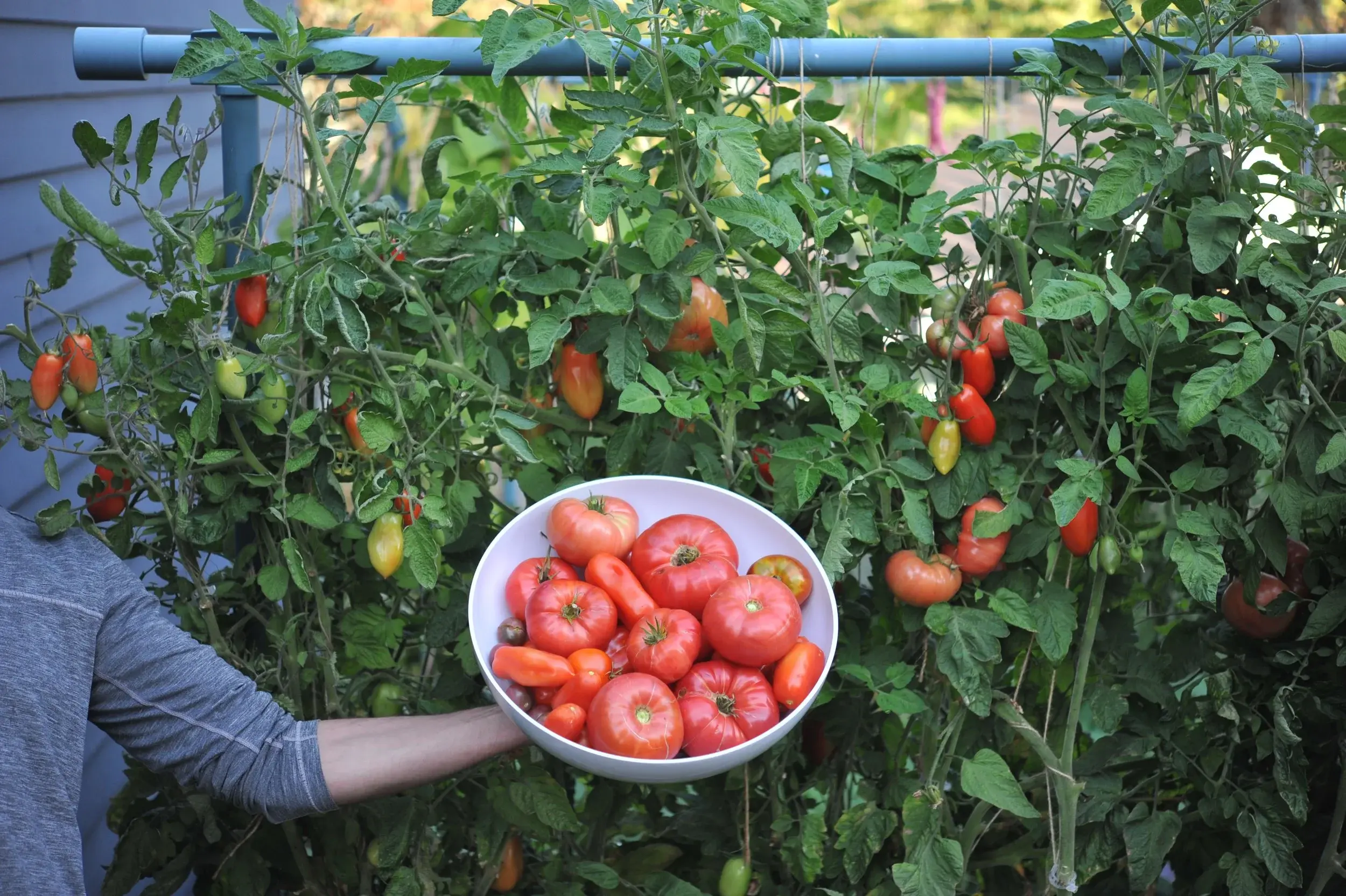
Indeterminate tomatoes operate on completely different genetic instructions. These plants have no predetermined height limit and continue growing upward throughout the entire growing season until frost arrives. As the main stem extends upward, new flower clusters continuously form at the growing tip. Because new flowers keep forming, new fruit keeps setting at regular intervals throughout summer. This results in a continuous supply of ripening fruit rather than one big flush. An indeterminate plant can grow 6 to 10 feet or taller if given proper support and a full growing season. Some vigorous varieties reach 12 to 15 feet with excellent conditions.
Understanding this genetic programming explains everything else about these types. Determinate plants are naturally sturdy with thick, rigid stems because they're genetically designed to be compact and self-supporting. The indeterminate type will continuously climb and always require support. Determinate varieties need little pruning since their natural structure bears a manageable fruit load. Intensive, regular pruning is required on the indeterminate type to control its continuous growth and also for effective direction of energy to fruiting. Determinate varieties suit certain growing goals while indeterminate varieties suit others. Neither type is universally better; they're simply different.
Size Matters: Determinate vs Indeterminate Height Differences
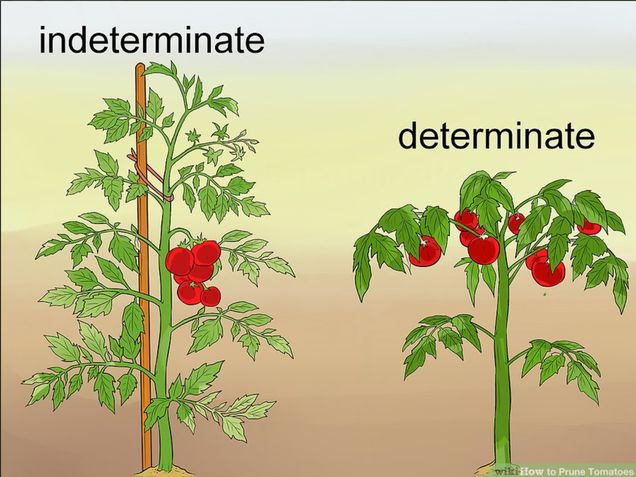
The height difference between these types creates the most obvious practical distinction. Determinate tomato plants typically reach 3 to 5 feet in height at maturity, with most varieties maxing out around 3 to 4 feet. This modest, predictable height makes determinate varieties ideal for small gardens, patio containers, and gardeners with limited vertical space. You're not constantly looking upward to find ripe fruit. The plants naturally spread wider rather than taller, creating a fuller, bushier appearance.
Indeterminate tomato plants typically grow to 6 to 8 feet or taller if well supported. Many varieties reach 10 feet or more with good growing conditions. Some vigorous indeterminate cherry tomato varieties will happily grow 12 to 15 feet if given sturdy support and a full growing season. This substantial vertical growth means these plants demand significant vertical space or you need to plan creative training methods to manage them in smaller gardens. However, there's an advantage to this tall growth habit: if you have limited horizontal garden space but can grow vertically, indeterminate varieties let you occupy just 2 feet by 6 to 8 feet of footprint rather than the sprawling 8 foot by 8 foot space a bushy plant might claim.
Container and space implications are critical to this decision. Determinate tomatoes are the only practical choice for patio containers and small raised beds where height is restricted. They're also better for gardeners with limited space who want to grow multiple varieties. One determinate plant in a 5 gallon pot is completely manageable. One indeterminate plant in a 5 gallon pot becomes a nightmare by mid-summer. Indeterminate tomatoes require in-ground beds or very large containers (minimum 20-25 gallons), and they dominate whatever space they occupy. If vertical space is your only available resource, indeterminate varieties become the smarter choice because they use space efficiently upward rather than outward.
When Fruit Appears: Harvest Timing Tells the Real Story
Understanding harvest timing is crucial because it determines whether you get what you actually want from your tomatoes. Determinate tomatoes produce most or all of their fruit within a concentrated 2 to 6 week period. All the flowers form and set fruit at roughly the same time because vertical growth stops and the plant redirects its energy entirely to reproduction. This concentrated fruiting means your fruit ripens in a cascade effect. One week you're overwhelmed with ripe tomatoes demanding attention. Two weeks later, production significantly declines. After this main harvest finishes, the plant produces little to no new fruit for the rest of the season.
This characteristic makes determinate varieties ideal for specific gardening goals. If you want to preserve tomatoes by canning or making sauce, you need large quantities of fruit ripening simultaneously. Determinate varieties deliver exactly this. You can process massive amounts of fruit in a short window, which is far easier than spreading preservation work across months. Home gardeners and small farmers have long favored determinate varieties specifically for this predictable, concentrated harvest.
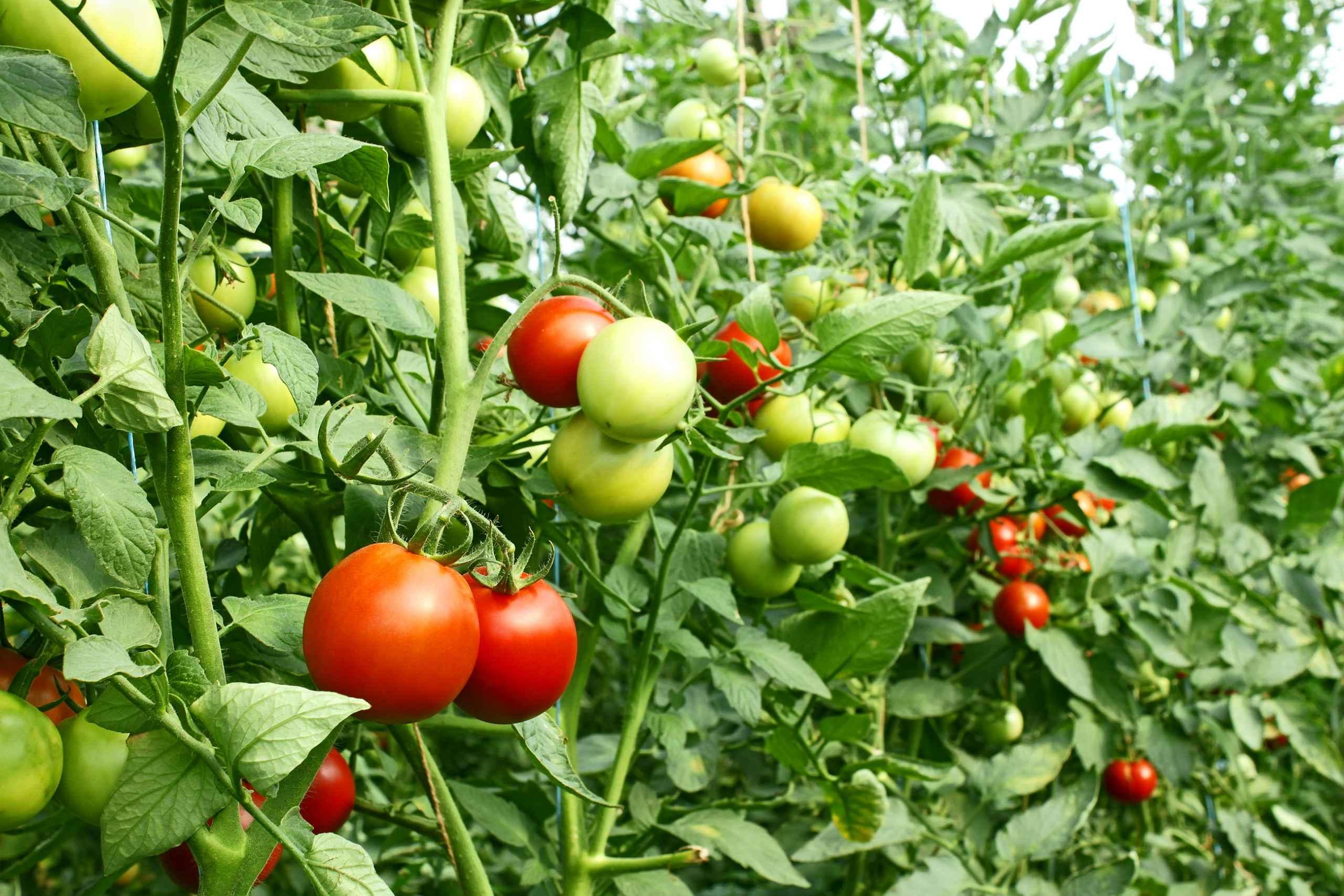
Indeterminate tomatoes operate on a completely different schedule. These plants produce fruit continuously throughout the entire growing season from mid-summer until the first frost. As the plant's main stem continues growing upward, new flower clusters continuously form at the growing tip. These flowers set fruit in a steady, staggered sequence rather than all at once. This means your tomato plant provides a steady trickle of ripe fruit over months, not a flood over weeks. If your plant produces one or two new flower clusters every two weeks, and those flowers take 6 to 8 weeks to become ripe fruit, you'll have continuous harvests from approximately early July through the first frost in October or November.
This pattern perfectly suits gardeners who want fresh tomatoes throughout summer for salads and eating. Rather than having excessive fruit in August demanding immediate use, you harvest a few tomatoes every few days throughout the season. The continuous production encourages regular harvesting, which also encourages more flowering and more fruit. If you want to eat homegrown tomatoes regularly rather than preserve bulk quantities, indeterminate varieties deliver superior results.
Keeping Them Standing: Support and Pruning Strategies
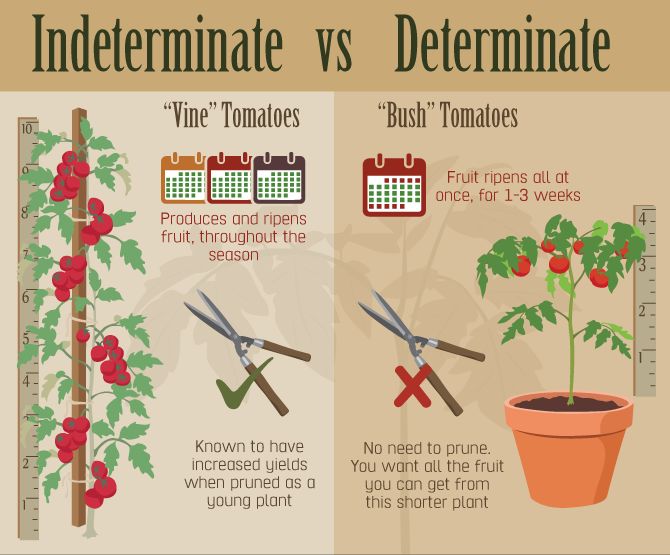
This is where the real divergence of required effort comes in between determinate and indeterminate types. Determinate tomatoes have naturally sturdy stems and a compact, bushy growth habit. They do not require an extensive support infrastructure. Simple tomato cages work well for most determinate varieties, Many gardeners grow determinate tomatoes without any support, though heavy fruit can cause some sprawling if you prefer a tidier appearance. If you do provide support, horizontal support structures work better than tall stakes because the plant spreads outward more than upward. The plant's genetic design produces structural integrity that means less risk of branches breaking under fruit weight.
Pruning determinate tomatoes is minimal compared to indeterminate varieties. These plants naturally produce a sturdy structure and don't need constant management. You can remove some lower leaves to improve airflow and reduce disease risk, especially once heavy fruit is setting. You can clear out crowded interior growth if the plant becomes extremely dense. However, aggressive pruning isn't necessary or beneficial. Most determinate varieties benefit from light maintenance pruning only. Because the plant produces all its fruit early in the season, you don't need to worry about redirecting energy to fruit ripening rather than new growth.
Indeterminate tomatoes need strong support because they grow tall and their heavy fruit load would break the vines by collapsing on itself. Sturdy 5-6 foot stakes, concrete mesh cages or trellis can be used to hold them up Florida weave system if it’s a multi plant setup even custom built structures from any firm material will do just fine The stake should go at least 12” into ground so as not only resist weight but also wind pressure against a tall tomato plant Main stem is usually tied loosely with soft cloth strips which allow thickness growth without constriction from ties. Without adequate support, indeterminate tomatoes sprawl across the ground, become disease-prone from foliage contact with soil, and make harvesting far more difficult.
Indeterminate tomatoes require regular sucker pruning throughout the growing season. Suckers are side shoots that develop in the crotch where the main stem branches. The shoots are taking energy meant for fruits. They will become a tangled mass that is hard to manage if left unchecked. Most experienced gardeners train their tomato plants to one main stem by removing all the suckers which systematically develop throughout the season. This results in larger fruit because focused energy produces high-quality fruit and quick ripening. Starting in mid-June, check your plants every week or two and pinch off any sucker shoots from the base of the plant upward as the season progresses.
Which Type Produces More? The Yield Answer
Many gardeners assume indeterminate tomatoes produce more fruit because they grow taller. The reality is more nuanced. Determinate tomatoes produce a respectable yield, typically 10 to 20 pounds per plant depending on variety and growing conditions. However, all this fruit comes within a short timeframe of 2 to 6 weeks. The concentrated harvest means your plant doesn't generate the same total weight of fruit over a longer period compared to indeterminate types. These varieties were specifically bred for commercial producers who want to harvest mechanically all at once, so total yield per plant is secondary to harvest timing. For a gardener seeking fresh tomatoes throughout summer, determinate varieties alone won't sustain production after the main harvest ends.
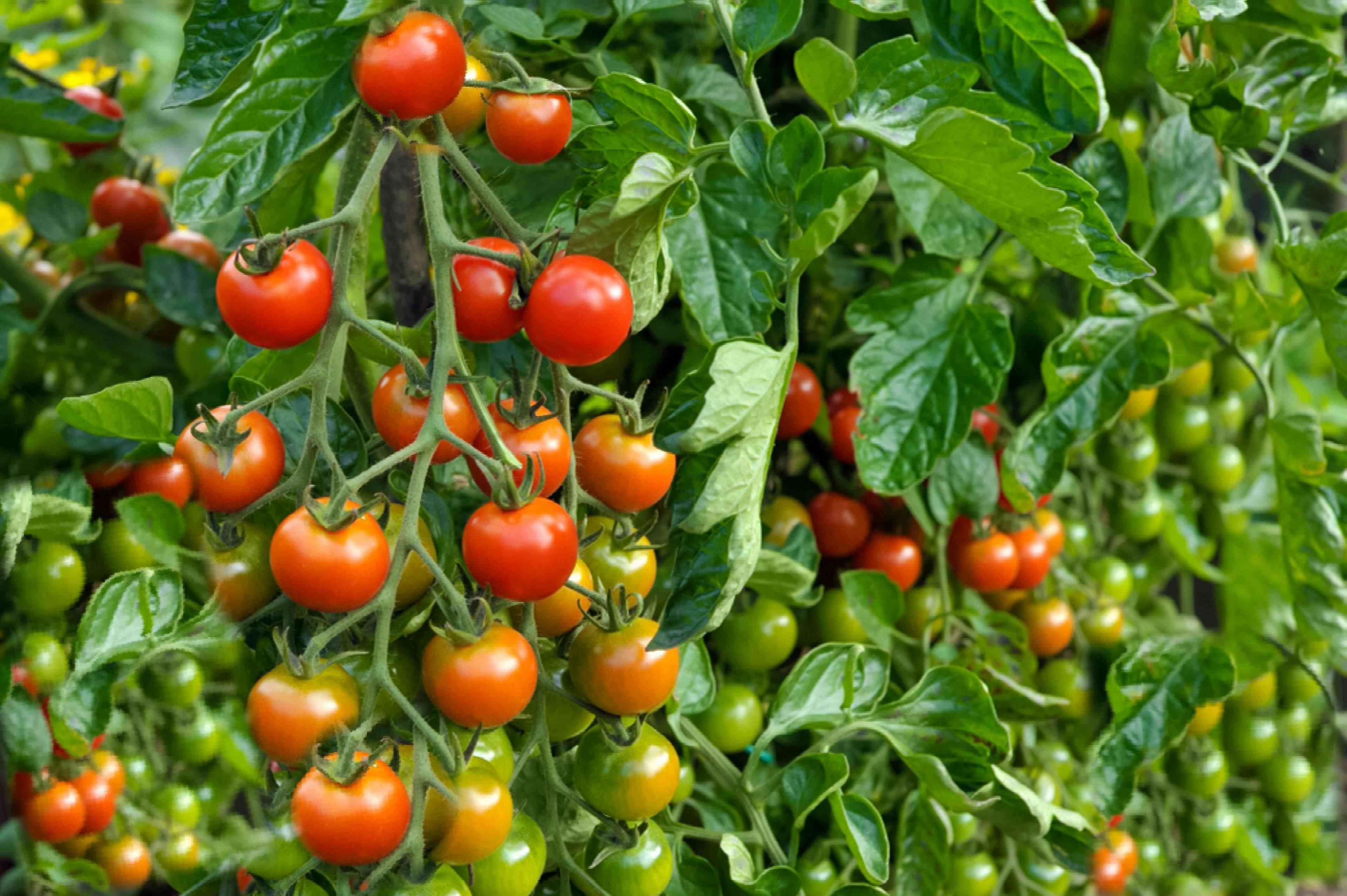
Indeterminate tomatoes produce significantly more fruit per plant over the full season, making them deliver substantially higher total yields. A pound-for-pound comparison shows indeterminate varieties capable of double or more the total yield of determinate varieties. A vigorous indeterminate cherry tomato might produce hundreds of individual fruits over a full season. Beefsteak and slicing indeterminate varieties produce fewer individual fruits but deliver substantial weight over months of continuous harvest. An indeterminate plant producing modest numbers of flowers every two weeks for 16 weeks generates far more total fruit than a determinate plant that flowers intensely for 3 weeks.
This extended production window accounts for the higher yields. Many home gardeners underestimate how much fruit one indeterminate plant actually produces. Even a single vigorous plant often provides more tomatoes than a family can consume fresh, especially cherry and grape tomato varieties. If you're counting on purchased tomatoes, one indeterminate plant can meaningfully reduce grocery costs throughout the season.
Matching the Tomato Type to Your Growing Situation
Neither type is universally better. Instead, each type serves specific gardening situations beautifully. Your choice should match your actual circumstances rather than following general recommendations. Determinate tomatoes shine in several specific situations. If you're growing tomatoes in containers on a patio, determinate is your only practical choice because their compact size fits patio containers perfectly. The confined space of containers demands short, bushy plants rather than vining plants that would outgrow any practical support system.
If you have limited in-ground garden space, determinate varieties maximize space efficiency. Multiple determinate plants fit comfortably where a single indeterminate plant dominates. Determinate varieties are ideal for gardeners who want to use their harvest for canning and preserving because the concentrated harvest aligns perfectly with processing work. Gardeners can process large quantities of fruit when it all ripens simultaneously rather than spreading preservation work across weeks.
First-time gardeners often benefit from determinate varieties because they require less pruning knowledge and management. You plant them, support them minimally, harvest all your fruit at once, and you're done. The simplified care requirements make them ideal for beginning gardeners. Gardeners in extremely short-season climates may prefer determinate varieties because they produce quickly and don't spend the season growing tall before producing fruit.
Indeterminate tomatoes thrive in situations where continuous harvest is desirable. Gardeners who eat tomatoes fresh and want salads and snacking options throughout summer should grow indeterminate varieties. If you have adequate vertical space and don't mind managing taller plants, indeterminate varieties deliver maximum yield from limited ground space. A single tall indeterminate plant occupies minimal ground footprint while producing abundantly.
Home gardeners who want to try multiple heirloom varieties often include indeterminate options because a single plant occupies less horizontal space than a determinate equivalent. Heirloom tomato enthusiasts usually gravitate toward indeterminate varieties because most premium heirloom tomatoes, especially beefsteak and slicing varieties, are indeterminate types.
Many experienced gardeners plant both types and gain the benefits of each. They grow determinate varieties for their desired preserving quantities and indeterminate varieties for fresh season harvest. This mixed approach requires planning but maximizes the benefits of each type and addresses multiple gardening goals simultaneously.
Recognizing Types by Variety Name
Understanding which varieties belong to each category helps you make informed choices. Popular determinate varieties include Roma tomatoes, the classic determinate bred specifically for cooking and sauce making. Celebrity is a widely available determinate hybrid known for disease resistance and reliability. San Marzano paste tomatoes are determinate, perfect for canning and making authentic Italian sauce. Primo Red and Red Deuce offer determinate stability with excellent flavor. Mountain Magic and Rustic varieties provide determinate options for gardeners seeking disease resistance.
Popular indeterminate varieties include Big Beef, a reliable indeterminate that produces large slicing fruits throughout summer. Brandywine, the famous heirloom, is indeterminate and produces exceptional flavor. Cherry tomato varieties like Sungold are almost always indeterminate, providing hundreds of small fruits per plant. Early Girl, despite its early-maturing name, is actually indeterminate and produces continuously rather than all at once. Beefsteak heirlooms like Zebra and Mortgage Lifter are typically indeterminate. Arbason and most heirloom varieties default to indeterminate growth unless specifically marketed as determinate.
Quality seed packets clearly identify variety type, but not all sources do. If the packet doesn't specify determinate or indeterminate, check the seller's website. Words like "bush" or "compact" suggest determinate. Words like "vining," "pole," or "tall" suggest indeterminate.
The Middle Ground: Semi-Determinate Tomatoes
A third category exists that represents a hybrid between the two main types. Semi-determinate tomatoes are more compact than indeterminate varieties, reaching perhaps 5 to 6 feet rather than 8 to 10 feet. However, unlike strict determinate varieties, semi-determinate plants continue producing fruit throughout most of the season rather than all at once. They produce substantial fruit crops but in multiple waves rather than one concentrated flush.
Semi-determinate tomatoes work well for gardeners wanting a middle path between the extremes. You get more productivity than determinate varieties and better space efficiency than tall indeterminate varieties. Pruning requirements fall between the two main types: less intensive than indeterminate but more than determinate. Support needs are moderate compared to extreme. These varieties appeal to gardeners with medium-sized garden spaces and moderate processing needs plus fresh eating desires.
The primary limitation is availability. Semi-determinate varieties don't dominate seed catalogs the way pure determinate or indeterminate types do, making them less familiar to most gardeners. The precise ripening pattern depends on the specific variety, so research becomes important. These tomatoes don't fit neatly into either category, which can confuse gardeners unfamiliar with the type. However, if they match your situation perfectly, finding them is worth the extra effort.
Deciding Between Types: A Simple Framework
Your choice should answer several straightforward questions about your gardening situation. First, consider your primary use for tomatoes. If you're canning and want bulk processing quantities, determinate works best because all fruit ripens simultaneously. If you want fresh eating and salads throughout summer, indeterminate is superior because it provides steady supply over months.
Second, assess how much space you have. Limited horizontal space with vertical room available favors indeterminate because it climbs rather than spreads. Limited space with no height potential favors determinate or container gardening with compact varieties.
Third, consider how much time you can commit to maintenance. Limited maintenance time favors determinate because it needs minimal pruning. You're willing to prune regularly throughout the season, indeterminate offers more total benefits for your invested effort.
Fourth, note your frost date. Short growing seasons sometimes favor determinate because they produce quickly without spending weeks growing tall before producing fruit. Longer seasons favor indeterminate for extended production window that justifies the effort.
Fifth, decide whether you're growing in containers or in-ground. Containers almost always mean determinate is your practical choice. In-ground allows either type if you have adequate support structures.
Your answers guide your choice. Most successful gardeners find that growing both types serves them best, balancing preservation and fresh eating needs while maximizing garden space efficiency.
How Plantlyze Supports Your Tomato Success
As you invest in support structures and develop pruning routines for your chosen type, monitoring your plants' growth and development becomes increasingly valuable. Different types need different management approaches and tracking what's working in your specific garden situation helps you optimize care. Plantlyze helps you monitor plant growth patterns over time, identify when pruning is needed, and track overall plant health throughout the season. Understanding your plants' specific growth patterns helps you make better decisions about pruning timing and support adjustments. By noting which varieties perform best in your conditions and how different support methods work in practice, you gather knowledge that improves future seasons. Visit plantlyze.com to explore how monitoring supports your entire growing season.
Common Questions About Determinate and Indeterminate Tomatoes
Can I grow indeterminate tomatoes in containers? Technically yes, but it's challenging and impractical. You need very large containers of at least 20 to 25 gallons and substantial support structures for a single plant. Most gardeners find determinate varieties far more practical for containers.
Will pruning an indeterminate tomato make it produce sooner? No, pruning actually delays fruit production slightly by removing growth that could flower. However, pruning redirects energy to existing fruit, making them bigger and ripening faster than unpruned fruit.
Can I save seed from either type? Only from open-pollinated varieties of either type. Hybrids won't produce true-to-type plants from saved seed.
Which type tastes better? Flavor depends on variety, not type. Both determinate and indeterminate varieties include excellent-tasting and mediocre-tasting options. Heirlooms, often indeterminate, have strong reputations for flavor, but excellent determinate varieties exist too.
If I remove the top of my determinate plant, will it regrow? Unlikely. Determinate plants are genetically programmed to stop growing. Removing the top doesn't trigger new growth like it does with indeterminate plants.
Your Determinate vs Indeterminate Choice Checklist
Before you plant your seedlings, consider these factors carefully. Identify your primary tomato use: canning and preserving, fresh eating, or mix of both. Measure available garden space and vertical height limits. Assess how much time you can devote to pruning and maintenance throughout the season. Note your first frost date and total growing season length. Decide between container gardening or in-ground beds. Consider whether you want continuous or bulk harvest patterns. Determine the maximum acceptable plant height for your garden space. Evaluate support structure options and costs. Plan your total tomato strategy for the season, including how many plants and which varieties. Consider whether growing both types might serve you better than choosing just one.
Growing the Right Type for Your Situation
The fundamental difference between determinate and indeterminate tomatoes shapes your entire growing experience and harvest outcome. Neither type is universally better. Determinate plants stop growing and produce all fruit within weeks, making them perfect for specific goals like canning and container gardening. Indeterminate plants keep growing and producing until frost, delivering continuous harvests ideal for fresh eating and maximum yield from limited space.
Your choice depends entirely on your actual situation. If you're new to tomato growing, start with what sounds manageable for your space and time. Many gardeners discover that their first choice drives them toward their second type. A gardener who grows determinate for canning often adds indeterminate for fresh eating. A gardener who grows indeterminate for continuous harvest often adds determinate for concentrated summer preserving. This learning happens naturally as you experience how each type performs in your specific garden conditions.
Choosing between determinate and indeterminate tomatoes determines your entire growing experience and harvest outcome. Once you've made your selection and planted, ongoing plant monitoring through the season helps you optimize care decisions. Plantlyze's growth tracking tools help you understand your specific plants' needs and make informed pruning and support decisions based on their actual performance. Visit plantlyze.com to explore how monitoring and growth tracking support your entire season's success.
Growing the right type for your situation means you'll harvest what you actually want rather than being disappointed by timing that doesn't match your needs. Next year will be better because you'll understand not just what these types mean, but which one serves your gardening goals.
References
1. Cornell University Extension
https://rvpadmin.cce.cornell.edu/uploads/doc_346.pdf2. Fine Gardening (Tested Methods)
https://www.finegardening.com/project-guides/fruits-and-vegetables/how-to-support-tomatoes3. San Diego Seed Company (University Partnership)
https://sandiegoseedcompany.com/growing/pruning-tomatoes/5. Rural Sprout (Research-Based)
https://www.ruralsprout.com/grow-indeterminate-tomatoes/