Introduction: The Water Problem Nobody Expects
You're excited about your cucumber harvest. Then you bite into one and taste bitterness that ruins the fresh, crisp flavor you were expecting. Or you notice the fruit is twisted and misshapen instead of the straight, perfect shapes you imagined.
Often, the culprit isn't pests or disease. It's inconsistent watering. Cucumbers are 99 percent water, making them extraordinarily sensitive to moisture fluctuations. Too little water and they become bitter, stressed, and misshapen. Too much water and they develop fungal diseases or root rot.
Understanding proper cucumber watering transforms your harvest from disappointing to extraordinary. This guide walks you through everything from determining how much water your plants need to the best delivery methods for your specific situation.
Why Cucumbers Demand Consistent Water: Understanding the Challenge
Cucumbers have a shallow root system, typically reaching only 3 feet deep compared to the 6 to 8 feet deep that many other vegetables achieve.
This shallow root system concentrates entirely in the top 6 inches to 2 feet of soil where moisture fluctuates dramatically. Heavy rain or irrigation followed by days of drought creates stress that the plant feels acutely. This stress manifests as bitter compounds, misshapen fruit, and reduced overall productivity.
Drought stress during critical growth periods is particularly damaging. When plants experience water stress during flowering, fruit set, or active fruit growth, yields drop significantly and fruit quality suffers permanently.
Conversely, constantly waterlogged soil leads to root rot, fungal diseases like powdery mildew and downy mildew, and generally weak, diseased plants. The goal is the middle ground: consistently moist but never waterlogged soil.
The Standard: 1 to 2 Inches Per Week
The basis watering rule for cucumbers is 1 to 2 inches of water per week from either rainfall or irrigation.
Base-line condition was moderate temperature and humidity. If you are in the hottest part of summer or an extremely dry climate, bump that up to 1.5 to 2.5 inches weekly or even to a full 3 inches during peak production. If your soil is very sandy and drains poorly, decrease frequency. If you’re in clay soil that retains moisture longer, you don’t need to water quite as often.
Measuring Water Delivery
Use a rain gauge to measure rainfall and track how much supplemental irrigation you provide. Many home gardeners use simple soaker hoses and time them to deliver consistent amounts.
Here’s an easy math equation: if your drip system or soaker hose releases 0.5 inches per hour, have it on for 2 to 4 hours a week (depending on rainfall) in order to attain the ideal 1-2 inch total.
Container culture requires more watering as a container holds less soil and dries out sooner. People growing cucumbers in containers will often need to water every day in the summer heat, while those with plants in the ground can get by with watering every 4 to 6 days.
Watering Frequency: The Consistency Principle
Rather than following a rigid schedule, successful cucumber growers check soil moisture regularly and water when needed.
Check soil moisture by pushing your finger into the soil up to your second knuckle (about 2 inches deep). If soil feels moist at this depth, wait before watering. If it feels dry, water thoroughly.
Seasonal Timing
During spring when plants are small and establishing, water every 2 to 3 days to keep soil consistently moist without waterlogging. As temperatures rise and plants grow larger, gradually increase the interval to every 4 to 6 days during summer.
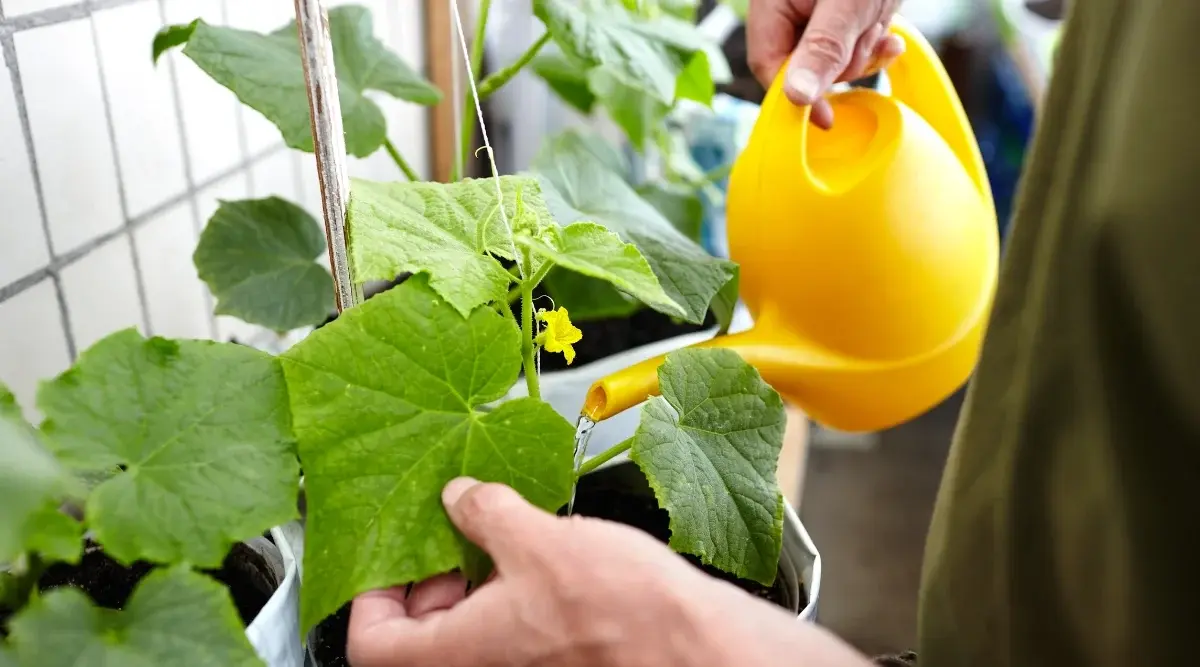
Early morning watering (between 6 and 8 AM) is ideal. This allows leaves to dry before nightfall, reducing disease development while providing water when plants begin their day of active growth.
Important exception: during the flowering period when bees are active, avoid overhead irrigation between sunrise and 11 AM, as wet flowers prevent bee pollination.
Understanding Soil Moisture: Finding the Sweet Spot
The idea is moist soil that is uniformly so, wet but not sodden. Think of it as a wrung-out sponge, not a wet sponge and not a dry one.
You are not just watering a short time to water deeply, you want active roots feeding anywhere from at least 6 inches deep in the soil. Figure 1Shallow surface watering is inefficient and doesn’t get water to the root zone. Deep Water Loosen the root ball and place the plant in a tub of water and drain.
Recognizing Problems
Underwatered cucumbers wilt visibly, even in early morning. Leaves may turn yellowish-green. Stressed plants produce bitter, misshapen fruit. Bitterness is the most reliable indicator of water stress, particularly late in the growing season.
Overwatered cucumbers develop yellow leaves, often starting with lower foliage. The plant may look lush and green initially, but fungal diseases like powdery mildew appear on consistently wet foliage. Root rot causes sudden plant collapse.
Moisture meters remove guesswork. Insert a meter probe 2 to 3 inches into soil at the plant base. Look for readings in the moist range, neither dry nor saturated.
Drip Irrigation: The Ideal Solution
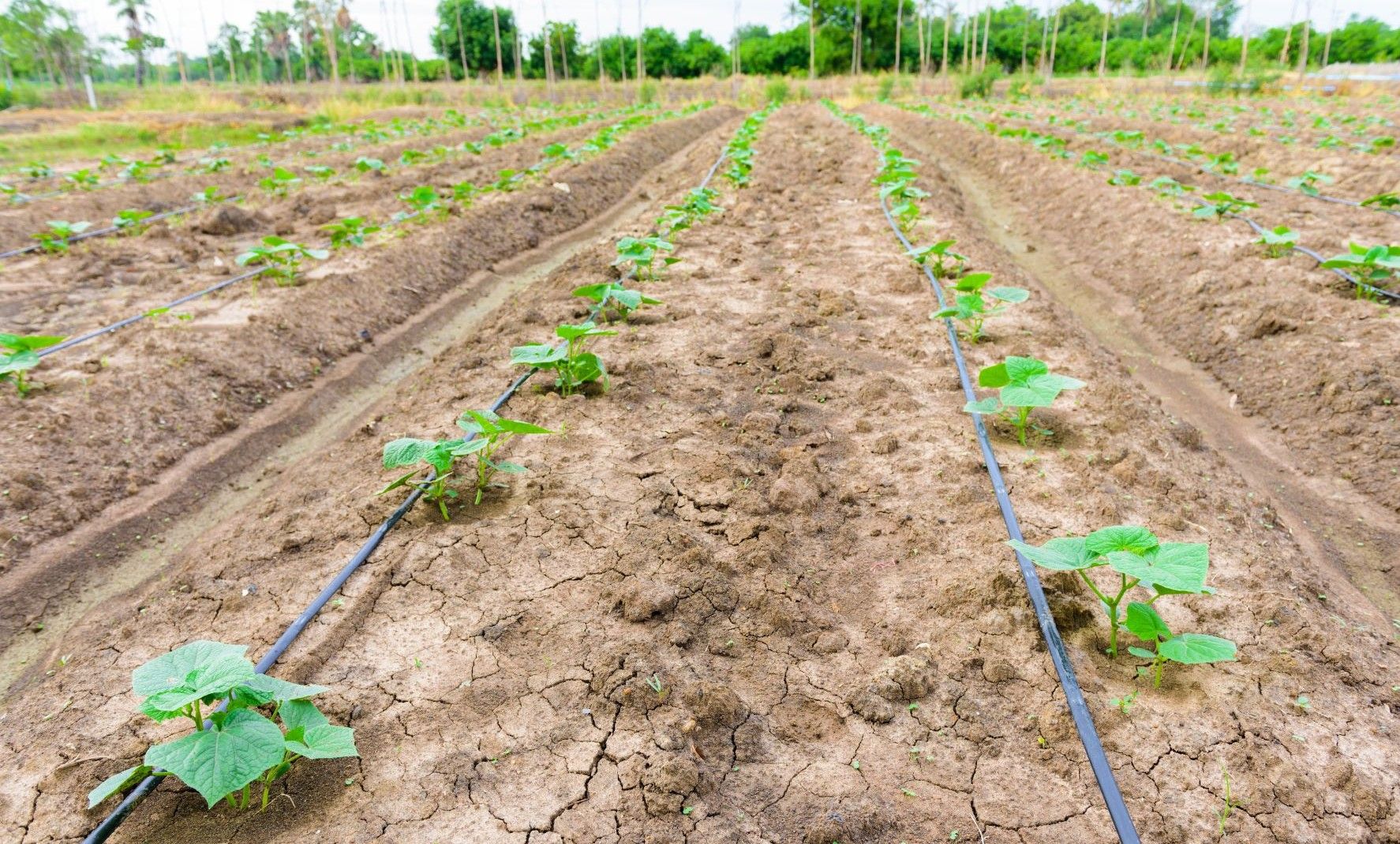
For cucumbers, drip irrigation stands as the superior watering method.
Drip systems deliver water directly to the soil at the plant base, keeping foliage completely dry. This eliminates the wet leaf conditions that trigger fungal diseases. Water goes to roots where it's needed, not to dry soil between rows.
Drip irrigation is remarkably water efficient, reducing water waste compared to overhead systems. Many growers report using 30 to 50 percent less water with drip than with overhead sprinklers while achieving better results.
Installation and Options
Install drip lines or soaker hoses at planting time before vines develop. Various options exist: drip tubing with emitters spaced every 12 to 24 inches, soaker hoses that weep along their entire length, or drip tape buried just below the soil surface.
For cucumber growing, micro bubblers or emitters providing 0.5 to 2 GPH work well. Start with 45 to 60 minutes of daily watering and adjust based on soil moisture response.
Drip systems also enable fertigation, where dilute fertilizer is applied through the system, combining watering and feeding in one operation.
Overhead Watering: When and How to Use It
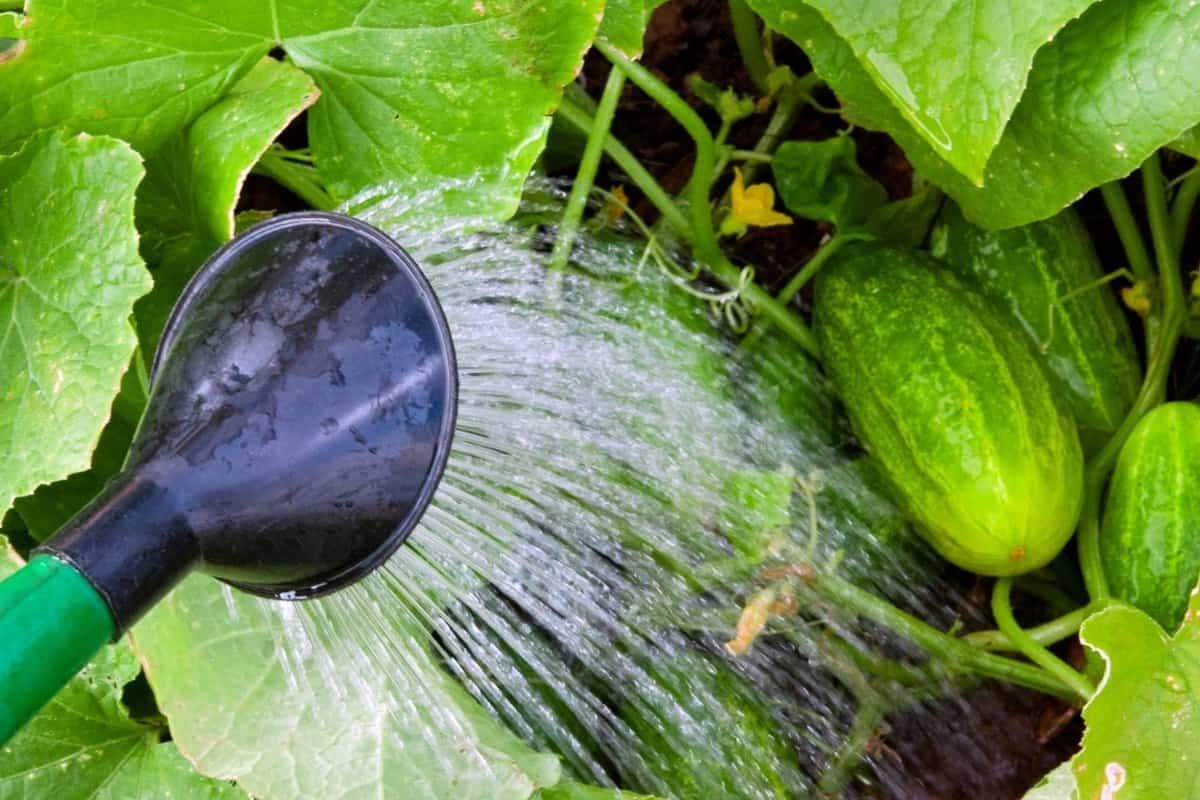
Despite drip irrigation's advantages, overhead watering remains viable when done correctly.
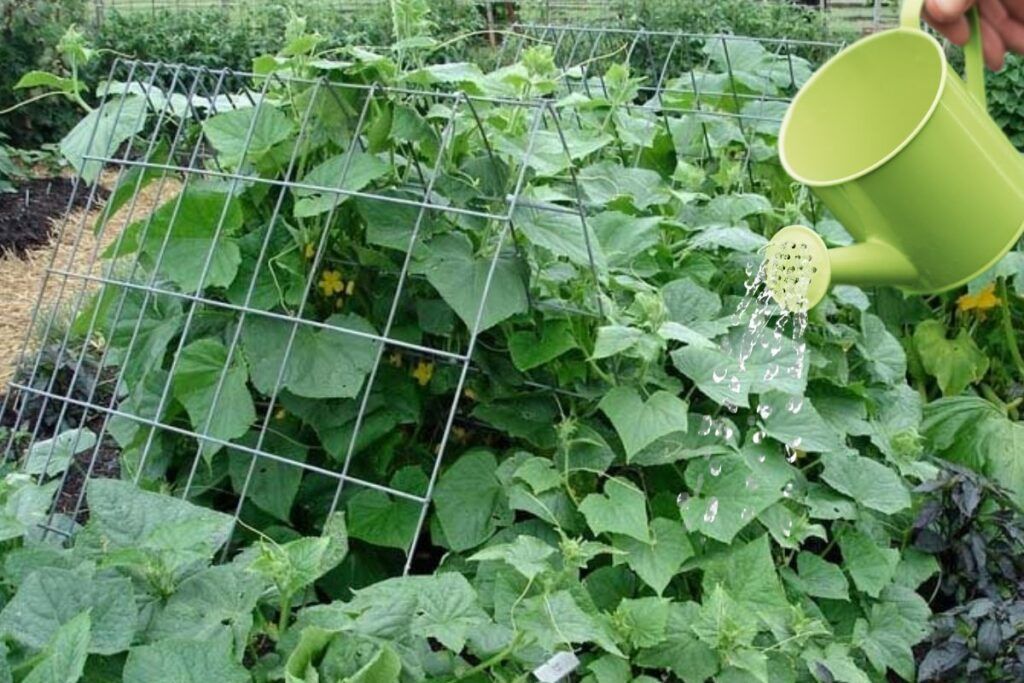
Use overhead irrigation only early in the morning (before 8 AM), allowing foliage to dry completely by mid-morning. Never use overhead during the day or evening when wet leaves would persist into nighttime.
During the flowering and fruit-setting period, avoid overhead irrigation between sunrise and 11 AM when bees are actively pollinating. Wet flowers prevent successful pollination.
If overhead watering is your only option, prioritize gentle delivery that allows foliage to dry quickly rather than drenching that leaves plants wet for hours.
Mulching: Conserving Water and More
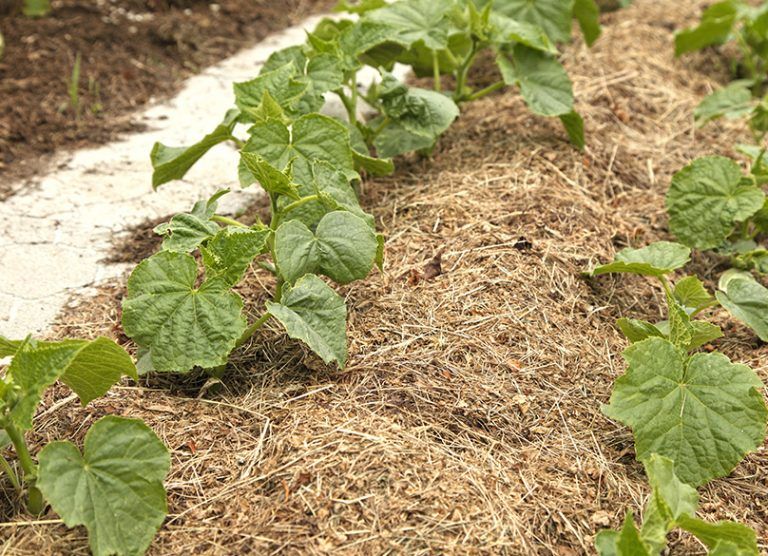
Using an organic mulch or straw around cucumber plants saves water, moderates soil temperature while suppressing weeds and potentially adding to the health of the soil as it breaks down.
Mulch 2 to 3 inches of straw, shredded leaves, or grass clippings around plants (but not right up to the stem; keep it a couple inches away so the plant doesn't rot). Mulch reduces water lost from evaporation by 30 to 50 percent, which means you need to water — less often and with better moisture retention.
Mulch serves to moderate soil temperature, keeping roots cooler when the temperatures are scorching, yet warmer in cool spring temps. 10 °C seems to be the thermal moderation necessary for reducing plants stress.
Container Cucumbers: Higher Frequency, More Attention
Container grown cucumbers require more frequent watering than in-ground plants because pots hold less soil and heat up faster than earth.
Check container soil daily by inserting your finger into the top inch. If soil feels dry at this depth, water thoroughly until water drains from the bottom. During summer heat, container cucumbers often need daily watering.
Use containers at least 5 gallons for determinate bush varieties and 10 gallons or larger for vining cucumbers. Quality potting mix that includes perlite or other drainage amendments prevents waterlogging.
Place saucers under containers to catch drainage water. Plants reabsorb this water over time, maintaining more consistent moisture between waterings.
Seasonal Adjustments: Adapting Throughout the Year
Water needs change as temperatures, day length, and plant growth stages progress.
Spring
Newly planted or transplanted cucumbers need consistent moisture to establish roots. Water every 2 to 3 days to keep soil evenly moist. Once plants are growing vigorously and producing vines, decrease frequency.
Summer Peak
During the hottest weeks of summer when plants are actively producing fruit, water every 4 to 6 days, increasing to daily or every other day during extreme heat waves. Peak summer may require 2 to 3 inches of water per week.
Fall
As temperatures cool and day length decreases, plant water demand decreases. Water every 7 to 10 days if rainfall is insufficient. Fall grown cucumbers often taste sweeter than summer ones because the plants experience less stress.
Troubleshooting Water Problems
Bitter taste in cucumbers almost always indicates water stress, typically from irregular watering with dry periods followed by heavy watering. Prevent this by maintaining consistent moisture.
Misshapen, twisted, or club-shaped fruit results from stress during fruit growth, often from inconsistent watering combined with poor pollination. Maintain even moisture and ensure adequate bee activity.
Wilting despite wet soil may indicate root rot or disease rather than water deficiency. Check soil for waterlogging and improve drainage.
Yellow lower leaves sometimes indicate overwatering or nitrogen deficiency rather than water stress. Check soil moisture before assuming the problem is water related.
For home gardeners managing multiple plantings or desiring precise tracking of watering effectiveness, tools like Plantlyze dot com help document watering schedules, record soil moisture checks, and correlate water management practices with fruit quality outcomes.
Moving Forward: Your Watering Strategy
Proper cucumber watering begins with understanding that consistency matters more than exact amounts. Your local climate, soil type, container size, and specific variety all influence precise needs.
Start with the 1 to 2 inch per week baseline. Monitor your plants closely and adjust based on soil moisture checks and plant appearance. Most importantly, maintain even moisture without waterlogging.
Document what works in your garden. Record watering frequency, rainfall, and correlate that information with fruit quality and yield. Over seasons, you'll develop an intuitive sense for your specific situation.
The reward is crisp, sweet cucumbers with perfect shape and tender skin, the cucumber experience you've been imagining all along.
References
Oklahoma State University Extension
https://www.okstate.edu/University of Florida IFAS Extension
https://sfyl.ifas.ufl.edu/UC Davis Integrated Pest Management
https://ipm.ucanr.edu/Rutgers New Jersey Agricultural Experiment Station
https://njaes.rutgers.edu/University of Massachusetts Extension
https://www.umass.edu/New England Vegetable Management Guide
https://nevegetable.org/Clemson University Cooperative Extension
https://www.clemson.edu/