Introduction: The Cucumber Storage Mystery
You bring fresh cucumbers home from the market or harvest them from your garden with excitement. Within a few days, they become mushy, slimy, and completely unusable. You throw them away, annoyed at the wasted money and the disappointing outcome.
The frustration is completely understandable. Cucumbers seem unpredictable when it comes to storage. But here is the truth: cucumbers aren't unpredictable at all. They follow clear rules based on temperature, humidity, and storage method. Once you understand what cucumbers actually need, you can easily extend their shelf life from 3 days to 2 or even 3 weeks.
This guide shares the exact storage methods that keep cucumbers crisp and fresh, backed by university extension research and practical home gardening experience.
Why Cucumbers Are So Fickle About Storage
Cucumbers are approximately 90 percent water by weight. This extremely high water content makes them refreshing and crisp but also makes them incredibly vulnerable to storage problems. Every condition that affects water loss or gain directly impacts cucumber quality.
Cucumbers hate both extremes. If exposed to cold below 50 degrees Fahrenheit, they suffer chill injury. This causes soft spots, pitting, and wateriness. They become slimy and lose their appealing crunch. If temperatures exceed 55 degrees Fahrenheit for extended periods, decay accelerates and shelf life shortens significantly.
Humidity matters equally. Dry air causes rapid shriveling and shrinkage. Excessive moisture without air circulation promotes mold and bacterial breakdown. The balance between protection from dehydration and prevention of moisture accumulation is critical.
Additionally, cucumbers are highly sensitive to ethylene gas, a ripening hormone released by fruits like bananas, avocados, and tomatoes. Storing cucumbers near ethylene producers speeds deterioration and yellowing.
Understanding Cucumber Types and Their Storage Differences
Not all cucumbers are created equal. Understanding which type you have helps you choose the optimal storage method.
Slicing cucumbers are the most common type in North America. They have tough, uniform dark green skin, are relatively inexpensive, and are slightly bitter. Their thicker skin provides inherent protection against dehydration, making them more forgiving in storage.
English cucumbers (sometimes called seedless cucumbers) are longer and have thinner, more edible skin. They come wrapped in plastic at the store and have a milder, slightly sweet flavor. The plastic wrapping exists for good reason. Their thin skin dehydrates quickly without protection.
Pickling cucumbers are short with bumpy skin and varied green to yellow color. They are typically grown for uniformity and are optimal for pickling but can also be eaten fresh. They have different storage characteristics than slicing types.
Slicing cucumbers can tolerate slightly less humid conditions and last longer due to thicker skin. English cucumbers need the plastic protection maintained throughout storage. Pickling cucumbers should be cooled quickly after harvest and used within 1 to 2 days for best results.
The Temperature Sweet Spot: 50 to 55 Degrees Fahrenheit
Temperature is the single most important factor in cucumber storage. Research from UC Davis demonstrates that cucumbers prefer a temperature range of 50 to 54 degrees Fahrenheit (10 to 12 degrees Celsius).
This temperature range is critical because it balances competing needs. Cold enough to slow respiration and decay but warm enough to prevent chill injury and the mushy texture that develops when cucumbers get too cold. Temperatures below 50 degrees Fahrenheit cause physiological breakdown inside the cucumber cells.
Many home refrigerators run at 35 to 38 degrees Fahrenheit, which is colder than optimal for cucumbers. This explains why cucumbers stored in standard refrigerators sometimes develop soft spots and wateriness within 3 to 5 days.
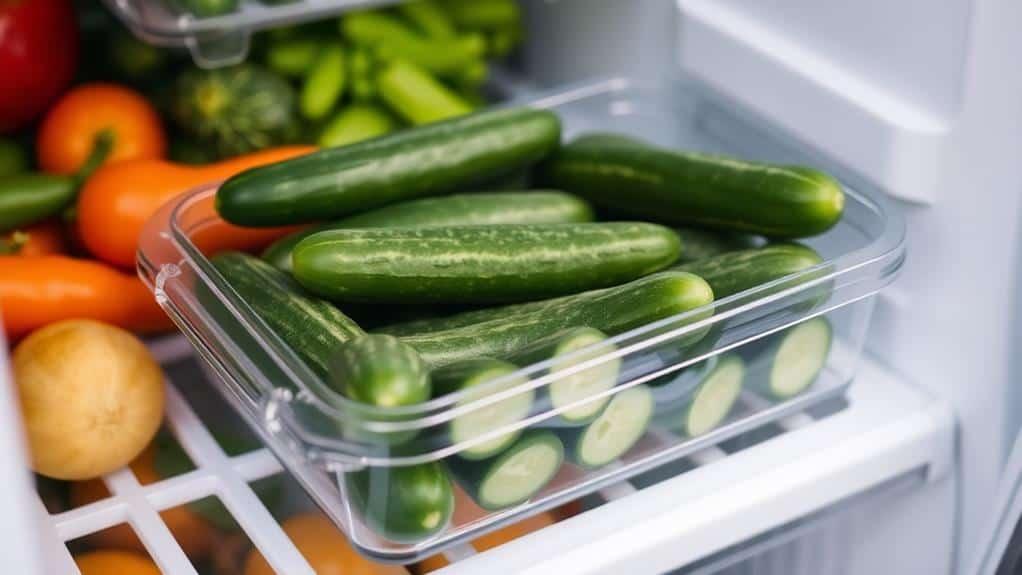
The warmest part of your refrigerator is actually your best option for cucumbers. The door is warmest because it is exposed to room temperature air every time you open the fridge. The front of the bottom shelf is your second-best option. Avoid the back of shelves and the bottom drawers, which stay coldest.
If your home maintains steady room temperature between 50 and 60 degrees Fahrenheit, counter storage is actually superior to refrigerator storage. Cucumbers kept on the counter away from direct sunlight in these conditions can last 10 to 14 days, sometimes even longer.
Humidity and Moisture: The Delicate Balance
Cucumbers need high humidity to prevent rapid water loss and shriveling. University extension services recommend humidity levels between 85 and 95 percent relative humidity for optimal storage.
At these humidity levels, the cucumber's natural protective waxy coating prevents internal water loss while external moisture stays at bay. This is why plastic wrapping, plastic bags, and sealed containers work so effectively. They create a humid microclimate around the cucumber.
However, the humidity balance is delicate. Excess moisture without proper air circulation creates condensation. Water droplets sitting on the cucumber surface promote bacterial growth and fungal issues. This is why paper towels or ventilation holes matter even inside storage containers.
Here is the practical solution: store whole cucumbers in plastic bags or wrapped in plastic wrap, but maintain good air circulation in your refrigerator. The plastic prevents moisture loss from the cucumber. The air circulation in the fridge prevents condensation from accumulating on the surface.
For those wanting to extend freshness even further, a vinegar wash before storage provides additional benefits. The vinegar slightly inhibits bacterial and fungal growth without making cucumbers taste sour. After washing with a water and vinegar solution and drying completely on a towel, store cucumbers in the crisper drawer of your refrigerator.
Step-by-Step Storage Methods That Actually Work
Method 1: Counter Storage (Best if Room Temperature is 50 to 60°F)
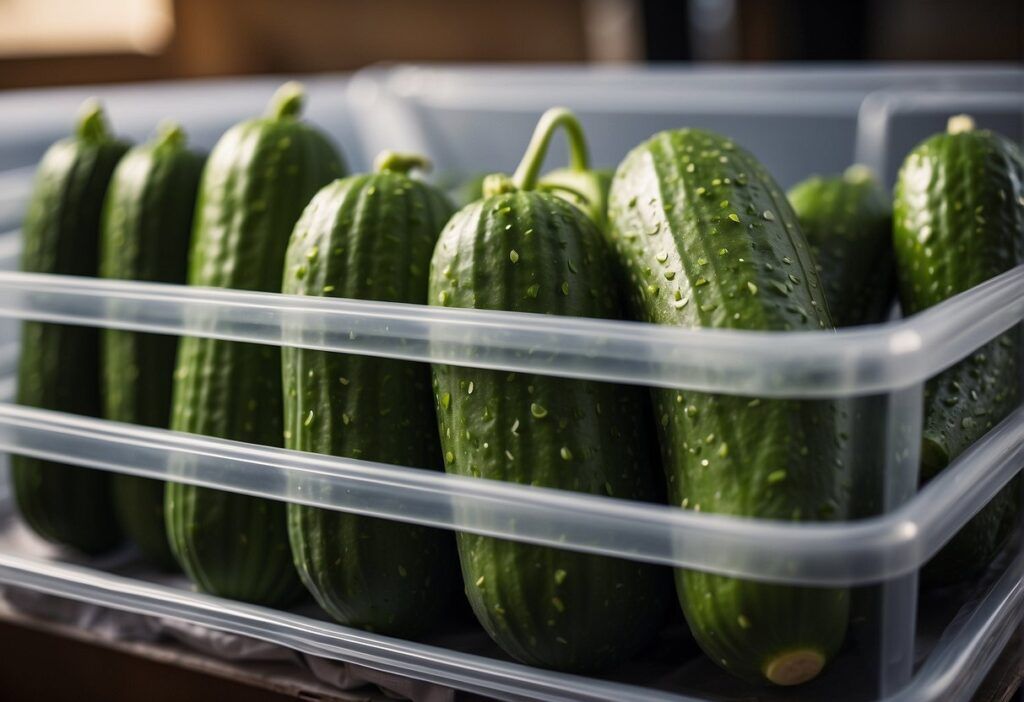
This is the simplest method and works excellently if your home stays within the optimal temperature range.
Step 1: Bring cucumbers home from the market or harvest them from your garden. Do not wash them.
Step 2: Place cucumbers on your kitchen counter away from direct sunlight and away from windows with temperature fluctuations.
Step 3: Leave them in their original packaging or place them in a paper bag for air circulation.
Step 4: Check every 3 to 4 days. At this storage temperature, cucumbers last 10 to 14 days, sometimes longer.
This method works because the moderate room temperature prevents both chill injury and accelerated decay. The counter location allows air circulation that prevents moisture accumulation.
Method 2: Refrigerator Storage with Plastic Wrapping (Most Reliable)
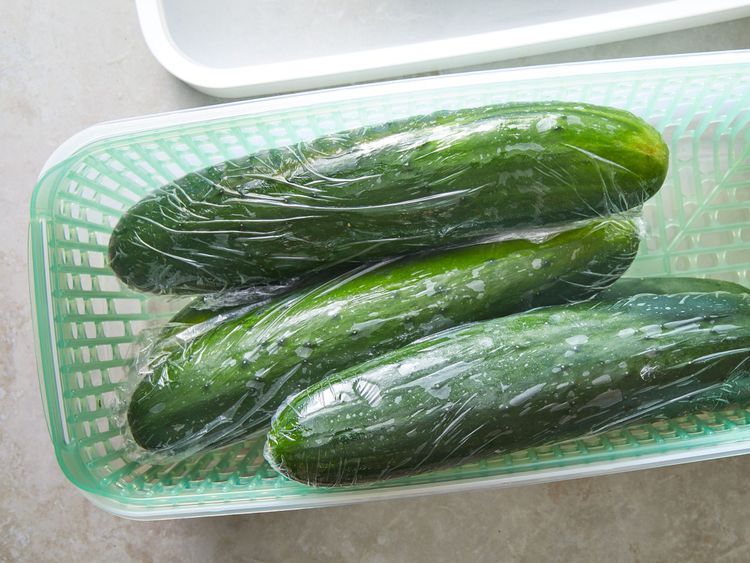
This method works in any home and delivers consistent results.
Step 1: Do not wash your cucumbers before storage. Moisture on the surface reduces shelf life.
Step 2: Leave cucumbers in their original plastic wrapping if they come wrapped. If not wrapped, gently wrap each cucumber in plastic wrap by rolling the cucumber and twisting the ends to seal in moisture.
Step 3: Place wrapped cucumbers in the warmest part of your refrigerator. The door is ideal. The front of shelves is your second choice. Avoid back corners and bottom drawers.
Step 4: Cucumbers stored this way last 7 to 14 days depending on freshness when stored.
The plastic wrap creates a protective barrier that prevents moisture loss from the cucumber while the refrigerator door location keeps temperature as warm as possible within the fridge.
Method 3: Crisper Drawer with Vinegar Treatment (Longest Freshness)
This advanced method extends cucumber freshness to 2 to 3 weeks.
Step 1: Mix one part white vinegar with three parts water in a spray bottle.
Step 2: Spray the vinegar solution directly onto whole cucumbers, turning them to coat all sides evenly.
Step 3: Lay the cucumber on a clean towel and allow to air dry completely. This takes 10 to 15 minutes. The drying step is important because it removes excess moisture.
Step 4: Place completely dry cucumbers in your refrigerator crisper drawer, keeping them separate from ethylene-producing fruits like bananas, apples, tomatoes, or avocados.
Step 5: If available, place a paper towel in the bottom of the crisper to absorb any excess moisture. The towel should be checked and replaced if it becomes very wet.
Step 6: Cucumbers stored this way maintain freshness for 2 to 3 weeks because the vinegar inhibits bacterial and fungal growth while the high humidity of the crisper drawer prevents dehydration.
Cut Cucumbers: A Different Storage Challenge
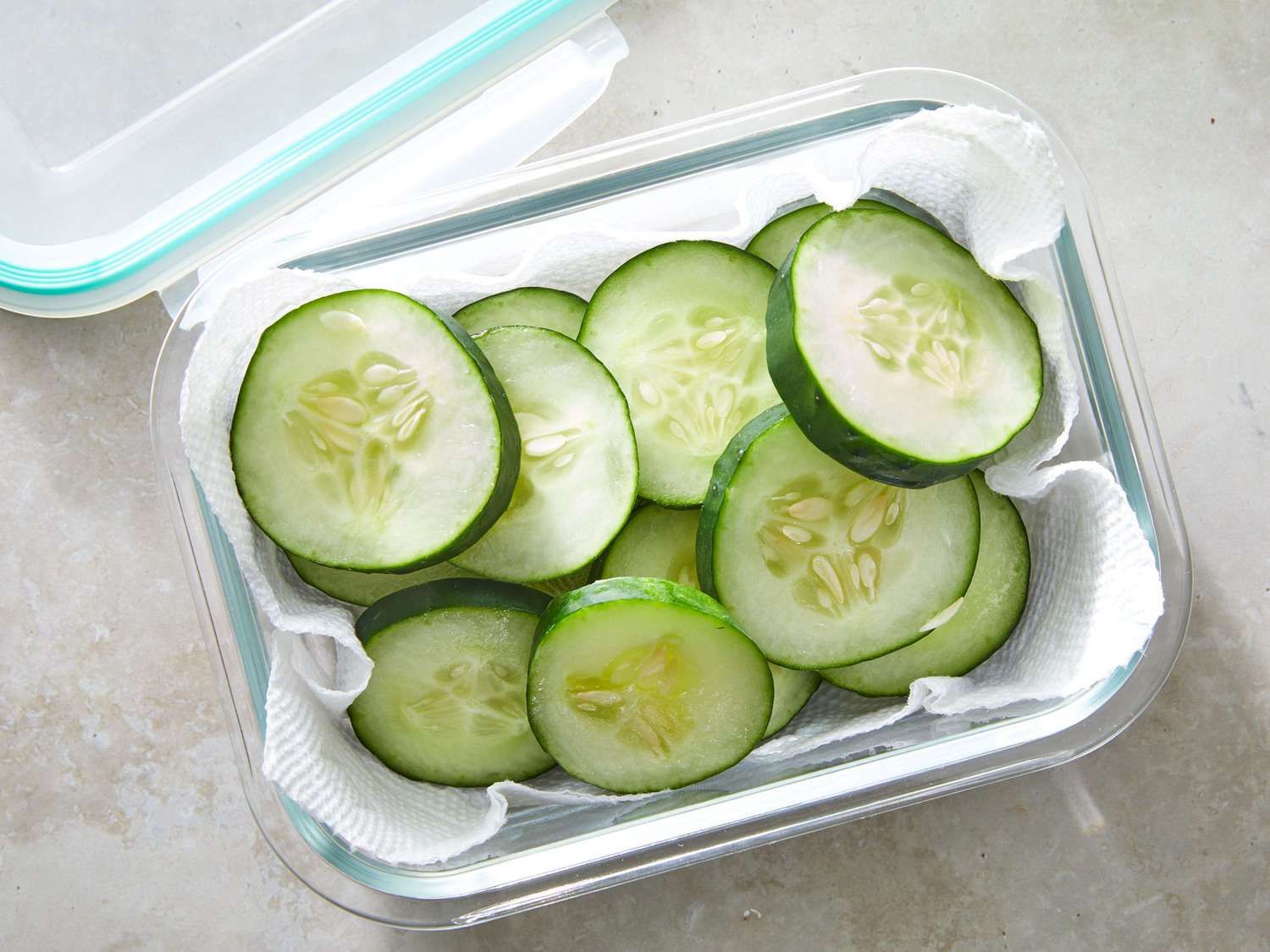
Whole cucumbers last far longer than cut cucumbers. Once you cut a cucumber, you expose internal tissue to air exposure and bacterial contamination. Cut cucumbers have a maximum shelf life of 3 to 5 days even with optimal storage.
If you must store sliced or diced cucumbers, use an airtight container lined with a paper towel. The paper towel absorbs excess moisture released by the cut tissue. Store in the refrigerator and use within 3 days for best quality.
Wrapping cut cucumbers in plastic wrap works better than leaving them unwrapped, but whole cucumbers wrapped in plastic wrap last significantly longer than any cut preparation.
The best practice is to cut cucumbers immediately before use rather than preparing them in advance. This preserves the crunch and flavor that makes cucumbers appealing.
Why Store Bought Cucumbers Come in Plastic Wrapping
Commercial growers wrap cucumbers in plastic for specific reasons. The plastic wrap protects thin-skinned varieties like English cucumbers from dehydration during transport and retail display. The wrapping maintains moisture content and prevents the shriveling and weight loss that reduces shelf life and appearance.
Most American slicing and pickling cucumber varieties have thicker skins that provide inherent dehydration protection. These types often do not need plastic wrapping for home storage because their natural skin is sufficient protection.
The mini or cocktail cucumber varieties have thin skins similar to English cucumbers. These thin-skinned types benefit greatly from plastic protection. If you purchase thin-skinned varieties, keep them in their original wrapping throughout storage or wrap them yourself with plastic wrap.
When Not to Refrigerate: The Room Temperature Advantage
If your home maintains steady temperatures between 50 and 60 degrees Fahrenheit year-round (common in cool climates or during winter months), room temperature storage is actually superior to refrigerator storage for cucumbers.
Room temperature storage has several advantages over refrigeration. There is no risk of chill injury. Air circulation is typically better on a counter than inside a refrigerator. The cucumber is not exposed to the stress of temperature fluctuations when the refrigerator door opens and closes.
However, if your home temperature exceeds 65 degrees Fahrenheit, especially during summer months, refrigerator storage becomes necessary. The warmer temperatures accelerate decay and dramatically reduce shelf life.
Watch for signs of chill injury if you are unsure whether your refrigerator temperature is appropriate. Chill injury appears as soft spots, pitting (small indentations), or wateriness. These signs indicate the temperature is too cold and you should try counter storage if your room temperature permits.
Extending Shelf Life Beyond Standard Methods
When standard storage methods no longer preserve your cucumbers fresh enough for fresh consumption, other preservation options exist.
Freezing preserves cucumbers but destroys their crisp texture completely. Frozen cucumbers work well in gazpacho, smoothies, and cucumber water where texture is not important. You can freeze cucumbers whole or sliced. They last several months frozen but are not suitable for salads or fresh preparations after thawing.
Pickling dramatically extends shelf life to months or even years when proper techniques are followed. Homemade or commercial pickle recipes transform cucumbers into pickles through brining and often vinegar preservation. Pickled cucumbers taste completely different from fresh but are delicious in their own way.
Fermentation through salt brine preservation creates a probiotic rich product different from vinegar-based pickles. This method preserves cucumbers while maintaining some crunch if done correctly.
The choice between preservation methods depends on your end use and how much effort you want to invest. Fresh storage is easiest and best. Freezing works for limited applications. Pickling and fermentation create completely different products but with excellent shelf life.
Storage Mistakes to Avoid
Pre-washing before storage reduces shelf life significantly. The water on the surface promotes bacterial and fungal growth. Wash cucumbers immediately before eating, not before storage.
Storing in the coldest part of your refrigerator (back corners and bottom drawers) causes chill injury. Counter the natural tendency to put vegetables in crisper drawers by placing cucumbers in warmer locations instead.
Storing cucumbers with ethylene-producing fruits like bananas, apples, tomatoes, or avocados accelerates yellowing and decay. These fruits release ethylene gas that affects cucumber quality. Keep cucumbers in a separate drawer or section of your refrigerator.
Over-packing containers or drawers prevents air circulation. Cucumbers need room for adequate air flow to prevent condensation and moisture buildup.
Allowing condensation to drip continuously on cucumber surfaces promotes bacterial slime and mold. Check crisper drawers every few days and replace wet paper towels with dry ones.
Storing cut and whole cucumbers together is problematic. Cut cucumbers release liquids that promote decay in whole cucumbers. Keep them separated if you store both.
Recognizing When Cucumbers Have Gone Bad
Knowing the signs of spoilage helps you identify when cucumbers are salvageable versus when to discard them.
Soft spots indicate bacterial breakdown of cell tissue. Small soft spots can sometimes be cut away and the rest of the cucumber used. Large soft areas suggest advanced decay and the cucumber should be discarded.
Mold or visible fuzzy growth means fungal infection has begun. These cucumbers should be removed immediately to prevent spread to nearby produce.
Extreme wrinkling and shriveling indicates water loss has progressed too far. The texture will be disappointing even if the cucumber is not technically spoiled.
Slime coating on the surface indicates bacterial slime layer formation. This is a clear sign the cucumber is no longer fresh and should be discarded.
Unusual odors like sour or fermented smells indicate bacterial activity beyond acceptable levels. Trust your nose.
Internal discoloration when you cut into a cucumber suggests internal breakdown. When cross-sectioning reveals dark areas, brown spots, or mushy tissue, discard the cucumber.
Fresh, salvageable cucumbers should be firm to the touch, bright green in color, and free from soft spots, mold, or odor. When in doubt, discard the cucumber rather than risk foodborne illness.
Monitoring Storage Conditions for Your Specific Home
Different homes have different temperature and humidity characteristics. Spending time understanding your specific conditions helps you optimize storage.
Note where your refrigerator maintains the warmest temperature. Is it the door? The front shelf? Different refrigerator models have different temperature profiles. Your specific refrigerator's warm spots will perform better than others.
Track how long cucumbers last with each storage method in your home. If counter storage results in spoilage after 8 days but refrigerator door storage extends to 14 days, that tells you your home temperature exceeds the ideal range and refrigeration is necessary.
Observe seasonal variations. Cucumbers stored during cooler months may last longer than those stored in summer when home temperature is warmer.
If you keep a simple log of storage conditions and results, you will quickly discover the optimal approach for your specific situation. This personal experimentation is more valuable than general guidelines because your home is unique.
The Metal Spoon Hack: Does It Really Work?
A popular storage tip circulating online suggests placing a metal spoon in the plastic bag with cucumbers to extend freshness to 2 plus weeks. The theory claims that the metal absorbs ethylene gas, extending shelf life.
This technique works partially because placing anything (metal or otherwise) in a plastic bag maintains higher humidity around the cucumber. However, metal's specific ethylene-absorbing capability is debatable among storage specialists. The real benefit comes from the plastic bag environment, not specifically from the metal spoon.
If you have a metal spoon available, using it alongside proper plastic bag storage does not hurt and may provide modest additional benefit. However, do not rely on the spoon alone. Focus on the fundamentals: proper temperature, humidity control through plastic wrapping, and storage location.
Conclusion: Simple Principles for Lasting Freshness
Proper cucumber storage comes down to three fundamental principles: maintain temperature between 50 and 55 degrees Fahrenheit, keep humidity between 85 and 95 percent, and protect cucumbers from ethylene exposure.
Different methods work for different homes and situations. Room temperature counter storage works beautifully if your home stays cool. Refrigerator door storage with plastic wrapping provides reliable results in any climate. The advanced crisper drawer method with vinegar treatment extends freshness to multiple weeks.
Experiment with different methods in your home to find the approach that fits your lifestyle and produces the best results. Track your storage conditions and shelf life outcomes. Over time, you will develop instinctive knowledge about optimal storage for your specific situation.
Properly stored cucumbers eliminate waste and save money. Fresh, crisp cucumbers available whenever you need them make salads, meals, and snacks more appealing. The small effort to understand cucumber storage transforms a frustrating experience into consistent success.
For ongoing monitoring of your produce storage conditions and receiving alerts when cucumbers approach the end of their storage life, tools like Plantlyze dot com provide AI-powered assessment of fresh produce condition. This helps you know exactly when to use your cucumbers at peak freshness.
References
1. University of Alaska Fairbanks Cooperative Extension Service
https://www.uaf.edu/ces/publications/database/food/vegetable-storage.php
2. Missouri University Extension
https://extension.missouri.edu/publications/g6226
3. South Dakota State University Extension
https://extension.sdstate.edu/storage-life-vegetables
4. University of Minnesota Extension
https://extension.umn.edu/planting-and-growing-guides/harvesting-and-storing-home-garden-vegetables
5. University of Maine Extension
https://extension.umaine.edu/publications/4135e/
6. USDA NIFA Good Agricultural Practices for Cucumbers
https://www.nifa.usda.gov/sites/default/files/resource/Cucumbers%20Good%20Agricultural%20Practices%20508.pdf
7. Western Growers Association
https://www.wga.com/news/cucumber-food-safety-faqs-and-resources/
8. SEMCO Ice (Post-Harvest Cooling Methods)
https://semcoice.com/cucumber-post-harvest-cooling-methods/