What are those tiny spots on my cucumbers? That is the question most farmers ask when their fruits suddenly develop small, sunken spots all over them just as they are about to mature. The fruits become unmarketable and you start wondering what could have gone wrong. The disease attacks when least expected but understanding this fungal problem will make you better placed to protect your plants effectively.
This guide covers everything from recognizing early symptoms to implementing proven prevention strategies. You will learn how to identify the disease quickly, understand its rapid lifecycle, and apply practical solutions that work. Whether you grow cucumbers in a backyard garden or commercial field, these steps help safeguard your crop.
What Is Cucumber Scab Disease?
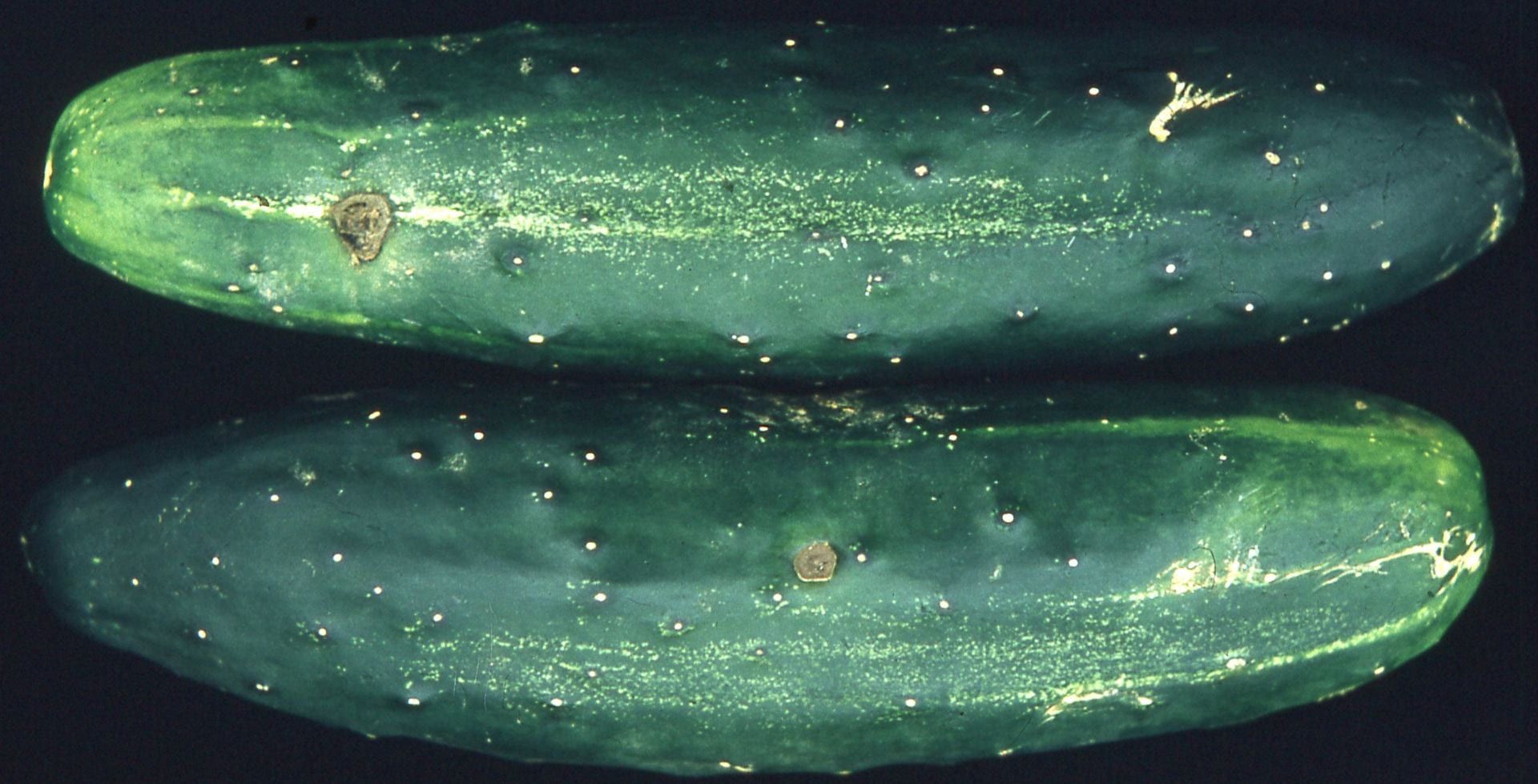
Cucumber scab disease comes from a fungus called Cladosporium cucumerinum. First reported in the United States back in 1887, this pathogen targets all aboveground parts of cucurbit plants. Cucumbers are primarily affected, but melons, squash, pumpkins, and gourds can also be at risk.
It develops best in cool, moist weather between 59 and 77 degrees Fahrenheit. High humidity-h eavy dews,f og or light rain provide ideal conditions for spore germination.S ince the introduction of modern resistant cucumber varieties its importance has been greatly reduced,b ut in susceptible crops such as summer squash it is still very much a threat.
Fruit damage causes the biggest problem. Even though infected produce stays edible, those unsightly lesions make it unmarketable. Commercial growers face significant economic losses from just a few spots per fruit. Home gardeners lose the satisfaction of perfect harvests too.
Watermelon shows high resistance, while summer squash and zucchini prove highly susceptible. Certain winter squash varieties like blue hubbard fall in the moderate range. Knowing your crop's vulnerability helps you plan defenses from the start.
Recognizing the Symptoms
Spotting cucumber scab early makes all the difference. Leaf symptoms appear first, giving you a chance to act before fruit damage occurs.
Leaf and Runner Symptoms
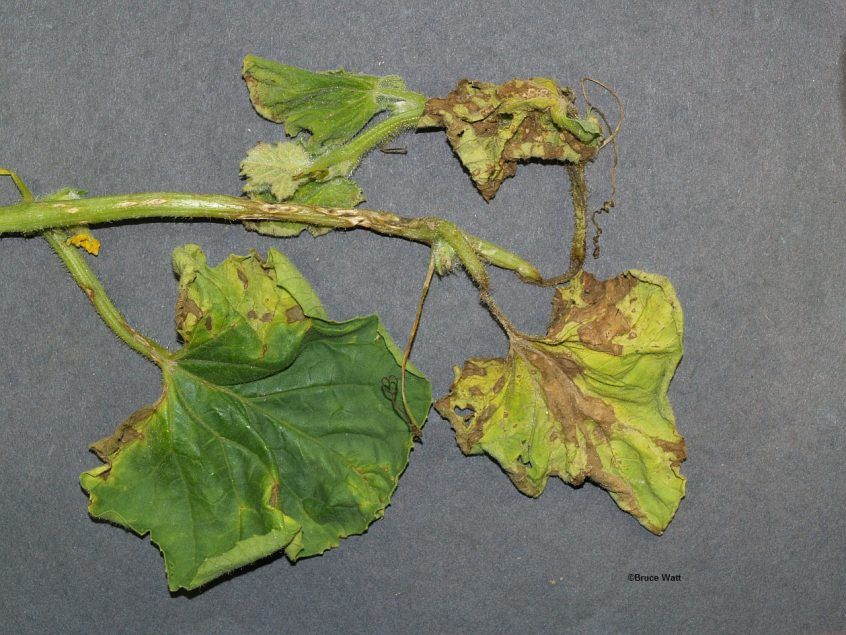
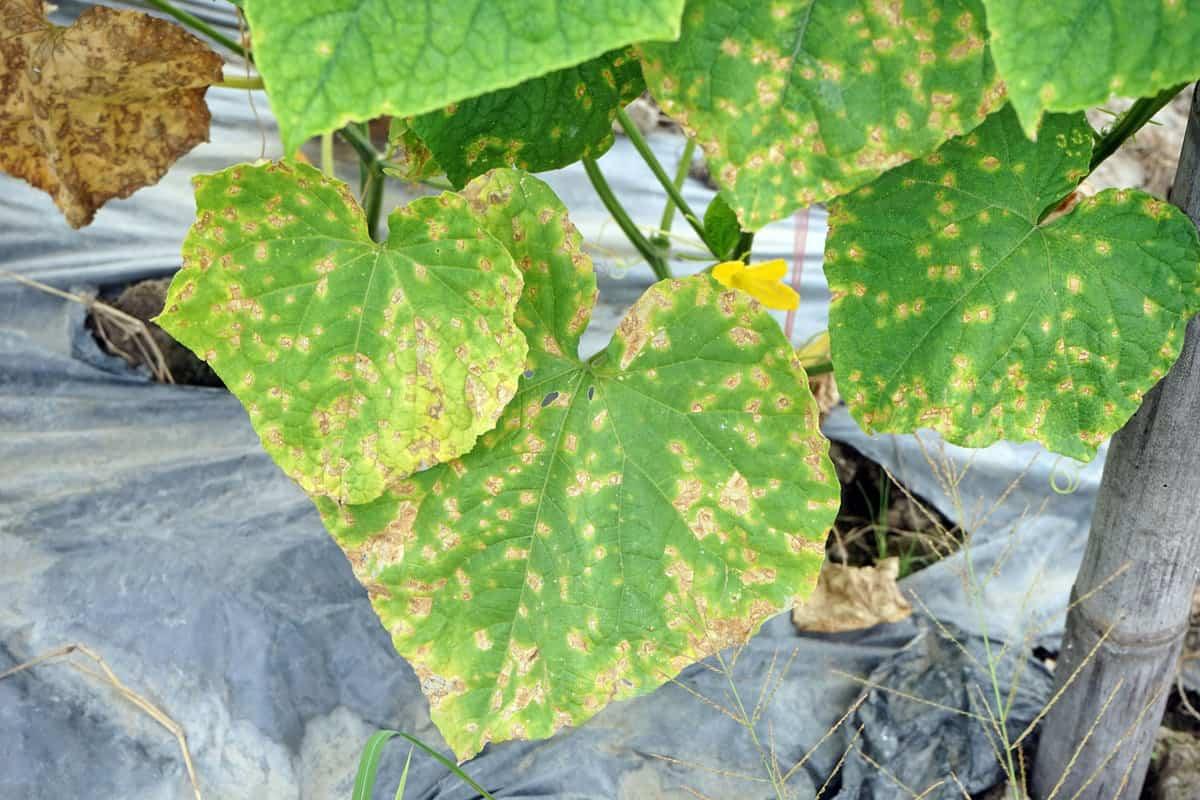
Small water soaked pale green spots mark the initial infection. These lesions gradually turn gray to white and take on angular shapes. A distinctive yellow halo often surrounds them, setting scab apart from other diseases.
As infection progresses, the center tissue dies and cracks away. Leaves develop a ragged shot holed appearance. Young foliage may twist and deform severely. In bad cases, entire runners on young plants die back completely.
Fruit Symptoms (Most Damaging)
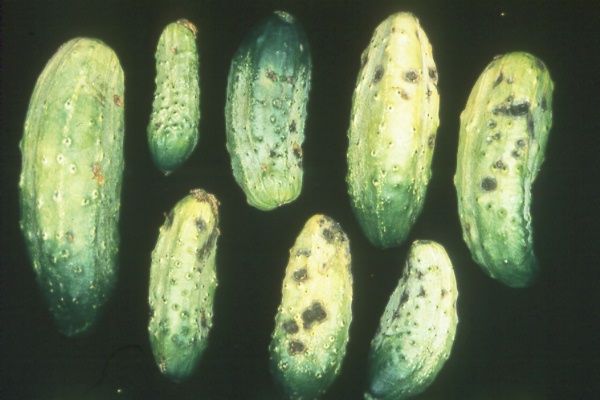
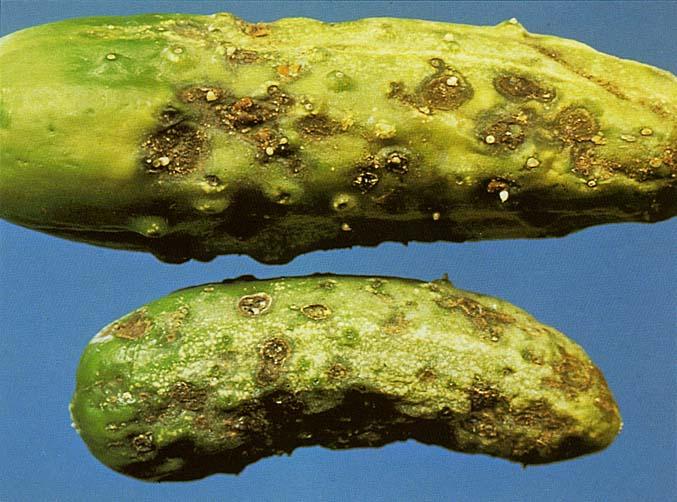
Fruit lesions begin as tiny sunken spots about 1/8 inch across. They resemble insect stings at first glance. A sticky gummy substance soon oozes from these marks, confirming fungal activity.
Spots darken and enlarge into distinct cavities lined with dark olivegreen velvety spore growth. Multiple lesions merge, covering large areas. Secondary soft rot bacteria invade these wounds, creating mushy foulsmelling decay. Affected fruit becomes completely unmarketable.
Symptom Timeline
Symptoms appear 3 to 5 days after spore penetration. The fungus produces new spores within 4 days, enabling rapid spread. Cool moist weather accelerates this cycle, completing generations in just 9 hours under ideal conditions.
Quick Identification Checklist:
Angular graywhite leaf spots with yellow halos
Ragged shot holes in foliage
Small sunken oozing spots on young fruit
Olive green velvety growth in fruit cavities
Gummy substance from early lesions
Disease Lifecycle and Spread
Understanding how cucumber scab survives and spreads helps you break the cycle.
Winter Survival
The fungus overwinters on infected crop debris for up to 3 years. It grows as a saprophyte on dead organic matter and persists in soil cracks. Seedborne transmission occurs when growers save infected seeds.
Ideal Conditions
Spores germinate when temperatures hit 59 to 77 degrees Fahrenheit with high humidity. Valley fogs, heavy dews, and light rains trigger outbreaks. The pathogen penetrates plant tissue in less than 9 hours during moist periods.
Spread Methods
Wind carries conidia long distances through moist air currents. Insects, clothing, tools, and equipment spread spores on contact. Rain splash from overhead irrigation moves them short distances. One infected plant contaminates your entire patch within weeks.
Rapid Cycle Warning: A single generation completes in 4 days. Multiple cycles occur during cool wet springs, overwhelming unprotected gardens quickly.
Prevention Strategies (Your Best Defense)
Prevention beats treatment every time with cucumber scab. Implement these proven strategies from the start.
Choose Resistant Varieties
Most effective for cucumbers, scab resistant cultivars solve the problem before it starts. Look for varieties like Dasher II, Marketmore, Poinsett 76, Sprint 440, and SMR 58. Seed catalogs clearly mark resistance levels. Watermelon naturally resists well.
Practice Crop Rotation
Rotate cucurbits out of the same spot for 2 to 3 years minimum. Nonhost crops like beans, brassicas, or nightshades break the disease cycle. Plow under all plant debris immediately after harvest to speed decomposition. Plan rotations annually using garden maps.
Optimize Growing Conditions
Select well drained sites with excellent air circulation. Drip irrigation keeps foliage dry, unlike overhead watering. Space plants properly to maximize airflow. Water early mornings only. Remove weeds that trap moisture around plants.
Perfect Sanitation Practices
Source certified diseasefree seeds from reputable suppliers. Surface disinfect seeds with 0.5% sodium hypochlorite for 10 minutes if concerned. Never save seed from infected plants. Clean tools between plants and change clothes after working diseased areas.
Monitor and Time Applications
Inspect plants weekly throughout the season. Increase checks during cool wet weather. Begin protective fungicide sprays before fruit set if disease pressure exists nearby. Record symptom timing for future planning.
Three Step Prevention Formula: Resistant varieties + crop rotation + environmental management stops scab before symptoms appear.
Treatment Options When Prevention Falls Short
Understand treatment limitations upfront. No cure exists once infections establish deeply. Early intervention slows spread while you strengthen prevention.
Organic and Biological Controls
Copper ammonium complexes work as OMRI listed protectants. Garlic oil products like Brandt Organics Aleo target fungal diseases effectively. Polyoxin D zinc salt in OSO provides organic control. Bacillus subtilis strains (Serenade, Cease) and Trichoderma species offer biological options. Apply weekly following label rates.
Conventional Fungicides
Chlorothalonil formulations serve as reliable protectants. Dithiocarbamates like mancozeb work well when rotated properly. Dexter Max and Liqui Cop provide additional choices. Start applications before fruiting and maintain 7 to 10 day intervals. Preharvest intervals vary by product.
Integrated Approach Reality
Fungicides alone fail during prolonged cool wet weather. Combine treatments with cultural improvements for best results. Stop sprays once fruit shows heavy infection since lesions won't heal. Focus energy on protecting healthy plants instead.
Treatment Truth: Once fruit lesions appear, marketability suffers regardless of sprays. Prevention remains your only path to perfect produce.
Early Detection Makes All the Difference
Immediate and quick confirmation saves your crop. Many diseases mimic scab, leading to costly missteps. Delaying identification wastes critical treatment windows.
AI powered plant diagnosis tools solve this problem instantly. Snap a photo of suspicious leaves or fruit spots. Advanced image recognition confirms cucumber scab versus looks alike like angular leaf spot. You receive tailored treatment recommendations immediately.
Plantlyze stands out among diagnostic solutions. This AI powered plant care tool identifies diseases accurately and suggests organic plus conventional treatments. Gardeners gain confidence knowing exactly what threatens their plants.
Ready to protect your cucumbers? Visit plantlyze.com, upload your plant photo, and get instant diagnosis plus action steps. Early detection stops scab before it ruins your harvest.
Conclusion and Action Steps
Cucumber scab disease threatens your harvest, but proven strategies protect your plants effectively. Resistant varieties, crop rotation, and dry foliage create strong defenses. Early detection through tools like Plantlyze gives you the winning edge.
Take These 6 Steps Today:
Order scab resistant cucumber varieties for next season
Map your crop rotation schedule avoiding cucurbits for 2 to 3 years
Install drip irrigation to keep foliage dry
Schedule weekly plant inspections during cool weather
Source certified diseasefree seeds only
Download Plantlyze for instant disease confirmation
You now possess the knowledge to prevent cucumber scab successfully. Implement these strategies and enjoy blemish free fruit all season. Perfect harvests await those who act decisively.
Final Step: Visit plantlyze.com today. Keep this AI diagnostic tool ready for any plant health question. Your cucumbers deserve the best protection available.
References
Utah State University Extension - https://extension.usu.edu/pests/ipm/notes_ag/veg-cucurbit-scab.php
University of Illinois Extension - https://web.extension.illinois.edu/hortanswers/detailproblem.cfm?PathogenID=141