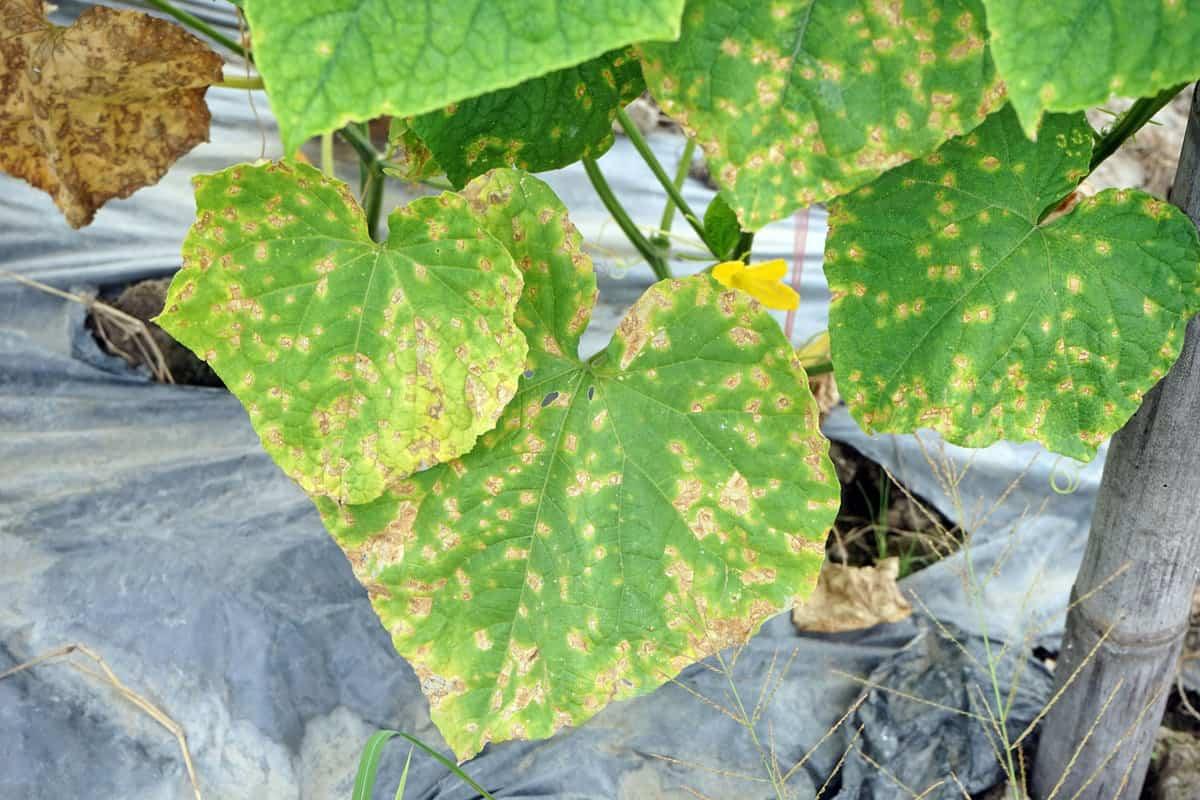
You notice white powder on your cucumber leaves in mid summer, and your plants are starting to wilt. Your mind races through the possibilities. What is this? How serious is it? Can your harvest be saved?
Powdery mildew is one of the most common fungal diseases affecting cucumber growers worldwide. Unlike most plant fungi that thrive in wet conditions, powdery mildew actually prefers dry environments and can spread without any water on the leaves. This makes it particularly dangerous during warm, dry spells when you might not expect disease pressure. If left untreated, powdery mildew can reduce cucumber yields by 40 to 60 percent. The good news? Early detection and quick action can save your crop.
This guide walks you through everything you need to know about identifying, preventing, and treating cucumber powdery mildew. With the strategies outlined here, you can catch this disease before significant damage occurs and keep your cucumber plants healthy and productive throughout the growing season.
What Is Cucumber Powdery Mildew (And Why It Spreads Fast)
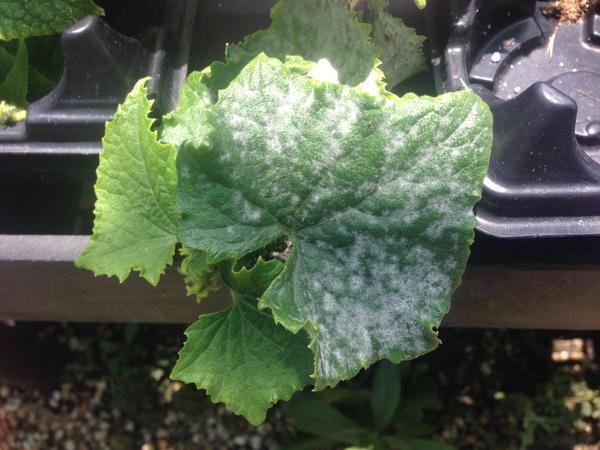
Understanding your enemy is the first step to defeating it. Cucumber powdery mildew is caused by the fungus Podosphaera xanthii, a pathogen that has adapted specifically to infect cucurbits like cucumbers, melons, and squash. Unlike most fungi, this one thrives in warm, dry conditions rather than wet ones.
The fungus spreads primarily through airborne spores. These microscopic spores travel on the slightest breeze from infected plants to healthy ones. A single infected leaf can release thousands of spores into the air, each one capable of starting a new infection somewhere else in your garden. No water is needed for spores to germinate and infect new tissue, which is why powdery mildew can flourish even when you're watering carefully at soil level.
Temperature plays a critical role in how fast this fungus develops. Podosphaera xanthii germinates and grows best between 65 and 75 degrees Fahrenheit, which is why mid summer represents peak risk season for most gardeners. The fungus actually slows down and can't germinate at all above 85 degrees Fahrenheit or below 50 degrees Fahrenheit. These temperature requirements explain why spring and fall often bring resurgence of powdery mildew in your garden.
Cucumber plants are especially vulnerable during their flowering and fruit production phase. At this stage, plants are stressed from the energy demands of producing fruit, making them less able to fight off infections. Large leaf surface areas provide plenty of real estate for the fungus to colonize, and dense foliage creates pockets of still air where spores accumulate and germinate more readily.
Here's what makes this disease particularly sneaky: by the time you notice obvious symptoms, the infection may be two to three weeks old. The fungus works silently at first, building colonies on leaf surfaces before symptoms become visible to the naked eye.
Recognizing the Early Warning Signs
The most important skill a cucumber grower can develop is learning to spot powdery mildew before it becomes serious. Most gardeners miss this window because they don't know what to look for or aren't checking their plants frequently enough.
Stage 1: The First Two Weeks (Most Treatable)
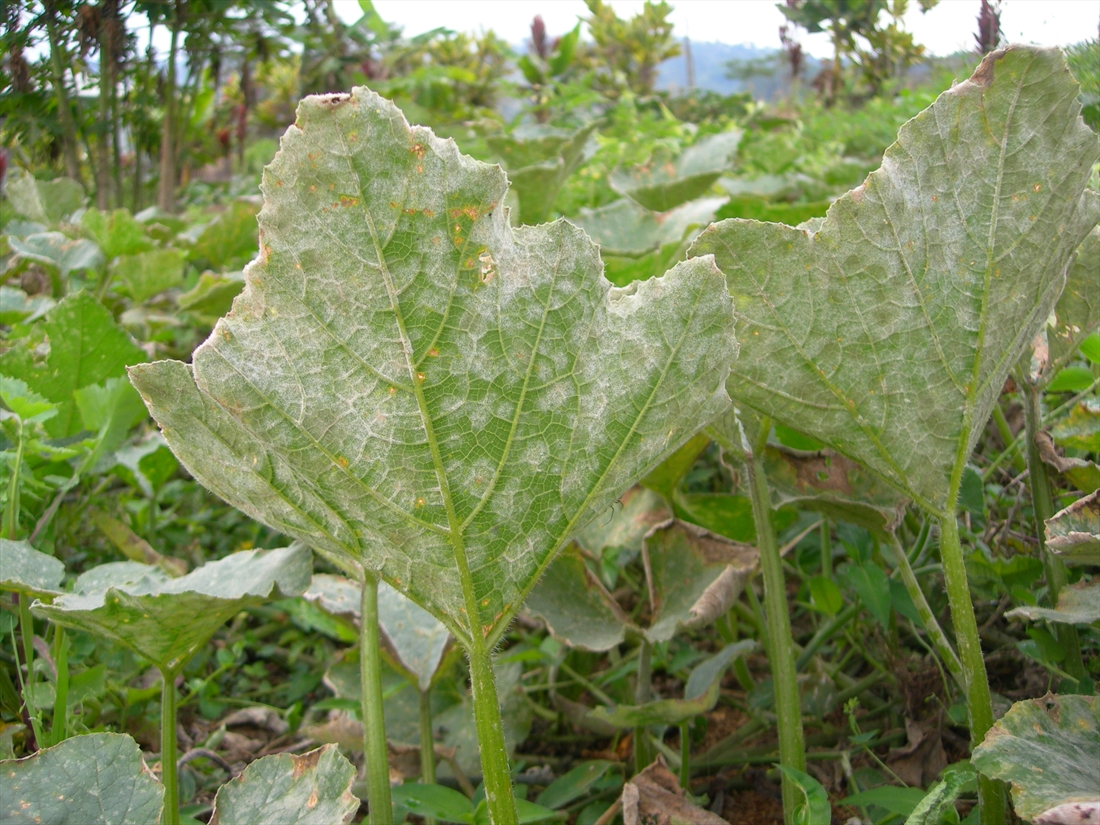
During the earliest stages, powdery mildew appears as small white or grayish spots on the lower surfaces of older leaves. These spots look exactly like talcum powder or flour has been dusted onto the leaf. At this point, the spots might cover only 5 to 10 percent of the leaf surface.
The key characteristic of Stage 1 is that the leaf itself still looks relatively healthy. There's no yellowing, no wilting, no dramatic symptoms. Just that suspicious white powder that brushes off easily. Many gardeners overlook these early spots, thinking they're dust or early frost damage.
To catch this stage, you need to inspect the undersides of your older leaves every 7 to 10 days starting when plants begin flowering. Use a magnifying glass if you're uncertain what you're seeing. The white coating will appear fluffy and will come off on your finger if you rub it gently. This is when treatment is most effective and easiest to implement.
Stage 2: The Critical Window (Week 2 to Week 3)
If Stage 1 goes unnoticed, the infection enters its expansion phase. The white coating now merges into larger patches that cover 20 to 40 percent of the leaf surface. At this point, the fungus is present on both the upper and lower surfaces of leaves.
You'll start to notice the leaf itself changing. Leaf edges begin to curl inward slightly, even though the plant isn't suffering from obvious drought stress. The texture of affected leaves becomes slightly rough or papery. Powdery coating becomes visible not just on leaves but also on stems and petioles. The leaves maintain their green color but often have a waxy or dusty appearance overall.
This window represents your last chance for chemical free or low cost treatment options. Fungicide applications are still effective, but the infection is becoming established in the plant tissue.
Stage 3: Advanced Infection (Too Late for Most Treatments)
By Stage 3, the disease has overtaken your plant. Heavy white coating covers most foliage. Beneath the white powder, you'll see yellow or brown discoloration as the fungus begins to kill leaf tissue. Affected leaves curl dramatically, wilt, and begin to drop off the plant, especially older leaves near the base.
Spread to fruits is now visible. Powdery coating appears on the outer skin of developing cucumbers, causing blemishes, deformities, and a rough texture that makes them unmarketable. Severely infected plants stop producing new flowers and fruit as all their energy goes toward survival.
At this stage, prevention and early treatment are no longer options. Aggressive fungicide applications might slow the disease but likely won't stop it completely. The yield loss has already occurred, and your focus shifts to protecting any remaining healthy growth for a salvage harvest.
Prevention: The Most Effective Long Term Strategy
Prevention is always more cost effective and less stressful than treatment. A strategic prevention program starts before you ever see the disease, not after symptoms appear.
Select Powdery Mildew Resistant Varieties
Your first line of defense is choosing the right varieties. Many cucumber cultivars offer resistance to powdery mildew, though none are completely immune. Resistance simply means the variety is much less likely to become infected than susceptible varieties.
Excellent resistant varieties include Marketmore 76 (an open pollinated classic), Poinsett 76 (particularly good for hot climates), Spacemaster 80 (great for compact spaces), and Corinto (highly productive hybrid). Each variety has different characteristics regarding growth habit and fruit type, so choose one that fits your climate and how you plan to use the cucumbers. Ask your local extension service which varieties perform best in your specific region, as powdery mildew populations vary by geography.
Remember that even resistant varieties aren't immune and still need protection through good growing practices. Resistance helps, but it's not a substitute for monitoring and maintenance.
Optimize Growing Conditions to Discourage Disease
Dense plantings create perfect conditions for powdery mildew. Space plants 12 to 18 inches apart to ensure adequate airflow between vines. Good air circulation dries any moisture on leaves quickly and prevents spore accumulation in still air pockets. If you're growing on the ground, thin out excess growth periodically to maintain openness.
Trellising your cucumbers offers multiple benefits beyond disease control. Growing vines vertically keeps leaves off the soil, reduces leaf overlap, improves light penetration, and makes harvesting easier. Gravity helps pull developing fruits straight as they grow, and vertical growth naturally creates better airflow than sprawling vines.
Water management is crucial, but not in the way you might think. Powdery mildew doesn't need wet leaves to infect, so overhead irrigation isn't the primary concern. Instead, water at soil level early in the morning. This keeps foliage dry, reduces stress on plants, and allows any morning dew to dry quickly as temperatures rise. Avoid watering in late afternoon or evening when leaves stay wet overnight.
Mulching around plants creates a better microclimate, moderates soil temperatures, and reduces stress on plants. A 2 to 3 inch layer of straw or wood chips keeps roots cooler during hot weather and more consistently moist during dry periods. Healthy, unstressed plants are better equipped to resist infection.
Sanitation and Garden Hygiene
Clean growing practices prevent disease carryover from year to year. At the first sign of powdery mildew on a leaf, remove that leaf immediately. Bag it and throw it away or burn it. Do not compost infected plant material, as the fungus can overwinter in compost and reinfect your garden the following year.
Clean your tools with a 10 percent bleach solution between plants if you're handling diseased plants. Dirty tools spread fungal spores from infected plants to healthy ones. Wash your hands after touching diseased plants before you touch healthy plants.
Remove all plant debris at the end of the growing season. Powdery mildew overwinters in old leaves and plant material left in the garden. Burning or disposing of this material in sealed trash (not in open compost) eliminates this overwintering source.
Nutrient Management
Proper nutrition strengthens plants and improves their natural resistance to infection. Excess nitrogen creates soft, succulent new growth that powdery mildew loves to colonize. Follow balanced fertilizing recommendations for your region, typically feeding every 3 weeks during the growing season with a complete fertilizer.
Adequate potassium strengthens cell walls and improves overall plant vigor. Phosphorus supports root development and helps plants recover from stress. A soil test before planting tells you what your soil already contains, preventing over application of any nutrient.
Treatment Options: From Organic to Conventional
If you discover powdery mildew despite your best prevention efforts, multiple treatment options exist. The key is starting early, applying thoroughly, and being consistent.
Organic and Homemade Solutions (Start Here)
Baking soda spray is your most accessible organic option. Mix 1 tablespoon of baking soda with 1 teaspoon of liquid soap and 1 gallon of water. The soap helps the mixture stick to leaves. Spray thoroughly, making sure to coat both upper and lower leaf surfaces completely. Apply weekly starting at the first sign of infection. Baking soda spray provides 60 to 70 percent control when applied early and consistently. It works best on Stage 1 infections and for prevention spraying. Cost is under $5 per treatment, making it a budget friendly choice for home gardeners.
Milk spray is surprisingly effective despite sounding unusual. Mix 1 part milk to 9 parts water and apply every 7 to 10 days in early morning. The proteins in milk create an environment hostile to fungal growth. Effectiveness ranges from 50 to 65 percent when used preventively or on early infections. Many gardeners appreciate this option because milk is likely already in their kitchen.
Neem oil offers stronger protection than baking soda. Apply every 7 to 10 days, preferably at dusk or early morning to avoid leaf burn. Never apply neem oil when temperatures exceed 85 degrees Fahrenheit, as heat amplifies the risk of phytotoxicity (leaf damage from the treatment itself). Neem oil provides 70 to 75 percent control and costs $10 to $20 per application. It disrupts the fungal growth cycle and works on both prevention and early stage infections.
All organic sprays require thorough coverage on both leaf surfaces. Underside coverage is absolutely critical since the fungus prefers to live on leaf undersides. Skip a surface and you'll leave protected fungal colonies untouched.
Biological Controls (Chemical Free, Strong Results)
Sulfur is your strongest organic fungicide option, providing 85 to 90 percent control. Apply every 7 to 10 days when temperatures are between 60 and 80 degrees Fahrenheit. Sulfur disrupts fungal respiration at the cellular level. Never apply sulfur above 80 degrees Fahrenheit, as high heat causes phytotoxicity. Cost ranges from $8 to $15 per application. Sulfur works both preventively and on active infections, making it versatile for various stages of disease.
Trichoderma harzianum is a beneficial fungus that colonizes plant roots and creates a protective barrier against disease. Applied to soil at planting time, it works throughout the growing season. This biological control provides 70 to 80 percent prevention when applied before disease appears. It's particularly cost effective for large scale farming operations.
Chemical Fungicides (When Organic Fails)
Consider conventional fungicides when organic treatments fail, your commercial crop is at risk, or infection covers more than 30 percent of foliage. These products work through different mechanisms than organic options and may be necessary for severe infections.
Common active ingredients include myclobutanil (fast acting, works preventively and curatively), potassium bicarbonate (safer alternative with broader activity), and tebuconazole (strong systemic action requiring protective equipment during application).
Chemical fungicides require careful application. Always follow label instructions exactly, never exceed recommended rates, and stop applications 14 days before harvest to ensure safe eating. Alternate fungicides to prevent the fungus from developing resistance. Never use the same product repeatedly without rotating to a different active ingredient.
Application Timing and Seasonal Strategy
Knowing when to apply treatments matters as much as knowing which treatments to use. Timing errors waste money and effort while reducing effectiveness.
Powdery mildew risk peaks mid summer from June through August in Northern Hemisphere gardens. The critical period begins when plants start flowering, when stress from fruit production makes them more vulnerable. Warm days combined with cool nights create the ideal temperature range for fungal germination.
Start your preventive spray schedule when flowers first appear on your plants, before you see any disease symptoms. Apply preventively every 7 to 14 days through the fruiting period. Many gardeners wait to see symptoms before treating, but by then colonies have already become established.
Once you detect infection, switch to aggressive treatment every 7 days for three applications. After three consecutive applications, reassess whether the disease is responding. If not, switch to a different product with a different active ingredient to avoid developing fungicide resistant strains.
Monitor closely during cool mornings and warm afternoons, the temperature pattern that favors powdery mildew germination. These weather patterns often occur in late spring and early fall when gardeners let their guard down.
Using Plantlyze for Early Detection
Uncertainty about plant diseases costs time and money. Plantlyze, an AI powered plant care and diagnosis tool, removes the guesswork from disease identification. When you're not 100 percent sure whether you're looking at powdery mildew or another issue, simply upload a photo of your affected leaves to Plantlyze.com. The AI analyzes your leaf symptoms and confirms the diagnosis instantly.
Early confirmation matters because different diseases require different treatments. Treating the wrong problem wastes money and delays proper treatment. Plantlyze's instant analysis ensures you apply the right solution immediately, maximizing your chances of saving your cucumber plants. Visit Plantlyze.com to start diagnosing your plants today.
Common Mistakes That Make Powdery Mildew Worse
Understanding what not to do is just as important as knowing what to do. These mistakes sabotage even the best prevention efforts.
Planting too densely creates humid microclimates where spores germinate readily. Air stagnation prevents any dispersal of spores away from plants. Thin your plantings and focus on airflow as the foundation of disease prevention.
Waiting too long to treat is the most common mistake. Those first white spots multiply exponentially within 10 days. By the time symptoms are obvious to casual observation, the infection is advanced. Weekly inspection during high risk periods catches infections at Stage 1, when treatment is most effective and least expensive.
Applying treatments only during peak heat reduces effectiveness and increases risk of leaf damage. Early morning and late afternoon applications work better than midday treatments.
Using only one fungicide causes resistance development. Powdery mildew populations adapt quickly when exposed to the same chemical repeatedly. Rotate between different active ingredients every two to three applications.
Not spraying the undersides of leaves is like leaving your back door unlocked while defending the front. Powdery mildew colonies establish primarily on leaf undersides. Thorough coverage of both surfaces is non negotiable.
Overhead watering creates plant stress and wet conditions that encourage other fungal diseases. Even though powdery mildew doesn't need water to spread, the stress from overhead watering weakens plants. Use drip irrigation or soak hoses instead.
Key Takeaways and Your Action Plan
Powdery mildew is manageable when you understand the disease and implement systematic prevention. Here's your roadmap to success.
Start today by inspecting your cucumber plants, focusing particularly on the lower surfaces of older leaves. Use a magnifying glass if you're uncertain. Look for white powder or coating.
This week, if you see any white powder on your leaves, apply your first treatment using baking soda spray, milk spray, or neem oil. These organic options are safe starting points. Spray thoroughly, ensuring both leaf surfaces are completely covered.
Set a calendar reminder for weekly inspections and applications. Check plants every 7 days starting when flowers appear, throughout the fruiting period. Mark treatments on your calendar so you know exactly when you applied what product and how the plants responded.
Before next season, select a powdery mildew resistant variety. Combine this with the prevention practices outlined above: proper spacing, trellising, watering at soil level, mulching, and balanced nutrition. This combination of variety selection and good cultural practices prevents most powdery mildew infections before they start.
When in doubt about what you're seeing, use Plantlyze to confirm your diagnosis. Correct identification leads to correct treatment.
Remember that consistency matters more than product strength. A weekly application of baking soda applied thoroughly will outperform sporadic applications of stronger fungicides. Stay vigilant during warm, dry periods and you'll keep your cucumber plants healthy and productive.
References
Cornell University Cooperative Extension - Managing Cucurbit Powdery Mildew Organically
https://www.vegetables.cornell.edu/pest-management/disease-factsheets/cucurbit-powdery-mildew/NCBI PubMed - Control of Cucumber Powdery Mildew Using Resistant Cultivars and Fungicides
https://pubmed.ncbi.nlm.nih.gov/39639480/Growing a Greener World - Controlling or Eliminating Powdery Mildew
https://www.growingagreenerworld.com/controlling-or-eliminating-powdery-mildew/Epic Gardening - 8 Disease Resistant Cucumber Varieties for Home Gardeners
https://www.epicgardening.com/disease-resistant-cucumbers/Vegetable Crops Hotline (Cornell Extension) - Variety Selection for Managing Cucumber Powdery Mildew
https://vegcropshotline.org/article/variety-selection-is-important-for-managing-cucumber-powdery-mildew-in-high-tunnels/