Imagine waking up one morning during cucumber season and discovering a fuzzy, grey coating on your plant's leaves. Your heart sinks. Is this the end for your promising harvest? Not necessarily. Late blight and downy mildew might seem daunting, but with the right knowledge and quick action, you can save your cucumber plants and enjoy a thriving garden. This comprehensive guide walks you through everything you need to know about identifying, preventing, and treating cucumber late blight so you can protect your yield and grow healthier plants.
What is Cucumber Late Blight? Understanding the Disease
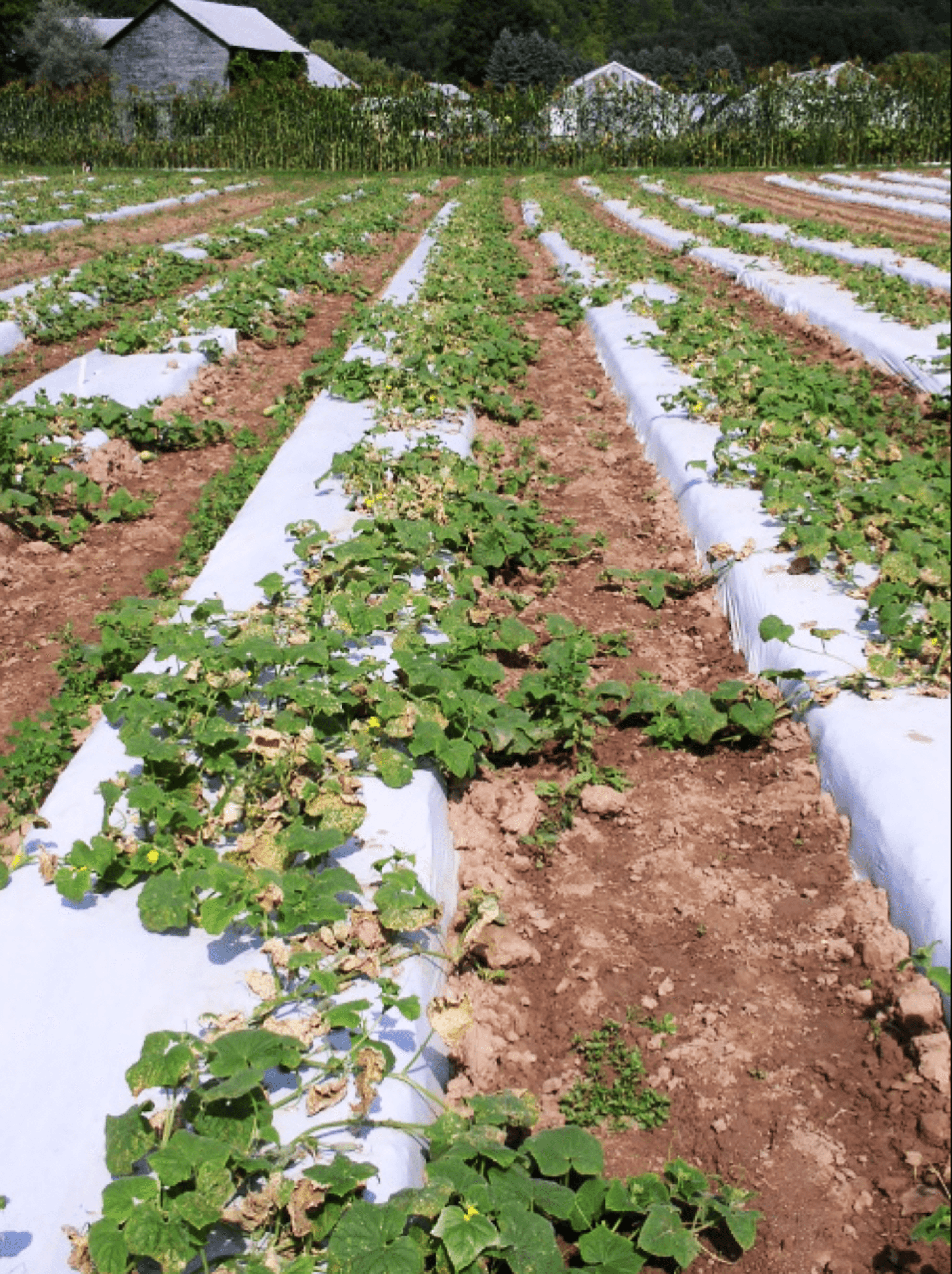
Cucumber late blight, commonly referred to as downy mildew when it affects cucurbits, is a fungal disease that attacks the foliage and can significantly impact your harvest. Unlike powdery mildew, which appears as a white coating on leaf surfaces, downy mildew affects both the upper and lower leaf surfaces, creating a distinctive appearance that gardeners quickly learn to recognize.
The disease is caused by water mold pathogens, primarily Phytophthora species and related organisms that thrive in cool, humid conditions. These pathogens can reduce your cucumber yield by 50% or more if left unchecked, making early identification and management critical. The infection progresses rapidly during favorable weather conditions, potentially turning a healthy plant into a struggling one within just a few weeks.
What makes this disease particularly challenging is its preference for the exact conditions many gardeners create when watering their plants: cool temperatures between 59 and 68 degrees Fahrenheit combined with high humidity and moisture on leaf surfaces. Understanding this connection between environment and disease is your first step toward prevention.
Identifying Cucumber Late Blight: Key Symptoms to Watch
Recognizing the symptoms early gives you the best chance of saving your plants. When I first spotted fuzzy grey growth on my cucumber leaves during early morning watering, I almost missed it because the undersides of leaves showed the most obvious signs before the upper surface became noticeably affected.
The telltale signs of downy mildew include:
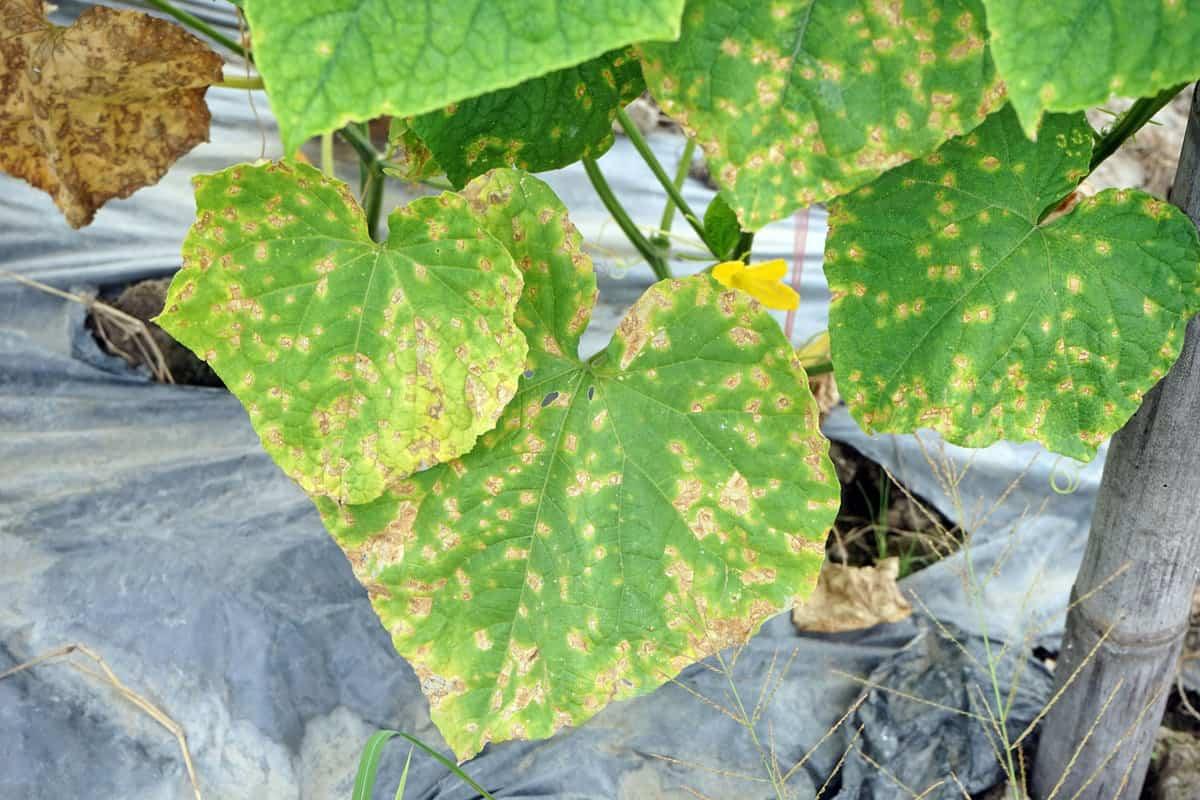
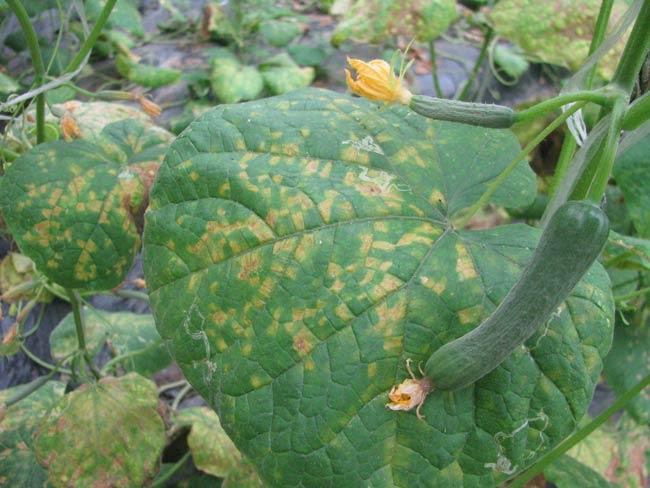
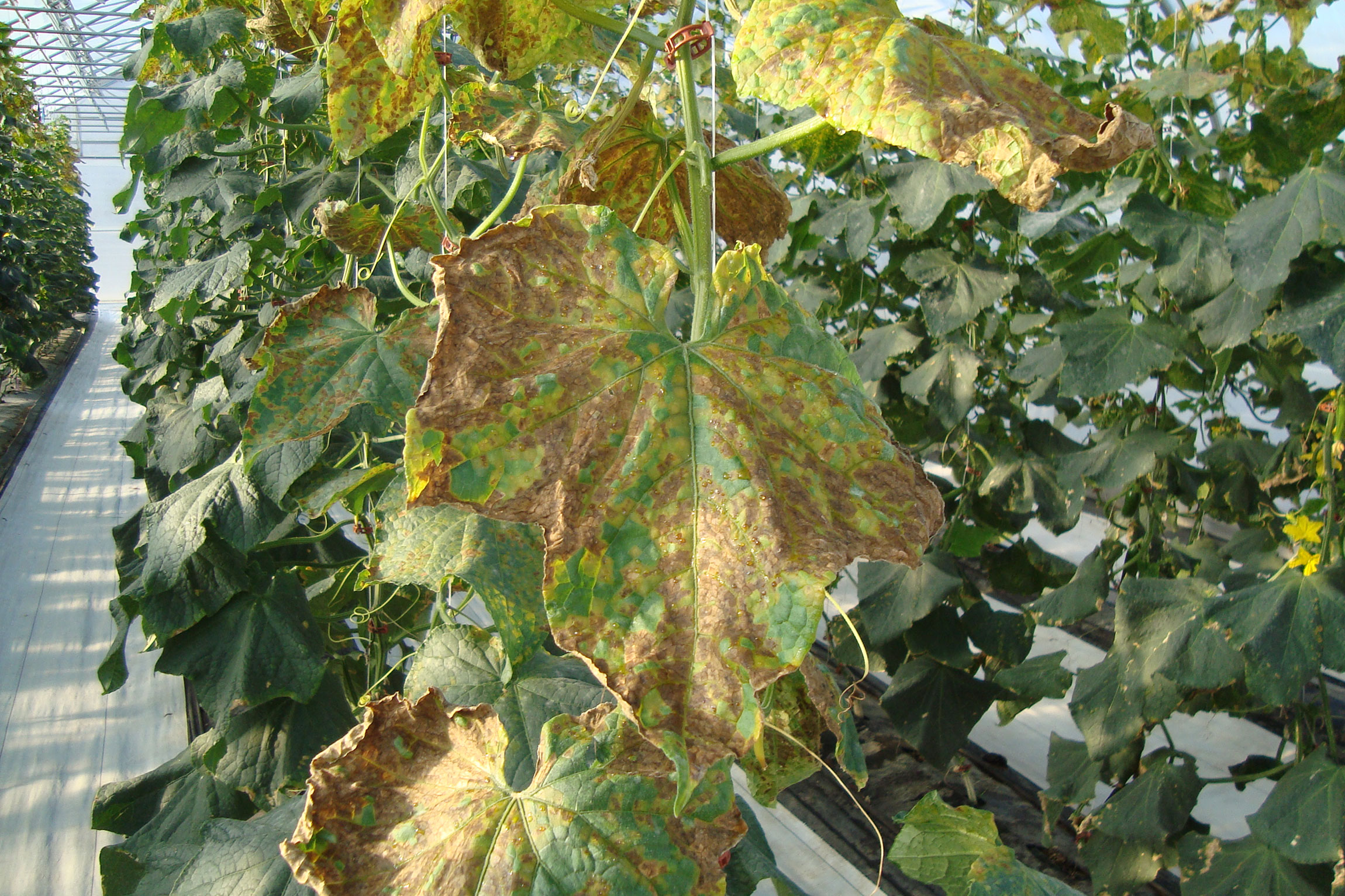
Angular, water-soaked spots appearing first on the upper leaf surface, often with a yellow halo around them. The spots start small, typically the size of a pinhead, but expand within days. On the underside of leaves, you'll notice a downy, grey or purple-grey coating that looks almost velvety to the touch. This coating contains millions of spores ready to spread to other plants. Leaves gradually turn yellow and brown as the infection progresses, eventually withering and dropping from the plant. Affected leaves may curl upward at the edges before dying completely.
The progression typically follows this timeline: early signs appear within 3 to 7 days of initial infection, visible symptoms develop over 10 to 14 days, and severe defoliation can occur within 3 to 4 weeks if untreated.
To distinguish downy mildew from powdery mildew, remember this: powdery mildew creates a white coating on the upper leaf surface primarily, while downy mildew affects the undersides with a grey-purple fuzzy growth. Powdery mildew thrives in drier conditions, while downy mildew loves moisture and cool temperatures.
Why Cucumbers Get Late Blight: Root Causes
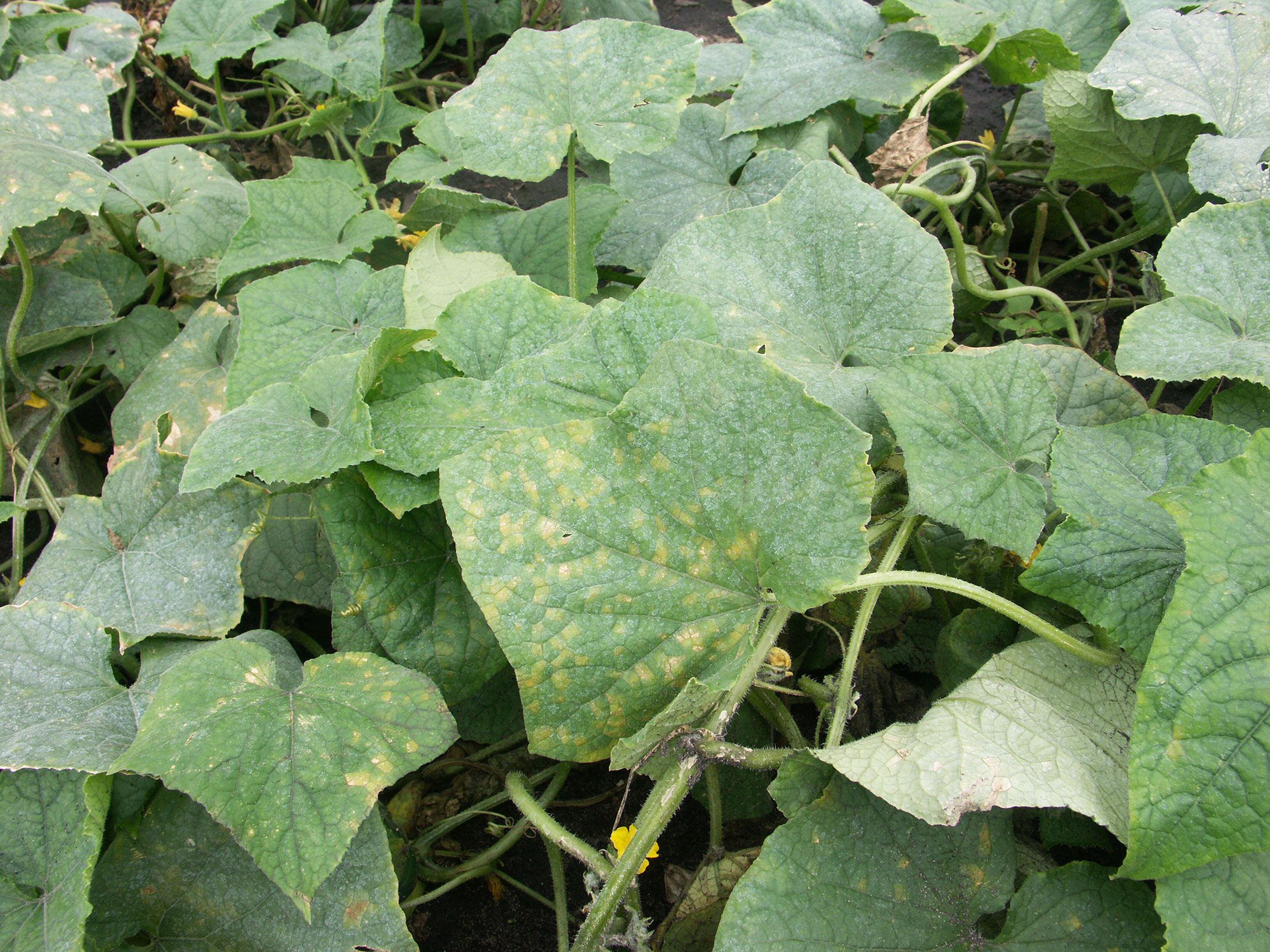
Understanding what creates the perfect storm for blight helps you prevent it before symptoms ever appear. Environmental conditions play the biggest role in disease development. Temperature ranges matter significantly: the sweet spot for downy mildew infection falls between 59 and 68 degrees Fahrenheit. When nighttime temperatures drop into this range while days remain warm, conditions are ideal for rapid disease spread.
Humidity and moisture create the second critical factor. The pathogens need free water on leaves to penetrate plant tissue, which means overhead watering, morning dew, rain, and mist all contribute to infection risk. Even brief periods of leaf wetness in cool temperatures increase infection likelihood dramatically. This is why gardens with poor air circulation and dense foliage become disease hotspots.
How the pathogen spreads depends on multiple vectors. Water splash from rain or overhead watering carries spores from infected plants to healthy ones. Contaminated tools, hands, and clothing can transport spores between plants. Air currents distribute spores from plant to plant, traveling remarkable distances during humid periods. Tools used on infected plants become vectors if not properly disinfected before moving to other areas.
Soil factors contribute indirectly through plant stress. Plants growing in poorly drained soil with inadequate nutrients become stressed and more susceptible to infection. Overcrowded plantings create stagnant air and persistent leaf wetness, dramatically increasing disease pressure.
Previous infections in your garden bed from the prior season also matter. Spores can survive in plant debris and soil, waiting for the right conditions to infect new plantings.
Prevention: Your First Line of Defense
The most effective disease management happens before infection starts. Prevention requires attention to multiple factors working together synergistically. Your first step involves selecting resistant varieties. When shopping for cucumber seeds or transplants, look for varieties marked with "PM" or "DM" resistance codes. These selections have been bred to resist powdery mildew and downy mildew respectively, giving you a built-in advantage. Check seed catalogs and plant labels carefully for these designations.
Spacing plants properly cannot be overstated. Crowded plants create humid microclimates where moisture persists on leaves. Plant cucumbers at least 12 to 18 inches apart, and consider vertical trellising to improve air circulation around plants. Adequate spacing means air can move freely around foliage, drying leaves quickly after rain or watering.
Watering practices dramatically impact disease incidence. The rule is simple: water only at the soil level, never overhead. Water early in the morning to allow any leaf wetness that does occur to dry quickly in the sun. Avoid watering in late afternoon or evening when leaves will remain wet overnight, creating perfect infection conditions. Use drip irrigation or soaker hoses to deliver water directly to roots while keeping foliage dry.
Sanitation and cleanup strategies prevent disease carryover between seasons. After harvest, remove and destroy all plant debris rather than composting infected material. Don't leave dead leaves lying on the ground where spores can overwinter. Disinfect tools between plants by wiping blades with a cloth dampened in a 10% bleach solution or lysol, spending 30 seconds on both sides. This simple step prevents unwitting spread of infection.
Crop rotation over three to four years in the same bed prevents pathogen buildup in soil. Plant cucumbers in a different location each year, allowing previous beds to host non-susceptible crops. Don't rotate with other cucurbits like squash or melon, which face the same diseases.
Companion planting offers subtle benefits. Plants like basil, dill, and chives can improve air circulation and may provide minor disease suppression through their chemical properties. While not a replacement for other strategies, they complement your overall management approach.
For regular monitoring without guesswork, Plantlyze's AI-powered plant diagnosis tool can analyze your cucumber leaves in real-time and alert you to early signs of infection, sometimes before symptoms are visible to the naked eye. Simply monitor your plants regularly and use digital tools to catch problems before they spread.
Active Treatment: Controlling the Disease
When prevention fails and infection appears, quick action minimizes damage. Early detection makes a tremendous difference in treatment success. Not sure if it's late blight or powdery mildew? Plantlyze's image recognition technology can help you identify diseases instantly. Simply snap a photo of affected leaves and get instant diagnosis with treatment recommendations.
Fungicide options fall into two categories: preventative and curative. Preventative fungicides like sulfur and copper work best before infection occurs, creating a protective barrier on leaves. Apply preventative fungicides every 7 to 10 days during high-risk periods, typically cool, humid weather in spring and fall. Curative fungicides like those containing mancozeb or chlorothalonil can slow disease progression if applied early in infection but won't eliminate established infections.
Organic alternatives include sulfur dusting, which works well in many situations but shouldn't be applied when temperatures exceed 85 degrees Fahrenheit as it can burn foliage. Copper fungicides provide another organic option, though repeated applications can build up in soil over time. Neem oil offers additional organic protection, disrupting fungal reproduction when applied correctly.
Timing of applications matters enormously. Begin preventative treatments when conditions favor disease development: cool nights, warm days, and high humidity. Don't wait for visible symptoms. Once infection is visible, you're already behind, and fungicides become less effective. For best results, alternate between different fungicide types to prevent pathogen resistance development.
Manual removal of infected leaves provides immediate symptom relief and reduces spore production. Carefully remove affected leaves, placing them in a sealed bag for disposal. Don't leave infected leaves on the ground or in compost. Sanitize your pruning tools between cuts to avoid spreading infection between plants on the same vine.
Pruning strategies focus on improving air circulation around remaining foliage. Remove the lowest leaves on plants, allowing air to reach the base where humidity persists. Selectively thin dense foliage to allow light penetration and air movement. This approach takes patience but dramatically improves your plant's ability to dry quickly after watering or rain.
Season-Specific Management: When Blight Strikes
Spring prevention during cucumber planting season sets the tone for your entire season. Wait to plant until soil temperatures reach 70 degrees Fahrenheit and nighttime temperatures stay above 60 degrees consistently. Plant resistant varieties from the start. Begin spacing considerations before problems emerge. Establish your watering practices immediately, training yourself to water at soil level only.
Summer monitoring during peak growing season requires consistent attention. Check plants three times weekly, examining the undersides of leaves for early fuzzy growth. Weather patterns matter: if June brings cool, wet conditions, increase monitoring frequency and consider preventative fungicide applications. Most gardeners who catch disease in June stop it effectively; those who wait until July often face severe defoliation.
Late-season management in August and September becomes critical as nighttime temperatures cool. This transition period often brings the year's worst disease pressure. Increase fungicide application frequency, maintain excellent sanitation practices, and prune aggressively to improve air circulation. You're fighting an uphill battle against favorable disease conditions, so every action counts.
Harvest timing considerations shift when disease appears. Don't let fruit stay on vines longer than necessary, as mature fruit attracts more plant energy and stress. Harvest regularly every one to two days to encourage continued production and reduce plant energy expenditure on struggling areas.
Post-Harvest Care: Preventing Future Outbreaks
What happens after harvest dramatically impacts next season's disease pressure. Proper cleanup of infected debris begins immediately after final harvest. Remove all plant material from beds and dispose of it in sealed bags in your regular trash rather than attempting to compost potentially infected material.
Storage conditions for saved seeds matter if you plan to grow the same variety again. Save seeds only from completely healthy plants showing no disease symptoms. Seed cleaning and careful storage in cool, dry conditions ensures the disease won't spread through saved seed material.
Garden sanitation protocols applied after season's end provide insurance for next year. Once beds are cleared, allow them to rest for a period rather than planting immediately. Remove any plant debris from surrounding areas. If disease was severe, consider rotating to a different location entirely if space permits.
Equipment disinfection before winter storage prevents carrying pathogens forward. Clean and disinfect trellises, stakes, and cages with a 10% bleach solution. Wipe down pruning tools with the same solution. Store tools in a dry location where they won't remain damp over winter.
Preparing beds for next season includes soil improvement and amendment. Incorporate compost rich in beneficial organisms that may provide disease suppression. Test soil pH and nutrients, correcting any deficiencies that could stress future plants.
FAQ: Common Questions About Cucumber Blight
Can cucumber blight spread to other plants? Downy mildew has different strains, and cucumber strains typically don't infect other vegetable crops extensively. However, it can spread to other cucurbits like melons and squash that grow in nearby locations. Maintain separation and sanitation when handling different plant types.
How long does infection take from exposure to visible symptoms? Once spores land on leaves in favorable conditions, infection can occur within hours, but visible symptoms typically appear within 3 to 7 days. By the time you see symptoms, the infection is already well established on your plant.
Is it safe to eat cucumbers from infected plants? Yes, the fruit itself is safe to eat even when plants are heavily infected. The disease affects foliage primarily. However, harvest quickly because severely defoliated plants produce less sugar and quality in fruit, and the plant will decline quickly without healthy leaves to photosynthesize.
Can I compost infected leaves? Standard home compost rarely reaches temperatures high enough to kill fungal pathogens. Play it safe and dispose of infected material in sealed bags in your regular trash. Don't risk spreading disease through compost applied to other garden beds.
What's the best time to plant to avoid blight? Wait until soil reaches 70 degrees Fahrenheit and nighttime temperatures consistently exceed 60 degrees. Early planting into cool soil stresses plants and makes them more susceptible to disease. Late planting sometimes avoids the worst of fall disease pressure, though you sacrifice total harvest volume.
Once you've confirmed the disease, Plantlyze provides personalized treatment plans based on your location, climate, and plant variety. Diagnose your cucumber plant now on Plantlyze and get customized guidance for your specific situation.
Conclusion
Cucumber late blight and downy mildew don't have to end your gardening dreams. Armed with knowledge about disease identification, prevention strategies, and treatment options, you're equipped to protect your plants and maintain productive harvests. Remember that prevention always beats treatment: resistant varieties, proper spacing, careful watering practices, and good sanitation form your strongest defenses against this persistent disease.
Success in managing cucumber blight comes from consistent attention to the details that create either favorable or unfavorable conditions for disease development. Monitor your plants regularly, maintain excellent sanitation practices, and act quickly when you notice early symptoms. Your diligence now prevents major headaches later in the season.
The journey from identifying your first fuzzy grey spots on cucumber leaves to harvesting healthy, disease-free cucumbers is absolutely achievable. Start with prevention this season, and you'll enjoy cucumber harvests that reflect the care and attention you've invested in your garden. Your plants will thrive, your yields will impress you, and you'll join the ranks of successful cucumber growers who understand that disease management is just another aspect of responsible plant care.
References and Additional Resources
University of Minnesota Extension. "Downy Mildew of Cucumber, Melon and Squash." Plant Disease Management. Accessed December 2025. www.extension.umn.edu[1]
Cornell University College of Agriculture and Life Sciences. "Phytophthora Blight of Cucurbits." Cornell Vegetables. Accessed December 2025. www.vegetables.cornell.edu[2]
NC State University. "Cucumber Disease Handbook." Cooperative Extension. Accessed December 2025. cucurbitbreeding.wordpress.ncsu.eduextension.soils.wisc
Nunhems. "Cucumber and Pickling Cucumber Disease Management." Seed and Plant Breeding Resources. Accessed December 2025. www.nunhems.com[6]