Imagine opening your greenhouse on a cool, wet morning to discover golden brown ooze dripping from cucumber stems. The leaves show yellow margins and the fruit displays dark rot patches. This nightmare scenario unfolds when gummy stem blight strikes your garden. Understanding this destructive fungal disease equips you to protect your harvest before symptoms appear.
This guide reveals everything from recognizing early warning signs to implementing proven prevention strategies. You will learn how to identify gummy stem blight quickly, understand its rapid lifecycle, and apply practical solutions that work. Whether you grow cucumbers in a backyard garden or manage commercial fields, these steps safeguard your crop from total loss.
What Is Gummy Stem Blight Disease?
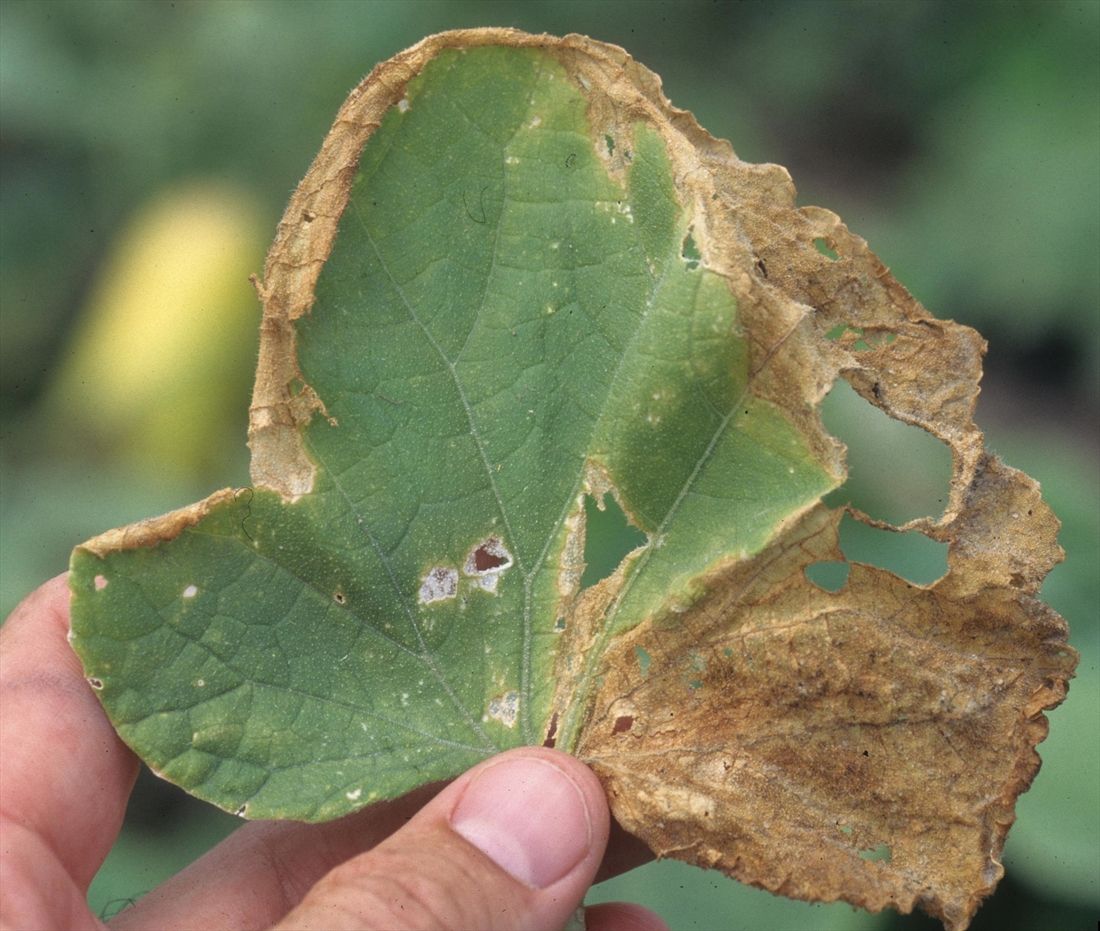
Gummy stem blight comes from a fungus called Didymella bryoniae. This pathogen also goes by the name black rot disease because of the dark lesions it creates on fruit. First discovered as a major agricultural problem decades ago, gummy stem blight now ranks among the most destructive diseases affecting watermelon, cantaloupe, and cucumber worldwide.
The fungus attacks all aboveground plant parts from seedlings through mature vines. Watermelon and cantaloupe suffer most severe damage, though cucumbers face significant risk too. The disease thrives in cool, moist conditions between 64 and 75 degrees Fahrenheit with humidity above 85 percent. Tropical and subtropical regions experience the worst outbreaks, but the disease appears wherever warm season crops grow.
Unlike some plant diseases that merely reduce quality, gummy stem blight causes complete crop failure. The dark rot makes fruit unmarketable even though it remains technically edible. Infected stems may girdle and kill entire vines. Commercial growers lose millions annually to this pathogen. Home gardeners risk losing their entire cucumber harvest in a single season.
Understanding why prevention matters more than cure becomes clear once you see how quickly this disease spreads. The fungus produces spores continuously during wet weather, enabling multiple generations per season. Once established in your garden, controlling gummy stem blight becomes nearly impossible.
Recognizing the Symptoms
Spotting gummy stem blight early provides your best chance for intervention. The disease displays distinctive symptoms on leaves, stems, and fruit that allow confident identification.
Leaf and Seedling Symptoms
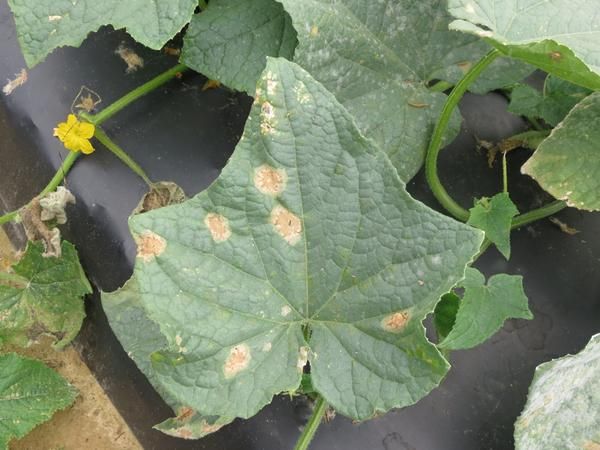
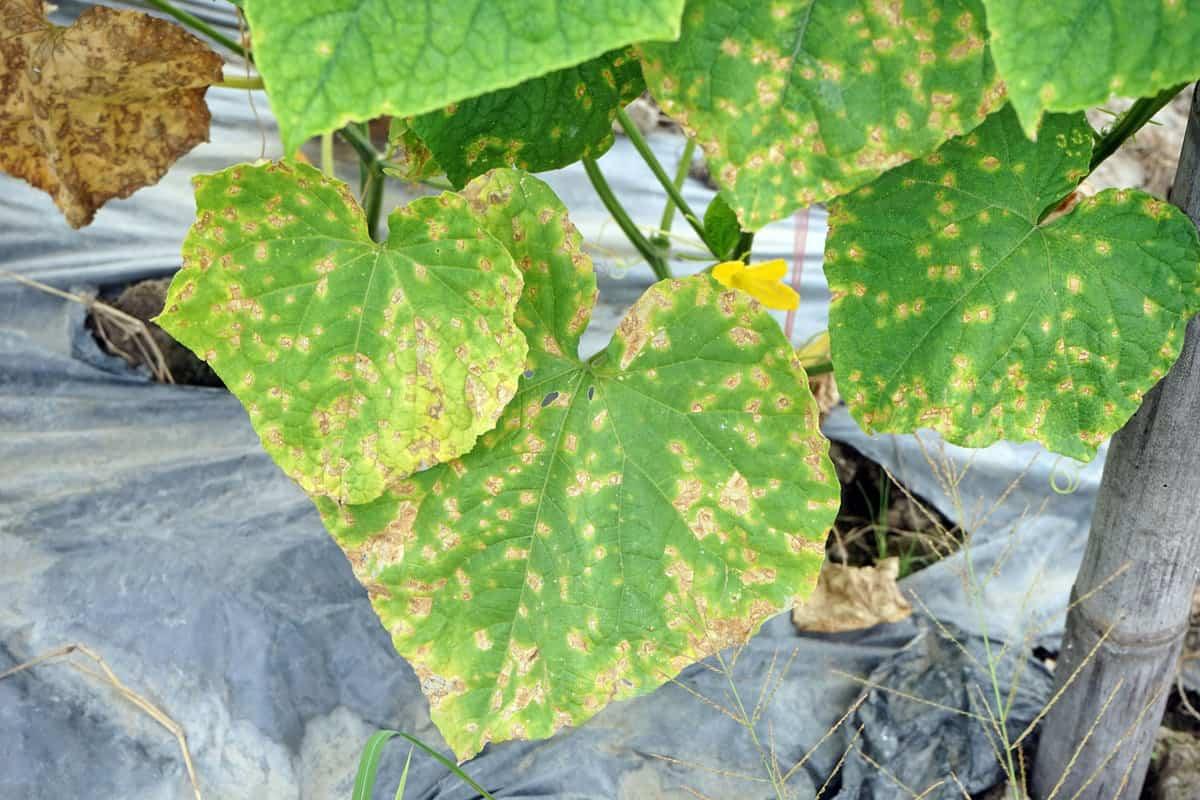
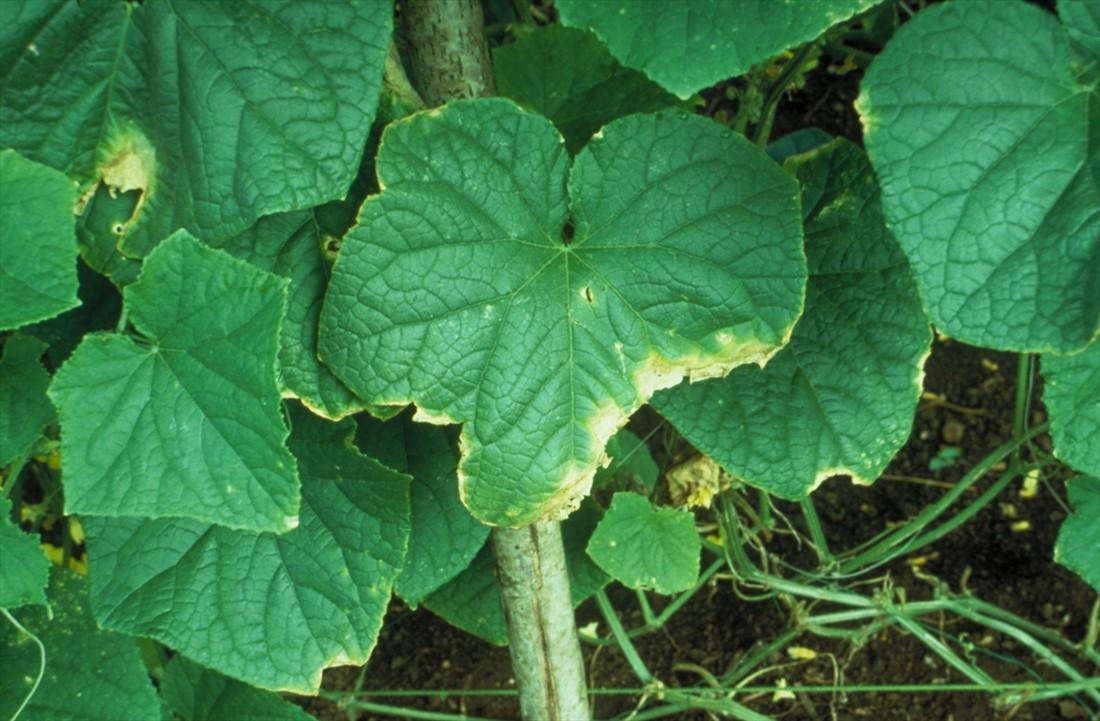
Yellowing appears first at leaf margins as an early warning sign. Young seedlings may show light to dark brown spots on their seed leaves. These initial spots enlarge rapidly into water-soaked lesions. Progressive infection causes entire leaves to become blighted and brown.
In pumpkins and cucumbers, brown wedge-shaped areas extend inward from leaf margins. Melons show discoloration that occurs between leaf veins rather than following vein patterns. Severely affected leaves eventually die and drop from the plant, exposing fruit to sunburn.
Stem Symptoms (Most Distinctive)
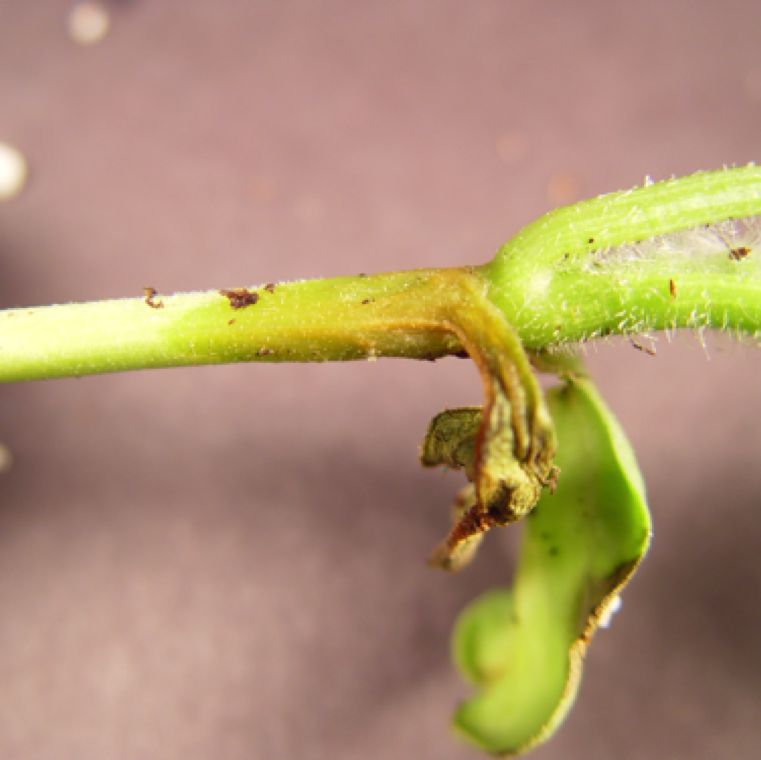
The gummy ooze from stem cankers makes gummy stem blight instantly recognizable. Brown water-soaked lesions appear first on stems and runners. These lesions enlarge into obvious stem cankers that may measure several inches long. The most distinctive feature emerges as golden brown or amber colored gummy exudate oozes from the canker.
Black spore-producing structures called pycnidia become visible on the lesions. Affected stems may split open along canker lines as the disease progresses. Cankers sometimes girdle main stems completely, cutting off water and nutrient flow. Above the girdled area, the entire vine wilts and dies despite adequate soil moisture.
Visual Indicator Tip:
The golden brown gummy ooze dripping from stem cankers combined with visible black fruiting bodies confirms gummy stem blight. No other common cucumber disease produces this distinctive oozing from cankers.
Fruit Symptoms
Early fruit infection appears as small water-soaked spots on the skin. These spots enlarge to indefinite sizes as the disease progresses. Gummy material oozes from fruit lesions just as it does from stem cankers. The spots eventually develop into large areas of black rot covering significant portions of the fruit.
In cucumbers, internal rot represents the most economically important symptom. The fruit may appear nearly normal externally except for a small narrowing at the tip. Cutting the fruit reveals extensive internal rot despite minimal external signs. This hidden damage makes it impossible to sell the fruit even though surface appearance seems acceptable.
Symptom Timeline
Initial infection can occur from seedling stage through mature plant growth. Yellowing at leaf margins represents the first visible symptom in most cases. Vine wilting usually develops about 3 to 4 weeks after initial infection occurs.
Symptoms progress rapidly once conditions favor fungal growth. In cool, wet weather with high humidity, the disease can devastate an entire planting within 2 to 3 weeks. Spore release and new infections continue as long as leaves remain wet from rain or morning dews.
Quick Identification Checklist:
Yellow discoloration at leaf margins
Water-soaked brown leaf spots
Golden brown gummy ooze from stem cankers
Black rot covering fruit areas
Black spore-producing bodies on lesions
Vine wilting despite adequate water
Disease Lifecycle and Spread
Understanding how gummy stem blight survives between seasons helps you break the disease cycle permanently.
Winter Survival and Overwintering
The fungus overwinters on infected crop residue left in the garden or field. Diseased plant debris can support the fungus for one year or longer after harvest. The pathogen cannot survive for extended periods without a host plant present.
Seedborne transmission represents another critical survival mechanism. If infected seeds are planted, the fungus can infect seedlings immediately. Growers who save seed from diseased plants perpetuate the disease for future seasons. This single practice spreads infection faster than any other method.
Perfect Conditions for Infection
Gummy stem blight requires specific environmental conditions to infect plants and spread rapidly. Cool temperatures between 64 and 75 degrees Fahrenheit combined with high humidity above 85 percent create ideal disease conditions.
Rainfall and leaf wetness duration prove critical for spore germination and plant infection. The fungus penetrates plant tissue directly without requiring wounds. However, insect damage, beetle feeding, and aphid injury increase infection likelihood significantly. Leaf wetness lasting between 1 and 10 hours enables successful infection.
Rainy seasons and cool springs create the highest disease pressure. Morning dews lasting several hours before sun evaporation provides enough moisture for spore germination. Valley fogs in coastal regions sustain moisture conditions that favor disease development.
Spore Production and Spread
Black pycnidia (fruiting bodies) swell with spores as the disease progresses. When infected tissue becomes wet again from rain or dew, these structures release tendrils of sticky spores. The spores spread to nearby plants through water splash during overhead irrigation or rainfall.
Infected crop residue serves as the primary spore source for new infections. Wind carries spores short to moderate distances, but overhead irrigation proves the most efficient spread method. Contaminated tools, equipment, and worker clothing also transmit spores between plants and gardens.
Rapid Spread Reality: One infected plant can contaminate your entire patch within 2-3 weeks during favorable weather. Disease progression accelerates once moisture levels remain high continuously.
Prevention Strategies (Your Best Defense)
Prevention stops gummy stem blight before it destroys your crop. Implement these proven strategies from the beginning of your growing season.
Use Disease Free Seeds and Seed Treatment
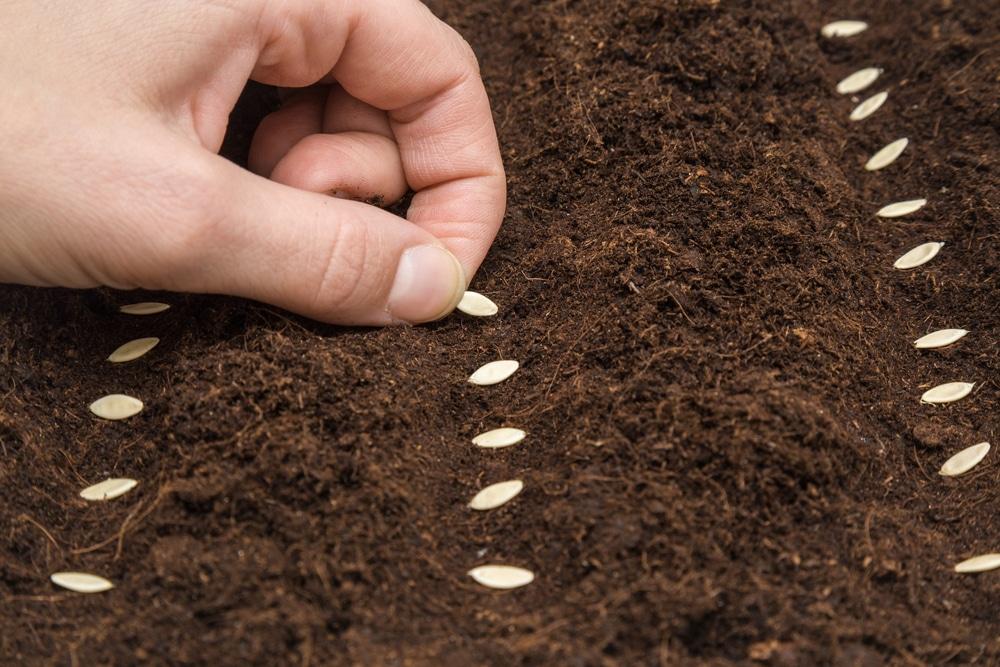
Always purchase certified disease free seeds from reputable suppliers. This single step prevents seedborne transmission that jumps years ahead in the disease cycle. Check seed company catalogs carefully for disease free certification.
Treat seeds before sowing to provide additional protection against any hidden infection. Chemical seed disinfection options exist for growers willing to use conventional methods. Clean seeds with approved fungicides according to label directions.
Never save seed from your own garden if you suspect any disease. This practice guarantees disease will appear in next year's crop. Even one infected seed plant in your saving operation spreads disease to all seeds produced.
Implement Strict Crop Rotation
Rotate cucurbits (cucumbers, melons, squash, pumpkins) out of the same location for minimum 2-3 years. The longer the rotation, the better the pathogen control. Some growers extend rotations to 4-5 years for complete disease elimination.
Plant completely different crop families during the rotation period. Choose crops like beans, brassicas (cabbage, broccoli), onions, or legumes that do not host the fungus. Deep summer ploughing of fields exposes fungal spores to sun and kills them.
Plow under all plant material immediately after harvest. Leaving residue in the field allows the fungus to survive and produce spores the following season. Collect all vines, fruits, and leaves and either burn them or bury deeply in a separate location.
Environmental Management (Critical Success Factor)
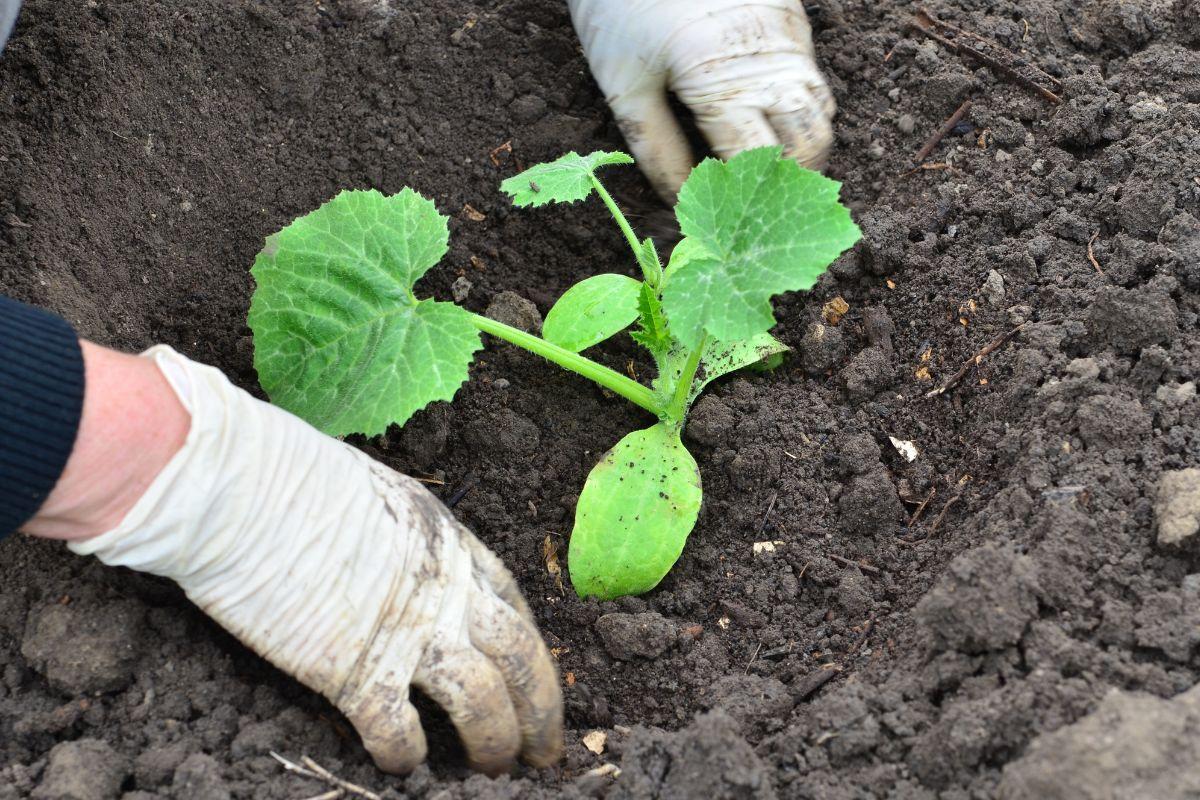
Avoid overcrowding plants in your garden. Proper spacing ensures air penetrates to lower leaves and soil dries quickly after rain. Dense plantings with poor air flow create microclimate conditions favorable for disease development.
Switch from overhead sprinkler irrigation to drip irrigation systems immediately. Overhead watering wets foliage, creating perfect moisture conditions for spore germination and infection. Drip systems deliver water directly to soil where it benefits plants without wetting leaves.
If overhead irrigation is unavoidable, water only in early morning so foliage dries quickly as sun rises. Never water in evening because wet foliage overnight creates 8-12 hours of perfect infection conditions. Space plants according to spacing instructions on seed packets to allow adequate airflow.
Remove all weeds from the garden area. Weeds reduce air circulation and trap moisture around plants. Ensure the field location has good natural drainage. Avoid low-lying areas where water collects and moisture remains high.
Moisture Control Emphasis:
High humidity above 85 percent combined with wet foliage creates perfect disease conditions. Drip irrigation, adequate spacing, and morning only watering dramatically reduce gummy stem blight risk.
Nursery and Field Sanitation
Clean and disinfest nursery areas regularly. Inspect seedlings every 2 days for yellow margins, spots, or patches indicating infection. Remove any infected seedlings immediately and burn them completely. Do not compost diseased plants because the fungus survives composting.
Clean all garden tools, stakes, and equipment between uses with disinfectant solution. Contaminated equipment spreads disease from infected plants to healthy ones quickly. Change your clothes and wash hands after working with diseased plants before handling healthy plants.
Collect all infected plant parts during the season and burn or bury them away from the garden. Do not leave diseased material lying around because it continues producing spores.
Monitoring and Early Detection
Inspect plants weekly throughout the growing season. Watch for yellow margins on leaves as the first warning sign. Increase inspection frequency during cool, wet periods when disease pressure peaks.
Document when disease appears in your area so you can prepare defenses in future years. Record which plants show symptoms first and how quickly infection spreads. This information helps you plan preventive spray timing for subsequent seasons.
Three-Step Prevention Summary:
Certified disease free seeds plus strict crop rotation plus environmental management prevents gummy stem blight before infection occurs.
Treatment Options When Prevention Falls Short
Understand upfront that treatment becomes very difficult once gummy stem blight establishes. Prevention always proves more effective than trying to cure established infections. However, early treatment can slow disease spread and save uninfected portions of your crop.
Organic and Biological Control Options
Bacillus subtilis strain QST 713 has demonstrated effectiveness against gummy stem blight in university trials. Multiple Bacillus formulations exist for disease control in organic growing systems.
Pseudomonas fluorescens offers another biological option applied as sprays or drenches. Trichoderma viride works through both soil and foliar applications to prevent infection. Reynoutria sachalinensis, a plant extract, proves effective in organic systems.
Begin biological spray applications 15 days after seed germination. Continue applications every 15 days throughout the growing season. Organic products work best when applied preventively before symptoms appear. Once severe infections develop, biological effectiveness drops significantly.
Conventional Fungicide Options
Contact fungicides like chlorothalonil and mancozeb provide highly effective control. Systemic fungicides offer additional options for disease management.
Begin fungicide applications at the 3-4 leaf seedling stage, even if no disease appears yet. Apply every 7-10 days to maintain continuous protection. Preventive applications work far better than attempting to stop established infections.
Rotate between different fungicide classes to prevent the fungus from developing resistance. Never use the same fungicide continuously or you risk resistance development that eliminates that tool.
Integrated Treatment Reality
No fungicide alone stops gummy stem blight during extended cool, wet weather. The disease cycle is so rapid that fungicides cannot keep pace with spore production and new infections.
Combine fungicide sprays with cultural improvements like removing infected plants, improving air circulation, and reducing irrigation frequency. This integrated approach gives you the best chance of slowing disease spread.
Once fruit shows heavy black rot infection, no treatment will restore marketability. Accept that some crop loss will occur and focus energy on protecting healthy portions of your planting. Remove infected plants completely to reduce spore production that infects remaining healthy plants.
Treatment Truth: Fungicides cannot cure established infections. Prevention through disease free seeds and crop rotation remains your only path to disease-free harvests.
Early Detection and Diagnosis Makes All the Difference
Quick confirmation when you first suspect gummy stem blight saves your crop. Many plant diseases mimic these symptoms, leading to wasted time and resources on wrong treatments. Early intervention during the disease appearance window actually works.
Challenges of Identification
Yellow leaf margins appear in several different plant diseases. Stem ooze might indicate gummy stem blight or other fungi. Fruit rot symptoms resemble anthracnose and other fruit diseases. Even experienced gardeners sometimes hesitate before taking action.
Delaying identification costs you critical days when early treatment is most effective. By the time you confirm the disease through visual inspection, infection has already spread significantly throughout your planting.
The Power of AI-Powered Diagnosis
Advanced diagnostic tools use artificial intelligence to identify plant diseases instantly. Snap a photo of suspicious stems showing ooze, yellowing leaf margins, or fruit rot. Image recognition technology confirms gummy stem blight and distinguishes it from look-alike diseases within seconds.
Modern diagnostic platforms provide:
Confirmed disease identification
Symptom descriptions specific to your plant situation
Treatment recommendations including organic and conventional options
Prevention suggestions for future growing seasons
Community expert support
Introducing Plantlyze
Plantlyze stands out among diagnostic solutions as an AI-powered plant care tool. This platform identifies diseases accurately using advanced image recognition technology. Upload a photograph of your affected cucumber plant and receive instant diagnosis.
Plantlyze delivers:
Instant gummy stem blight identification
Organic and conventional treatment suggestions
Prevention strategies for your specific situation
Community support from plant care experts
Offline disease library for future reference
Call to Action:
Do not wait for yellow margins to spread across all your leaves. Do not delay while golden ooze drips from more stems. Use Plantlyze to get instant confirmation and start treatment immediately. Visit plantlyze.com and diagnose your cucumber plant today. Early detection stops gummy stem blight before it ruins your harvest completely.
Conclusion and Action Steps
Gummy stem blight poses a serious threat to your cucumber harvest, but proven prevention strategies protect your plants effectively. Disease free seeds, strict crop rotation, and careful environmental management create strong defenses against this destructive pathogen.
What You Learned
Gummy stem blight comes from Didymella bryoniae fungus
Symptoms include yellow leaf margins, golden gummy stem ooze, and black fruit rot
Disease thrives in cool, moist conditions above 85 percent humidity
Prevention proves far more effective than treatment
Three-pronged approach works best: certified disease free seeds plus 2-3 year crop rotation plus environmental management
Early detection using AI diagnostic tools enables faster response
Take These 7 Action Steps Today
Order certified disease free seeds for this season immediately
Plan a 2-3 year crop rotation keeping all cucurbits out of repeat locations
Install drip irrigation to keep foliage dry and disease-free
Space plants properly according to spacing recommendations for air circulation
Schedule weekly plant inspections during cool, wet weather
Source seeds from reputable disease-free suppliers only
Use diagnostic tools like Plantlyze at the first sign of disease
Your Path to Success
Gummy stem blight is preventable. By understanding the disease and implementing these comprehensive strategies, you can protect your harvest and enjoy healthy plants all season. The effort you invest now in prevention saves you heartache, time, and money later.
Perfect harvests await those who act decisively and plan ahead. Start implementing these strategies before the growing season begins. Next season will show dramatic improvement in plant health and fruit quality.
Final Call to Action:
Do not wait until golden gummy ooze appears on your stems. Download Plantlyze now and keep it ready for immediate answers about plant health. When you spot suspicious symptoms, you will have the AI diagnostic tool instantly available. Visit plantlyze.com today and take complete control of your plant health management.
References
Koppert Biological Systems - https://www.koppert.com/plant-diseases/gummy-stem-blight/