There is something magical about the moment you first taste a cucumber you have grown yourself. The flavor is brighter, crisper, and more satisfying than anything you find in a store. Growing cucumbers can happen in your outdoor garden during warm months or indoors under controlled conditions throughout the year. This comprehensive guide covers everything you need to know about cultivating cucumbers whether you are planting in beds, containers, or under grow lights. Learn when to plant, how to space plants correctly, what signals tell you fruit is ready, and how to troubleshoot common issues so you can enjoy consistent cucumber harvests.
Understanding Cucumber Growing Seasons and Timing
Getting the timing right separates successful growers from those who struggle with poor germination and weak plants. Cucumbers are extremely sensitive to cold, and planting too early in chilly soil almost always results in failure.
Soil temperature is your most important timing signal. Cucumbers need soil that has warmed to at least 60 degrees Fahrenheit to germinate, but they prefer a warmer range between 21 and 29 degrees Celsius for fastest sprouting and strongest growth. Waiting for soil to reach around 21 degrees Celsius before planting is worth the patience because seeds planted in cold soil often rot before they sprout. Your last frost date is important too, but it tells only part of the story. A region might be past frost danger but the soil might still be quite cool, especially in spring.
Different regions have different optimal planting windows. In USDA zones 4 and 5, plant cucumbers between late May and mid June once soil has warmed adequately. In zones 6a and 6b, you can plant from early May through June depending on soil temperature. Always check soil temperature with a simple probe thermometer rather than guessing. This single piece of information prevents costly mistakes.
If you want to get a head start on the season, you can start seeds indoors in seed trays four to six weeks before your last frost date, then transplant seedlings outdoors once soil has warmed sufficiently. Use a heat mat under seed trays to maintain soil warmth between 27 and 32 degrees Celsius for fastest germination. This approach lets you have robust seedlings ready to go into the ground the moment conditions are right.
For fall planting, things are much simpler. Once summer heat passes, direct sow seeds into warm garden soil in late summer and they will grow into early fall, extending your harvest season well past when spring-planted cucumbers fade.
Spacing Cucumbers for Health and Productivity
Proper spacing might seem like a small detail, but it directly affects air circulation, disease prevention, and how much fruit you can harvest from a given garden area. Crowded cucumbers struggle with fungal diseases and produce less prolifically.
The spacing you need depends on what type of cucumber you are growing and how you plan to support it. Bush varieties such as Salad Bush stay compact and need less space, typically about 46 to 61 centimeters between plants with rows spaced 91 to 122 centimeters apart. Vining varieties that sprawl across the ground need significantly more room, roughly 91 to 122 centimeters between plants with rows spaced 122 to 152 centimeters apart.
If you grow cucumbers vertically on a trellis or support, you can plant them much closer because the vines grow upward rather than spreading outward. Plant transplants at the base of a trellis about 15 to 20 centimeters apart to give their established root systems plenty of room without creating competition. When spacing direct seeded cucumbers on a trellis, plant seeds about 25 to 30 centimeters apart and thin seedlings to allow that final spacing.
Container growing lets you control spacing precisely. Use individual pots of at least 19 liters for single plants, or arrange multiple plants in larger beds with about 30 centimeters between each pot or seedling. Good spacing improves drying times after rain or watering, which reduces humidity around leaves and cuts down on fungal diseases like powdery mildew by a meaningful margin.
Selecting and Starting Seeds Indoors
Starting cucumber seeds indoors gives you more control and lets you extend your growing season. You can plant seedlings outdoors once conditions are ideal rather than waiting for seeds to germinate in cool spring soil.
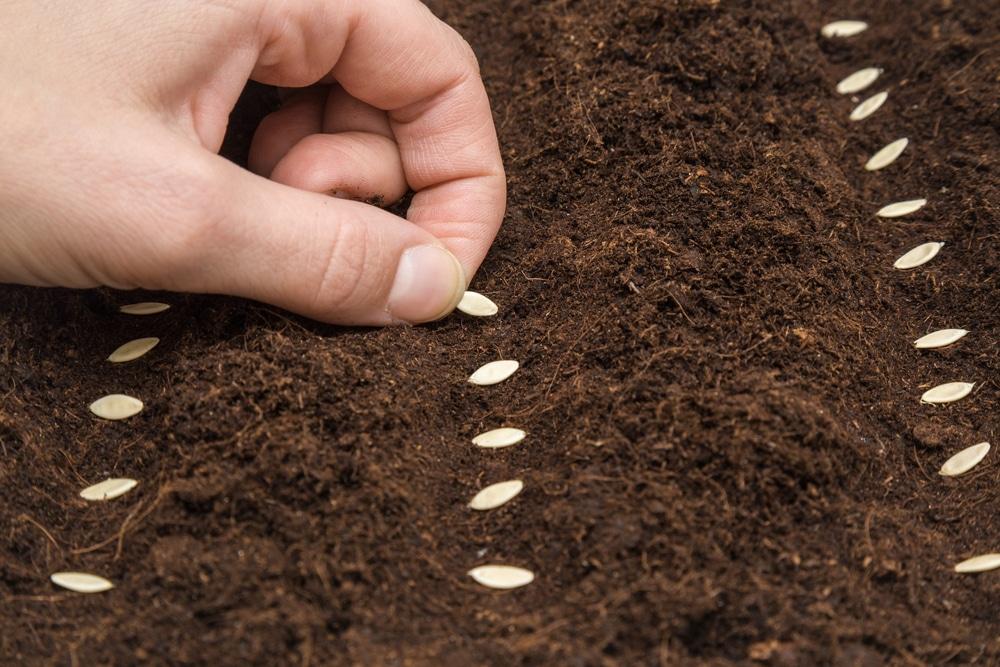
Fill seed starting trays or small pots with moist seed starting soil mix. Plant seeds about one inch deep, one seed per cell. Cover the tray loosely with a humidity dome to keep soil moist. Place the tray on a heat mat set to maintain soil temperatures between 27 and 32 degrees Celsius. In these warm conditions, seeds germinate in just 3 to 10 days. Once seedlings emerge, remove the humidity dome and place the tray under grow lights positioned about 10 centimeters above the soil. Keep lights on for 14 to 16 hours daily to prevent seedlings from becoming tall and spindly.
Water seedlings carefully from below by placing pots in water and letting them wick up moisture. This prevents fungal issues that come from overhead watering. Keep soil consistently moist but never waterlogged. Once seedlings develop their first true leaves (the leaves that look like actual cucumber leaves rather than the initial oval cotyledons), you can begin applying diluted fertilizer every couple of weeks.
Harden off seedlings about one week before you plan to transplant them outdoors. Move trays to a sheltered outdoor location for a couple of hours on the first day, gradually increasing outdoor time over a week. This helps seedlings adjust to direct sunlight, wind, and temperature fluctuations. Hardened seedlings transplant better and establish faster than seedlings moved directly from indoor shelves to outdoor beds.
Planting Outdoors: Seeds Versus Transplants
Both direct seeding and transplanting have merits depending on your situation and preferences. Direct seeding is simple and some gardeners prefer it because it avoids transplant shock. Transplanting gives you more control over which plants survive and mature.
For direct seeding, wait until soil has warmed to at least 21 degrees Celsius. Plant seeds about 2.5 centimeters deep, spacing them 10 to 30 centimeters apart depending on variety and whether you plan to trellis. Once seedlings emerge and develop their first true leaves, thin them to their final spacing. Thinning feels cruel but it is absolutely essential. Overcrowded seedlings compete fiercely for water, nutrients, and light, resulting in weak plants that produce poorly.
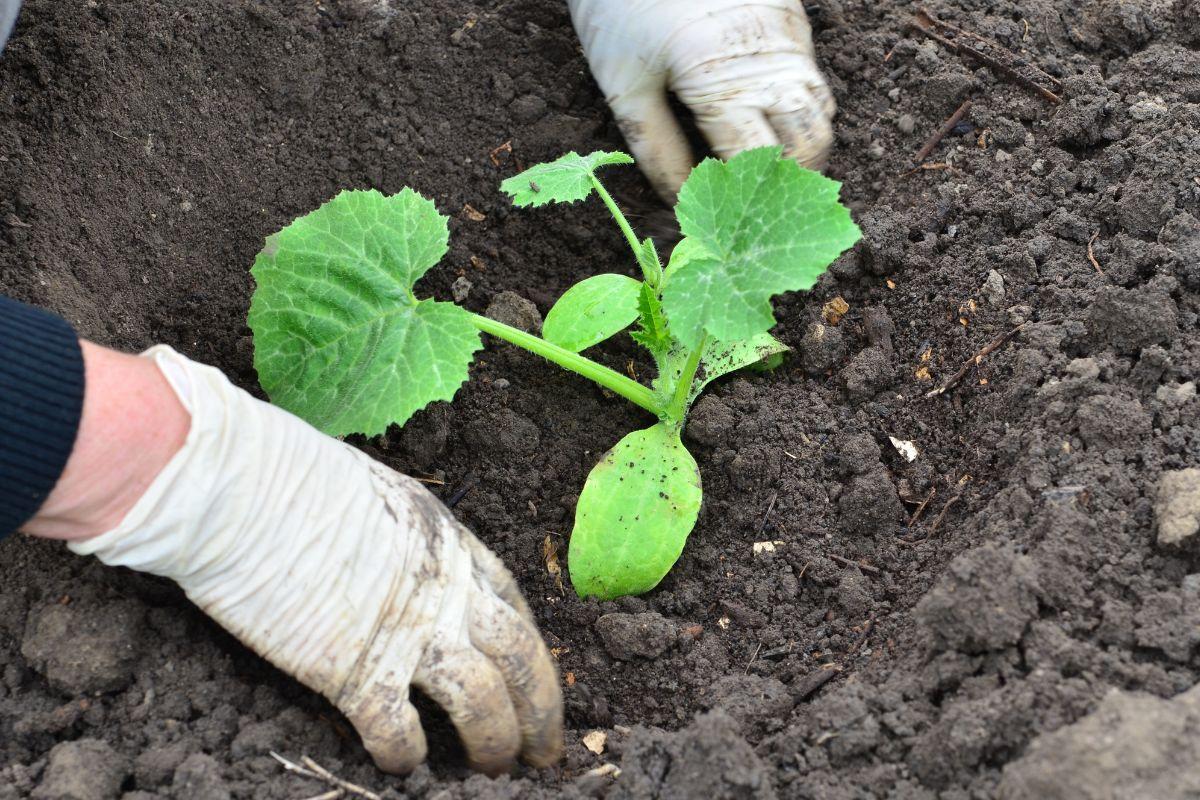
If you are transplanting seedlings, harden them off thoroughly first. Dig planting holes slightly larger than the root ball, place seedlings at the same depth they were growing in pots (never deeper or you risk stem rot), and water well. Space transplants as you would space thinned direct seeded plants. The advantage of transplants is that you can see which seedlings are strongest and healthiest before committing them to garden space.
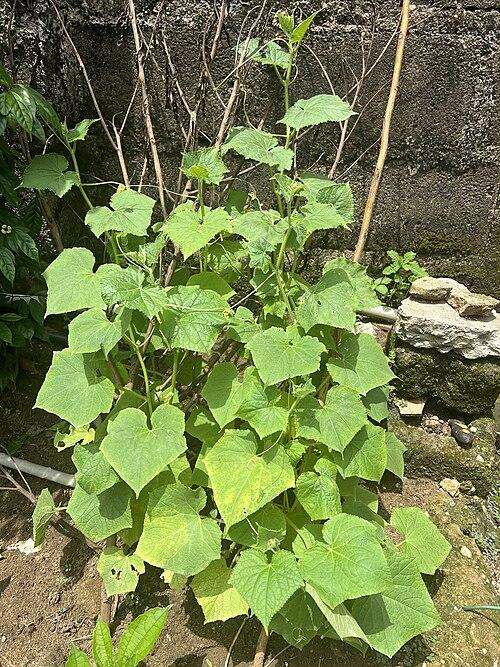
Install vertical supports at the same time you plant. Whether you use a simple stake, sturdy twine tied between posts, a commercial trellis, or netting, having the support in place prevents you from damaging roots later trying to install it. As vines grow, gently tie them to the support or guide tendrils toward it. Cucumbers have natural climbing tendencies and will quickly latch on and climb upward.
Caring for Vigorous Vines
Once your cucumbers are established, they need consistent attention to the basics: water, nutrition, and management of foliage. Plants that receive proper care produce abundantly for many weeks.
Water is perhaps the most important input. These plants are mostly water, and they need consistent soil moisture to stay healthy and produce crisp, juicy fruit. Aim for about 2.5 centimeters of water per week, increasing to 3.8 to 5 centimeters in very hot weather. Water deeply rather than frequently, and water early in the day so foliage dries before evening. Drip irrigation or soaker hoses are ideal because they deliver water directly to roots and keep foliage dry.
Feeding cucumbers throughout the season maintains vigor and keeps fruit production high. Apply fertilizer every two to three weeks starting when vines begin to run. Use a balanced formulation or one slightly higher in potassium and phosphorus to encourage flowering and fruiting rather than excess leafy growth. Water soluble fertilizers work well because you can apply them in irrigation water. Organic growers might use side dressings of compost or granular organic fertilizer.
Pruning is optional but helpful. Removing lower leaves once plants begin flowering improves air circulation and reduces disease pressure. Pinching off the growing tip when vines reach the top of a support redirects energy into flower and fruit production rather than endless vine growth. Some gardeners thin dense foliage to let more sunlight reach developing cucumbers, which improves ripeness and flavor.
Reading the Signs: When Cucumbers Are Ready
Harvesting at exactly the right moment means you get the sweetest, crispiest fruit with tender seeds. Knowing what to look for prevents the disappointment of overripe, seedy cucumbers.
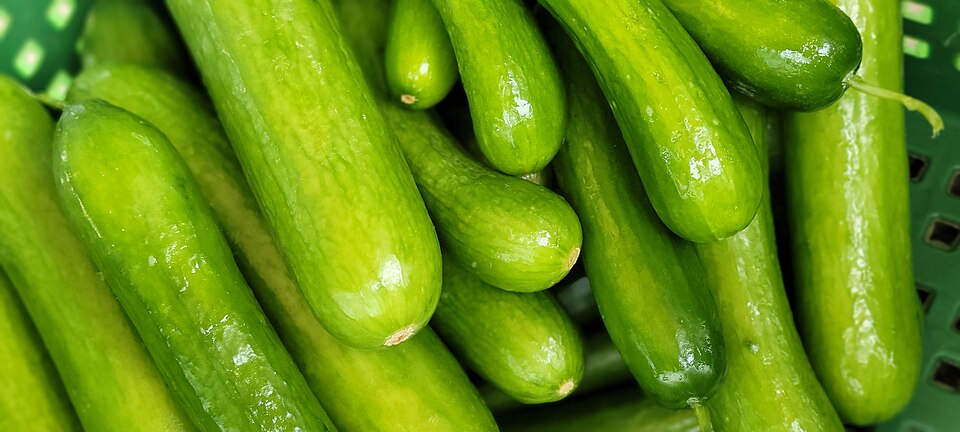
Size varies dramatically by variety. Pickling cucumbers are best harvested at just 4 to 10 centimeters long when they are small and crisp. Slicing cucumbers reach their peak between 15 and 20 centimeters long. Larger English and Armenian varieties might grow to 25 centimeters or longer before reaching their prime. Always check the seed packet for the expected harvest size of your specific variety.
Color is your second signal. A ripe cucumber has a dull, deep green skin, not a shiny appearance. Once a cucumber starts turning yellow, it has passed its peak and will taste bitter with tough, woody seeds. Feel the cucumber by squeezing it gently. A ripe one feels firm with just a slight give, not hard but definitely not soft. The flesh will still be green inside and seeds will be tender rather than hard.
Timing matters as well. Plan to harvest every few days during peak season. This frequent harvesting signals to the plant that its reproductive mission is not complete, spurring continued flowering and fruit production. If you leave mature cucumbers on the vine, the plant senses that seed development is succeeding and slows down flower production. With regular harvesting you might pick fruit continuously for many weeks, but neglect this and production can taper off quickly.
Use a sharp knife or garden shears to cut cucumbers from the vine rather than pulling, which can damage stems and disrupt the plant. Handle fruit gently to avoid bruises that lead to quick spoilage.
Monitoring Plant Health and Using Smart Tools
As your cucumber plants grow and produce, staying on top of plant health becomes easier with the right support. Diseases and pest problems often develop slowly at first, and catching them early makes treatment far more effective.
Watch for the white powdery coating of powdery mildew, which appears on leaves and stems particularly in warm, dry conditions. Early intervention with organic sulfur sprays or baking soda solutions stops it before it weakens plants significantly. Check undersides of leaves regularly for clusters of aphids. A strong water spray often dislodges them, and beneficial insects usually control populations if left alone.
When you notice unusual spots, yellowing, drooping, or other signs that something is amiss but you are not sure what, Plantlyze offers helpful guidance. Upload a photo to the Plantlyze tool and let its AI analysis suggest likely issues and solutions. This is especially valuable if you are newer to gardening and do not yet recognize all the different problems that can develop. Rather than spending hours researching online, you get expert suggestions quickly at plantlyze.com.
From Harvest to Table: Enjoying Your Cucumbers
Fresh harvested cucumbers stay crisp in the refrigerator for about a week if stored correctly. Keep them in the crisper drawer away from ethylene producing fruits like apples and bananas. Do not wash them until you are ready to use them, as moisture speeds spoilage.
Beyond fresh eating, homegrown cucumbers are perfect for pickling. Quick refrigerator pickles made with vinegar, spices, and dill keep for weeks and taste far better than store varieties. Try Asian pickling methods that feature rice vinegar, ginger, and chili for a completely different flavor profile. Blend cucumbers into chilled soups for refreshing summer meals. Add them to infused waters along with herbs and citrus for a spa like beverage. The versatility is one of the great rewards of growing your own.
Extending the Season with Succession Planting
Many gardeners plant cucumbers in waves rather than all at once. Direct sow seeds every two to three weeks from spring through midsummer to ensure continuous harvest rather than a boom and bust pattern. Early plantings might fade as temperatures rise or disease increases, but later plantings will be thriving just as early ones decline. This succession planting approach means you have something to pick nearly every day rather than overwhelming abundance one week and nothing the next.
Fall planting works especially well in many regions. Plant in mid to late summer when soil is warm and you will harvest through the fall until frost arrives. Fall grown cucumbers often stay healthier because powdery mildew pressure is lower than during summer's heat and humidity.gardening.
Bringing Your Plants Into the Home
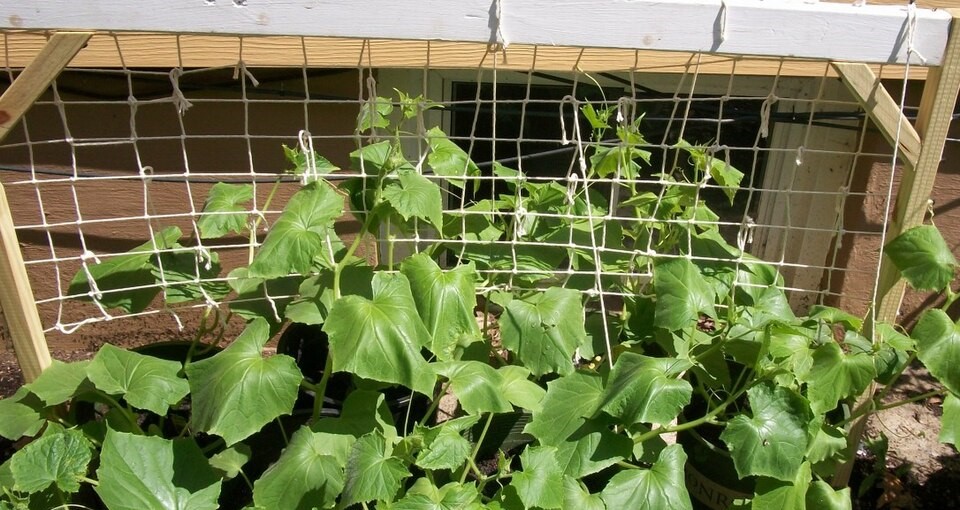
Indoor growing extends cucumber production through winter in cold climates. Use a sunny south or west facing window for natural light, or set up shelves under grow lights. Provide the same warm temperatures cucumbers enjoy outdoors, ideally between 21 and 29 degrees Celsius. Maintain consistent moisture and feed regularly since container plants cannot access soil nutrients.
Parthenocarpic varieties that produce fruit without pollination are essential for indoor growing, since bees do not visit indoor plants. Many dwarf and compact varieties are parthenocarpic, making them perfect for container culture indoors or outdoors.
Track Your Progress With Digital Support
Keeping records of what you plant, when you plant, how plants respond to care, and what problems develop helps you improve year to year. Plantlyze makes record keeping simple. Upload photos of your cucumber plants at different growth stages, note observations about how much you are watering and fertilizing, and let the system help you track plant health through the season. When you return to growing cucumbers next year, you will have detailed notes on what worked brilliantly in your specific garden and what needs adjustment. Visit plantlyze.com today and set up monitoring for your cucumber plants so you can grow with confidence and data.
Conclusion: The Joy of Cucumber Gardening
Growing cucumbers connects you to the pleasure of homegrown food in a way that few other plants can match. The combination of reliable production, ease of care, and versatility in the kitchen makes them an ideal choice whether you have sprawling garden beds or a balcony container. Follow the timing guidelines in this article, plant at the right spacing, provide consistent water and nutrition, and stay alert to early signs of problems. Harvest regularly and your plants will reward you with abundant crisp, sweet cucumbers all through the season.
When questions arise or you need guidance identifying a problem, let Plantlyze support your efforts. The AI powered plant care tool offers diagnosis and suggestions that take the guesswork out of troubleshooting. Head to plantlyze.com to access expert level plant guidance any time you need it. With attention to these proven practices and the right support when needed, you will soon be enjoying the deepest satisfaction: eating vegetables you grew yourself in your own garden.
References
University of Wisconsin Extension — www.extension.wisc.edu (search for cucumber growing guides)
Bonnie Plants (Established Horticultural Company) — www.bonnieplants.com/blogs/how-to-grow/growing-cucumbers
Penn State University Extension — www.extension.psu.edu (search for cucumber production guides)