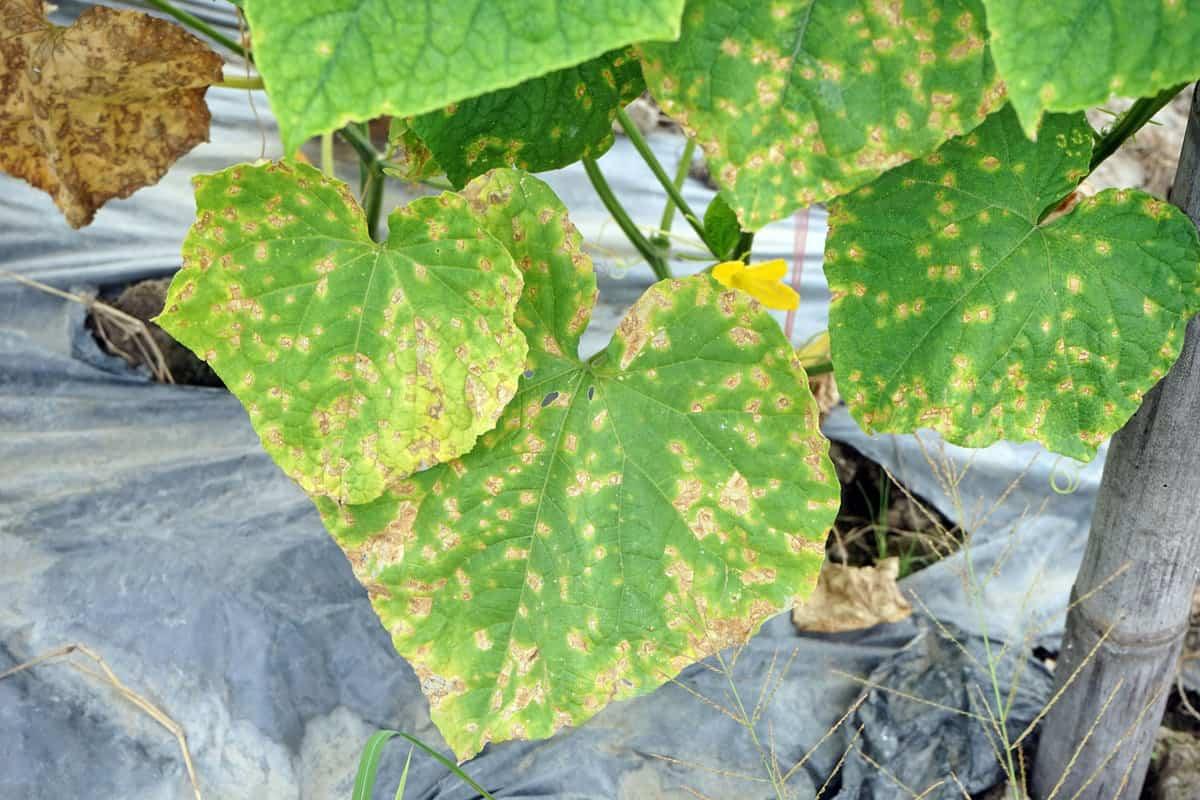
Is your cucumber garden looking spotty and unhealthy? If you've noticed brown circular lesions appearing on your lower cucumber leaves with a target like appearance, you may be dealing with early blight. This fungal disease can devastate cucumber crops if left unchecked, reducing your harvest and leaving you feeling frustrated after weeks of care and attention.
Early blight, caused by the fungus Alternaria cucumerina, affects cucumber and other cucurbit crops including watermelon, cantaloupe, and zucchini. The good news is that this disease is manageable when you understand what causes it and how to respond quickly. In this comprehensive guide, you'll learn how to identify early blight before it spreads, implement prevention strategies that actually work, and take action if infection occurs.
Proper diagnosis is crucial because early detection can change your entire growing season outcome. Understanding the disease cycle, recognizing symptoms early, and using tools like Plantlyze to monitor your plants regularly can make the difference between a thriving garden and a disappointing harvest.
What Is Cucumber Early Blight?
Cucumber early blight is a fungal infection caused specifically by Alternaria cucumerina, a soil dwelling pathogen that attacks cucurbit crops. The disease gets its name because it typically appears earlier in the season compared to other cucumber diseases, though it can strike at any point during your growing period.
The fungus survives in plant debris left in your soil and can persist for up to two years waiting for the right conditions to emerge. When temperatures warm and moisture increases, dormant fungal threads called mycelia produce spores that can infect your cucumber plants. These spores spread through wind, water splash from rain or irrigation, contaminated tools, and even on workers' hands as they move between plants.
What makes Alternaria cucumerina particularly problematic is its aggressive nature and rapid spread. Unlike some diseases that progress slowly, this pathogen can establish multiple infection cycles throughout a single growing season, meaning each infected leaf can produce new spores that infect additional foliage nearby.
Recognizing Early Blight: How to Spot the Symptoms
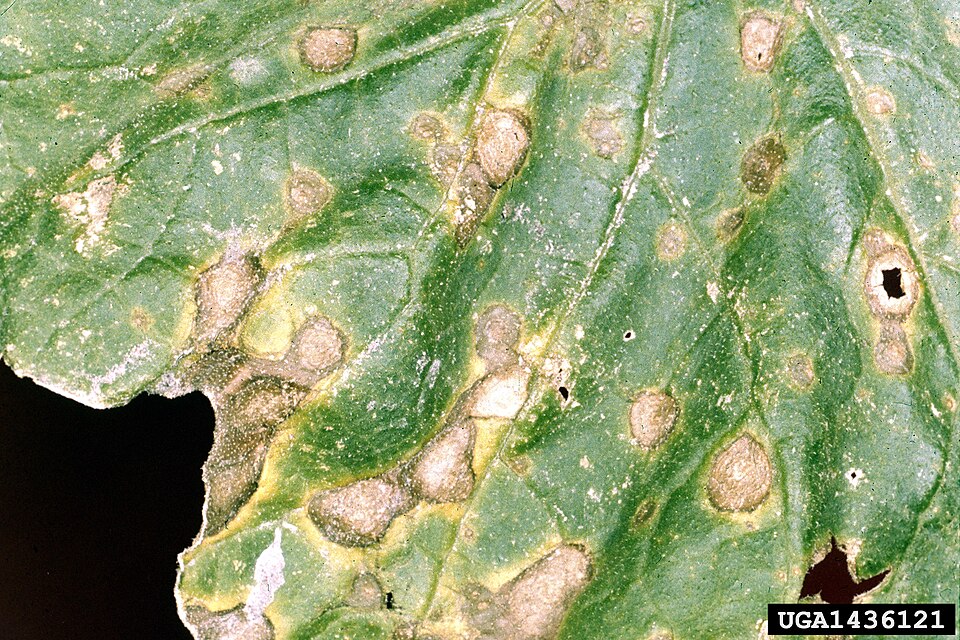
Learning to identify early blight symptoms early gives you a significant advantage. Catching the disease in its initial stages means you can intervene before it overwhelms your plants.
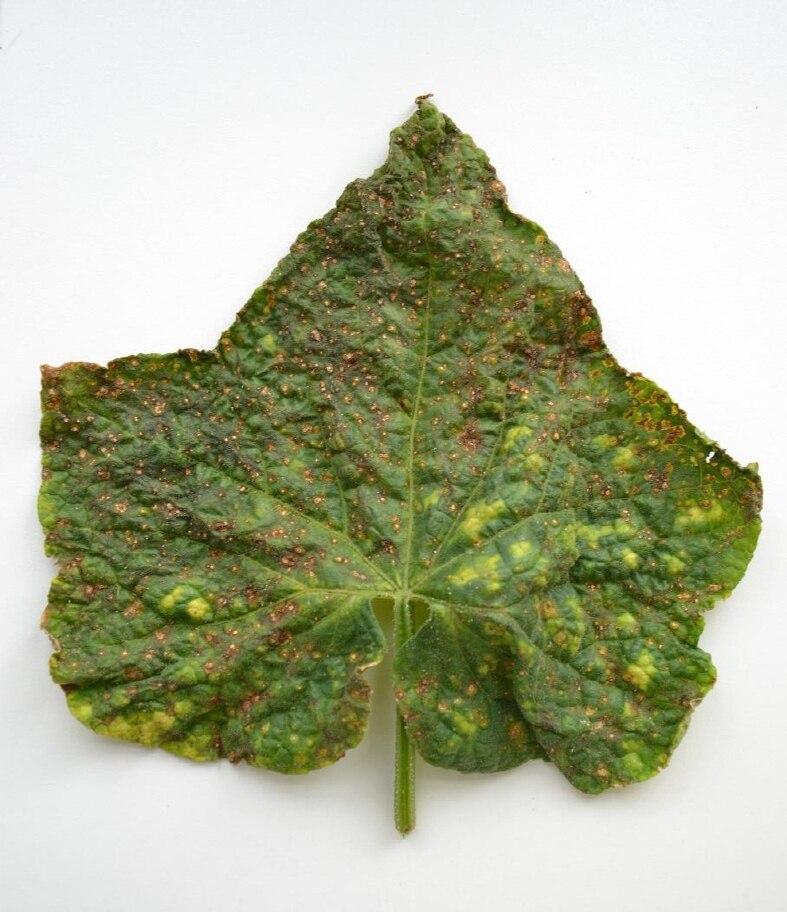
Early blight symptoms typically appear first on the older leaves in the lower and middle portions of your cucumber plants. Look for small circular tan spots with white centers that gradually enlarge and turn light brown. The distinctive feature that confirms early blight is the concentric rings that develop on these lesions, creating a target like appearance. These rings are visible primarily on the upper leaf surface and develop as the lesion ages.
As the infection progresses, you'll notice another characteristic feature: small veins within the spotted areas darken, creating a netted appearance. The spots can eventually spread across the entire leaf and merge together. Without intervention, affected leaves will yellow, wither, and fall off the plant entirely. This defoliation exposes your cucumber fruits to sunscald damage as they lose their protective leaf cover.
On your cucumber fruits, the disease appears differently. Look for circular brown sunken lesions that start small but expand over time. As the fungus colonizes the fruit tissue, it produces a dark olive or black powdery mat of spores across the lesion. This fruit damage is especially problematic because infected fruit at harvest can deteriorate further during storage and transportation, potentially ruining your entire crop before you sell or use it.
How Early Blight Spreads: Understanding the Disease Cycle
The way Alternaria cucumerina spreads helps explain why prevention is so important. The fungus has a complex life cycle that takes advantage of common gardening conditions.
The primary infection source is soil containing infected plant debris from previous seasons. Once soil temperatures reach 70 to 90 degrees Fahrenheit, conditions become ideal for spore production. The fungus requires leaf wetness lasting from two to eight hours for infection to occur, though longer wetness periods increase infection rates significantly. This is why morning dew, overhead irrigation, and rainy periods create such high risk environments.
One unique characteristic that makes this disease particularly challenging is the interrupted wet period effect. The fungus can germinate during wet periods, survive short dry spells, and resume germination when moisture returns. This means that alternating wet and dry cycles, which are common in spring and fall gardens, actually create perfect conditions for the disease to flourish. You don't need constant rain for problems to develop.
Wind, water splash, contaminated equipment, and workers' hands spread spores from infected leaves to healthy foliage. Once a spore lands on a wet leaf and conditions are right, infection happens rapidly. At the optimal temperature range of 70 to 85 degrees Fahrenheit, visible lesions can develop within just four to six hours of initial infection.
Each infected leaf then produces abundant spores that spread to nearby plants, creating a cascading effect. The frequency of rain and morning dew periods plays an even greater role in disease progression than the total amount of rainfall.
Why Your Cucumber Garden Is at Risk
Several factors increase your vulnerability to early blight. Understanding these risk factors helps you make targeted improvements to your growing system.
Environmental conditions play a major role. If your region experiences warm temperatures combined with frequent moisture from dew, rain, or overhead irrigation systems, you create ideal conditions for the fungus. Gardens in humid climates or those that experience heavy spring and early fall moisture face the highest risk.
Stressed plants succumb to infection far more easily than vigorous, healthy plants. Nutrient deficiencies, particularly inadequate nitrogen, make plants much more susceptible. When cucumbers lack proper nutrition, their natural defense mechanisms weaken and they cannot resist fungal invasion as effectively. Poor soil quality, inconsistent watering, and plants crowded together without good air circulation compound these stress factors.
Your garden location matters too. Sandy soils show higher disease incidence, especially following rainy periods, compared to clay based soils. If previous cucumber or other cucurbit crops grew in your garden, spores likely persist in the soil waiting for new host plants.
Old plant debris is another major risk factor. If you leave infected plant material from previous seasons in or around your garden beds, you're essentially storing the disease right where you plan to plant again. Similarly, weeds that host the fungus can serve as bridges for infection to spread.
Proven Prevention Strategies: Stop the Disease Before It Starts
Prevention is always more effective and less labor intensive than treating established infections. A comprehensive prevention approach uses multiple strategies working together.
Start with resistant cucumber varieties when possible. Select late maturing, indeterminate types that continuously produce new foliage throughout the season. These varieties maintain healthier leaf canopies longer compared to early maturing types that senesce and drop leaves quickly. Older or senescent foliage is where early blight infections predominantly start, so varieties that naturally refresh their foliage offer better disease protection.
Crop rotation is essential foundation prevention. Never grow cucurbits in the same location for more than two years running. Ideally, rotate away from cucurbits for three to five years if possible. This extended rotation allows fungal spores in soil debris to die naturally. The fungus can survive soil conditions for up to two years, so shorter rotations leave viable inoculum present when you replant.
Nutrition management significantly impacts disease resistance. Maintain adequate nitrogen levels throughout the growing season, but apply it strategically in split applications of two to three separate feedings rather than one heavy application. Nitrogen deficiency severely increases susceptibility to infection and weakens plants' natural defense systems. Beyond nitrogen, ensure adequate zinc and boron because deficiencies in these micronutrients weaken cell membranes and allow the fungus to penetrate leaves more easily.
Sanitation eliminates infection sources. After plants finish producing, completely remove and destroy all infected plant debris rather than leaving it in the garden. Don't compost diseased foliage because the fungus may survive the composting process. Deep plow or remove weeds that host the fungus, particularly wild plants that could harbor spores between seasons.
As your cucumber plants grow, remove lower leaves that senesce as the season progresses. These older leaves are most prone to infection and don't contribute meaningfully to fruit production. Removing them improves air circulation around the base of plants and reduces the high risk infection zone. Maintain good spacing between plants and use pruning techniques that keep foliage airy and open to good airflow.
Irrigation practices make a real difference. Switch from overhead sprinklers to drip irrigation or soaker hoses that water the soil directly rather than wetting foliage. Overhead irrigation creates the prolonged leaf wetness that favors early blight development. When you must water overhead, do it early in the day so foliage dries quickly as temperatures warm. Avoid working in cucumber patches when foliage is wet, as your hands and clothing spread spores between plants.
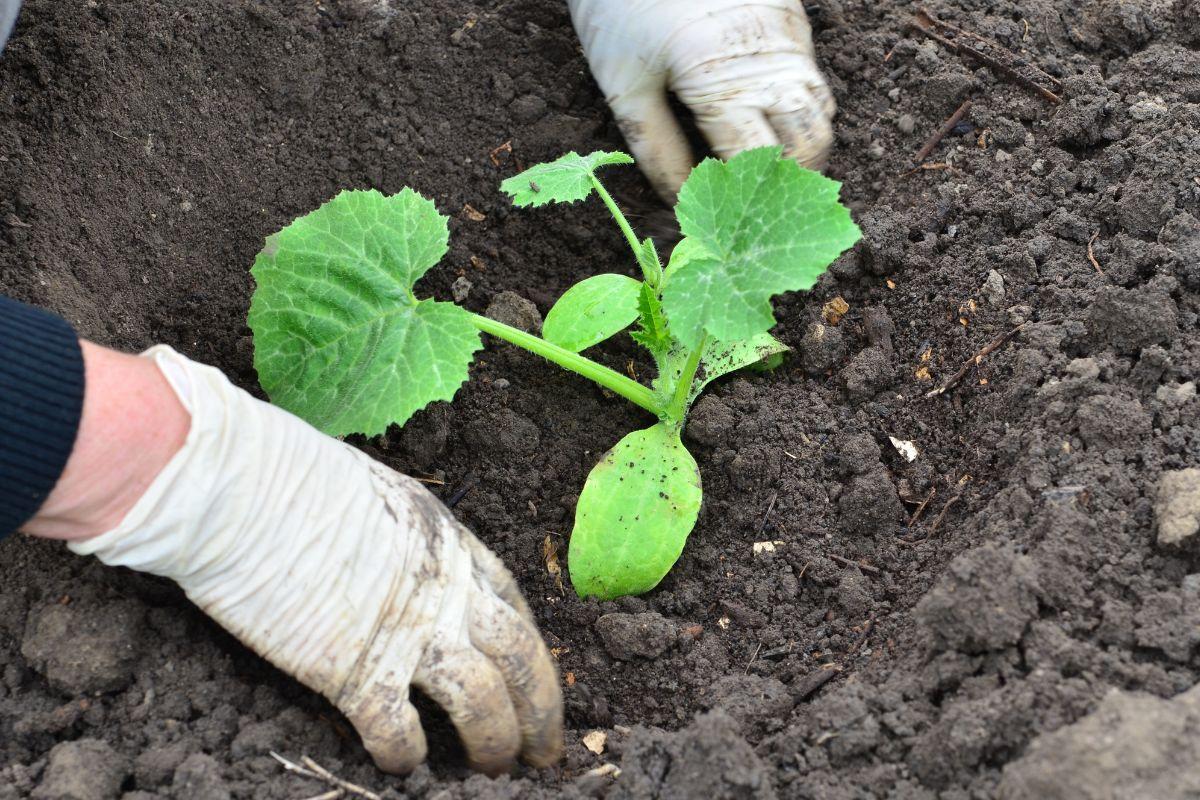
Mulching provides surprising benefits. Apply straw or organic mulch immediately after planting to create a physical barrier between soil and lower leaves. This blocks the splash dispersal of spores from soil onto vulnerable lower foliage. Plastic mulch reduces soil moisture and prevents rain splash effectively as well.
Tools like Plantlyze can monitor your plants regularly and alert you to symptoms before infections become widespread. Regular plant health checks using AI diagnosis tools help you catch problems early when intervention is most effective. Early detection changes the entire trajectory of disease development.
Scout your garden frequently during warm, moist periods. Look at the undersides of lower leaves where spores concentrate. Early detection of even a few lesions allows you to take immediate action, preventing the explosive spread that occurs if disease develops unnoticed.
Treatment Options: When Prevention Isn't Enough
If you discover early blight symptoms despite your prevention efforts, understanding your treatment options helps you respond effectively.
Chemical fungicides can control the disease when applied properly. Chlorothalonil based products are generally most effective and form the backbone of chemical management for this disease. Other effective fungicides include mancozeb, maneb, azoxystrobin, boscalid, copper hydroxide, and potassium bicarbonate. Each fungicide has specific application schedules and frequency requirements, so always read and follow label directions carefully.
The timing of fungicide applications matters tremendously. Begin preventive fungicide spraying when conditions favor disease development, not after you see symptoms. Once lesions appear, the fungus has already established inside the leaf tissue and spraying becomes less effective. Preventive spraying every seven to fourteen days during high risk periods protects developing foliage before infection can occur.
Organic gardeners have options too. Potassium bicarbonate fungicides provide some disease control in organic systems. Biostimulants like seaweed extracts, neem oil, and various beneficial microorganisms can enhance plant defenses, though they work best in combination with cultural practices rather than as standalone treatments.
Biological control agents offer ecofriendly alternatives. Certain Trichoderma species and Bacillus bacteria improve plant immunity and can suppress fungal growth. These beneficial organisms work by enhancing your plant's natural defense systems rather than directly killing the pathogen. They take longer to work than chemical fungicides but support long term garden health.
The most effective approach combines multiple strategies. Use resistant varieties, implement good cultural practices, maintain plant nutrition, scout regularly, and apply targeted fungicide treatments only when conditions highly favor disease development. This integrated approach minimizes fungicide use while maintaining effective disease control.
Quick Action Checklist: Your Response Plan
When you discover early blight symptoms, follow this sequence to stop the spread:
First, immediately remove all affected leaves and any foliage touching the soil surface. Dispose of these leaves in sealed trash rather than composting. The spores on removed leaves can persist for weeks.
Second, increase the frequency of your scouting. Check plants daily for new symptoms. Disease can spread rapidly once established, so frequent monitoring catches additional infections quickly.
Third, assess environmental conditions. If warm temperatures and moisture persist, plan your fungicide application schedule immediately. Don't wait hoping conditions will change.
Fourth, prune or stake plants to improve air circulation around remaining foliage. Every improvement in ventilation reduces humidity near leaf surfaces and slows disease development.
Fifth, adjust irrigation practices if currently using overhead systems. Switch to drip irrigation immediately if possible, or if you must overhead water, do it early morning only.
Sixth, examine your nutrition program. Consider a nitrogen boost if plants appear stressed or pale. Nutrition should be prioritized especially during disease outbreaks.
Seventh, if disease continues spreading despite cultural controls, begin fungicide applications following label schedules for the specific fungicide you choose.
Plantlyze: Your Partner in Plant Health Monitoring
Consistent plant monitoring is often the difference between catching disease early and watching it devastate your garden. Manual daily checking requires time and attention that busy gardeners sometimes can't sustain. This is where AI powered monitoring tools become invaluable.
Plantlyze offers an AI powered plant care and diagnosis tool specifically designed to help you stay ahead of plant problems. Instead of relying solely on your own observations, Plantlyze can help identify early blight symptoms at their earliest stages when intervention is most effective. The platform allows you to set up monitoring for your cucumber plants and receive alerts when potential health issues are detected.
The advantage of regular monitoring through Plantlyze is early detection and prevention. By identifying symptoms before they become widespread, you avoid the need for intensive fungicide applications and manage disease through cultural practices instead. This approach saves money, reduces chemical use, and keeps your garden healthier overall.
Visit Plantlyze.com to set up plant monitoring for your cucumber garden. The platform works alongside your own observations and makes disease management more manageable, especially during peak growing seasons when cucumbers are producing heavily.
Conclusion
Cucumber early blight is a manageable disease when you understand what causes it and take proactive steps to prevent infection. The strategies outlined in this guide build on each other: select resistant varieties, rotate crops, maintain proper nutrition, scout regularly, and use fungicides only when necessary based on environmental conditions.
The disease is most preventable during the vulnerable early season period. Focus your prevention efforts most heavily during warm, moist weeks in spring and fall when conditions peak. Remember that prevention is far easier and more economical than treating established infections.
Regular monitoring of your plants and early detection of symptoms give you time to respond effectively. Set up a routine of frequent garden checks, particularly during high risk periods. Use monitoring tools like Plantlyze to catch problems early so you can intervene when management is easiest.
With consistent attention to cultural practices, proper nutrition, and strategic fungicide use only when needed, you can grow healthy productive cucumber plants free from early blight complications. Your effort invested in prevention now will reward you with abundant harvests later in the season.
References
University of Wisconsin Vegetable Pathology — https://vegpath.plantpath.wisc.edu/diseases/cucurbit-alternaria-leaf-blight/
Illinois Extension Horticulture Answers — https://web.extension.illinois.edu/hortanswers/detailproblem.cfm?PathogenID=127
Cornell University Department of Plant Pathology — https://www.vegetables.cornell.edu/pest-management/disease-factsheets/
PubMed Central (PMC) — Holistic Pest Management Against Early Blight — https://pmc.ncbi.nlm.nih.gov/articles/PMC8451811/
Plantix Plant Disease Database — https://plantix.net/en/library/plant-diseases/100232/leaf-blight-of-cucurbits/