Introduction
Imagine you are walking through your cucumber garden on some humid morning and suddenly notice yellow spots developing on the leaves. In a few days, gray-white cottony growth develops on the lower surface of the leaves, and healthy looking vines appear to collapse. This is one of the most destructive threats to cucumber production—it downy mildew.
Since 2004, two very different pathogen types have broken out and the cucumber downy mildew has become increasingly aggressive. Understanding this disease is vital for any cucumber grower aiming to protect his harvest and maintain steady yields. The challenge isn't that downy mildew is incurable, but rather that it evolves rapidly and requires a comprehensive management approach.
This guide walks you through everything you need to know about identifying, preventing, and treating cucumber downy mildew. Whether you're growing cucumbers in a home garden, greenhouse, or commercial field, these strategies will help you maintain healthy plants and maximize your harvest.
What is Cucumber Downy Mildew and Why It Matters
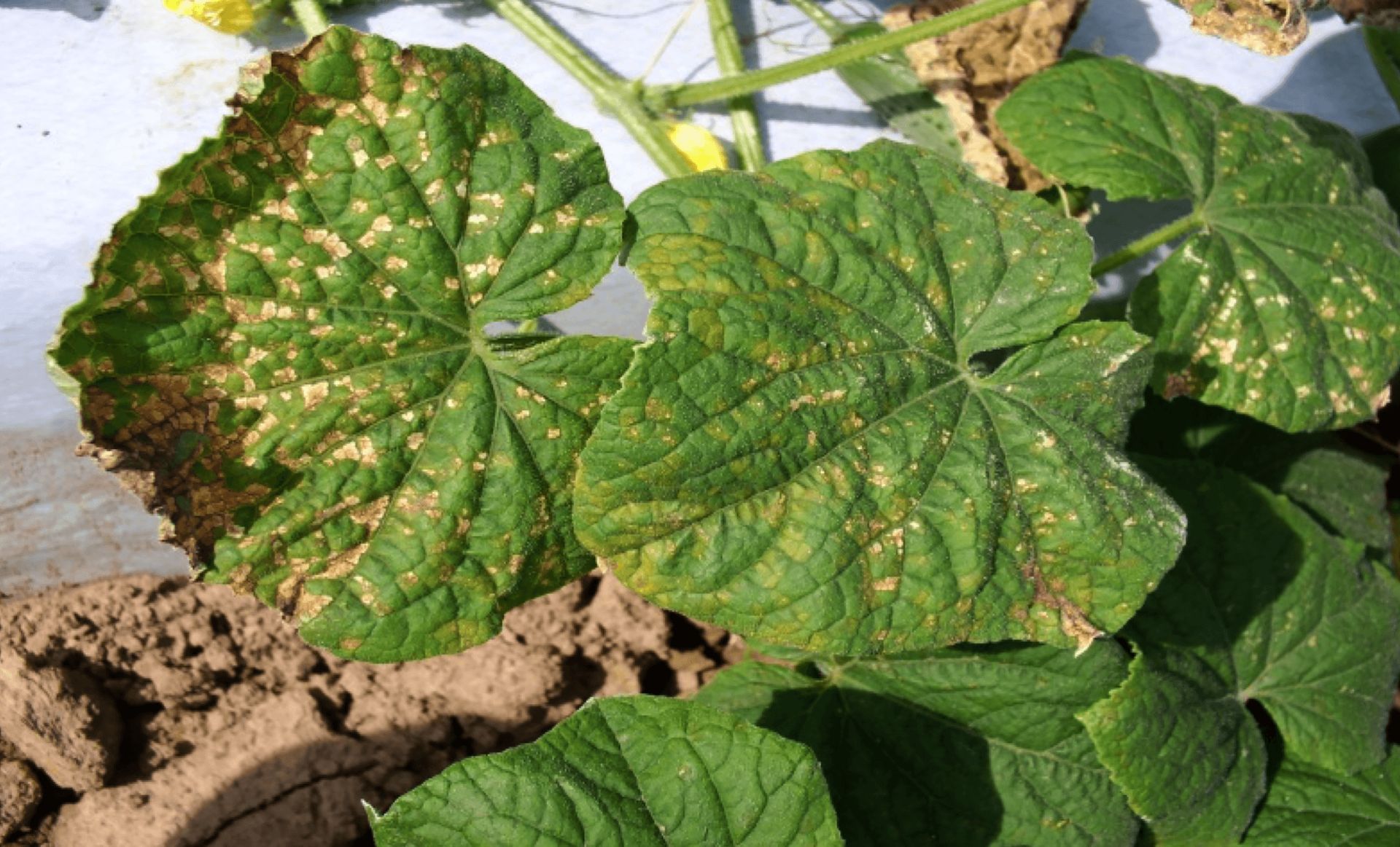
Cucumber downy mildew is a disease caused by Pseudoperonospora cubensis, an oomycete organism commonly called a water mold. Unlike true fungi, oomycetes thrive in wet conditions and spread through water movement on leaves and in the air. This fundamental difference affects how you manage the disease.
The disease became a major concern around 2004 when the pathogen population shifted. Before then, most cucumber varieties had natural resistance to the predominant pathogen type. However, new aggressive strains emerged that could overcome this resistance, forcing growers worldwide to adopt new management strategies.
Today, downy mildew stands as the most destructive foliar disease of cucumbers globally. In severe instances, the total loss of the crop can be noted. The plants are defoliated and unproductive. A very significant aspect of its economic impact other than yield loss is intensive fungicide applications that become a major component in the cost of production. An example is growers in Michigan alone who spend approximately 6 million dollars every year on fungicide applications for managing downy mildew.
Understanding the Two Clades of Downy Mildew
The pathogen population divides into two distinct clades, each with different host ranges and aggression levels. Understanding which clade threatens your cucumbers is essential for selecting appropriate management strategies.
Clade I: The Less Aggressive Type
Clade I is the old classical form of the pathogen. The hosts are primarily pumpkin, watermelon, winter squash, bittermelon and balsam apple with much less concern for cucumber growers. Most fields express symptoms late in the season allowing more time for management practices to be applied.
Most common commercial varieties of cucumbers have natural resistance to Clade I. This means that you can plant your preferred variety as long as only Clade I exists in the area. The geographic distribution of Clade I, where it is mostly present in some areas, while other regions experience all three types and mostly two very aggressive ones should be known by every farmer for better management through informed decision on variety selection.
Clade II: The Aggressive Threat
Clade II emerged post-2004 and is the main threat bearer to cucumber production all over the world . This aggressive clade is specific to cucumber and melon ,but quickly breaks down resistance in most commercial varieties. Unlike Clade I, there are currently no commercially available cucumber varieties that can be dependably resistant against Clade II .
Clade II poses twin threats. It is highly aggressive on cucumber and, at the same time, resistance to fungicides in this clade evolves quickly. This means that what is effective this season may not be within a couple of years’ time or even by next season, thus continuously enforcing rotation with new products of any available fungicide. A management nightmare which must hence be dealt with using integrated approaches involving more than one strategy.
Identifying Cucumber Downy Mildew
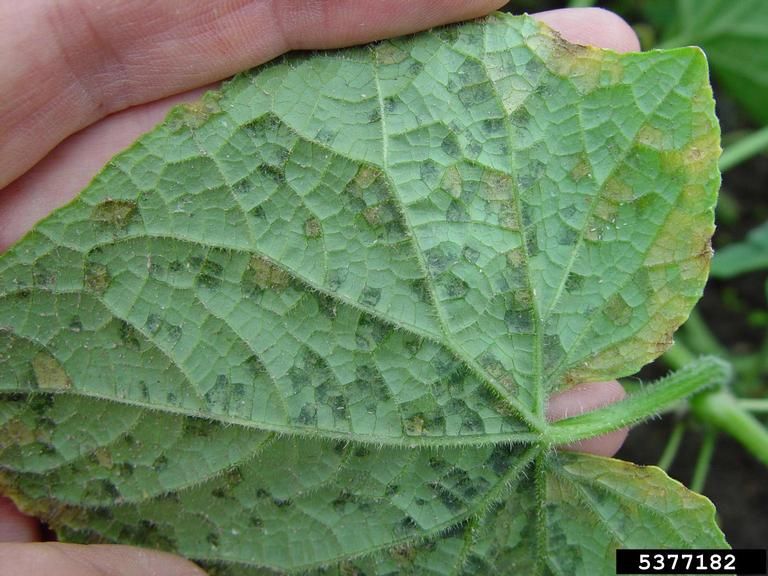
Accurate identification enables early intervention before disease becomes widespread. Downy mildew presents distinctive symptoms that, once learned, become relatively easy to recognize in the field.
Early Symptoms and Initial Recognition
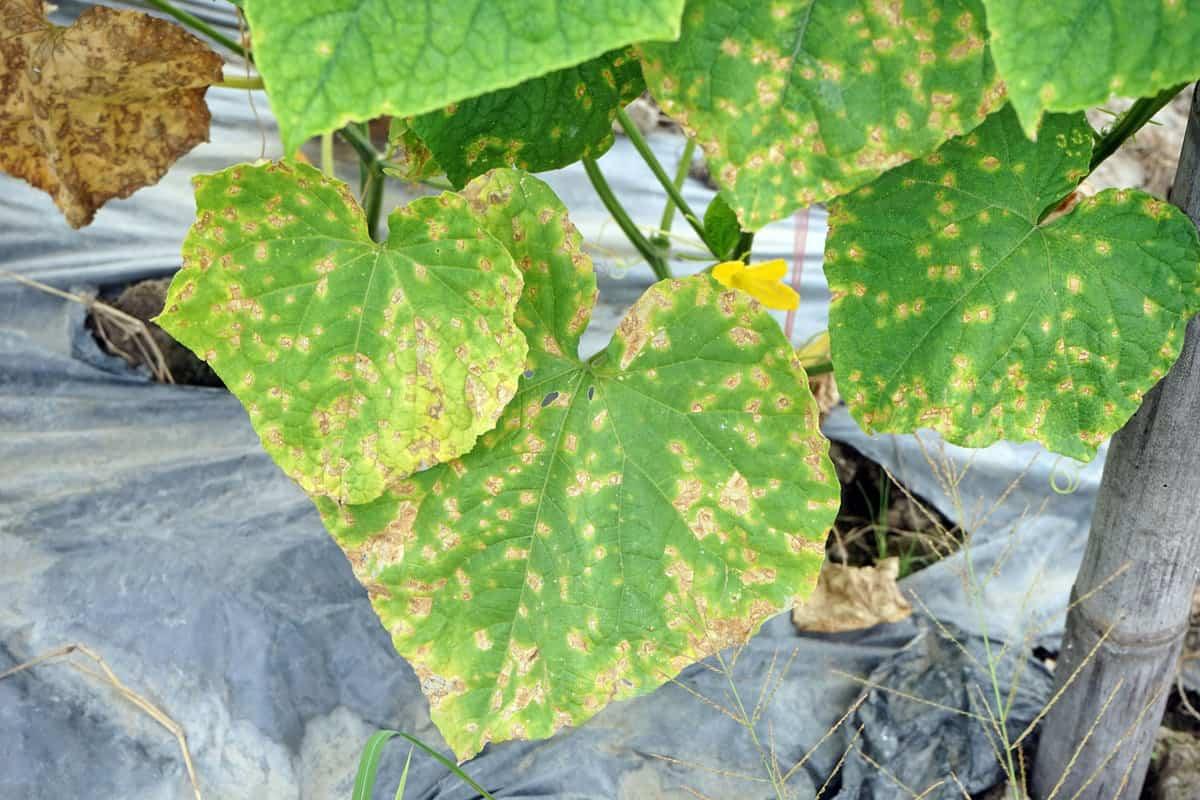
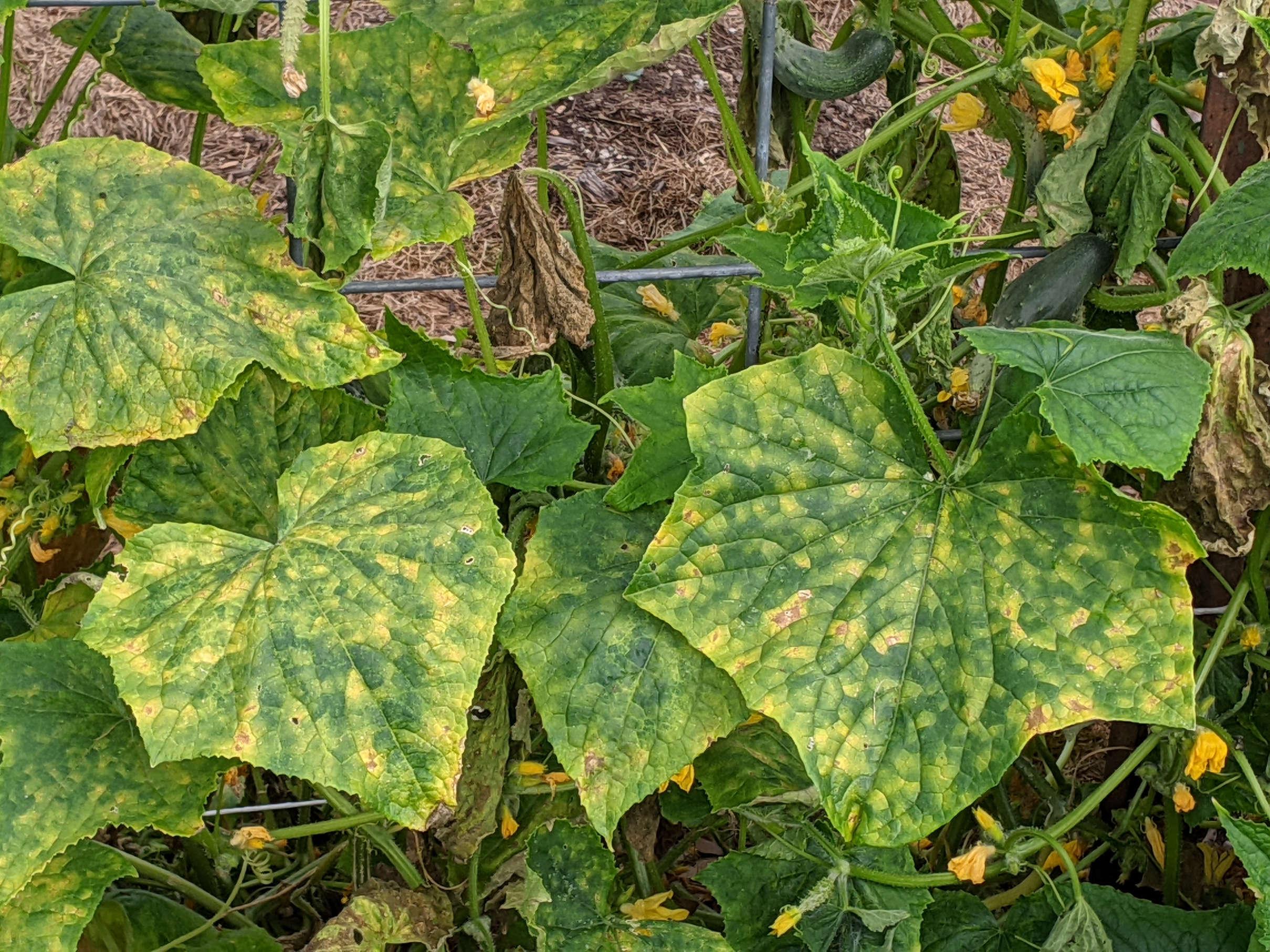
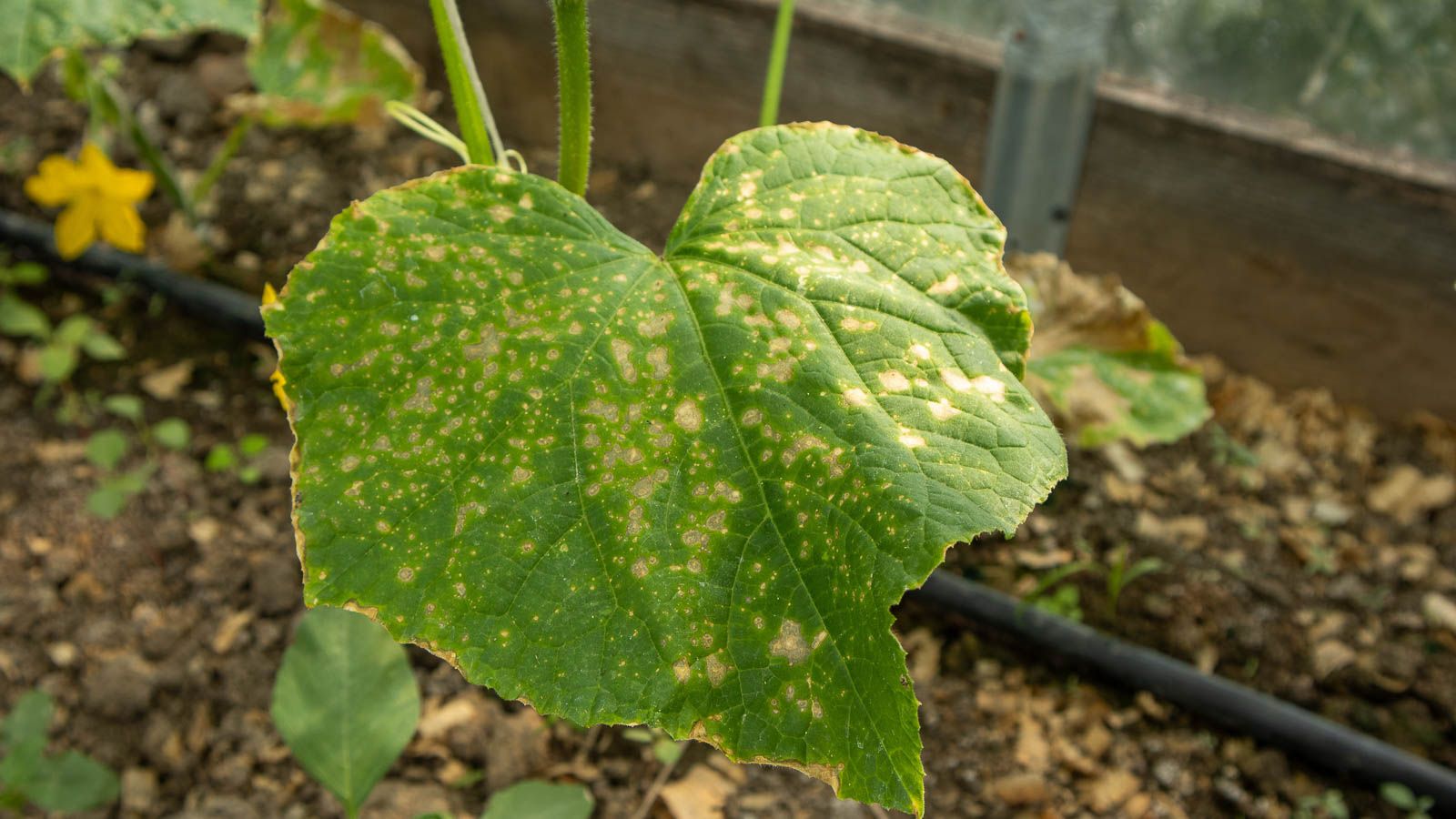
Normally,the very first symptoms of downy mildew are restricted small, angular yellow spots on the upper surface of older leaves. The lesions appear water-soaked initially and may range in color from light yellow to tan. Most commonly,the spots are restricted by veins of the leaf thus forming a geometric,angular appearance different from other leaf spot diseases.
Yellowing often begins at the leaf margins and progresses inward as the disease advances. In early infections, only scattered leaves show symptoms, making daily field observation critical for catching the disease early. Some growers describe the progression as "moving up the plant," as symptoms typically appear first on lower, older foliage.
Advanced Symptoms and Severe Infection
As the disease progresses, the diagnostic feature becomes impossible to miss: a gray-white cottony or fluffy growth appears on the undersides of infected leaves. This distinctive growth consists of sporangiophores, the structures where the pathogen produces spores for disease spread. The cottony appearance is so characteristic that most experienced growers can confirm downy mildew within seconds of seeing it.
With advanced infection, leaf yellowing becomes more intense and widespread. Infected leaves eventually brown and drop from the plant, resulting in severe defoliation. The plant loses its ability to photosynthesize effectively, production drops dramatically, and remaining fruit receives direct sunlight exposure. This sunlight exposure creates sunscald, dark water-soaked lesions on fruit surface that make fruit unmarketable.
Environmental Conditions Triggering Symptoms
Symptoms develop fastest during rainy weather combined with cool to moderate temperatures. The three major factors which favor the development of this disease are high relative humidity, wet leaves, and poor air circulation in the plant canopy. Dew periods coincide with darkness during early morning hours and evening spore germination and infection take place optimally under such conditions.[22] The risk of developing the disease is foliar applied overhead irrigation water much greater than that from a drip system.
Early Detection and Scouting Strategies
Early detection transforms downy mildew from a catastrophic threat into a manageable challenge. By identifying symptoms before disease becomes widespread, you can implement intensive management to contain the problem.
Establishing Your Scouting Routine
Scout cucumber plants at least once a week during the growing season. More frequent scouting is necessary in humid weather. Walk systematically through the planting, examining both upper and lower leaf surfaces. Pay particular attention to older leaves and lower parts of the plant where disease usually starts first. Actual diseases can best be seen early in the morning when dew has just dried but before heat sets in to cause water stress on the plant.
Lift the leaves. Get into the habit of always lifting leaves to see their undersides so you do not miss any early infection. Look for the cottony growth which confirms downy mildew. If there are yellow spots and no cottony growth on leaf undersides, then either the plant is in an early stage of a different disease or it is suffering from some other condition.
Visual Symptom Identification Checklist
Watch for these distinctive indicators during your field walks:
Angular yellow spots appearing first on upper leaf surfaces
Gray-white cottony growth on leaf undersides
Yellowing beginning at leaf margins
Progressive yellowing spreading throughout the plant
Leaf browning and drop from lower portions upward
Stunted vine growth and reduced vigor
Reduced flower production and fruit set
Leveraging Technology for Early Detection
Modern AI-powered tools can enhance your detection capabilities. Platforms like Plantlyze allow you to photograph suspicious leaves and receive rapid preliminary disease identification. These tools help distinguish downy mildew from other conditions like water stress, nutrient deficiency, or different leaf diseases. When combined with your field observations, technology accelerates your decision-making and confirms your disease suspicions before implementing intensive management.
Prevention Strategies: Your Most Powerful Weapon
Prevention dramatically outperforms treatment for cucumber downy mildew management. Because the pathogen can persist in plant debris and fungicide resistance develops quickly, preventing infection from occurring is infinitely more economical than managing established disease.
Pre-Season Planning and Variety Selection
Before planting, select varieties with demonstrated tolerance to Clade II downy mildew. Several varieties have been specifically bred or selected for improved Clade II resistance. For pickling cucumbers, Citadel and Peacemaker varieties offer good resistance. For slicing types, SV3462CS and SV4142CL provide reliable performance in downy mildew-prone regions.
Newer breeding efforts have produced even more resistant material. Varieties like DMR-NY264, DMR-NY401, and TSX-CU231AS represent the latest developments combining excellent Clade II tolerance with desirable fruit characteristics. When ordering seed, specifically request varieties with downy mildew resistance noted on the seed label.
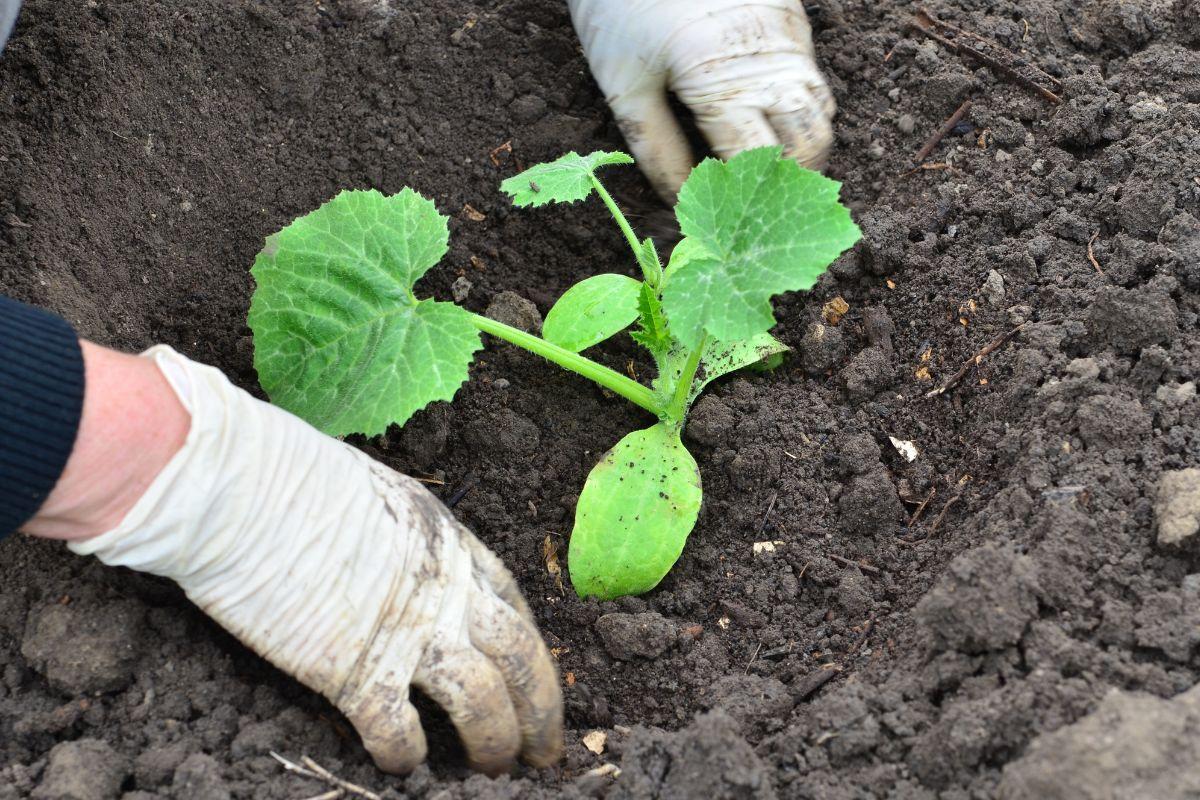
Source disease-free transplants from reputable nurseries that maintain strict sanitation practices. Even one infected transplant brought into your planting can establish downy mildew in your entire cucumber production area. Select a planting site with naturally good air movement, avoiding low-lying areas where humidity tends to be high.
Cultural and Environmental Management
Proper spacing provides your first defense against downy mildew. Plant cucumbers at a spacing that will allow good air circulation through the canopy. Narrow row spacing that creates dense, closed canopy foliage dramatically favors disease development by maintaining high humidity around leaves. Wide spacing which allows air movement to keep the foliage dry for a longer period reduces favorable conditions for diseases.
Trellising cucumbers allow better air movement than when the plants are left to sprawl on the ground. In addition, it makes access to the vines easier for checking and monitoring any diseases that may attack them.[22] The ease with which rainwater or irrigation water can dry off from trellised plant leaves because of good air movement reduces infection opportunities.
The choice of an irrigation system is very important for the risk of downy mildew. Drip irrigation systems can be used, in which only the soil surface is wetted and there is no contact between water and foliage. This reduces humidity around the leaf area and makes it difficult to provide prolonged wetness on leaves that downy mildew requires[1]. In farms where overhead irrigation has to be applied, then watering should take place early in the morning hours when temperatures are still low so that rapid drying will take place as temperatures rise.
Humidity management extends beyond irrigation timing. Remove lower leaves on the plant to improve air movement and reduce humidity. Consider removing lower leaves manually once plants are established, a practice that improves air circulation and facilitates disease scouting. This practice also reduces contact between leaves where spore splash can occur.
Sanitation of tools and equipment prevents accidentally spreading the pathogen between plants. If you must handle infected plants or suspect disease, disinfect your hands and tools before working with healthy plants. A simple 10 percent bleach solution effectively kills the pathogen on equipment surfaces.
Biological Control and Organic Approaches
Beneficial microbes can control the development of downy mildew, particularly when applied preventively before the initiation of infection. Trichoderma asperellum strain T34 has been documented as the most efficient biocontrol agent against Pseudoperonospora cubensis. Other species are Trichoderma viride and Trichoderma harzianum which suppress through competition and production of antagonistic metabolites.
Foliar potassium phosphite solutions enhance plant cell walls and defense responses to result in reduced severity of diseases. The materials are most effective when used preventively before heavy disease pressure sets in. Pseudomonas fluorescens bacteria induce enhancement of plant defense mechanisms through several mechanisms.
For growers seeking completely organic approaches, copper-based fungicides like copper oxychloride and Bordeaux mixture provide suppression when applied on a preventive schedule. Neem oil offers another organic option, though effectiveness varies with environmental conditions. These materials work best when applied preventively and regularly throughout the season.
Treatment Options When Prevention Fails
Despite best preventive efforts, downy mildew sometimes establishes in cucumber plantings. When this occurs, swift action combined with intensive management can minimize damage and preserve remaining fruit production.
Immediate Response When Disease Appears
The moment you confirm downy mildew presence, implement containment protocols. Remove infected leaves by hand if the infection involves only scattered plants or limited leaf areas. Place diseased plant material in sealed bags to prevent spore spread. Never compost diseased plant material in standard piles, as the pathogen survives normal composting temperatures.
Adjust your management practices immediately. If using overhead irrigation, discontinue it if possible or shift to drip irrigation. Reduce any practices that increase humidity. Increase air movement through the canopy by removing additional foliage if necessary, even though this reduces photosynthetic capacity. The priority shifts to managing remaining healthy foliage while eliminating favorable disease conditions.
Available Chemical Treatment Options
Several fungicide options exist for managing established downy mildew. Available fungicides include Elumin, Forum, Gavel, Orondis Opti, Orondis Gold, Orondis Ultra, Ranman, Zampro, and Zing. These products work through different mechanisms, allowing for fungicide rotation that delays resistance development.
Apply fungicides on a preventive or early disease treatment schedule, before disease becomes widespread. Once heavy infection establishes, no fungicide can eliminate the pathogen completely. Reading and following label directions carefully is essential, as different products require different spray intervals and maximum application timings.
Fungicide rotation is critical with downy mildew because the pathogen rapidly develops resistance to individual products. Using the same fungicide repeatedly, or using fungicides with the same mode of action, eventually results in resistant pathogen populations that no longer respond to treatment. Many regions have already lost effectiveness of mefenoxam, metalaxyl, and strobilurin fungicides due to resistance development.
Recovery and Long-term Management
Once downy mildew has established, concentrate on saving the healthy fruit that remains and in preventing the infestation from recurring. Continue preventive management practices to restrict new infections on previously uninfected leaves. Yield can be expected to reduce as compared with a situation of healthy production because fruiting will be limited by the compromised condition of the plant and defoliation.
Record the progression of the disease and management practices applied. This information will be useful in next season’s planning. Which fungicides were applied? When did symptoms appear? What was the weather condition at that particular time? All this guides future variety selection, preventive timing, and management decision.
Selecting Resistant Varieties for Long-term Success
Variety selection represents your most sustainable long-term strategy for downy mildew management. Growing naturally resistant varieties eliminates reliance on fungicides and provides consistent protection season after season.
The challenge with Clade II downy mildew is that most currently available cucumber varieties lack adequate resistance. However, breeders worldwide are developing new varieties with improved tolerance. When selecting varieties, specifically request material labeled with Clade II resistance or downy mildew tolerance ratings.
Citadel and Peacemaker have displayed reliable Clade II tolerance in university trial work for pickling cucumber production. Good yield and fruit quality are maintained while exhibiting the type of disease resistance that would normally destroy standard pickling types. For slicing cucumber production, SV3462CS and SV4142CL offer good resistance while maintaining the fruit characteristics preferred by fresh market buyers.
The newest breeding efforts, represented by varieties like DMR-NY264, DMR-NY401, and TSX-CU231AS, represent the cutting edge of downy mildew resistance breeding. These varieties combine excellent Clade II resistance with improved fruit characteristics and agronomic performance. As availability increases, these newer varieties will likely become the standard for downy mildew-prone regions.
Consult with your seed provider about which resistant varieties suit your specific production system, market requirements, and regional conditions. Some resistant varieties perform better in certain climates or production systems, so regional recommendations matter.
Practical Implementation Timeline
Converting knowledge to action requires structured planning throughout the growing season.
Pre-Season Planning (December to February)
Review your past season's notes, identifying any downy mildew issues that occurred. Contact your regional extension office or seed company for information about downy mildew pressure expected in your area. Order seed of resistant varieties well in advance, as popular resistant varieties sometimes sell out.
Prepare your planting area, ensuring good site drainage and air movement. If upgrading your irrigation system, plan the transition to drip irrigation in your planning timeline. Source disease-free transplants from reputable nurseries.
Early Season Preparation (March to April)
Establish your spacing plan, allocating wider row spacing than standard to improve air circulation. Set up or upgrade irrigation systems to drip delivery if possible. Install trellising for improved canopy management.
Plan your preventive fungicide or biological control agent applications, scheduling them to begin well before typical disease pressure occurs in your region. Mix beneficial organisms with potting soil if using seedlings, or prepare application equipment for field applications.
Mid-Season Management (May to August)
Work a regular weekly scouting program through the field in a systematic manner, checking both surfaces of the leaves. Scouting should be done early in the day before temperatures become extreme. Record any and all suspicious symptoms for quick confirmation and response.
Get your preventive fungicide or biological applications started on time, alternating different types of products to ensure resistance does not develop. Apply consistently on the labeled schedule, not waiting for visible disease.
Remove lower leaves from plants as they mature, improving air circulation and facilitating disease monitoring. Adjust irrigation timing if overhead systems are used, applying water only during early morning hours.
Late Season and Harvest (August to September)
Continue scouting and preventive applications through the season. Document disease observations for next season's planning. As harvest approaches, focus on removing fruit quickly to minimize handling of infected foliage.
After harvest concludes, remove all plant debris from the field or greenhouse. Do not incorporate infected plant material directly into the soil; remove it from the production site if possible.
Real-World Impact and Case Studies
Understanding downy mildew's potential impact helps emphasize why prevention matters. Consider these realistic scenarios:
A commercial grower in a region prone to downy mildew notices yellowing on cucumber leaves by mid-June. The farm is overhead irrigated with closely spaced plants, hence humidity remains high within the canopy. Severe defoliation takes place by mid-July and finally results in a 60% reduction of yield.[19] He applies intensive fungicide applications spending 8,000 dollars in chemical costs but still records[20] about 40,000 dollars as his yield loss.
Contrast this with a proactive grower in the same region who plants resistant varieties, maintains wide spacing with drip irrigation, and implements preventive fungicide applications beginning in early June on a schedule. This grower experiences minimal disease pressure, maintains nearly full fruit production, and achieves total production costs lower than the reactive grower despite preventive fungicide applications. The difference demonstrates the economic value of integrated prevention.
In another situation, a greenhouse grower discovers downy mildew symptoms on cucumber plants growing at high humidity with poor air movement. Because downy mildew thrives in greenhouse conditions, the infection spreads rapidly through the entire greenhouse planting. The grower must destroy the remaining crop and disinfect the entire greenhouse structure. Complete crop loss occurs despite intensive fungicide applications.
These scenarios illustrate that while downy mildew management requires investment, proper prevention always costs less than managing established disease.
Integrating Technology Into Your Management Plan
Modern tools can enhance your downy mildew management effectiveness. AI-powered plant diagnosis platforms like Plantlyze analyze plant images and provide rapid preliminary disease identification. These tools help you distinguish downy mildew from other conditions that create yellow leaves, such as water stress, nutrient deficiency, or different leaf diseases.
With Plantlyze, take a photo of the suspicious leaves at any time of the day and get results within minutes rather than waiting for an extension agent to visit or leaf sample laboratory diagnosis. This quick result favors quicker decisions and eventually implementations of management strategies. When applied together with your observation in the field-knowledge, it enhances how fast you can respond to diseases.
Visit Plantlyze.com today to access these AI-powered plant care and diagnosis capabilities. The platform helps you identify disease symptoms earlier and more confidently, enabling faster implementation of containment measures. Early identification transforms downy mildew management from reactive disease control into proactive disease prevention.
Key Takeaways For Successful Downy Mildew Management
Your cucumber downy mildew management program hinges on several critical practices. First, understand that prevention dramatically outperforms treatment in effectiveness and cost. Second, recognize that two distinct pathogen clades exist, with Clade II representing the primary threat requiring integrated management.
Third, implement resistant variety selection as your foundation strategy, growing varieties specifically bred for Clade II tolerance. Fourth, establish proper cultural practices including wide spacing, drip irrigation, and good air circulation. Fifth, scout fields regularly throughout the growing season, identifying disease before it becomes widespread.
Sixth, implement preventive fungicide or biological control applications on schedule, rotating product types to prevent resistance. Seventh, move swiftly when disease appears, implementing isolation and containment protocols that limit spread. Eighth, document disease observations and management practices for future season planning.
Cucumber downy mildew represents a serious threat, but one you can effectively manage with knowledge, integrated strategies, and appropriate tools. Your successful cucumber harvest depends on the decisions you make today regarding prevention and early detection.
References
Top Scientific Sources (Non-Competitor)
1. NIH/PubMed Central
Link: https://pmc.ncbi.nlm.nih.gov/articles/PMC6640371/
2. Nature Journal
Link: https://www.nature.com/articles/s41598-024-81643-0
3. Frontiers in Horticulture
Link: https://www.frontiersin.org/journals/horticulture/articles/10.3389/fhort.2025.1636345/full
4. PMC (National Institutes of Health)
Link: https://pmc.ncbi.nlm.nih.gov/articles/PMC12387681/
5. Rutgers University Extension
Link: https://plant-pest-advisory.rutgers.edu/the-abcs-of-cucurbit-downy-mildew-control-2-2-2-2-2/