
Introduction: Soil Is the Foundation of Success
You've invested in quality seeds, planted in full sun, and watered consistently. Yet your cucumbers grow weakly, produce sparse flowers, or develop bitter fruit.
Often, the culprit isn't visible. It's what's beneath the surface: your soil. Cucumber growing success begins with proper soil that provides the right balance of drainage, nutrients, and structure. Soil that's too heavy waterlogged develops root rot and fungal diseases. Soil that's too light dries out rapidly, stressing plants and reducing production.
Understanding what cucumbers need in soil transforms your growing results from disappointing to exceptional. This guide walks you through every aspect of cucumber soil preparation, from choosing the right type to amending what you have.
Understanding Why Soil Matters for Cucumbers
Cucumbers have a shallow root system that concentrates in the top 3 feet of soil, with most active roots in the upper 12 to 18 inches.
This shallow root system depends entirely on those top inches of soil for water, nutrients, and oxygen. Unlike deep-rooted plants that can access water far underground, cucumbers live or die based on what's happening at the surface.
Plant health is also very much dependent on soil structure, beyond just root access. Root zone soil poorly drained and water logged which caused roots to die by suffocation. Well-drained but poor in organic matter is too dry, even if the plants receive water during the hot weather.
The right soil does three things at once: busts through excess water with speed, holds on to moisture that’s not oversaturated and offers a smorgasbord of balanced nutrients without weird side effects, in the name of rapid growth.
The Ideal Soil: Sandy Loam Perfection
The ideal soil for cucumbers is sandy loam, a balanced combination of sand, silt, and clay particles.
Sandy loam combines the benefits of each soil type while minimizing their drawbacks. The sand component provides drainage and aeration. The silt component holds moisture and nutrients. The clay component provides structure and mineral content.
Perfect sandy loam contains approximately 30 percent sand, 50 percent silt, and 20 percent clay. This ratio creates soil that drains well without drying out, holds nutrients without waterlogging, and has excellent structure for root penetration.
The Feel Test
You can evaluate soil quality with a simple squeeze test. Take a handful of moist soil and squeeze it firmly. If it clumps together and stays clumped, it's too clay-heavy. If it crumbles immediately without holding any shape, it's too sandy. If it clumps loosely and breaks apart with gentle pressure, resembling a wrung-out sponge, it's ideal.
This wrung-out sponge texture is what you're aiming for: moist enough to hold water but loose enough to allow drainage and air penetration.
Understanding Your Soil Type: Working With What You Have
Not everyone has perfect sandy loam. Understanding your soil type helps you make appropriate amendments.
Clay Soils
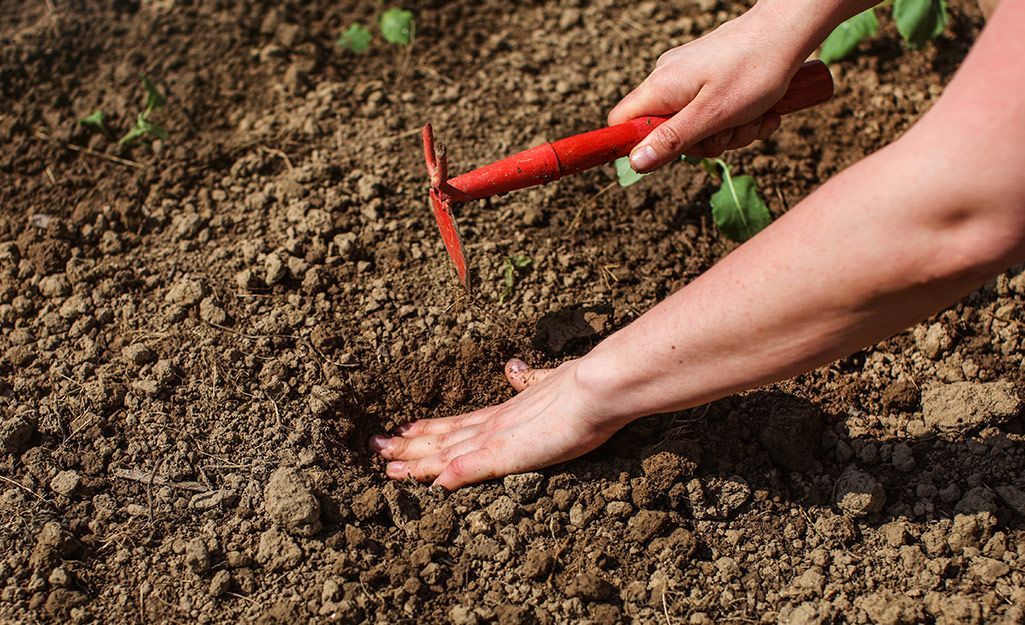
Clay soils are dense, sticky when wet, and hard when dry. They hold nutrients and moisture excellently, but they waterlog easily and lack aeration. Clay-heavy soil can be improved significantly through incorporation of organic matter and sand.
Sandy Soils
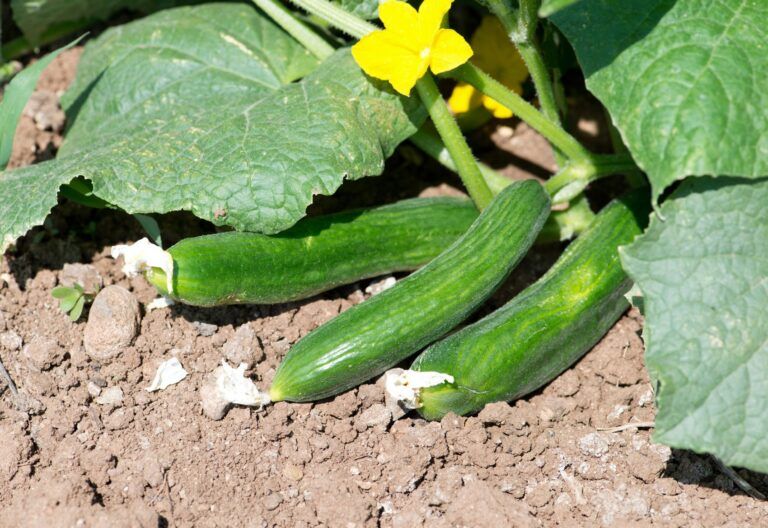
Sandy soils drain very quickly, sometimes too quickly. They warm up fast in spring but dry out rapidly in summer heat. Sandy soil needs substantial organic matter incorporation to improve water retention and nutrient holding capacity.
Loamy Soils
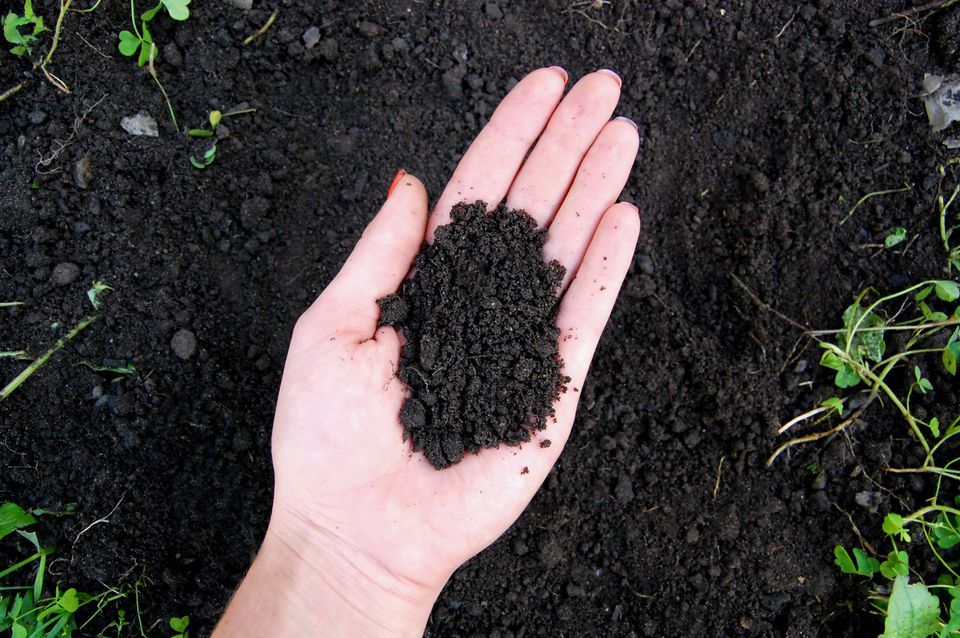
Loamy soils already have good balanced structure. They typically need less amendment than clay or sandy soils, though organic matter addition always helps.
Soil pH: The Master Nutrient Control
Soil pH fundamentally affects nutrient availability. Cucumbers grow best at a soil pH between 6.0 and 7.0, with 6.5 being optimal.
At this pH range, all essential nutrients are available for plant uptake. Below pH 6.0, aluminum becomes overly available, potentially toxic. Above pH 7.0, phosphorus and micronutrients become locked up, unavailable despite being present in the soil.
Testing Your Soil pH
Home soil test kits from garden centers provide adequate pH testing for most situations. You simply mix soil with testing solution and match the color to a provided chart.
For more detailed analysis, professional soil testing through university extension offices provides comprehensive nutrient and pH analysis with specific recommendations for amendments.
Adjusting pH
If your soil is too acidic (below 6.0), add agricultural limestone at the rate specified for your soil type and target pH. It takes several weeks to months for lime to adjust pH, so apply it well before planting.
If your soil is too alkaline (above 7.5), add sulfur or sulfate amendments. Again, allow several weeks for adjustment.
Organic Matter: The Game Changer
The single biggest improvement you can make to any soil is incorporating organic matter. Target at least 20 percent organic matter content.
Organic matter improves drainage in clay soils, improves water retention in sandy soils, adds nutrients that decompose slowly and steadily, and supports the soil microbe community that makes nutrients available to plants.
Compost
Quality finished compost is perhaps the single best soil amendment. Good compost is dark, crumbly, smells earthy, and is rich in beneficial microorganisms.
Incorporate 2 to 3 inches of compost into the top 6 to 8 inches of soil. This dramatically improves soil structure, adds nutrients, and supports beneficial soil life.
Well-Rotted Manure
Aged manure that's been composted for months provides nutrients and organic matter. Use aged manure only, never fresh manure which burns plants and contains weed seeds.
Peat Moss or Coco Coir
These materials improve structure and water retention. However, they don't provide nutrients like compost does. They work best combined with compost rather than as the sole amendment.
Soil Preparation: Building Your Foundation
Proper soil preparation before planting sets up your entire season for success.
Begin With Testing
Before adding anything, test your soil to understand its current nutrient status and pH. This prevents over-application and guides specific amendments.
Tilling and Incorporation
Loosen the top 6 to 8 inches of soil using a shovel, rototiller, or metal rake. If amending heavily, go deeper to 12 inches to allow organic matter incorporation throughout the root zone.
Spread 2 to 3 inches of compost or aged manure over the area and work it in thoroughly. Mix balanced fertilizer into the soil at the rate specified on the package.
Raised Beds
Raised beds offer several advantages: improved drainage, better soil control, easier harvesting, and disease management. Fill raised beds with a quality mixture of topsoil and compost rather than relying on existing soil.
Timing
Complete soil preparation 1 to 2 weeks before planting. This allows amendments time to begin integrating and any fertilizer to start making nutrients available.
Container Growing: Special Soil Considerations
Never use garden soil in containers. It compacts into a dense mass that roots cannot penetrate and that drains poorly. Always use quality potting mix designed for containers.
Container Potting Mix Composition
Ideal container potting mix contains:
Quality potting soil base (40 percent)
Finished compost (30 percent)
Perlite or vermiculite for drainage (20 percent)
Aged manure or additional organic matter (10 percent)
This mix provides drainage, nutrients, structure, and beneficial microbes.
Container Size and Depth
10 – 12 inch deep containers are necessary for proper root development. Larger containers (15 to 20 gallons) are best, as they have a greater volume of soil that retains moisture for longer and sways less to shifts in temperature.
Drainage holes are essential. Without proper drainage, water collects and the roots of plants suffocate.
Custom Potting Mix Recipe
If you prefer to mix your own potting soil, a proven recipe is:
5 parts coco coir or peat moss (moistened first)
2 parts finished compost
1 part perlite
1 part vermiculite
2 ounces dolomitic limestone per 5 gallons of mixture
Slow-release fertilizer as per package directions
This recipe provides excellent drainage, water retention, nutrients, and microbial activity.
Ongoing Amendments and Maintenance
Soil is a living system that needs continuous care to maintain its structure and nutrient content.
Annual Top-Dressing
Each year before planting, add 1 to 2 inches of fresh compost to garden beds. This replenishes organic matter as microorganisms decompose existing material.
Mulching Benefits
Apply 2 to 3 inches of organic mulch (straw, shredded leaves, grass clippings) around cucumber plants. Mulch moderates soil temperature, conserves moisture, suppresses weeds, and gradually decomposes into additional organic matter.
Container Soil Refresh
Replace 25 to 50 percent of container soil annually with fresh potting mix. This replenishes structure and nutrients lost through decomposition and leaching.
Monitoring and Adjustment
Others who are working with large plantings or taking more detailed measurement of timing and success of soil amendments, will appreciate the tools at Plantlyze dot com to document how they have prepared the soil, note each adjustment to pH, and monitor how plants react differently in several different years.
Keep a record of your type of soil, amendments applied and the effect. That information informs what adjustments to make for the next season.
Moving Forward: Your Soil Plan
Begin by understanding your current soil type through the feel test and potentially through professional testing. Make amendments that address your soil's specific weaknesses.
If you have clay soil, add sand and organic matter to improve drainage. If you have sandy soil, add compost to improve water retention. All soils benefit from organic matter incorporation.
Prepare soil weeks before planting so amendments have time to integrate. Maintain your soil through annual top-dressing and mulching.
The result is soil that provides optimal conditions for vigorous cucumber growth, abundant production, and sweet, crisp fruit season after season.
References
Clemson University Home and Garden Information Center
https://hgic.clemson.edu/UC Davis Integrated Pest Management
https://ipm.ucanr.edu/Purdue University Extension
https://www.purdue.edu/University of Florida IFAS Extension
https://sfyl.ifas.ufl.edu/Michigan State University Extension
https://www.canr.msu.edu/Colorado State University Extension
https://www.colostate.edu/North Carolina State University Extension
https://www.ncsu.edu/