Introduction
You watch as perfectly healthy cucumber plants suddenly begin wilting in the heat of summer. Within a week or two, the plant turns brown and dies- with no fruit to harvest. This is cucumber bacterial wilt. A devastating disease for which there is no chemical cure once infection sets in. The pathogen spreads exclusively through striped cucumber beetles, making prevention not just preferable but absolutely essential.
Bacterial wilt caused by Erwinia tracheiphila threatens cucumber production across the Midwest, Northeast, and Mid-Atlantic United States, affecting over 65,000 hectares of susceptible cucurbits. Unlike fungal diseases that may develop slowly, bacterial wilt strikes fast. Once beetles introduce the pathogen through feeding wounds, the disease progresses relentlessly. The plant cannot be saved once infected.
Understanding how bacterial wilt spreads and implementing early prevention becomes your only defense against crop loss. The guide includes and covers details on the identification, prevention, and management of cucumber bacterial wilt. The section on management extends from resistant variety selection to controlling the beetles that transmit the pathogen. This will assist in making your cucumber crop protected while ensuring steady, disease-free production over different seasons.
What is Cucumber Bacterial Wilt and Why It Matters
Cucumber bacterial wilt is caused by Erwinia tracheiphila. The bacterium lives exclusively within the digestive system of both striped and spotted cucumber beetles. Because of this unique transmission mechanism, there is no danger of the disease spreading through soil contact or water splash; neither can contaminated seed play any role in its dissemination. The pathogen only reaches plants when infected beetles are feeding plant tissue. The pathogen only reaches plants when infected beetles feed on plant tissue.
Once inside the plant, Erwinia tracheiphila colonizes the xylem, the water-conducting vessels that transport water and minerals throughout the plant. The bacterium multiplies rapidly, producing extracellular polysaccharides that clog the xylem vessels. These polysaccharide substances act like a dam, blocking water movement through the plant. As water movement stops, leaves cannot receive the moisture they need, and the plant wilts irreversibly.
What makes bacterial wilt particularly devastating is that no chemical cure exists once infection occurs. Antibiotics cannot be applied effectively to prevent disease progression. Fungicides do not work because the pathogen is bacterial, not fungal. Your only option once a plant becomes infected is removal. This reality makes prevention not just preferable but absolutely critical for economic survival.
The geographic distribution of bacterial wilt concentrates in eastern United States regions where striped cucumber beetles thrive. The disease ranges from the Midwest through the Northeast and Mid-Atlantic, extending into southern Ontario and Quebec in Canada. Western regions rarely experience bacterial wilt because beetle populations remain minimal in those areas.
The Cucumber Beetle Vector: Understanding Disease Transmission
Bacterial wilt cannot spread without its insect vector. The striped cucumber beetle serves as the primary disease vector, though spotted cucumber beetles also transmit the pathogen. Understanding beetle biology and behavior becomes essential for managing bacterial wilt effectively.
Striped Cucumber Beetle Identification
About one quarter of an inch long, the cucumber beetle is easily seen by anyone looking closely. It has distinctive physical characteristics: black head and antennae, yellow thorax, and yellow wing covers with three longitudinal (head to rear) black stripes. Once you know what to look for, identification becomes simple. The secondary vector spotted cucumber beetles show yellow wing covers with many black spots instead of stripes.
Striped cucumber beetles specialize on cucurbit crops including cucumber, melon, squash, and pumpkin. This host preference means beetles naturally congregate on your cucumber plantings, making infection pressure significant when susceptible plants are young and vulnerable.
How Beetles Transmit the Pathogen
The Erwinia tracheiphila bacteria overwinter inside the digestive system of striped cucumber beetles. When beetles emerge in spring and begin feeding on new cucumber plants, they release the pathogen through their feces onto plant surfaces. The bacteria require a feeding wound to enter plant tissue. As beetles feed, they create small wounds in leaves and stems. The bacterial cells released through beetle feces enter the plant through these feeding wounds.
Once inside the plant, a single bacterium can theoretically cause infection. This means even light beetle feeding creates infection risk. One beetle feeding for a few seconds can deliver enough bacterial cells to establish infection. This transmission mechanism explains why beetle exclusion or elimination becomes so critical.
Identifying Cucumber Bacterial Wilt
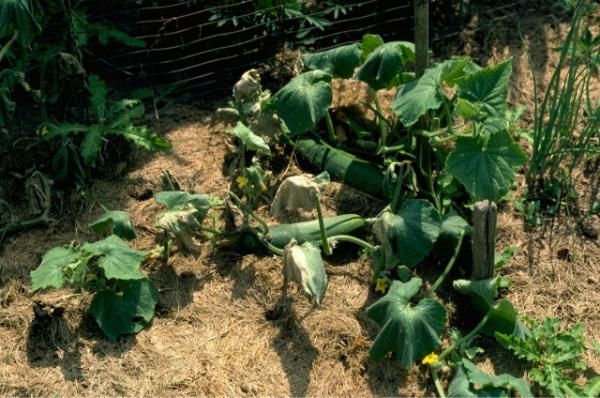
Rapid identification of bacterial wilt symptoms enables faster response. Early detection of infected plants allows you to remove them before beetles spread the pathogen to additional plants.
Early Symptoms and Progressive Wilting
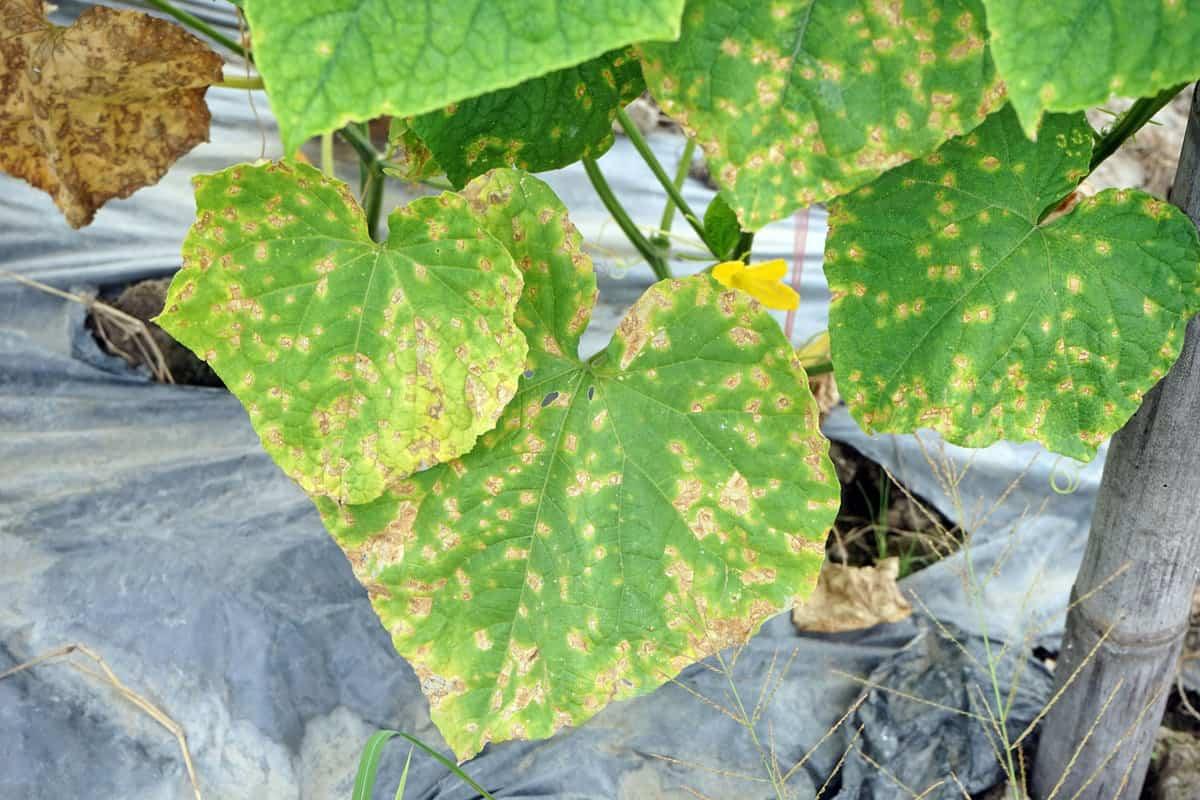
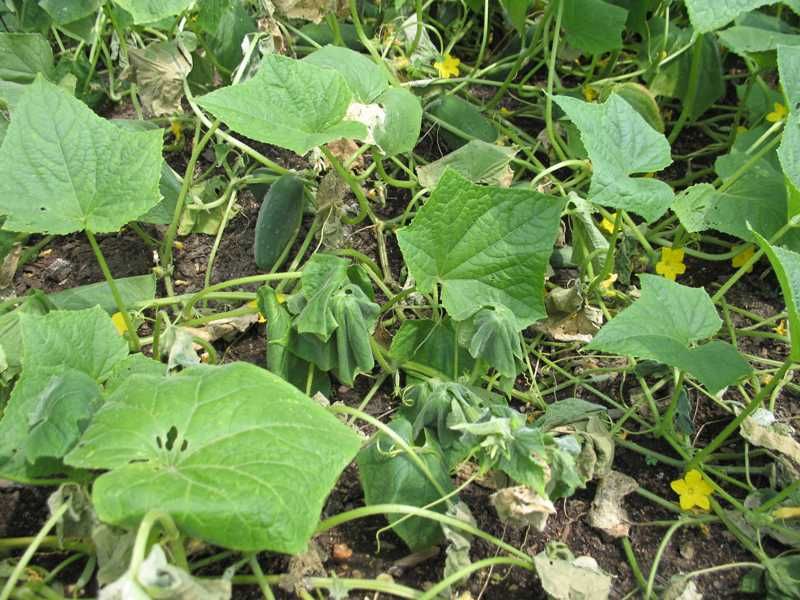
The first visible sign of bacterial wilt appears as drooping of individual leaves or shoots. The affected leaves may recover partially during cool overnight periods, but wilting recurs during the heat of the day. This daily wilting pattern continues for several days before permanent wilting sets in.
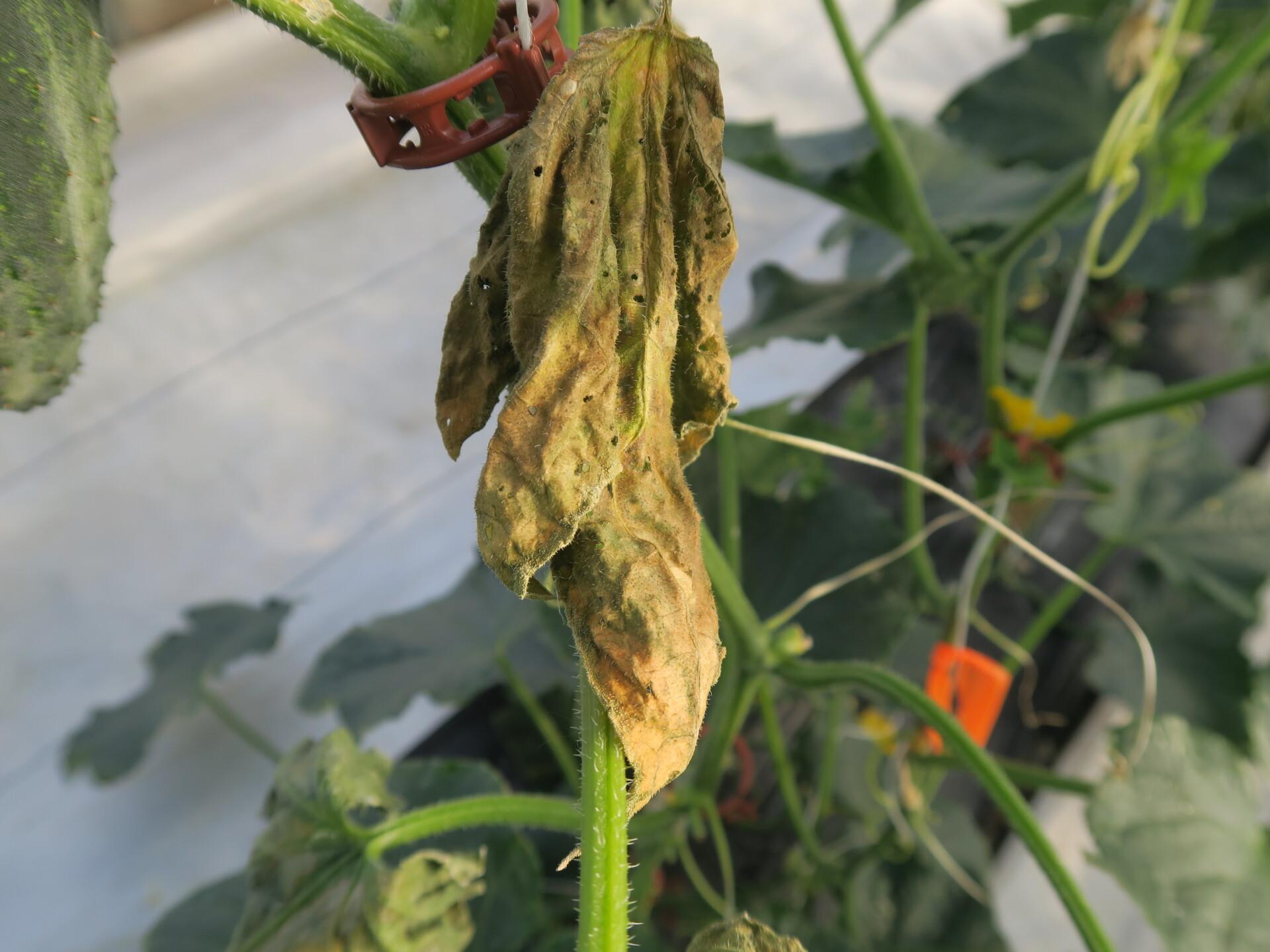
As infection progresses, leaves develop a dull green appearance, losing their normal vibrant color. Yellowing begins at leaf margins, progressing inward. Affected leaves eventually brown completely. The wilting progresses down the vine from the infection point, affecting successive leaves and stems as the bacterial population expands.
Advanced Symptoms and Plant Death
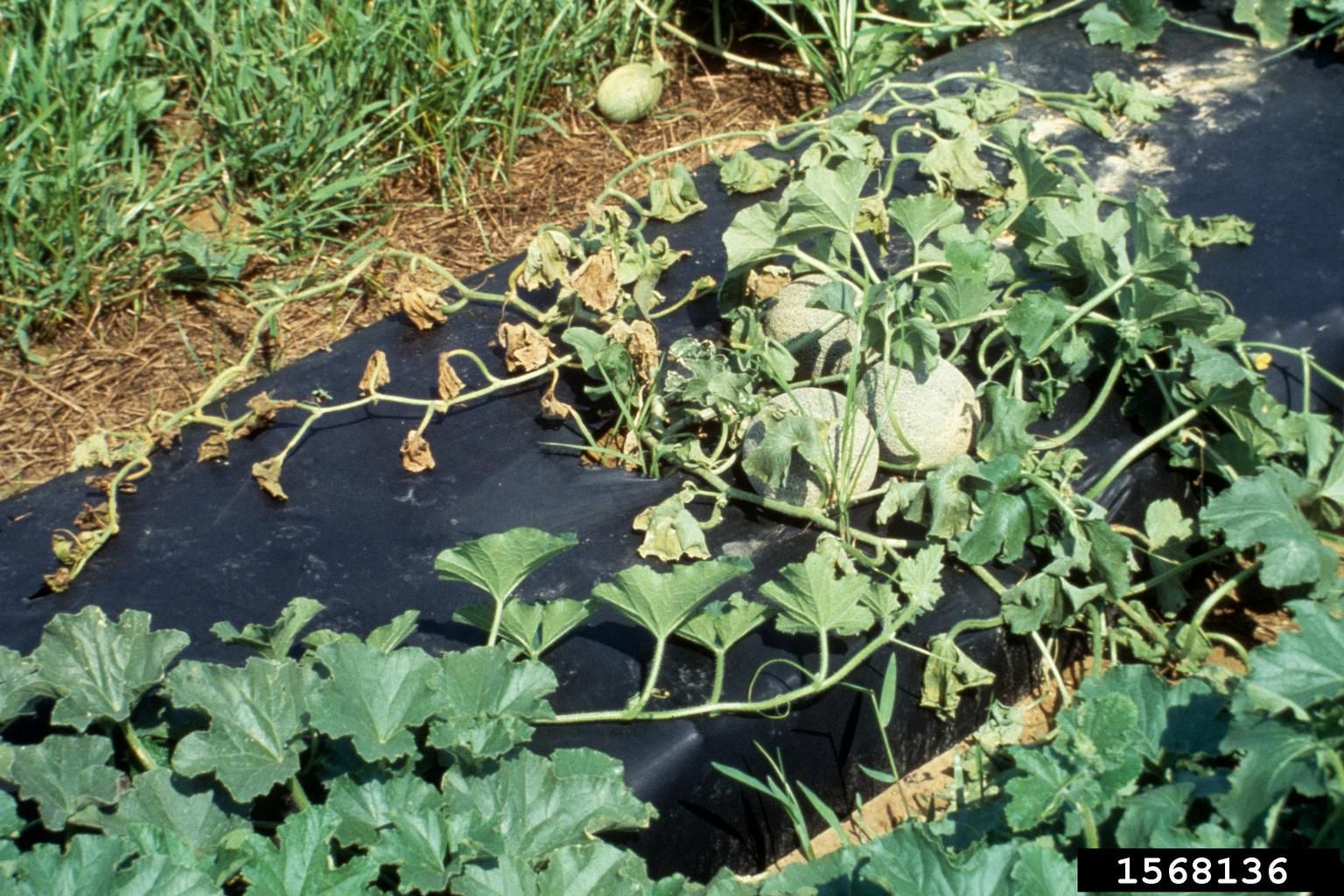
Within 6 to 7 days of infection, plants show obvious symptoms. Entire vines wilt permanently and lose their green color, turning brown. The progression from infection to complete plant death typically occurs within 10 to 15 days for highly susceptible cucumbers and melons. Some squash and pumpkin varieties may survive somewhat longer, but eventual plant death still occurs.
The speed of plant death explains why prevention becomes absolutely essential. By the time symptoms become obvious, the plant is already doomed. Waiting to see whether symptoms develop means waiting too long to act.
Confirming Bacterial Wilt Diagnosis
A simple diagnostic test can confirm bacterial wilt presence. Cut a wilted stem near the base where the plant meets the soil. Press the two cut surfaces together and then slowly pull them apart. If bacterial ooze is present, you will see sticky, thread-like strands of bacterial polysaccharides between the two cut surfaces. These threads confirm Erwinia tracheiphila infection.
This diagnostic test works most reliably on cucumbers and melons but may fail on squash where symptoms develop more slowly. A negative test result does not absolutely eliminate bacterial wilt as a possibility, but a positive thread test confirms the diagnosis definitively.
Environmental Conditions for Infection
Understanding conditions that favor infection helps you predict disease risk and time management strategies appropriately.
Bacterial wilt infections comprise two factors. The pathogen carried by the beetles and susceptible plants. Entry wounds are created by the feeding of the beetles. A water film on the surface of the plant increases infection because bacteria need moisture to survive, thus enabling them to enter and establish in plant tissue.[38] Early morning dew favors this infection as well as overhead irrigation.
Young plants in the seedling to early bloom stage show greatest susceptibility to bacterial wilt. As plants mature and develop tougher leaf tissues, susceptibility decreases somewhat, though mature plants remain vulnerable. This explains why early season protection during the seedling stage becomes so critical. Protecting plants from beetles during their most vulnerable period prevents most infections.
Beetle activity follows seasonal patterns. Striped cucumber beetles emerge from overwintering sites when soil temperatures warm in spring. Population numbers peak during early season when beetles concentrate on available cucurbit plants. Beetle pressure remains high through bloom stage, then may decline slightly as plants mature and beetle populations disperse. Understanding this seasonal pattern helps guide management timing.
Prevention Strategies: Your Most Powerful Tool
Prevention represents your only viable management approach for bacterial wilt. Because no chemical cure exists once infection occurs, everything you do before beetles bring the pathogen to your plants becomes critical.
Resistant and Tolerant Varieties
The most sustainable long-term approach to bacterial wilt management involves growing resistant or tolerant varieties. Unfortunately, truly resistant cucumber varieties remain limited in commercial availability. However, certain varieties show excellent tolerance to bacterial wilt infection and demonstrate minimal symptom development.
Shintokiwa, a Japanese cucumber variety, exhibits exceptional tolerance to bacterial wilt. County Fair represents another resistant option with good production characteristics. Arkansas Little Leaf and Little Leaf varieties offer additional resistance options. These tolerant varieties allow you to grow cucumbers in bacterial wilt regions with minimal disease pressure, even if beetles are present.
In contrast, watermelon shows high resistance to bacterial wilt, making it an excellent alternative crop in heavily infested areas. If cucumber production proves uneconomical due to bacterial wilt pressure, switching to watermelon production may offer a viable alternative.
Consult with seed companies about which varieties show resistance to bacterial wilt in your region. Select varieties that offer both resistance and the fruit characteristics you prefer, whether slicing, pickling, or specialty types. Reading seed labels carefully for disease resistance information becomes an important purchasing habit.
Row Covers for Physical Protection
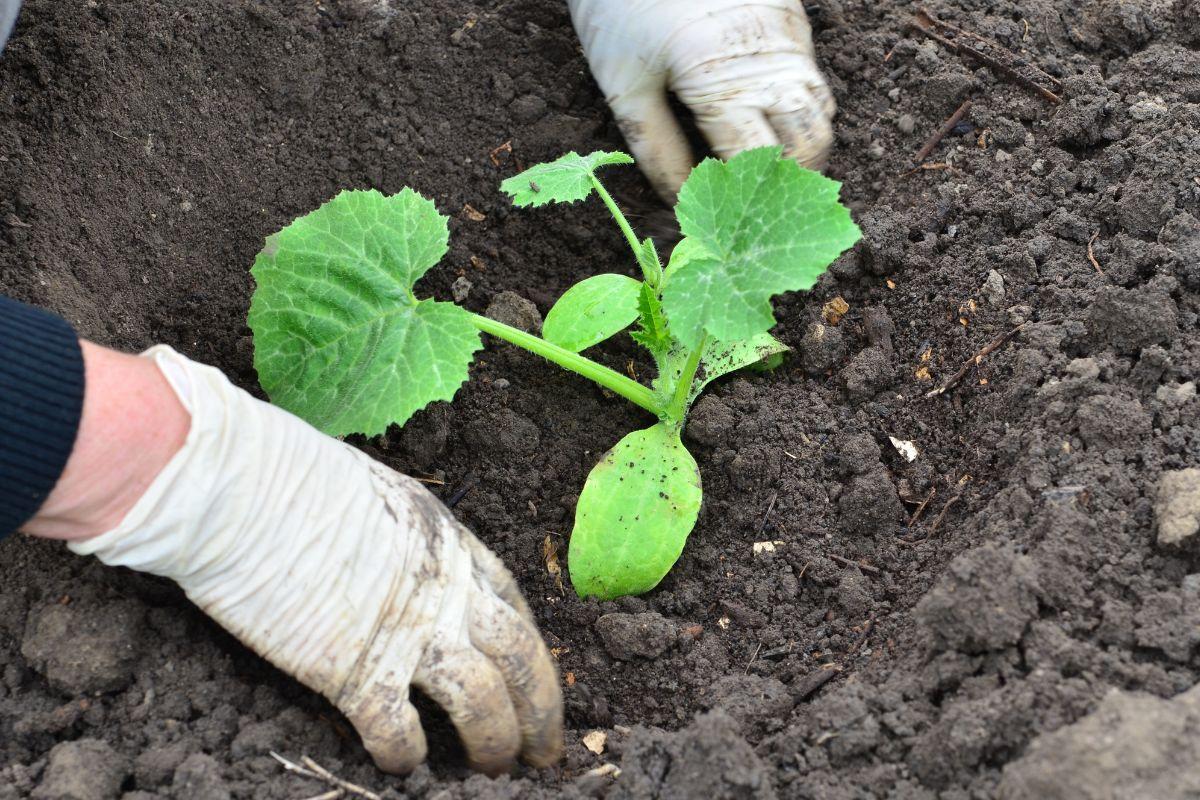
Floating row covers provide excellent protection by creating a physical barrier between cucumber beetles and young plants. Lightweight, translucent row covers allow light penetration while protecting plants from insect damage. Cover the plants immediately after planting and seal all edges completely to prevent beetles from crawling underneath.
Row covers protect plants most effectively during the seedling stage when plants are most vulnerable and beetle pressure is highest. Continue coverage through early flowering stage to ensure protection during the period of maximum disease risk. Remove covers at or just before bloom to allow pollinator access.
Plants grow substantially under row covers despite the protective barrier. The covers remain in place as plants expand, accommodating growth without restriction. When you remove covers for pollination, plants have already achieved substantial size and greater tolerance to beetle feeding damage.
Row covers represent one of the most reliable bacterial wilt prevention methods because they eliminate beetle contact entirely. Plants grown under row covers that remain covered until bloom rarely develop bacterial wilt even when surrounding unprotected plants are heavily infected.
Trap Cropping System for Concentrated Control
Trap cropping uses highly attractive plants to concentrate cucumber beetles on specific crops, protecting the main cucumber crop. Blue Hubbard squash serves as an excellent trap crop, attracting beetles much more strongly than cucumber. Plant Blue Hubbard squash on the field perimeter, on all four sides of the field if possible.
Time trap crop planting 1 to 2 weeks before main cucumber planting. This earlier planting allows Blue Hubbard to reach attractive growth stages just as beetles emerge and become active. The trap crop concentrates 80 to 90 percent of the beetle population on the perimeter, dramatically reducing beetle pressure on the main crop.
Once beetles concentrate on the trap crop, apply insecticides directly to the trap crop to kill concentrated beetle populations. This strategy reduces pesticide exposure for the main crop while providing effective beetle control. Some growers additionally vacuum beetles from the trap crop, removing additional insects before they can spread to the main crop.
Trap cropping works best when combined with other management tactics. The strategy requires advance planning and coordinated planting, but delivers excellent beetle management when implemented properly.
Insecticide Application Timing and Strategy
Early season insecticide applications represent a critical component of bacterial wilt management. Apply insecticides before beetles appear in substantial numbers, not after significant beetle populations develop. Early application prevents beetles from establishing populations on your cucumber plants.
Begin insecticide applications during early season when cucumber plants are seedlings and most vulnerable. Apply insecticides weekly when beetles are present, continuing applications through bloom stage. The goal is preventing beetle feeding on young plants during the critical early season window.
Monitor beetle populations using yellow sticky traps and by direct observation. When you observe an average of one beetle per plant, it is time to implement or intensify control measures. During early season when plants are small, use a lower threshold of 2 beetles per quarter section. Later in the season when plants are established, tolerance increases to approximately 8 beetles per quarter section.
Follow all label directions carefully when applying insecticides. Organic growers can use neem oil, pyrethrum, or kaolin clay (Surround WP) for beetle management. Conventional growers have additional options including permethrin and other USDA-approved vegetable insecticides. Always select products labeled for use on the specific crop and follow application timing restrictions relative to harvest.
Early Detection and Beetle Management
Establishing a regular scouting routine enables early beetle detection and rapid response to growing populations.
Scout fields weekly during early season, when beetle pressure is highest and damage risk is greatest. Use yellow sticky traps to monitor beetle activity and population trends. Walk through the field systematically, looking for beetles on plants and observing any early symptoms of bacterial wilt.
Distinguish beetle feeding damage from bacterial wilt symptoms. Beetle feeding creates visible holes and skeletonized areas on leaves, while bacterial wilt causes wilting without obvious feeding marks initially. Combining visual inspection for beetles with symptom observation provides the most complete disease management picture.
Document beetle observations, recording the number of beetles observed and their location in the field. This information guides decisions about spray timing and application location. Identifying beetle hotspots allows you to concentrate control efforts where populations are highest.
Implement control measures immediately when beetle populations exceed your chosen threshold. Waiting to see whether infection develops means waiting too long. By the time bacterial wilt symptoms appear, the plant is already doomed. Acting on beetle presence before symptoms develop prevents the disease.
When Infection Occurs: Rapid Response
If bacterial wilt symptoms develop on any plants despite your prevention efforts, implement rapid removal protocols.
Remove infected plants completely, including roots and all plant material. Place infected plants in sealed bags or containers to prevent beetles from escaping and spreading to adjacent plants. Transport infected material away from the field to a location where you can burn or bury it at least one meter underground.
Never compost infected plant material in standard compost piles. The pathogen survives normal composting temperatures and can survive in compost indefinitely. Composting infected plants creates a source of inoculum that could infect future crops.
Accept that plants showing bacterial wilt symptoms cannot be saved. Remove them quickly to prevent additional spread. Continue beetle management on remaining plants to prevent spread to uninfected portions of the field. Document the location and timing of bacterial wilt appearance for future reference and management planning.
Resistant Variety Selection for Long-Term Success
Switching to resistant or tolerant varieties provides your most sustainable long-term management strategy. Growing varieties naturally resistant to bacterial wilt eliminates reliance on insecticides and reduces disease risk across seasons.
Shintokiwa cucumbers offer excellent tolerance with attractive fruit quality. County Fair provides another reliable resistant option. These varieties may show minimal symptoms even when beetles are present and feeding occurs. The plants remain productive despite bacterial wilt exposure.
Test new resistant varieties in a portion of your field before committing to large-scale planting. Growing test strips allows you to evaluate variety performance, fruit characteristics, and disease tolerance under your specific conditions before investing in conversion of all your cucumber acreage.
Combine variety resistance with other management tactics for the most reliable disease prevention. Resistant varieties used with row covers and trap cropping provide essentially fail-safe bacterial wilt management even in heavily infested regions.
Practical Implementation Timeline
Converting knowledge to action requires structured planning throughout the growing season.
Pre-Season Planning (December to February)
Review your past season's bacterial wilt history, noting where disease appeared and when beetles first became visible. Contact your extension office to understand bacterial wilt risk in your region and which management tactics work best locally. Research resistant varieties suitable for your market and production system.
Order disease-resistant seed varieties well in advance of planting season. Secure row cover materials if you plan to use that protection method. Order trap crop seed if you plan to plant Blue Hubbard squash on field perimeters.
Early Spring Preparation (March to April)
Prepare fields, ensuring good drainage and site selection. Plant trap crops if using that strategy, timing them 1 to 2 weeks before main crop planting. Set up any physical infrastructure for row covers or other prevention methods.
Early Season Management (May to June)
Plant cucumbers and immediately cover with row covers if using that protection method. Seal all cover edges completely. Begin yellow sticky trap monitoring at the same time you plant. Scout fields weekly for beetle activity starting as soon as plants emerge.
Establish your spray schedule if using insecticides. Apply first applications at crop emergence or shortly thereafter, well before beetle populations build. Continue weekly applications through bloom stage.
Mid-Season Monitoring (June to July)
Maintain yellow sticky trap monitoring and continue weekly field scouts. Adjust spray intervals if beetle populations surge. Remove row covers at bloom to allow pollinator access. Continue beetle management even after removing row covers.
Remove any plants showing bacterial wilt symptoms immediately. Document the location and timing of symptom appearance.
Late Season Management (July to September)
Continue beetle monitoring and control through mid-season. Allow plants to mature and produce fruit. Begin post-harvest cleanup well before the season ends.
Post-Harvest Cleanup (September to November)
Remove all plant material from the field completely. Dispose of infected plant material by burning or burying. Do not compost infected material. Clean equipment thoroughly to prevent carrying beetles or plant material to other fields or operations.
Real-World Case Study and Impact
Understanding bacterial wilt's destructive potential demonstrates why prevention matters absolutely.
A grower in the Midwest discovers striped cucumber beetles on cucumber plants in early July. Because no prevention measures were implemented, beetle populations build rapidly. By mid-July, wilting symptoms appear on numerous plants. The grower implements emergency insecticide applications, but the disease has already established. Over 35 percent of the cucumber plants wilt and die. The grower loses approximately 40 percent of the expected harvest, totaling roughly 25,000 dollars in lost revenue.
Contrast this with a proactive grower in the same region who covers cucumber seedlings with row covers immediately after planting. Plants grow under protection until bloom. The grower also plants Blue Hubbard squash on the field perimeter as a trap crop and sprays the trap crop with insecticides weekly. When the grower removes row covers at bloom, few beetles remain in the field because trap crop populations have concentrated and controlled the beetles. The main cucumber crop experiences minimal beetle feeding and zero bacterial wilt infection. The yield exceeds 95 percent of expected production.
The difference between these scenarios illustrates that while prevention requires investment and planning, the cost of prevention is far less than the cost of crop loss. A few thousand dollars in prevention materials and labor costs far less than losing tens of thousands of dollars in harvest.
Integrating Technology Into Your Management Plan
Modern tools can enhance your bacterial wilt management effectiveness. AI-powered plant diagnosis platforms like Plantlyze analyze plant images and provide rapid preliminary assessment of wilt symptoms. These tools help distinguish bacterial wilt wilting from water stress wilting, which can appear similar visually.
Using Plantlyze, you can photograph suspicious plants at any time and receive assessment within minutes. This rapid feedback helps you confirm whether wilting indicates bacterial wilt infection or merely temporary water stress. When combined with your field observations and beetle monitoring data, technology accelerates your decision-making and confirms your disease suspicions.
Visit Plantlyze.com today to access these AI-powered plant care and diagnosis capabilities. The platform helps you identify wilting symptoms with confidence, enabling faster implementation of plant removal and beetle management measures. Early identification transforms bacterial wilt management from reactive crisis response into proactive disease prevention.
Key Takeaways For Successful Bacterial Wilt Management
Your cucumber bacterial wilt management program must prioritize prevention because no chemical cure exists once infection occurs. First, understand that striped cucumber beetles represent the sole disease vector, making beetle control your foundation strategy.
Second, implement resistant or tolerant variety selection for long-term sustainable management. Varieties like Shintokiwa and County Fair dramatically reduce bacterial wilt risk even in beetle-infested regions. Third, establish early season beetle monitoring using yellow sticky traps and direct observation.
Fourth, apply insecticides preventively during early season before beetle populations build. Do not wait for visible damage or symptoms. Fifth, consider row covers for seedling-stage protection in high-risk areas. Sixth, implement trap cropping using Blue Hubbard squash on field perimeters to concentrate beetles away from the main crop.
Seventh, move swiftly when you discover infected plants, removing them immediately and disposing of plant material properly. Eighth, continue beetle management throughout the season even after removing prevention barriers like row covers.
Bacterial wilt represents a serious threat, but one you can effectively manage through prevention-focused strategies and early detection. Your successful cucumber harvest depends absolutely on the decisions you make before the season begins regarding beetle management and variety selection.
References
1. University of Wisconsin Horticulture
Link: https://hort.extension.wisc.edu/articles/bacterial-wilt-of-cucurbits/
2. APS (American Phytopathological Society)
Link: https://apsjournals.apsnet.org/doi/10.1094/PDIS-10-14-1068-FE
3. Penn State Extension
Link: https://extension.psu.edu/deterring-striped-cucumber-beetles-in-organic-cucurbit-production-systems/
4. Kansas State University Extension
Link: https://hnr.k-state.edu/extension/info-center/common-pest-problems/common-pest-problem-old/Bacterial%20Wilt.pdf
5. Utah State University Extension
Link: https://extension.usu.edu/pests/ipm/notes_ag/veg-bacterial-wilt.php