Introduction
Imagine picking cucumbers and finding sunken dark lesions covering the fruit surface. The skin has cracked and there is orange discharge oozing from the affected areas. This is cucumber anthracnose, one of the most devastating fungal diseases threatening cucumber production all over the world. This disease doesn't just affect fruit appearance; it renders entire harvests unmarketable and can persist in your soil for years.
Anthracnose caused by Colletotrichum orbiculare has become increasingly problematic as climate conditions create ideal disease development environments. The challenge extends beyond simple identification because the pathogen exists as multiple distinct races, each with different host ranges and resistance patterns. Understanding this complexity becomes essential for managing the disease effectively across multiple growing seasons.
This comprehensive guide walks you through everything you need to know about cucumber anthracnose. From identifying the first symptoms to implementing long-term prevention strategies, you'll learn how to protect your cucumber crops and maintain consistent, disease-free production. Whether you grow cucumbers in greenhouses, high tunnels, or open fields, these strategies apply to your production system.
What is Cucumber Anthracnose and Why It Matters
Cucumber anthracnose is a fungal disease caused by Colletotrichum orbiculare, a hemibiotrophic pathogen that affects multiple cucurbit crops including cucumber, watermelon, melon, and squash. The term hemibiotrophic describes the pathogen's unique biology: it begins as a biotroph (living within healthy plant tissue without killing cells), then transitions to a necrotroph (killing plant tissue and feeding on dead cells). This dual nature makes anthracnose particularly challenging to manage.
The disease persists through multiple mechanisms that complicate long-term management. The fungus is capable of survival in the soil as microsclerotia for long periods. It also infects cucumber seed internally, survives in plant debris left in the field, and alternative weed hosts, therefore, has multiple pathways of persistence and spread. If not well managed a single infection can affect production for several seasons.
Anthracnose thrives well in warm and wet conditions thus becoming more devastating during the rainy season or in a production system that uses overhead irrigation. Unlike other diseases which normally occur early in the season, anthracnose appears as temperatures warm up mid to late season when most growers are caught with their production already at its peak. The disease can cause 100 percent crop loss in severe situations, with infected fruit completely unmarketable due to surface lesion damage.
The economic impact extends beyond immediate yield loss. Fungicide costs for managing established disease can be substantial, especially when fungicide rotation becomes necessary to prevent resistance development. Prevention, therefore, becomes infinitely more economical than managing established infection.
Understanding Race Specialization in Anthracnose
The anthracnose pathogen exists as at least 2 to 7 distinct races, each with specialized host ranges and virulence patterns. This race specialization creates complexity in disease management because resistance effectiveness depends on matching your cucumber variety's resistance genes to the specific races present in your region.
What Race Specialization Means
Some races specialize on cucumber and cause severe disease on cucumber varieties while showing little virulence on watermelon. Other races preferentially attack watermelon and squash. This host specialization means that a resistant watermelon variety may not protect your cucumber crop, and vice versa. The fungus has essentially adapted to specific host plants through evolutionary pressure.
This race specialization also complicates breeding efforts aimed at developing resistant varieties. Breeders must develop resistance to multiple races simultaneously to create broadly effective resistant cultivars. A variety resistant to race 1 may remain highly susceptible to race 2, limiting the effectiveness of resistance as a management tool.
Regional Race Distribution
Races Predominate by Region. Your region could be a single-race dominated area or multi-race, where several races exist together in your region. Knowing which race threatens your local production is important in making the right choice of resistant variety and also for predicting the risk of the disease. Contact your area extension office to know which races occur in your area and which varieties show resistance to those specific races.
Identifying Cucumber anthracnose
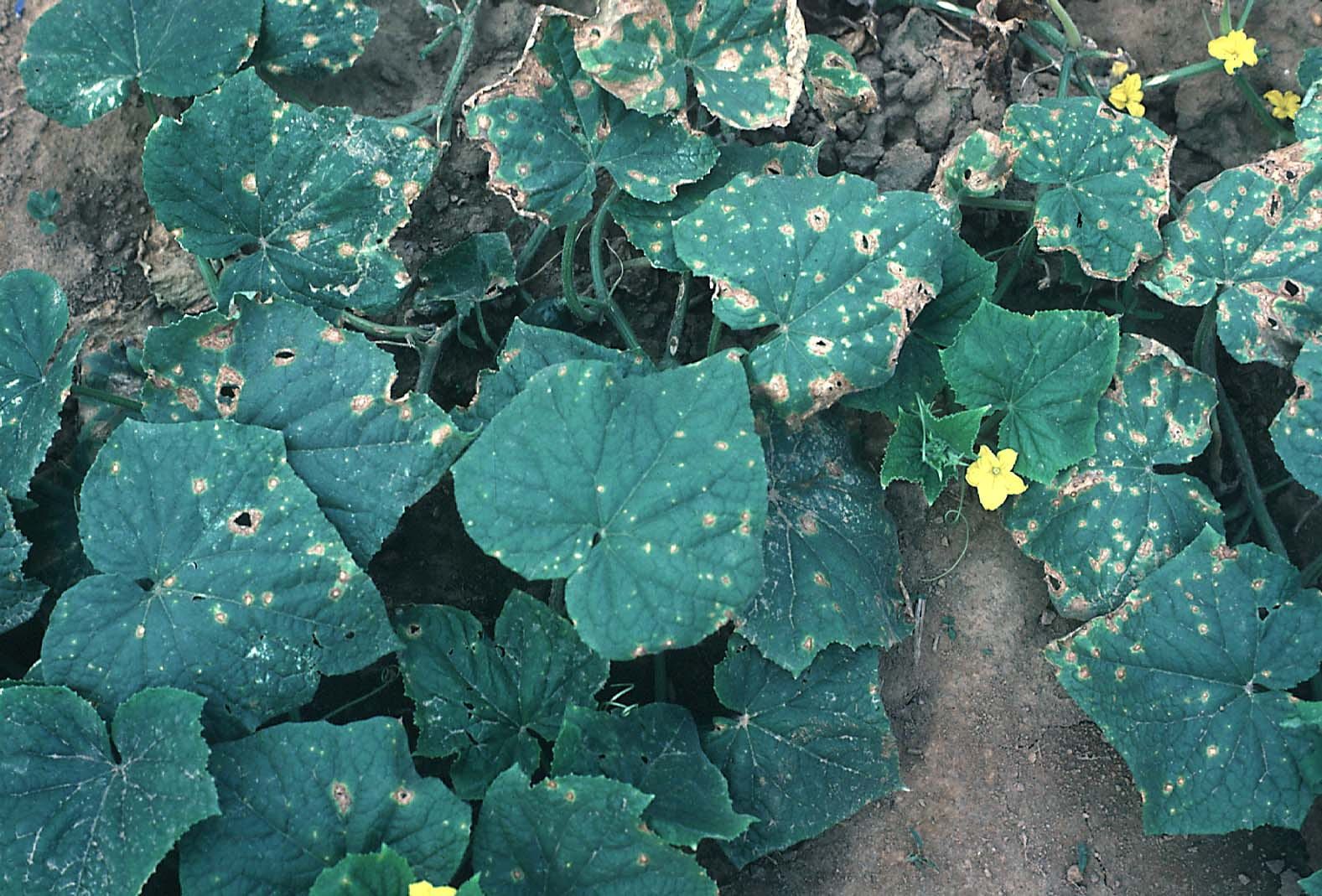
Accurate identification enables early intervention and prevents disease spread to adjacent plants and fields. Anthracnose presents distinctive symptoms on leaves, fruit, and stems that become relatively easy to recognize once you understand the disease's appearance.Leaf Symptoms and Early Recognition
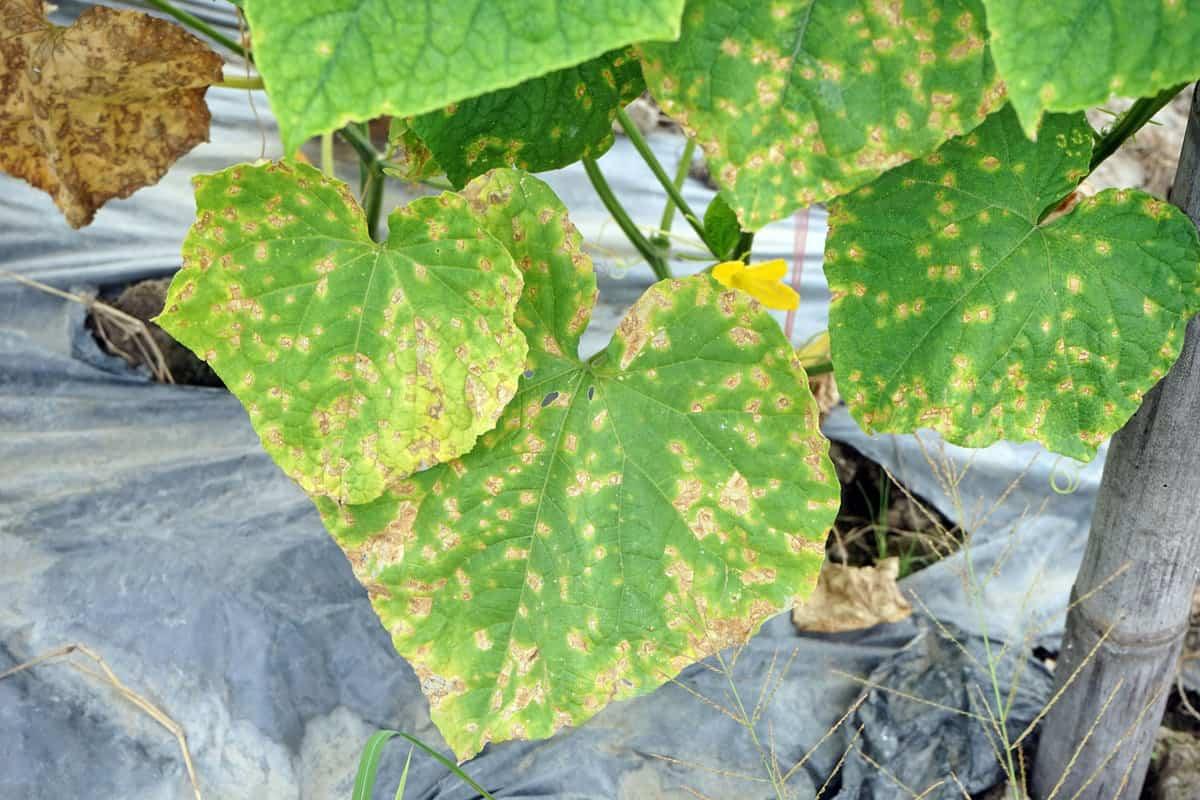
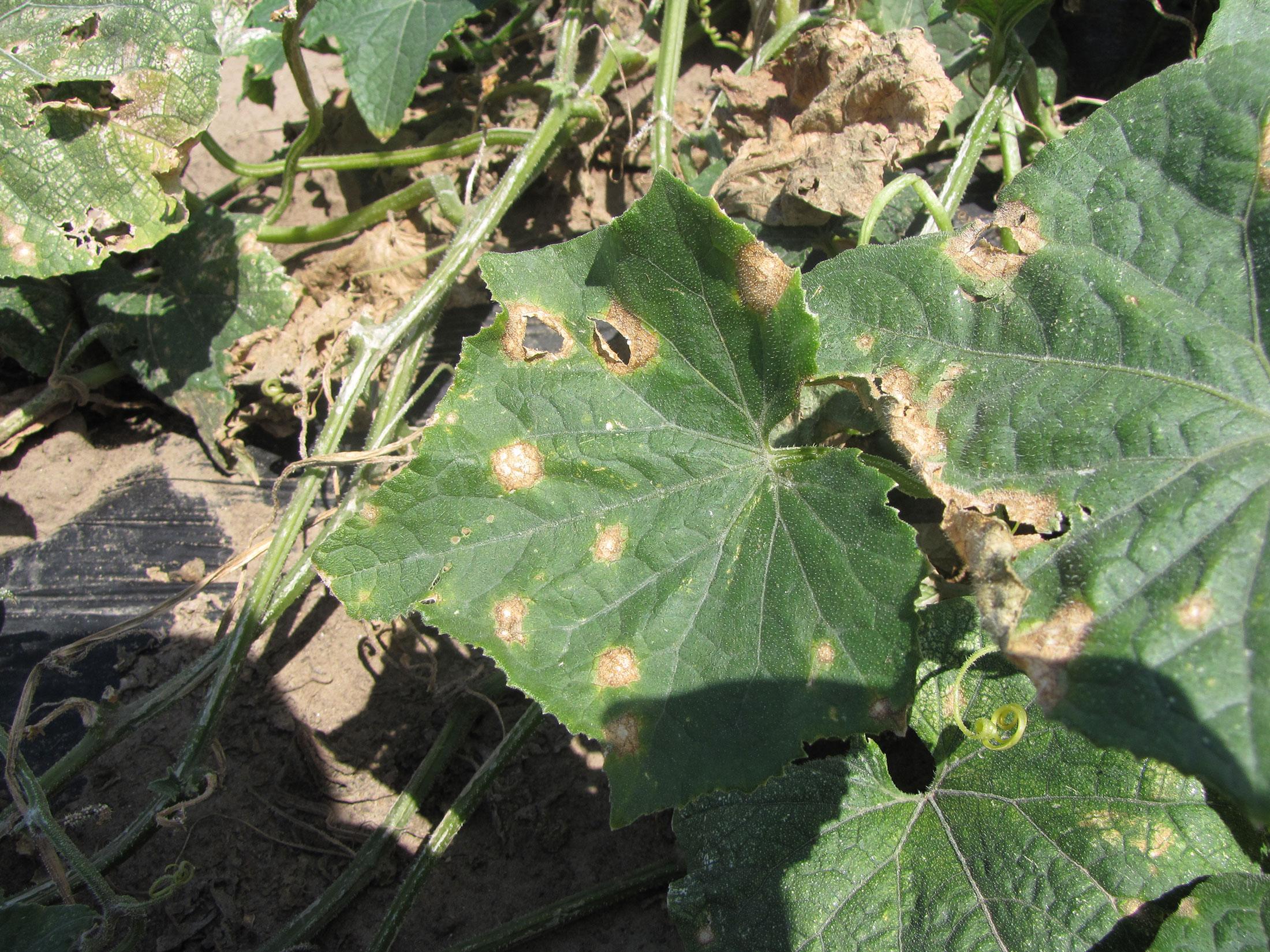
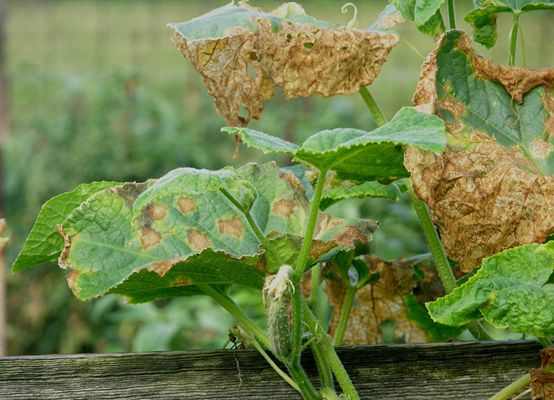
The first sign of anthracnose on leaves appears as small, circular spots measuring 0.5 to 1.5 centimeters in diameter. Initially, these spots appear yellowish and relatively flat on the leaf surface. As the disease progresses, the spots expand into larger patches with black or brown coloration. The expanding lesions often develop a tan or brown colored border surrounding the darker lesion center.
The most diagnostic feature develops as the lesions advance and coalesce, with complete death and disappearance of tissue in the centers of old spots. A shot-hole appearance is left on the leaf as though something punched holes through healthy tissue. It is this distinctive characteristic that helps to distinguish anthracnose from other cucumber foliar diseases. Severe infection leads to progressive yellowing and eventual dropping off of leaves, reducing photosynthetic capacity by restricting all avenues for sunlight energy absorption.
Fruit Symptoms and Marketability Loss
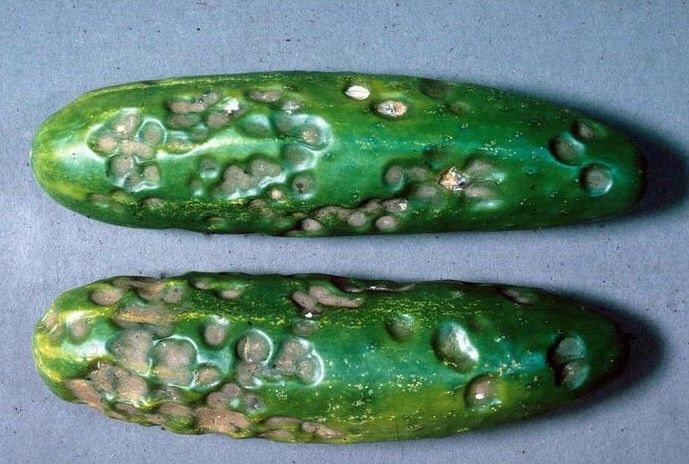
Fruit symptoms represent the most economically important aspect of anthracnose because fruit appearance directly affects marketability. Infected fruit develops sunken, water-soaked spots that initially appear greenish. As the disease progresses, these lesions darken to brown or black coloration. A distinctive pink or orange discharge oozes from infected lesions, creating a characteristic appearance that confirms anthracnose diagnosis.
As lesions age, the fruit skin develops cracks and deep depressions. The combination of sunken appearance, dark coloration, and surface cracking renders affected fruit completely unmarketable, even if the internal tissue remains edible. Severe infections can affect 50 percent or more of fruit on heavily infected plants. This fruit damage explains why preventing anthracnose becomes absolutely critical for economic viability.
Stem and Plant Symptoms
Stems develop dark, elongated lesions that appear sunken compared to surrounding healthy tissue. These lesions are aligned along the stem length, sometimes creating cyst-like formations. In severe cases, lesions completely girdle the stem, cutting off water and nutrient flow to plant portions above the girdle. Girdled sections above the lesion rapidly wilt and die.
Advanced anthracnose infections cause general plant vigor loss, progressive wilting, and leaf drop throughout the plant. The combination of fruit damage, leaf loss, and potential stem girdling can kill plants entirely in severe infections. Recognition of stem lesions provides an important diagnostic clue for confirming anthracnose presence before extensive fruit damage occurs.
Environmental Conditions Favoring Anthracnose Development
Understanding conditions that favor anthracnose helps you predict disease risk and time management strategies appropriately.
Temperature Requirements
Anthracnose develops optimally within a temperature range of 20 to 30 degrees Celsius, with 25 to 28 degrees representing ideal conditions. Development is slowed drastically below twenty or above thirty degrees. This explains clearly in thermal terms why anthracnose usually attacks during warm mid and late seasons when temperatures constantly remain within the optimum range at night as well as by day. In cool areas where early and late season production takes place, there might be minimal anthracnose pressure.
Moisture and Humidity Factors
High humidity greater than 90 percent relative humidity is necessary for anthracnose development. The pathogen requires free water or moisture on plant surfaces for spore germination. Rain and overhead irrigation that wet foliage create ideal conditions for infection. The more frequently you wet foliage and the longer foliage remains wet, the greater the infection risk.
Appressorium Formation
Colletotrichum orbiculare forms specialized infection structures called appressoria after spore germination. These are small dome-shaped structures through which the fungus penetrates the host cuticle to invade tissue.[3] The formation of appressoria requires specific environmental cues, mostly moisture, and chemical cues from the plant surface.[4] Understanding this mechanism of infection explains the efficacy of moisture management in controlling the disease and preventive fungicides that inhibit the formation of appressoria.
Prevention Strategies: Your Most Powerful Tool
Prevention dramatically outperforms treatment for anthracnose management. Because the pathogen persists in soil, seed, and debris, and can produce numerous spore-producing structures, preventing infection from occurring in the first place represents your most effective and economical approach.
Seed and Pre-Planting Practices
Start with disease-free certified seed from reputable seed companies that maintain strict sanitation practices. Some seed can carry the anthracnose pathogen internally without showing external symptoms. If using seed from previous production, submit samples for testing to confirm disease-free status. Never use seed from infected plants or harvests affected by anthracnose.
Hot water seed treatment provides an effective method for sanitizing seed that may carry the pathogen. Soak the seed in water at 135 degrees Fahrenheit (43 degrees Celsius) for exactly 20 minutes. This will kill internal fungal structures, with viability left standing. Most commercial seeds are already hot-water treated, skipping this step for growers.
Test your soil before planting, especially if your field has had anthracnose before. Understand your local race distribution by contacting your extension office. This information guides resistant variety selection. Select varieties bred specifically for resistance to the races present in your region, as resistance to non-local races provides no benefit.
Cultural and Environmental Management
Crop rotation represents your most powerful non-chemical management tool. Rotate away from cucurbits (cucumber, watermelon, melon, squash, and pumpkin) for 2 to 3 years or longer. Each year without a cucurbit host allows the pathogen to decline naturally in the soil. Select rotation crops that do not host Colletotrichum species.
Proper plant spacing improves air circulation through the canopy, allowing foliage to dry more rapidly after irrigation or rain. Wide spacing creates a more open canopy with better light penetration and faster drying times. Overhead irrigation that wets foliage dramatically increases anthracnose risk. If possible, switch to drip irrigation systems that deliver water directly to soil without wetting foliage. If overhead irrigation is necessary, apply water only during early morning hours so foliage dries quickly as temperatures warm.
Remove infected plant material carefully to prevent spore dispersal. After harvest, remove all plant debris from the field or greenhouse. Do not compost infected plant material in standard compost piles; the pathogen often survives normal composting temperatures. Remove volunteer cucumber plants that could serve as disease sources for the following season.
Manage weeds that can serve as alternative hosts for the pathogen. Some weed species harbor Colletotrichum species, keeping the pathogen alive between seasons and creating inoculum sources for new cucumber plantings. Mulching soil with organic materials reduces soil splash that can spread spores from soil to lower leaves.
Biological Control and Organic Approaches
Trichoderma species, particularly strains like T34, suppress anthracnose development through competition and production of disease-fighting compounds. Trichoderma asperellum and Trichoderma harzianum also demonstrate effectiveness when applied to seed or soil. These beneficial fungi work best when established before heavy pathogen pressure develops. Apply Trichoderma products according to label directions, ensuring adequate soil moisture for organism establishment.
Bio-sulfur has been proven highly effective in the suppression of anthracnose. Treatments with bio-sulfur reduce lesion development by about 53 percent relative to untreated controls (Park, et al., 2016). The mode of action is reflected in inhibiting appressorium formation so that the fungus cannot penetrate into plant tissue. Compost water extracts and other organic amendments also provide some disease suppression.
Copper is available to organic growers in the form of copper oxychloride and Bordeaux mixture. Both are protectant fungicides, therefore, should be applied before infections take place. An organic farmer can always carry out a regular program of spraying coppers on a preventive schedule and adjust the frequency of applications either due to rains or due to high disease pressure.
Treatment Options When Prevention Fails
Despite best preventive efforts, anthracnose sometimes establishes in cucumber plantings. Swift action combined with intensive management can minimize damage and preserve remaining production.
Immediate Response When Disease Appears
The moment you confirm anthracnose presence, implement containment protocols. If disease affects only scattered plants or limited leaf areas, remove infected leaves by hand. Place diseased plant material in sealed bags to prevent spore spread. Never compost diseased material in standard piles.
Adjust management immediately. Discontinue overhead irrigation if possible, or shift to early morning only application. Reduce any practices increasing humidity. Increase air movement through the canopy if safe to do so. The priority shifts to managing remaining healthy foliage while eliminating conditions favoring further spread.
Begin fungicide applications immediately if you plan to use chemical management. Early application catches disease before it becomes widespread and unmanageable. Document disease location and severity, noting the date symptoms first appeared and environmental conditions at that time.
Fungicide Options and Rotation
Several fungicide categories provide anthracnose control. Contact fungicides including chlorothalonil (Bravo, Echo, Equus) and mancozeb (Dithane, Penncozeb, Manzate) provide protectant activity, preventing spore germination and appressorium formation when applied preventively or at disease onset. These work best on preventive schedules before disease becomes heavy.
Systemic fungicides offer different mechanisms. Strobilurins like cabrio, pristine, and quadris provide systemic protection. Triazoles including topsin M and inspire super offer different modes of action. SDHI fungicides like benzovindiflupyr (Aprovia Top) and tanos provide newer chemistry options. Research suggests combining Bravo with mancozeb may enhance effectiveness beyond either product alone.
Apply fungicides every 7 to 14 days on a preventive schedule, beginning before disease typically appears in your region. Adjust application frequency upward during periods of high rainfall or humidity. Continue applications through late season as long as fruit remains on plants.
Fungicide rotation becomes critical because Colletotrichum readily develops resistance to individual fungicide products and modes of action. Using the same fungicide repeatedly results in resistant pathogen populations that no longer respond to treatment. Rotate between different FRAC groups (fungicide resistance action committee classifications) to maintain effectiveness season after season. Never use the same fungicide twice in succession in your spray program.
Resistant Variety Selection for Long-Term Success
The most sustainable long-term approach to managing anthracnose is through the selection of resistant varieties. This removes dependence on fungicides and carries resistance year after year, season by season. The real constraint about variety selection lies in both the availability of truly resistant varieties and a very specific, narrow resistance that can be expressed toward particular races because most commercial cucumber varieties do not possess high levels of resistance across several pathotype races. However, certain cultivars manifest moderate levels of resistance toward specific races; hence continued breeding efforts have been directed at developing better-resistant material.
While selecting the varieties, specifically ask for information on anthracnose resistance ratings that are available on the seed label. Consult your seed company about the variety which is resistant to races present in your area. Some varieties are highly resistant to common races and at the same time susceptible to other races. The protection is optimized when the varietal resistance matches with a race distribution in an area.
Test new varieties in your production system before committing to large-scale production. Strips will show performance under your specific conditions and against your local pathogen population. This testing minimizes the risk of choosing a variety that looks resistant in the trials but is not effective under your field conditions.
Practical Implementation Timeline
Converting knowledge to action requires structured planning throughout the growing season.
Pre-Season Planning (December to February)
Review your past season’s anthracnose history. Where did the disease appear? When was it first noticed? What were the environmental conditions at the time of onset? Find out from your extension office which races of anthracnose occur in your area and what varieties are resistant. Order seed early, specifically requesting disease-free seed and preferably hot-water-treated seed if available.
Prepare the planting area in such a way that natural air movement is allowed and good drainage of the site. If changing from overhead irrigation to drip, this shall be done at this period. Select resistant or tolerant varieties appropriate for races in your region.
Early Season Preparation (March to April)
Establish proper spacing designed to maximize air circulation. Set up or upgrade irrigation systems to drip delivery. Install trellising to improve canopy management and air movement. Prepare fungicide spray equipment if you plan a preventive program.
Mid-Season Management (May to August)
Set a weekly schedule for scouting. Scouting can be done every day or it can alternate with days during periods of high disease pressure which mostly is warm and wet. Take pictures of any suspicious lesions for quick confirmation. Apply fungicides on a proper schedule preventively. Reapply in the interval of 7-14 days, depending on weather conditions and apparent disease pressure.
Continue environmental management through timed irrigations and optimization of air movement within the crop canopy. Remove lower leaves if necessary to improve air circulation.
Late Season and Harvest (August to September)
Continue scouting and preventive fungicide applications through harvest. Document disease observations for next season's planning. Harvest fruit quickly to minimize handling of infected material. As harvest concludes, remove all plant debris from the field or greenhouse.
Real-World Impact and Case Study
Understanding anthracnose’s destructive potential is the reason prevention matters. Consider this realistic scenario:
A grower in a warm region finds anthracnose on cucumber plants sometime early July. Because the operation uses overhead irrigation and standard
spacing, humidity stays high throughout the canopy. By early August,
lesions cover many fruit and severe leaf infection has occurred.
Fruit quality declines dramatically as lesions expand.
The grower implements emergency fungicide applications spending 6,000 dollars in chemical costs, but cannot prevent the damage already done. Marketable yield drops by 45 percent, and total loss approaches 30,000 dollars.
Compare this to another farmer from the same area, who is a bit more proactive. He plants a variety that is moderately resistant, uses wider spacing with drip irrigation and also applies fungicides preventively from early June at 10-day intervals. This farmer gets slightly higher production because there is lesser disease pressure but still almost full fruit set and his total costs of production are actually lower than the first farmer even though he applied fungicides preventively. That is integrated prevention in economic action.
In another situation, a commercial watermelon grower fails to rotate crops adequately and plants watermelon again in a field previously affected by anthracnose. The pathogen from soil inoculum infects plants early in the season. Severe defoliation occurs by mid-season, and yield loss exceeds 60 percent. The grower must implement 2-year rotation away from all cucurbits to reduce soil inoculum before attempting to grow cucurbits again.
These scenarios emphasize that while anthracnose management requires investment, prevention always costs less than managing established disease.
Integrating Technology Into Your Management Plan
Modern tools can enhance your anthracnose management effectiveness. AI-powered plant diagnosis platforms like Plantlyze analyze plant images and provide rapid preliminary disease identification. These tools help you distinguish anthracnose lesions from other conditions that create spots on cucumber leaves and fruit, such as bacterial spot, gummy stem blight, or physical damage.
Using Plantlyze, you can photograph suspicious lesions at any time and receive assessment within minutes rather than waiting for extension agent visits or laboratory diagnosis. This rapid feedback enables faster decision-making and earlier fungicide application when disease appears. When combined with your field observations and knowledge, technology accelerates your response to disease threats.
Go to Plantlyze.com and try incorporating these features into your workflow. This tool will help you spot any symptom with confidence, hence quicker action in management implementations. Anthracnose is known as a late blight; therefore, identifying it transforms the management practice from being reactive to proactively preventing the disease.
Key Takeaways For Successful Anthracnose Management
Your cucumber anthracnose management program hinges on several critical practices. First, understand that prevention dramatically outperforms treatment in effectiveness and cost. Second, recognize that multiple races exist, each requiring different management approaches based on local race distribution.
3. Use resistant or tolerant variety as a foundation strategy, select the varieties which have resistance to the races existing in your area. 4. Practice proper cultural management, wide spacing, drip irrigation and good air circulation. 5. Field scouting during warm wet periods when high disease pressure is very important.
Sixth, keep up with fungicide applications thereby making sure that no infections take place at all. Seventh, rotate fungicides using different modes of action to break down resistance and prevent it from building up. Eighth, do not allow any slack once an infection has set in but rather carry out immediate containment coupled with intensive spraying. Ninth, practice 2 to 3 year crop rotation away from all cucurbits to reduce soil inoculum.
Cucumber anthracnose represents a serious threat, but one you can effectively manage with knowledge, integrated strategies, and appropriate tools. Your successful cucumber harvest depends on the decisions you make today regarding prevention and early detection.
References
1. NIH/PubMed Central
Link: https://pmc.ncbi.nlm.nih.gov/articles/PMC6758697/
2. Purdue University Extension
Link: https://www.extension.purdue.edu/extmedia/bp/bp-180-w.pdf
3. Cornell University Vegetables
Link: https://www.vegetables.cornell.edu/pest-management/disease-factsheets/anthracnose-of-cucurbits/
4. University of Minnesota Extension
Link: https://extension.umn.edu/disease-management/anthracnose-cucurbits
5. NC State Extension
Link: https://content.ces.ncsu.edu/anthracnose-of-cucurbits