Your zucchini looked healthy last week. The plants were thriving, flowers were blooming, and you were already imagining fresh zucchini bread and grilled vegetable dishes. Then suddenly, you notice wilting leaves despite watering regularly, or you spot mysterious holes in the foliage. By the time you realize pests are attacking, the damage is already spreading. This frustration is shared by countless gardeners who lose plants to preventable pest problems.
The good news is that zucchini pest control doesn't require toxic chemicals or expert knowledge. With the right identification and organic strategies, you can protect your harvest and keep plants thriving. This guide walks you through the most common zucchini pests, how to identify them at early stages, and proven organic methods that actually work. Whether you're dealing with squash bugs, vine borers, or cucumber beetles, you'll find practical solutions that fit your gardening style.
Why Zucchini Attracts Pests So Readily
Understanding why pests target zucchini helps you anticipate problems and implement prevention strategies before damage occurs. Zucchini is incredibly nutritious and flavorful, which makes it equally attractive to hungry insects. The tender new growth at the tips of vines is especially appealing because insects can feed more easily on young, delicate tissue compared to mature, tougher leaves.
Warm weather triggers explosive pest activity. As temperatures climb into the 70s and 80s Fahrenheit, insect reproduction accelerates and pest populations explode. Gardens also lack the natural predators that would normally keep pest populations in check. Without ladybugs, parasitic wasps, and other beneficial insects, pest pressure builds rapidly on vulnerable crops like zucchini. The larger your plants grow, the more attractive they become to pests seeking food and breeding sites.
Major Pest 1: Squash Bugs (The Most Persistent Threat)
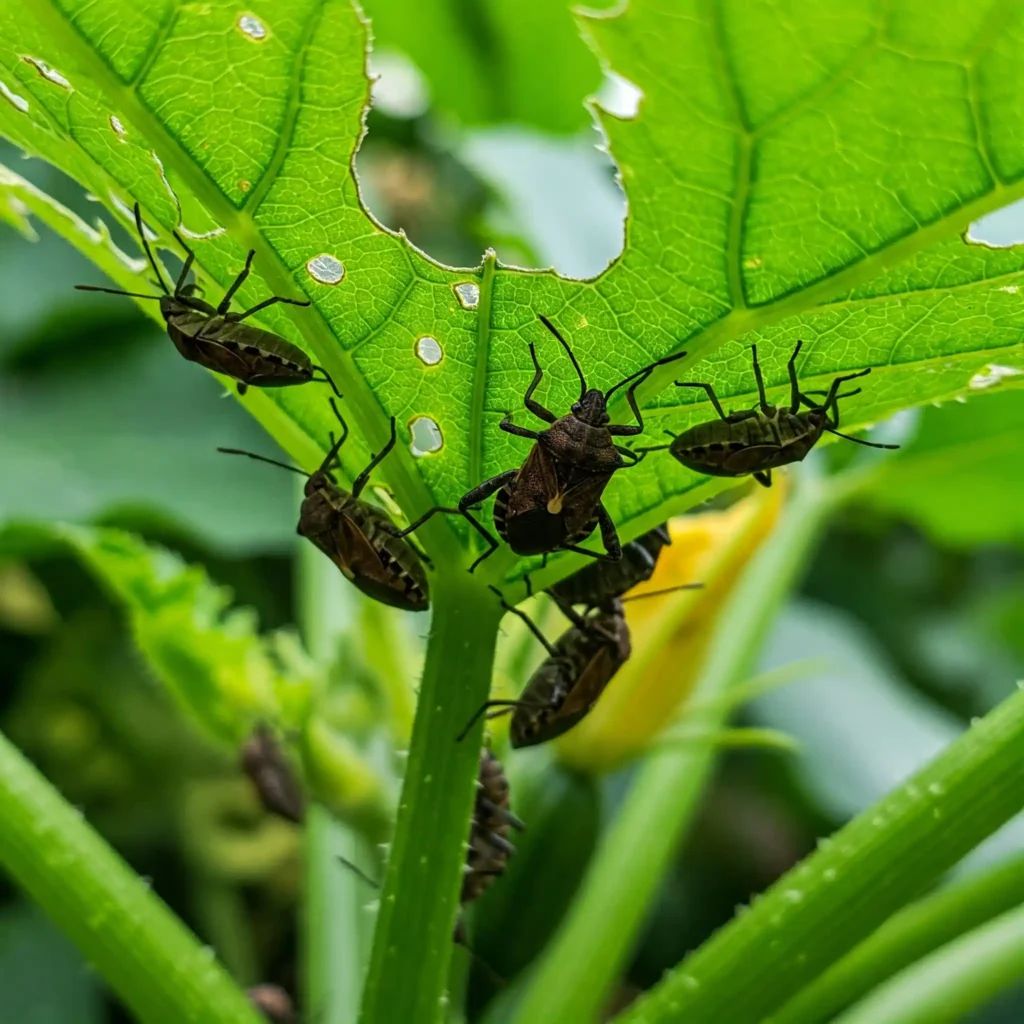
Squash bugs are the most frustrating zucchini pest for home gardeners. These insects cluster around your plants, lay hundreds of eggs, and cause damage throughout the growing season. Learning to identify squash bugs and spot their eggs early gives you the best chance of control.
What Do Squash Bugs Look Like
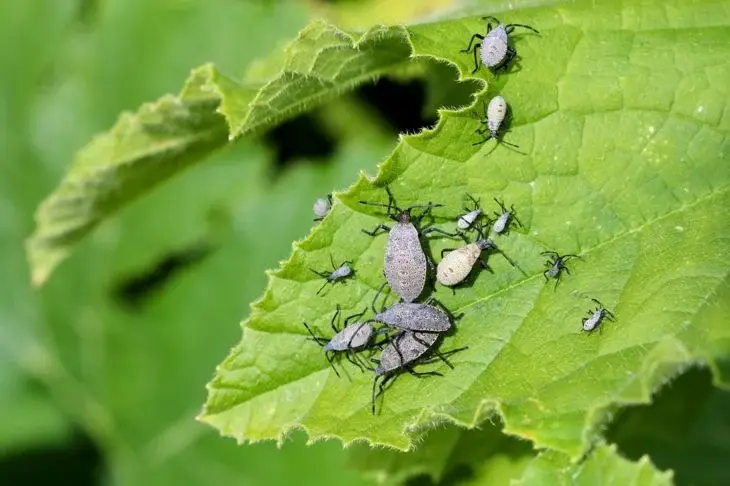
Adult squash bugs are dark brown to almost black, roughly half to three-quarters of an inch long. They're relatively large compared to other garden pests, making them visible to the naked eye if you know what to look for. The nymphs (young bugs) are smaller and greenish gray, clustering on the undersides of leaves. Look for distinctive copper-colored egg clusters on the leaf undersides, usually laid in neat rows. Each egg mass contains 20 to 30 eggs, and a single female can lay hundreds of eggs throughout the season.
The Squash Bug Lifecycle and Damage
Squash bugs overwinter in plant debris and emerge in early summer when soil temperatures warm. Adult females lay eggs on zucchini leaves, focusing on the undersides where they're less visible. The eggs hatch within 10 days, releasing tiny nymphs that begin feeding immediately. Nymphs go through five growth stages over 4 to 6 weeks before becoming adults. This means you can have multiple generations attacking your plants throughout summer.
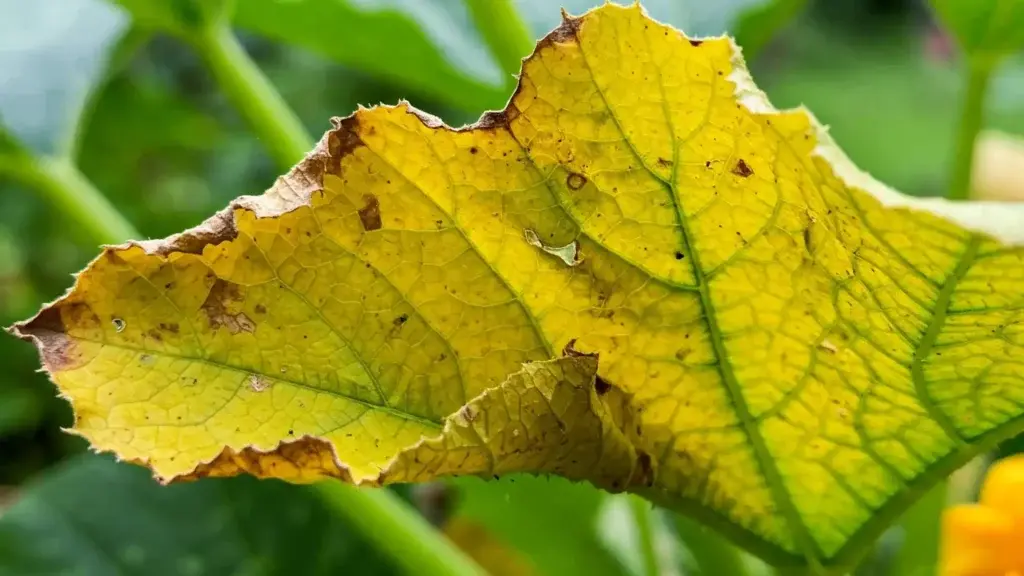
The damage squash bugs cause is both direct and serious. Their piercing mouths inject toxins into plant tissue as they feed, creating yellow stippled spots on leaves. As feeding continues, entire leaves turn yellow and wither. The plant wilts dramatically despite adequate soil moisture because the bugs are literally draining the plant's ability to transport water. Left uncontrolled, squash bugs kill entire zucchini plants within weeks.
How to Spot Squash Bug Eggs and Nymphs
Early detection is your most powerful weapon against squash bugs. Check the undersides of leaves on young plants starting in early summer. Look for copper-colored egg clusters arranged in neat rows. You can crush these eggs with your fingers, scrape them off with a credit card, or use duct tape to pick them up and dispose of them. Each egg mass you destroy before hatching eliminates 20 to 30 future bugs.
Monitor for nymphs clustering on leaf undersides and around the crown of the plant where the stem meets the soil. These immature bugs are easier to control than adults because they can't fly. Crushing nymphs by hand or spraying them with soapy water works well before they mature.
Organic Control Methods for Squash Bugs
Prevention starts with crop rotation. Squash bugs overwinter in dead plant material from the previous year, so don't plant zucchini in the same location two years in a row. Move your zucchini bed to a new location and remove all plant debris from the old location before winter.
Trap bugs under cardboard shingles or boards placed on the soil near plants. Squash bugs congregate under these objects, especially during cool mornings. Check early in the morning and smash the bugs you find underneath. This simple method catches dozens of bugs daily during peak season.
Row covers protect young plants from egg-laying females. Install row covers over seedlings immediately after planting and keep them on until flowers appear. Once plants begin flowering, remove the row covers to allow bees to pollinate the flowers. By this time, if you've been removing eggs and trapping adults, populations should be manageable.
Companion planting with marigolds and nasturtiums deters squash bugs. These colorful flowers seem to repel the bugs while also attracting beneficial insects to your garden. Plant them around zucchini beds as a natural pest management strategy.
For chemical-free spray options, mix insecticidal soap with water and spray affected plants thoroughly. Coat both the tops and undersides of leaves where bugs hide. Test the spray on a few leaves first and wait 48 hours to ensure your plants tolerate it before applying to the entire plant.
Pro Tip: Check your plants early in the morning when squash bugs are most active and sluggish. This timing makes them easier to hand-pick and crush before they become active and escape.
Major Pest 2: Squash Vine Borers (The Most Destructive Pest)
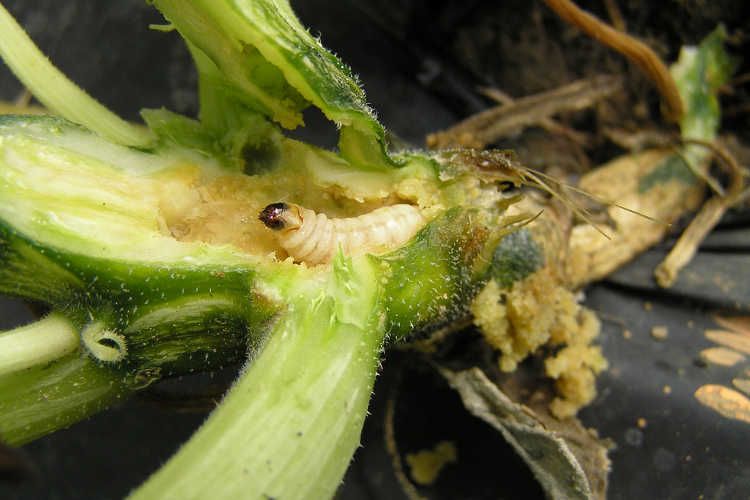
Squash vine borers cause the most dramatic plant death among zucchini pests. A single larva can kill an entire plant by tunneling into the main stem. Early prevention is absolutely critical because once borers are inside the stem, controlling them becomes difficult.
Identifying Squash Vine Borer Damage
The first sign of vine borer damage is sudden wilting of the entire vine despite adequate water in the soil. You water thoroughly, the soil is moist, yet the plant collapses. This seemingly impossible situation is the classic vine borer signature. The wilting occurs because the larva is destroying the plant's internal water-conducting tissues.
Look at the base of the plant where the main stems emerge from the ground. You'll see orange, sawdust-like material called frass (insect droppings) and may see a small hole in the stem. This frass indicates an active borer tunnel inside the plant. The larvae are fat, white caterpillars with brown heads, about three-quarters of an inch long when fully grown.
The Adult Moth and Lifecycle
The adult squash vine borer is a clearwing moth that resembles a wasp more than a moth. It has transparent wings with a dark body and orange abdomen with black stripes. Adult moths emerge in mid-June and are active through July, with a second generation sometimes appearing in late summer. Females lay eggs on the soil near plant stems. When the eggs hatch, the tiny larvae burrow into stems and begin feeding inside.
This internal feeding is why spray treatments don't work. The larvae are protected inside the stem where pesticides can't reach them. The larvae feed for 4 to 6 weeks before exiting the plant, dropping into the soil, and pupating underground. They emerge the following summer as adult moths.
How to Find and Remove Borer Larvae
If you catch borers early, you can save your plant through emergency removal. Look for the hole and frass at the base of the stem. Using a sharp knife, carefully slit the stem lengthwise along the borer tunnel. The white larva is usually visible inside. Kill it by crushing it with a long pin or your finger. This sounds gruesome, but it works.
After removing the larva, bury the slit portion of the stem with moist soil. The buried section will often develop new roots, allowing the plant to recover. Keep the plant well-watered during recovery so new roots can establish quickly. This emergency surgery saves many plants that would otherwise die.
Prevention Strategies
Prevention is infinitely easier than fighting active infestations. Early planting, before peak borer moth emergence, allows plants to mature before egg-laying occurs. Planting in late May or early June rather than mid-June gives plants a head start.
Wrap the stem base with aluminum foil to create a physical barrier against egg-laying moths. Extend the foil from the soil surface up the stem several inches. The moths prefer to lay eggs on bare soil and stem tissue, and they avoid the metallic surface.
Apply food-grade diatomaceous earth around the stem base and the plant crown. This natural powder dehydrates soft-bodied insect stages. Reapply after rain or heavy dew. Wear a dust mask when applying to avoid inhaling the fine powder.
Bury stem sections that contact the soil with additional soil coverage. These buried stem portions develop additional roots, creating redundancy if the main stem is damaged. If a borer kills one main root system, the buried portions can support the plant until new roots establish.
Companion planting with nasturtiums may provide some deterrent effect, though prevention through early planting and physical barriers is more reliable.
Major Pest 3: Cucumber Beetles (The Young Plant Threat)
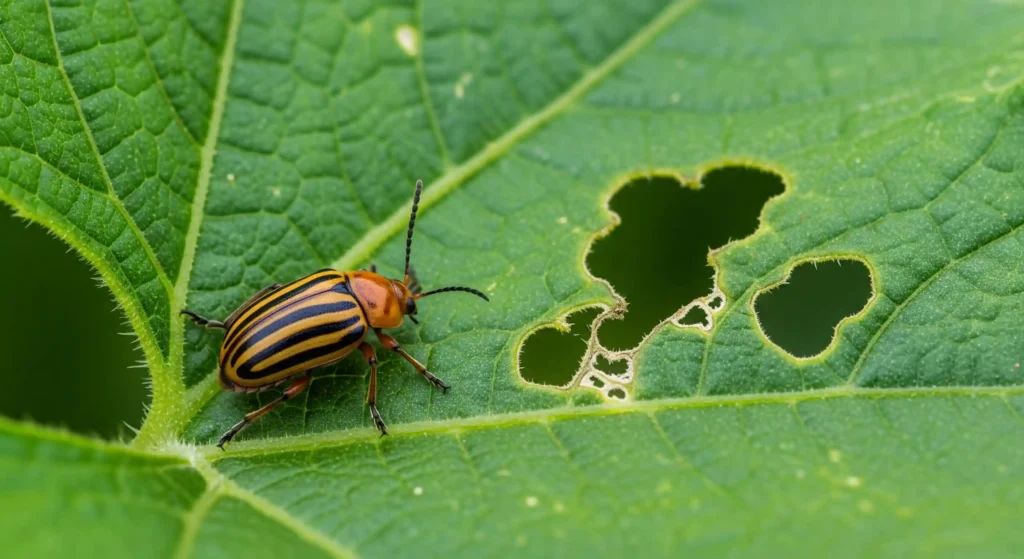
Cucumber beetles are particularly damaging to young zucchini plants. Two types exist, and both cause feeding damage and transmit serious plant diseases. Understanding the difference helps you identify which beetles you're dealing with.
Spotted vs. Striped Cucumber Beetles
Spotted cucumber beetles are yellowish-green with 12 black spots arranged regularly across their wing covers. They're about one-quarter inch long. Striped cucumber beetles have the same size and yellowish-green color but are marked with three distinct black stripes running lengthwise down their back instead of spots. Both beetles have voracious appetites and feed on flowers, leaves, and developing fruit.
Early Plant Damage and Bacterial Wilt Risk
Both beetle types feed on young zucchini plants with equal enthusiasm. Heavy feeding creates numerous holes in leaves and can kill seedlings or severely stunt growth. The most serious damage, however, comes from disease transmission. Cucumber beetles transmit bacterial wilt, a disease that rapidly kills infected plants. An infected plant that looked healthy in the morning can be completely wilted by evening.
Bacterial wilt is bacterial vascular disease spread when beetles feed on plant tissue. The bacteria colonize the plant's vascular system, blocking water movement and causing sudden collapse. Once a plant contracts bacterial wilt, there is no cure. Prevention of beetle feeding is the only defense against this disease.
Organic Control Strategies
Row covers protect seedlings and young plants from beetles. Install row covers immediately after planting and maintain them until flowers appear. Ensure the covers seal tightly to the soil so beetles cannot crawl underneath. At flowering time, remove covers to allow bees to pollinate flowers. This timing avoids peak beetle activity of early season while protecting plants during their most vulnerable stage.
Early planting avoids peak beetle emergence. Beetles become active when soil temperatures consistently reach 60 degrees Fahrenheit. Planting in early spring, before soil warms, allows plants to establish strength before beetle season peaks. Smaller, stronger plants tolerate beetle damage better than stressed seedlings.
Yellow sticky traps help monitor and trap beetles. Place yellow sticky cards or boards in the garden to catch beetles. This helps you understand when beetle populations are peaking and lets you catch significant numbers before they cause serious damage. The traps themselves don't eliminate large populations but contribute to overall pest management.
For active infestations, hand-pick beetles early in the morning when they're sluggish and easier to catch. Drop them in soapy water to kill them. With heavy populations, this method is time-consuming but effective for preventing further damage until other strategies take effect.
Spinosad spray is an organic option derived from soil bacteria. It controls beetles through contact or ingestion and is particularly effective on young beetles. Apply weekly as needed throughout beetle season. Spinosad is less harmful to beneficial insects than broad-spectrum options.
Pyrethrin spray, derived from chrysanthemum flowers, is another organic option. It works as a contact insecticide and is less persistent in the environment than synthetic options.
Insecticidal soap controls young beetles effectively but requires thorough coverage of plant foliage. Apply to both tops and undersides of leaves where beetles feed and hide.
Minor Pest 1: Aphids (Quick Solutions)
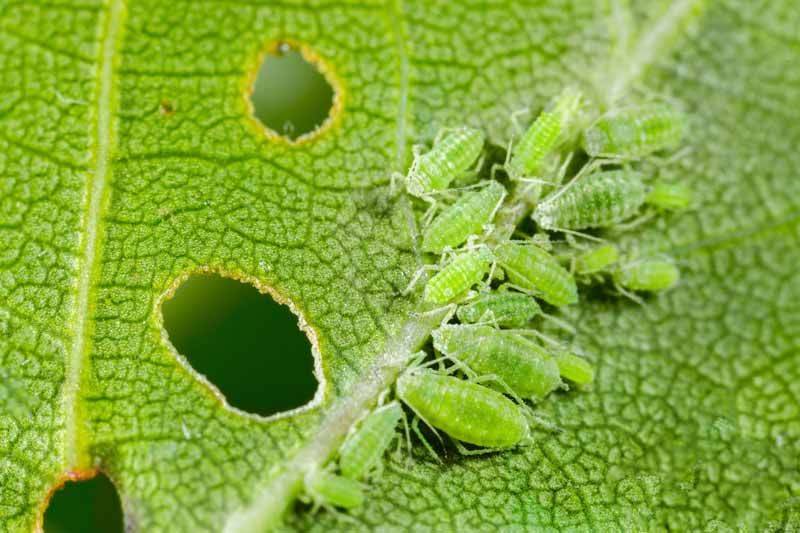
Tiny green or black aphids cluster on plant stems and leaf undersides, causing yellowing, stunted growth, and sticky residue (honeydew). This sweet substance attracts ants and can promote sooty mold growth on leaves.
Control aphids with a strong water spray from the hose. The force dislodges aphids, which struggle to crawl back up wet plants. One or two applications often eliminate light infestations.
For persistent infestations, spray with insecticidal soap thoroughly covering both leaf surfaces. Encourage beneficial insects like ladybugs and parasitic wasps by planting flowering herbs like dill, basil, and oregano nearby. These beneficials consume hundreds of aphids daily.
Neem oil spray effectively controls aphids when applied weekly. Apply early in the morning or late evening to avoid heat stress on plants.
Minor Pest 2: Spider Mites (Hot-Weather Concern)
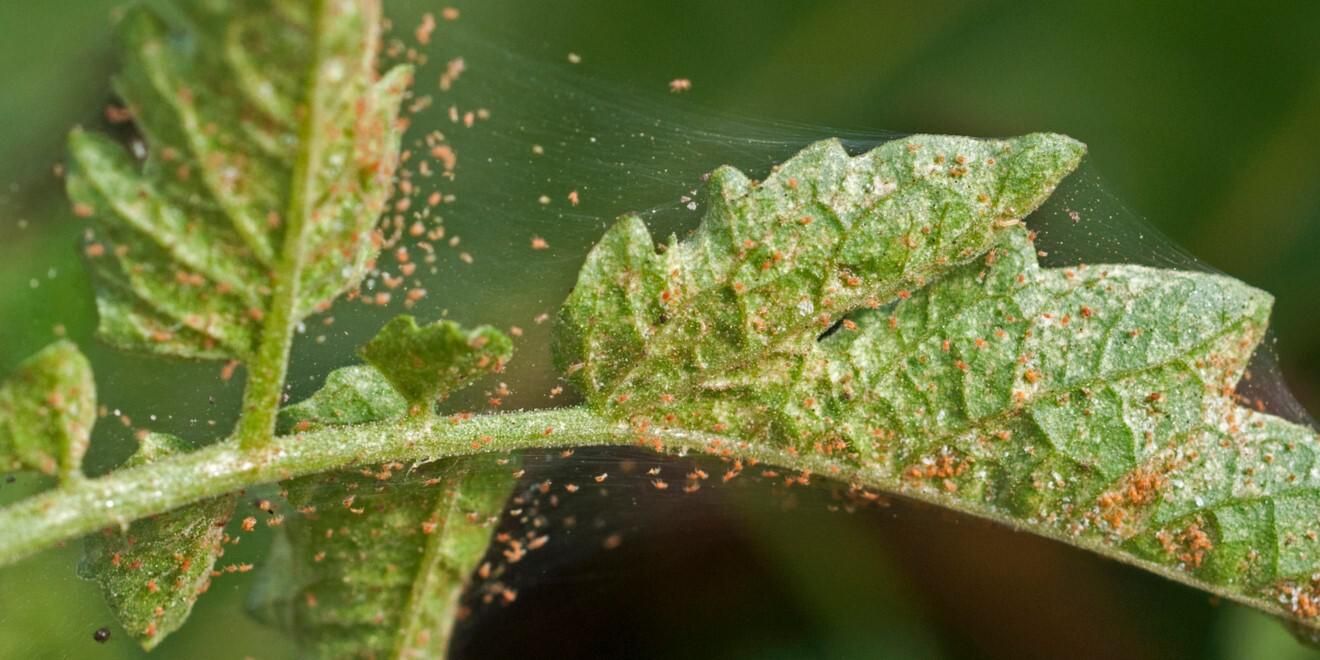
Spider mites thrive in hot, dry conditions and cause fine webbing on leaves with yellowing and stippled appearance. Plants stressed by heat and drought are especially vulnerable.
Increase humidity by spraying plants with water regularly. Spider mites prefer dry conditions, and humid air discourages them. This simple approach often eliminates light infestations.
For persistent populations, spray with insecticidal soap or neem oil. Beneficial insects also help control spider mites, so encouraging them through companion planting pays dividends.
Pest Prevention Strategies (Your First Line of Defense)
Prevention is always more effective than treatment. Implementing preventive strategies now saves frustration and harvest loss later.
Companion Planting for Natural Pest Control
Marigolds repel aphids and squash bugs while adding beautiful color to your garden. Their strong scent seems to confuse pests and keep them from settling on nearby plants.
Nasturtiums deter squash bugs and provide a trap crop effect. Pests prefer nasturtiums to zucchini, so they feed on the companion plant instead. You can sacrifice the nasturtiums to protect your zucchini.
Herbs like basil, oregano, thyme, and dill attract parasitic wasps and ladybugs. These beneficial insects are voracious pest predators, consuming hundreds of insects daily. Growing herbs near zucchini creates a natural pest control army.
Blue Hubbard squash serves as a trap crop for squash bugs and vine borers. Plant a few Blue Hubbard plants near your zucchini. Pests prefer them, so they congregate there. You can sacrifice these plants to protect your zucchini harvest.
Cultural Practices That Reduce Pest Pressure
Crop rotation is absolutely critical for long-term pest management. Squash bugs and vine borers overwinter in plant debris, so don't plant zucchini in the same location two years running. Move your zucchini bed to a new garden area and you'll significantly reduce pest pressure.
Remove all plant debris after the season ends. Dead plants provide overwintering sites for squash bugs and pupation sites for vine borers. A clean garden bed discourages pest populations from establishing.
Proper spacing improves air circulation, reducing humidity and mold issues while making plants less attractive to pests. Stressed plants attract more pests than vigorous, well-spaced plants.
Consistent watering prevents plant stress. Zucchini needs about one inch of water weekly. Drip irrigation delivers water directly to roots, reducing leaf wetness that promotes fungal issues.
Healthy soil with plenty of compost creates stronger plants. Strong plants resist pest damage better than stressed, nutrient-deprived plants. Build soil health through annual compost additions.
Row Covers and Physical Barriers
Row covers protect seedlings and young plants from beetles and moths. Install them immediately after planting and keep them on until flowering. Seal the edges tightly to prevent beetles from crawling underneath.
Aluminum foil wrapped around stems deters vine borer moths from laying eggs. Extend the foil from the soil surface several inches up the stem.
Yellow sticky traps monitor populations and trap beetles. Place them throughout the garden to track pest activity and reduce populations.
Netting over developing fruit protects from egg-laying moths, though this is only practical for small gardens with limited plants.
Timing and Crop Rotation
Plant early when possible. Early planting allows plants to mature before peak pest emergence. Early June planting avoids the worst of vine borer activity.
Plant in succession over a few weeks. Continuous planting creates continuous harvest and confuses pests with varied plant ages and stages.
Early morning pest checks catch bugs when they're sluggish and vulnerable. Most pest insects are most active during daylight hours, but early morning before the heat climbs is your best time for hand-picking.
Organic Treatment Options Explained
When prevention isn't enough, organic treatments provide effective control without toxic chemicals. Understanding how each option works helps you choose the right tool for your specific pest problem.
Neem Oil: How It Works and When to Use
Neem oil is derived from the seeds of the neem tree. It disrupts the feeding and reproductive cycles of insects, eventually killing them through multiple mechanisms. It also has some fungicidal properties, controlling powdery mildew and other leaf diseases as a bonus benefit.
Apply neem oil weekly starting at the first sign of pests. Spray thoroughly, coating both tops and undersides of leaves where pests hide and feed. Test on a few leaves first and wait 48 hours to ensure your plants tolerate it before applying to the entire plant.
Don't spray during extreme heat or directly after rain. Neem oil works best when applied during cool parts of the day (early morning or late evening) and when plants are healthy and not stressed.
Insecticidal Soap for Soft-Bodied Insects
Insecticidal soap suffocates soft-bodied insects like aphids, whiteflies, and spider mites. It's gentle on beneficial insects while effectively controlling pests.
Apply thoroughly to both leaf surfaces, and require repeated applications since soap has no residual activity. It only kills insects you spray directly. One application kills pests present at that moment, but newly arriving pests require another spray.
Insecticidal soap is ideal for light to moderate infestations. For heavy pest populations, you might need to combine it with other strategies.
Spinosad for Tough Beetles
Spinosad is an organic pesticide derived from a naturally occurring soil bacteria. It controls beetles and caterpillars through contact or ingestion. It's easier on beneficial insects than broad-spectrum options, making it a good choice for gardens where you want to preserve natural pest predators.
Apply weekly as needed throughout the beetle season. Spinosad is most effective on young insects. Apply early morning or late evening.
Diatomaceous Earth as a Barrier
Food-grade diatomaceous earth is a natural powder that dehydrates insects on contact. It works as a physical barrier, not a poison.
Apply as a ring barrier around plants, creating a zone that kills any insect crawling through it. Apply to stems for vine borer prevention. Reapply after rain or heavy dew washes it away.
Wear safety equipment when applying diatomaceous earth to avoid inhaling the fine powder. Food-grade is safe for edible plants and humans, but inhalation can irritate lungs.
DIY Soapy Water Spray Recipe
For light infestations, a simple homemade soap spray works well. Mix 1.5 teaspoons of dish soap with one quart of water. Stir well to combine.
Spray plant bottoms and tops thoroughly, coating all visible pests. Repeat weekly. This simple spray is better suited for light infestations than heavy pest populations, but it's an affordable starting point.
Test on a small area first to ensure plants tolerate it. Some plant varieties are sensitive to soap sprays and can suffer leaf damage.
When to Accept That Professional Help Is Needed
Sometimes pest pressure exceeds what home gardeners can reasonably manage. Heavy vine borer infestations, late-season cucumber beetle explosions, or squash bug populations that resist all your efforts can overwhelm your management system.
Accepting that some plants will be lost to pests is part of gardening. If you've implemented prevention and treatment strategies and still face crop loss, it's okay to let affected plants go. Focus your energy on protecting healthy plants and next year's garden planning.
Professional pest management services can provide spray treatments for serious infestations. These services have equipment and expertise for heavy-duty pest control that exceeds home gardener capability.
Discover Your Plant's Health with Plantlyze
Early detection is your best pest control strategy. Weak plants attract pests before healthy ones. Plants stressed by nutrient deficiencies, root problems, or early disease symptoms become targets for pest feeding and reproduction.
Plantlyze, an AI powered plant care diagnosis tool, helps you identify plant health issues before they create pest vulnerability. Early warning signs like yellowing leaves, stunted growth, or unusual spots and discoloration often indicate problems that weaken plants and attract pests. When you address these underlying issues, your plants become less attractive to pests naturally.
Get personalized pest prevention recommendations based on your plant's specific health status. Learn whether your plants need nutrient adjustments, watering changes, or disease treatment to become more pest-resistant. Visit plantlyze.com to assess your zucchini plant's health today and discover how improved plant vitality reduces pest pressure throughout the season.
Your Action Plan for Zucchini Pest Success
You now have the knowledge to identify zucchini pests at early stages and apply organic control methods effectively. The key to success is starting with prevention. Implement companion planting, crop rotation, and early planting before the season begins. Check your plants regularly starting in early summer. The first squash bugs you catch before laying eggs prevent hundreds of future pests.
If pests do appear, move quickly. Remove squash bug eggs by hand before they hatch. Apply row covers to young plants threatened by beetles. Set traps for adults and monitor populations closely. Early intervention stops small problems from becoming major disasters.
Remember that some pest damage is normal and manageable. A few holes in leaves doesn't mean crop failure. You're aiming for healthy harvest, not perfect plants. With the strategies in this guide, you can protect your zucchini harvest organically and celebrate the abundance of summer gardening.
References
Clemson University HGIC – "Cucumber, Squash, Melon and Other Cucurbit Insect Pests"
https://hgic.clemson.edu/factsheet/cucumber-squash-melon-other-cucurbit-insect-pests/University of Minnesota Extension – "Squash Vine Borers"
https://extension.umn.edu/yard-and-garden-insects/squash-vine-borersATTRA (National Center for Appropriate Technology) – "Squash Bug and Squash Vine Borer: Organic Controls"
https://attra.ncat.org/publication/squash-bug-and-squash-vine-borer-organic-controls/Master Gardeners of Northern Virginia – "May: Cucurbit Pests"
https://mgnv.org/plants/veg-herbs/between-rows/beating-the-bugs/may-cucurbit-pests/