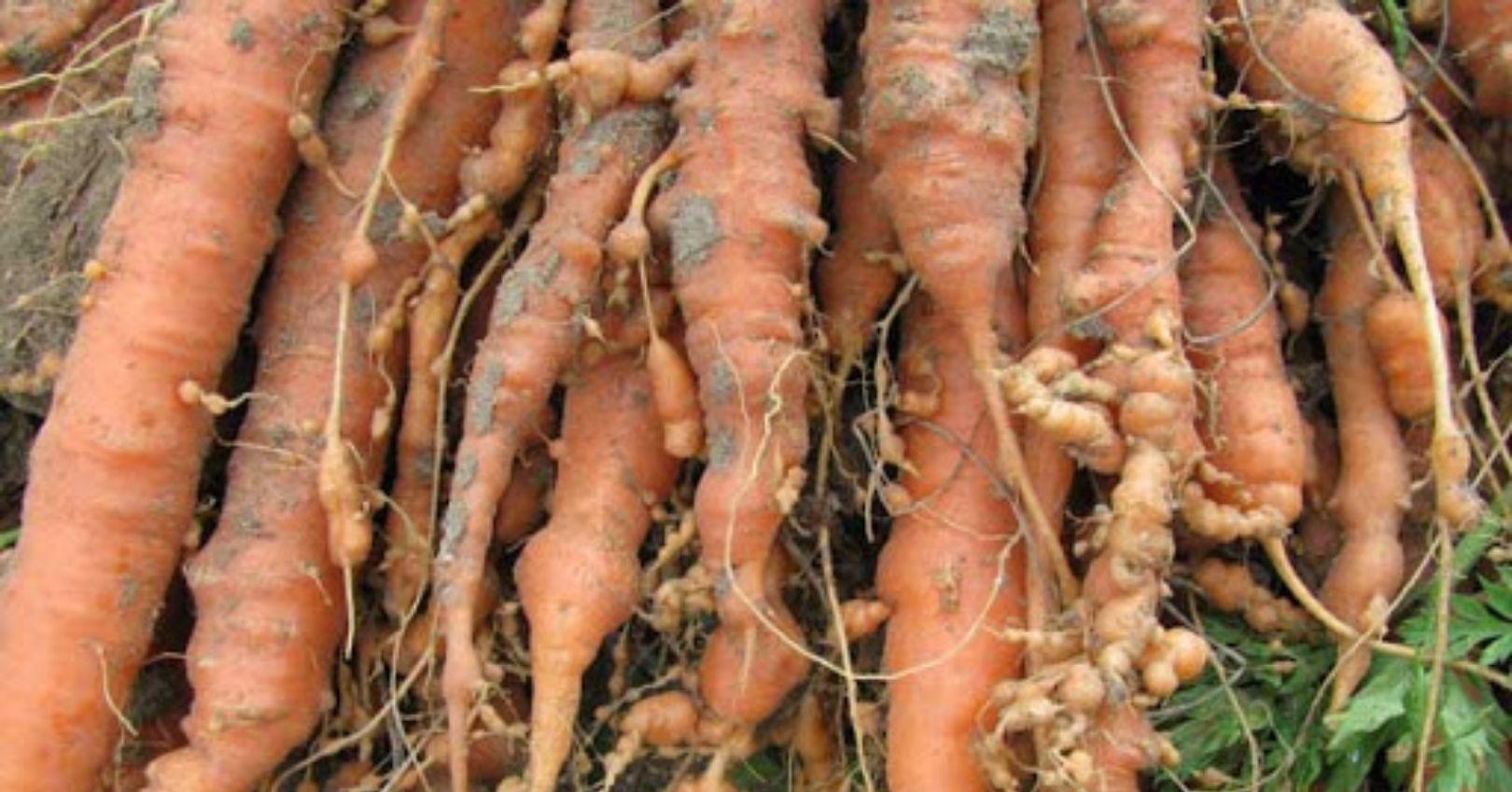
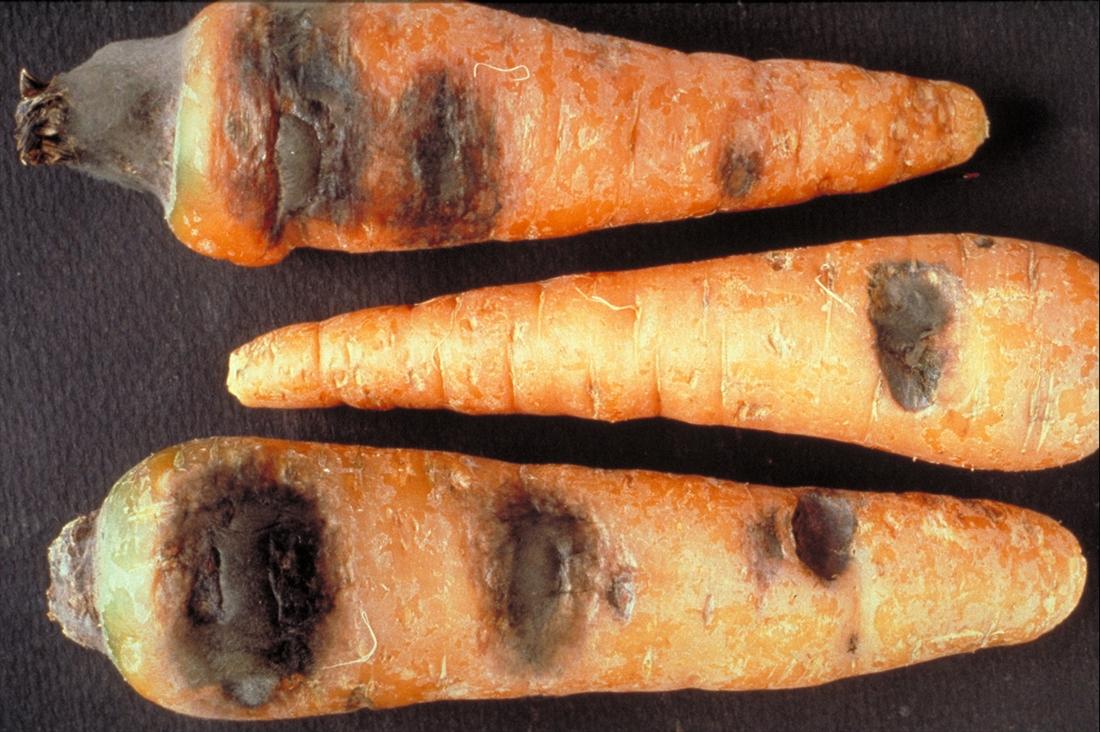
Discovering brown or blackened leaves on your carrot plants can be disheartening, especially when you have invested time and effort into nurturing your garden. The good news is that most carrot diseases are preventable with the right knowledge and proactive management strategies. Whether you are a seasoned gardener or just starting out, understanding carrot diseases and how to combat them is essential for a healthy, productive harvest. In this guide, we will explore the most common carrot diseases, their symptoms, and proven strategies to protect your crop throughout the growing season.
Why Carrot Diseases Matter to Your Garden
Carrot diseases are not simply a matter of cosmetics. They directly affect your garden's productivity and the quality of vegetables you can harvest. An understanding, in economic and nutritional terms, of the results that disease brings home to roost will help you focus your preventive efforts as well as make sound management decisions.
The Economic and Nutritional Impact
Healthy carrots require disease free plants from seed to harvest. Fungal and bacterial diseases can reduce yields by 20 to 50 percent or more in severe cases, effectively destroying your harvest investment. Beyond yield loss, diseased carrots are often unmarketable and unsuitable for storage, compounding your losses. Early detection becomes your first line of defense, allowing you to intervene before diseases spread throughout your entire carrot bed. The nutritional quality also declines as diseases progress, reducing the vitamins and minerals your homegrown carrots would otherwise provide.
Types of Carrot Disease Pathogens
Carrot diseases fall into four main categories based on their cause. Fungal diseases are the most common and account for the majority of losses in carrot crops. Leaf blights, root rots, and storage diseases provide good examples of pathogenic fungi that attack carrots. Less frequent but rapidly spreading once established-and harder to control-bacterial infections also contribute to total crop loss. Insect-transmitted viral infections stunt growth and create mosaic patterns on leaves in an occasional home garden infection. Nematode pests complete the picture by damaging roots while creating entry points for secondary (mostly warm climate) diseases.
Disease Transmission and Spread
Know the mode of transmission to practice targeted and effective prevention. Many fungal spores are carried in droplets of water, hence very fast spread during wet conditions. The seed and soil-borne pathogens can be dormant for seasons until favors become active again. Wind blown spores from infected plants carrots a few gardens away also land on your carrots. With this knowledge, you will adequately manage irrigation as well as spacing and sanitation practices.
Identifying the Most Common Leaf Diseases
Leaf diseases are often the first visible sign of problems in your carrot patch. Three diseases dominate carrot production across most growing regions, and learning to identify them is crucial for timely intervention.
Alternaria Leaf Blight: The Most Prevalent Threat
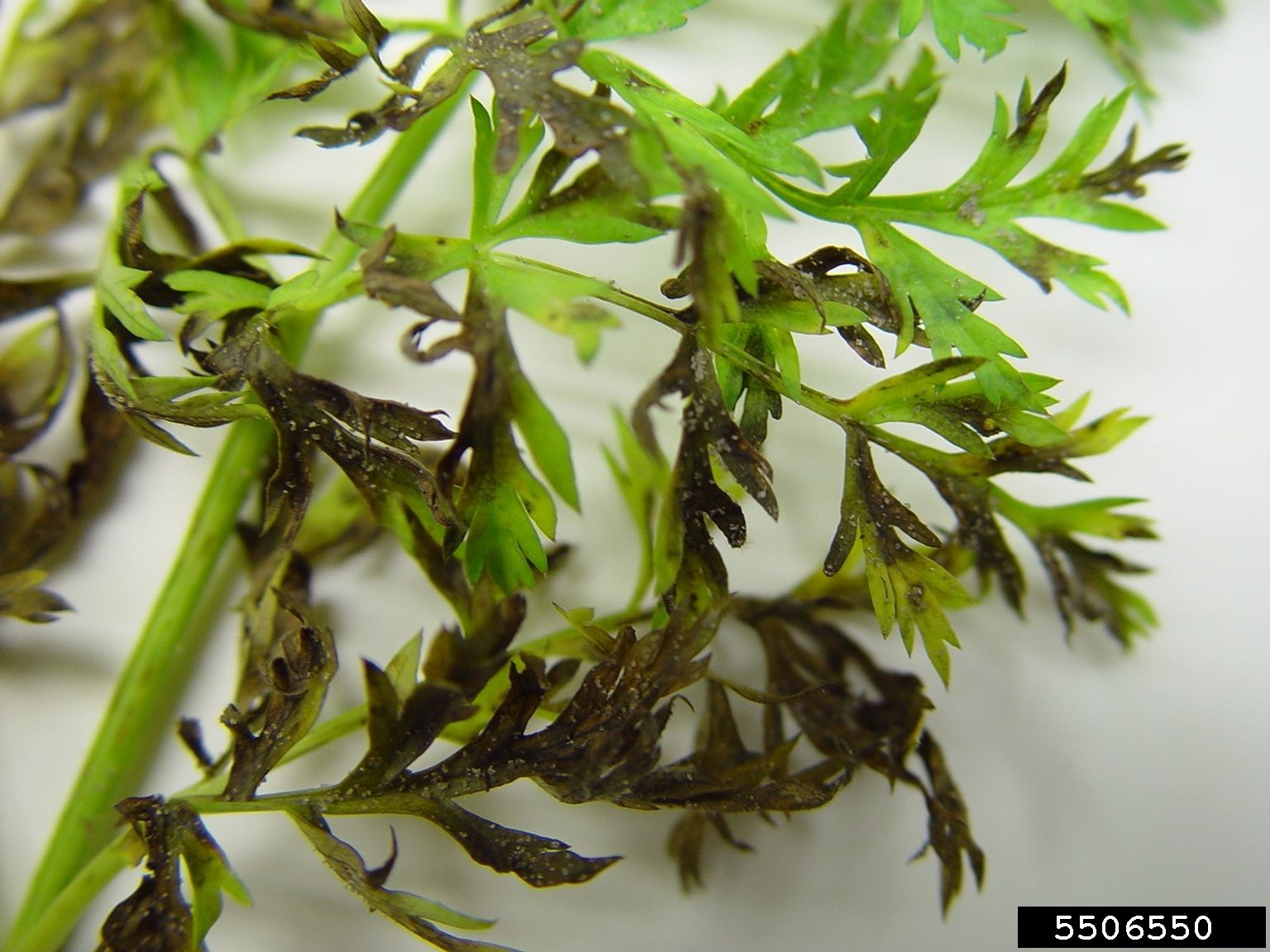
Alternaria leaf blight is the most economically devastating disease of carrots, wherever they are grown. Small, dark brown to black lesions appear along the margins and tips of leaves. Lesions enlarge and may develop concentric rings or halos giving a characteristic target appearance. Under humid wet conditions lesions develop rapidly multiplying numbers on the leaves which then become yellow before wilting completely . In severe infection complete defoliation(total loss of leaves) takes place within two to three weeks thereby practically killing the plant since it cannot photosynthesize.
The fungal pathogen (Alternaria dauci) is favored by warm, wet weather, particularly when nighttime temperatures remain above 55°F accompanied by high humidity. The pathogen develops most rapidly under conditions of overhead irrigation that wets the foliage or rainfall which keeps the leaves continuously moist. Infections that occur early in the season devastate young plants while those occurring late in the season primarily attack leaf quality and timing of harvest. Management begins with resistant varieties where available and preventive fungicide application once the disease attains 25 percent incidence on the canopy.
Cercospora Leaf Spot : The Secondary Menace
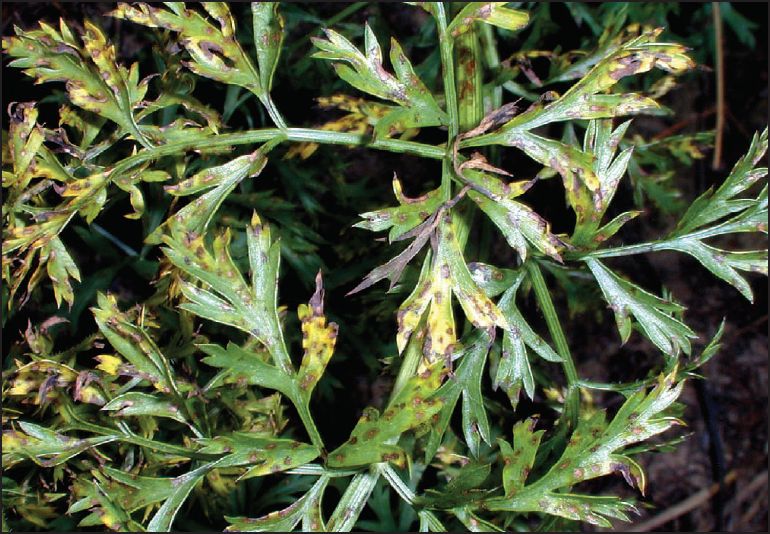
Cercospora leaf spot frequently accompanies Alternaria, though it usually appears somewhat later in the season. The disease forms very characteristic crescent or V shaped lesions with a red purple border on carrot foliage. Unlike the fast development of Cercospora assumed whenever its presence is noticed, the actual spread is quite slow but equally fatal to the leaves and their consequent effect on plant vigor. The lesions start small and light colored, gradually darkening as the disease matures.
Cercospora prefers temperatures between 60 and 75 degrees Fahrenheit. Development is more slow hot whn weather than Alternaria. Requires wet conditio ns to establi sh and spread effectively . Slightly less ag gressive t han Alterna ria but can cause substantial defoliation if left unmanaged. Same control strategies as Alternaria which includes resistant varieties and fungicide application at disease threshold levels.
Bacterial leaf blight: Rapid and Aggressive
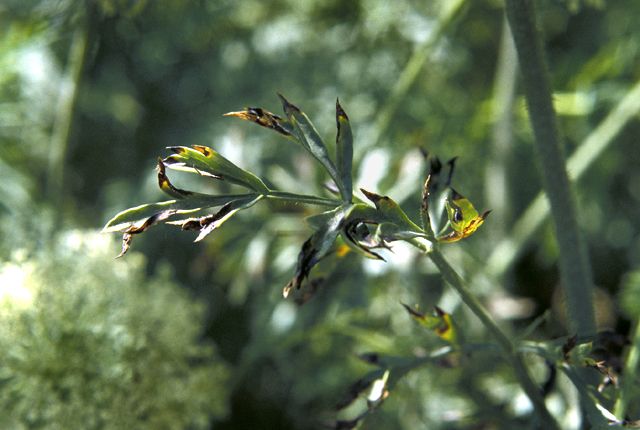
Bacterial leaf blight presents its symptoms much faster than any common fungal leaf disease and requires an equally rapid response. The lesions start as water-soaked spots which appear wet or greasy. They quickly enlarge, and the affected tissue becomes yellow or brown.[83] Bacterial diseases multiply within plant tissues (not only on the surface), so they spread much more rapidly than typical fungal diseases. What takes days for a typical foliar fungal pathogen to expand can happen within hours with bacterial blight.
Bacteria survive in plant debris and can enter through natural openings or wounds created by weather, insects, or handling. Once inside the plant, the pathogen spreads through the vascular system, making it harder to control. Copper based bactericides offer the best chemical control option, but they work best as preventive applications before disease appears. Once bacterial infection is established within the plant, copper applications provide limited benefit.
Root Diseases: Hidden Threats Underground
While leaf diseases are visible and dramatic, root diseases often go unnoticed until harvest or storage reveals the damage. Root problems can occur anywhere from mid season development through long term storage, making them particularly frustrating for gardeners.
Cavity Spot: Small Spots with Big Consequences
Cavity spot represents one of the most economically important carrot diseases in commercial production and an increasingly common problem in home gardens. This disease develops underground on carrot roots as small brown spots that gradually enlarge into shallow cavities. The spots rarely exceed 10 millimeters in diameter but are numerous enough to make carrots unmarketable. Infected roots become susceptible to secondary rot organisms and show rapid deterioration in storage.
Cavity spot is caused by Pythium species, soil borne pathogens that thrive in wet, poorly drained soils. The disease typically manifests late in the season as roots mature, making it harder to detect before harvest. It happens more often to over mature carrots left in the ground too long, in soils with excessive moisture, and cool season conditions. Prevention is more a soil management practice than foliar sprays. Well drained loose soils, prevention of waterlogging by irrigation management and harvest of carrots at proper maturity-all these reduce the risk of cavity spot. Stefano and Navarre- resistant varieties have given good protection in areas prone to cavity spot.
Black Root Rot: The Storage Problem
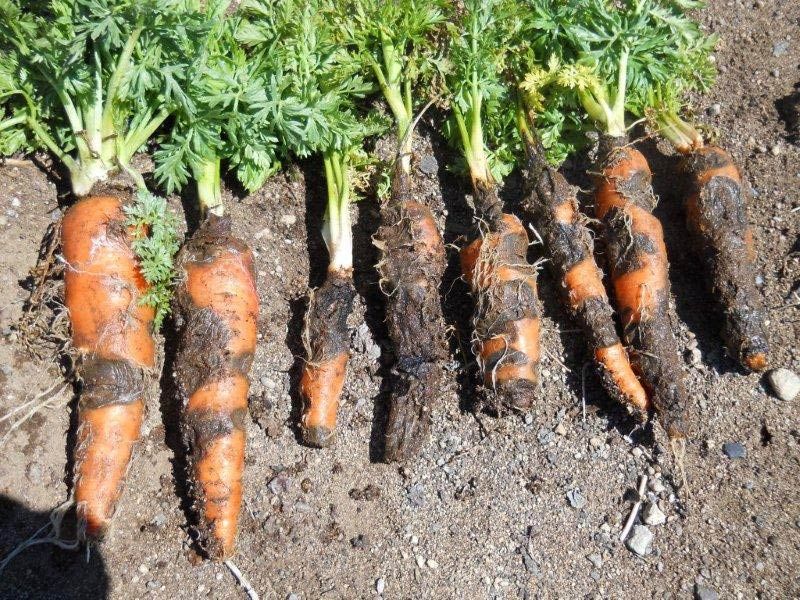
Black root rot appears after washing and becomes a serious issue during storage. Unlike cavity spot that develops in the field, black root rot emerges as black, scattered lesions on carrot roots after harvest. It develops slowly at first but accelerates as storage temperature rises above optimal conditions. The disease is primarily a concern for carrots stored at warm temperatures, making it less problematic if you maintain proper cool storage conditions.
The muck soils (high organic matter soils) and carrots that have been stressed or damaged provide a more frequent development of the disease. Prevention is proper handling, rapid cooling after harvest, and maintaining storage temperatures between 32°F and 36°F. Good air circulation in storage rooms to prevent moisture accumulation favors the development of the disease.
Sclerotinia Rot: The Cottony Killer
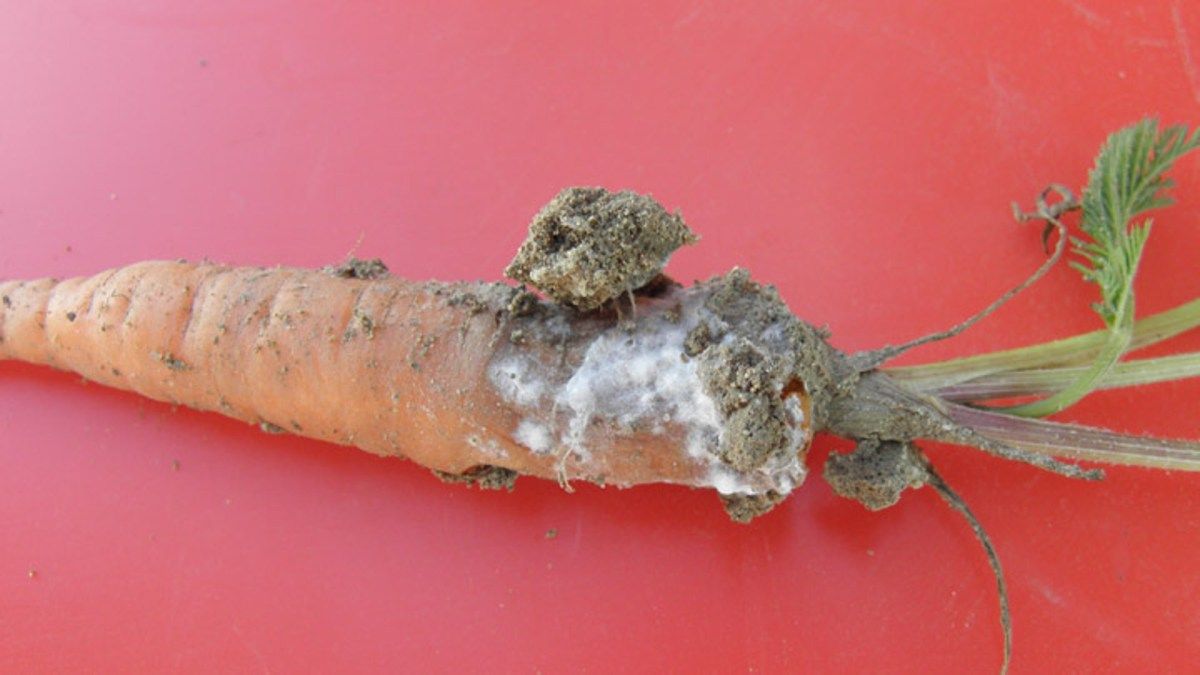
Sclerotinia rot or white mold is the most destructive storage disease of carrots. The disease appears as a cottony white fungal growth on stored carrots and quickly spreads through entire bins in storage. Affected carrots become soft and watery, oozing liquids that carry the pathogen to adjacent roots. While most other carrot diseases can be managed because they develop slowly, Sclerotinia has the potential to consume an entire season’s storage within days or weeks.
Sclerotinia prevention begins in the field through sanitation and careful harvest practices. Removing any diseased or damaged roots before storage prevents introduction of the pathogen. Store carrots at 32 to 36°F, cool as possible without freezing. Development of the disease will be retarded by low temperatures.[1] Adequate ventilation around stored carrots prevents moisture buildup and the humid conditions the pathogen requires. Regular inspection of stored carrots allows early removal of any showing disease symptoms before spread occurs.
Proven Strategies to Protect Your Carrot Crop
Disease management succeeds through an integrated approach combining multiple strategies rather than relying on any single method. This philosophy, called Integrated Pest Management (IPM), maximizes disease control while minimizing pesticide use and environmental impact.
Simple Habits That Prevent Disease
The strongest foundation for disease prevention consists of basic cultural practices that reduce favorable conditions for pathogens. Using pathogen free, treated seeds eliminates many potential problems before they start. Seeds treated with fungicide coatings provide protection during germination and early growth stages. Crop rotation, rotating carrot crops to different field locations for at least three years (two years at minimum), breaks disease cycles by preventing pathogen buildup in soil. Many carrot pathogens survive in soil, so rotating away from the same location starves these pathogens of their host.
Proper spacing ensures air circulation between plants, reducing humidity around foliage where fungal diseases develop. Creating ridged beds improves drainage and prevents waterlogging that favors root diseases. Irrigating at soil level rather than overhead keeps foliage dry, which significantly reduces leaf disease risk. Providing adequate nutrition maintains plant vigor, allowing plants to better resist disease pressure. Timely harvesting before carrots become overmature reduces cavity spot and storage disease risk. Thoroughly removing carrot plant debris, including roots and leaves, eliminates sources of disease inoculum for next season's crops.
Catching Diseases Before They Spread
Regular field scouting is your most valuable disease management tool. Walking through your carrot patch at least weekly, inspecting leaves, and monitoring for early disease symptoms allows you to catch problems before they explode. Most fungal diseases can be controlled effectively with fungicide applications when disease has affected only 25 percent of the visible leaf area. Once disease covers more than 50 percent of leaves, control becomes much more difficult and damage to the plant is already substantial.
Visual inspection requires learning to recognize the distinctive symptoms of each disease. Looking at leaf undersides where spores often concentrate helps detect diseases in early stages. Use Plantlyze's AI powered diagnosis for instant identification of leaf symptoms. Simply photograph affected leaves and get immediate disease identification to guide your next steps. Visiting plantlyze.com takes just moments and provides confidence in your disease identification, ensuring you respond appropriately.
When to Use Chemical Interventions
Chemical fungicides and bactericides remain an important component tool when disease pressure surpasses levels manageable by cultural practices alone. Chlorothalonil, copper, difenoconazole or mancozeb contain fungicides effective against the carrot leaf pathogens. However, application timing is critical. Better results are achieved if preventive sprays are started early-in the wet warm conditions most favored by the pathogen-than when infection has already set in before spraying commences. Once infections attain threshold levels of 25 percent incidence then applications should be made every 7-10 days depending on weather conditions and type of fungicide used.
Copper based bactericides represent the primary tool for controlling bacterial leaf blight. Unlike fungicides that kill fungal cells, bactericides work more as protectants, preventing bacteria from entering the plant. Applying copper before bacterial disease appears, particularly when warm, wet weather that favors the disease occurs, offers the best control. Resistance management becomes important when using fungicides repeatedly. Rotating between fungicide classes prevents pathogen populations from developing resistance to any single product.
Choosing Disease Resistant Carrot Varieties
Resistance to specific diseases is bred into many modern carrot varieties. When available in your preferred carrot type and color, disease resistant varieties provide outstanding protection. Stefano and Navarre varieties, for example, show excellent tolerance to cavity spot, making them excellent choices for gardeners in areas where this disease is problematic. Checking with your regional extension service or seed company helps identify which varieties show resistance to diseases most common in your area. Combining resistant varieties with other management strategies creates the most robust disease prevention program.
Understanding Weather and Seasonal Disease Patterns
Environmental conditions are the fundamentals of which diseases threaten your carrots and when control becomes most critical. Temperature and humidity, two environmental parameters, interact in the provision of conditions for a particular disease to thrive. If it is warm and wet with nighttime temperatures above 55 degrees Fahrenheit , fungal leaf diseases will be accelerated; hence we can say that such weather promotes this kind of disease. Cool ,wet soil promotes root diseases like Pythium cavity spot . The understanding helps anticipation towards risk hence proper timing on management practices.
Wet weather and fungal disease acceleration follow a direct relationship. Each rain event or overhead irrigation session wets foliage and creates hours of leaf wetness where fungal spores can germinate. Three to five consecutive days of wet conditions often trigger explosive disease development. Spring and early summer often bring the wet weather conditions favoring disease spread, making early season monitoring and preventive fungicide applications particularly valuable.
Root knot nematodes, microscopic pests that damage roots, become most problematic in warm environments where soil temperatures exceed 25 degrees Celsius consistently. Carrots grown as a cool season crop in the northern parts experience lesser nematode pressure compared to warm season crops in the southern regions. The health of the soil is directly related to the development of diseases. Good, well-drained soil that does not waterlog prevents many root diseases, particularly Pythium cavity spot. Maintaining the soil pH between 6.5 and 7.0 optimizes carrot growth and allows roots to develop strong defensive tissues. Avoid waterlogging through proper irrigation management and, in areas with poor natural drainage, create raised beds or ridged rows that shed water rather than holding it.
Your Month by Month Carrot Protection Checklist
Disease management changes throughout the season as conditions shift and carrots develop. Following a season long checklist ensures you address disease risks at the optimal time.
Before Planting
Begin disease prevention before you ever plant your carrots. Select varieties with resistance to diseases common in your region. Choose high quality, pathogen tested seeds or treat seeds with fungicide coatings. Prepare soil through testing and amendment to optimize drainage and pH. Select a planting location different from where you grew carrots the previous year or two, breaking disease cycles.
During Growing Season
Scout your carrot patch weekly for early disease symptoms. Water at soil level in early morning to minimize leaf wetness. Maintain proper spacing to encourage air circulation. Apply preventive fungicides when wet weather threatens or when conditions strongly favor disease development. Continue scouting and monitoring throughout the season, adjusting your fungicide program based on actual disease observations rather than a fixed calendar schedule.
Near Harvest
Monitor carrot maturity to harvest at peak condition without leaving roots in ground too long. Avoid excessive handling that damages roots and creates entry points for disease. For root disease prevention, harvest when soil moisture is moderate, not waterlogged. Inspect roots carefully for any disease symptoms before bringing them indoors.
Post Harvest
Cool harvested carrots rapidly to storage temperature, preferably within 24 hours. Maintain carrots at a temperature between 32 and 36 degrees Fahrenheit with high humidity conditions which prevent them from shriveling while keeping diseases inhibited.[1] Check on the stored carrots frequently and remove any that show symptoms of disease before it spreads to others. Good air circulation should also be maintained around the carrots so as not allow moisture accumulation on them.[2] All carrot debris together with plant material should be completely removed from gardens as they act as sources of infection in next season.
Healthy Carrots Start with Knowledge and Action
Managing carrot diseases successfully is absolutely achievable for any gardener willing to learn and take action. Disease prevention relies on three fundamental pillars: cultural practices that reduce favorable conditions for pathogens, consistent monitoring that allows early detection, and timely intervention with fungicides or bactericides when disease pressure warrants. Most gardens can maintain healthy carrot crops by combining resistant varieties, proper spacing and irrigation, and scouting for early symptoms. Chemical interventions become necessary only when environmental conditions create extreme disease pressure.
The investment in preventing carrot diseases pays dividends through higher yields, better quality carrots, and superior storage success. Your knowledge of disease symptoms, transmission, and management transforms you from a frustrated gardener struggling with disease into a confident grower who expects healthy harvests. Start protecting your carrot crop today with Plantlyze's AI powered disease diagnosis. Visit plantlyze.com to learn how we help gardeners identify and prevent carrot diseases before they devastate your harvest. Early detection and proper identification set the foundation for successful disease management that keeps your carrots healthy and productive throughout the season.
References
1. Cornell University College of Agriculture and Life Sciences
Name: Cornell Integrated Crop and Pest Management (IPM) Program
2. University of Massachusetts Amherst
Name: UMass Vegetable Fact Sheets - Carrots Identifying Diseases
3. University of California Integrated Pest Management
Name: UC IPM Agriculture Guidelines - Carrot