You have invested so much in the farm, checking the soil conditions and all that, even irrigating your carrots. Then a few weeks to harvest you notice small sunken lesions on your carrots. These are not just mere blemishes of the carrot but represent real economic loss. This is carrot cavity spot, a soil borne disease affecting growers worldwide and estimated to cause millions in losses annually.
Cavity spot might seem like a minor issue at first glance, but it's anything but. A single carrot with just one or two visible lesions gets rejected during grading, making the entire root unmarketable regardless of its size or overall quality. When disease incidence crosses even a relatively low threshold, the economics of your crop shift dramatically.
Understanding this disease is the first step toward protecting your harvest. This guide walks you through everything you need to know about cavity spot, from identifying the culprits to implementing prevention strategies that actually work.
What Causes Carrot Cavity Spot?
Cavity spot isn't caused by a single villain; instead, it's typically caused by slow growing Pythium species that live in your soil. The two primary pathogens are Pythium violae and Pythium sulcatum. Of these two, P. violae causes at least 90 percent of cavity spot outbreaks in the UK and many other countries. In Australia and some other regions, P. sulcatum takes the lead role, though both species pose serious threats to carrot production.
What makes these pathogens particularly frustrating is their resilience. They survive in soil as resting spores called oospores for at least three years, which means a contaminated field can harbor disease year after year if you're not careful.
The Role of Calcium Deficiency
Here is something most growers do not know. Cavity spot is not just about the fungus. It relates intimately to calcium status in the carrot root. When carrots have inadequate calcium their cell walls lose structural rigidity and strength.This cellular collapse provides an excellent opportunity for Pythium to establish infection (in a location where healthy tissue would normally resist it).
Think of it this way: Pythium is actually a weak pathogen on its own. It can't typically infect healthy tissue with strong cell walls. But weakened tissue caused by calcium deficiency becomes vulnerable to colonization. This explains why managing nutrition is just as important as managing the fungus itself.
Recognizing Cavity Spot Symptoms Early
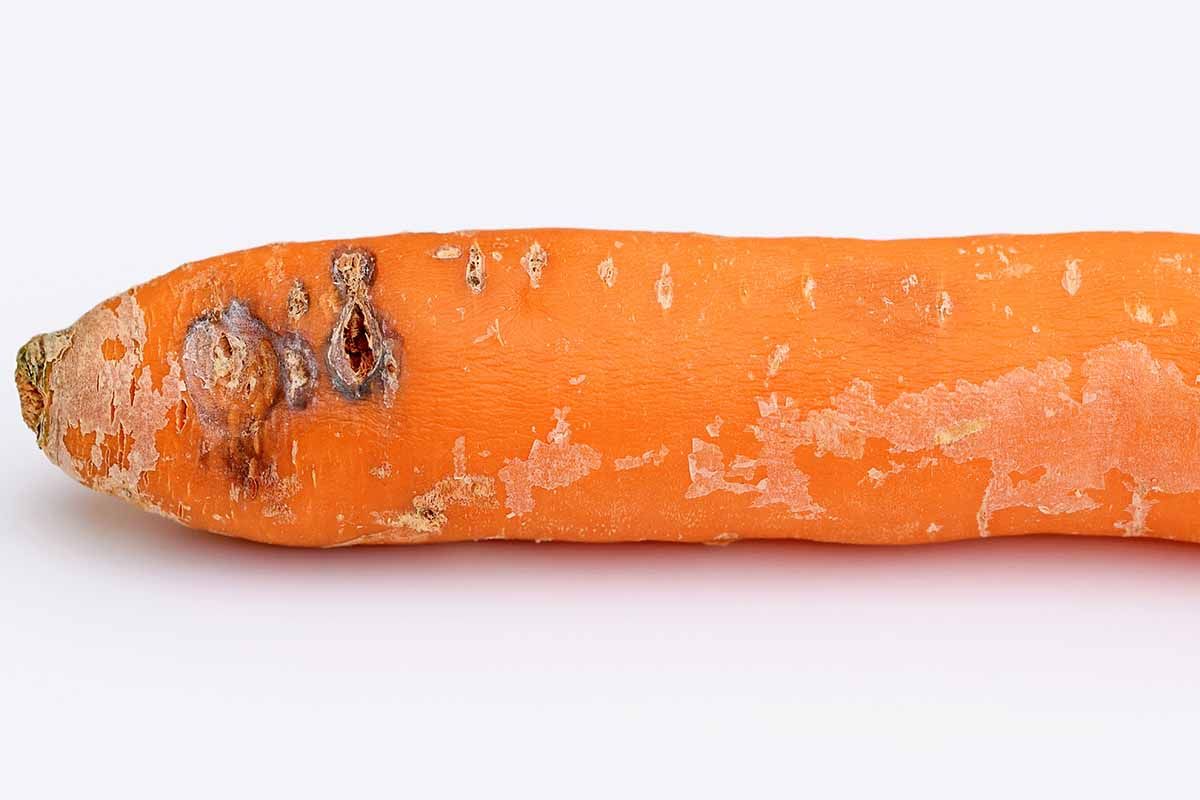
Early identification gives you time to implement control strategies before the disease becomes severe. Cavity spot symptoms follow a predictable pattern that helps distinguish them from other carrot problems.
Visual Symptoms:
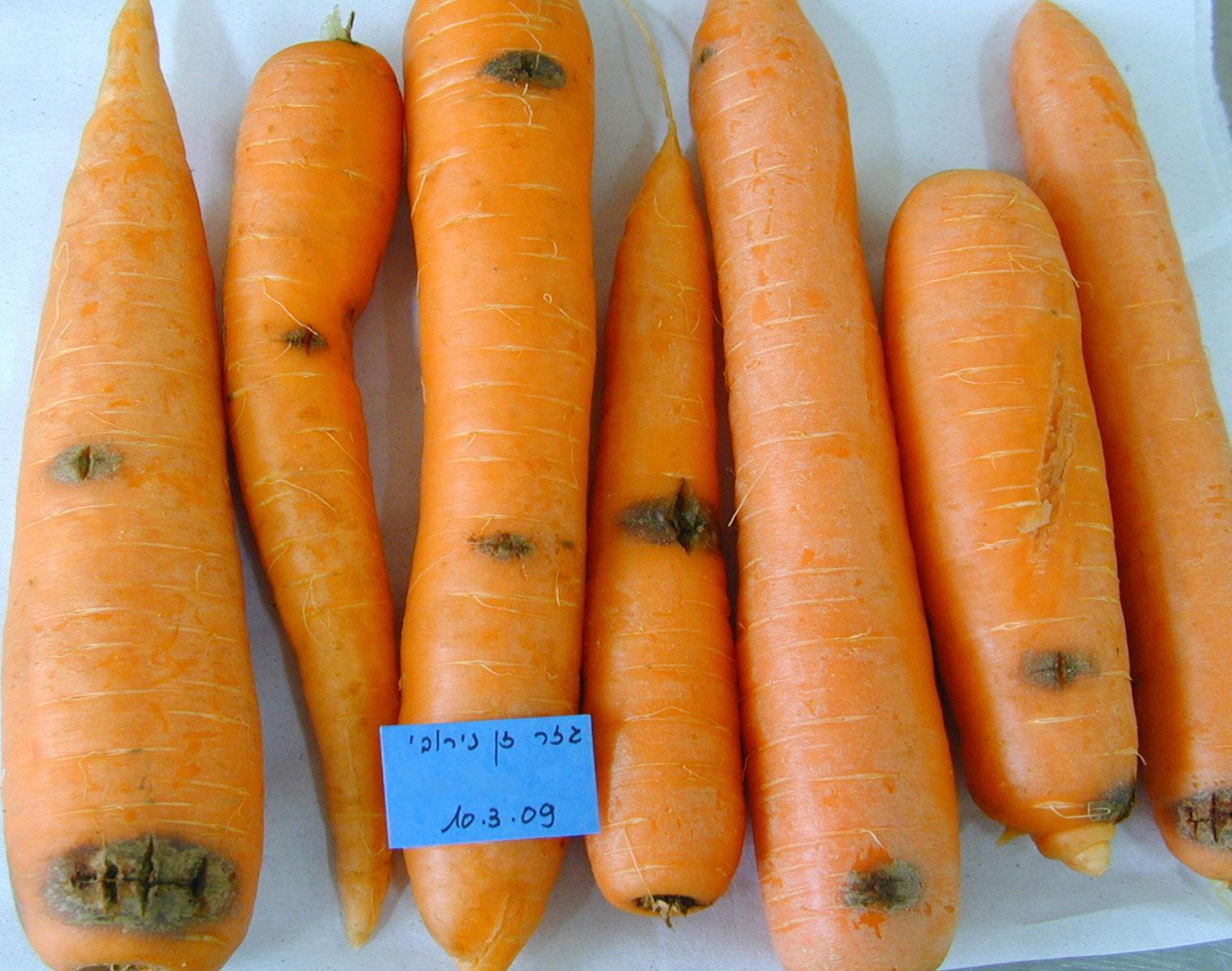
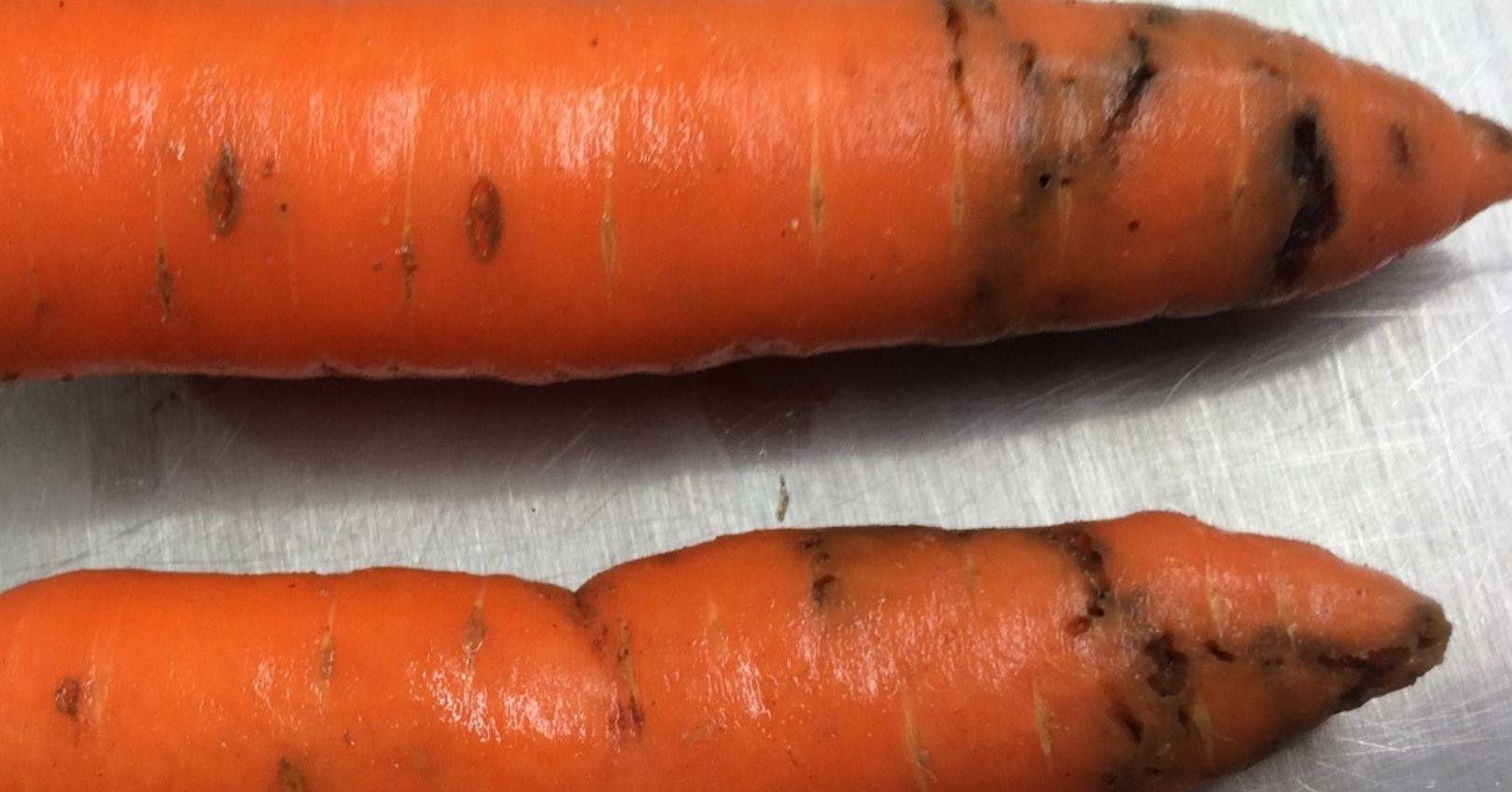
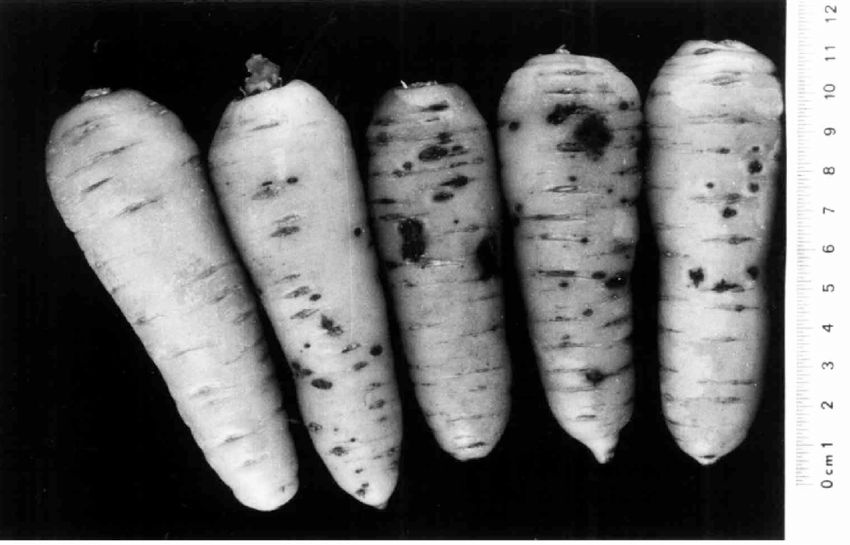
Small, sunken, elliptical to irregularly shaped lesions
Individual lesions typically less than 0.5 inches (1.3 cm) in diameter
Lesions may be surrounded by a yellow halo
Lesions become darker and larger as carrots mature
Infections can occur anywhere along the taproot but are more abundant on the upper third
When Symptoms Appear:
Symptoms typically become visible around 12 weeks after planting when carrots reach saleable size. However, don't mistake early absence of symptoms for absence of disease. The infection may be establishing itself in your soil weeks before you see any evidence on the roots.
The important thing to remember is that older, more mature carrots are more susceptible to visible symptoms. A harvest delay of even a few weeks can dramatically increase disease incidence and severity.
Environmental Conditions That Favor Cavity Spot
Cavity spot doesn't affect all fields equally. Certain environmental conditions tip the balance in favor of disease development, and understanding these factors is crucial for prevention.
Soil Moisture
This is perhaps the easiest environmental factor to control. Excessive soil moisture from poor drainage or low spots in fields as well as heavy rainfall dramatically increases the incidence of cavity spot. Pythium loves water andWet conditions favor its motile spores which are attracted to roots in saturated soil.H igh pathogen populations increase the probability that a single carrot will have multiple lesions (infection sites) apparent on it when harvested.
Temperature
Both Pythium species have specific temperature preferences. P. sulcatum grows best between 20 and 28 degrees Celsius, while P. violae causes the most severe disease in cooler conditions typical of winter harvested crops. Understanding which species predominates in your region helps you predict when disease pressure will be highest.
Soil pH
Cavity spot tends to be more serious in soils with pH less than 7. If your soil tends toward acidity, addressing pH through appropriate lime applications can help reduce disease pressure.
Calcium Availability
Beyond simple calcium deficiency, the type of calcium compound you add to soil matters. Different calcium sources have varying effectiveness in preventing cavity spot, so consulting with a soil specialist can help you choose the right approach for your specific situation.
Prevention Strategies That Work
Prevention is infinitely easier and more cost effective than managing an established cavity spot problem. Here's what successful growers do to keep this disease off their fields.
Crop Rotation
Crop rotation is one of the most effective ways to reduce pathogen populations, three or four years with non-host crops. Effectiveness varies by species in areas where a certain species dominates. Pythium sulcatum has a narrow host range and does not infect many common crops; therefore, rotation works very well in areas where this species is prevalent. Unfortunately, Pythium violae has a much broader host range that includes wheat, ryegrass, alfalfa, and many vegetables; hence rotations cannot be relied upon as the only control measure.
Irrigation Management
Switch from overhead irrigation to drip irrigation. Overhead sprinklers create the saturated soil conditions that P. sulcatum loves. More importantly, drip irrigation prevents water from splashing soil borne spores onto plant roots. Maintaining even soil moisture without creating waterlogged conditions is the goal.
Harvest Timing
Don't let carrots sit in the field unnecessarily. Harvest soon after carrots reach maturity. Older carrots are far more susceptible to cavity spot, so there's a real benefit to getting them out of the field promptly once they're ready.
Calcium Management
Work with your soil specialist to ensure adequate calcium availability throughout the growing season. This might involve applying lime before planting or using specific calcium fertilizer sources. The goal is to maintain adequate calcium in rapidly growing root tissue where infection is most likely to occur.
Variety Selection
Some carrot varieties show increased resistance to cavity spot. While no completely resistant cultivars are currently available commercially, using more tolerant varieties can make a meaningful difference when combined with other management practices.
Management and Treatment During the Growing Season
Despite your best prevention efforts, sometimes cavity spot still appears. When it does, you need effective management options.
Fungicide Options
Several fungicides are registered for cavity spot control. Mefenoxam (Ridomil Gold SL) has long been the standard treatment, applied on 14 to 21 day intervals. Other options include fenamidone, cyazofamid, and fluopicolide, each with different modes of action. The key is rotating between fungicide groups to prevent resistance development. Over reliance on any single product can lead to resistance, reducing its effectiveness over time.
Biofungicide Alternatives
For organic production or growers seeking alternatives, Trichoderma based biofungicides show promise. While they don't provide the same level of control as conventional fungicides, they represent a viable option for organic systems where traditional fungicides aren't available.
Professional Diagnosis
Before investing in fungicide treatments or other interventions, getting a professional diagnosis ensures you're addressing the right problem. Cavity spot symptoms can sometimes be confused with other root diseases or damage, and proper identification is the first step toward effective management.
Advanced Diagnostics with Plantlyze
Accurate, timely diagnosis of cavity spot is crucial for effective management decisions. That's where modern AI-powered diagnostic tools make a real difference.
Plantlyze is an artificial intelligence-powered plant care and diagnosis platform designed specifically for growers and gardeners. The platform uses advanced image recognition technology to identify cavity spot and other carrot diseases instantly, giving you actionable insights before small problems become big losses.
How Plantlyze Helps:
Upload images of suspected cavity spot lesions
Receive instant AI-powered diagnosis
Get specific management recommendations
Learn preventive strategies tailored to your situation
Track disease progression over time
Early detection enabled by accurate diagnosis prevents crop losses and allows you to implement timely interventions. Visit plantlyze.com to get started with instant disease diagnostics for your carrot crops.
Conclusion
Carrot cavity spot represents a real threat to your harvest, but it's far from inevitable. By understanding the disease, recognizing the environmental factors that promote it, and implementing prevention strategies proactively, you can dramatically reduce your risk.
The combination of cultural practices like improved irrigation, crop rotation, and harvest timing, along with attention to soil calcium and pH, creates an unfavorable environment for Pythium. When cavity spot does appear despite these efforts, timely diagnosis using tools like Plantlyze allows you to respond quickly and effectively.
Don't wait until visible symptoms appear on mature carrots. Start implementing cavity spot prevention strategies today. Your yields and your bottom line will thank you. Visit Plantlyze.com today to learn how AI-powered diagnosis can help protect your carrot crops from cavity spot and other diseases.
References
Development of inoculation methods for Pythium violae to evaluate resistance of carrot cultivars and efficacy of crop protection products for cavity spot control
https://bsppjournals.onlinelibrary.wiley.com/doi/10.1111/ppa.13967