Introduction
Most zucchini failures start long before you plant a single seed. The problem is simple: poor soil quality. Many gardeners wonder why their zucchini plants struggle, develop diseases, or fail to produce abundantly. The answer often lies beneath their feet. Without proper soil composition, even the healthiest plants cannot reach their potential.
This comprehensive guide reveals everything about choosing, preparing, and maintaining the perfect soil for zucchini. You will learn the ideal pH range, optimal organic matter content, and proven soil recipes for containers and garden beds. Whether you garden in traditional beds, raised beds, or pots, this guide ensures your soil foundation supports thriving zucchini plants.
Note: Want to monitor your zucchini's soil and plant health in real time? Try Plantlyze.com, an AI powered plant care and diagnosis tool that helps you identify soil and nutrient issues before they damage your plants.
Why Soil Quality Matters for Zucchini Success
Heavy Feeders Need Nutrient Rich Foundation
Zucchini are heavy feeders, meaning they extract large amounts of nutrients from the soil throughout the growing season. They demand rich, fertile soil packed with organic matter to support their rapid growth and abundant fruit production.
Poor soil cannot sustain this demand. The plant starts strong, but nutrient depletion sets in around mid season. Leaves yellow, flowering slows, and fruit production drops dramatically. By investing time in soil preparation now, you prevent months of struggle later.
Drainage Issues and Root Rot Prevention
Zucchini roots hate sitting in soggy soil. Waterlogged soil is the fastest way to kill zucchini plants, leading to root rot and eventual plant death. Even one week of consistently wet conditions can damage roots irreversibly.
Well drained soil allows water to penetrate, then excess moisture to escape. The roots stay moist but never waterlogged. This balance prevents both drought stress and root rot simultaneously, the two biggest soil related killers.
How Poor Soil Impacts Yield and Health
Weak soil produces weak plants. Poor drainage invites fungal diseases like powdery mildew. Low nutrient levels mean fewer flowers and smaller fruits. A single season of disappointing zucchini production often traces back to a single root cause: inadequate soil preparation.
The opposite is also true. Rich, well structured soil practically guarantees success. Plants establish deep root systems, remain disease resistant, and produce abundantly. The foundation determines everything that follows.
Understanding Ideal Soil pH and Composition
The Perfect pH Range (6.0 to 7.5)
Zucchini thrives in soil with a pH between 6.0 and 7.5, which is slightly acidic to neutral. Soil at this pH makes nutrients available to roots in the precise form plants can absorb.
Test your soil before planting if possible. Most county extension offices provide free or low cost soil testing kits. If your soil tests acidic below 6.0, add lime to raise pH. If it is alkaline above 7.5, add sulfur to lower pH. Adjusting pH before planting prevents nutrient lockup and plant stress throughout the season.
Organic Matter: The Foundation of Great Soil
Organic matter is the single most important soil component for zucchini success. Compost, well rotted manure, aged plant debris, and similar materials transform mediocre soil into plant heaven.
Organic matter improves moisture retention so soil does not dry out too quickly. It improves drainage in clay soils so water does not pool. It feeds beneficial soil microorganisms. It provides slow release nutrients. In essence, organic matter makes every other aspect of soil better. Aim to incorporate 2 to 4 inches of finished compost or well rotted manure before planting.
Texture and Structure for Root Development
Zucchini roots need loose, friable soil they can penetrate easily. Compacted, dense soil restricts root growth and prevents plants from accessing nutrients and water deep in the soil.
Before planting, loosen your garden soil to a depth of 12 to 18 inches. Break up large clumps. Remove rocks and debris. The result should be a loose, crumbly texture that resembles the organic matter you are adding. This loose structure allows roots to expand freely and establishes the foundation for strong plant development.
Soil Amendments and Preparation Before Planting
Adding Compost and WellRotted Manure
Start soil preparation weeks or months before planting if possible. First, test your soil's pH and nutrient levels. Choose your planting area and clear it of weeds, rocks, and debris.
Spread 2 to 3 inches of high quality compost or aged manure evenly across the area. Work it into the top 6 to 10 inches of native soil using a garden fork or tiller. Mix thoroughly so compost and soil are well combined. The result should look like rich, dark, crumbly soil, not just native soil with compost on top.
If you have access to well rotted horse manure or aged cow manure, this is excellent. Fresh manure can burn plants, so always use aged material at least six months old. Allow the amended bed to settle for a few days before planting.
Incorporating Organic Fertilizers
After mixing in compost or manure, add organic fertilizer to provide balanced nutrients. Apply 4 to 6 cups of all purpose organic fertilizer per 100 square feet of garden bed.
Scatter the fertilizer evenly across the amended soil and work it in another 2 to 3 inches. This distributes nutrients throughout the planting zone where zucchini roots will develop. Balanced formulas with 10 to 10 to 10 NPK ratios work well. The even nutrient distribution supports steady growth without favoring excessive vegetative growth early in the season.
Dealing with Heavy Clay Soils
Clay soils are thick and compacted, the enemy of good drainage. If your native soil is predominantly clay, do not try to fix it all at once. Instead, create planting areas that rise above the heavy clay.
You can amend heavily with sand and compost, working in 50 percent more organic matter than you would for better soils. Alternatively, build raised beds or create mounds of quality soil mix placed directly on top of the clay. These approaches work around the problem rather than trying to transform heavy clay, which is slow and often unsuccessful.
Garden Bed vs. Raised Bed vs. Container Growing Soil
Traditional Garden Bed Soil Requirements
If you have decent existing soil, amending it with 2 to 3 inches of compost before planting works well. You are not trying to create perfect soil from scratch, just improving what you have.
For very poor soils, consider either creating a raised bed above it or building a mound on top. These approaches allow you to use quality soil mix rather than trying to improve poor native soil, which is time consuming and expensive.
Always aim for well drained soil that does not stay soggy after rain. If your garden tends to collect water, poor drainage is your problem. Raised beds and mounds solve this immediately by elevating plantings above poorly drained native soil.
Raised Bed and Mound Advantages
Raised beds offer multiple benefits beyond better soil control. The elevated structure improves drainage immediately. Soil warms faster in spring because air circulates underneath. You fill them with quality soil mix, eliminating poor native soil problems entirely.
Build raised beds 6 to 12 inches high using untreated wood, composite materials, or galvanized metal. Fill with a quality soil mix. If budget allows, mound soil directly on the ground in a pile shape. Both approaches accomplish the same goal: elevating zucchini above problematic native soil.
For mounds, create a cone shape about 12 inches tall and 18 inches across at the base. Pack it firmly so it does not wash away with rain. Plant directly into the mound. The elevated, loose soil ensures excellent drainage and root development.
Container Soil Mix Specifications
Never use garden soil or native soil in containers. Garden soil compacts in pots, preventing drainage and creating root rot. Instead, use high quality potting soil specifically formulated for container growing.
Quality potting mixes contain peat moss or coconut coir, perlite or vermiculite, and compost. These ingredients provide drainage, aeration, and nutrient retention simultaneously. The mix is light and fluffy, encouraging excellent root development in confined spaces.
For zucchini, select containers at least 5 to 10 gallons in size with drainage holes. Larger containers dry out less frequently and provide more root space. Terra cotta or fabric pots work better than plastic because they provide additional drainage. Make sure containers have drainage holes at the bottom, or your zucchini will develop root rot within weeks.
Building the Perfect Potting Mix for Containers
Base Ingredients and Their Functions
Creating your own potting mix gives you control over ingredients and cost. The basic formula uses three primary components in specific proportions.
Peat moss or coconut coir provides moisture retention and nutrient holding capacity. Coconut coir is sustainable and works equally well. Aim for 40 to 50 percent of your final mix.
Perlite or vermiculite provides drainage and aeration. These materials stay fluffy in the pot, preventing compaction and ensuring air reaches roots. Aim for 25 to 30 percent of your mix.
Compost provides nutrients and beneficial microorganisms. Use finished, aged compost free of weed seeds and pathogens. Aim for 20 to 25 percent of your mix.
Recommended Container Soil Recipe
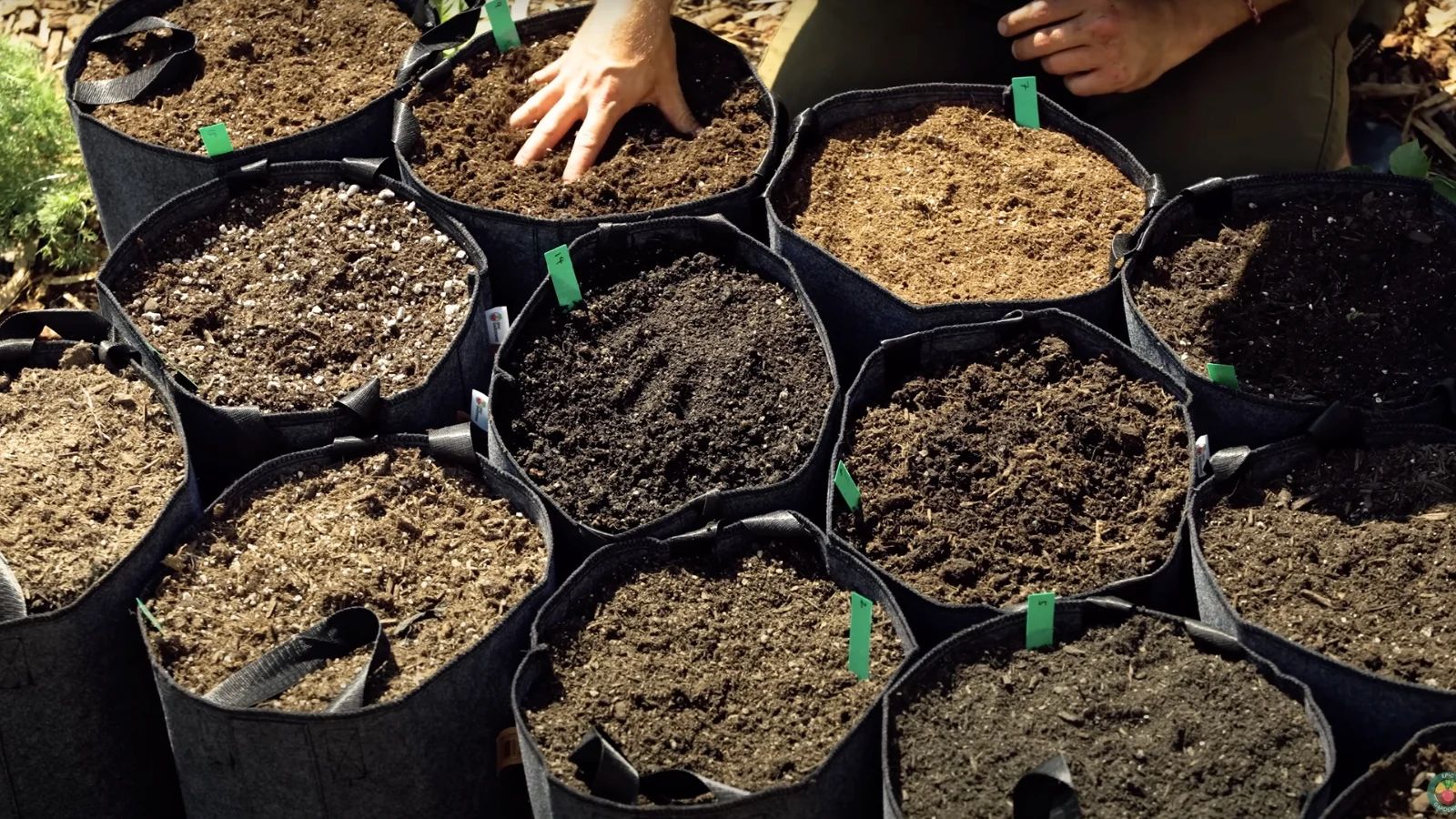
This proven formula works consistently for zucchini in containers. Gather your ingredients and mix them thoroughly in a large bucket or tub before filling containers.
Zucchini Container Potting Mix Recipe
Start with 4 cups of base potting soil mix containing peat, perlite, and coir. Add 1 cup of aged compost. Mix thoroughly so ingredients are evenly distributed. Add a handful of balanced 10 to 10 to 10 fertilizer or organic equivalent.
Some gardeners prefer a simplified formula: 4 parts potting soil to 1 part worm castings to 1 quarter part dry organic fertilizer. This simpler approach works equally well.
The goal is loose, fluffy mix that drains well while retaining adequate moisture. Fill your containers to within 1 to 2 inches of the rim. This allows water to pool briefly for absorption rather than running directly through.
Fertilizer Integration in Container Mix
Because containers have limited soil volume, integrate slow release fertilizer directly into the mix before planting. This ensures consistent nutrient availability throughout the season.
Mix granular balanced fertilizer (10 to 10 to 10) into the potting soil at the rate recommended on the package, typically 1 half tablespoon per gallon of soil. Alternatively, add 1 cup of well rotted compost per 5 gallons of potting soil. The compost releases nutrients slowly, feeding your plant throughout the season.
Some gardeners also layer calcium amendments like calcium sulfate into containers, since zucchini is prone to blossom end rot in containers where calcium uptake is inconsistent. Add about 1 teaspoon per gallon of soil. Your zucchini will reward you with larger, healthier fruit.
Post Planting Soil Management and Maintenance
Mulching for Moisture Retention
After planting, cover the soil surface around your zucchini with a 2 to 3 inch layer of organic mulch. Straw, shredded leaves, or wood chips all work well.
Mulch serves multiple purposes. It retains soil moisture so you water less frequently. It regulates soil temperature, keeping soil cooler in intense heat. It prevents soil splash onto leaves during rain, reducing fungal disease risk. It suppresses weeds competing for nutrients. Over time, mulch breaks down and adds organic matter back to the soil.
Never pile mulch directly against the plant stem, as this traps moisture and invites disease. Leave a 2 to 3 inch gap around the stem base. Apply mulch further out around the plant's drip line where water drips from the leaves.
Monitoring Soil Moisture Levels
Zucchini needs consistent moisture but not waterlogged soil. The ideal is soil that stays moist 2 to 3 inches down, but allows the surface to dry between waterings.
Check soil moisture by sticking your finger 2 inches into the soil. If it feels dry, water thoroughly. If it feels damp or wet, wait. This simple test prevents both drought stress and overwatering.
In containers, check moisture daily because pots dry out faster than garden beds. In garden beds during cool weather, checking every three to four days is usually sufficient. During hot spells, check more frequently.
Water slowly and deeply, allowing water to penetrate to the root zone rather than running off. A soaker hose or drip irrigation system delivers water directly to soil, avoiding wet foliage that invites disease.
Supplemental Feeding Throughout Season
Even with rich initial soil preparation, zucchini benefits from supplemental feeding as the season progresses. Heavy feeding during fruit production depletes nutrients rapidly.
Starting about four weeks after planting, apply a balanced fertilizer every three to four weeks. Use either granular or liquid formulas applied according to package directions. Top dressing with compost every month also works well and improves soil structure simultaneously.
Watch your plants for signs of nutrient deficiency. Yellow leaves, slow growth, or small flowers indicate nutrient stress. A quick application of fish emulsion or diluted fertilizer quickly reverses these problems and gets production back on track.
Common Soil Problems and Solutions
Waterlogging and Root Rot
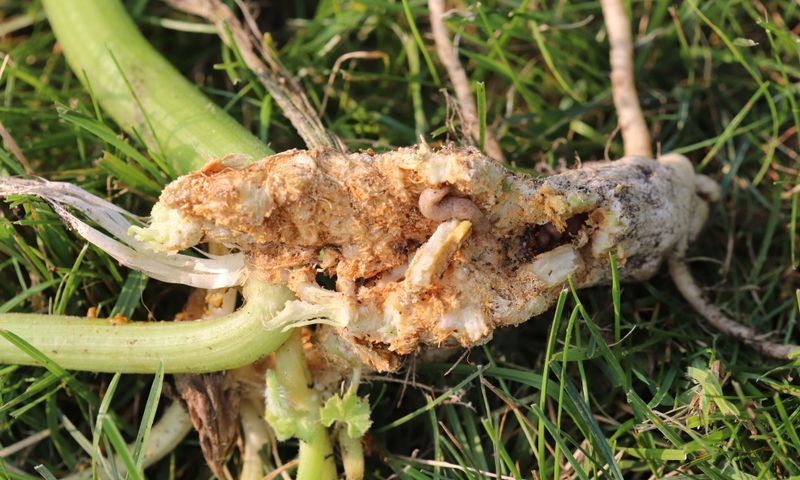
If zucchini leaves wilt despite adequate watering, or the plant collapses suddenly, waterlogging is likely the culprit. This is especially common in clay soils or poorly drained areas.
Prevent waterlogging by ensuring excellent drainage before planting. Raised beds and mounds solve this problem immediately. In garden beds, add sand and compost to improve drainage. Test your drainage by digging a hole, filling it with water, and observing how quickly it drains. Water should drain within 24 hours. If it sits longer, drainage is inadequate.
Once waterlogging occurs, root rot usually follows and the plant cannot be saved. Prevention through proper soil preparation is far easier than rescue attempts. If you have a waterlogging problem, solve it now before planting.
Calcium Deficiency and Blossom End Rot
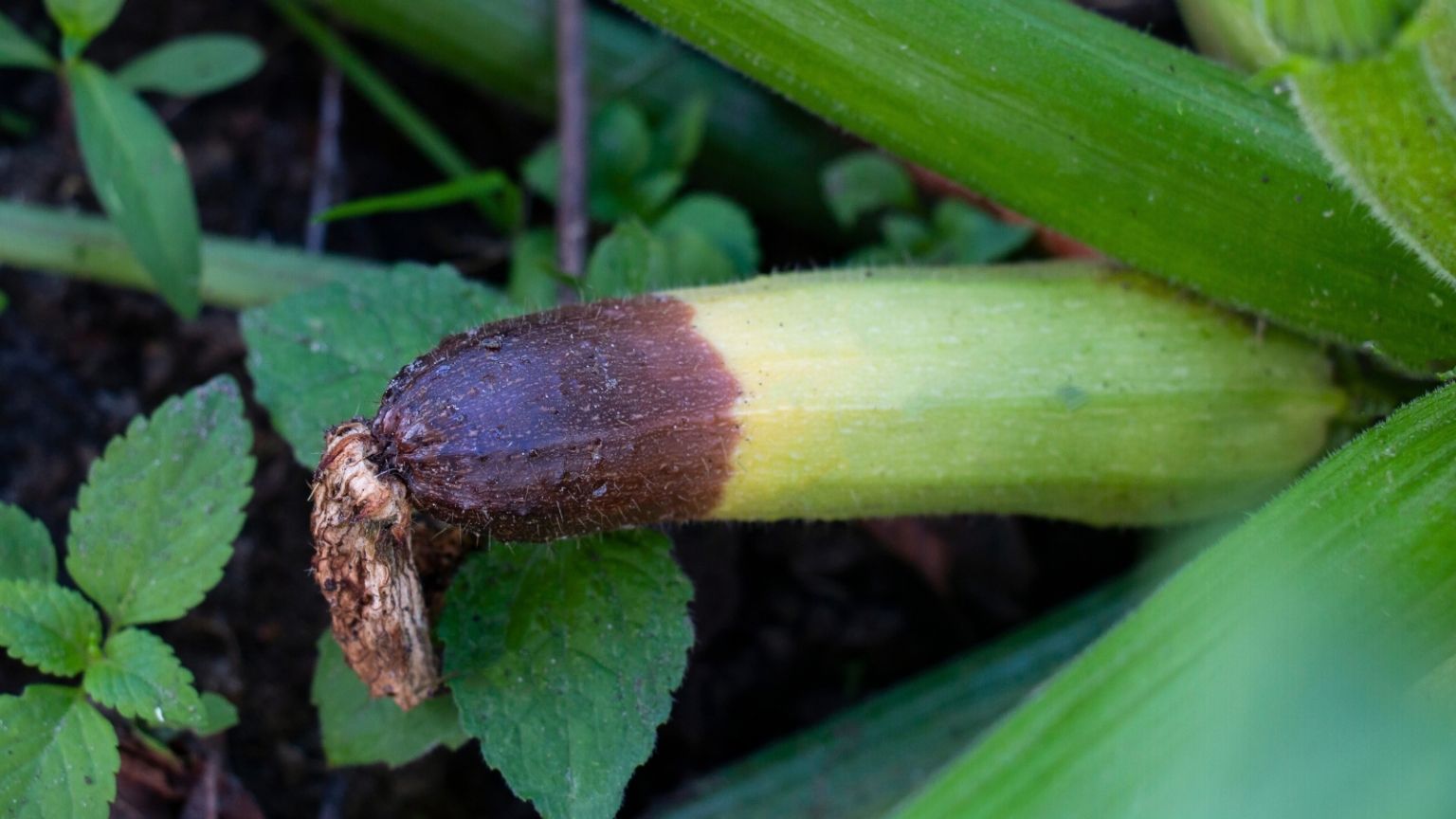
Blossom end rot appears as dark, sunken spots on the bottom of developing fruit. This is calcium deficiency, though the cause is usually inconsistent watering rather than lack of calcium in soil.
When soil moisture fluctuates between wet and dry, plants cannot maintain consistent calcium uptake. Inconsistent watering also creates physiological stress that interferes with nutrient absorption.
Prevent blossom end rot by maintaining consistent soil moisture using mulch and regular watering. A calcium amendment mixed into soil before planting provides insurance, especially for container growing. If blossom end rot appears, increase watering frequency to maintain consistent soil moisture.
Poor Drainage in Clay Soils
Heavy clay soils drain poorly and become compacted easily. Water sits in pores rather than draining through.
Avoid trying to amend clay significantly. Instead, work around it by creating raised beds or mounds above the clay. This is faster and more reliable than attempting to improve clay itself. If you must improve clay, add equal parts sand and compost in large quantities, working them in deeply. This is labor intensive and expensive but effective over time.
Once you improve clay even slightly, mulch heavily to prevent rain from recompacting the surface. Good drainage, once achieved, must be maintained.
Plantlyze: Monitor Your Soil and Plant Health with AI
Growing healthy zucchini requires understanding how soil and plant health interact. Poor soil shows up as yellowing leaves, weak growth, and disease susceptibility. But how do you know if yellowing leaves signal calcium deficiency, nitrogen deficiency, or something else entirely?
Plantlyze.com, an AI powered plant care and diagnosis tool, removes the guesswork. Simply photograph your zucchini plant and soil area. The app analyzes leaf color, texture, plant vigor, and overall health indicators. It identifies nutrient deficiencies, soil moisture issues, and disease problems before they become serious.
With Plantlyze, you receive soil and plant care recommendations customized to your specific conditions and problems. No more wondering whether to water more or feed the plant. No more guessing about what nutrient deficiency you are seeing. The AI technology identifies exactly what your plant needs and suggests precise interventions.
Visit plantlyze.com today to start monitoring your zucchini's soil and plant health with artificial intelligence assistance. Catch problems early and ensure soil conditions remain optimal throughout the growing season.
Conclusion
Perfect zucchini soil starts with understanding what these heavy feeders need: slightly acidic to neutral pH between 6.0 and 7.5, generous organic matter, and excellent drainage. Before planting, amend your soil with 2 to 4 inches of compost or well rotted manure. Incorporate balanced fertilizer and ensure loose, friable texture.
For containers, use quality potting mix enriched with compost. For garden beds with poor drainage, build raised beds or mounds. Monitor soil moisture consistently and supplement feeding throughout the season. Mulch heavily to retain moisture and improve soil over time.
The difference between struggling zucchini plants and abundant producers often comes down to soil quality. Invest time in preparation now, and your zucchini will reward you with vigorous growth, disease resistance, and prolific harvests. Want to ensure your soil and plant stay optimized all season? Use Plantlyze.com to monitor your zucchini's health in real time and receive personalized soil and care recommendations. Build your ideal zucchini soil foundation today.
References
University of Minnesota Extension. https://extension.umn.edu/vegetables/growing-summer-squash-and-zucchini
Black Gold. https://blackgold.bz/garden-writers/how-to-grow-summer-squash-and-zucchini/
Kellogg Garden Organics. https://kellogggarden.com/blog/growing/growing-zucchini/
Deep Green Permaculture. https://deepgreenpermaculture.com/2024/09/25/zucchini-growing-guide/