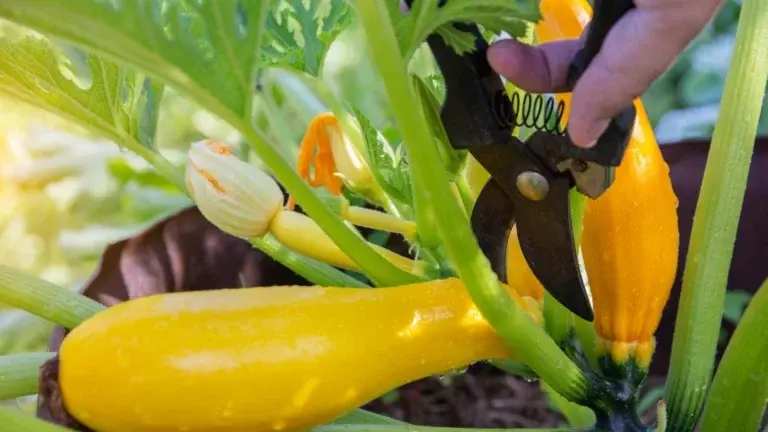
Summer zucchini abundance is both a blessing and a challenge. You pick one, then suddenly you're harvesting buckets of them, and within days, they're soft, wrinkled, or covered in mold sitting in your crisper drawer. We've all been there, staring at vegetable waste that seemed so promising just a week ago. The frustration is real, especially when you've nurtured these plants from seedlings to productive producers.
Here's the good news: zucchini doesn't have to go bad quickly. With the right storage methods, you can keep your harvest fresh for weeks, or even preserve it for months of cooking enjoyment. This guide walks you through seven proven storage techniques that work, from simple refrigerator tricks to long-term freezing methods. Whether you're a home gardener with a surprise surplus or someone who loves buying fresh produce from farmers markets, these zucchini storage tips will save you money and reduce food waste.
Why Zucchini Goes Bad So Quickly
Before diving into solutions, it helps to understand why zucchini spoils faster than other vegetables. Zucchini is incredibly moisture-sensitive. Its skin is thin, and it loses water rapidly when exposed to air or improper storage conditions. When moisture escapes, the flesh becomes soft and eventually wrinkled.
Ethylene gas is another culprit. This natural ripening hormone produced by fruits like apples, bananas, and tomatoes speeds up zucchini's deterioration process. If you store zucchini near these ethylene-producing fruits, it will go bad much faster than it should. The key is keeping zucchini isolated from these ripening fruits.
Temperature also plays a critical role. Zucchini prefers cool conditions between 50 and 70 degrees Fahrenheit. Too warm, and enzymatic processes speed up, causing faster ripening and softening. Too cold, and the skin can develop damage and discoloration. Finding that middle ground is essential for extending shelf life.
Method 1: Refrigerator Crisper Storage (Best for 3 to 4 Weeks)
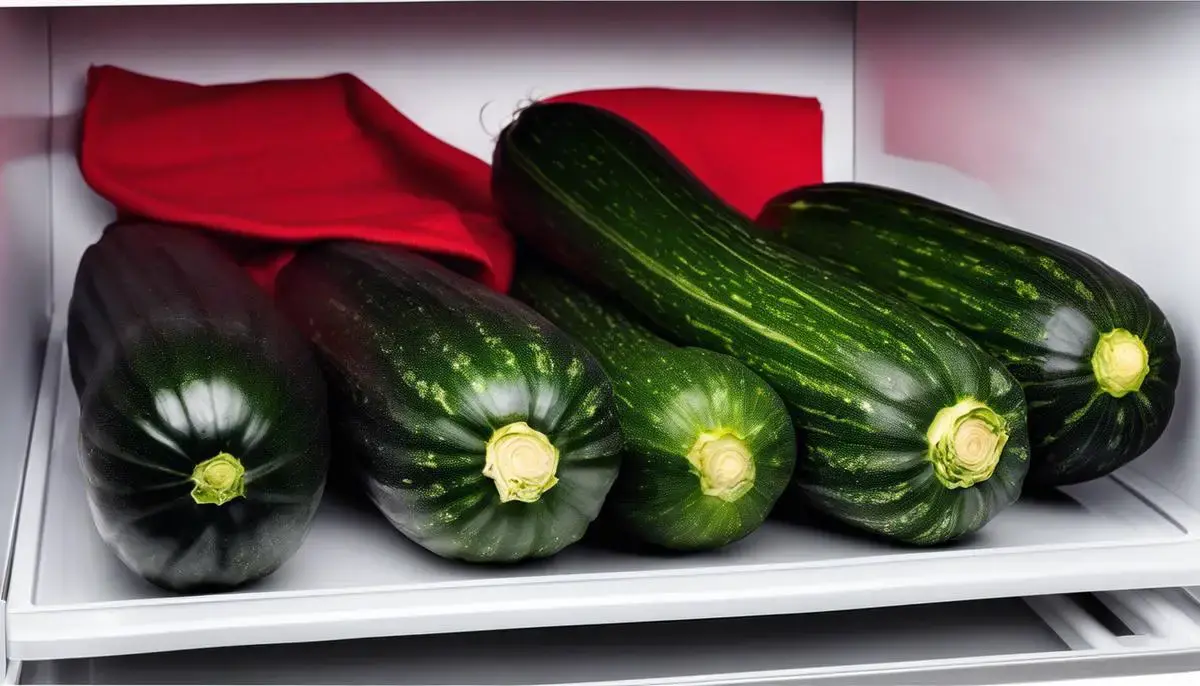
The refrigerator crisper drawer is your first line of defense for keeping zucchini fresh. This method works because it controls humidity and temperature simultaneously, creating an ideal environment for short-term storage.
Here's how to store zucchini properly in your crisper:
Start by selecting firm, unblemished zucchini. Don't wash them before storing. Water on the skin promotes mold growth and decay. Instead, gently wipe off any loose soil with a dry cloth.
Place the zucchini in a loosely closed plastic bag. This is crucial: the bag must allow some air circulation. A completely sealed bag traps ethylene gas and moisture, causing accelerated decay. A loosely closed bag protects the zucchini from drying out while still allowing air to move around it.
Set your crisper drawer to low humidity mode if your refrigerator has this feature. This setting reduces moisture buildup, which prevents mold and sliminess. Keep the zucchini separated from ethylene-producing fruits and vegetables like apples, tomatoes, and bananas.
Store the zucchini whole, not cut. Whole zucchini lasts significantly longer because the skin acts as a protective barrier. If you've already cut into a zucchini, store the unused portion in an airtight container and use it within three to five days.
Check your zucchini every few days by gently pressing the skin. If soft spots develop, use that zucchini immediately before it spoils completely. With proper crisper storage, you can keep zucchini fresh for one week at excellent quality and up to three to four weeks if conditions are ideal.
Pro tip: If your zucchini starts to develop slight wrinkling but is still firm, it's still perfectly good. Wrinkled zucchini works wonderfully in soups, stews, and baked goods where texture matters less than flavor.
Method 2: Cool Pantry or Counter Storage (Medium Term at Room Temperature)
Not everyone has unlimited refrigerator space, and that's okay. Cool pantry storage works exceptionally well for larger, mature zucchini. This method requires finding the right location in your home, but when conditions are right, zucchini can last for months.
The key is temperature and ventilation. Look for a cool, dark spot in your home where the temperature stays consistently between 50 and 70 degrees Fahrenheit. A pantry, basement, garage, or unheated closet works perfectly. Avoid areas near heating vents, ovens, or sunny windows.
Larger zucchini, sometimes called leg-sized zucchini or mature zucchini, last much longer than smaller ones. This is because their thicker skin provides better protection against moisture loss and decay. Smaller, more tender zucchini should be stored in the refrigerator instead.
Arrange your zucchini on a shelf with good air circulation around each one. Don't stack them tightly or cover them. Air movement prevents moisture accumulation and reduces mold risk. If you're storing many zucchini, leave space between each one so air can flow freely.
Under these ideal conditions, mature zucchini can last three to six months. Some people have reported storing zucchini in cool basements for even longer, though quality gradually declines. Check them regularly and remove any that show signs of decay before they affect the others.
This method is seasonal. It works best in fall and winter when natural home temperatures are cooler. In summer, your pantry might be too warm, so stick with refrigerator storage during hot months.
Method 3: Freezing for Long Term Storage (Months of Preservation)
Freezing is the gold standard for preserving zucchini when your harvest overwhelms you. Frozen zucchini keeps for up to twelve months and works beautifully in countless dishes. You have two excellent options: shredded freezing or blanched slicing.
The Shredded Method (Easiest Approach)
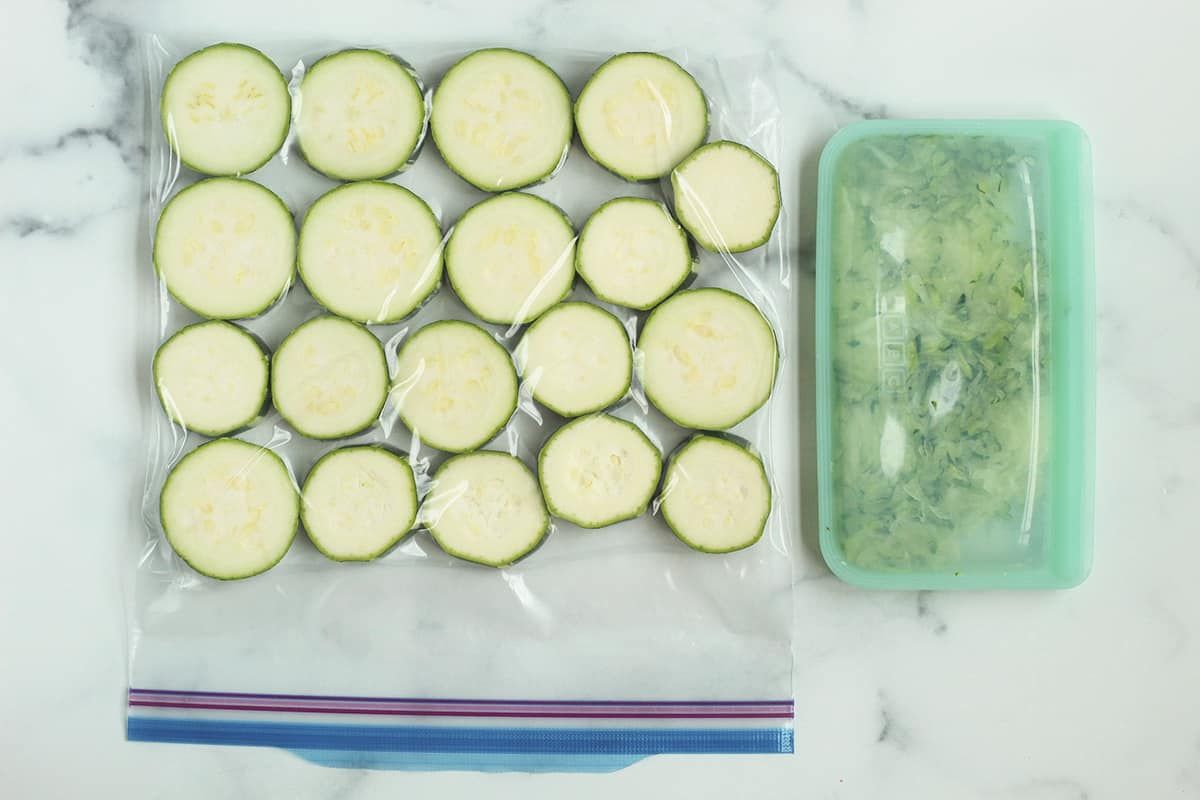
This technique requires no special skills or equipment. Simply wash and dry your zucchini completely. Using a box grater or food processor, shred the zucchini into thin strips. Shredding is where moisture removal becomes critical.
Place the shredded zucchini on a clean kitchen towel and wrap it gently. Squeeze out as much moisture as possible. You'll be amazed at how much water comes out. This step prevents ice crystals from forming, which preserves texture better.
Measure your shredded zucchini into portions of about one and a half cups. This size works perfectly for most recipes. Place each portion in a silicone freezer bag or a glass freezer container. Label each package with the date so you remember when you froze it.
Shredded zucchini is ideal for baking, including zucchini bread, muffins, and pancakes. It also works well in soups, stews, and sauces where texture isn't critical. You don't need to thaw before using it in these applications.
The Blanching and Flash-Freezing Method (Texture Preservation)
If you want to use frozen zucchini in stir-fries or as a side dish where texture matters, blanching is worth the extra effort. Start by slicing your zucchini into half-inch thick rounds.
Bring a large pot of salted water to a rolling boil. Working in batches, carefully add the zucchini slices and blanch for exactly one minute. Don't overcook. Immediately transfer the blanched slices to an ice bath using a slotted spoon. The ice bath stops the cooking process and preserves the bright green color and firm texture.
Drain the zucchini thoroughly using a colander. Pat dry with paper towels. Spread the slices in a single layer on a baking sheet and place it in the freezer for about thirty minutes. This flash-freezing prevents the slices from freezing into one solid clump.
Once frozen solid, transfer the zucchini slices to freezer bags or containers. These blanched zucchini slices keep for up to twelve months. They work wonderfully in stir-fries, fritters, and side dishes. Cook from frozen without thawing to prevent mushiness.
Pro tip: Label your frozen zucchini clearly. Shredded zucchini and sliced zucchini behave differently in recipes, so keeping them marked prevents disappointment when you reach into your freezer.
Method 4: Dehydrating and Creating Shelf-Stable Zucchini
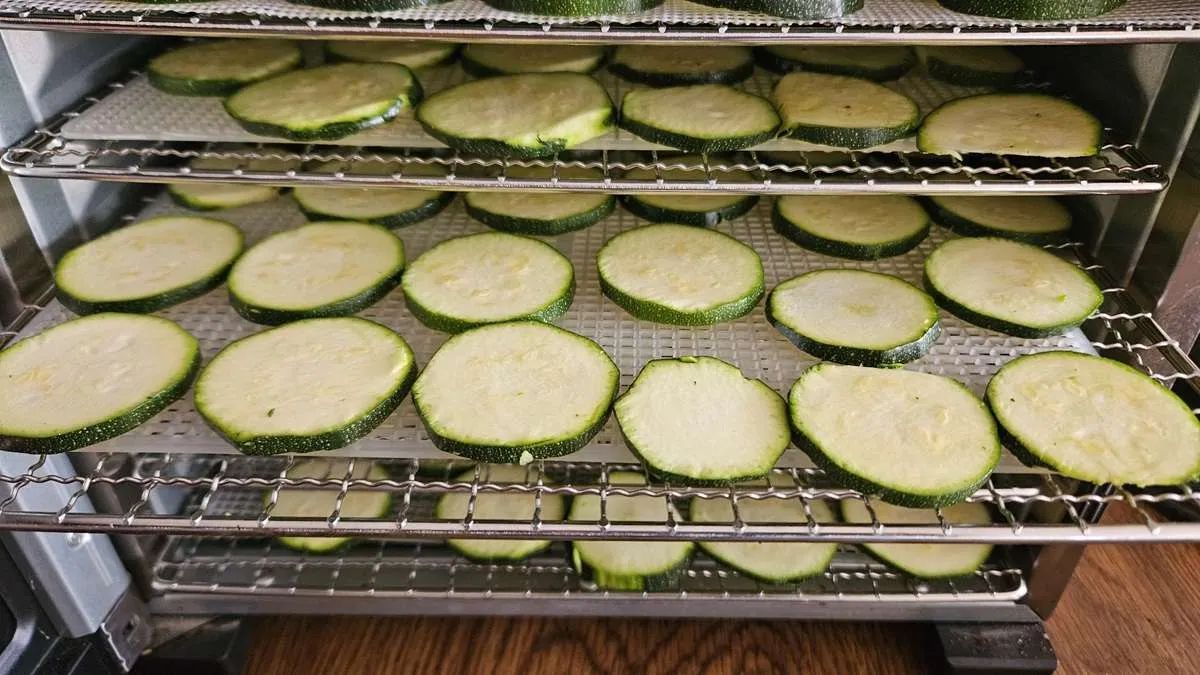
Dehydration is the space-saving champion of zucchini preservation. Dried zucchini takes up a fraction of the space that frozen zucchini requires, and it doesn't depend on freezer availability. This method works for anyone who wants lightweight, shelf-stable zucchini.
You don't need fancy equipment. A dehydrator works beautifully, but your regular kitchen oven does the job just fine. Slice your zucchini into thin quarter-inch slices. Thinner slices dry faster and create a better texture for snacking.
If using a dehydrator, set the temperature to 125 degrees Fahrenheit and place the zucchini slices directly on the trays. Dry for twelve to sixteen hours, checking progress around the twelve-hour mark. You're looking for slices that bend slightly but break cleanly when you snap them. They should not feel moist or rubbery.
For oven drying, preheat to 150 degrees Fahrenheit. Line your baking sheets with parchment paper and arrange zucchini slices in a single layer. Crack the oven door open slightly to allow moisture to escape. Dry for two to five hours, checking every hour after the first two hours. The time varies based on slice thickness and your oven's actual temperature.
Dried zucchini can be eaten as crispy chips with a light seasoning of salt, garlic powder, or herbs. You can also add dried zucchini pieces to soups and stews where they rehydrate during cooking. Some people grind dried zucchini into powder for adding to smoothies or baking.
Store dried zucchini in airtight glass jars or containers in a cool, dark place. Properly dried and stored zucchini lasts up to one year. This method is wonderful for reducing food waste and creating shelf-stable ingredients for your pantry.
Method 5: The Vinegar Wash Technique (Extended ShelfLife Boost)
This simple technique uses the natural antimicrobial properties of vinegar to extend zucchini freshness. It's not complicated, and it requires only common kitchen ingredients.
Mix one quarter cup of distilled white vinegar with ten cups of water in a large bowl. Create a proper ratio of vinegar to water, as vinegar that's too concentrated can affect flavor. Submerge your whole zucchini in this solution and wash them thoroughly, rubbing the skin gently.
Remove the zucchini and allow them to air dry completely before storage. This step is important. Any residual moisture can cause problems. Once completely dry, store them using your preferred method: cool pantry for mature zucchini or refrigerator crisper for smaller ones.
The vinegar wash doesn't guarantee weeks of storage by itself, but it works beautifully as a starting point before using another storage method. Vinegar-washed zucchini stored in a crisper drawer lasts three to four weeks, while large ones in a cool pantry last several months.
This technique is especially useful if you're buying zucchini from farmers markets or stores where you don't know the handling history. The wash removes potential surface bacteria and mold spores that might accelerate decay.
Signs Your Zucchini Has Gone Bad
Knowing when to toss your zucchini helps prevent food waste and kitchen regrets. Inspect your stored zucchini regularly, looking for these clear warning signs.
Soft or mushy texture is the most obvious indicator. Gently press the skin with your thumb. If it leaves an indentation that doesn't bounce back, the zucchini is past its prime. Mushy zucchini has deteriorated significantly and won't provide good results in cooking.
Dark spots or discoloration on the skin suggest mold growth or decay beginning underneath. Small spots might be removable, but extensive discoloration means the entire vegetable is compromised.
Wrinkled appearance occurs when zucchini loses moisture, usually from improper storage or age. While mildly wrinkled zucchini is still usable, deeply wrinkled ones are past their best.
Visible mold growth is a definite discard signal. Never attempt to cut away mold on zucchini. Mold roots extend deep into the flesh, making the entire vegetable unsafe to eat.
An off smell is your final warning. Fresh zucchini has a mild, slightly grassy scent. If your zucchini smells fermented, sour, or unpleasant, don't risk it.
Common Zucchini Storage Mistakes to Avoid
Understanding what not to do prevents frustration and waste. Most people make these mistakes without realizing it.
Sealing zucchini tightly in bags is the number one error. A completely sealed bag traps ethylene gas and creates a humid microclimate where mold thrives. Loosely closed or vented bags are always better than sealed ones. Your zucchini needs to breathe.
Storing zucchini near ethylene-producing fruits accelerates decay dramatically. If your refrigerator is small and space is tight, at least keep zucchini in a separate drawer or on a different shelf from apples, bananas, and tomatoes.
Washing zucchini before storage introduces moisture that promotes mold growth. Resist the urge to wash until you're ready to use the zucchini. A gentle dry wipe with a cloth removes any loose dirt without creating decay conditions.
Using damaged or bruised zucchini for storage is asking for trouble. Damaged areas decay faster and can spread to healthy portions. Always start with unblemished zucchini for storage. Save slightly damaged zucchini for immediate cooking.
Forgetting to label frozen zucchini creates confusion and disappointment. You might grab shredded zucchini thinking it's sliced, or forget how long something has been frozen. Taking thirty seconds to label prevents these problems.
Discover Your Plant's Full Potential with Plantlyze
Keeping your zucchini fresh starts long before harvest. It begins with healthy plants. If you're growing zucchini at home, plant health directly impacts everything from fruit quality to overall harvest size. Weak plants produce smaller, lower-quality zucchini that spoils faster than fruit from vigorous producers.
This is where Plantlyze comes in. As an AI powered plant care and diagnosis tool, Plantlyze helps you identify nutrient deficiencies, diseases, and growth issues that affect your entire garden. Whether your zucchini plants are struggling with yellowing leaves, powdery mildew, or simply underperforming, Plantlyze provides personalized care recommendations based on what you observe.
The better your plants grow, the better your harvest. And the better your harvest, the more you'll appreciate these storage methods. Explore how Plantlyze can help you maximize your garden's potential at plantlyze.com.
Final Thoughts on Zucchini Storage
Seven proven storage methods now stand between you and kitchen waste. Your choice depends on your situation: how many zucchini you have, how much time you want to invest, and how you plan to use them.
For short-term use, refrigerator crisper storage is your fastest option. For abundant harvests, freezing shredded zucchini takes minimal effort and delivers maximum convenience. For space-saving solutions, dehydration transforms zucchini into lightweight pantry staples. For long-term pantry storage without power requirements, cool room temperature preservation works beautifully for mature zucchini.
The key to success is understanding why zucchini spoils and actively preventing those conditions. Control moisture. Keep ethylene-producers separate. Maintain proper temperature. Check your stored zucchini regularly.
Your summer zucchini abundance doesn't have to become autumn regret. With any of these proven zucchini storage tips, you can enjoy your harvest for weeks or months. Pick the method that fits your lifestyle, start preserving today, and watch your food waste disappear.
References
Simply Recipes – "How To Store Zucchini To Keep It From Getting Slimy: A Produce Expert's Guide"
https://www.simplyrecipes.com/how-to-store-zucchini-produce-expert-11740381Food in Jars – "Six Ways to Preserve Zucchini"
https://foodinjars.com/blog/six-ways-to-preserve-zucchini/Grow Forage Cook Ferment – "15+ Ways to Preserve Zucchini: Freeze, Can, Ferment, and Dehydrate"
https://www.growforagecookferment.com/how-to-preserve-zucchini/