
zz plant
An ultra-tough houseplant that thrives on neglect and adapts to almost any condition, making it perfect for busy plant parents and office spaces.
Video Tutorials
Watch these helpful videos to learn more about zz plant care.
About zz plant
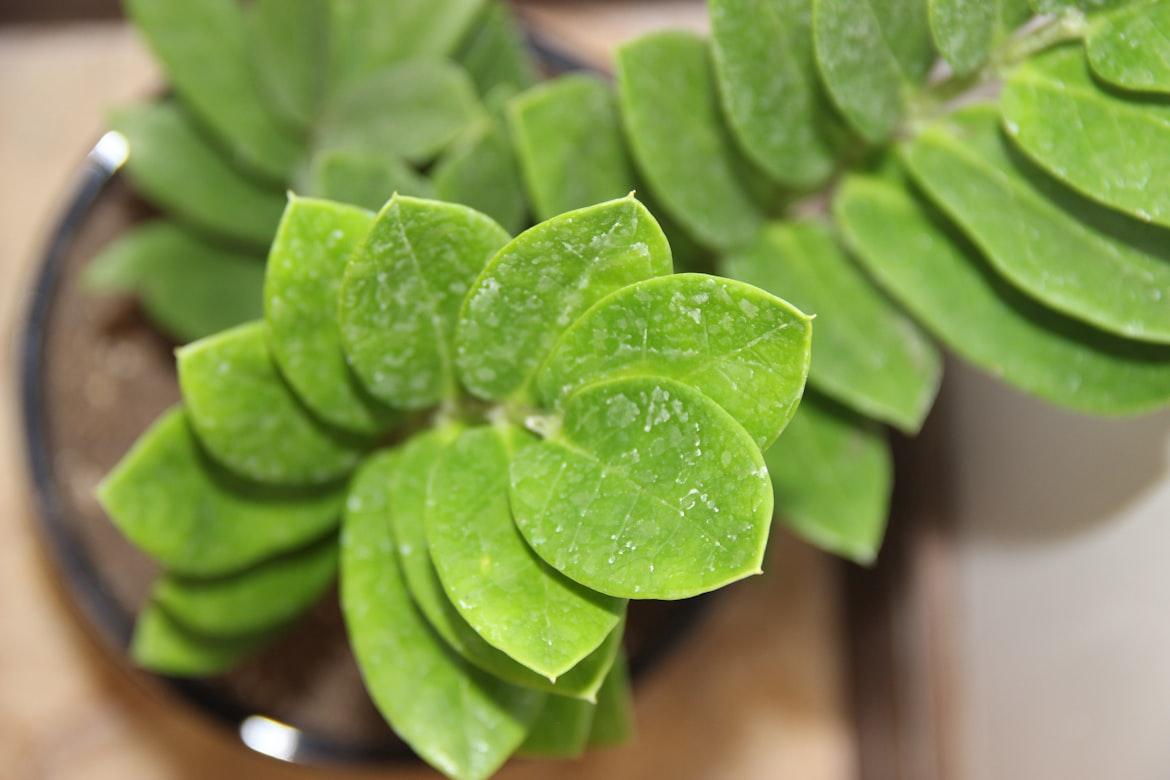
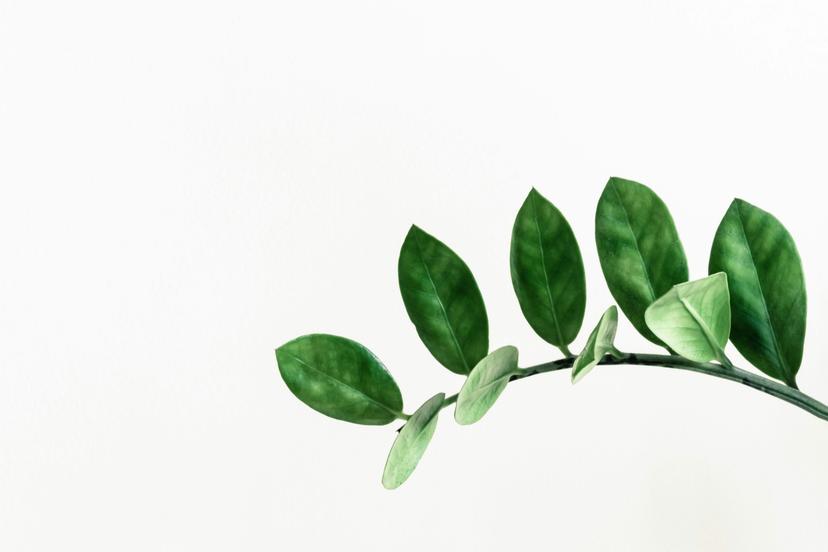
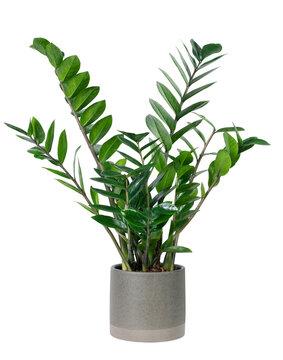
ZZ plants have become indoor plant legends for one reason: they're nearly impossible to kill. With glossy, wax-like leaflets and an architectural look, this East African native has earned nicknames like the Zanzibar gem and eternity plant. Businesses love them for offices and malls because they look polished while thriving under fluorescent lights with minimal care.
In their native habitat of tropical grasslands and dry forests, ZZ plants developed thick, underground rhizomes that store massive amounts of water. These potato-like rhizomes allow the plant to endure extended droughts and sporadic watering. This same water-storage system makes them uniquely adapted to indoor environments where neglect is almost guaranteed.
As houseplants, ZZ plants grow steadily into substantial specimens, reaching 2-4 feet indoors over several years. They prefer well-draining soil and indirect light but tolerate low light conditions that would stress other plants. With zero demanding requirements and proven air-purifying abilities, they're ideal for bedrooms, offices, and any space where you want effortless greenery.
Watering Schedule
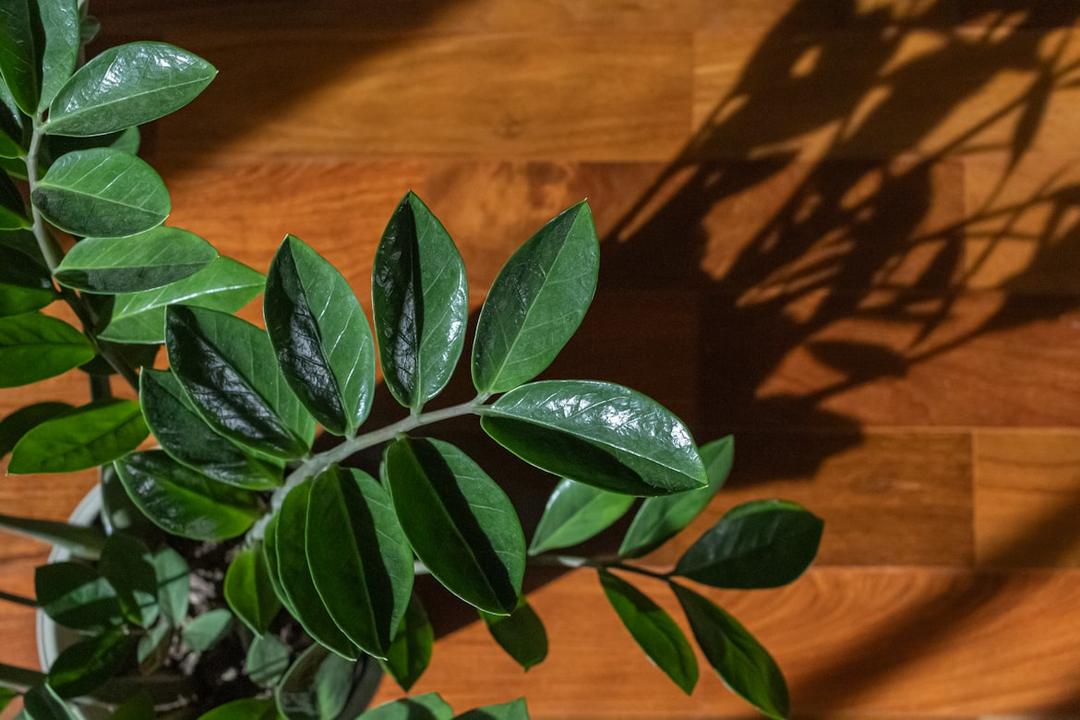
ZZ plants store water in underground rhizomes, making them drought-resistant survivors. The biggest mistake is watering too often, not too little.
Common Problems & Solutions
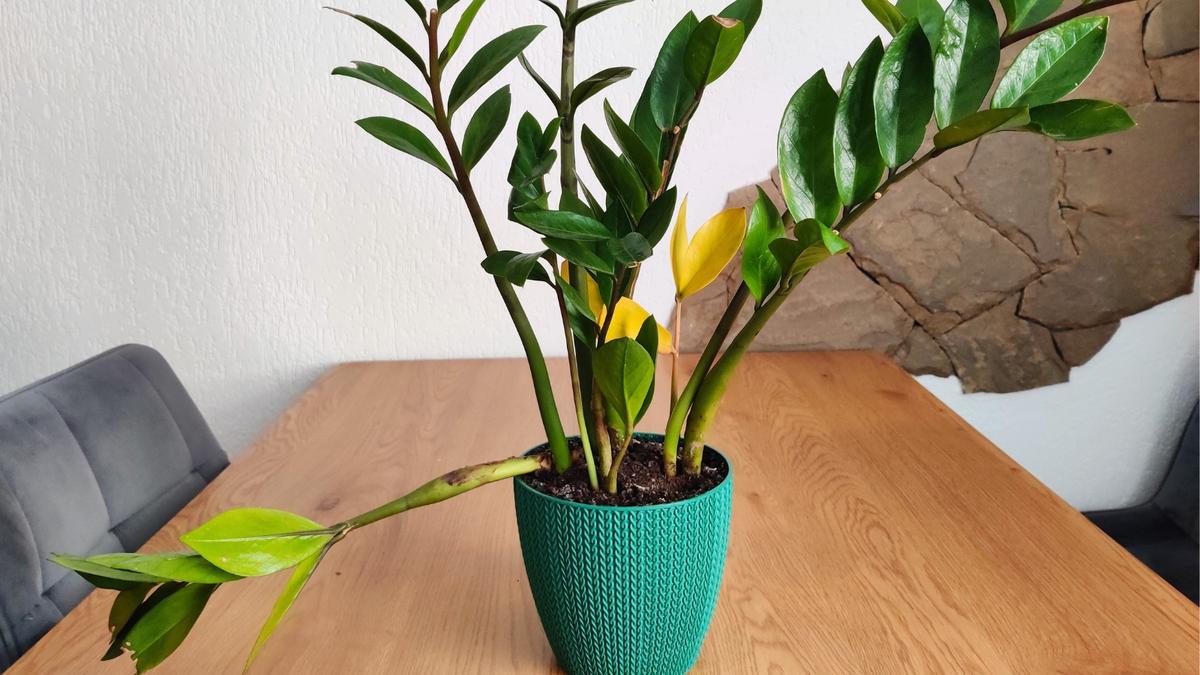
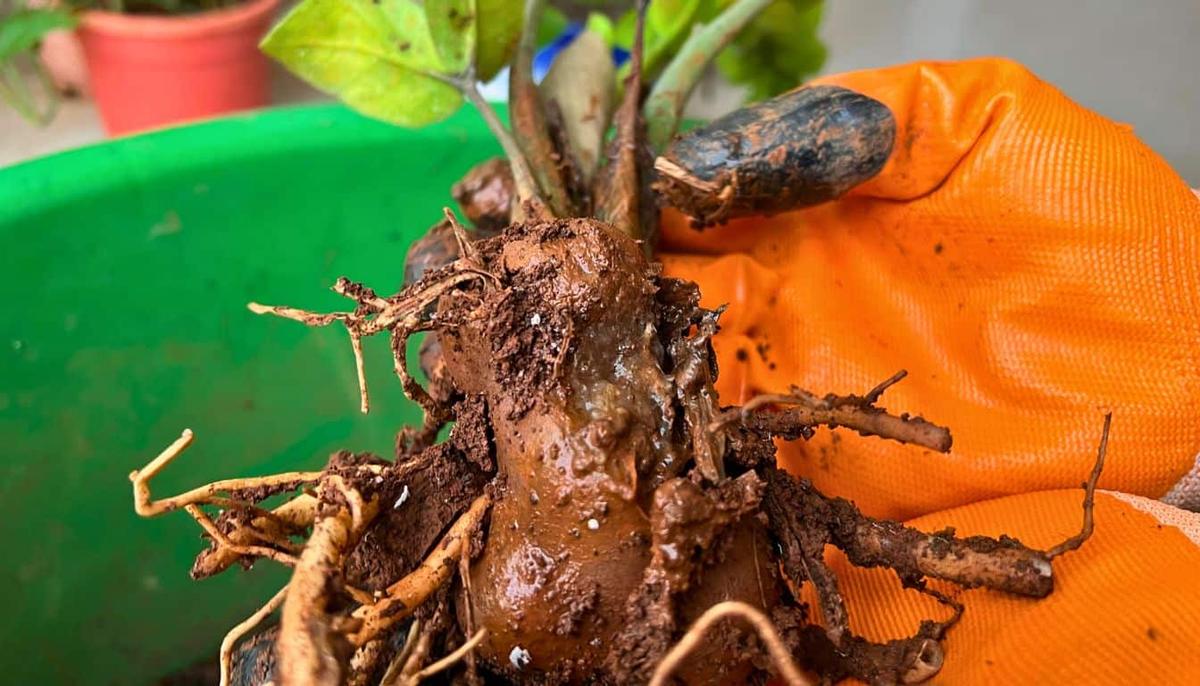
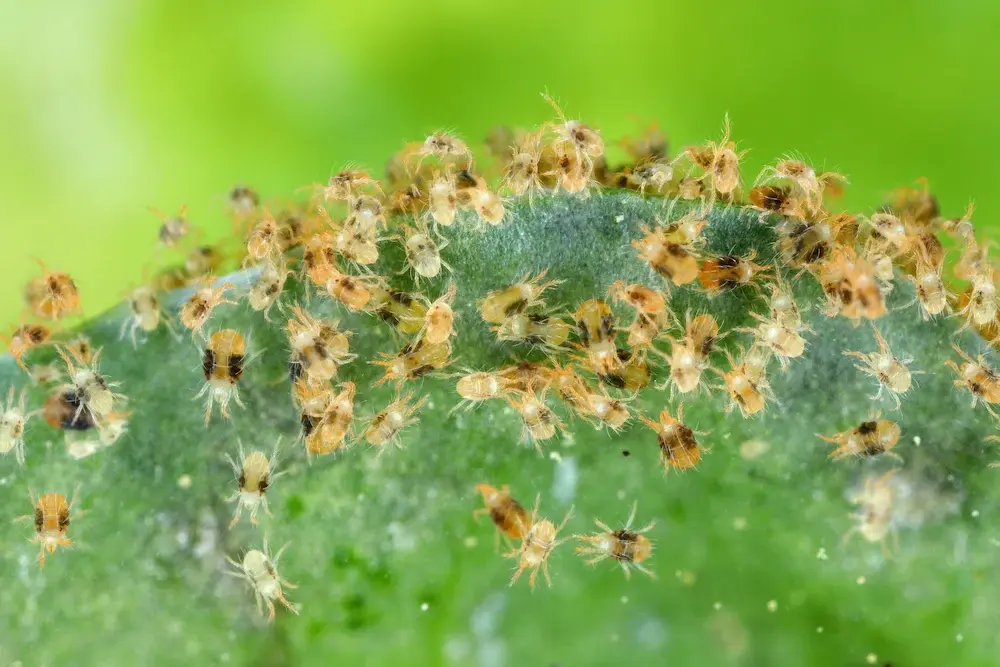
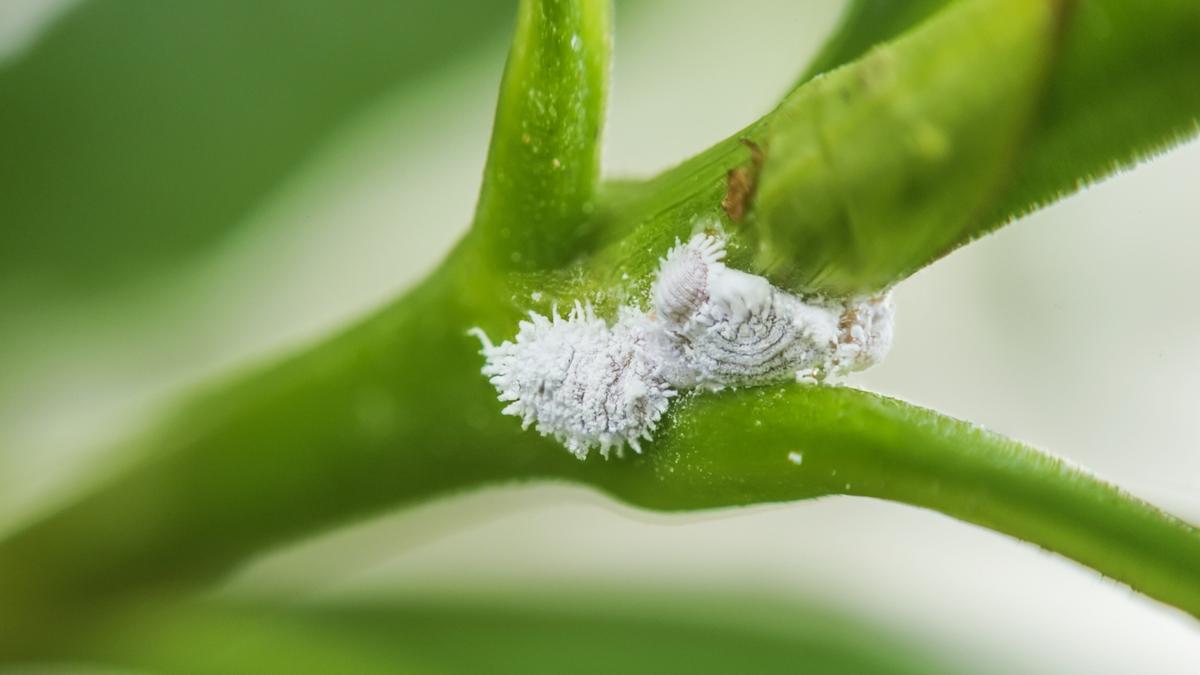
Here's how to identify and fix the most common zz plant problems.
Popular Varieties
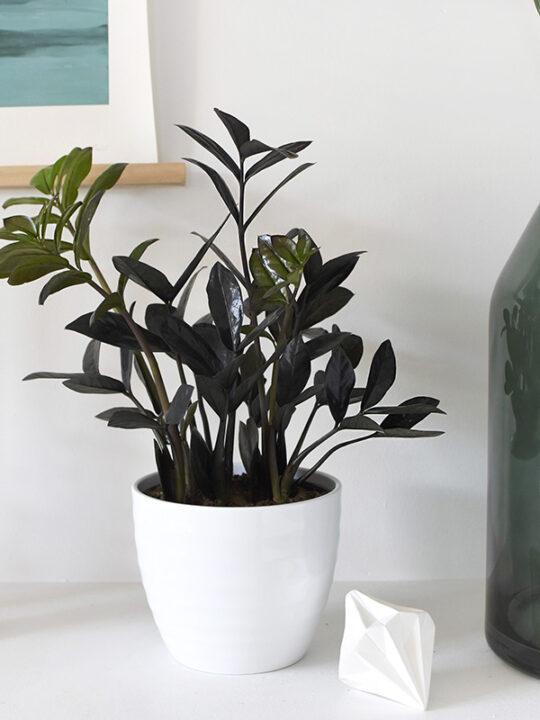
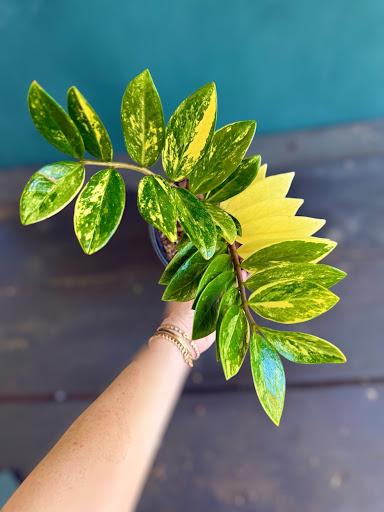
Explore different zz plant varieties and find your perfect match.
Care Tips & Best Practices
Misting and Humidity
ZZ plants don't require high humidity. Normal household air is fine. Skip misting unless your home is extremely dry, as wet leaves attract fungal issues.
Feeding Schedule
Fertilize once or twice yearly during spring and summer with balanced houseplant fertilizer at half strength. Skip fertilizer in fall and winter when growth stops.
Leaf Cleaning
Wipe leaves monthly with a damp, soft cloth to remove dust and allow better light absorption. This also helps you spot pest problems early.
Pruning and Shaping
Remove yellowed or damaged leaves at the base with clean scissors. Pruning won't trigger new growth like with other plants, but it improves appearance.
Support and Staking
As ZZ plants grow tall and mature, older stems may cascade or sprawl. Stake tall stems or use wide pots to support the weight naturally.
Light Rotation
Rotate the pot a quarter turn weekly if growth looks one-sided. This ensures even light exposure and prevents the plant from reaching toward a window.
Care Checklist
10 Common Mistakes to Avoid
Watering on a schedule instead of checking soil
Why it's bad: Soil dries at different rates depending on pot size, humidity, and season.
Do this instead: Always check if soil is completely dry before watering, even if it's been three weeks.
Using regular potting soil without amendments
Why it's bad: Standard potting soil holds too much moisture, causing rhizome rot.
Do this instead: Mix potting soil 50-50 with cactus or succulent mix to improve drainage drastically.
Placing in dark corners thinking they need no light
Why it's bad: Zero light means no photosynthesis and no growth, just a slow decline.
Do this instead: Place in low to moderate indirect light, even office fluorescents work better than darkness.
Repotting into large containers thinking bigger is better
Why it's bad: Excess soil around roots stays wet too long and causes root rot.
Do this instead: Up-pot only 1-2 inches in diameter and choose pots with drainage holes.
Fertilizing constantly during growing season
Why it's bad: Over-fertilizing builds up salt in soil, burning roots and weakening the plant.
Do this instead: Fertilize just once or twice yearly at half the recommended strength.
Placing near heat vents or air conditioning units
Why it's bad: Drafts and temperature swings stress the plant and cause leaf drop.
Do this instead: Choose locations with stable temperature and distance from any vents.
Ignoring yellowed leaves thinking they'll improve
Why it's bad: Yellow leaves signal serious overwatering or drainage problems.
Do this instead: Investigate immediately by checking soil moisture and rhizome health.
Misting the foliage regularly
Why it's bad: ZZ plants don't need misting and wet leaves attract fungal issues.
Do this instead: Wipe leaves occasionally with a dry cloth instead of misting.
Using pots without drainage holes
Why it's bad: Water has nowhere to escape, pooling around rhizomes and causing rot.
Do this instead: Always use pots with at least one unobstructed drainage hole at the bottom.
Ignoring pest problems because ZZ plants seem pest-resistant
Why it's bad: Early infestations spread rapidly to other plants if untreated.
Do this instead: Inspect weekly, especially leaf undersides, and treat immediately with neem oil or soap.
Frequently Asked Questions
Why are the leaves on my ZZ plant turning yellow?
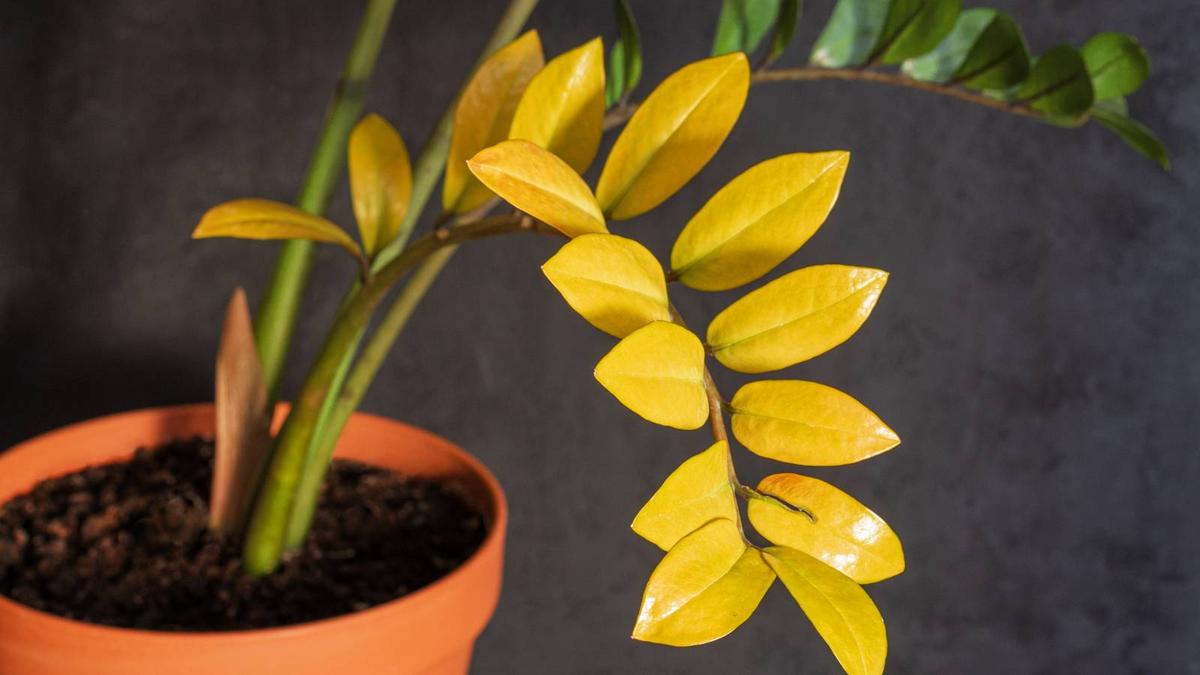
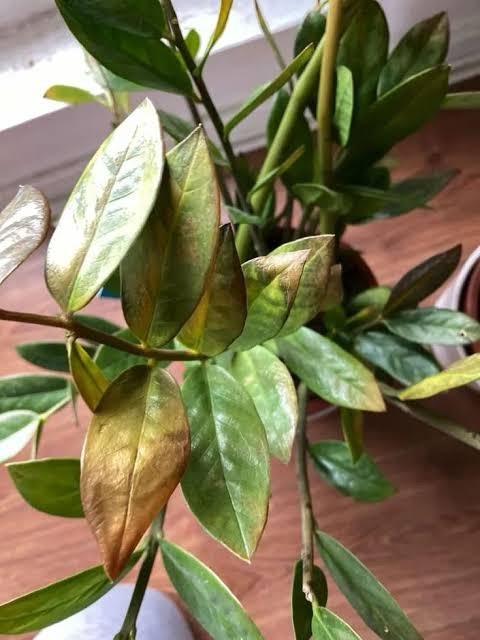
Overwatering is the #1 culprit. ZZ plants store water in rhizomes, so yellow leaves signal waterlogged soil. Let soil dry completely and check rhizomes for rot. Occasionally, yellow leaves indicate nutrient deficiency or insufficient light.
How often should I water my ZZ plant?
Water every 2-3 weeks when the soil is completely dry. In winter, water even less. Use the finger test: only water if soil 2 inches deep feels bone dry. It's impossible to water too little, but easy to overwater.
Can ZZ plants grow in low light conditions?
Yes, ZZ plants tolerate low light and office fluorescent lighting remarkably well. Growth slows in dim conditions, but the plant survives. For best results, provide medium to bright indirect light.
Is the ZZ plant safe for pets?
No. ZZ plants are toxic to cats, dogs, and humans. The sap contains calcium oxalate crystals that cause mouth and stomach irritation, drooling, vomiting, and diarrhea if ingested. Keep away from curious pets and children.
How long does it take for a ZZ plant to grow to full size?
ZZ plants are slow growers. Expect about 6 inches of growth monthly during spring and summer, but overall it takes 3-5 years to reach full mature size of 3-4 feet tall and wide.
What's the best soil mix for ZZ plants?
Mix 60% potting soil with 40% cactus or succulent mix. Alternatively, use 2 parts potting soil, 1 part perlite, and 1 part sand. The key is fast drainage to prevent water from sitting around rhizomes.
Do ZZ plants need to be misted or humidified?
No. ZZ plants thrive in normal household humidity. Misting actually increases risk of fungal issues. Skip misting unless your home is extremely dry, then mist sparingly.
How do I propagate a ZZ plant?
Division is fastest: separate rhizomes during repotting and pot individually in fresh soil. Leaf cuttings work too but take 3+ months to develop. Keep propagated pieces in lightly moist soil and provide bright indirect light.
Why is my ZZ plant drooping even though I water it?
Drooping can mean either too much or too little water. Check soil moisture and rhizomes for rot. If wet and mushy, repot in fresh soil. If dry, water thoroughly and establish a consistent schedule.
Do ZZ plants need fertilizer to grow?
No. ZZ plants are slow growers that don't need frequent feeding. Fertilize once or twice yearly during spring and summer at half strength. Over-fertilizing does more harm than good.
References & Sources
Information in this guide is based on these trusted sources.