
ZUCCHINI
Prolific summer squash that thrives in warm weather, producing abundant tender fruit. Fast-growing and easy to cultivate.
Video Tutorials
Watch these helpful videos to learn more about ZUCCHINI care.
About ZUCCHINI
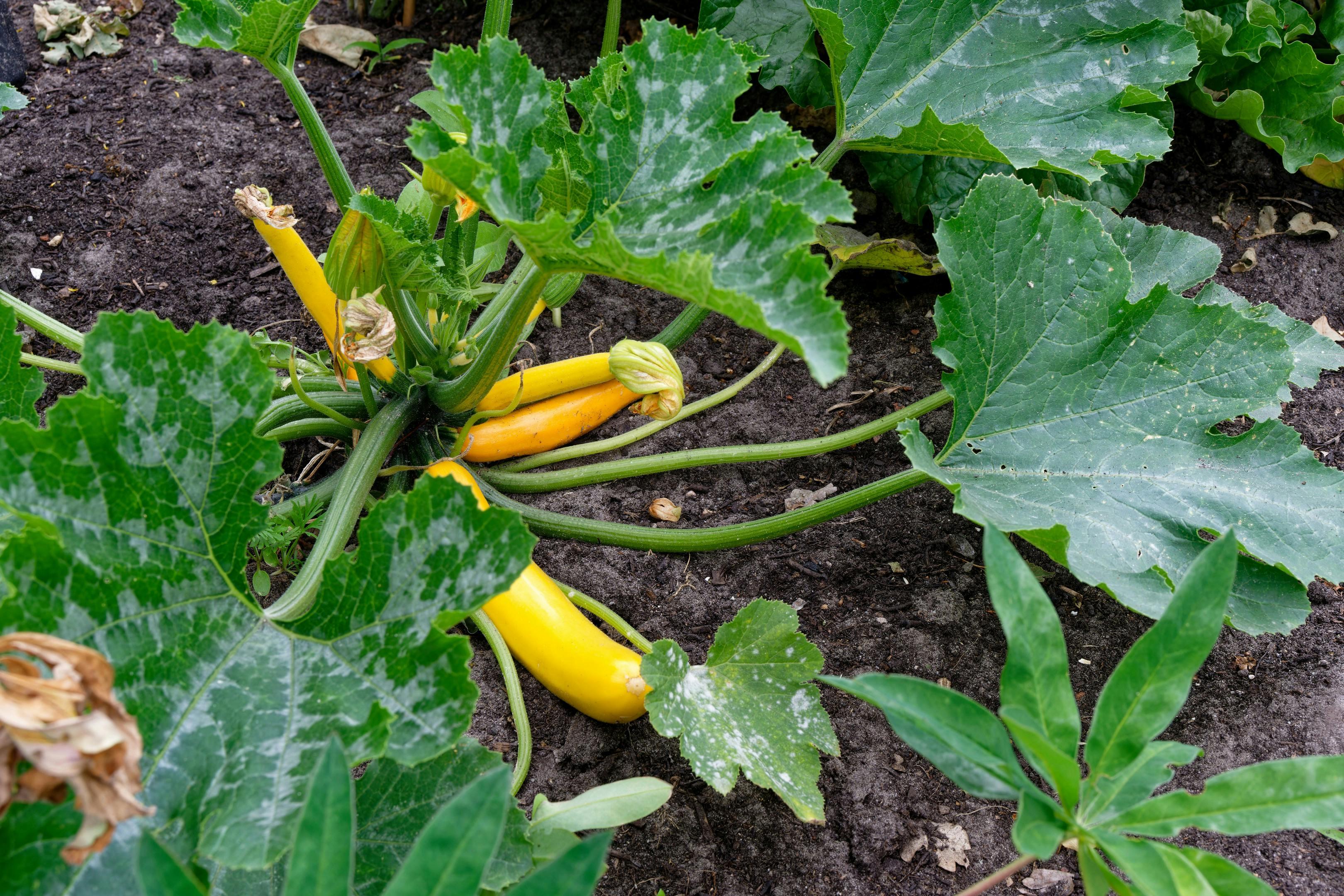
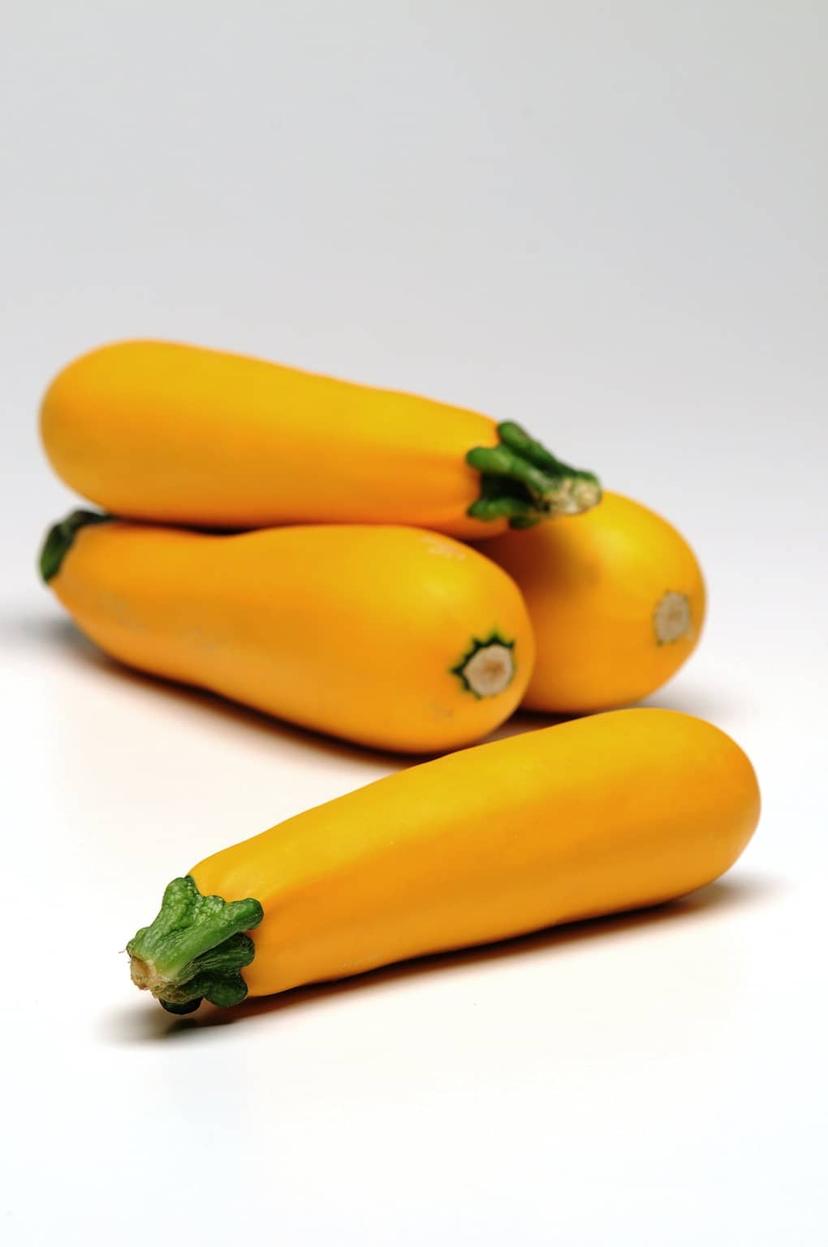
Zucchini is a summer squash producing vibrant green or golden fruits that grow rapidly. Originally bred in Milan in the late 1800s, zucchini descended from squashes domesticated 7,000+ years ago. One plant yields 30-40 fruits throughout the season.
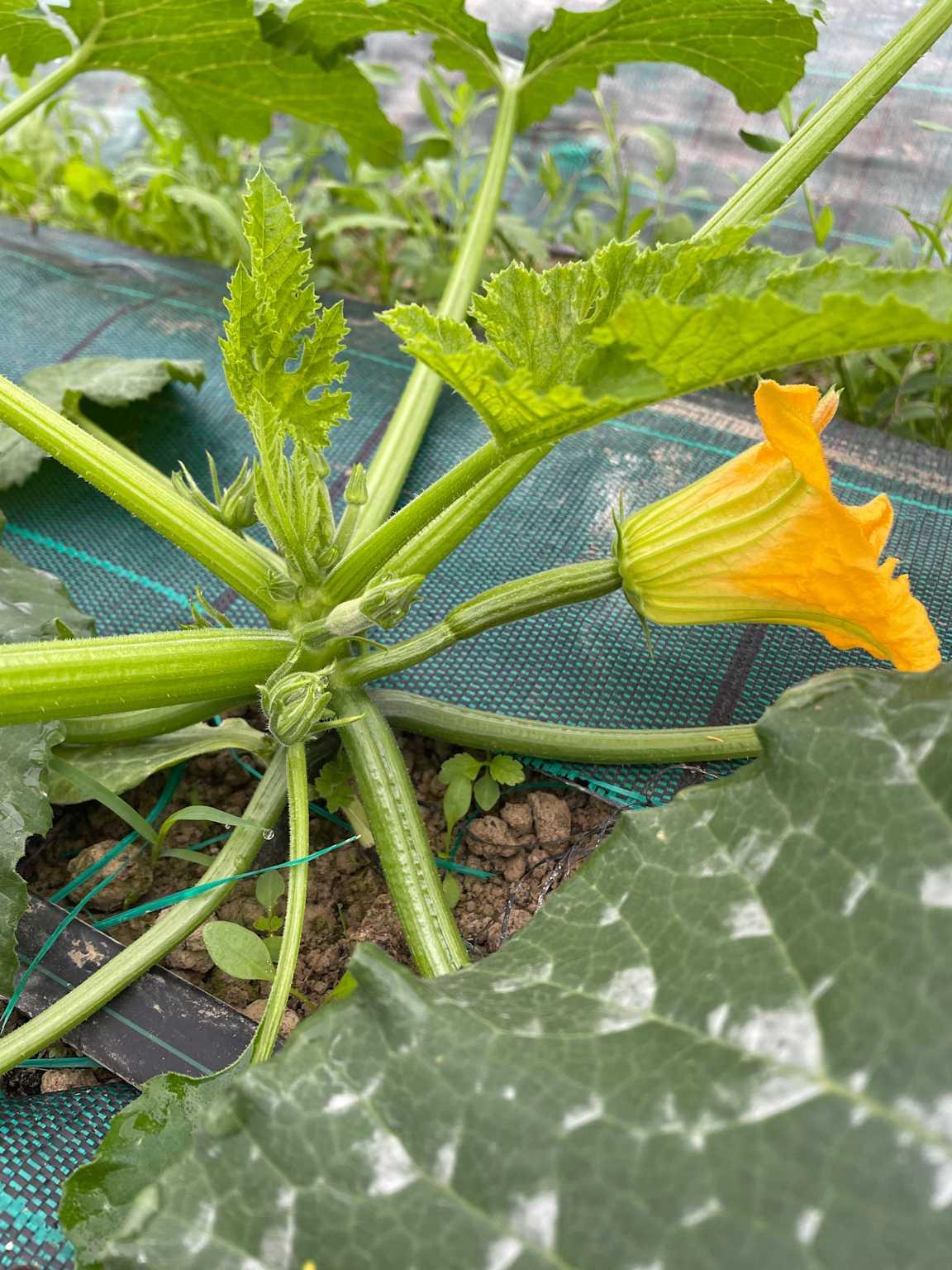
Native to warm climates, zucchini thrives in full sun and rich soil. The plant produces bright yellow flowers that attract pollinators. Fruit reaches ideal tenderness when harvested at 6-8 inches long.
As a garden staple, zucchini rewards beginners and experienced gardeners alike. Plants flower 45-55 days after planting. Regular harvesting every 2-3 days signals continuous production through summer.

Watering Schedule
Zucchini demands consistent moisture. Aim for 1 inch water per week through deep watering.
Common Problems & Solutions
Here's how to identify and fix the most common ZUCCHINI problems.
Popular Varieties
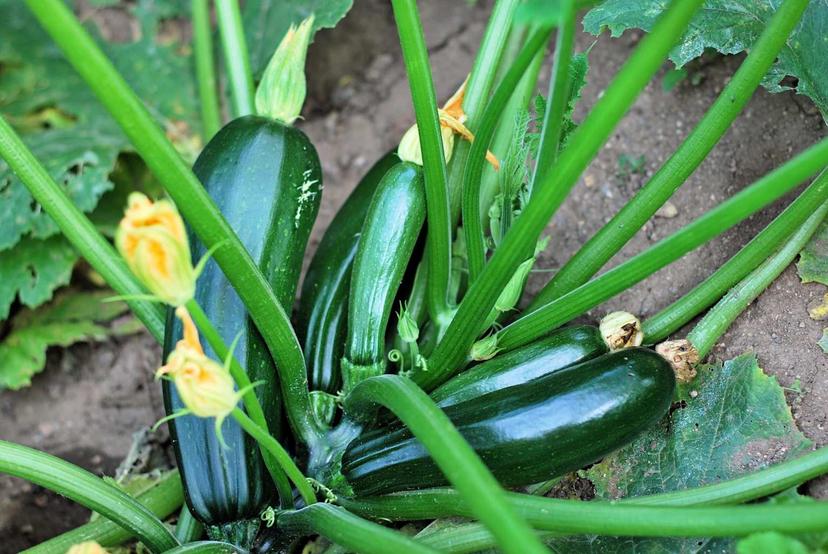
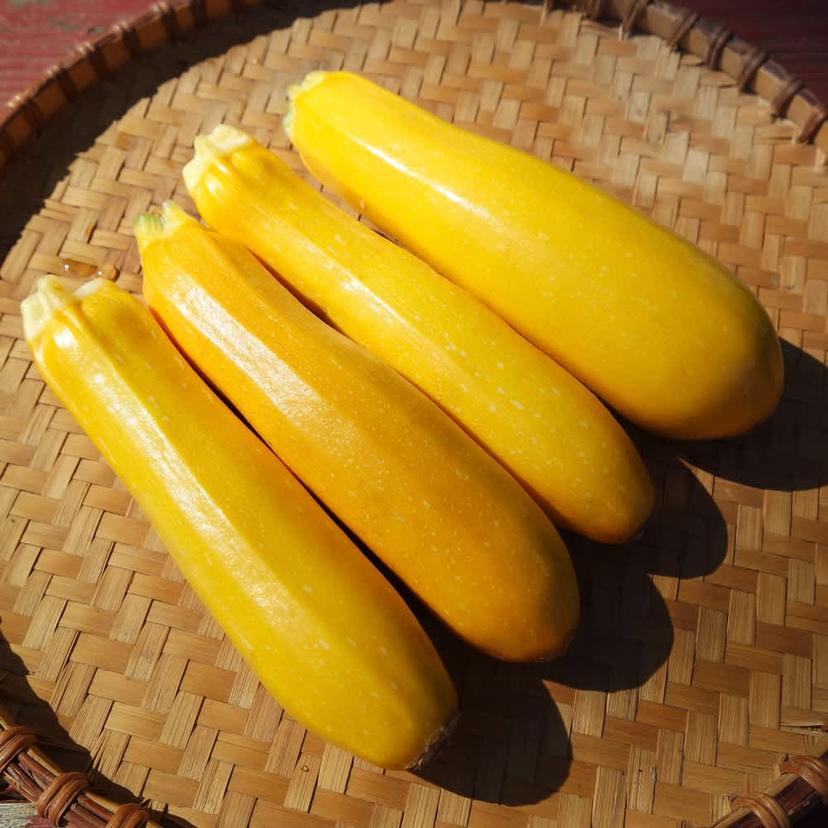
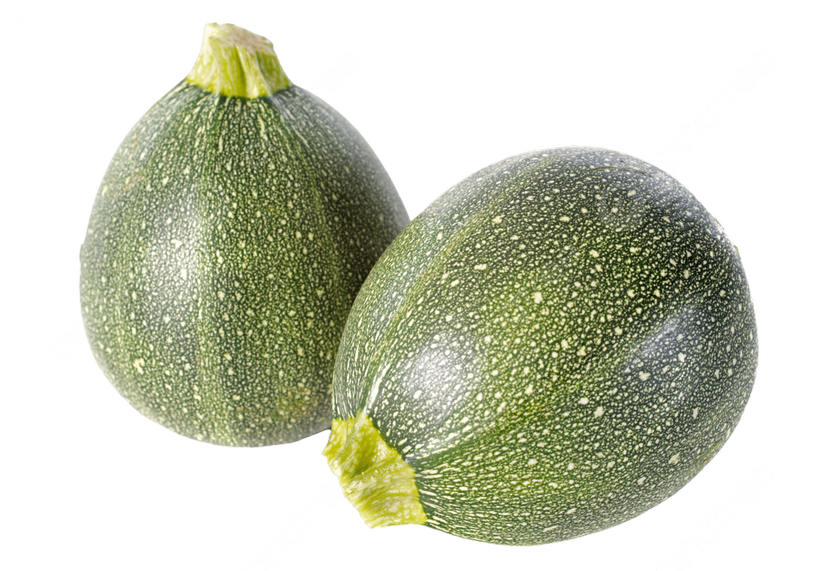
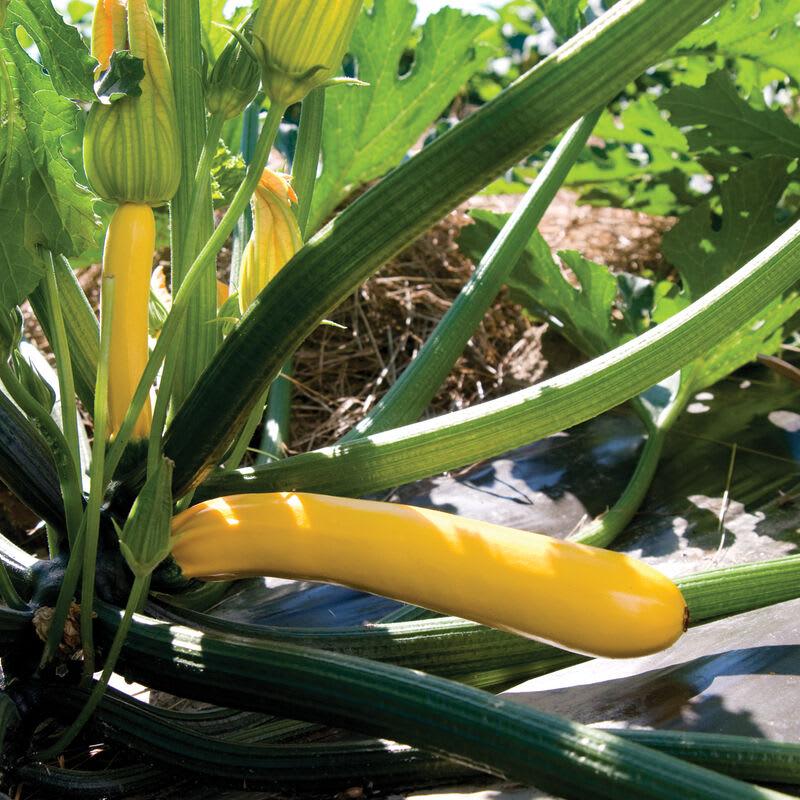
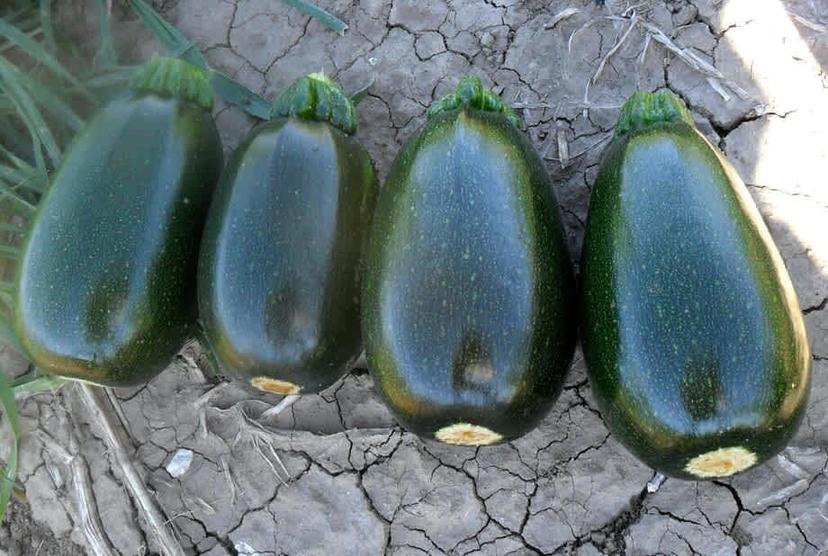
Explore different ZUCCHINI varieties and find your perfect match.
Care Tips & Best Practices
Air Circulation
Space plants 3 feet apart and prune lower leaves below first fruit.
Feeding
Apply 10-10-10 NPK at planting, when flowering starts, and every 4-6 weeks.
Pruning
Remove leaves below first fruit and diseased foliage. Keep 12+ leaves for photosynthesis.
Support
Train vines on trellises to save space. Use soft ties to secure stems.
Harvesting
Harvest every 2-3 days at 6-8 inches to signal continuous production.
Companions
Plant beans nearby for nitrogen. Add borage or dill to attract pollinators.
Care Checklist
10 Common Mistakes to Avoid
Planting too close
Why it's bad: Crowding reduces air circulation and increases disease.
Do this instead: Space plants 3 feet apart minimum.
Overhead watering
Why it's bad: Water on leaves causes powdery mildew and fungal disease.
Do this instead: Water at soil level with drip irrigation.
Not harvesting regularly
Why it's bad: Large fruit signals plant reproduction is complete, reducing production.
Do this instead: Harvest every 2-3 days at 6-8 inches.
Poor soil preparation
Why it's bad: Zucchini is a heavy feeder; poor soil produces stunted plants.
Do this instead: Amend with 2-3 inches compost and apply fertilizer regularly.
Ignoring powdery mildew
Why it's bad: Disease spreads rapidly and kills leaves.
Do this instead: Begin preventive spraying before mildew appears.
Planting in shade
Why it's bad: Shade produces fewer flowers and smaller fruits.
Do this instead: Choose sunniest location (8-10 hours ideal).
Inconsistent watering
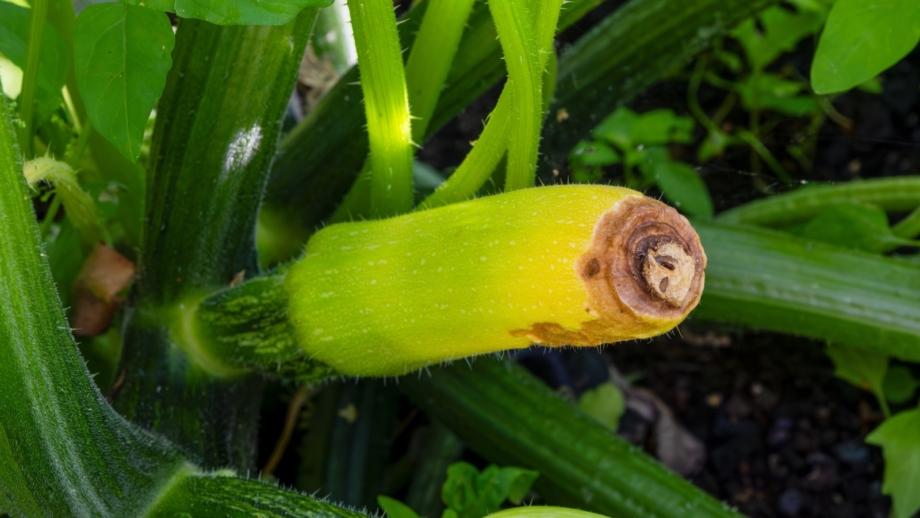
Why it's bad: Fluctuating moisture causes blossom end rot.
Do this instead: Water consistently with mulch to stabilize soil.
Excess nitrogen fertilizer
Why it's bad: Too much nitrogen promotes leaves over flowers.
Do this instead: Use balanced 10-10-10 NPK ratio.
Overgrown plants without pruning
Why it's bad: Dense foliage traps moisture and prevents air circulation.
Do this instead: Prune lower leaves and remove diseased foliage regularly.
Planting all at once
Why it's bad: All mature together, creating waste.
Do this instead: Succession plant every 2-3 weeks.
Frequently Asked Questions
When to harvest zucchini?
Harvest at 6-8 inches long with firm, glossy skin. Check every 2-3 days as zucchini grows rapidly.
Why no fruit?
Poor pollination, temperature extremes, or inconsistent watering. Hand-pollinate flowers and maintain even moisture.
How often to water?
Water deeply 3-4 times weekly for 1 inch total per week. Soak soil 6-8 inches deep.
Can it grow vertically?
Yes, zucchini grows well on trellises and containers. Vertical growing improves air circulation.
Is it pet safe?
Yes, completely non-toxic to dogs and cats. All parts are safe to eat.
Why bitter zucchini?
Bitter taste from plant stress or cross-pollination with ornamental squash. Grow in consistent conditions.
White powder on leaves?
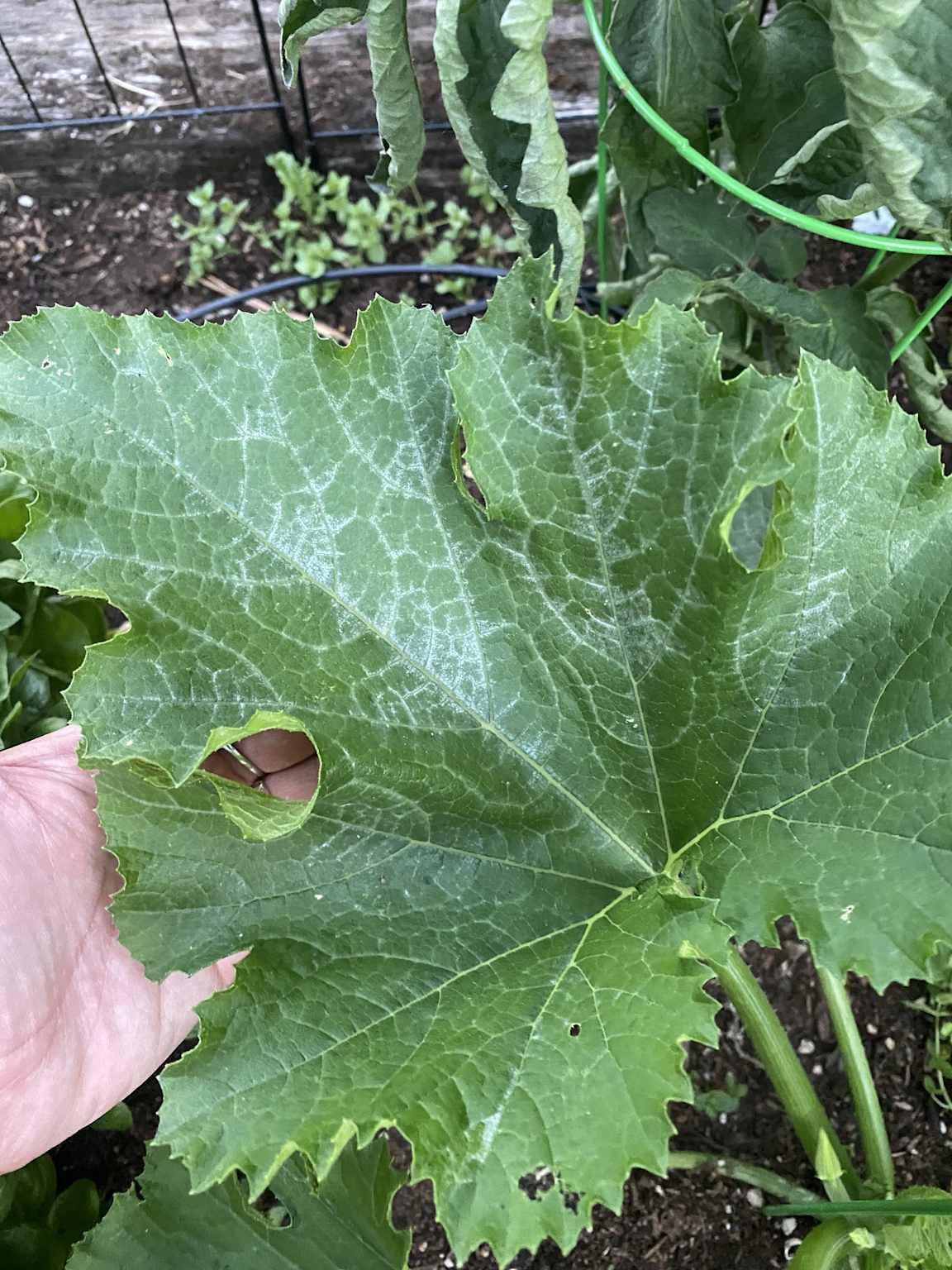
Powdery mildew from poor air circulation. Improve spacing and spray baking soda weekly.
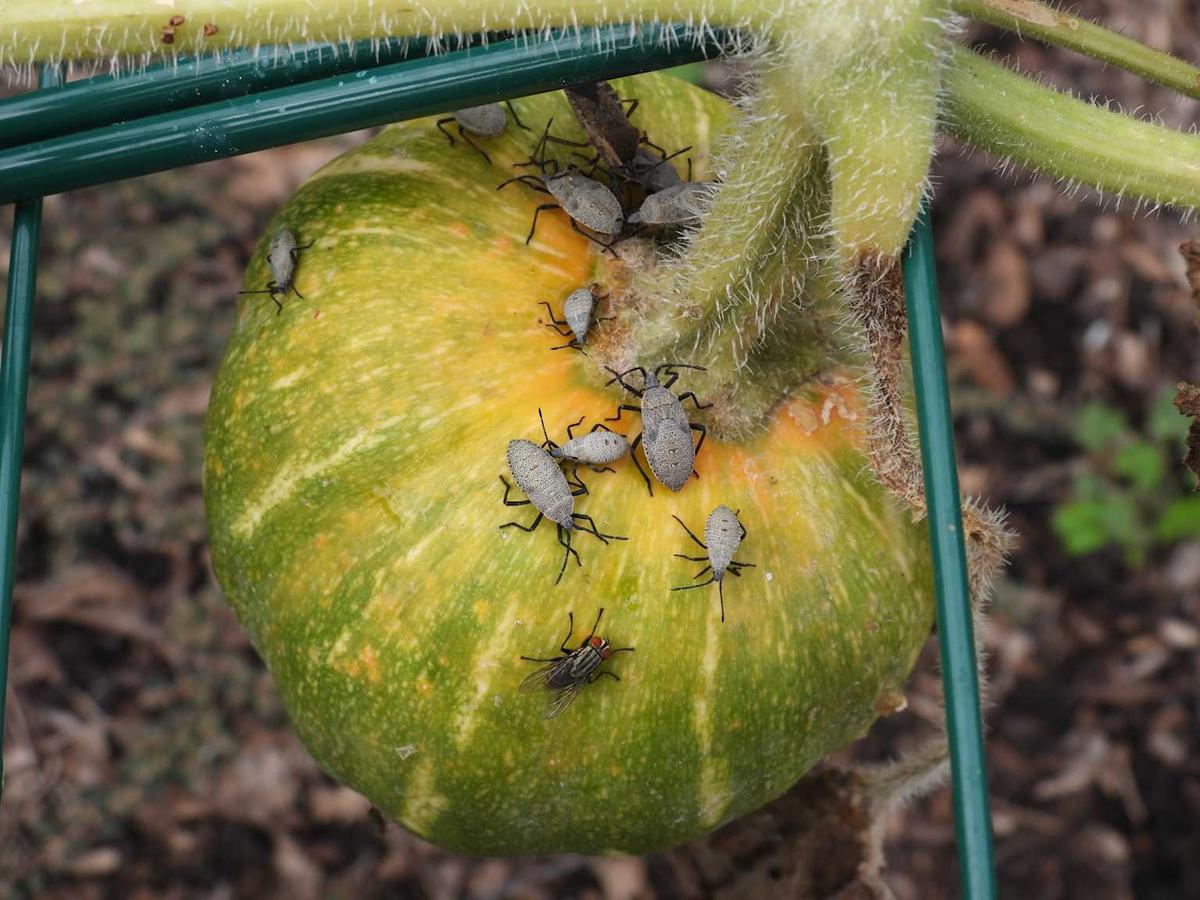
How to prevent squash bugs?
Scout and hand-pick bugs daily. Spray neem oil every 7-10 days. Rotate planting location yearly.
Zucchini vs summer squash?
Zucchini is a type of summer squash. Yellow squashes are different varieties.
Time from seed to harvest?
50-65 days from direct seeding. First flowers in 45-55 days.
References & Sources
Information in this guide is based on these trusted sources.