Plantlyze
HomeHow It WorksIntegrationsPricingContact
Get Started
All Plants
Easy Grow Vegetable

turnip

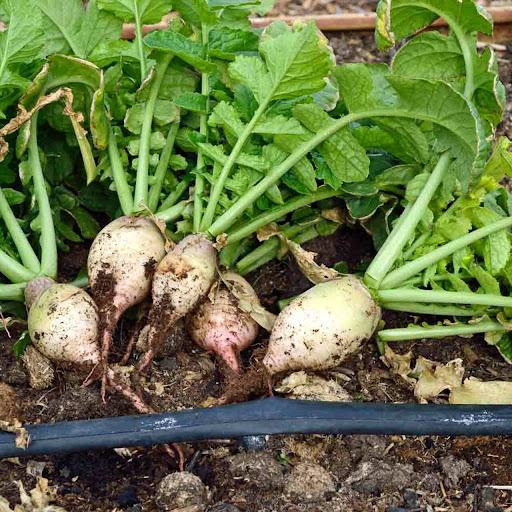
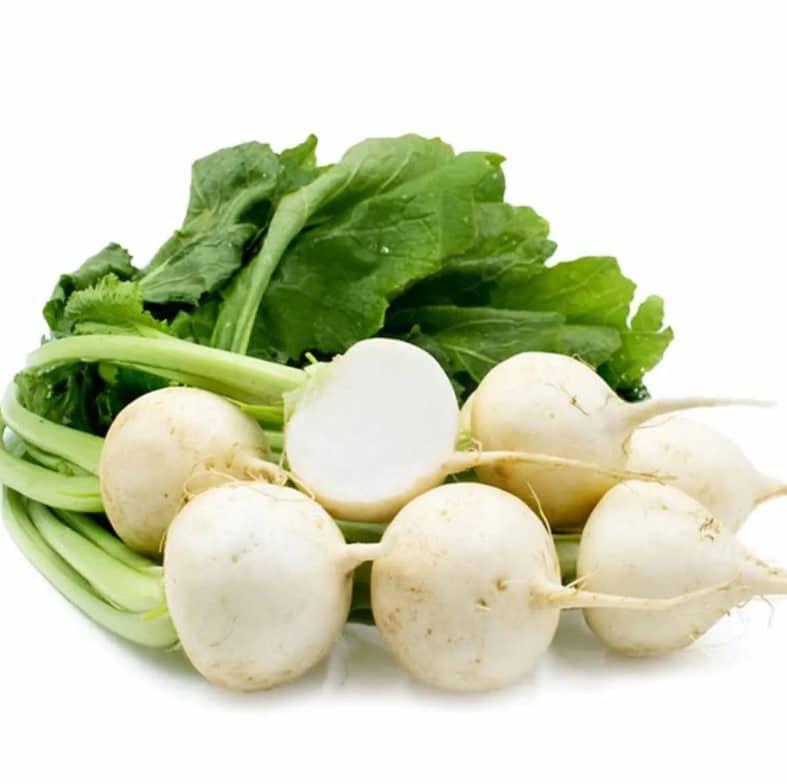
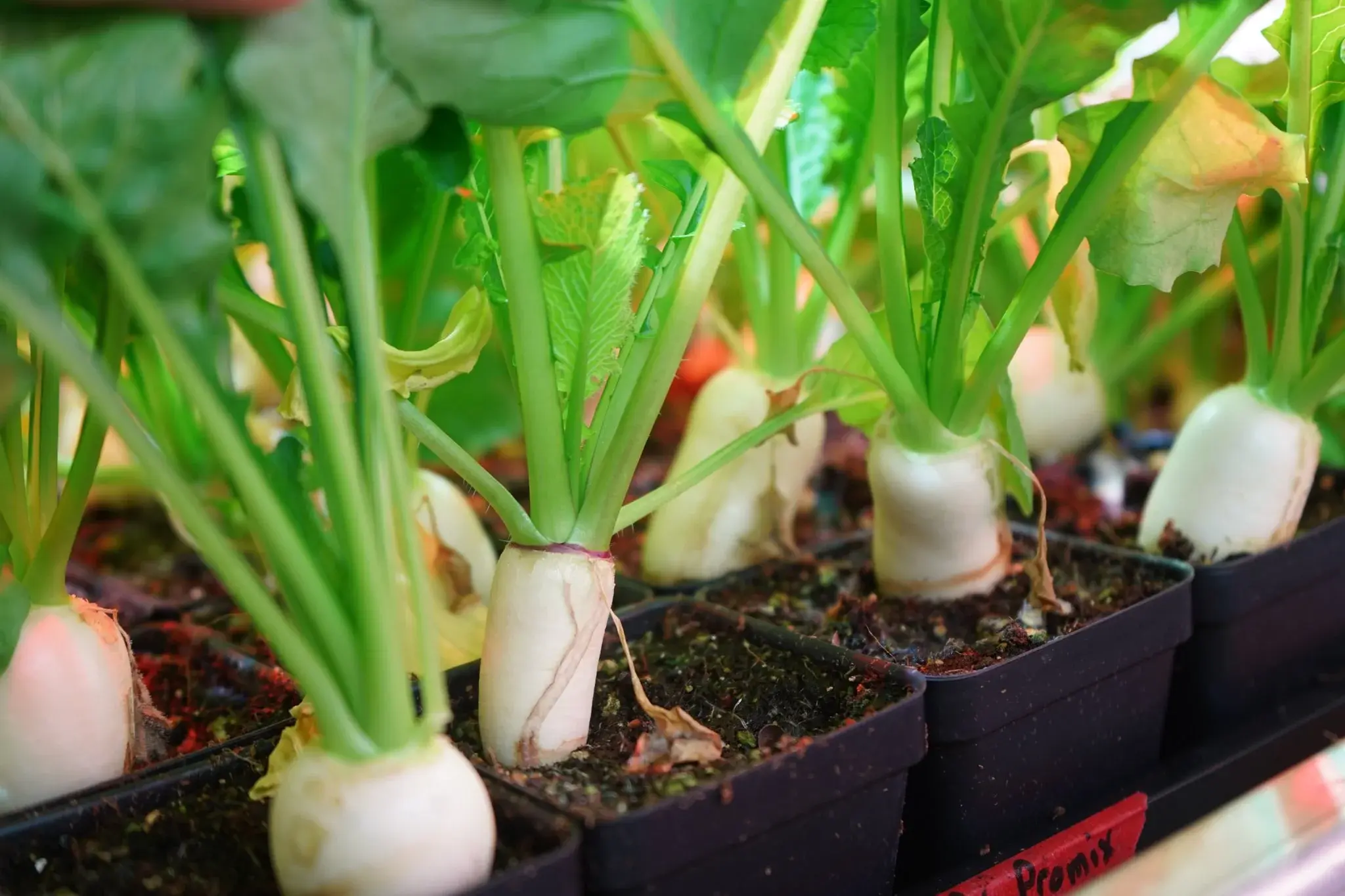
Crisp white roots and peppery greens pack flavor punches from pots. Quick harvests make turnips a windowsill winner for fresh eating.
4 min read
turnip - Brassica rapa
Light
Full Sun, Partial Shade
Water
Every 2-4 Days, Keep Moist
Temperature
50-65°F
Humidity
40-60%
Difficulty
Easy
Pet Safe
Safe

Video Tutorials

Watch these helpful videos to learn more about turnip care.

How to Grow Lots of Turnips from Seed to Harvest

About turnip

Turnips deliver tender roots and zesty greens fast for salads or stir-fries. Gardeners pick them young for mild crunch and double harvests.

Originating in Asia thousands of years ago, they love cool, sunny spots with rich soil. Brassica family ties link them to cabbage kin.

Indoors, pull roots in 35-60 days from deep pots. Steady moisture and sun yield ongoing picks for months.
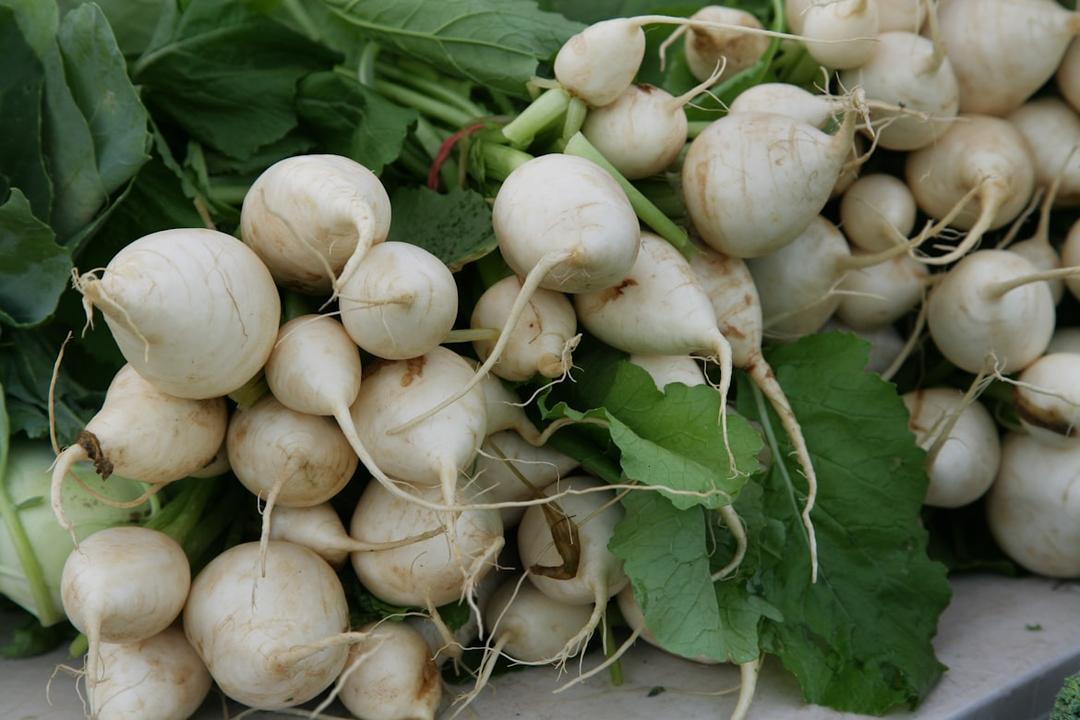
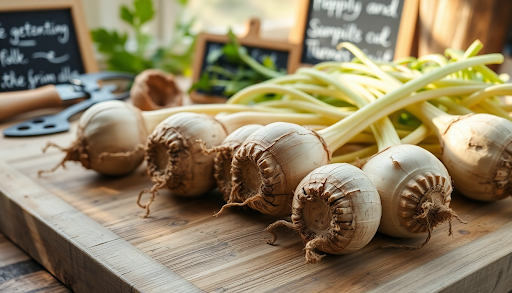
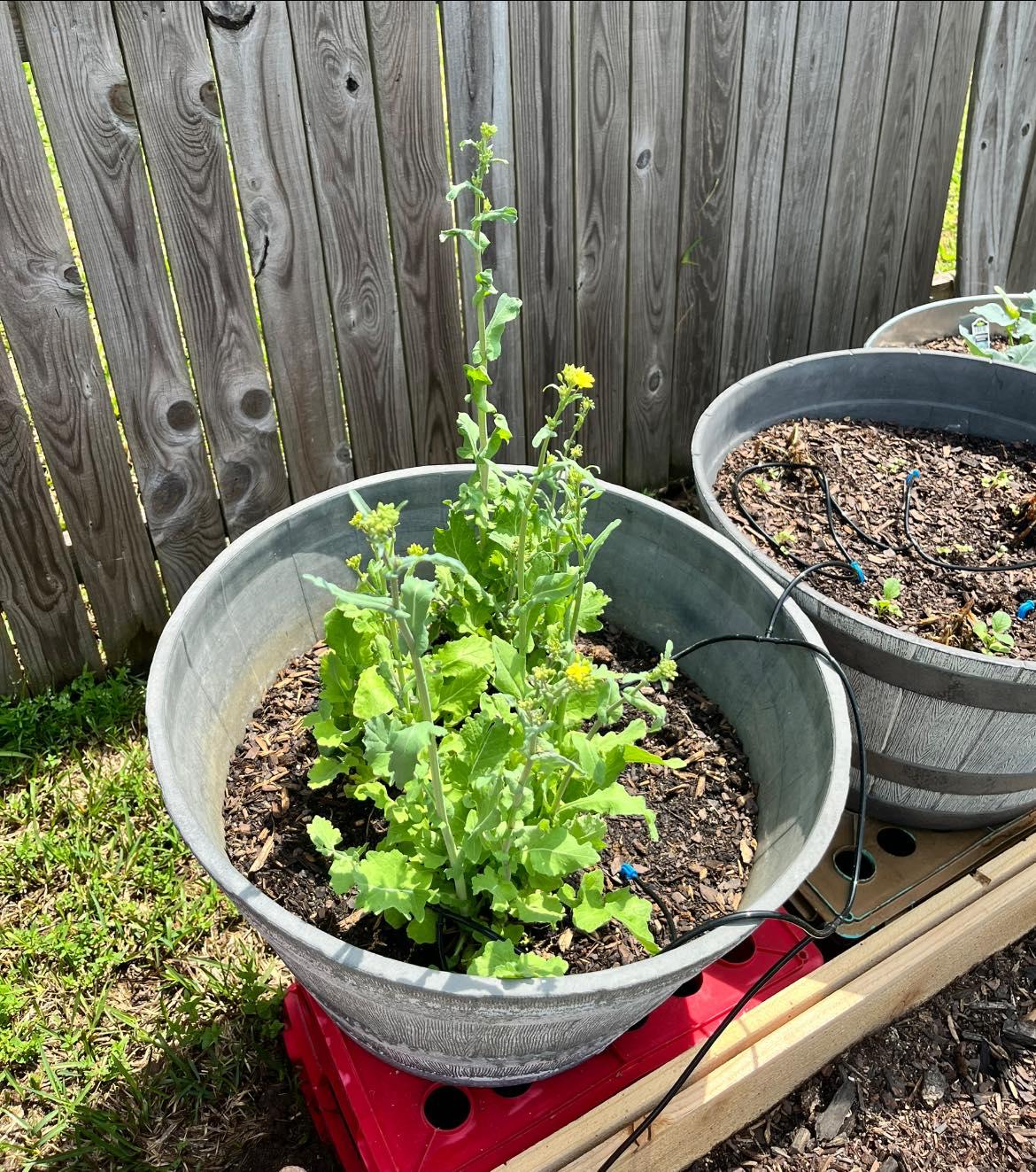
turnip close-up

Watering Schedule

Turnips demand even moisture for juicy roots. Water when top inch dries, roughly every 2-4 days.

Deep soak until drainage appears.
Use room-temp water always.
Mulch pots to retain even dampness.
Base water to dodge leaf fungi.
Ramp up in dry indoor air.
Ease off before harvest week.
Avoid Dry Spells
Uneven water splits roots or spurs woody growth.

Common Problems & Solutions

Here's how to identify and fix the most common turnip problems.
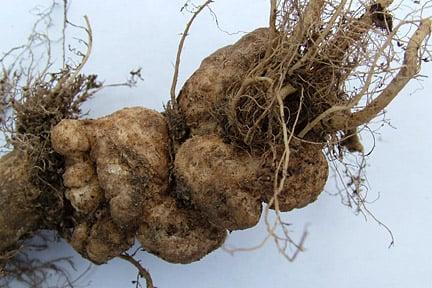
Clubroot

Clubroot

Cause: Fungus thrives in acidic wet soils.

Solution: Lime soil to pH 7; rotate crops 4 years.

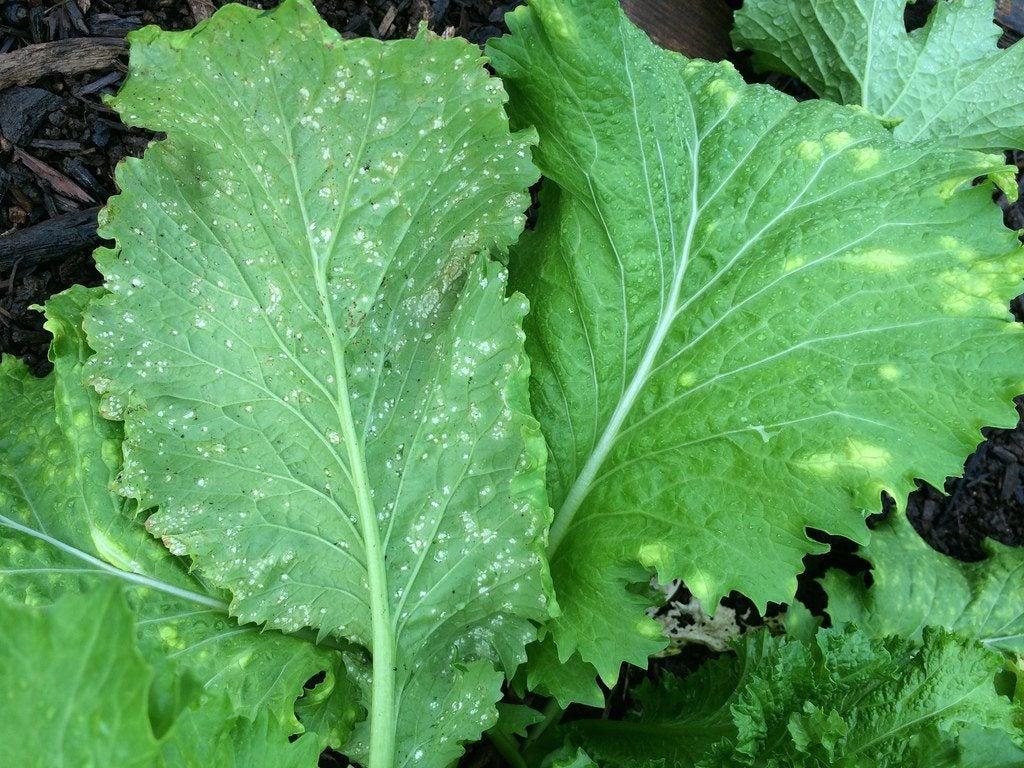
White Rust

White Rust

Cause: Oomycete spores in cool damp spots.

Solution: Improve air flow; remove infected leaves.

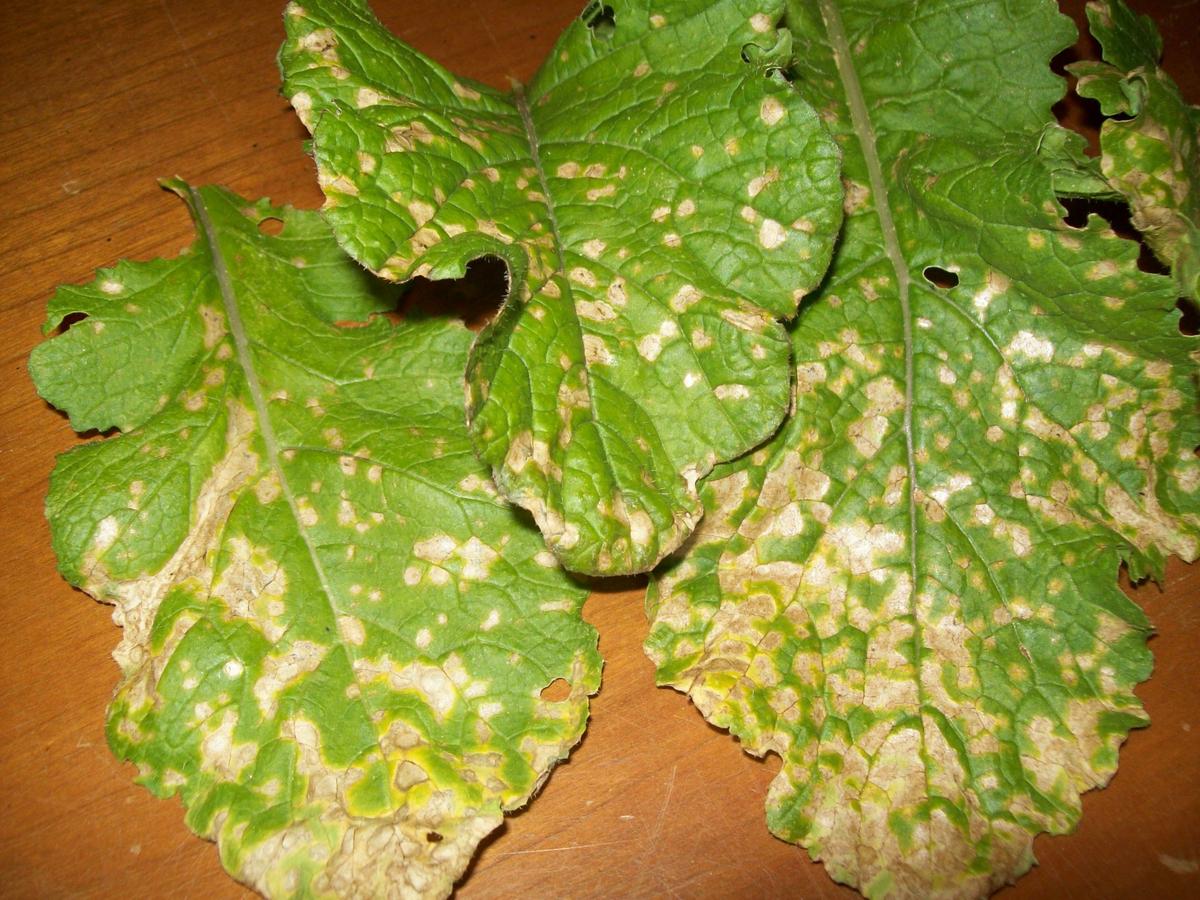
Leaf Spots

Leaf Spots

Cause: Fungi or bacteria from overhead water.

Solution: Base water only; space for breeze.

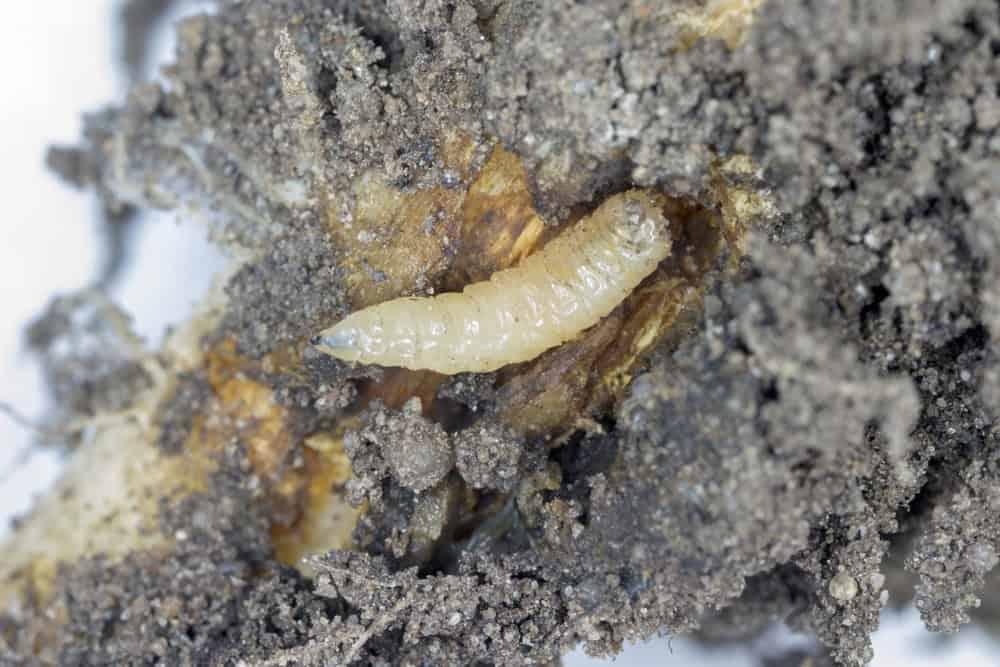
Root Maggots

Root Maggots

Cause: Cabbage fly eggs in soil surface.

Solution: Row covers; beneficial nematodes.

Small Woody Roots

Small Woody Roots

Cause: Drought or overcrowding stress.

Solution: Even water; thin to 4 inches.

Bolting

Bolting

Cause: Heat over 75°F or dry soil.

Solution: Cool shade; consistent moisture.

Popular Varieties

Explore different turnip varieties and find your perfect match.
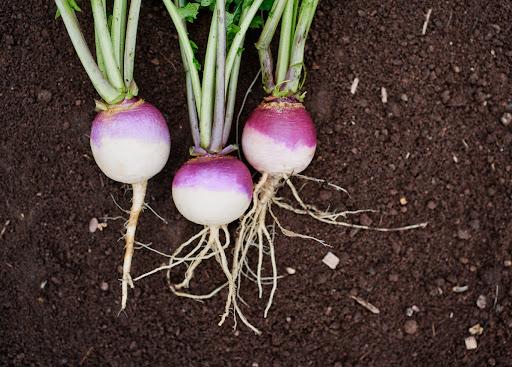
Purple Top White Globe
Heavy yielder always.

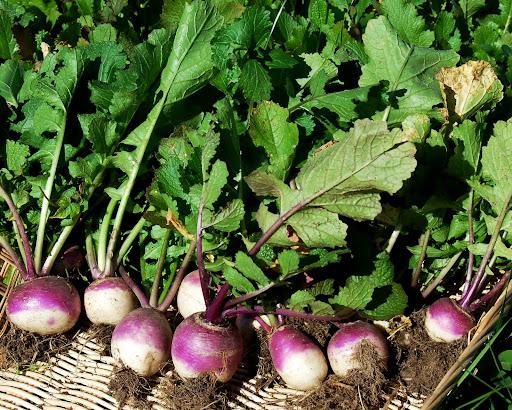
Purple Top White Globe

"Classic American"

Purple shoulders top white crisp roots. Sweet mild for roasting or raw slices.

Difficulty: EasyPrice: $4-5
Tokyo Cross
Crisp never woody.

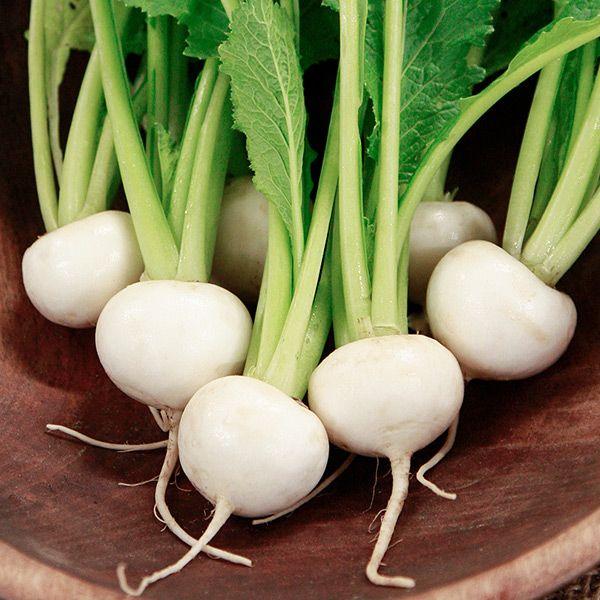
Tokyo Cross

"Hybrid Globe"

Smooth white globes stay tender large. Fast crop for baby or full size.

Difficulty: EasyPrice: $4-6
Atlantic
Container superstar.

Atlantic

"Early Purple Top"

Quick purple-crowned minis for pots. Baby veg harvest in weeks.

Difficulty: EasyPrice: $4-5
Golden Ball
Colorful kitchen gem.

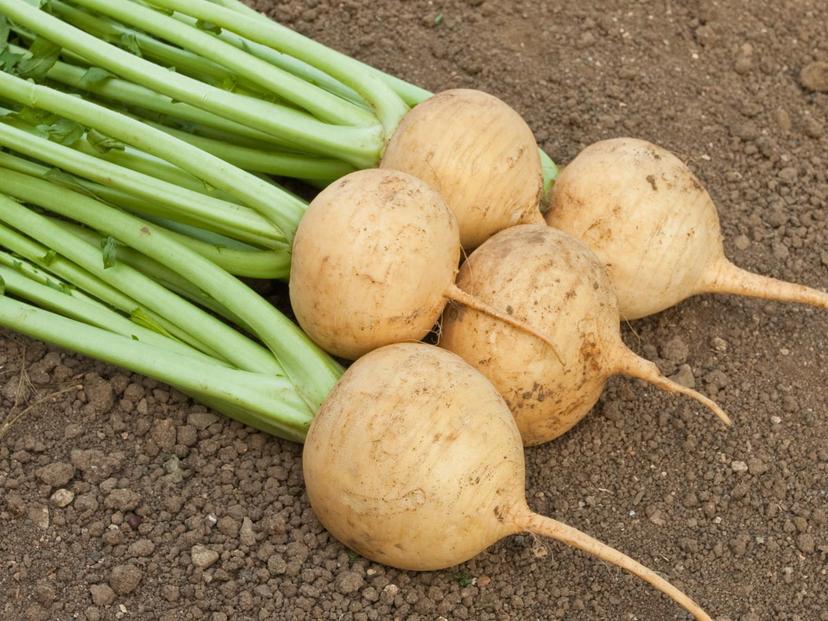
Golden Ball

"Yellow Globe"

Sunny yellow roots mild sweet. Nutty flavor boosts soups.

Difficulty: ModeratePrice: $5-6
Seven Top
Leaf harvest king.

Seven Top

"Greens Star"

Lush leaves for cooking; small roots bonus. Southern staple greens.

Difficulty: EasyPrice: $4-5
Shogoin
Versatile pickler.

Shogoin

"Tokyo Market"

Flat white roots pickle perfect. Tender young or mature.

Difficulty: EasyPrice: $4-5

Care Tips & Best Practices

Humidity

Pebble trays boost to 50% for greens.

Feeding

Low-nitrogen 5-10-10 every 3 weeks.

Cleaning

Damp wipe leaves biweekly for pests.

Support

Rarely needed; stake tall greens only.

Pruning

Snip outer leaves to favor roots.

Rotation

Turn pots biweekly for round growth.

Care Checklist

0 / 10 completed

10 Common Mistakes to Avoid

1

Overcrowding seedlings

Why it's bad: Tiny stringy roots result.

Do this instead: Thin to 3 inches apart.

2

Inconsistent watering

Why it's bad: Cracks or pithy bulbs form.

Do this instead: Keep soil evenly moist.

3

Too much nitrogen

Why it's bad: Lush tops starve roots.

Do this instead: Low-N balanced feed.

4

Heavy clay soil

Why it's bad: Stunted deformed roots.

Do this instead: Loosen with compost.

5

Hot sun scorch

Why it's bad: Bolts or yellows leaves.

Do this instead: Partial shade peaks.

6

Late harvesting

Why it's bad: Woody tough texture.

Do this instead: Pull at 2 inches.

7

No crop rotation

Why it's bad: Clubroot builds up.

Do this instead: Skip brassicas 4 years.

8

Overhead watering

Why it's bad: Spots and rust spread.

Do this instead: Base pour only.

9

Acidic soil

Why it's bad: Clubroot attacks roots.

Do this instead: Lime to neutral pH.

10

Ignoring thinnings

Why it's bad: Miss free greens crop.

Do this instead: Salad chop thinnings.

Frequently Asked Questions

Grow turnips indoors successfully?

Yes in deep pots with sun. Ready in 40-60 days. Even water key for bulbs.

Why small stringy roots?

Crowd or dry soil culprit. Thin early and moisten steady. Full sun helps.

Water turnips how often?

Every 2-4 days top dry. Mulch holds moisture for tender roots.

Harvest size ideal?

Golf ball young sweet; tennis max before woody. Pull alternates.

Turnip greens edible?

Peppery raw young; cook mature like kale. Cut outer for regrowth.

Prevent root maggots?

Row covers block flies. Rotate spots yearly too.

Best fertilizer choice?

5-10-10 low nitrogen post-sprout. Compost enriches soil base.

Fix clubroot issue?

Lime soil pH 7; avoid brassicas 4 years. Clean tools well.

Propagate beyond seeds?

Seeds easiest; cuttings flop. Sow succession for steady.

Pets safe near turnips?

Non-toxic fully. Greens safe moderation for dogs cats.

References & Sources

Information in this guide is based on these trusted sources.

1
How to grow Turnips | RHS Guide
Royal Horticultural Society
2
Brassica rapa Rapifera Group (Turnips)
NC State University Plant Toolbox
3
Growing turnips and rutabagas
University of Minnesota Extension
4
Brassica rapa (Rapifera Group)
Missouri Botanical Garden

Plant Details

Botanical Name
Brassica rapa subsp. rapa
Common Names
Turnip, White Turnip, Neep
Family
Brassicaceae
Native Region
Asia
Growth Habit
Biennial root vegetable
Max Height Indoors
12-18 inches
Growth Rate
Fast
Toxicity
Non-toxic to humans/pets
Ready to Transform Your Plant Care?
Start using Plantlyze today — and let AI help you grow healthier, happier plants.
Get Started
See How It Works
Plantlyze
AI-powered plant care solutions to identify, diagnose, and nurture your plants — all in one place.
© Copyright 2025 Plantlyze. All Rights Reserved.
PLANTLYZE