
turmeric
The vibrant golden spice plant with bold foliage and medicinal rhizomes. Easy to grow and rewarding to harvest.

Video Tutorials
Watch these helpful videos to learn more about turmeric care.
About turmeric
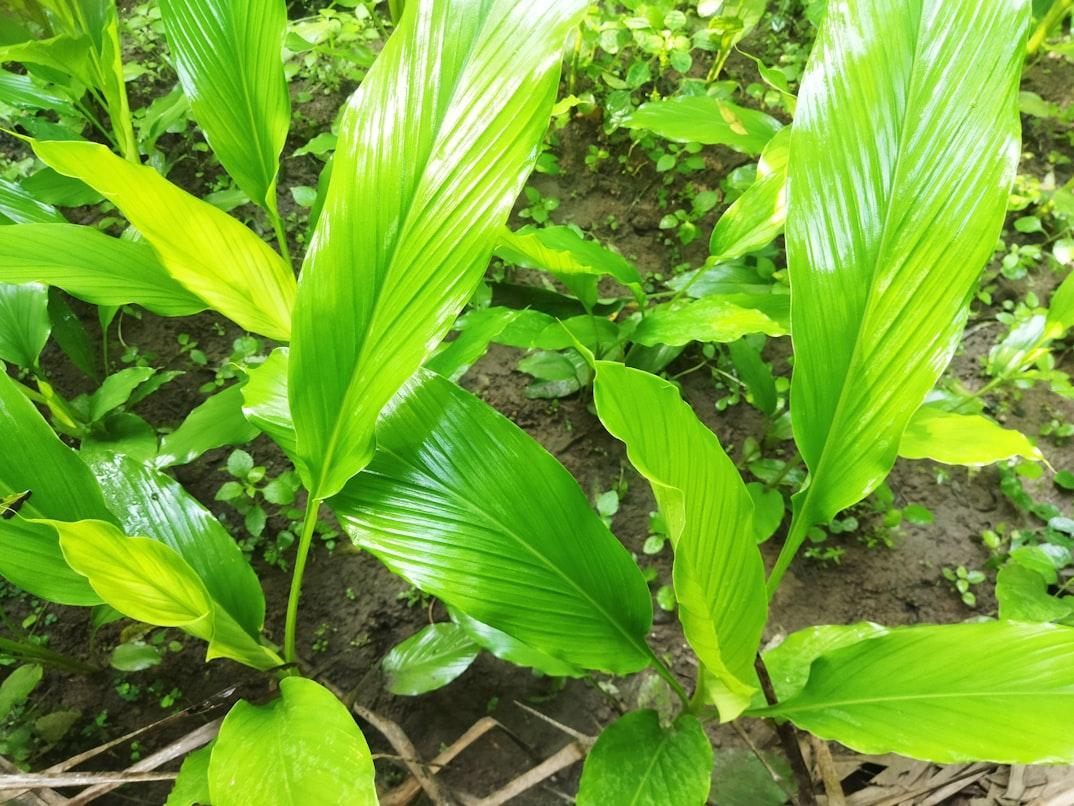
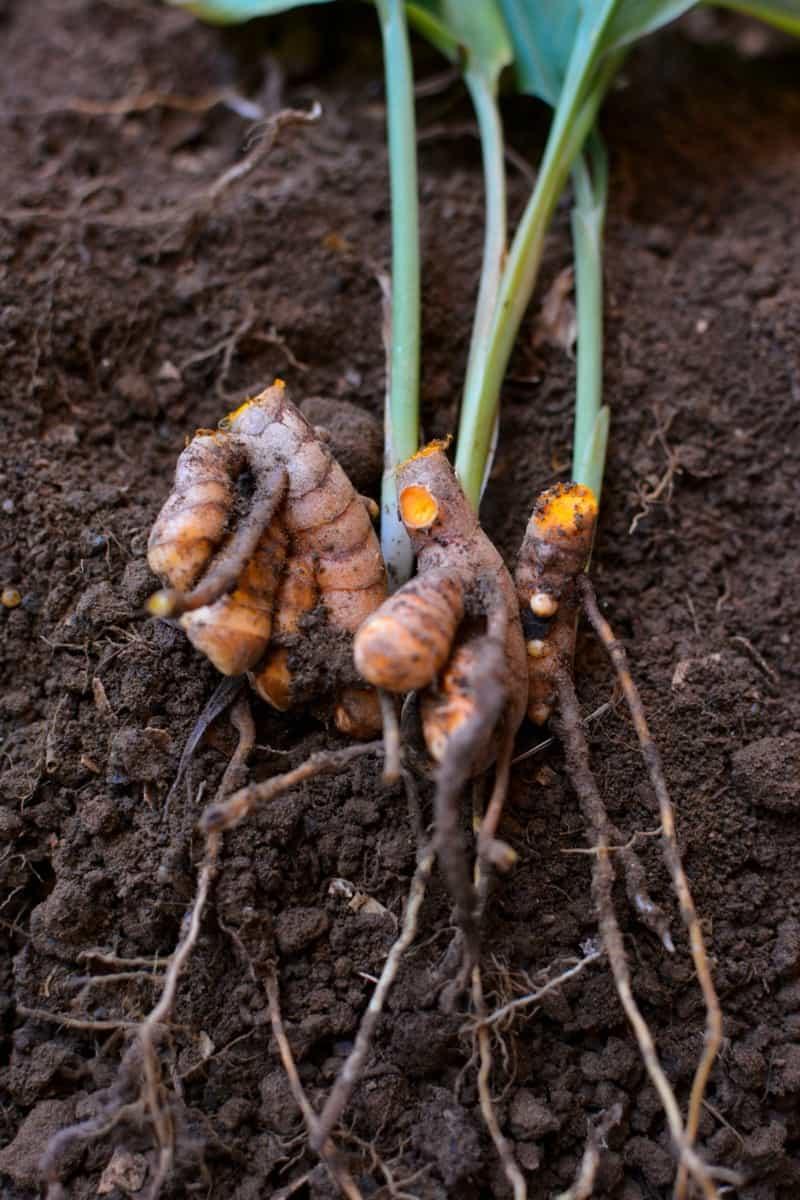
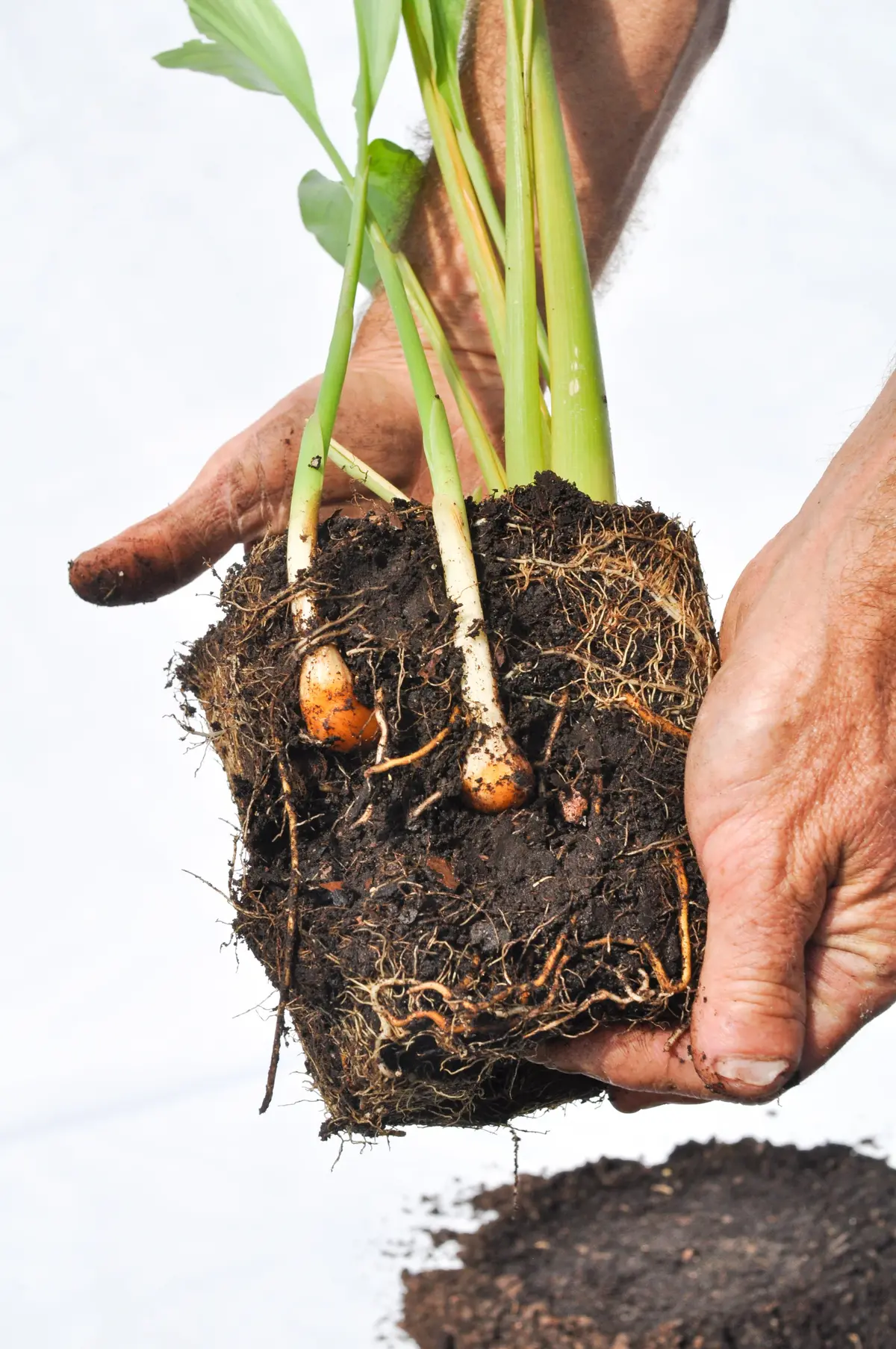
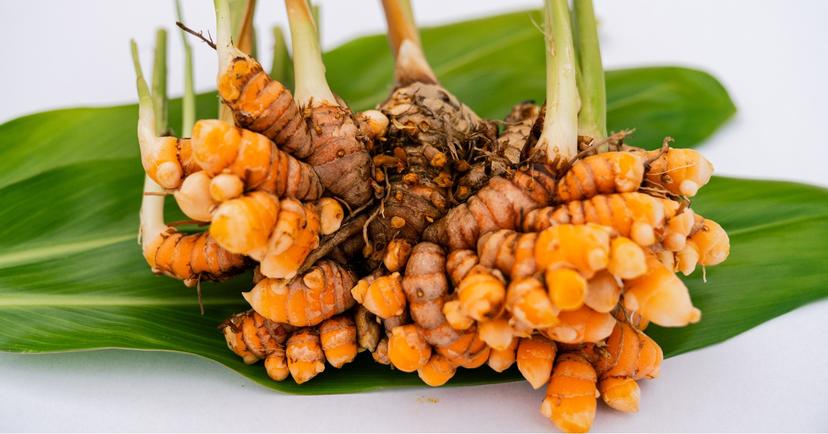
Turmeric is a tropical perennial prized for its stunning emerald foliage and golden underground rhizomes. Native to South Asia and Southeast Asia, this plant has been used for thousands of years in cooking and traditional medicine. Growing turmeric at home delivers that same magic - vibrant three-foot tall plants with long elegant leaves produce the golden-orange rhizomes you recognize as a spice.
In its native tropical habitat, turmeric thrives in warm, humid understory conditions beneath larger plants. It prefers consistently warm soil between 68-86°F and high rainfall for optimal growth. The plant's lush leaves provide excellent ground cover, while underground it quietly builds up the valuable rhizomes that develop over 8-10 months.
As a houseplant, turmeric delivers both visual interest and practical rewards. It grows steadily when given warmth, moisture, and bright light, eventually producing those prized golden-orange rhizomes ready for harvest. The plant naturally completes its cycle in 8-10 months, making it manageable for home gardeners willing to give it the warmth and humidity it craves.
Watering Schedule
Turmeric needs consistent moisture during the growing season but despises waterlogged soil. Water when the top inch of soil dries out, typically every 5-7 days depending on temperature and humidity.
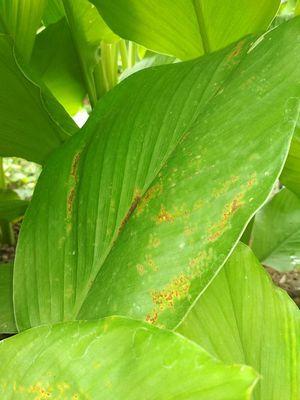
Common Problems & Solutions
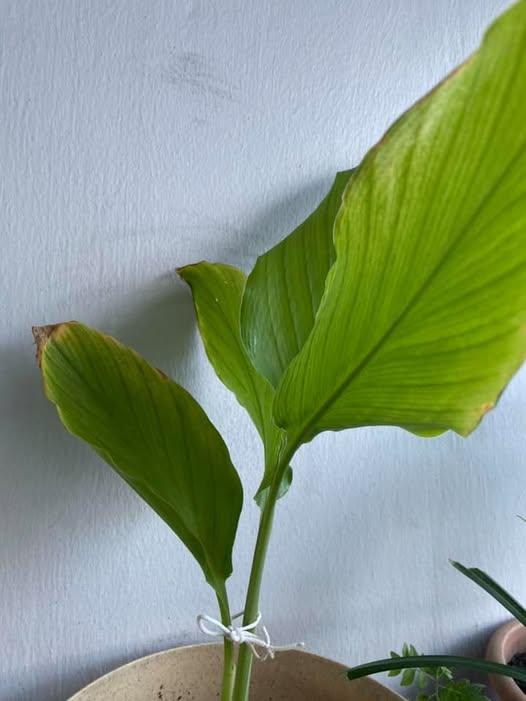
Here's how to identify and fix the most common turmeric problems.
Popular Varieties
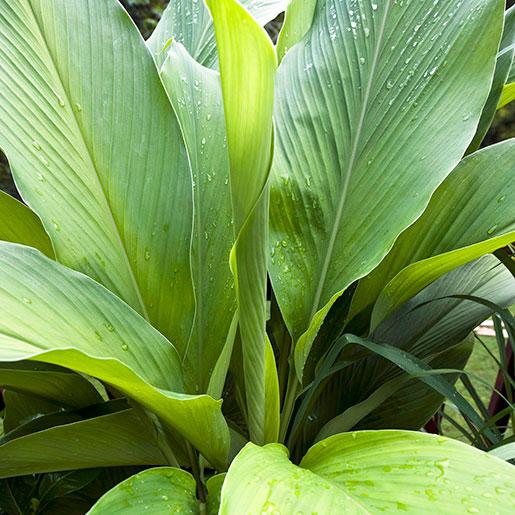
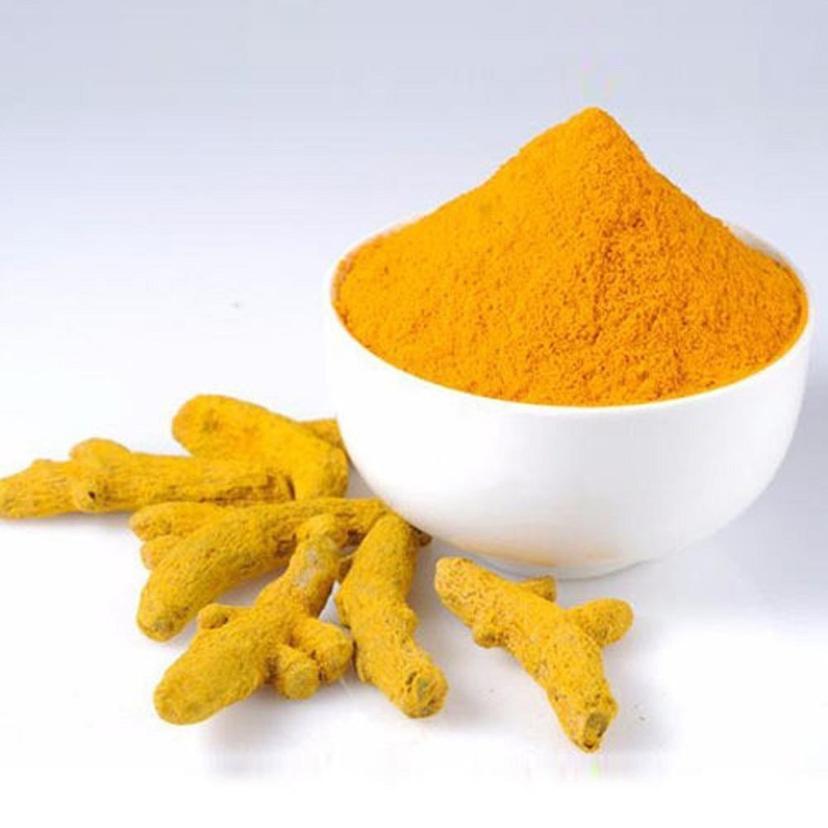
Explore different turmeric varieties and find your perfect match.


Care Tips & Best Practices
Humidity
Turmeric loves high humidity. Mist leaves 2-3 times weekly, group pots together, or use a pebble tray with water beneath the pot.
Feeding
Feed monthly during the growing season (spring through early fall) with balanced organic fertilizer or monthly doses of seaweed extract mixed with fish emulsion.
Cleaning
Wipe large leaves gently with a damp cloth monthly to remove dust and keep pores clean for better photosynthesis.
Support
Tall varieties reaching 3 feet may need loose staking with soft ties as stems get top-heavy with large leaves.
Pruning
Remove any yellowed or diseased leaves immediately. Let leaves stay on the plant until harvest time to guide you to the rhizomes.
Rotation
If growing multiple turmeric plants yearly, rotate to fresh soil or new containers every 2 seasons to prevent disease and pest buildup.
Care Checklist
10 Common Mistakes to Avoid
Watering too frequently or keeping soil constantly wet
Why it's bad: Waterlogged soil causes rhizome rot, the most common killer of turmeric plants.
Do this instead: Let top inch of soil dry out between waterings. Check soil depth before watering.
Planting in cold soil or low-temperature conditions below 68°F
Why it's bad: Rhizomes won't sprout and will slowly rot in cold, moist soil.
Do this instead: Keep soil between 75-85°F using a heating mat. Plant in late winter/early spring indoors.
Giving up too early - thinking the plant died during dormancy
Why it's bad: Turmeric takes 2-4 weeks to sprout. Impatient overwatering causes rot.
Do this instead: Be patient. Water lightly, keep soil warm, wait 4+ weeks for sprouts.
Using regular potting soil without drainage or organic matter
Why it's bad: Dense soil holds too much water and causes rhizome rot and poor growth.
Do this instead: Use light, draining mix: equal potting soil and compost with 1/4 coconut coir.
Placing in low light areas and expecting vigorous growth
Why it's bad: Turmeric needs 4-6 hours of bright light daily for photosynthesis and strength.
Do this instead: Place in bright indirect light near a window or use a 12-hour grow light.
Never feeding the plant during the entire growing season
Why it's bad: Turmeric depletes soil nutrients quickly and stops growing without feeding.
Do this instead: Feed monthly during growing season with balanced organic fertilizer.
Ignoring humidity needs - treating it like a desert plant
Why it's bad: Turmeric needs 60%+ humidity. Low humidity causes stunted growth and pest issues.
Do this instead: Mist daily, group pots together, or use pebble trays with water.
Harvesting too early or checking for rhizomes before 8 months
Why it's bad: Immature rhizomes are small, watery, and won't store or process well.
Do this instead: Wait until leaves fully brown and dry (8-10 months) to harvest.
Repotting into oversized containers that stay too wet
Why it's bad: Large pots hold excess moisture around the delicate rhizomes causing rot.
Do this instead: Move up just one pot size at a time. 12-inch minimum, 3-gallon max.
Trying to save and replant rhizomes affected by rot
Why it's bad: Rotted rhizomes carry fungal pathogens that spread to new soil and plants.
Do this instead: Discard any rotted pieces. Plant only firm, healthy rhizomes.
Frequently Asked Questions
How long does turmeric take to grow from planting to harvest?
Turmeric takes 8-10 months from planting to harvest. Rhizomes begin sprouting after 2-4 weeks, leaves grow for 3-5 months, then rhizomes develop underground for the final 3-4 months.
Can I grow turmeric indoors in cold climates?
Yes. Grow turmeric indoors in pots in zones 7 and lower. Keep soil 75-85°F with a heating mat, provide 4-6 hours of bright light daily, and maintain 60%+ humidity with regular misting.
What size container do I need for turmeric?
Use a pot at least 12 inches wide and 12 inches deep. For best yields, use a 3-5 gallon container. Ensure drainage holes and use a saucer to catch excess water.
How often should I water turmeric?
Water every 5-7 days when the top inch of soil dries out. During hot months, check every 3-4 days. Keep soil mildly damp, never soggy.
Can I grow turmeric from grocery store rhizomes?
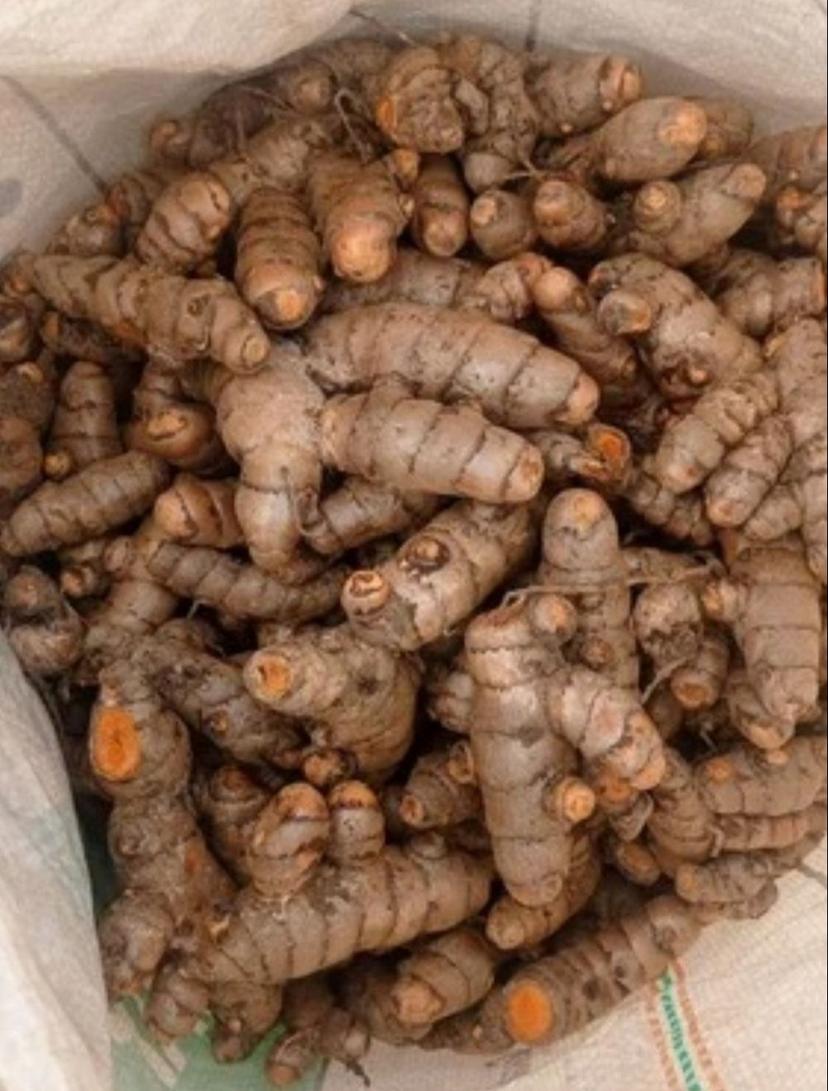
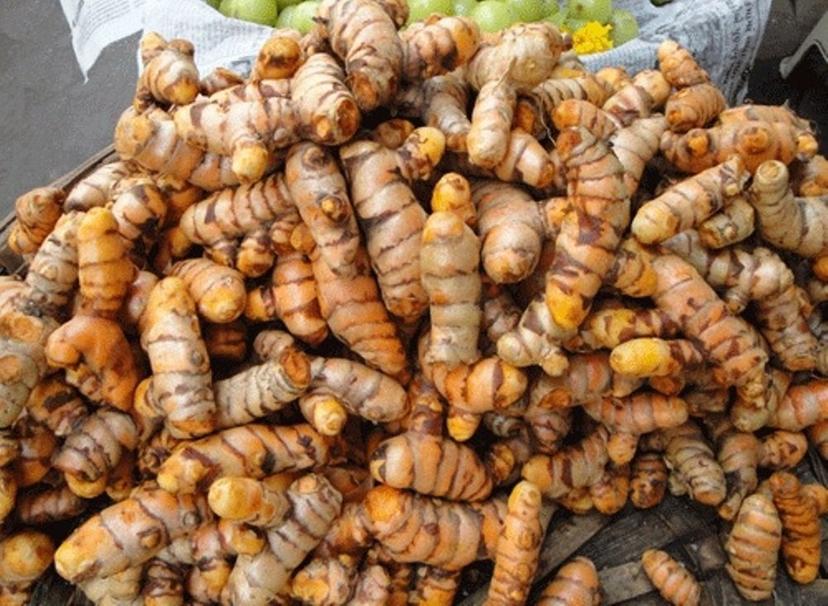
Yes, fresh turmeric from grocery stores grows well. Choose firm, plump rhizomes with visible buds or eyes. Avoid dried-out pieces.
What humidity level does turmeric need?
Turmeric thrives in 60%+ humidity. Mist leaves 2-3 times weekly, group pots together, or use pebble trays with water beneath pots.
Is turmeric plant safe for pets?
Yes, turmeric plants are safe for dogs and cats. The leaves and rhizomes are non-toxic. However, avoid giving pets large quantities of powdered turmeric spice, which can cause stomach upset.
When do turmeric plants produce flowers?
Turmeric produces pale yellow to pink flowers 6-8 months into growth. Flowers are beautiful but don't produce viable seeds. Focus on rhizome development.
How do I know when turmeric is ready to harvest?
Turmeric is ready when leaves turn brown and dry (usually 8-10 months after planting). You can also test by gently pulling a leaf - if it separates easily from the rhizome, it's ready.
What do I do after harvesting turmeric?
Cure fresh rhizomes in a warm, dry location for 1-2 weeks. Store in cool, dry conditions or use fresh. Peel, boil, dry, and grind into powder for spice, or save seed pieces for next planting.
References & Sources
Information in this guide is based on these trusted sources.