
Tulip
Brighten your home with tulips' stunning spring blooms. Force these bulbs indoors for cheerful color all season.

Video Tutorials
Watch these helpful videos to learn more about Tulip care.
About Tulip
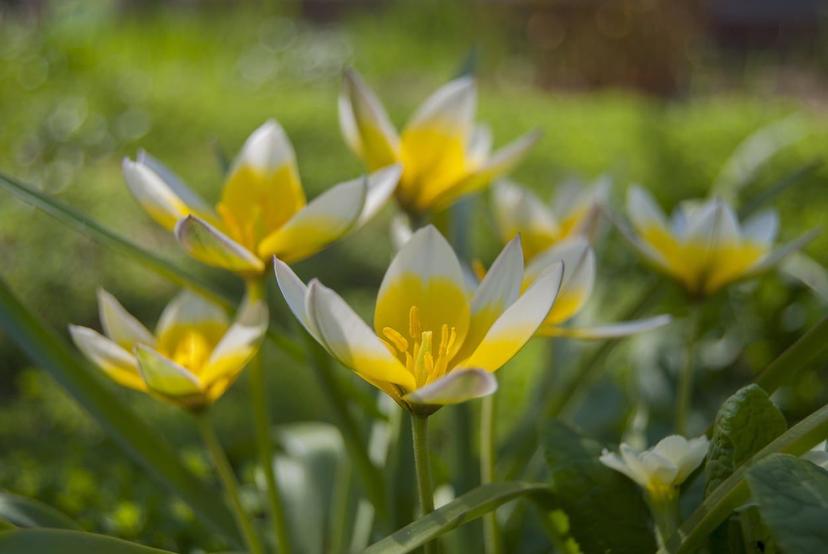
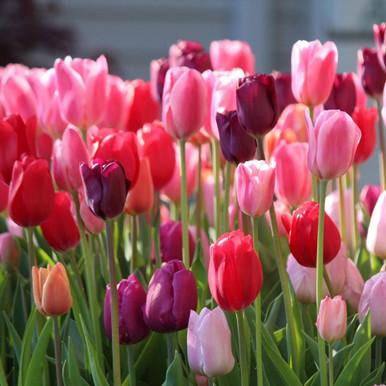
Tulips bring vibrant spring magic indoors through forcing bulbs. Their cup-shaped flowers in bold colors pop against strappy leaves. Perfect for seasonal displays on windowsills.
Native to Central Asia and the Middle East, tulips thrive in well-drained soils with cold winters and dry summers. Wild species naturalize easily in gardens.
As houseplants, force them for 3-4 week blooms. Discard after flowering or replant outside. Bulbs rarely reflower indoors.

Watering Schedule
Water to keep soil evenly moist during growth. Let top inch dry between waterings post-bloom.
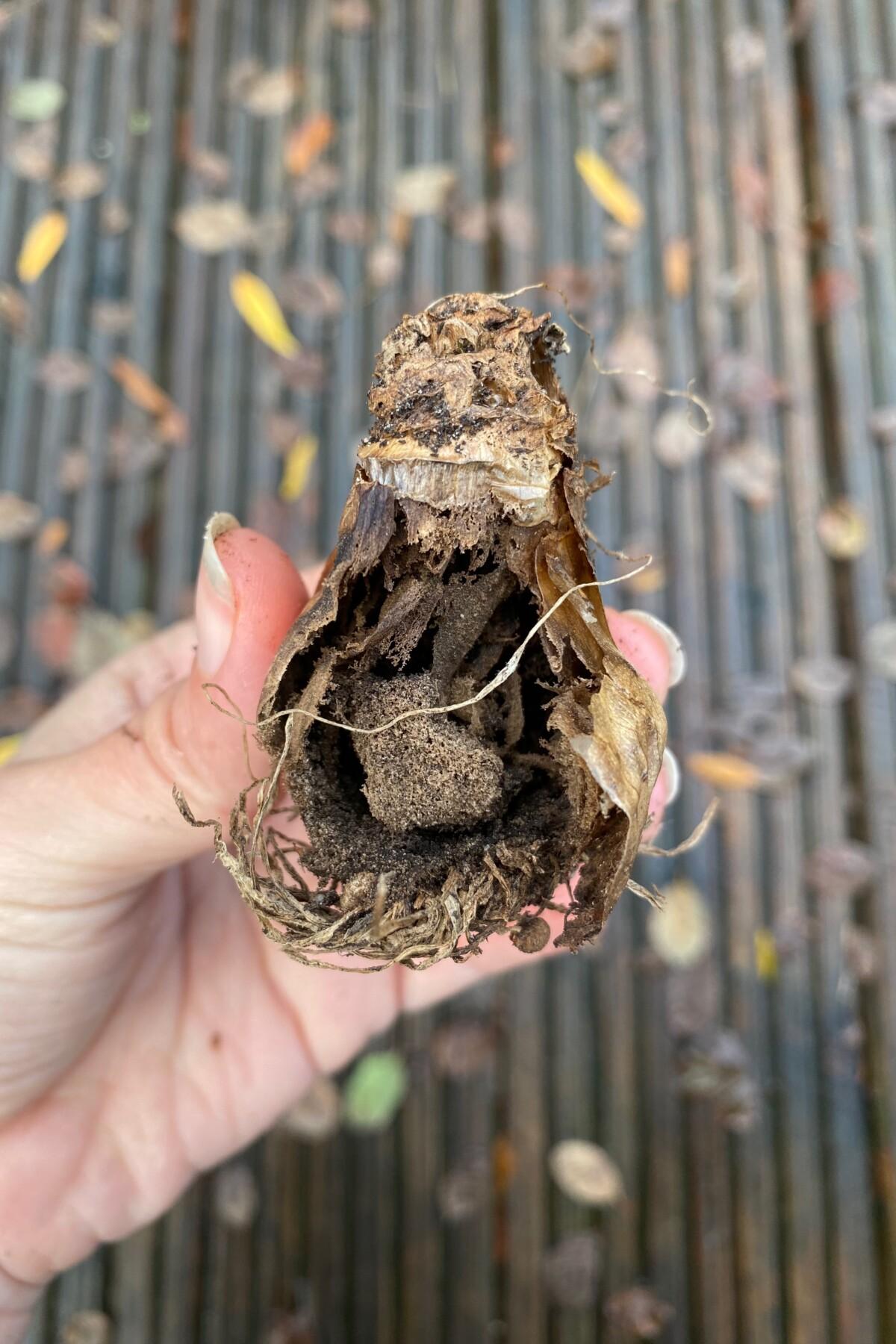
Common Problems & Solutions
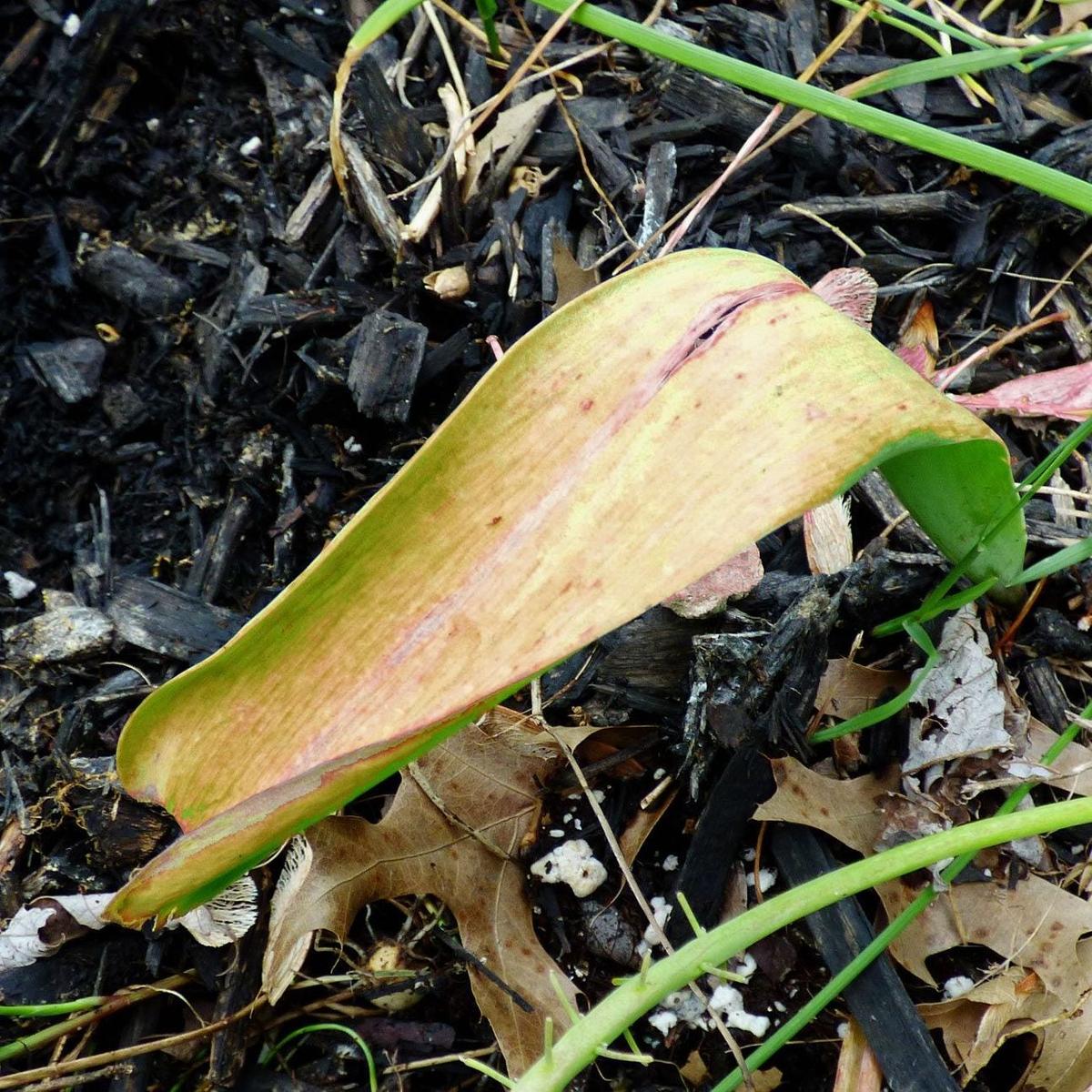
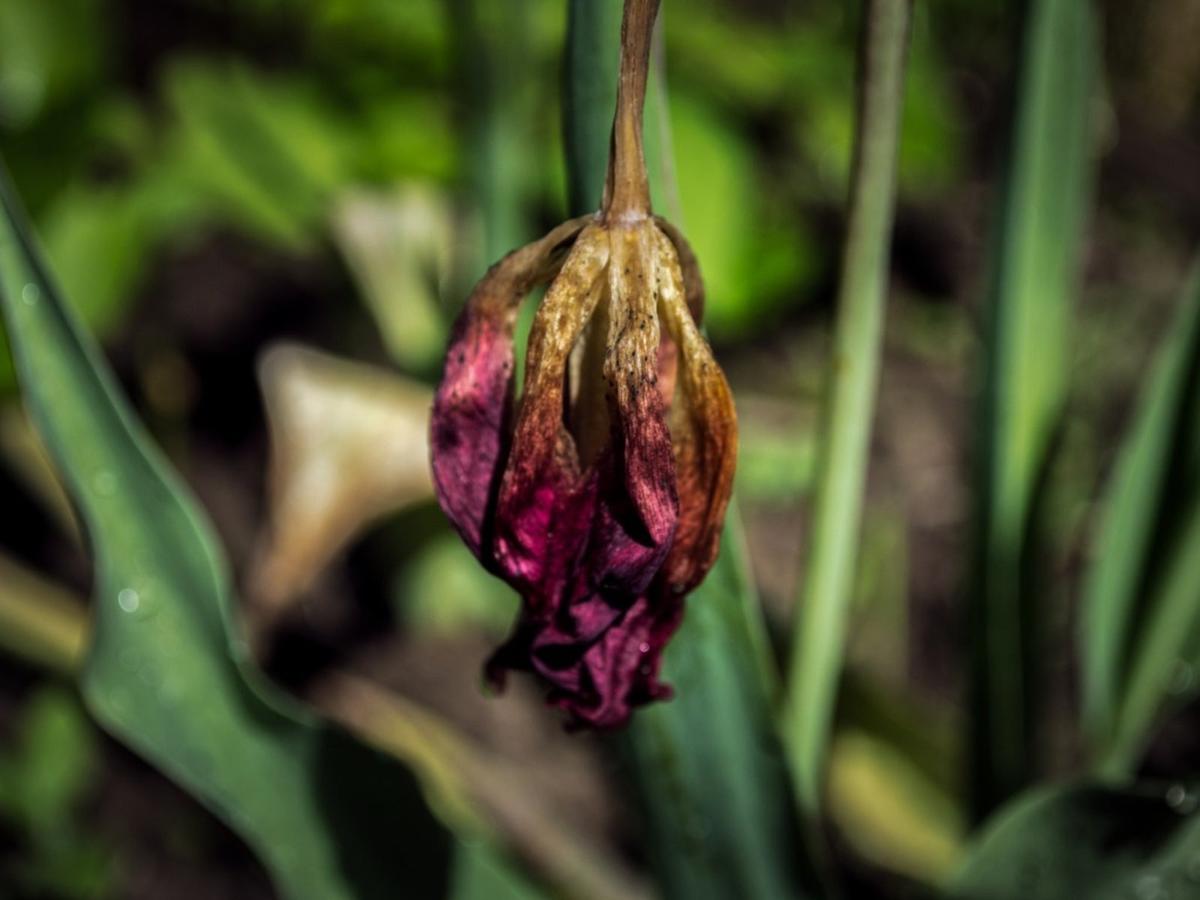
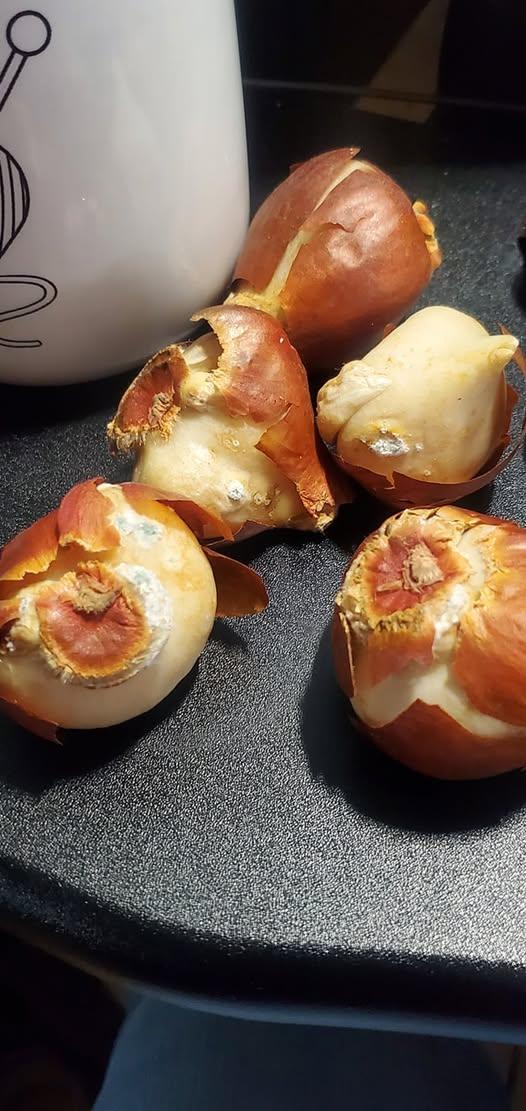
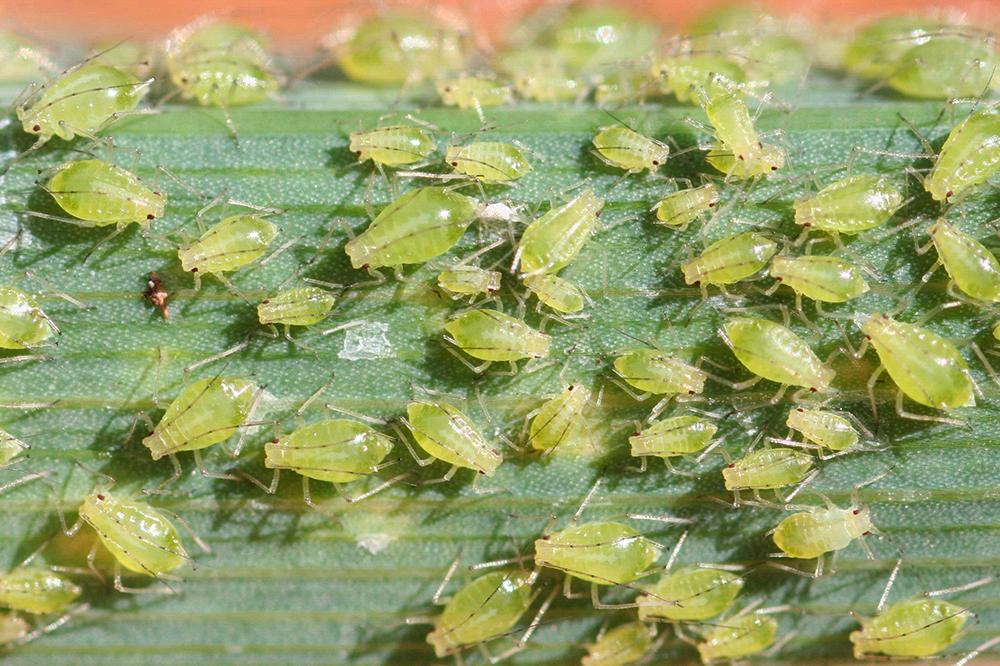
Here's how to identify and fix the most common Tulip problems.
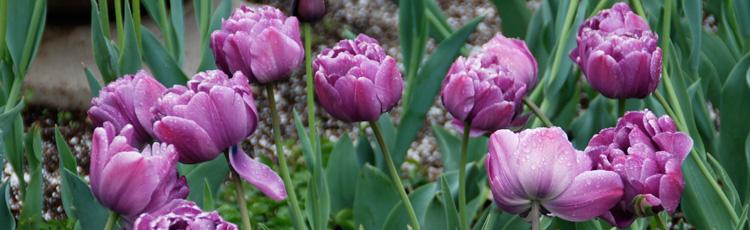
Popular Varieties
Explore different Tulip varieties and find your perfect match.

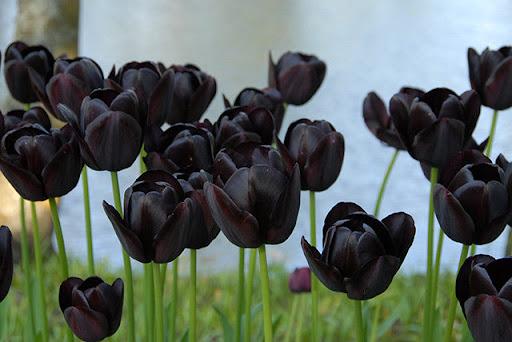
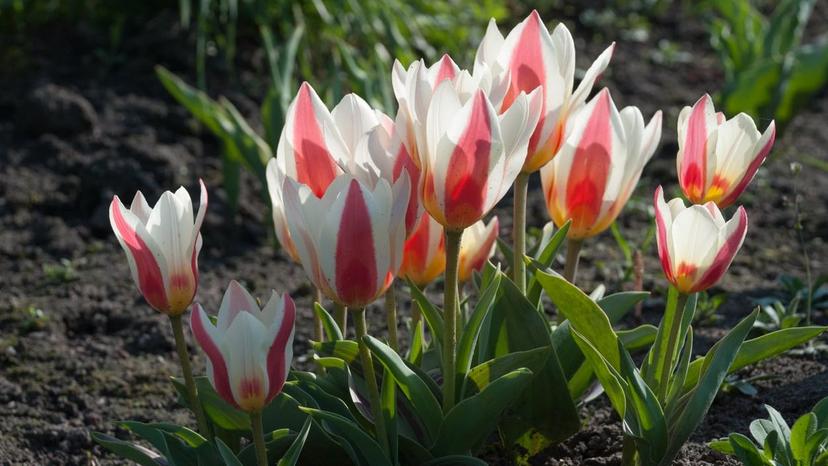
Care Tips & Best Practices
Humidity
Keep 30-50%; mist lightly if dry air wilts leaves.
Feeding
Apply potassium-rich fertilizer weekly in growth.
Cleaning
Wipe leaves gently with damp cloth monthly.
Support
Stake tall stems if light-leaning occurs.
Pruning
Deadhead spent flowers; leave leaves to die back.
Rotation
Turn pot every 2 days for even growth.
Care Checklist
10 Common Mistakes to Avoid
Skipping bulb chill
Why it's bad: No roots or flowers form.
Do this instead: Chill 12-16 weeks first.
Overwatering soil
Why it's bad: Bulb rots quickly.
Do this instead: Let top dry between.
Dark placement
Why it's bad: Stems stretch weak.
Do this instead: Bright indirect light.
Hot room temps
Why it's bad: Blooms fade in days.
Do this instead: Keep 60-70°F.
No rotation
Why it's bad: Stems lean one way.
Do this instead: Turn pot every 2 days.
Reusing old bulbs
Why it's bad: Poor or no reflower.
Do this instead: Buy fresh annually.
Poor drainage
Why it's bad: Standing water kills.
Do this instead: Gritty soil mix.
Early leaf cut
Why it's bad: Weakens next bulb.
Do this instead: Wait full yellow.
Pet access
Why it's bad: Toxic if eaten.
Do this instead: Elevate out of reach.
No fertilizer
Why it's bad: Small weak blooms.
Do this instead: Weekly potash feed.
Frequently Asked Questions
How long do indoor tulips bloom?
Expect 3-4 weeks of flowers. Cool temps around 60°F extend the show. Rotate pots for upright stems.
Can I grow tulips year-round indoors?
Tulips are seasonal; force new bulbs each spring. They need winter chill. Discard after bloom.
Why no flowers on my tulips?
Likely skipped 12-16 week chill. Use fresh bulbs next time. Check light too.
Are tulips safe for cats and dogs?
No, all parts toxic. Causes vomiting if eaten. Keep elevated and pet-free.
How to force tulips for Christmas?
Plant in fall, chill 12-16 weeks. Bring out early December. Stagger pots for continuous bloom.
What soil for indoor tulips?
Well-drained potting mix with grit. Never heavy garden soil. Tops above soil line.
Why do tulip stems bend?
Reach for light. Provide bright spot and rotate every 2 days. Stake if needed.
Can I replant after indoor bloom?
Try outside; weak reflower indoors. Lift offsets for future. Buy new for best show.
How to store tulip bulbs?
Dry after yellow leaves. Store cool dry dark at 65°F. Replant next fall.
Best light for tulips inside?
Bright indirect sun. South window ideal. Avoid scorching direct rays.
References & Sources
Information in this guide is based on these trusted sources.