
Tomato
A vibrant, productive edible plant bursting with juicy fruits and versatile culinary possibilities.
Video Tutorials
Watch these helpful videos to learn more about Tomato care.
About Tomato
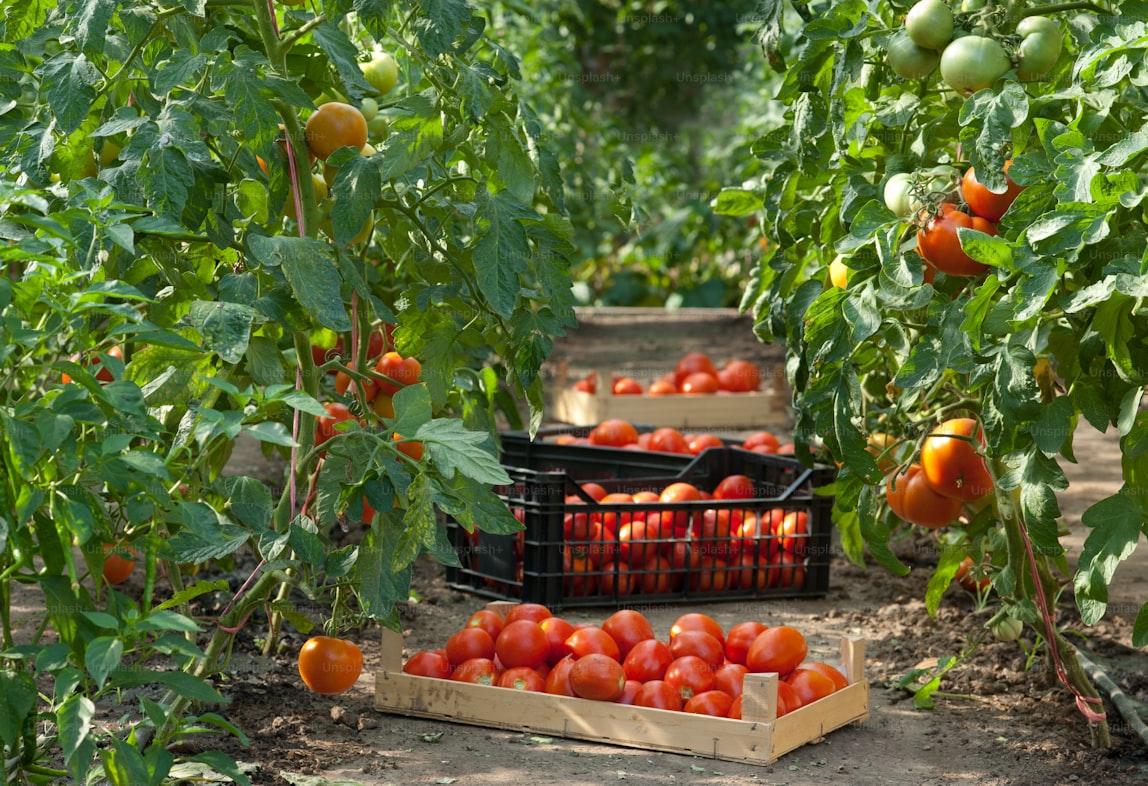
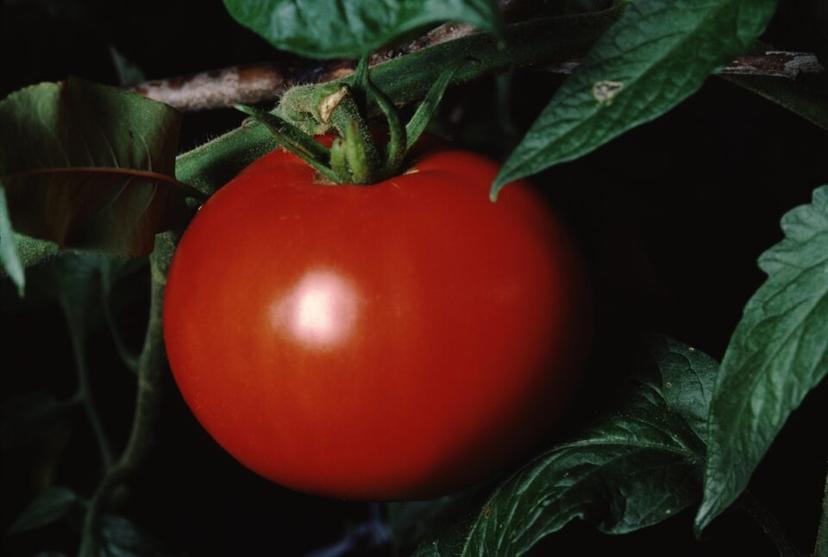
Tomatoes rank among the world's most beloved vegetables, prized for their juicy flavor and nutritional richness. Originally native to South America's Andes Mountains, this heat-loving fruit thrives indoors with proper lighting and care. Whether growing cherry tomatoes on a windowsill or beefsteak varieties under grow lights, tomatoes reward consistent attention with abundant harvests.
Tomato plants originated in the mountainous regions of Peru and Ecuador before domestication in Mexico around 500 BCE. Spanish conquistadors introduced them to Europe in the 16th century, and today thousands of varieties exist globally. These tender perennials are grown as annuals in most areas of the country, from tiny ornamental plants to larger indeterminate vines.
The amount of light, heat and water most indoor plants do not reach the threshold needed for typical tomato care (6-8 hours minimum sunlight a day, 12-16 is more ideal with grow lights where you are controlling the temperature and watering). Tomatoes grown in containers will produce fruit in 90-120 days if indoor conditions are ideal. Regular feeding, pollination assistance, and pruning ensure healthy plants with impressive yields year-round.
Watering Schedule
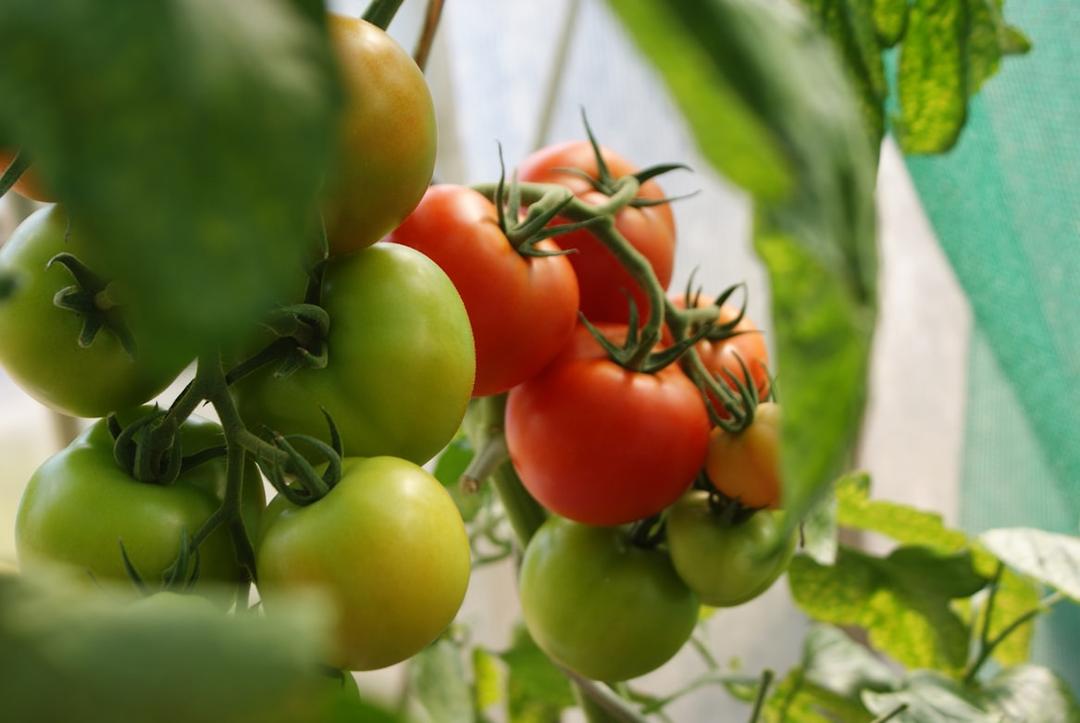
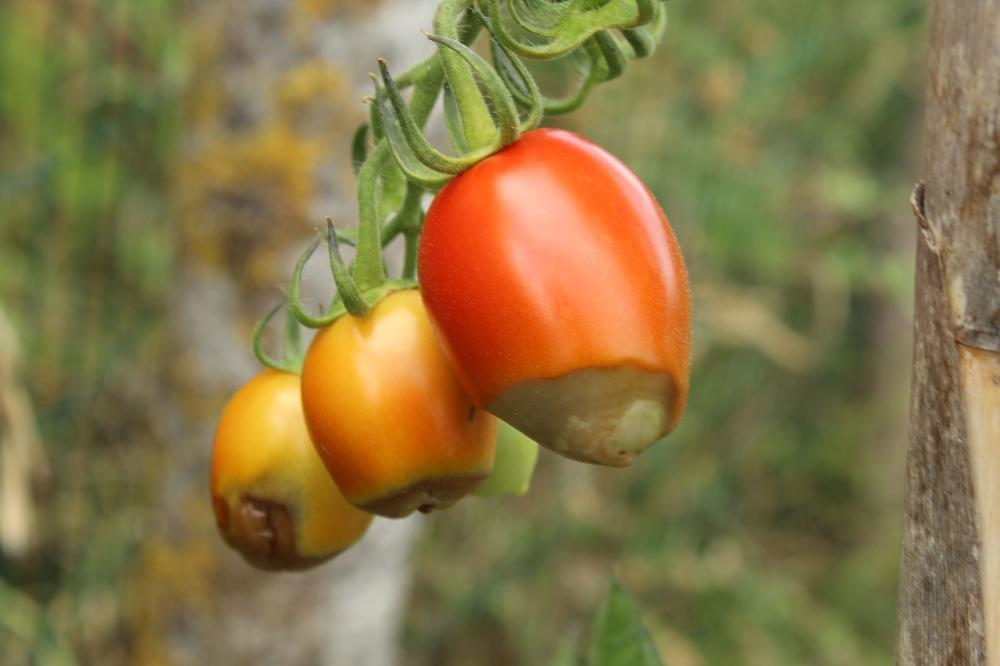
Tomatoes need consistent moisture to thrive, requiring approximately 1 inch of water weekly. Irregular watering causes blossom-end rot and invites disease. Water deeply at soil level rather than overhead to prevent fungal problems.
Common Problems & Solutions
Here's how to identify and fix the most common Tomato problems.
Popular Varieties
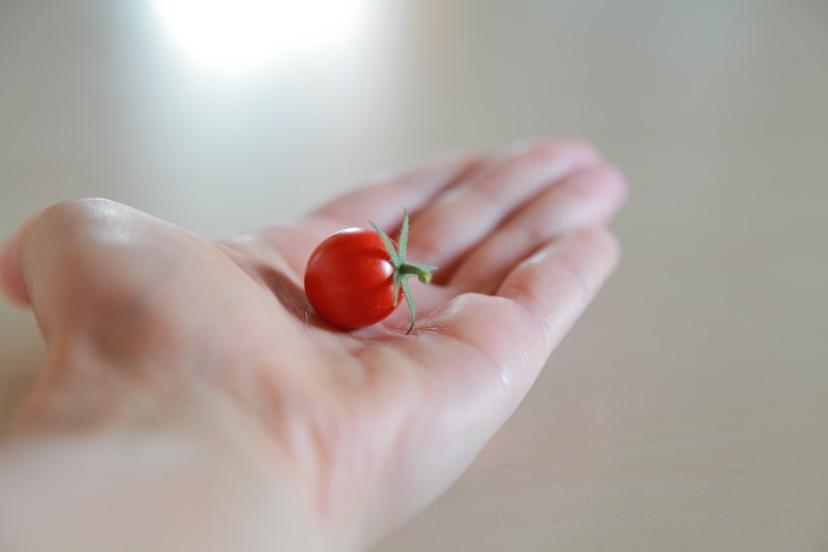
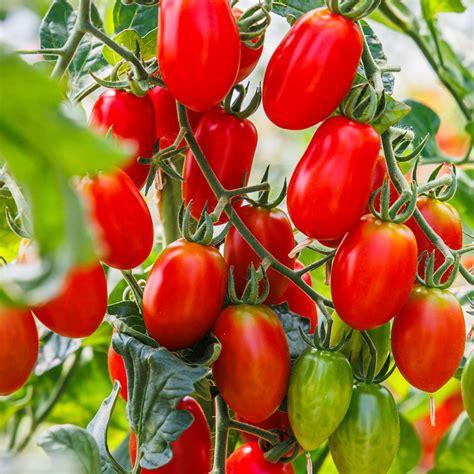
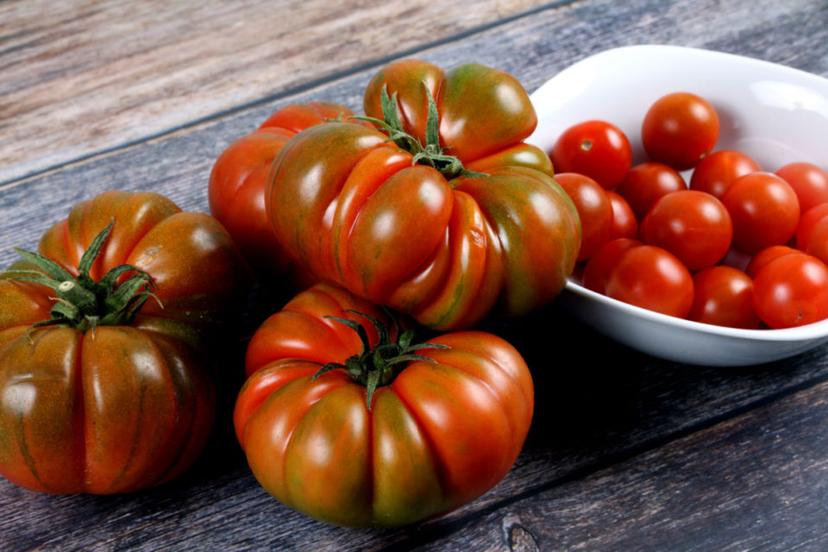
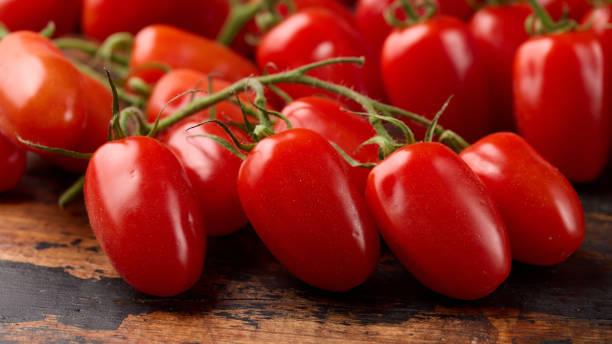
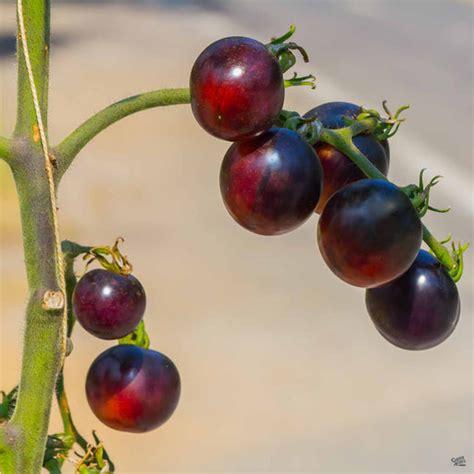
Explore different Tomato varieties and find your perfect match.
Care Tips & Best Practices
Humidity Management
Maintain 60-85% relative humidity for optimal growth. Use humidity trays with water and pebbles, or mist lightly. Avoid excessive humidity above 85% which promotes fungal disease.
Feeding Schedule
Feed seedlings with balanced 10-10-10 fertilizer at transplant time. Switch to phosphorus-rich 5-10-10 when flowers appear. Feed every 7-14 days with diluted solution.
Leaf Cleaning
Gently wipe large dusty leaves with soft damp cloth monthly to improve photosynthesis. Never use commercial leaf shine products.
Staking and Support
Install bamboo stakes or cages early while plants are small. Tie stems loosely with cloth strips as plants grow, allowing room for expansion.
Pruning Technique
Remove lower leaves once fruit sets to reduce disease. Pinch off suckers on indeterminate varieties to focus energy on fruit production.
Plant Rotation
Rotate container soil annually or use fresh potting mix each season to minimize soil-borne disease buildup.
Care Checklist
10 Common Mistakes to Avoid
Watering overhead or wetting leaves excessively
Why it's bad: Wet foliage promotes fungal diseases like early blight and septoria.
Do this instead: Water only at soil level using drip irrigation in early morning.
Using all-purpose fertilizer without adjusting at fruit set
Why it's bad: High nitrogen promotes leafy growth over fruit production.
Do this instead: Switch to phosphorus-rich 5-10-10 fertilizer once flowers appear.
Growing in pots under 5 gallons without frequent feeding
Why it's bad: Container plants deplete nutrients rapidly with regular watering.
Do this instead: Use minimum 5-gallon pots with weekly fertilization.
Skipping daily pollination when growing indoors
Why it's bad: Without wind or insects, flowers drop instead of setting fruit.
Do this instead: Gently shake plants daily or run fan during flowering stage.
Providing less than 6 hours of light daily
Why it's bad: Insufficient light causes leggy plants with minimal fruit.
Do this instead: Ensure 8+ hours natural sun or 14-16 hours under LED grow lights.
Neglecting temperature control below 60°F
Why it's bad: Cold stress causes flower and fruit drop, stunted growth.
Do this instead: Maintain consistent 70-80°F daytime and 60-70°F nighttime.
Skipping support structures and letting fruit bend stems
Why it's bad: Unsupported stems break under fruit weight, reducing yield.
Do this instead: Install stakes or cages early and tie stems loosely with cloth.
Never pruning lower leaves and overcrowding foliage
Why it's bad: Dense foliage traps moisture and promotes fungal disease.
Do this instead: Remove lower leaves once fruit sets and pinch suckers.
Allowing soil to dry completely between waterings
Why it's bad: Drought stress triggers blossom-end rot and reduces uptake.
Do this instead: Check soil daily and maintain consistent moisture levels.
Starting seeds without sufficient bottom heat
Why it's bad: Cold soil slows germination by 50 percent.
Do this instead: Use seedling heat mat at 70-75°F for vigorous germination.
Frequently Asked Questions
Can I grow tomatoes indoors year-round under grow lights?
Yes, absolutely. Use full-spectrum LED grow lights for 14-16 hours daily, maintain 70-85°F temperatures, and ensure consistent moisture. Indeterminate varieties produce continuously.
Why are my tomato flowers dropping without setting fruit?
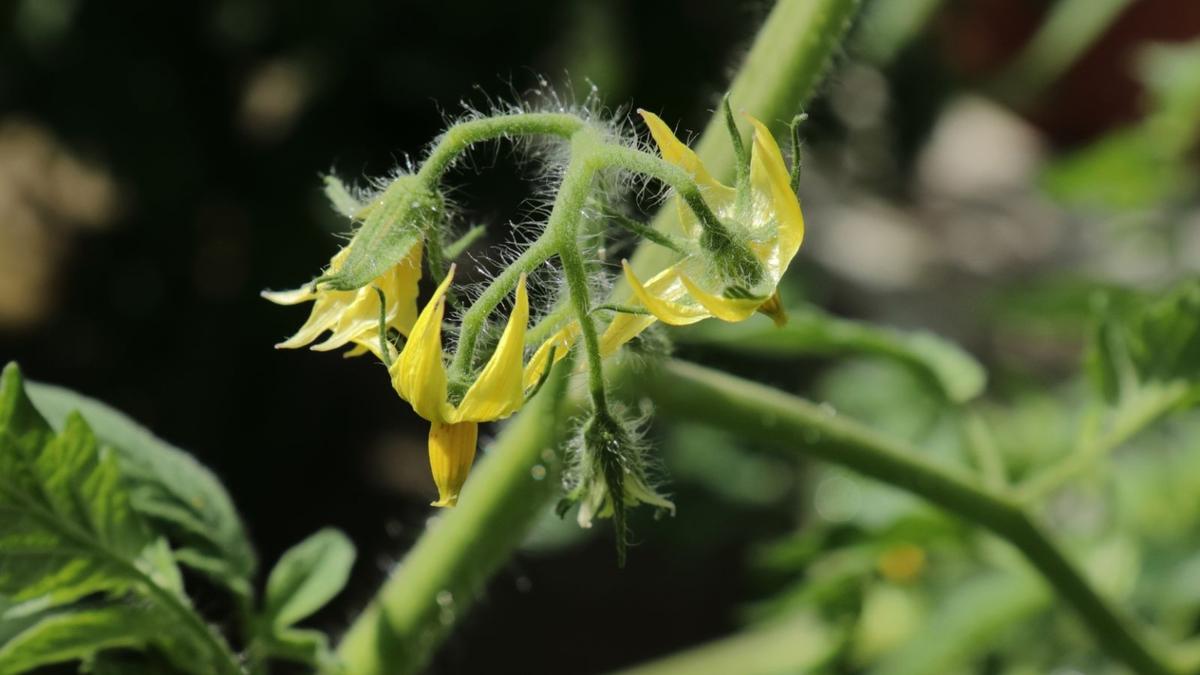
Flower drop results from temperature stress (below 60°F or above 85°F), inconsistent watering, or inadequate pollination. Manually shake plants daily during flowering and maintain warm stable temperatures.
How often should I fertilize indoor tomato plants?
Feed weekly or every 7-14 days with diluted water-soluble fertilizer. Use balanced 10-10-10 at transplanting, switch to phosphorus-rich 5-10-10 at flowering.
What size pot do I need for tomato plants indoors?
Start seedlings in 3-4 inch pots, pot up to 4-6 inch containers, then use minimum 5-gallon pots for fruiting. Dwarf varieties like Tiny Tim finish in 6-inch pots.
Why are leaves turning yellow with green veins visible?
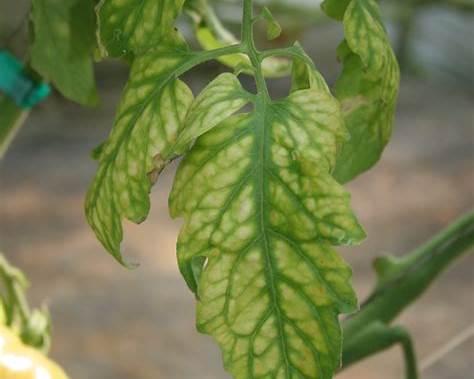
This indicates magnesium deficiency, often from excessive potassium. Spray foliage with Epsom salt solution every two weeks, avoiding midday sun.
How long from seed to first ripe tomato?
Expect 90-120 days total - 6-8 weeks to transplant size, then 60-90 days to fruit maturity. Dwarf types like Tiny Tim fruit fastest in 50-60 days from transplant.
Can I propagate tomatoes from cuttings to clone my best plant?
Yes, take 4-6 inch cuttings from healthy stems, remove lower leaves, dip in rooting hormone, and place in moist potting mix. Roots develop in 2-3 weeks.
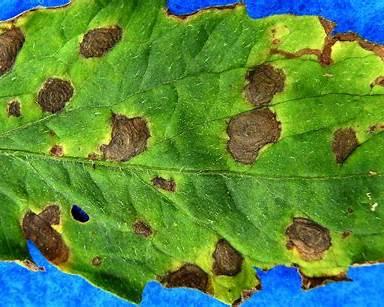
What's causing dark spots on tomato leaves?
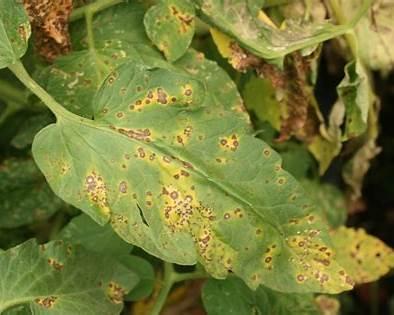
Early blight or Septoria leaf spot are most common. Remove infected leaves, improve airflow, avoid overhead watering, and apply fungicides weekly.
Are tomato plants toxic to my cat or dog?
Ripe red fruits are safe in small amounts, but stems, leaves, and unripe green tomatoes contain solanine toxin causing vomiting and weakness. Keep pets away from plants.
Why isn't my indoor tomato plant producing fruit despite flowers?
Flowers need pollination - manually shake plants daily or run fan during flowering. Check temperature (keep 70-80°F), light (minimum 6-8 hours), and consistent watering.
References & Sources
Information in this guide is based on these trusted sources.