
String of Pearls
A cascading succulent treasure with pearl-like beads on trailing stems that brings ethereal beauty to any hanging garden.
Video Tutorials
Watch these helpful videos to learn more about String of Pearls care.
About String of Pearls
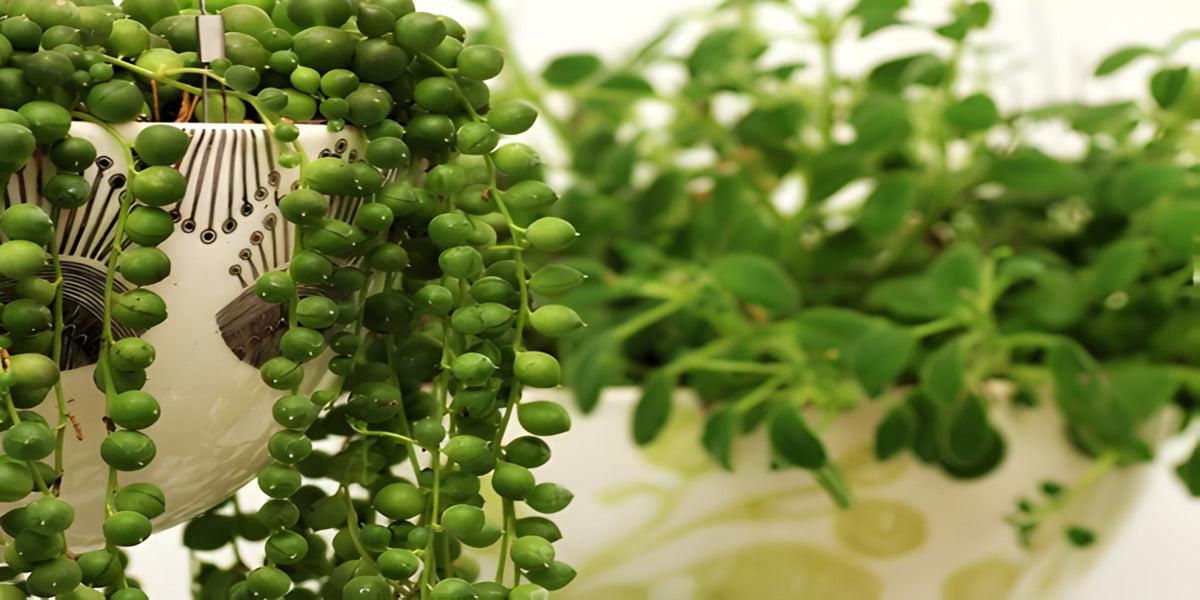
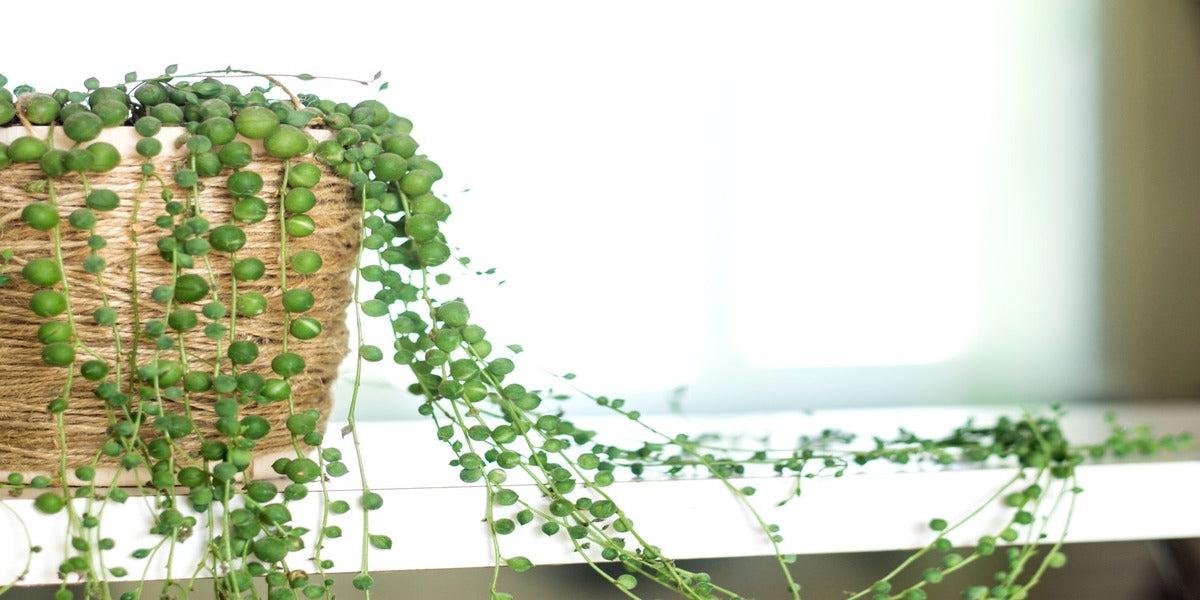
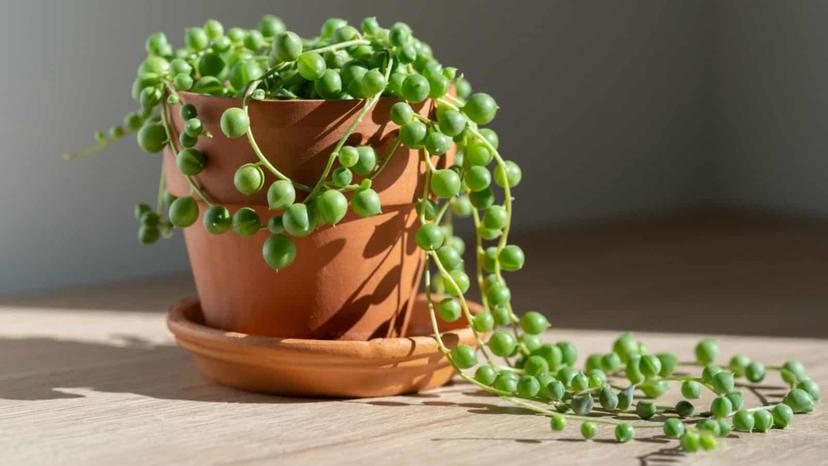
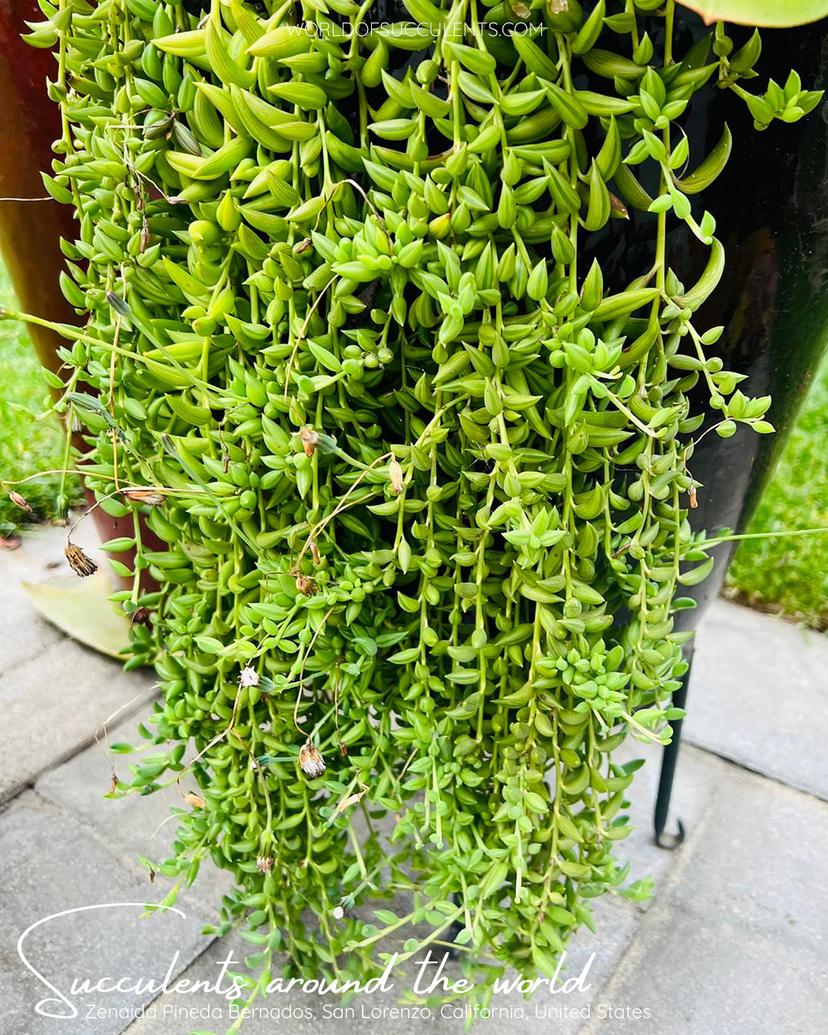
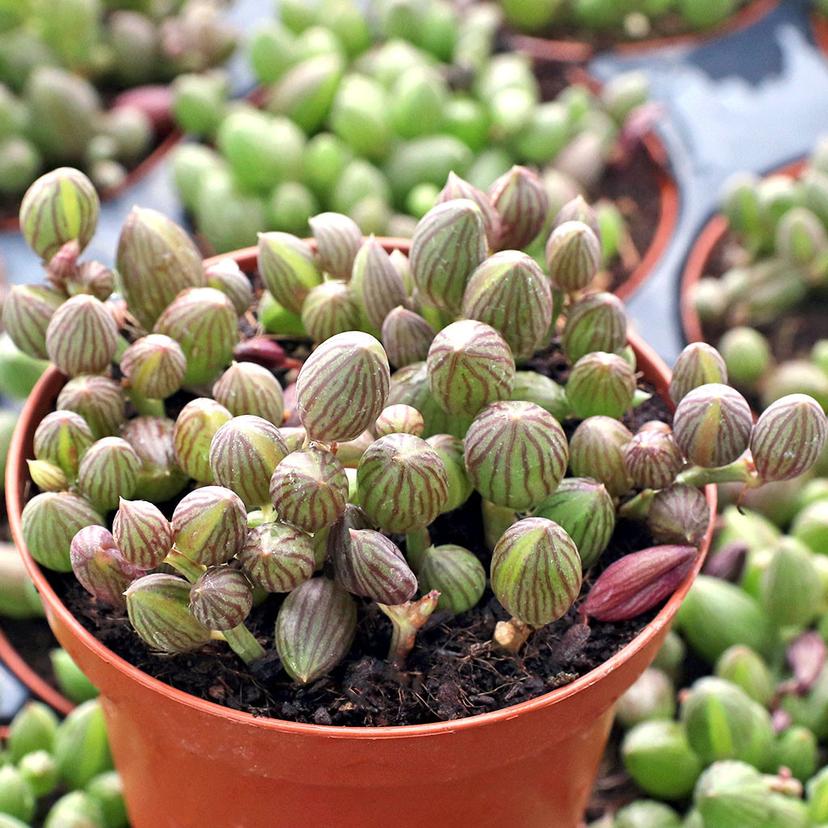
String of Pearls captivates plant lovers with its whimsical cascading strands of tiny, perfectly round jade-green beads. This unique succulent turns heads wherever it hangs, offering a trailing form that no other houseplant mimics. Native to the arid, dry regions of South Africa, it thrives on minimal care and neglect, making it perfect for forgetful plant parents. Its delicate appearance masks its resilience. Many collectors cherish this plant as a centerpiece in their hanging basket collections.
In its South African habitat, String of Pearls grows wild in dry, rocky areas where minimal rainfall occurs. The pearl-like leaves evolved to store water, allowing the plant to survive long droughts. In nature, trailing strands cascade over rocky terrain, rooting wherever they touch soil. This succulent evolved to thrive in poor, sandy, well-draining soils with intense sunlight and minimal moisture.
Indoors, String of Pearls rewards patient caregivers with decades of beauty. Mature plants develop long, trailing strands reaching 2-3 feet or longer, creating living garlands perfect for shelves, window ledges, or hanging planters. The real treasure is witnessing rare blooms indoors - delicate white daisy-like flowers with a cinnamon scent that fill rooms with fragrance. With proper care, propagation, and neglect, this plant becomes an heirloom specimen passed between plant-loving friends.
Watering Schedule
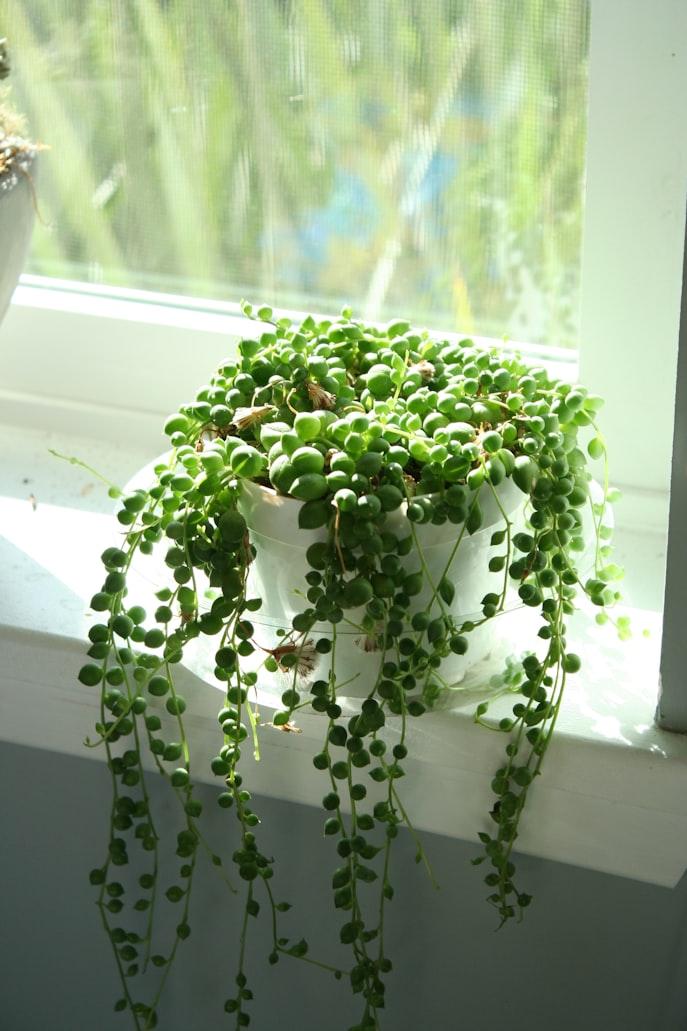
String of Pearls prefers drying out between waterings. Like other succulents, it stores water in pearl-like leaves and fails if kept too moist. The key is watering thoroughly but infrequently, adjusting frequency by season.
Common Problems & Solutions
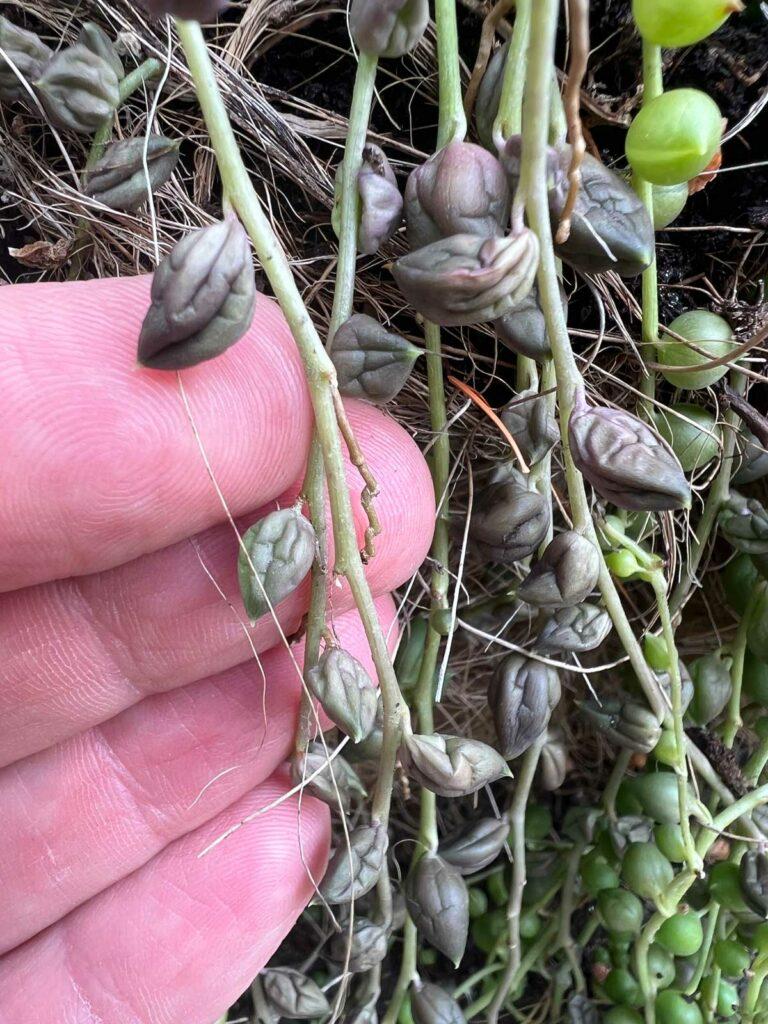
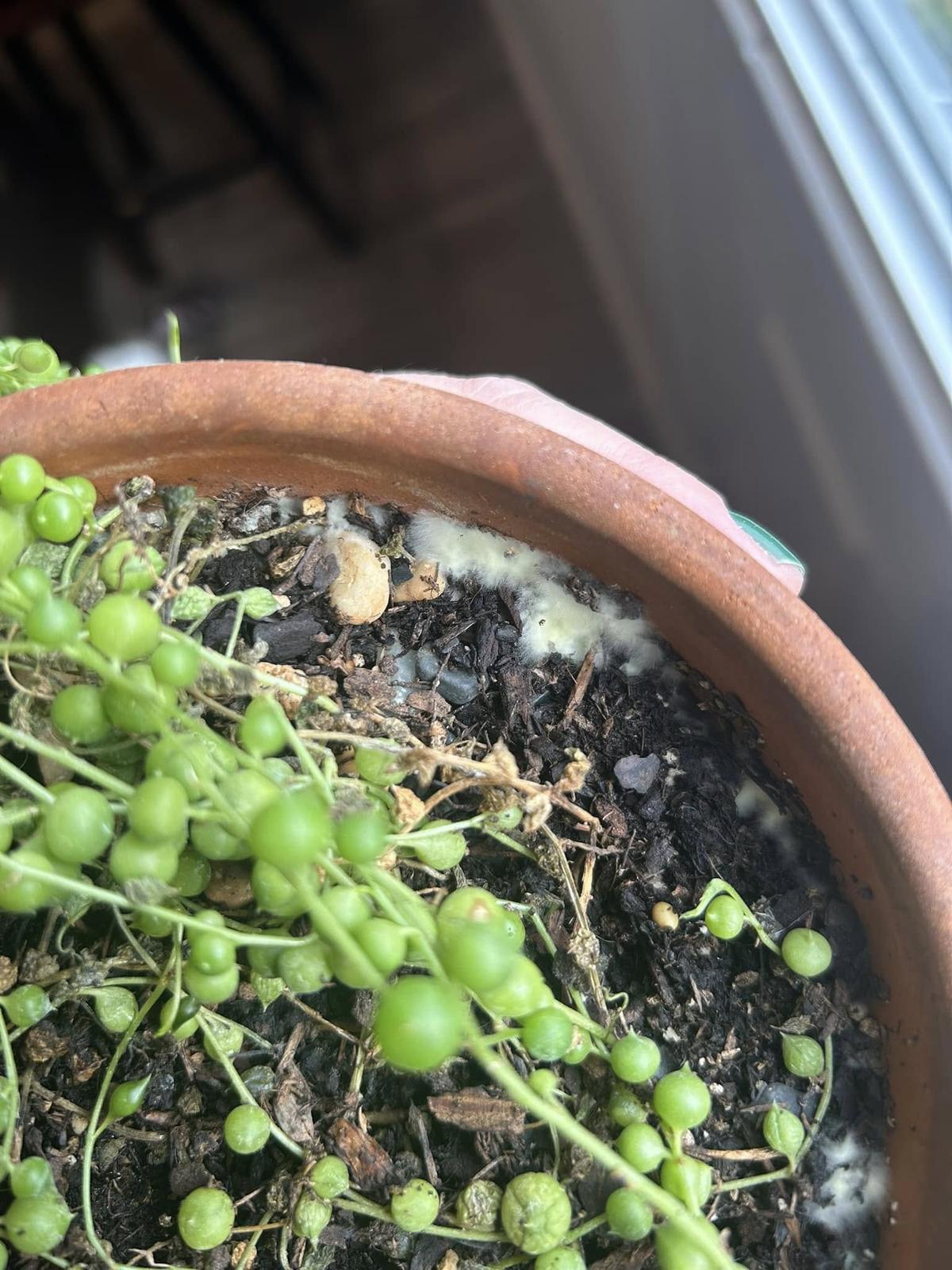
Here's how to identify and fix the most common String of Pearls problems.
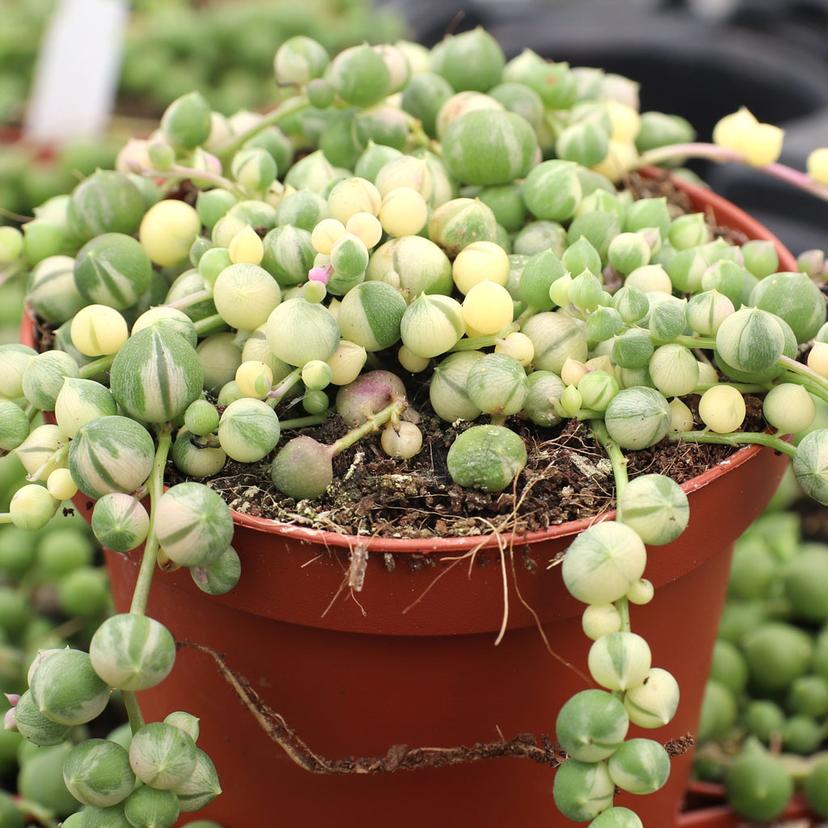
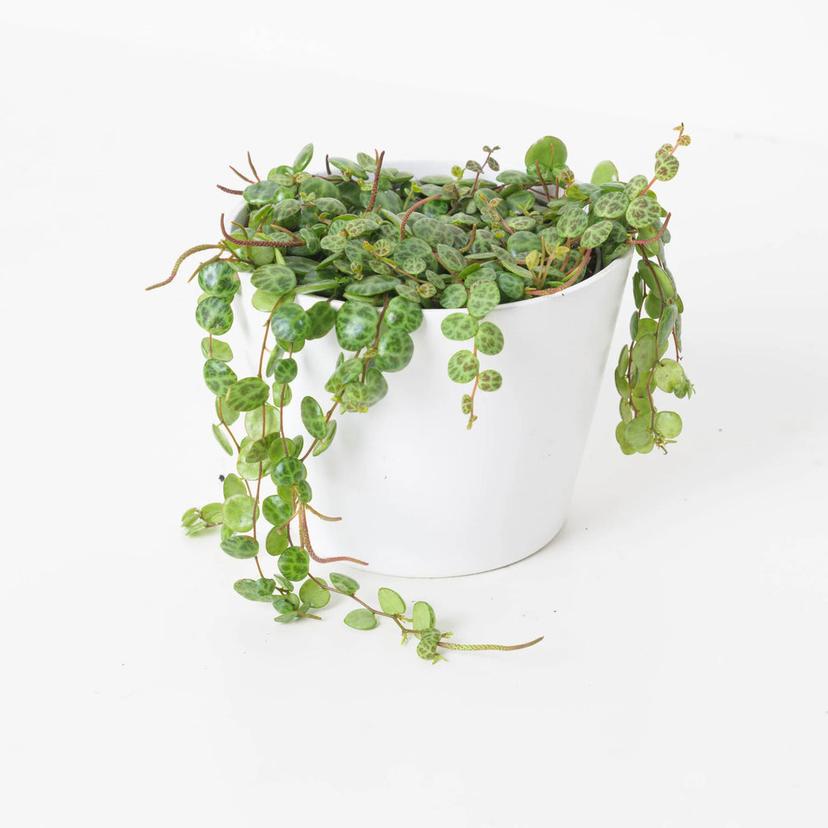
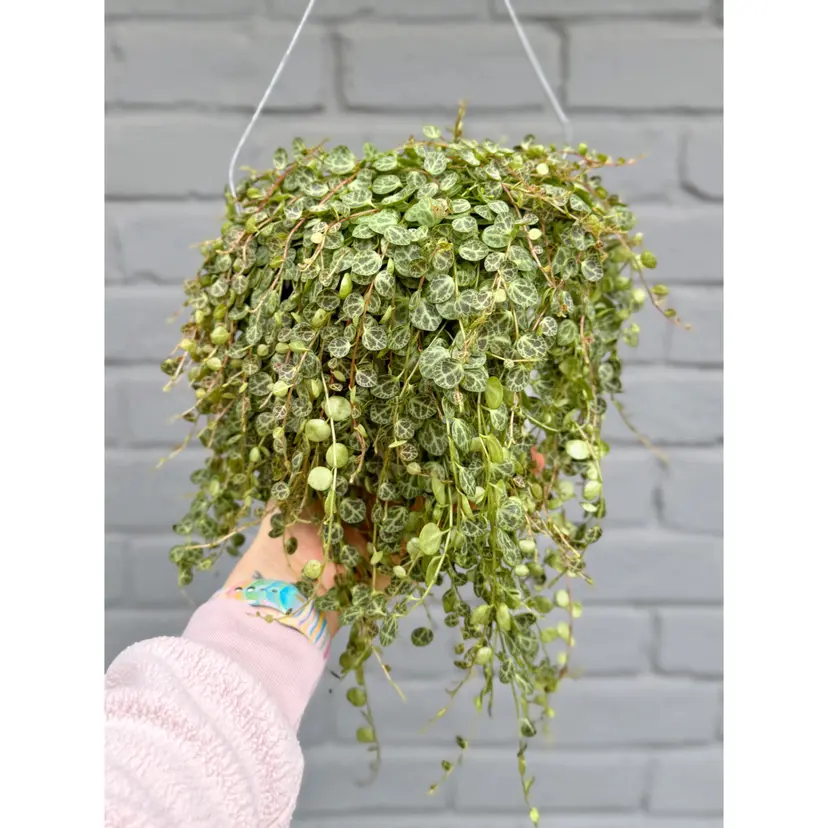
Popular Varieties
Explore different String of Pearls varieties and find your perfect match.
Care Tips & Best Practices
Humidity
String of Pearls prefers low humidity and needs no misting. In fact, humidity harms this desert succulent. Never mist mature plants; it causes leaf rot. Young propagations can be misted weekly until roots establish, but stop once mature.
Feeding Schedule
Fertilize once monthly during spring and summer using diluted, water-soluble succulent fertilizer at half strength. Never fertilize in fall or winter when growth stops. Weak, weekly feeding prevents fertilizer burn. Monthly feeding encourages flowering on mature plants.
Cleaning and Maintenance
Dust pearls gently with a soft brush quarterly to remove dust that blocks light. Never use leaf shine products which clog pores and harm succulents. Remove any dead strands or yellowed beads by trimming with clean scissors.
Pruning
Trim leggy or overgrown strands anytime to encourage bushier growth and better appearance. Prune just above leaf nodes to promote branching. Trimmed sections root easily for propagation, giving you new plants while reshaping the original.
Support and Training
String of Pearls naturally cascades and needs no support. Hanging baskets display trailing growth perfectly. If growing in containers, the strands will drape over edges creating a waterfall effect. Avoid staking unless the plant is very young and weak.
Rotation for Even Growth
Rotate the plant 90 degrees every 2-3 weeks to ensure even light exposure on all sides. This prevents one-sided growth and keeps the plant balanced. Rotation also ensures the trailing strands cascade evenly rather than leaning toward the window.
Care Checklist
10 Common Mistakes to Avoid
Overwatering
Why it's bad: Waterlogged soil suffocates roots, causing root rot and plant death within days to weeks.
Do this instead: Water only when soil is completely dry. Let soil dry fully between waterings. String of Pearls survives weeks without water but not days in wet soil.
Using heavy, compact potting soil
Why it's bad: Standard soil traps water around roots, preventing drainage and causing rapid root rot.
Do this instead: Use succulent or cactus soil mix specifically formulated for drainage. Mix in 25-50% perlite or pumice to create fast-draining medium.
Placing in low-light locations
Why it's bad: Insufficient light causes severe etiolation where pearls space widely apart and plant becomes weak.
Do this instead: Provide 6+ hours of bright indirect light daily. East or south-facing windows are ideal. Supplement with grow lights if windows are unavailable.
Using pots without drainage holes
Why it's bad: Water cannot escape, creating waterlogged conditions that guarantee root rot and death.
Do this instead: Always use pots with at least one drainage hole. Terracotta or ceramic pots allow faster soil drying than plastic. Never use decorative pots without draining.
Misting mature plants
Why it's bad: String of Pearls prefers low humidity; misting causes leaf rot and fungal issues.
Do this instead: Never mist mature plants. Only young propagations benefit from weekly misting until roots establish. Adult plants need dry conditions to thrive.
Fertilizing in fall and winter
Why it's bad: Winter feeding disrupts dormancy and provides unnecessary nutrients when growth stops.
Do this instead: Fertilize only spring and summer monthly. Skip fertilizer entirely fall and winter. Weak, diluted feeding prevents salt buildup.
Repotting too frequently
Why it's bad: Unnecessary repotting stresses roots and can introduce rot or damage delicate strands.
Do this instead: Repot only every 2-3 years or when clearly root-bound. Go up only one pot size. Avoid deep pots; use shallow containers for shallow roots.
Exposing to extreme temperatures or cold drafts
Why it's bad: Cold below 50°F causes shock and stress; drafts trigger bead drop.
Do this instead: Keep above 50°F; ideal 70-80°F. Protect from cold windows, AC vents, and heating ducts that cause temperature stress.
Ignoring pest infestations
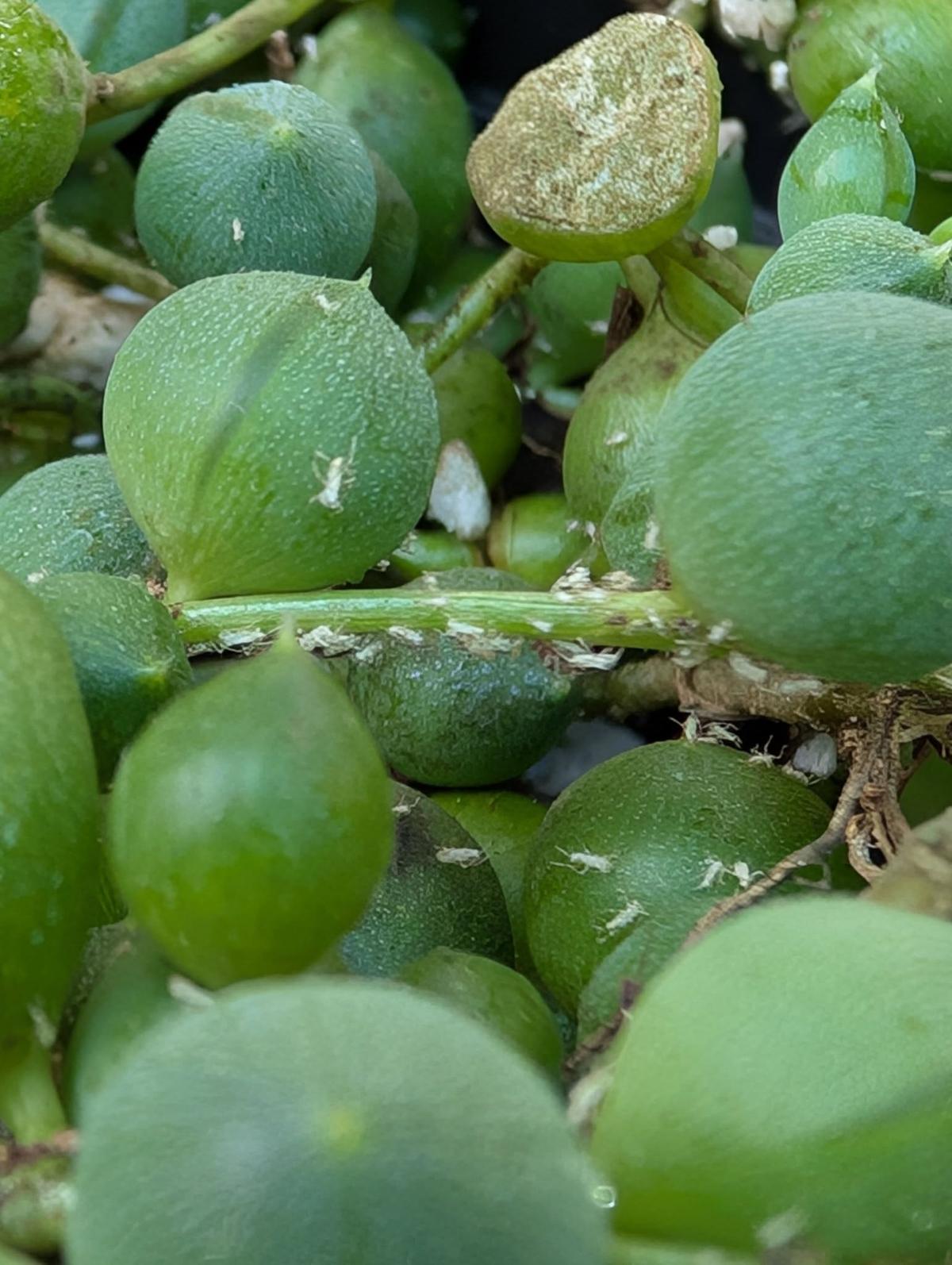
Why it's bad: Mealybugs and aphids reproduce rapidly, spreading to other plants and destroying String of Pearls.
Do this instead: Inspect weekly for white cottony masses or small insects. Treat immediately with insecticidal soap. Isolate infected plants from other houseplants.
Expecting blooms without proper conditions
Why it's bad: Blooming requires specific conditions: cool temps, bright light, dry conditions - rarely aligned indoors.
Do this instead: Provide cool nights (50-60°F), bright light 6+ hours, dry soil in winter. Only mature plants 2+ years old may bloom. Accept that indoor blooms are rare and special.
Frequently Asked Questions
How often should I water String of Pearls?
Water every 7-14 days spring-summer when soil is completely dry. Reduce to every 3-4 weeks in fall-winter. Young plants need more frequent watering than established plants. Let soil dry fully between waterings to prevent root rot.
Why are my pearls wrinkled or shriveling?
Wrinkled pearls indicate underwatering, excessive heat, or direct intense sun exposure. Water thoroughly and move to slightly shadier location. Check humidity; young plants tolerate light misting but mature plants don't need it.
Can I propagate String of Pearls easily?
Yes! Take 6-inch stem cuttings spring-summer, let air dry 1-3 days, plant in succulent soil. Roots appear in 3-4 weeks. Soil propagation produces stronger roots than water propagation. Save trimmings for nearly guaranteed new plants.
Is String of Pearls toxic to pets?
Yes, mildly toxic to cats and dogs if ingested, causing vomiting, diarrhea, and lethargy. Hang plants safely out of reach. String of Turtles is a non-toxic alternative if you have curious pets.
How much light does String of Pearls need?
Minimum 4-6 hours bright indirect light daily. Ideal is 6-8 hours with some direct morning sun. Insufficient light causes leggy growth with widely-spaced pearls. East or south-facing windows work best.
Will my String of Pearls bloom indoors?
Rarely, but it's possible. Blooming requires mature plants (2+ years), cool nights (50-60°F), bright light (6-8 hours), and dry soil. Winter is blooming season. Fragrant white daisy-like flowers smell of cinnamon if conditions align perfectly.
Why does my plant have root rot?
Overwatering and waterlogged soil cause root rot in String of Pearls. Repot immediately into fresh, dry succulent soil. Trim away black rotted roots. Let dry thoroughly before resuming watering. Ensure pot has drainage holes.
What soil should I use for String of Pearls?
Use cactus or succulent potting mix. Or mix equal parts potting soil, perlite, and coarse sand. The key is fast drainage; soil should dry within 5 days after watering. Avoid heavy potting soils that trap moisture.
How do I treat mealybugs on my plant?
Isolate the infected plant immediately. Spray thoroughly with insecticidal soap or neem oil every 3-5 days for 2 weeks. Treat all leaf surfaces including undersides. Monitor closely for 6 weeks to catch reinfestation.
Can I grow String of Pearls outdoors?
Yes, in USDA zones 9-12. Move containers outdoors after frost passes, acclimate gradually to prevent sunburn. Bring indoors before fall frost. Outdoor plants grow longer and fuller but require same watering and drainage as indoors.
References & Sources
Information in this guide is based on these trusted sources.