
Strawberry
Sweet, juicy berries year-round indoors or in containers with minimal effort.
Video Tutorials
Watch these helpful videos to learn more about Strawberry care.
About Strawberry
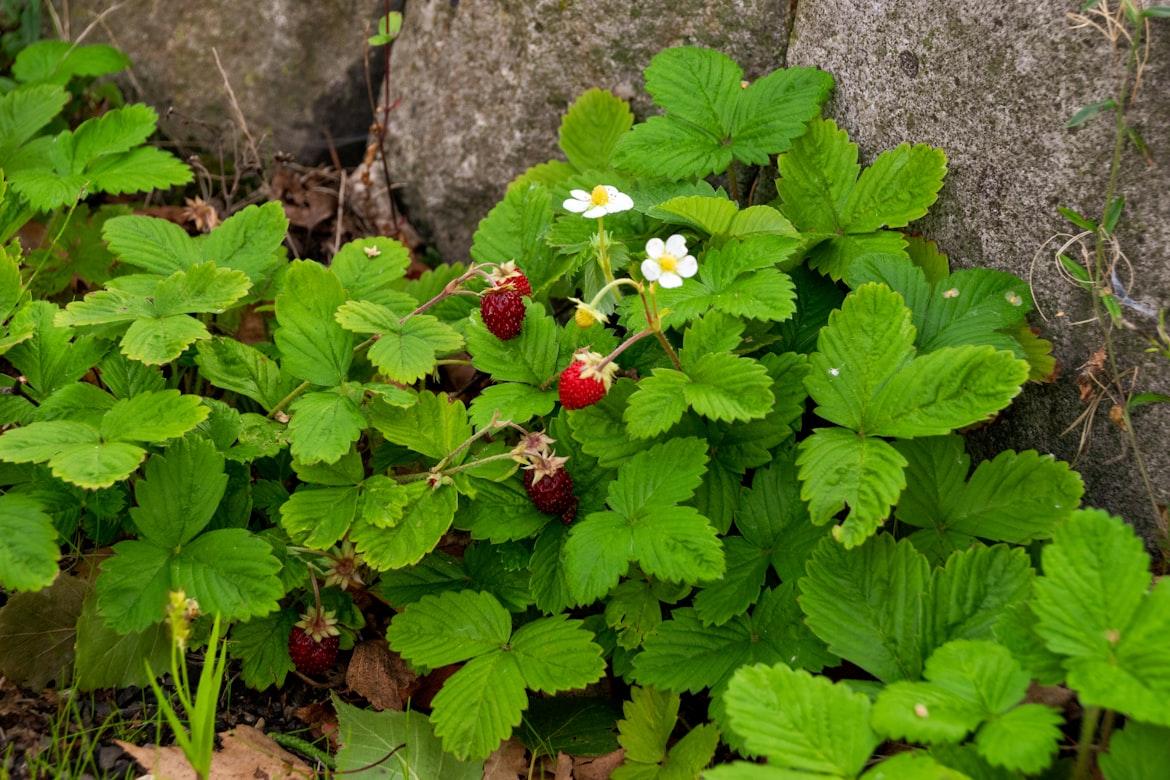
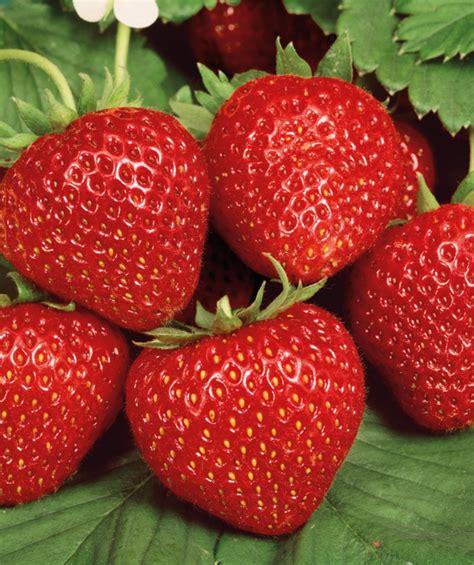
Strawberries are the perfect edible houseplant, producing sweet berries that taste far better homegrown. The garden strawberry is a hybrid from North American and Chilean varieties. Today they thrive indoors as accessible plants for all skill levels.
Native to temperate regions worldwide, strawberries evolved as perennial plants in cool climates. They naturally spread through runners (new shoots) that root and create new plants.
As houseplants, strawberries reward consistency with continuous harvests. Day-neutral varieties produce year-round, while alpine varieties stay compact. Indoor strawberries live 2-3 productive years before propagating fresh plants from runners.
Watering Schedule
Strawberries need steady moisture without waterlogging. Soil should feel moist 1-2 inches down but never soggy.
Common Problems & Solutions
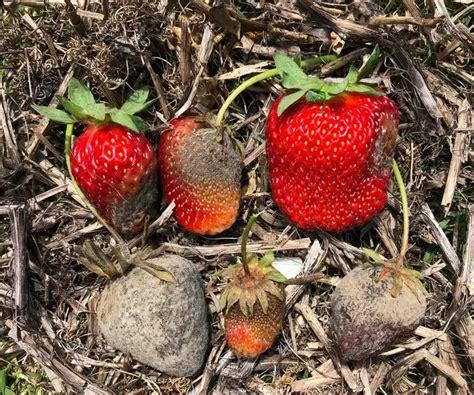
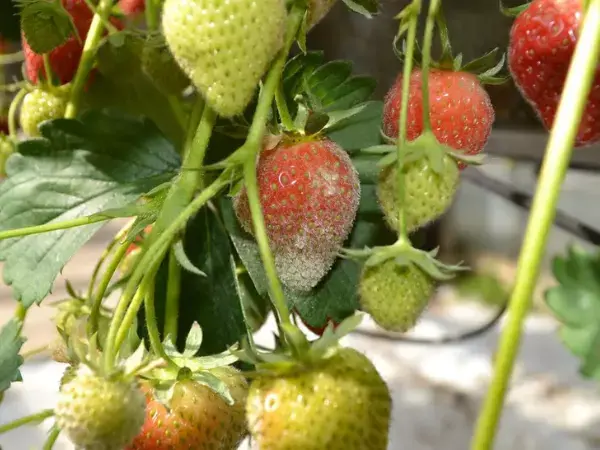
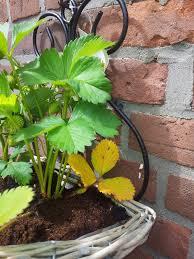
Here's how to identify and fix the most common Strawberry problems.
Popular Varieties
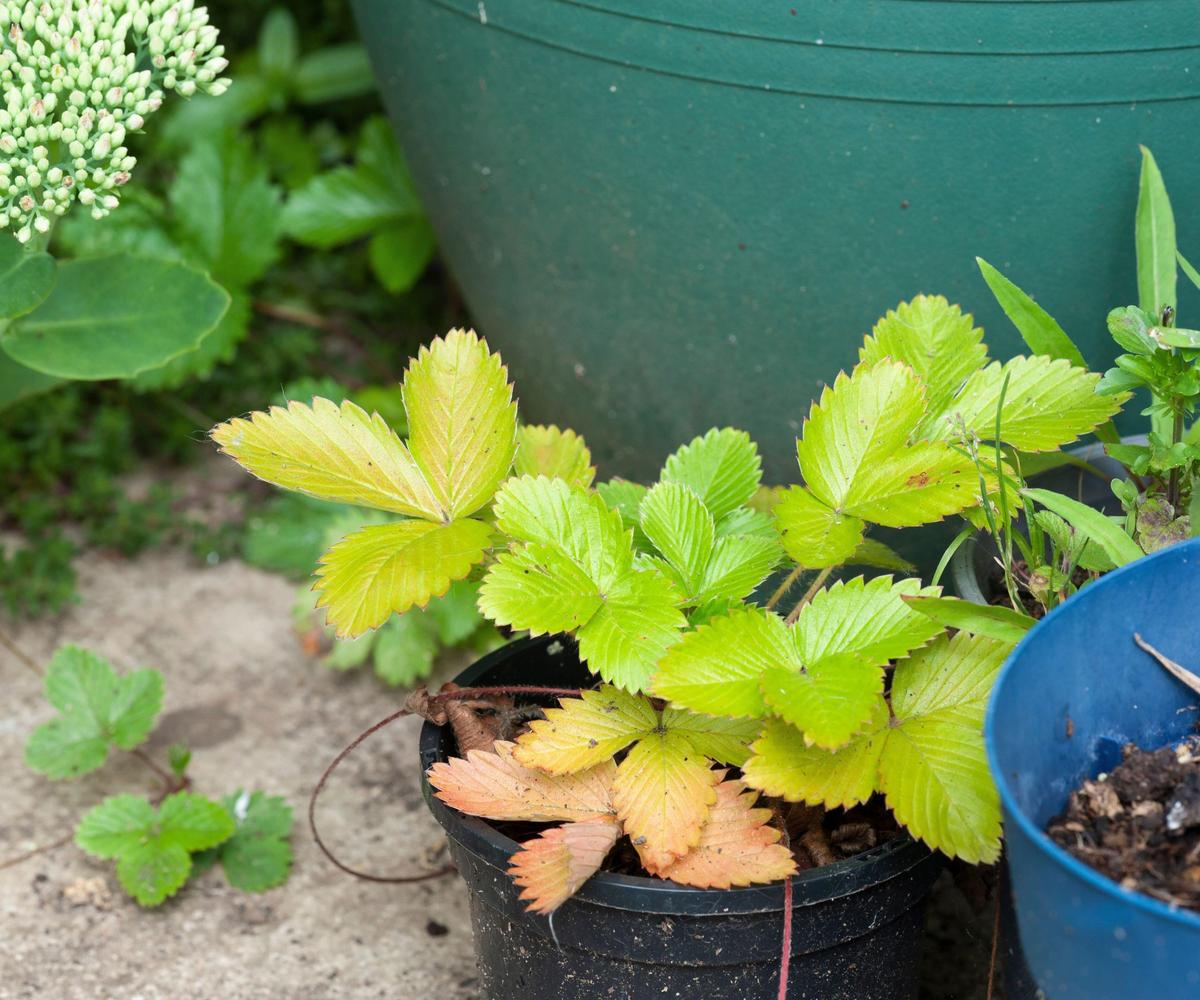
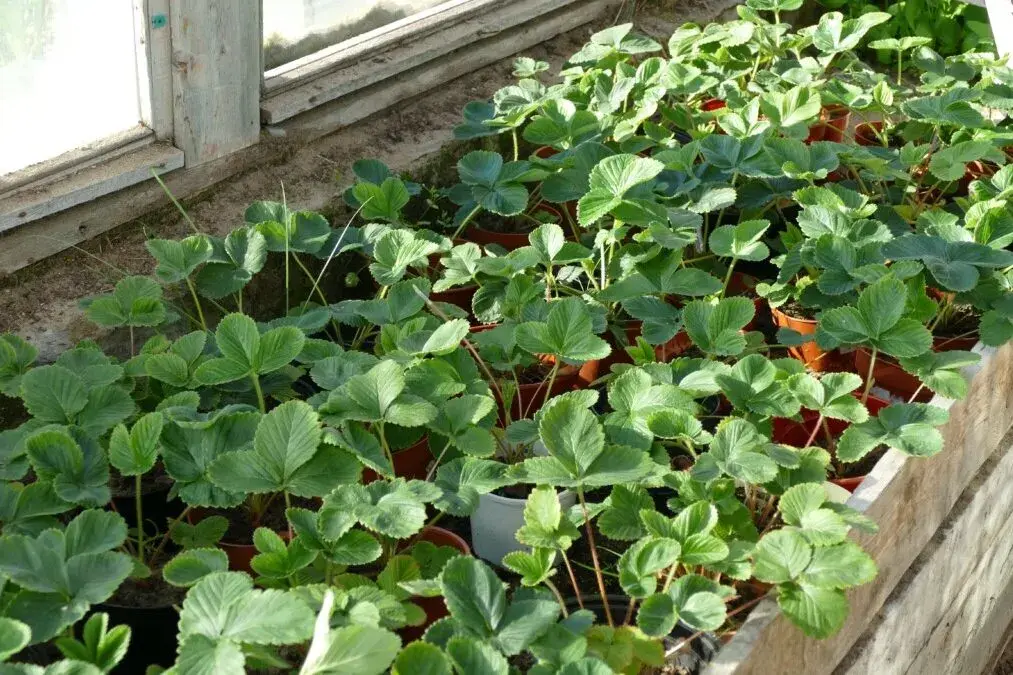
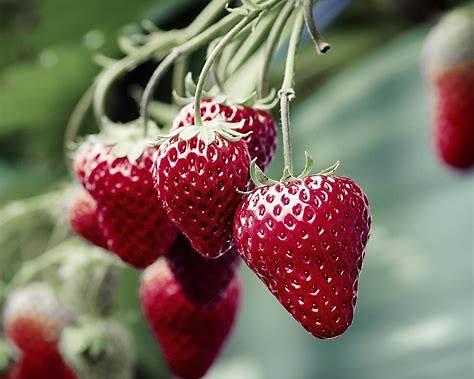
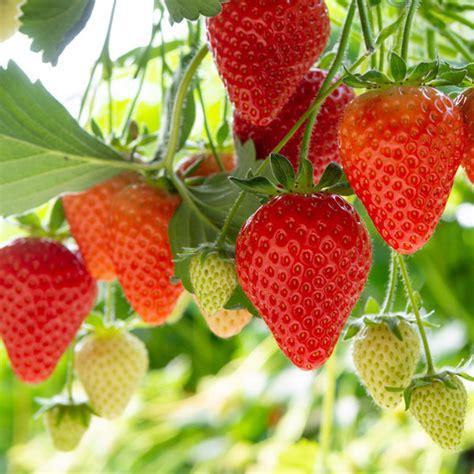
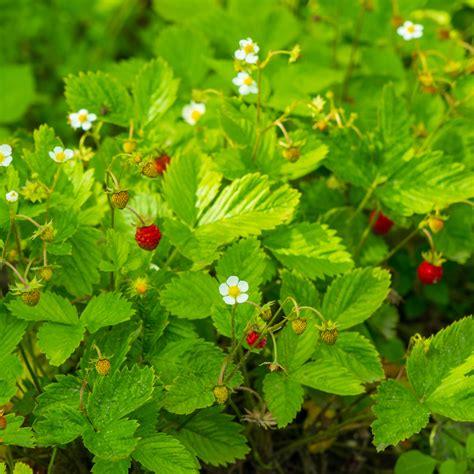
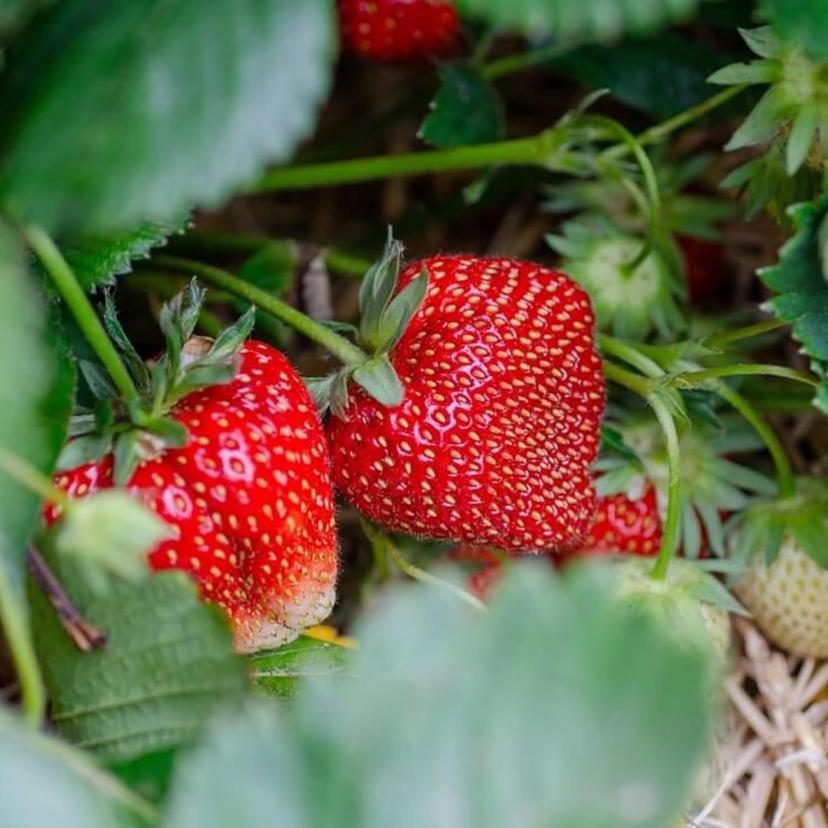
Explore different Strawberry varieties and find your perfect match.
Care Tips & Best Practices
Humidity
Maintain 60-80% humidity with good nighttime airflow to prevent fungal disease.
Feeding
Apply 10-10-10 fertilizer every 2-3 weeks. Switch to 10-10-20 during peak berry season.
Cleaning
Dust leaves monthly with dry brush. Avoid wetting foliage.
Flower Support
Pinch off first flowers 4-6 weeks after planting to build strong roots.
Pruning
Remove dead leaves and unwanted runners. Maintain 4-6 runners per plant.
Rotation
Rotate plants every 2 weeks for even light. Propagate fresh plants after 2-3 years.
Care Checklist
10 Common Mistakes to Avoid
Burying crown
Why it's bad: Suffocates growing point.
Do this instead: Plant crown at soil surface level.
Overwatering
Why it's bad: Root rot and fungal disease.
Do this instead: Water only when top 1-2 inches dry.
Dense soil
Why it's bad: Prevents drainage.
Do this instead: Use 50% potting soil + 25% perlite + 25% compost.
No drainage holes
Why it's bad: Water pools; roots rot.
Do this instead: Use pots with multiple drainage holes.
Not removing first flowers
Why it's bad: Drains root energy.
Do this instead: Pinch off flowers 4-6 weeks after planting.
Insufficient light
Why it's bad: Tiny bitter berries.
Do this instead: Provide 8+ hours daily.
Over-fertilizing nitrogen
Why it's bad: Leaves grow but no flowers.
Do this instead: Use balanced 10-10-10 formula.
Wetting leaves
Why it's bad: Invites fungal disease.
Do this instead: Water soil only with drip irrigation.
Overcrowding
Why it's bad: Poor airflow causes disease.
Do this instead: Space 12 inches apart.
Never replacing plants
Why it's bad: Productivity drops after 2-3 years.
Do this instead: Propagate fresh plants from runners.
Frequently Asked Questions
How long until first berries?
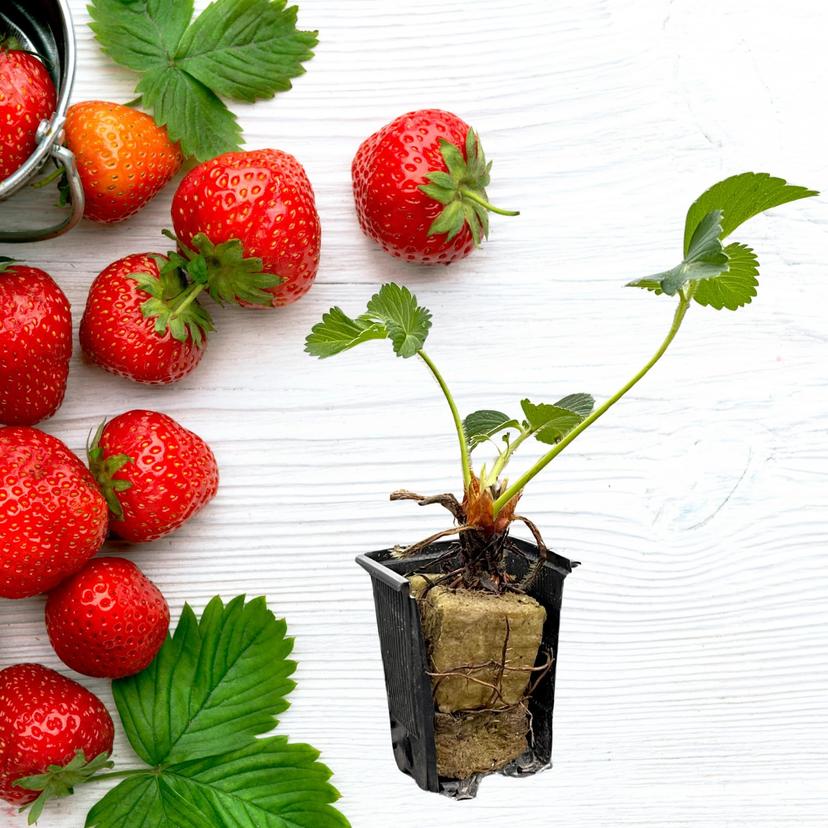
Propagated runners fruit in 8-10 weeks. Bare-root in 6-8 weeks. From seed: 8-12 weeks to flowers, then 4-6 weeks to ripe berries.
Can I grow without grow lights?
Yes, with a bright south-facing window providing 6-8 hours sun. Without natural light, LED grow lights 6-12 inches above plants for 14-16 hours are needed.
Flowers but no fruit - why?
Needs hand pollination indoors. Use a brush to transfer pollen between flowers or shake gently when flowers open.
How often to fertilize?
Every 2-3 weeks during growth with 10-10-10. Switch to 10-10-20 during peak season. Stop or reduce to monthly during winter.
June-bearing vs day-neutral?
June-bearing give one spring harvest. Everbearing produce spring, pause, then fall. Day-neutral fruit year-round - best for indoors.
Can I use hanging baskets?
Yes, especially for trailing varieties. Ensure perfect drainage and consistent watering - hanging pots dry faster.
When to harvest?
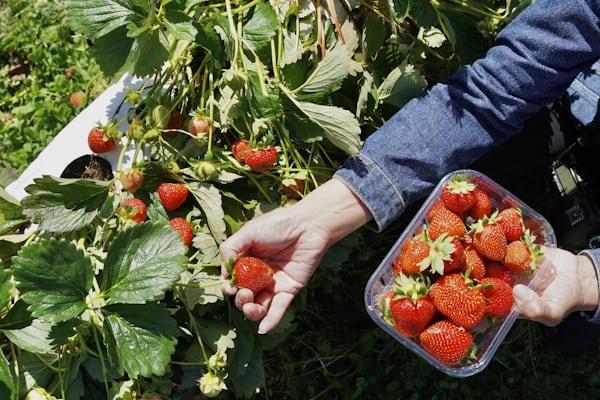
Pick when fully red with no white shoulder. Ripe berries pull easily. Harvest every 1-2 days - berries don't ripen after picking.
Safe for pets?
Yes, completely safe for dogs and cats. Remove leaves and stems. Feed in moderation. Avoid strawberry yogurt with xylitol.
Why taste less sweet?
Usually taste sweeter! If bland: increase potassium fertilizer, ensure 8+ hours light, harvest fully ripe, reduce watering as berries ripen.
Reuse runners for new plants?
Yes. Propagate runners in late spring/summer. Mother plants decline after 2-3 years - replace with runners from top producers.
References & Sources
Information in this guide is based on these trusted sources.