
Spinach
Spinach is a nutrient rich, cool season leafy green that grows fast in beds and containers.
Video Tutorials
Watch these helpful videos to learn more about Spinach care.
About Spinach
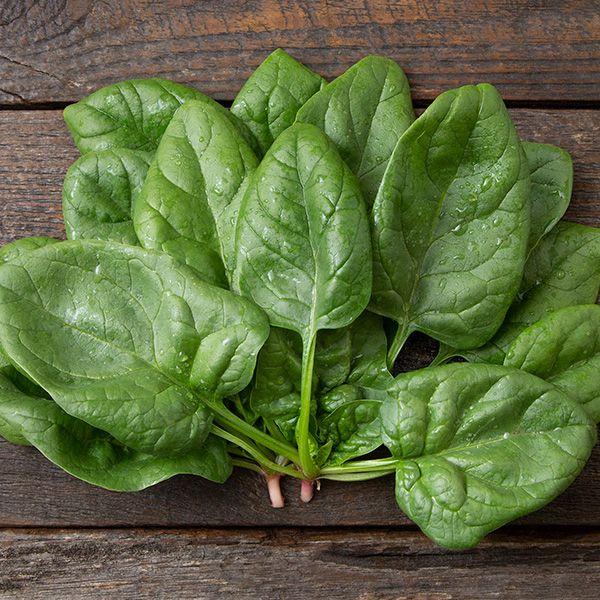
Spinach is a cool season leafy vegetable valued for its tender, vitamin packed leaves and quick harvests. It suits salads, smoothies and cooked dishes, and does well in raised beds, window boxes and small patios.
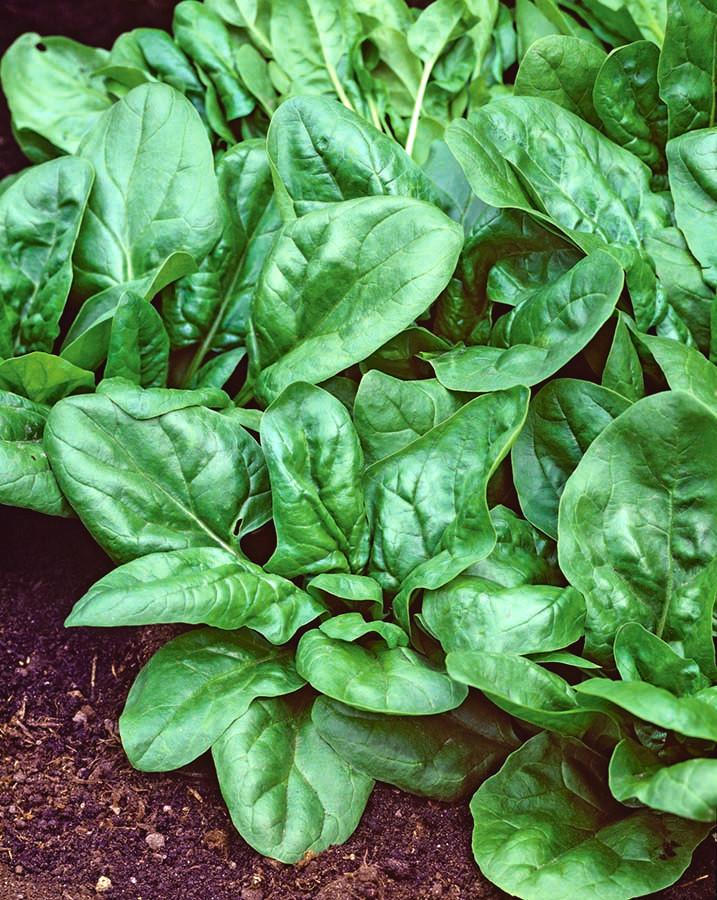
In traditional gardens, spinach grows in fertile, moisture retentive but well drained soils in temperate regions. It prefers mild temperatures around 55-60°F with steady moisture and performs best in spring and fall when days are cool and not extremely long.
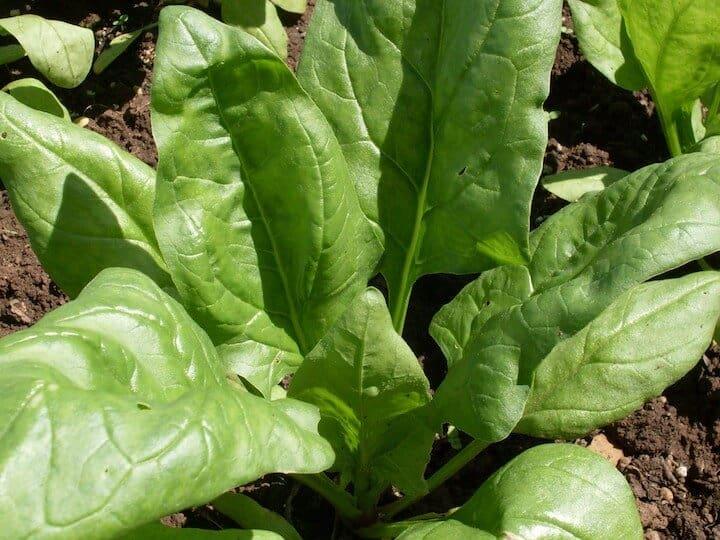
As a container or balcony crop, spinach rewards consistent care with repeat cut and come again harvests. With bright light, cool temperatures and regular watering, each sowing can supply fresh leaves for several weeks before plants naturally bolt.
Watering Schedule
Spinach needs consistently moist, cool soil to stay tender, flavorful and slow to bolt.
Common Problems & Solutions
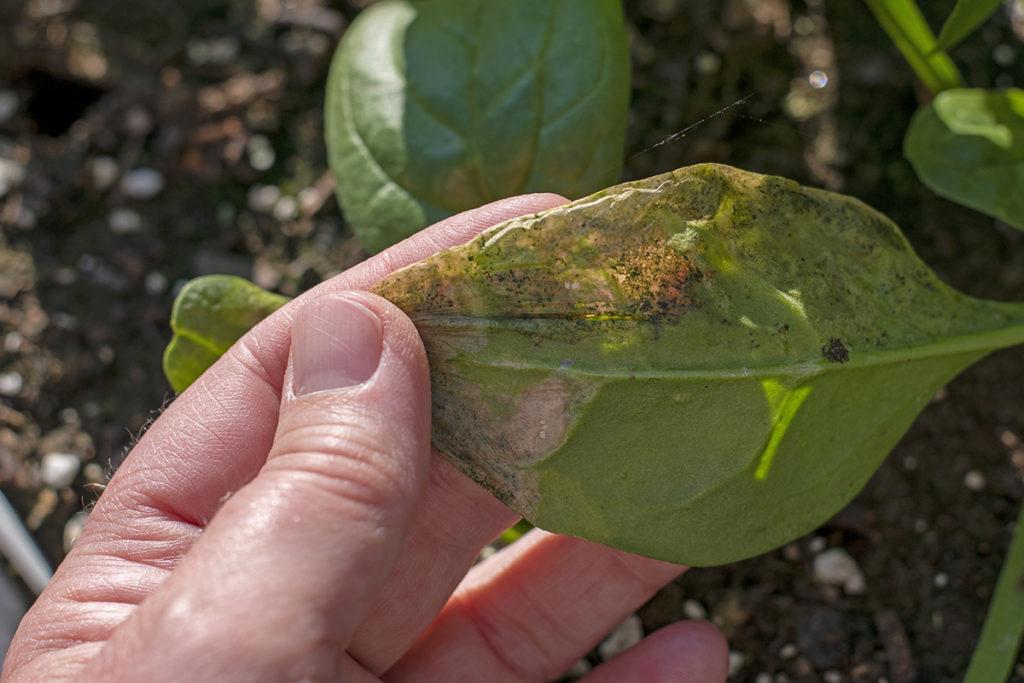
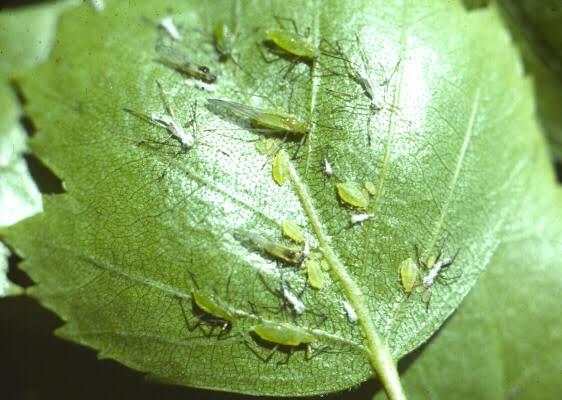
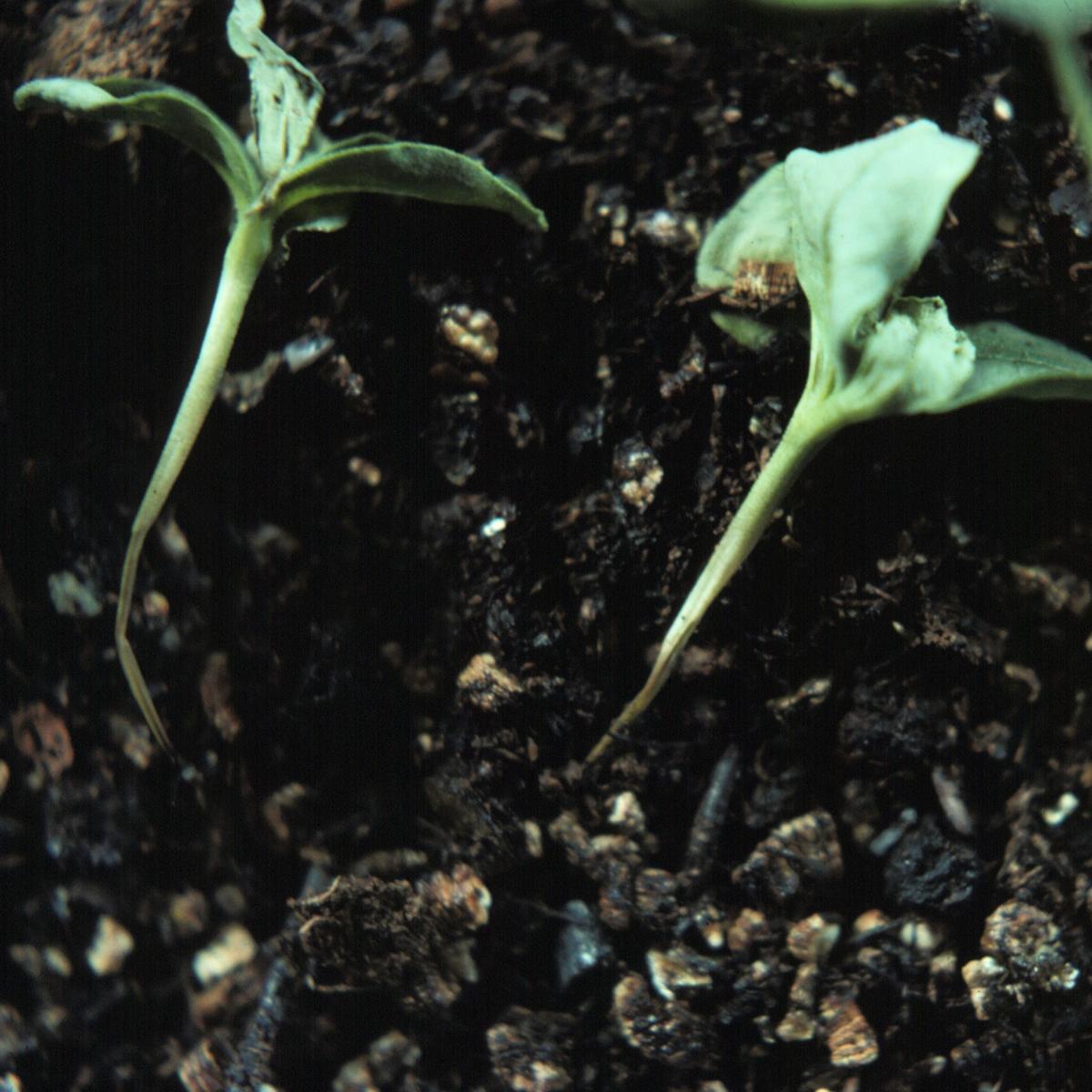
Here's how to identify and fix the most common Spinach problems.

Popular Varieties
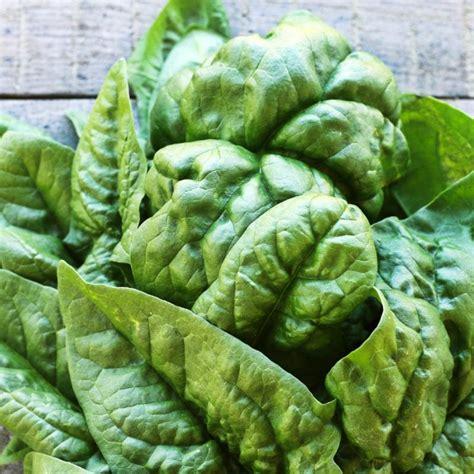
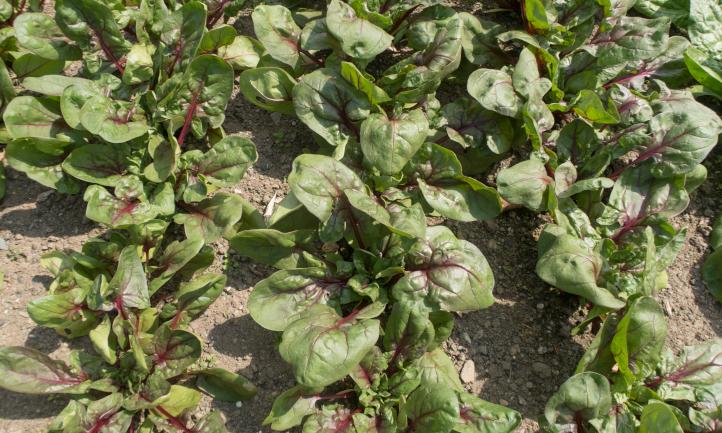
Explore different Spinach varieties and find your perfect match.
Care Tips & Best Practices
Humidity
Aim for moderate humidity and avoid constantly wet foliage to limit downy mildew issues.
Feeding
Give a balanced, nitrogen rich liquid feed every 2-3 weeks for lush growth.
Cleaning
Remove yellow or damaged leaves often to improve airflow and reduce disease spread.
Support & Protection
Use shade cloth in hot spells and fleece or cloches during cold snaps.
Harvesting & Pruning
Pick outer leaves first, leaving the center intact to keep producing.
Rotation
Move spinach to a new bed or container each season to reduce soil disease.
Care Checklist
10 Common Mistakes to Avoid
Sowing spinach in very warm midsummer weather.
Why it's bad: High temperatures and long days promote fast bolting and bitter leaves.
Do this instead: Grow in spring and fall, or provide shade and cooler microclimates.
Planting spinach in shallow, compacted or heavy clay soil.
Why it's bad: Poor drainage suffocates roots and encourages damping off and root rot.
Do this instead: Loosen soil, add compost or use raised beds and deep containers.
Letting containers dry out completely between waterings.
Why it's bad: Repeated wilting stresses plants and speeds early flowering.
Do this instead: Keep soil evenly moist with deep watering and a light mulch layer.
Overcrowding seedlings and never thinning properly.
Why it's bad: Crowded plants compete and become weak, while diseases spread faster.
Do this instead: Thin gradually so each plant has space to form a full rosette.
Overfeeding with strong nitrogen fertiliser too often.
Why it's bad: Excess nitrogen leads to soft, pest prone growth.
Do this instead: Use balanced fertiliser at label rates and intervals.
Watering over the leaves late in the evening.
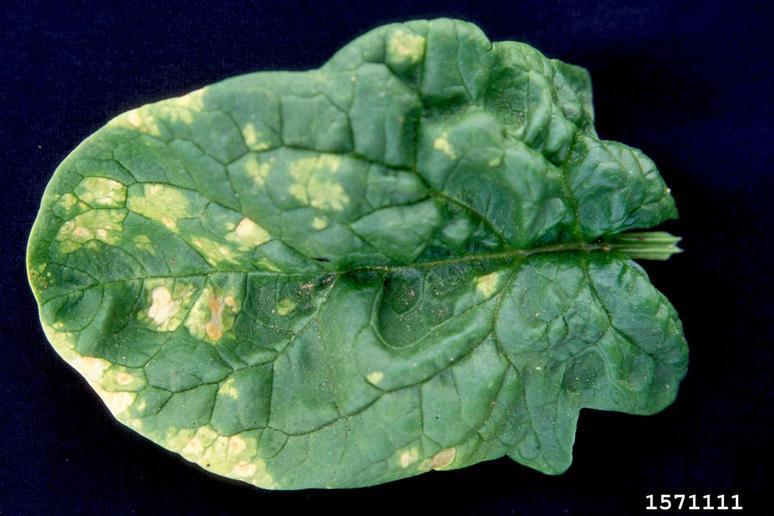
Why it's bad: Nighttime leaf wetness helps downy mildew and leaf spots spread.
Do this instead: Water soil in the morning, keeping foliage as dry as possible.
Growing spinach in deep indoor shade.
Why it's bad: Too little light creates leggy, weak plants with poor flavor.
Do this instead: Provide several hours of sun or bright grow lights daily.
Keeping spinach very close to strong heat sources.
Why it's bad: Hot, dry air speeds wilting and encourages bolting.
Do this instead: Place it in a cool, bright spot away from heaters and ovens.
Leaving bolting plants standing for long periods.
Why it's bad: Plants stop leaf production and can host more pests.
Do this instead: Pull bolting plants quickly and replant with new seed.
Feeding large amounts of spinach to pets with kidney issues.
Why it's bad: Oxalates may worsen existing kidney or bladder problems.
Do this instead: Offer only small treats occasionally or choose safer greens.
Frequently Asked Questions
How much sun does spinach need to grow well?
Outdoors, spinach prefers 4-6 hours of direct sun in cool weather or light shade in warmer periods. Indoors, give very bright light or a grow light for 10-12 hours daily so plants stay compact and leafy rather than weak and stretched.
How often should I water spinach in pots?
In cool weather, water deeply when the top 1-2 cm of soil feels dry. In warm rooms or windy balconies, pots can dry within a day, so always check soil with your finger instead of following a strict calendar schedule.
Can I grow spinach indoors year round?
Yes, you can grow small container crops indoors if you give strong light and cool conditions. Use a bright windowsill or LED grow light, keep temperatures below about 75°F and resow every few weeks because each batch has a limited harvest window.
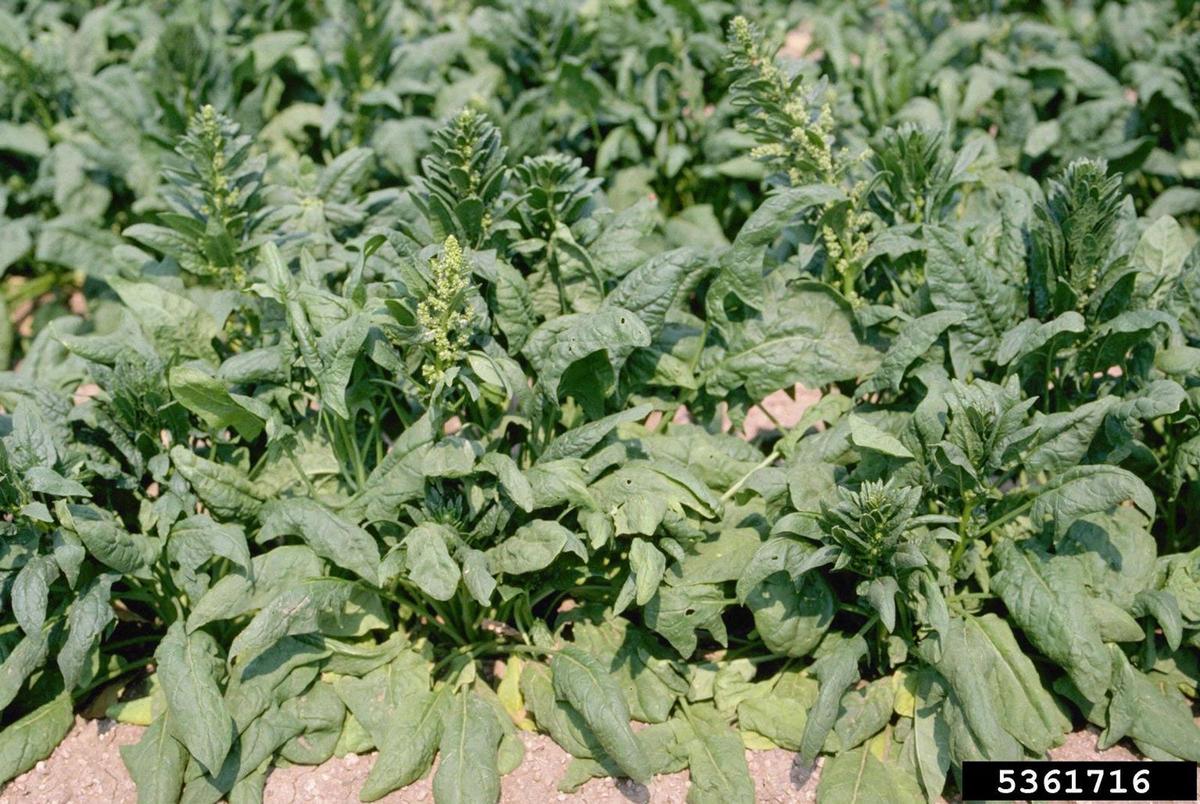
Why is my spinach sending up a tall flower stalk?
That is bolting, which happens as temperatures rise, days get longer or plants are stressed. Once bolting starts, leaves quickly become smaller and more bitter, so harvest what you can and replant in a cooler season or shadier place.
How long does spinach take from seed to harvest?
Most varieties reach baby leaf stage about 4 weeks after sowing in cool conditions. Full size leaves usually take 6-8 weeks, depending on temperature, spacing and variety, with faster growth in fertile, moist soil around 55-65°F.
Will spinach regrow after I cut it?
Yes, if you harvest by picking outer leaves and keep the central crown, it will keep producing. Even a plant cut just above the crown can often send a second, smaller flush of leaves before eventually bolting or tiring out.
What size container is best for spinach?
Use a container at least 8-10 inches wide and 6 inches deep with good drainage holes. This provides space for several plants and enough soil volume to stay moist between waterings, which is essential for sweet, non bitter leaves.
What temperature is best for spinach growth?
Spinach thrives in cool weather, with ideal temperatures roughly 50-65°F. It tolerates light frost once established, but heat above the mid 70s with long days causes quick bolting and tougher, stronger flavored leaves.
Is spinach safe for pets to nibble?
Small amounts of plain spinach are generally safe for healthy dogs and cats. Because spinach contains oxalates, avoid giving large, frequent servings and be especially cautious with pets that already have kidney or urinary tract problems.
How can I keep spinach leaves tender and sweet?
Grow during cool seasons, keep soil evenly moist and harvest regularly while leaves are young. Give some shade in warmer weather, avoid letting plants wilt and choose varieties bred for slow bolting and good flavor in your climate.
References & Sources
Information in this guide is based on these trusted sources.