
spider plant
One of the easiest and most rewarding houseplants to grow, spider plants produce charming baby plantlets that cascade beautifully from parent plants.
Video Tutorials
Watch these helpful videos to learn more about spider plant care.
About spider plant
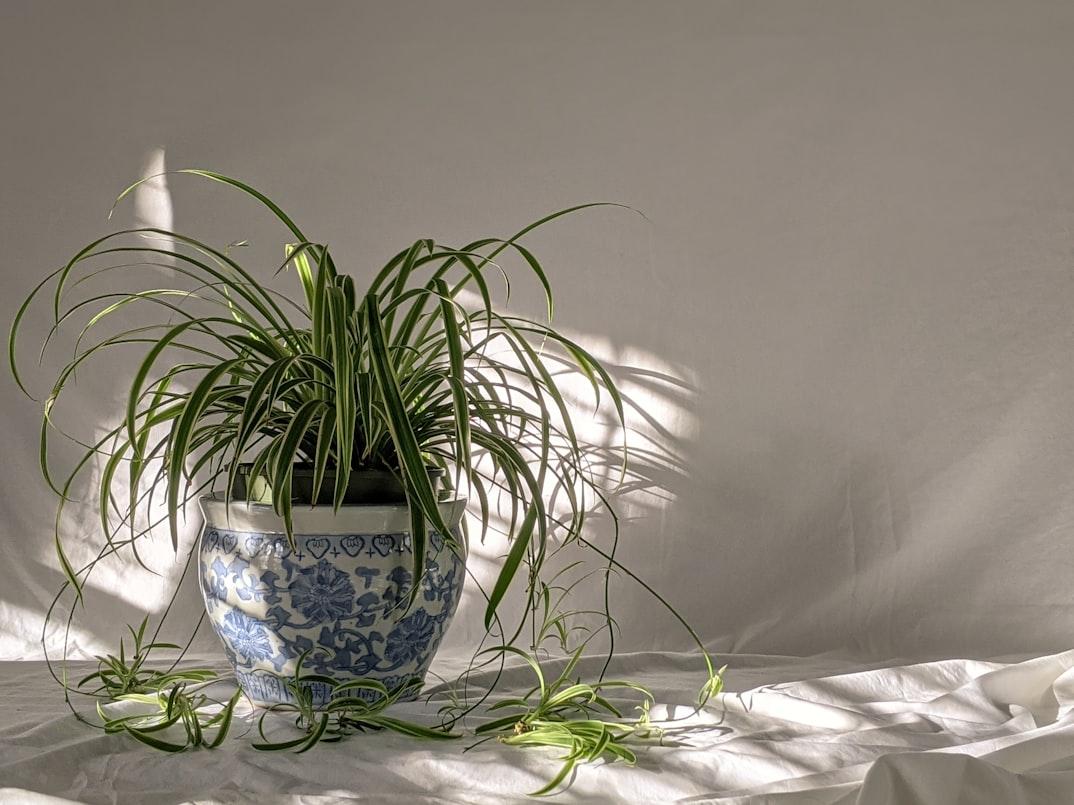
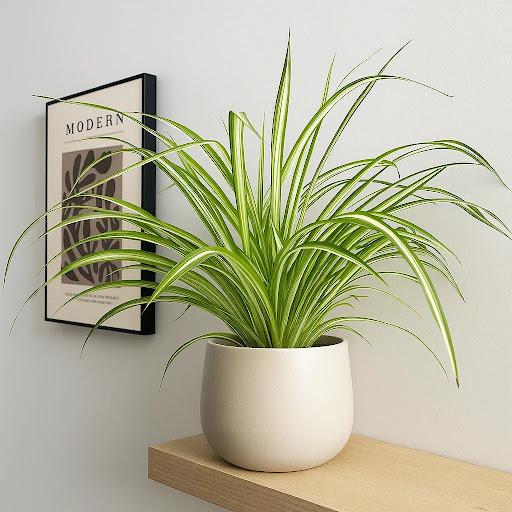
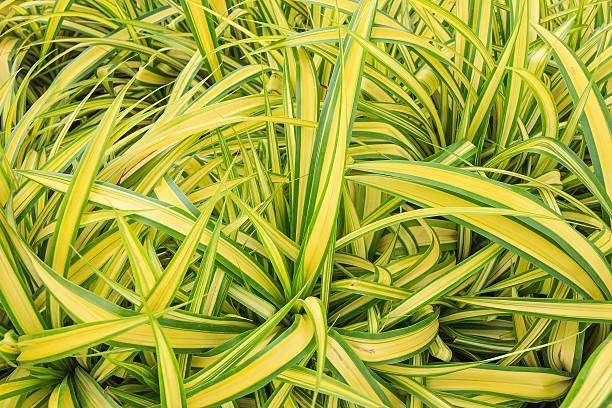
Spider plants stand out as one of the most forgiving houseplants for beginners and seasoned plant parents alike. Their arching, grass-like leaves and trailing babies make them instantly recognizable and deeply beloved. Originally native to coastal areas of South Africa, these plants have become naturalized worldwide due to their incredible adaptability and resilience.
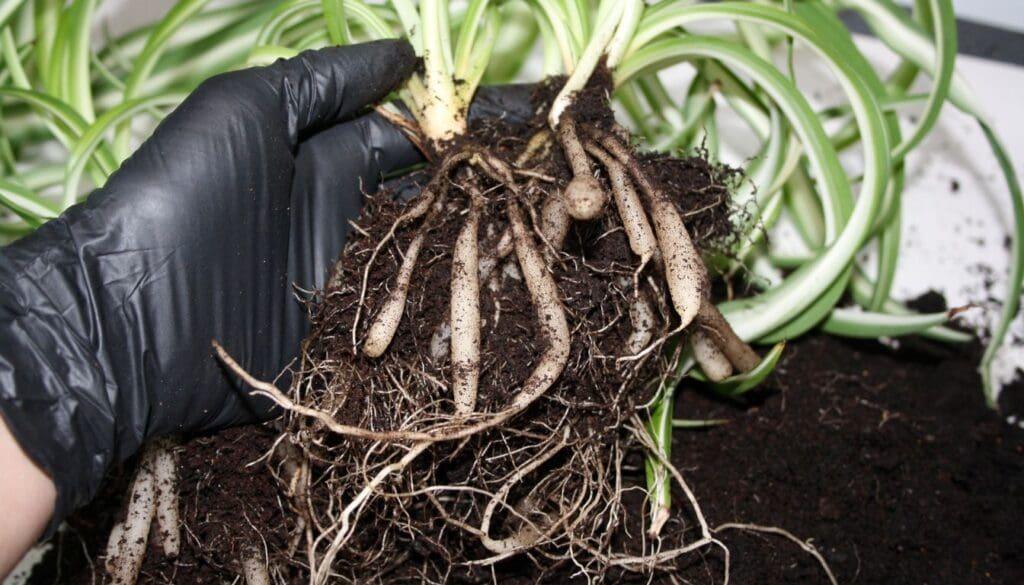
In their natural tropical habitats, spider plants grow amid forest canopies where they thrive in warm, humid conditions with filtered light. They developed fleshy, tuberous roots that store water, allowing them to survive inconsistent rainfall. This same adaptation makes them tolerant of occasional neglect indoors.
As houseplants, spider plants excel at producing those signature spiderettes or baby plants on long, delicate runners. A healthy, mature plant can fill your space with greenery within months and provide endless propagation opportunities. They typically reach full size within 2-5 years, growing quickly when given bright light and consistent watering.
Watering Schedule
Spider plants prefer soil that dries out between waterings. These plants store water in their tuberous roots, so they handle skipped waterings better than overwatering.
Common Problems & Solutions
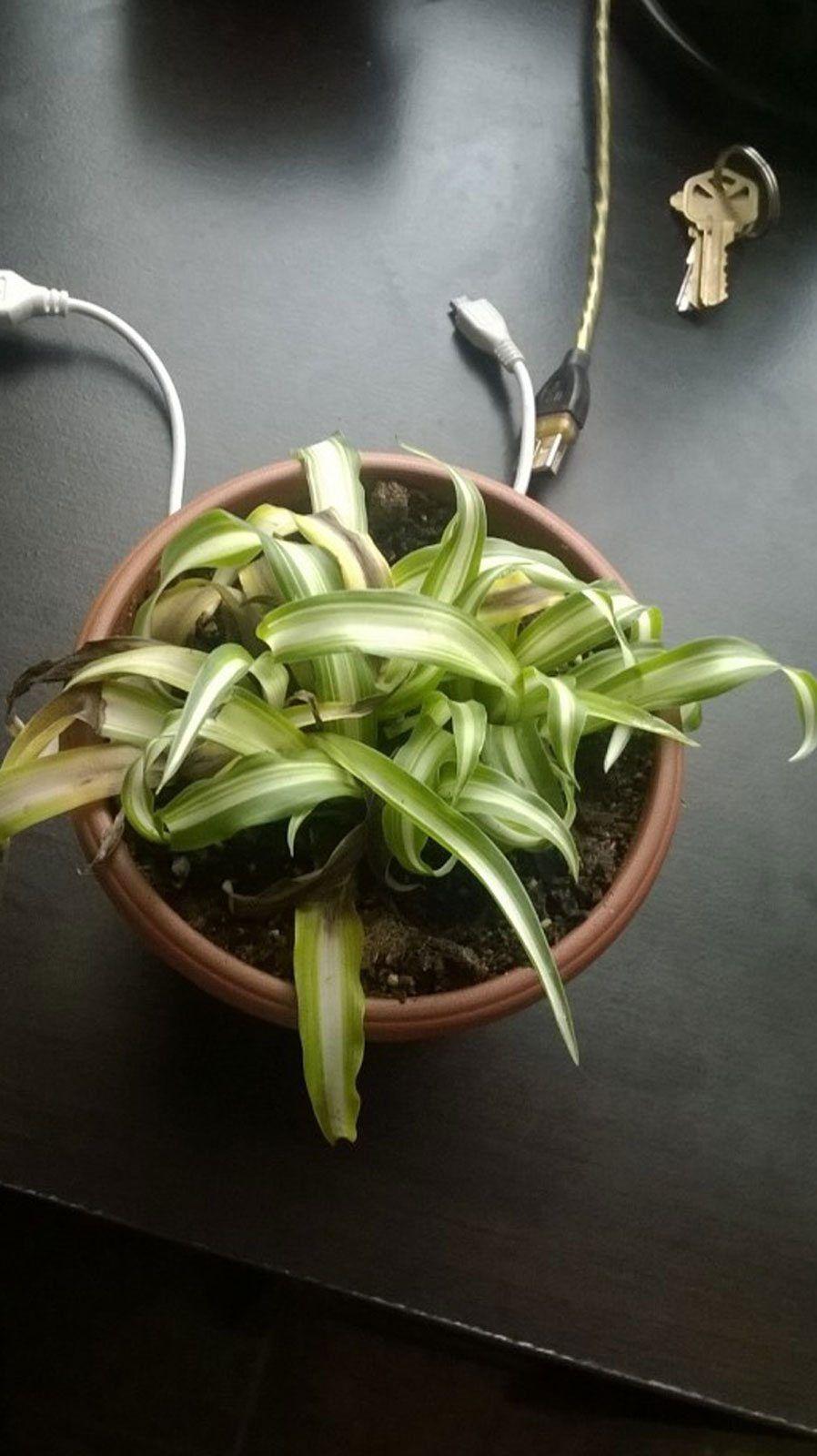
Here's how to identify and fix the most common spider plant problems.
Popular Varieties
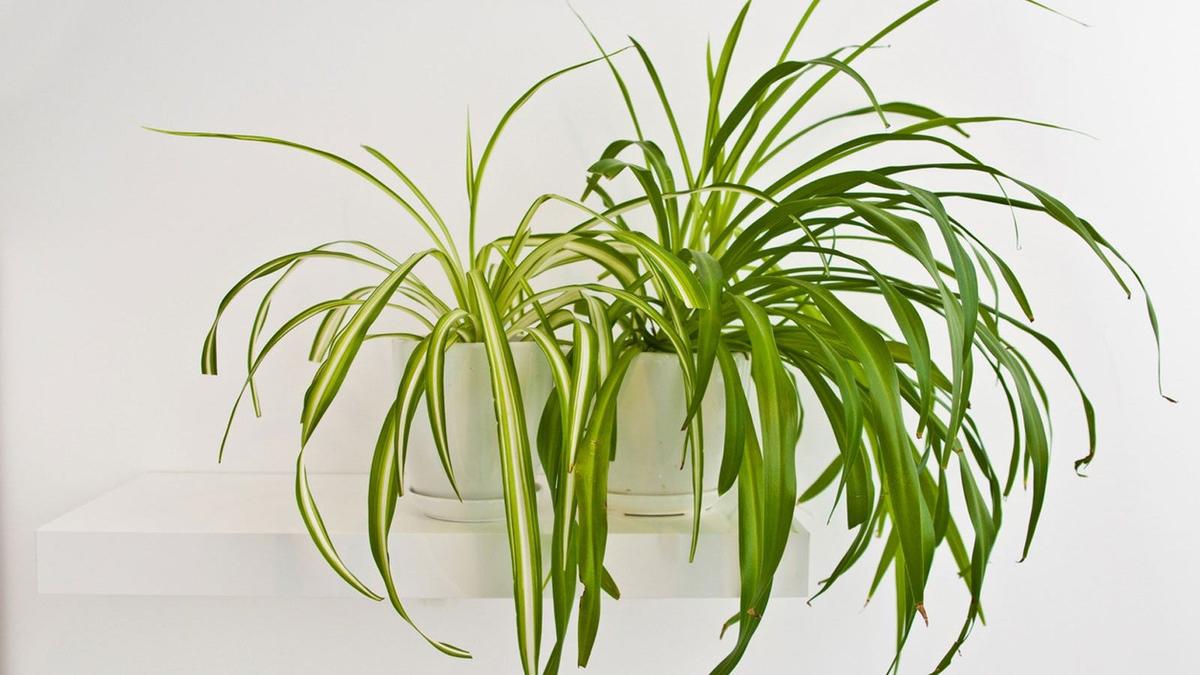
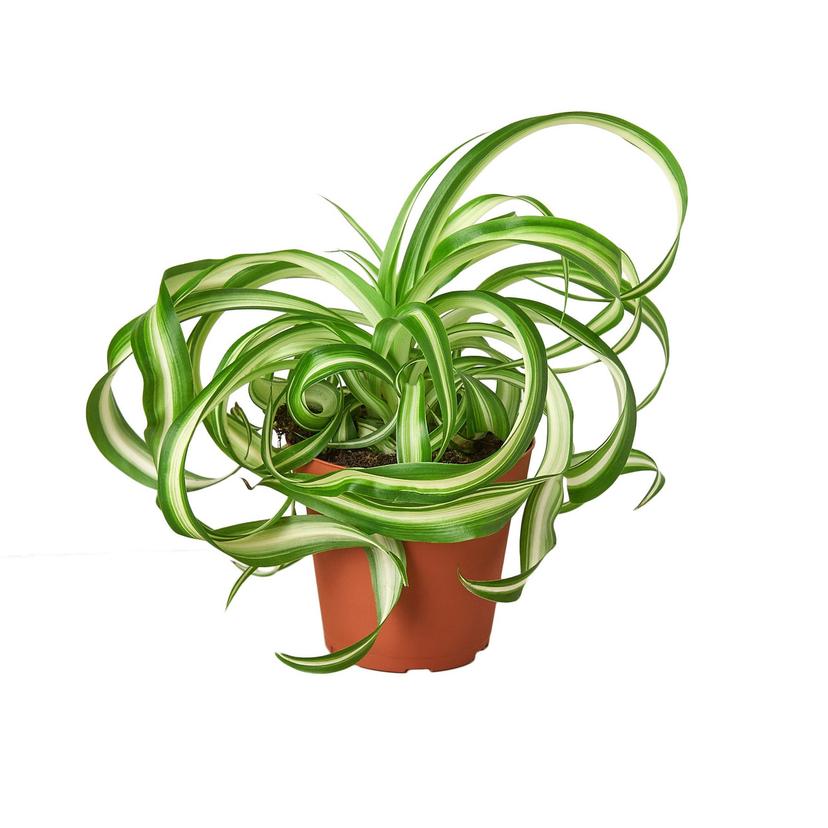
Explore different spider plant varieties and find your perfect match.
Care Tips & Best Practices
Humidity
Mist leaves once or twice weekly with a spray bottle filled with distilled water. Bathrooms and kitchens naturally provide humidity, so these are ideal locations.
Feeding
Fertilize every 2-4 weeks with balanced water-soluble fertilizer only during spring and summer. Stop feeding in fall and winter when growth slows.
Cleaning
Dust leaves monthly with a soft, damp cloth to remove accumulated dust. This improves light absorption and reduces pest infestations.
Support
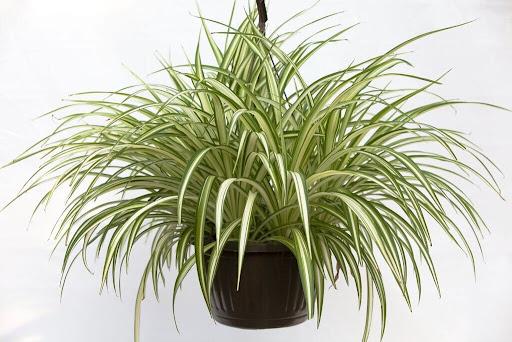
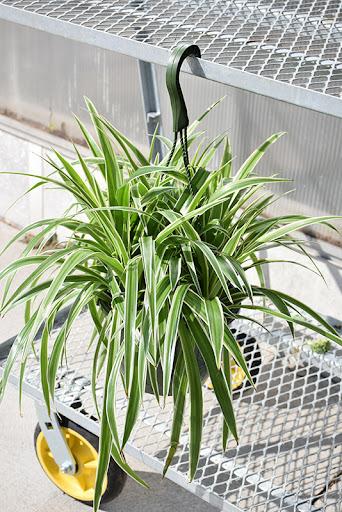
Use moss poles or trellises for upright growth, or hanging baskets to showcase cascading runners and spiderettes.
Pruning
Trim dead or yellowed leaves at the base. Leave runners attached unless propagating; they continue producing more babies.
Rotation
Rotate the pot a quarter turn weekly so all sides receive equal light. This promotes even, bushy growth.
Care Checklist
10 Common Mistakes to Avoid
Overwatering constantly
Why it's bad: Soggy soil suffocates roots and causes rapid root rot, killing the plant.
Do this instead: Wait until top 50% of soil is dry. Your finger is the best watering gauge.
Placing in dark corners
Why it's bad: Low light causes leggy growth, no spiderette production, and weak foliage.
Do this instead: Position within 3 feet of a window with bright, filtered light for best results.
Using tap water regularly
Why it's bad: Fluoride and chlorine accumulate in soil, causing brown leaf tips and toxicity.
Do this instead: Use filtered, distilled, or rainwater. Let tap water sit overnight before use.
Over-fertilizing during growing season
Why it's bad: Excess salts build up in soil, burning roots and creating brown tips.
Do this instead: Fertilize every 2-4 weeks at half strength during spring and summer only.
Keeping soil constantly moist
Why it's bad: Spider plants evolved in dry climates and store water in tuberous roots.
Do this instead: Allow 50% of soil to dry between waterings for optimal health.
Placing near heating vents or radiators
Why it's bad: Hot, dry air from vents causes brown tips and stressed growth.
Do this instead: Choose spots with stable temperature and natural humidity sources.
Ignoring pest problems early
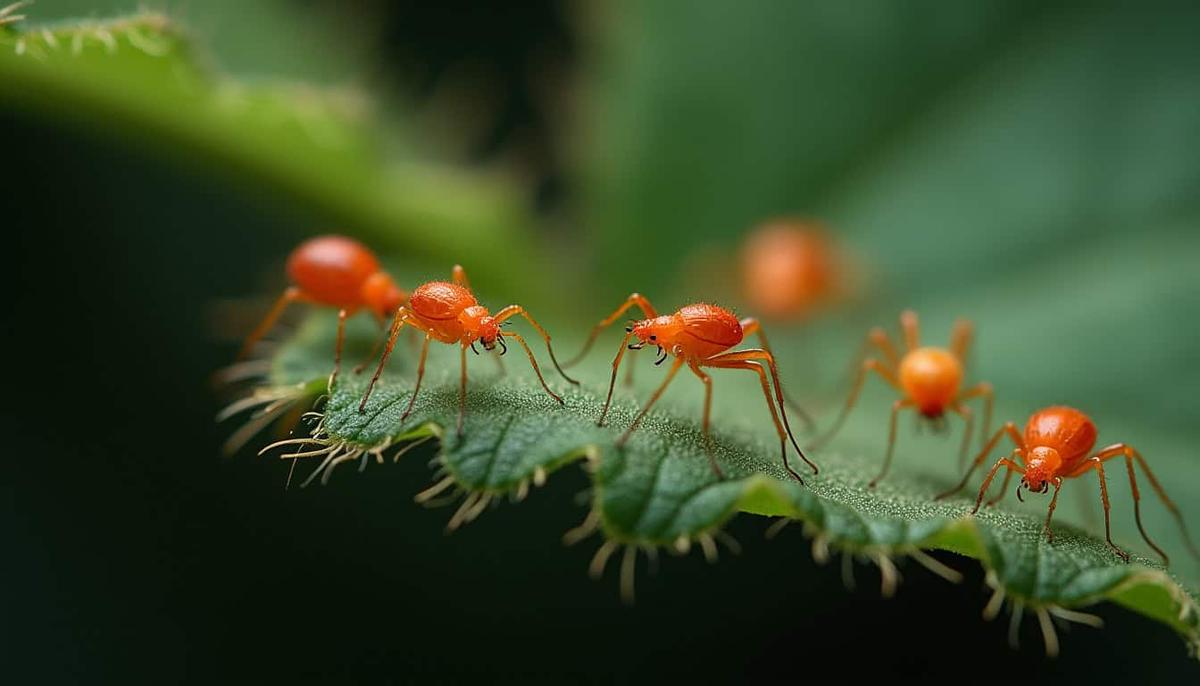
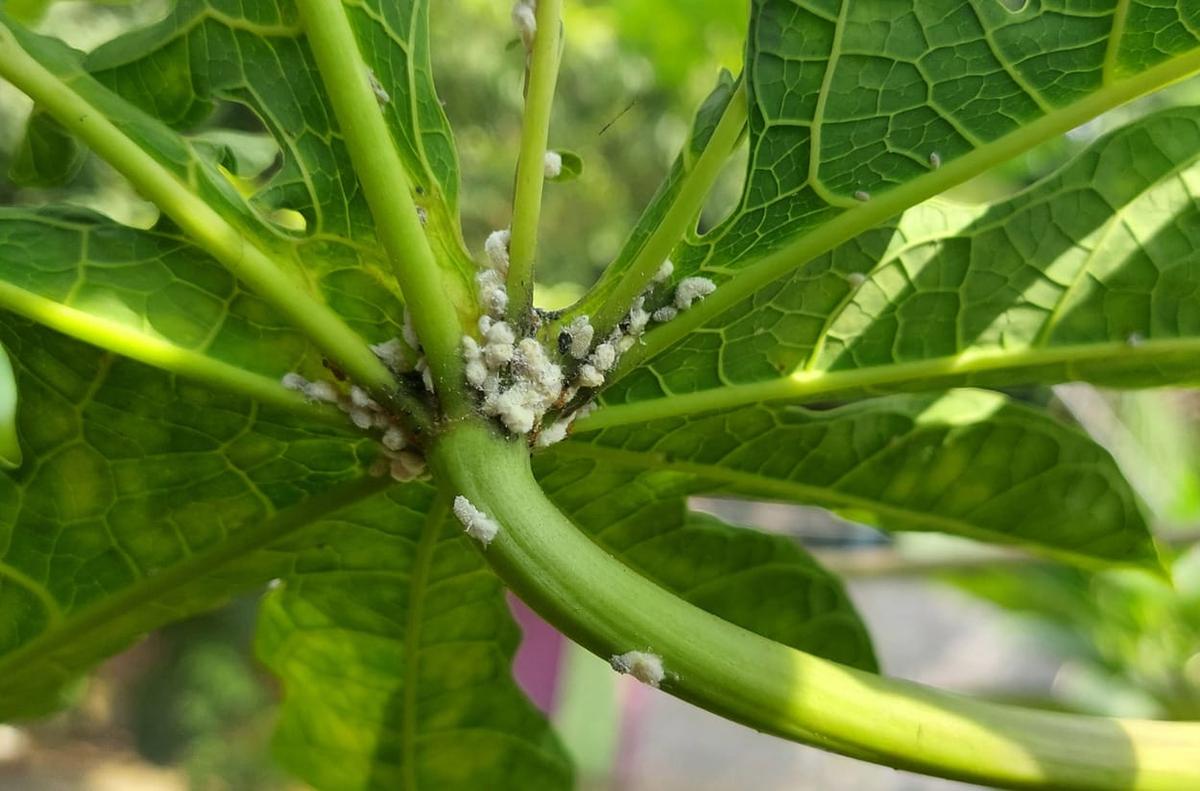
Why it's bad: Spider mites and mealybugs spread rapidly without intervention.
Do this instead: Inspect plants weekly and treat immediately with water spray or insecticidal soap.
Never rotating the pot
Why it's bad: One side gets more light, creating lopsided, uneven growth.
Do this instead: Rotate a quarter turn weekly so all sides receive equal light exposure.
Repotting too frequently
Why it's bad: Constant repotting stresses the plant and disrupts root systems.
Do this instead: Repot young plants once yearly, mature plants every 2 years.
Exposing to direct afternoon sun
Why it's bad: Scorched, papery brown patches appear on tender foliage.
Do this instead: Provide bright indirect light. Morning sun is fine, afternoon shade is essential.
Frequently Asked Questions
Why does my spider plant have brown tips on the leaves?
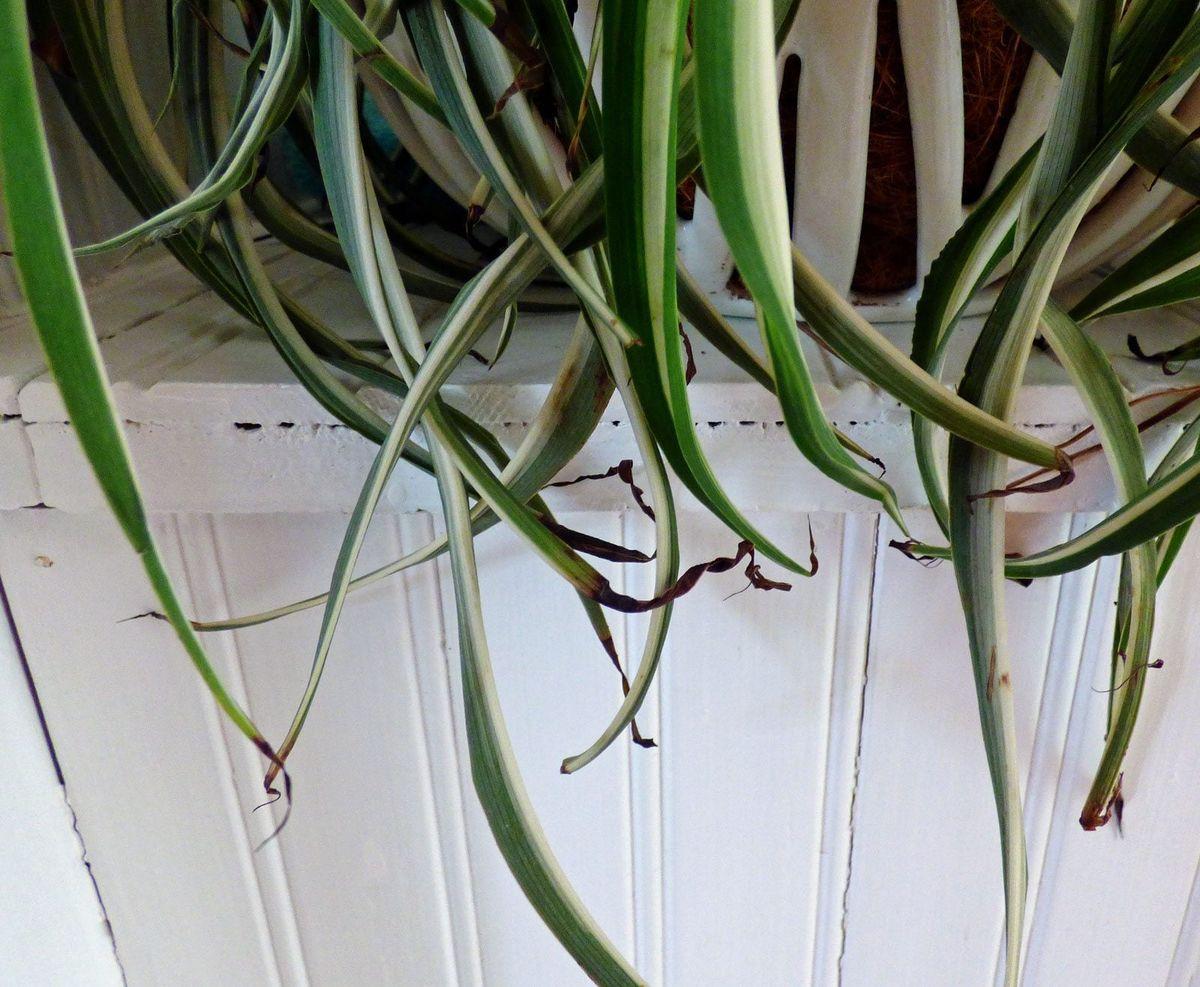
Brown tips commonly result from low humidity, over-fertilizing, fluoride in tap water, or letting soil dry too much. Start by misting weekly with distilled water and checking your fertilizer frequency. Brown tips from direct sun scorch are irreversible, but new growth will be healthy if you relocate the plant.
Can spider plants live in low light conditions?
Spider plants tolerate low light better than many houseplants, but they thrive in bright indirect light. In low light, growth slows dramatically and spiderette production stops. Solid green varieties handle lower light better than variegated types.
How often should I water my spider plant?
Water when the top 50% of soil feels dry to the touch, typically every 7-10 days. In winter when growth slows, water less frequently. Use filtered water if fluoride is present in your tap water to prevent brown tips.
Are spider plants toxic to cats and dogs?
No. The ASPCA confirms spider plants are completely non-toxic to cats, dogs, and children. While the plant is safe, cats eating large amounts might experience mild stomach upset due to mild psychoactive compounds, so it's best to discourage excessive nibbling.
Why isn't my spider plant producing babies?
Spiderettes appear on mature plants that receive bright light and are somewhat pot-bound. If your plant is young, doesn't get enough light, or is in too large a pot, it won't produce runners. Ensure bright indirect light and don't rush to repot.
How do I propagate spider plant babies?
Cut spiderettes from the runner while still attached to the mother or snip them off. Place in water where roots form within 7-14 days, then pot in moist soil. Alternatively, place the plantlet in soil while still attached to the mother until rooted, then separate.
Can I grow spider plants outdoors?
Yes, in USDA zones 9-11 they grow as perennials. In cooler climates, treat them as annuals or bring indoors before frost. They prefer partial shade outdoors and cascade beautifully in hanging baskets.
What causes root rot in spider plants?
Overwatering and poor drainage are the main culprits. Spider plants have thick, water-storing roots that rot quickly in soggy soil. Use well-draining potting mix, ensure pots have drainage holes, and allow soil to dry between waterings.
How large do spider plants grow?
Most spider plants reach 12-15 inches tall and spread similarly. Trailing runners add significant length when cascading from hanging baskets. Compact varieties like Mandaianum stay around 6-8 inches tall.
Do spider plants really purify the air?
Lab studies show spider plants remove formaldehyde, carbon monoxide, and xylene. However, real-world air purification is limited without dozens of plants in a confined space. They're still beneficial as decorative greenery that contributes to air quality over time.
References & Sources
Information in this guide is based on these trusted sources.