
Snake Plant
Bulletproof, striking, and nearly indestructible. Snake Plants thrive on neglect while purifying your air and adding architectural beauty to any space.
Video Tutorials
Watch these helpful videos to learn more about Snake Plant care.
About Snake Plant
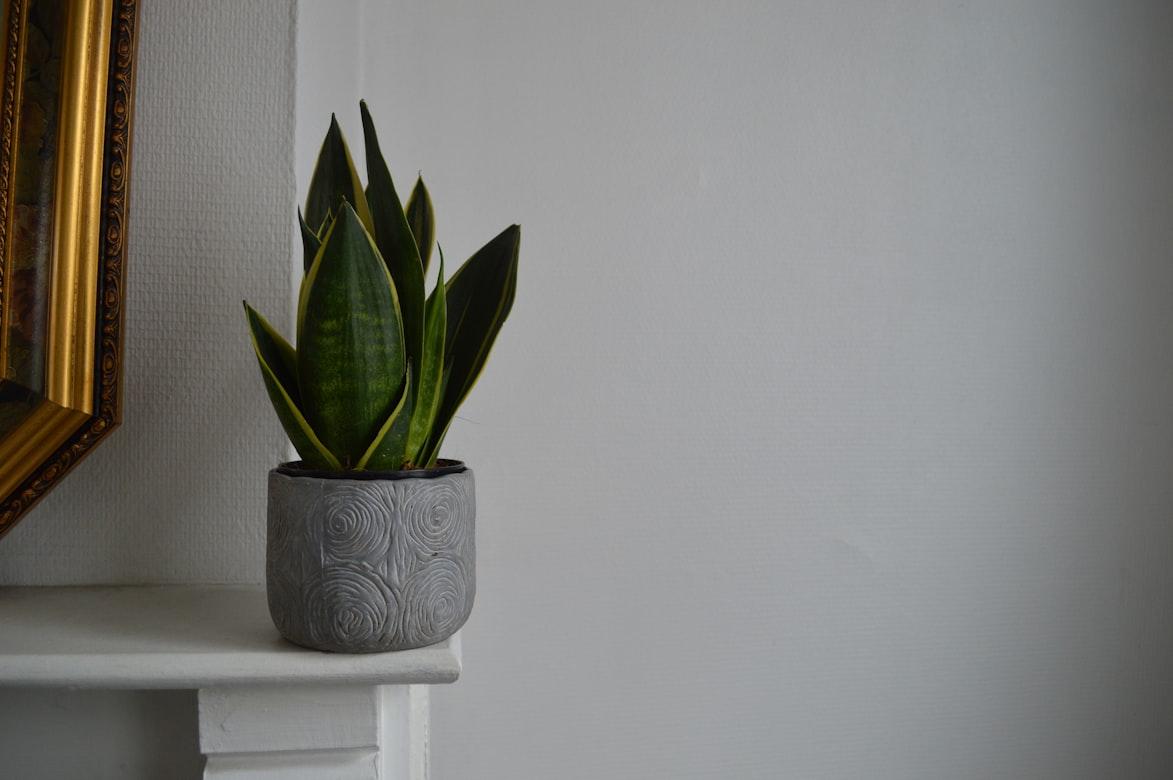
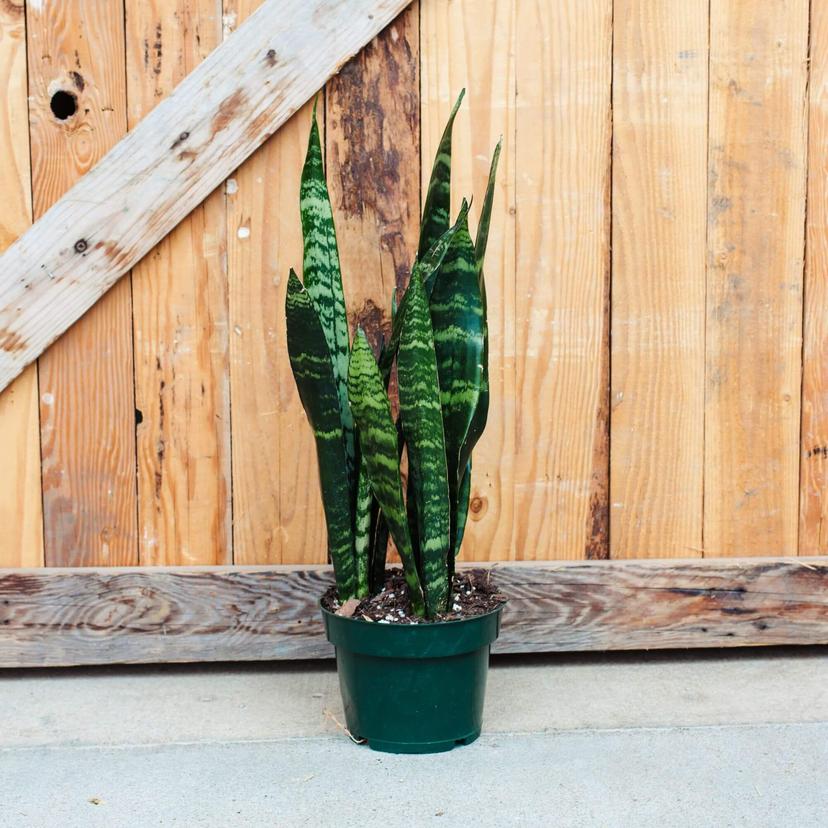
Snake Plants are the ultimate low-maintenance champions, beloved worldwide for striking sword-shaped leaves and forgiving nature. These architectural beauties thrive on neglect, store water in thick leaves, and adapt to virtually any lighting. Perfect for beginners and busy plant lovers, Snake Plants rank among the easiest houseplants to grow.
Native to tropical and subtropical West Africa, Snake Plants evolved in dry, rocky areas with minimal water and intense sun. They developed thick, waxy leaves and underground rhizomes storing water to survive drought. This desert-adapted biology explains their tolerance for neglect better than almost any houseplant.
Indoors, Snake Plants reach 2-3 feet tall, though some varieties stretch to 5 feet. These long-lived plants thrive for decades with minimal care, producing new leaves slowly but steadily. Snake Plants purify indoor air by removing toxins, and the tight rhizomes sometimes burst through pots proving vigorous growth.
Watering Schedule
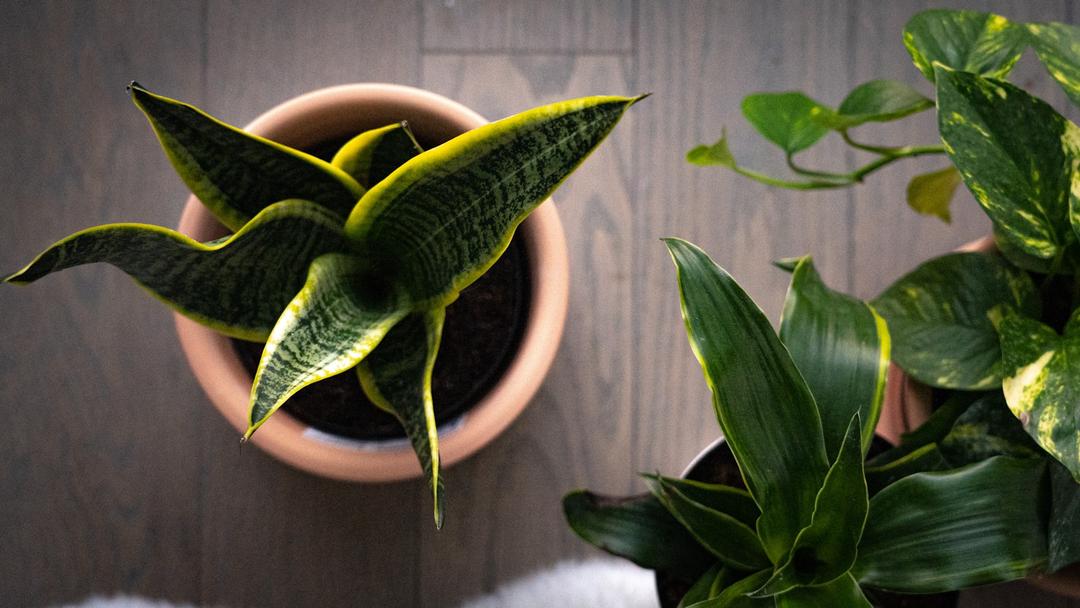
Snake Plants prefer dry conditions and thrive on neglect. They store water in thick leaves, so overwatering is far more dangerous than underwatering. Wait until soil is completely dry before watering.
Common Problems & Solutions
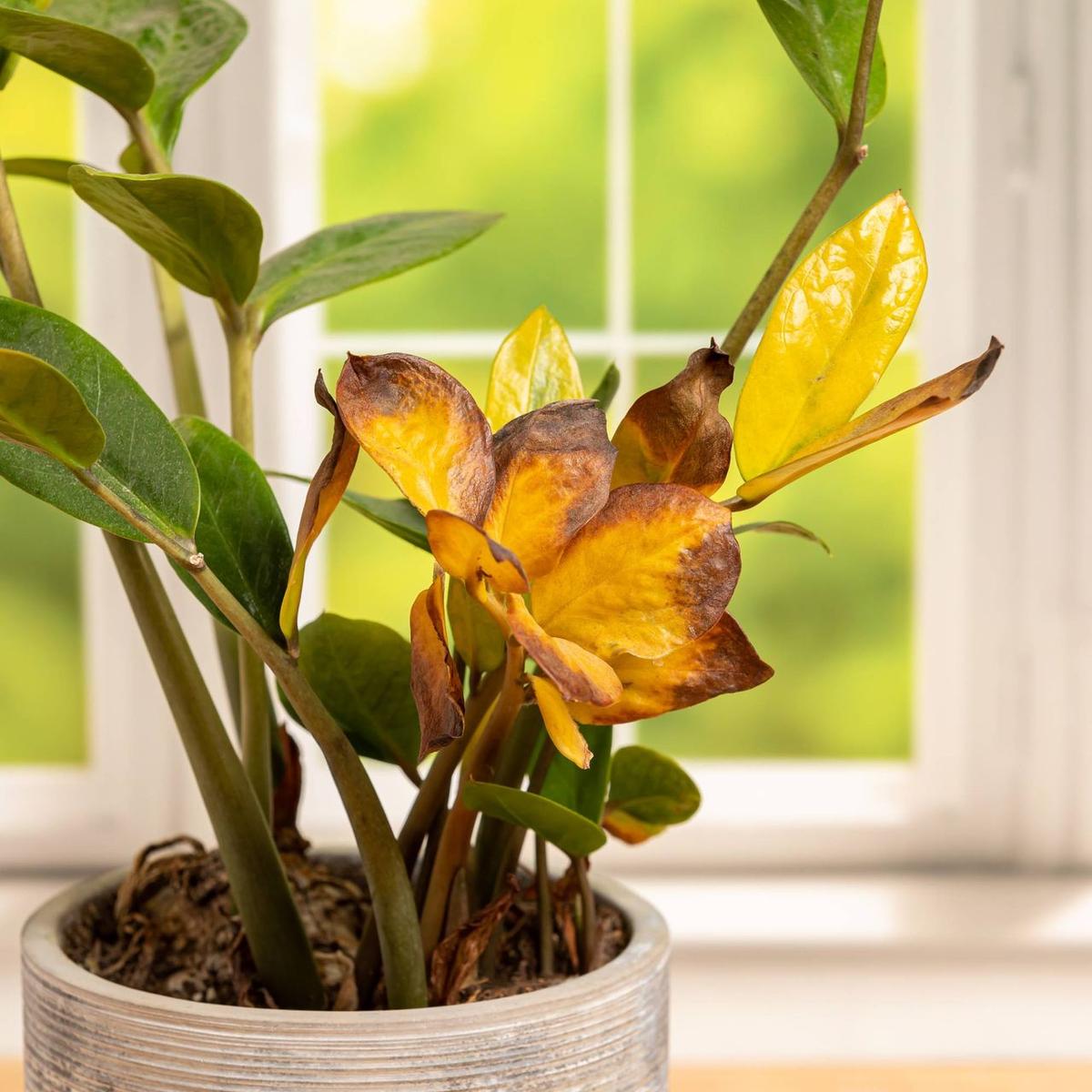
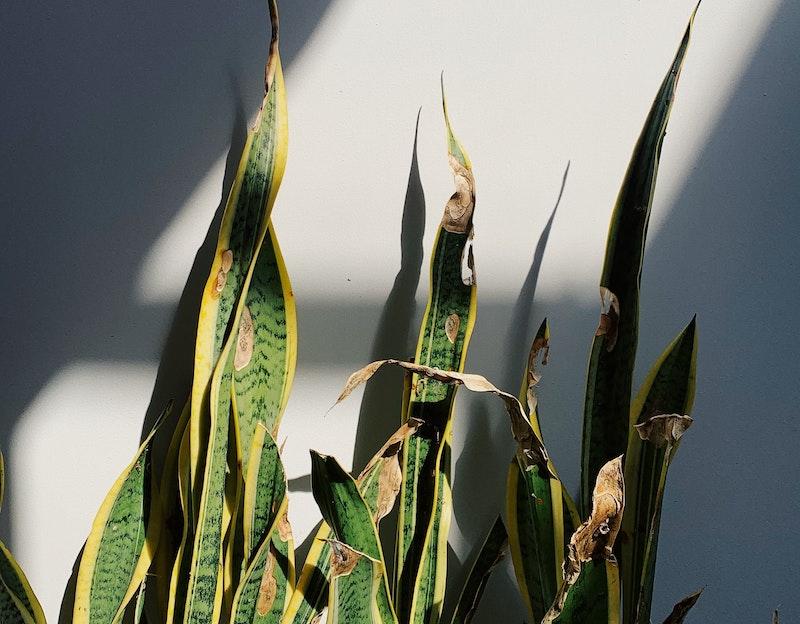
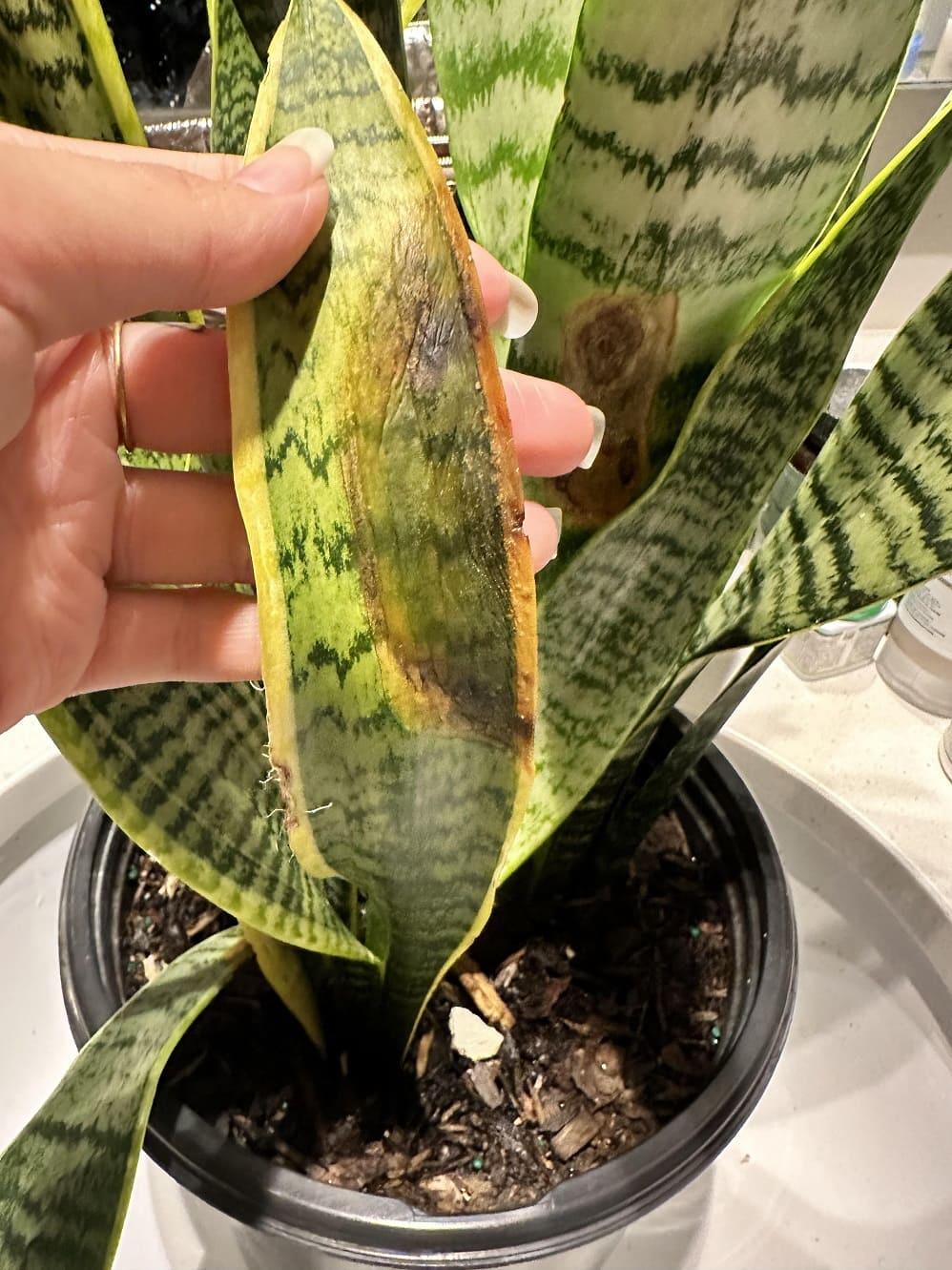
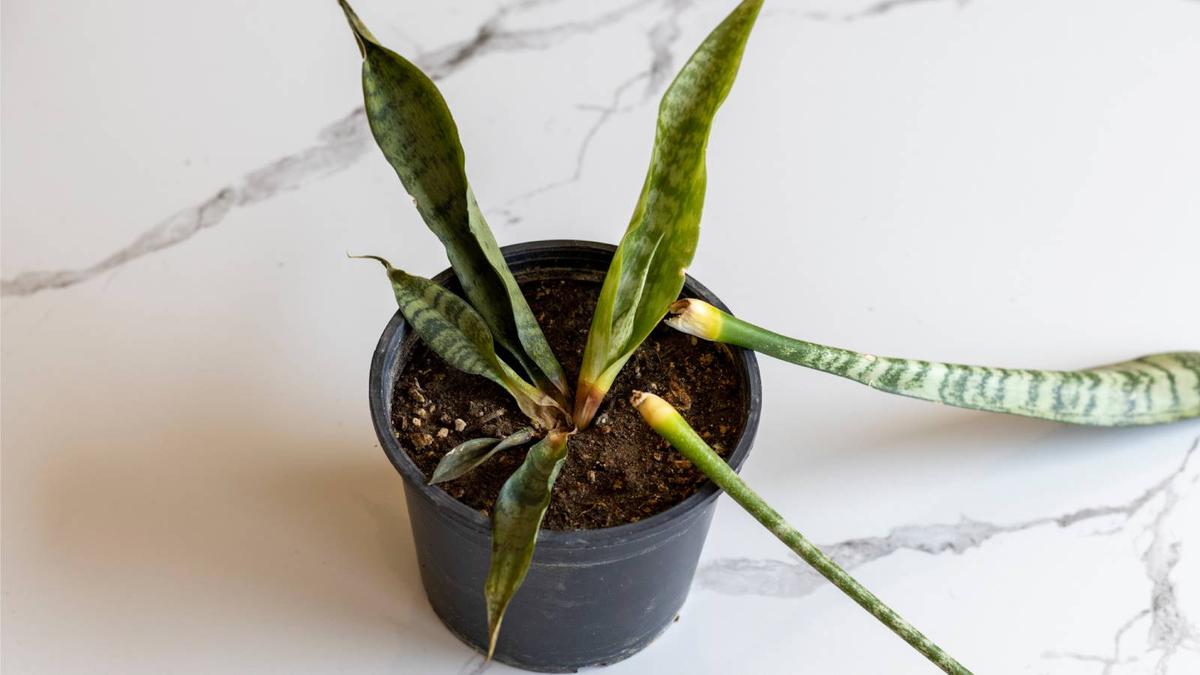
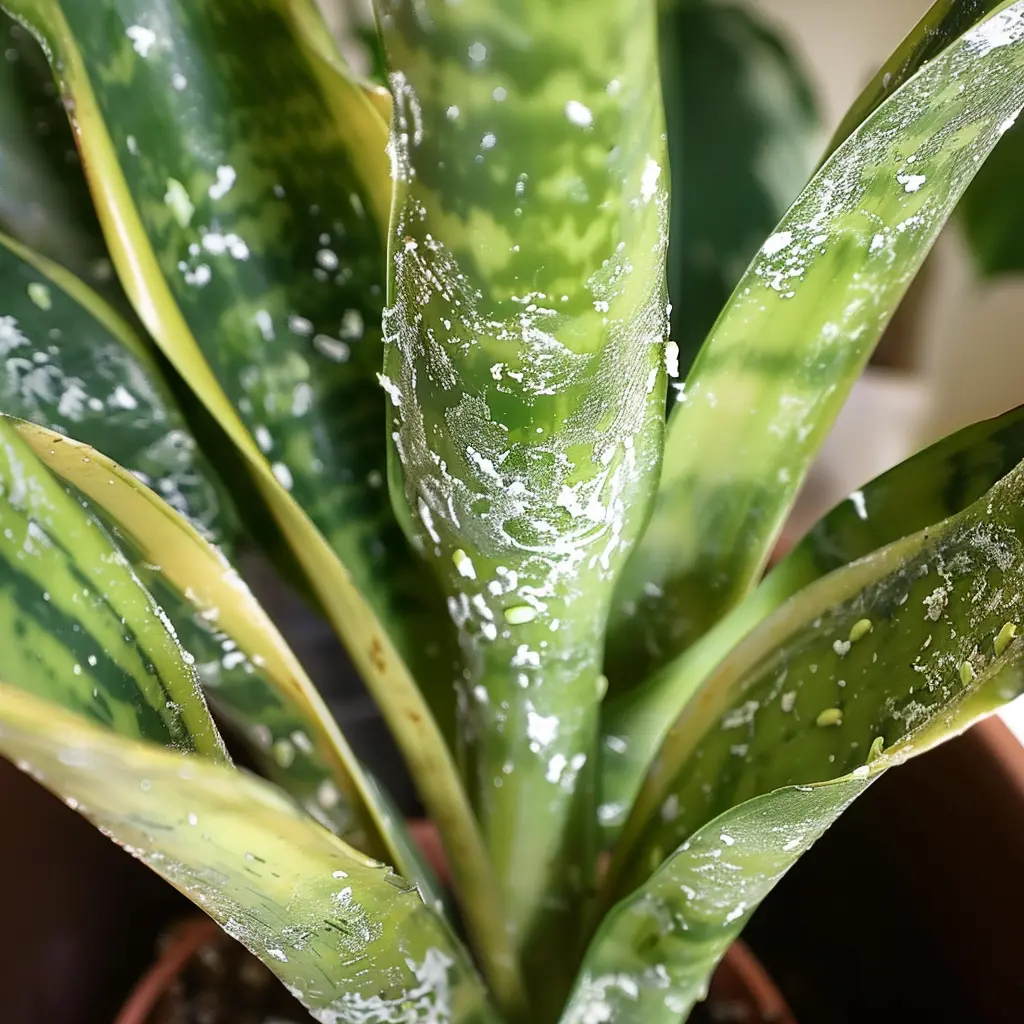
Here's how to identify and fix the most common Snake Plant problems.
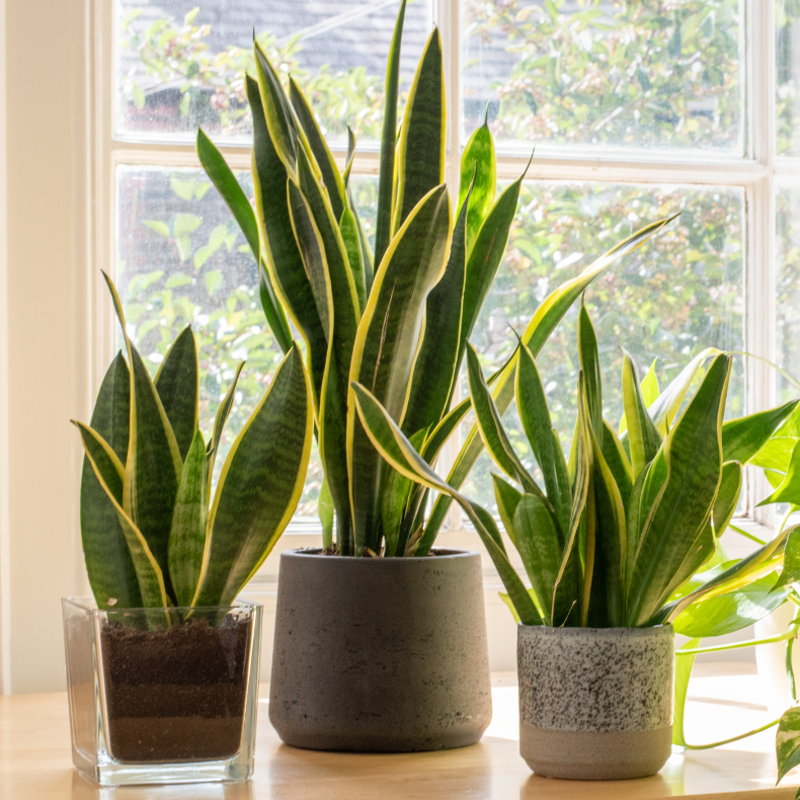
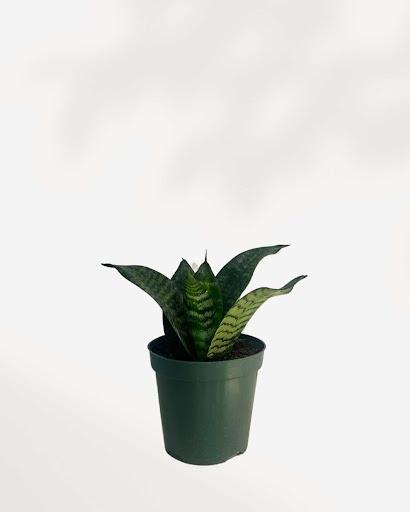
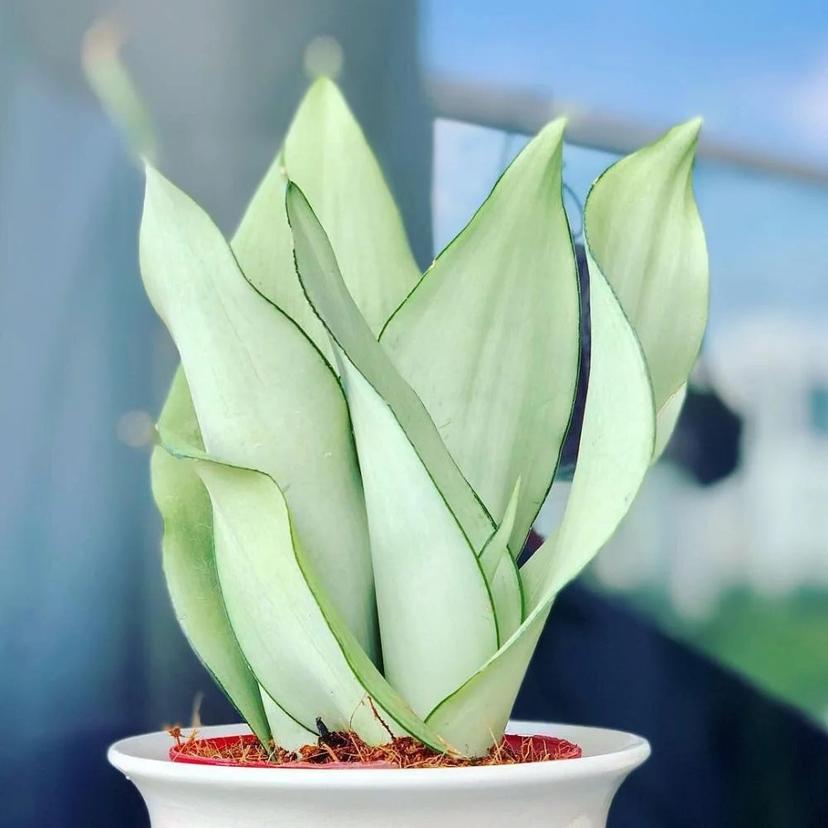
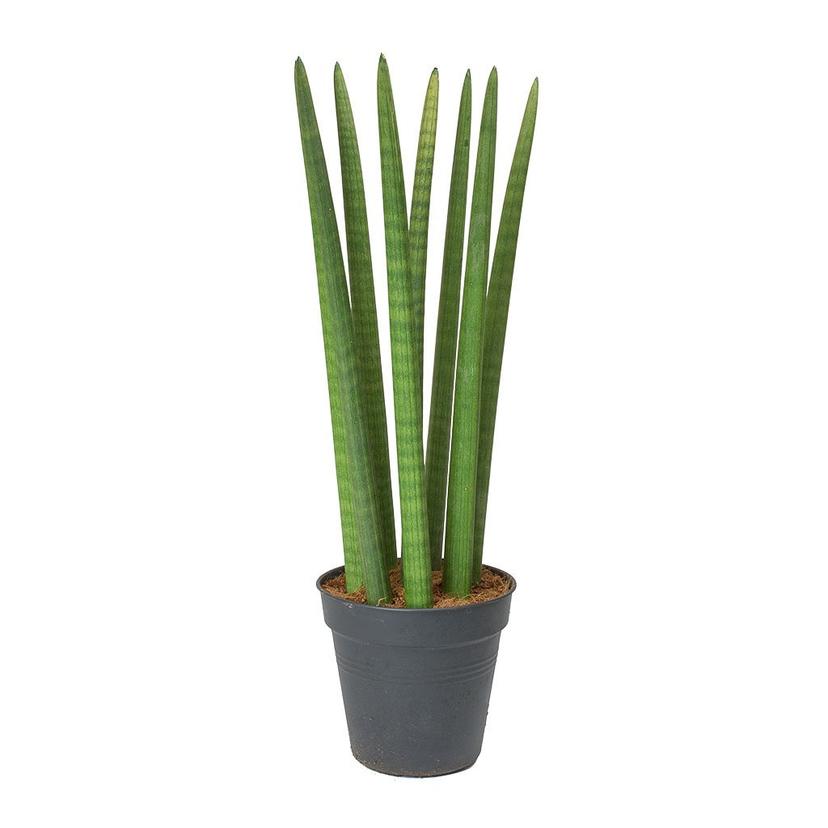
Popular Varieties
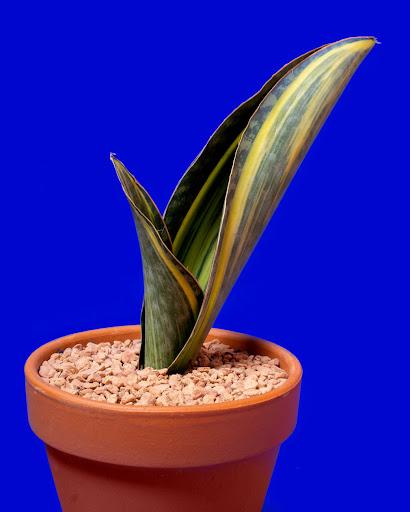
Explore different Snake Plant varieties and find your perfect match.
Care Tips & Best Practices
Humidity
Snake Plants thrive in average household humidity 30-50% and don't require misting. They evolved in dry African climates and actually prefer drier air. Excess leaf moisture invites fungal disease. No special humidity work needed.
Feeding
Fertilize only spring and summer growing season once every 4-6 weeks with diluted half-strength liquid fertilizer. Never fertilize dry soil; water first. Skip fertilizer in fall and winter. Overfertilizing burns leaves and damages roots.
Leaf Cleaning
Dust leaves every 1-2 months with soft barely damp cloth to remove dust blocking light. This discourages pests from settling. Avoid commercial leaf shine products that clog leaf pores.
Pruning and Support
Prune yellow or damaged leaves at base directing energy to healthy growth. Tall varieties rarely need support but can be staked if leaning. Prune in spring encouraging bushier growth.
Rotation
Rotate Snake Plant 90 degrees every watering for even light on all sides. This prevents lopsided growth keeping plants full and balanced from every angle.
Temperature Control
Maintain temperatures between 55-85°F for optimal growth. Snake Plants tolerate cooler winters fine but struggle below 50°F. Avoid cold drafts, heating vents, and sudden temperature swings.
Care Checklist
10 Common Mistakes to Avoid
Watering on fixed schedule regardless of soil moisture.
Why it's bad: Fixed watering schedules cause overwatering, the #1 killer of Snake Plants.
Do this instead: Check soil moisture first; water only when completely dry, 3-4 inches deep.
Using tap water containing chlorine and fluoride.
Why it's bad: Chlorine and fluoride accumulate in leaf tips causing permanent brown edges.
Do this instead: Use filtered, rainwater, or bottled water. Let tap water sit 24 hours for chlorine evaporation.
Choosing pots without drainage holes.
Why it's bad: Waterlogging soil without drainage causes root rot and plant death.
Do this instead: Always use pots with drainage holes. Excess water must flow freely.
Repotting into pots much larger than root ball.
Why it's bad: Extra soil holds excess moisture roots can't absorb, leading to rot.
Do this instead: Use pots only 1-2 inches larger than current size. Upgrade gradually.
Fertilizing in fall or winter or using full-strength fertilizer.
Why it's bad: Excess nutrients damage roots and leaves when growth is dormant.
Do this instead: Fertilize spring and summer only using half-strength liquid fertilizer monthly.
Placing in low light and expecting fast growth.
Why it's bad: Snake Plants survive low light but grow extremely slowly with weak leaves.
Do this instead: Place in bright indirect light for faster growth. Use grow lights if needed.
Misting leaves or trying to increase humidity dramatically.
Why it's bad: Snake Plants are desert-adapted; excess moisture invites fungal disease.
Do this instead: Let them thrive in normal household humidity 30-50%. Never mist.
Never rotating plant between waterings.
Why it's bad: One-sided light causes lopsided unbalanced growth leaning toward light.
Do this instead: Rotate 90 degrees every watering for even growth on all sides.
Ignoring early signs of pests or fungal issues.
Why it's bad: Pests and fungi spread rapidly on weakened plants causing severe damage.
Do this instead: Inspect leaves monthly and treat infestations immediately with neem oil.
Moving plant frequently between different locations.
Why it's bad: Environmental changes stress plants and cause temporary growth stalls.
Do this instead: Choose good location and keep plant stable for consistent care.
Frequently Asked Questions
How often should I water my Snake Plant?
Water only when soil is completely dry, typically every 2-6 weeks. Stick your finger 3-4 inches into soil to check moisture. Err on underwatering side; overwatering is more dangerous than underwatering.
Can Snake Plants grow in low light?
Yes, Snake Plants survive in low light but grow extremely slowly with thin, pale leaves. They thrive much faster in bright indirect light. If placing in low light, use grow light 8-10 hours daily for better results.
Is a Snake Plant toxic to pets?
Yes, Snake Plants are toxic to cats and dogs. Ingestion causes mouth irritation, nausea, vomiting, and diarrhea. Most pets avoid them after tasting unpleasant mouth-feel. Call vet if pet ingests significant amounts.
What causes yellow leaves on Snake Plants?
Overwatering and root rot most common. Reduce watering immediately and check roots. Overfertilizing or poor light also cause yellowing. Remove affected leaves and improve growing conditions.
How do I propagate a Snake Plant?
Divide mature plants at rhizome during spring for fastest results. For leaf cuttings, cut healthy leaves into 2-3 inch sections, let dry 24-48 hours, then plant vertically. Roots develop in 3-6 weeks.
Do Snake Plants need humidity?
No, Snake Plants evolved in dry African climates and prefer 30-50% humidity. They don't need misting and actually thrive better without extra moisture. Excess humidity invites fungal disease.
Why is my Snake Plant drooping?
Check soil immediately; if soggy, root rot is likely. Stop watering and repot in fresh soil. Drooping results from cold temperatures below 55°F or extreme underwatering. Adjust conditions accordingly.
How long do Snake Plants live?
Snake Plants live 20+ years with proper care, often lasting several decades indoors. They're among longest-living houseplants, becoming more impressive and established as years pass.
Do I need to fertilize my Snake Plant?
Not frequently. Fertilize once monthly during spring and summer only using half-strength liquid fertilizer. In fall and winter, skip fertilizing entirely. Overfertilizing damages roots.
What temperature is best for Snake Plants?
Ideal temperatures are 55-85°F. Snake Plants tolerate normal room temperatures fine. Avoid cold below 50°F and sudden temperature swings. Keep away from heating vents, AC, and cold drafts.
References & Sources
Information in this guide is based on these trusted sources.