
Sage
An aromatic Mediterranean herb with silvery-green leaves, perfect for culinary use and easy container growing.
Video Tutorials
Watch these helpful videos to learn more about Sage care.
About Sage
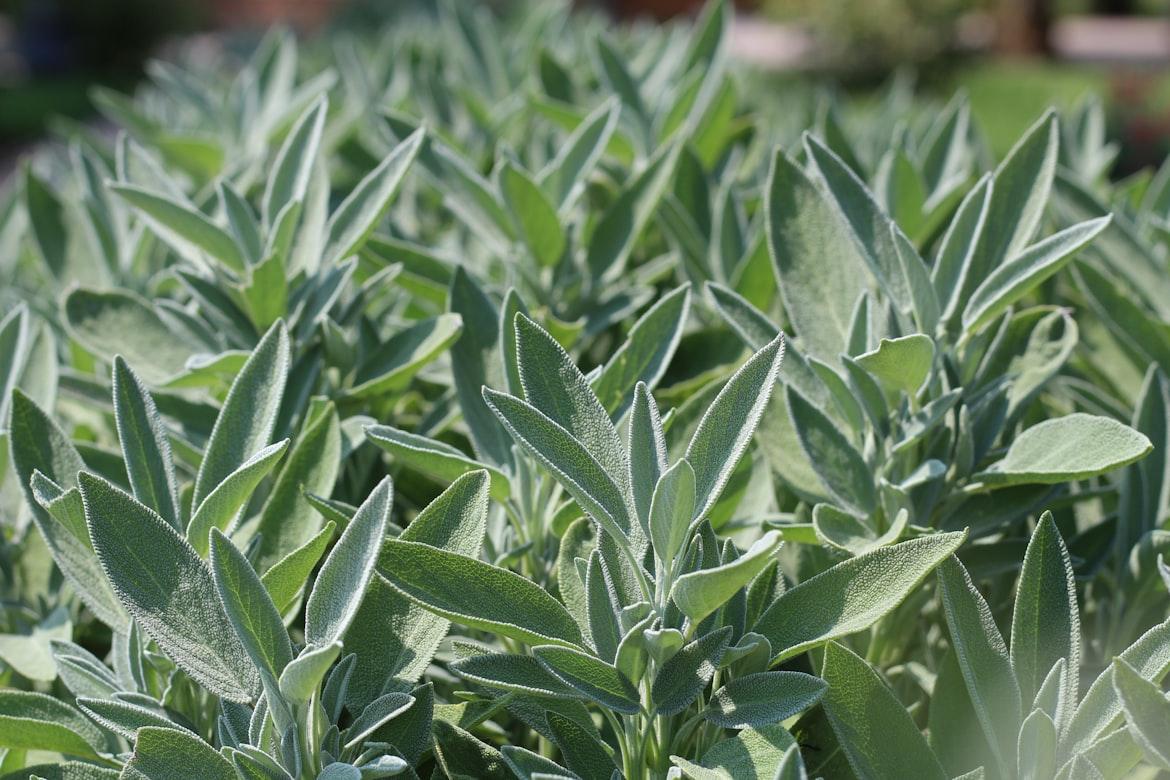
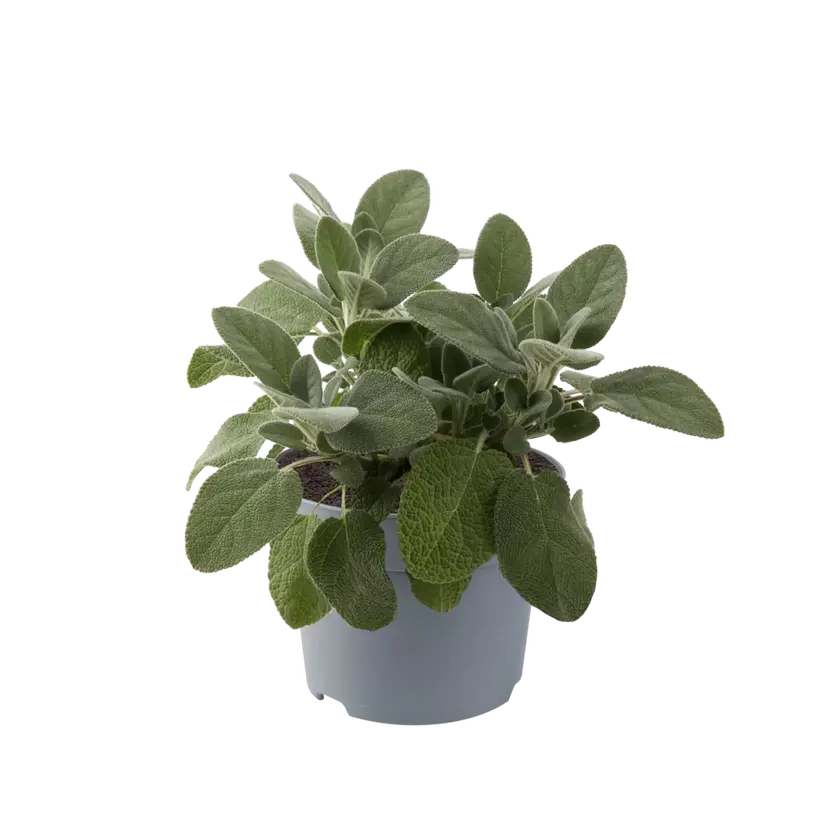
Sage (Salvia officinalis) is a beloved Mediterranean perennial that's been treasured for over 2,000 years. The name comes from the Latin 'salvare' meaning 'to save,' reflecting its ancient reputation for healing properties. Today, it's equally popular as a culinary herb and ornamental houseplant, valued for its fragrant, silvery-gray leaves and gentle purple-blue flowers. Home gardeners love sage because it thrives with minimal fussing and rewards you with fresh leaves for cooking, tea, or drying year-round.
Native to the rocky hillsides and Mediterranean scrublands of southern Europe, sage evolved to handle dry, well-drained conditions and intense sunlight. In its natural habitat, it grows as a hardy evergreen shrub on poor, chalky soils where most other plants struggle. This background explains sage's low water needs and preference for lean soil—too much richness actually dilutes its flavor and vigor.
Indoors or in containers, sage remains wonderfully uncomplicated. The plant typically grows 12-24 inches tall and wider, with a naturally bushy habit that needs only occasional pruning to stay tidy. Mature plants can live 3-5 years when well-cared for, though they become woody over time and benefit from rejuvenation through cuttings. It's an excellent choice for windowsill herb gardening because it doesn't demand constant attention—just good light, proper drainage, and restrained watering.
Watering Schedule
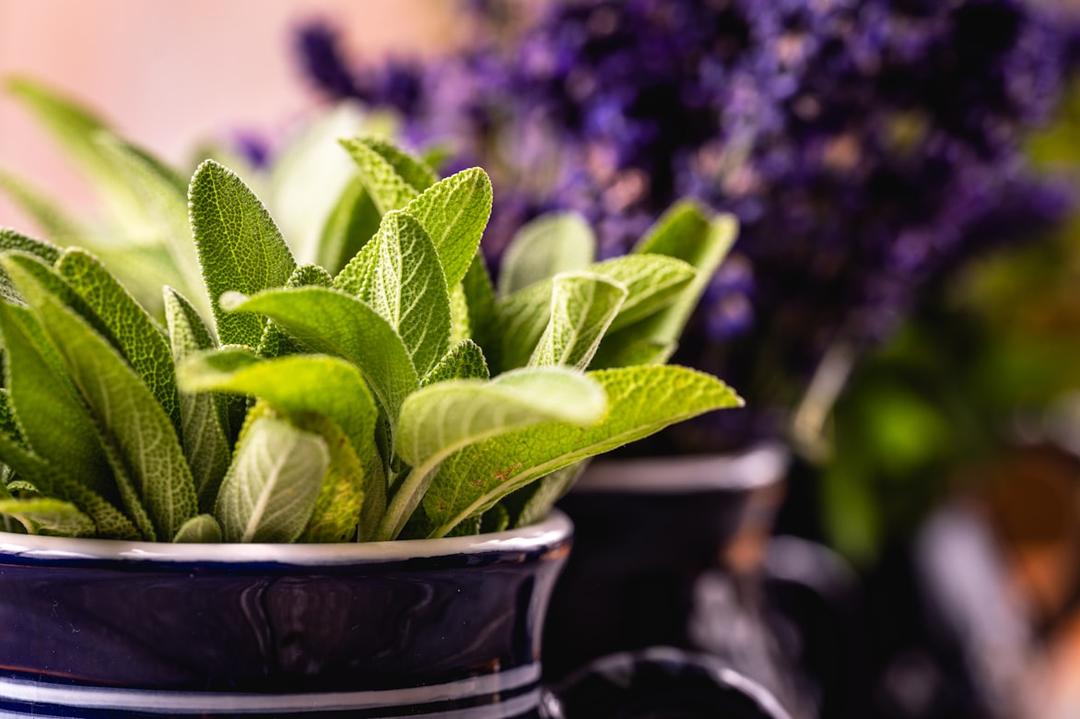
Sage prefers dry soil over wet soil. Water deeply but allow the top inch of soil to dry between waterings, roughly every 7-10 days.
Common Problems & Solutions
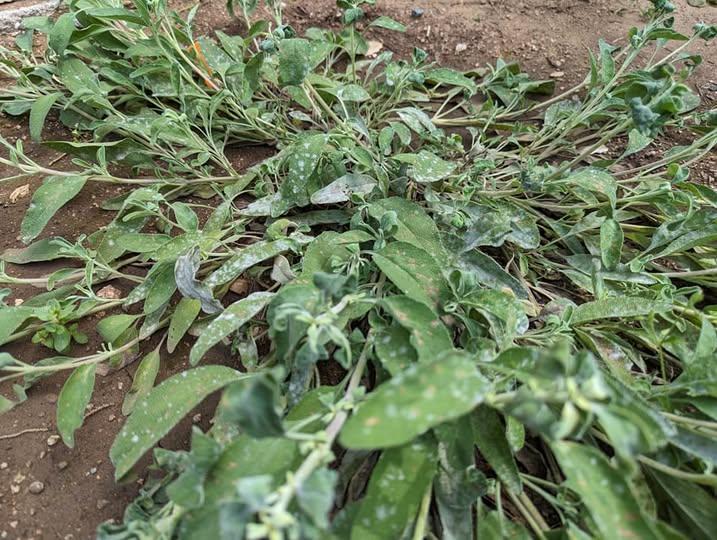
Here's how to identify and fix the most common Sage problems.
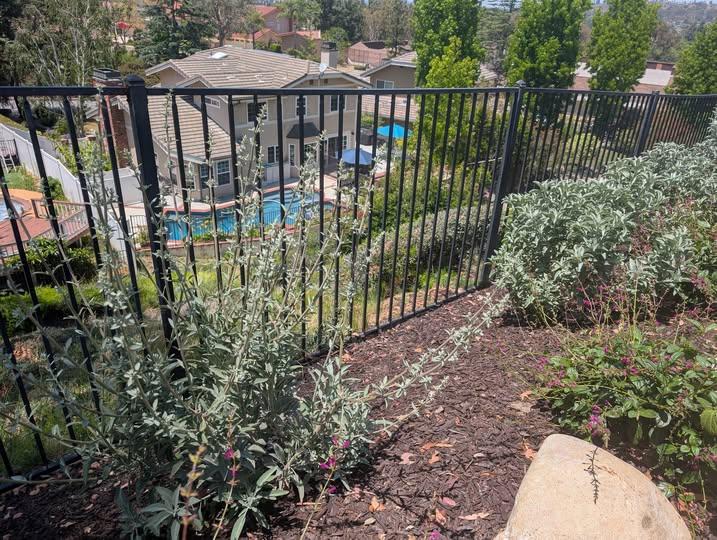
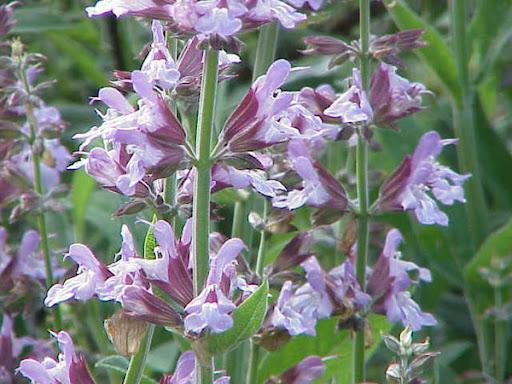
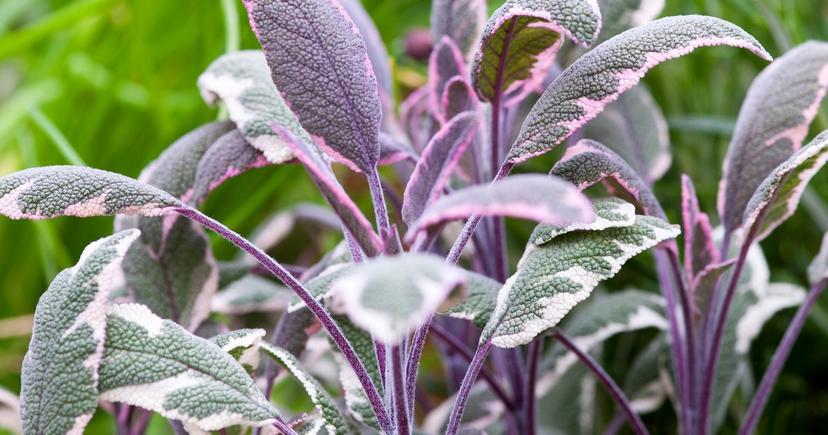
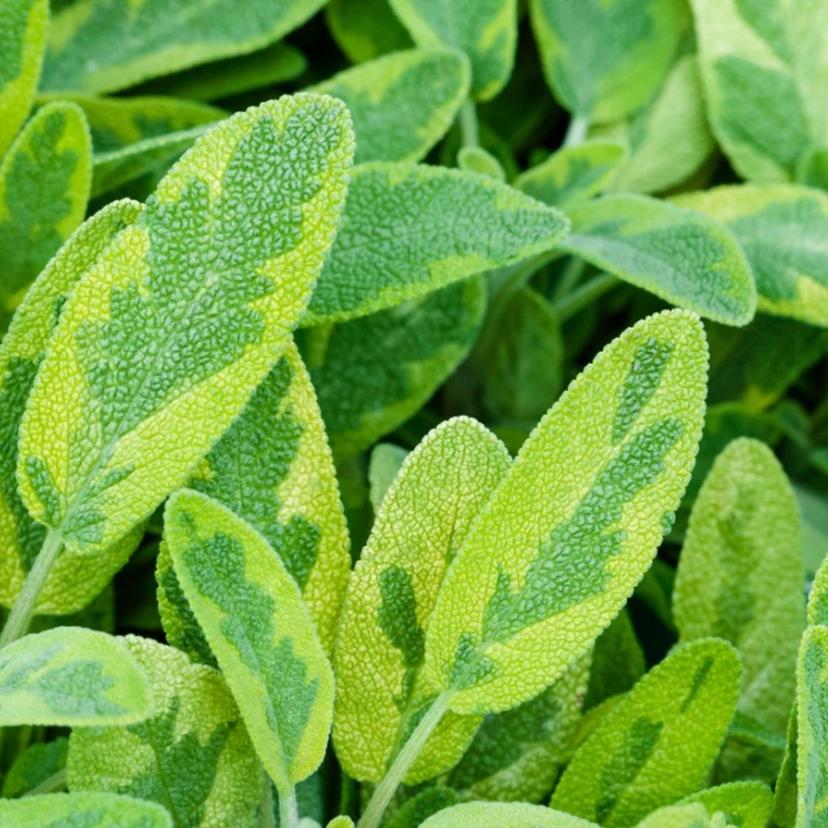
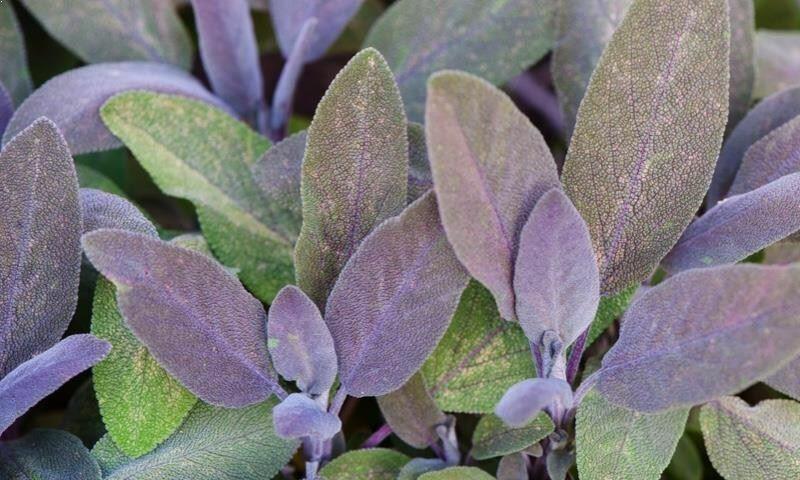
Popular Varieties
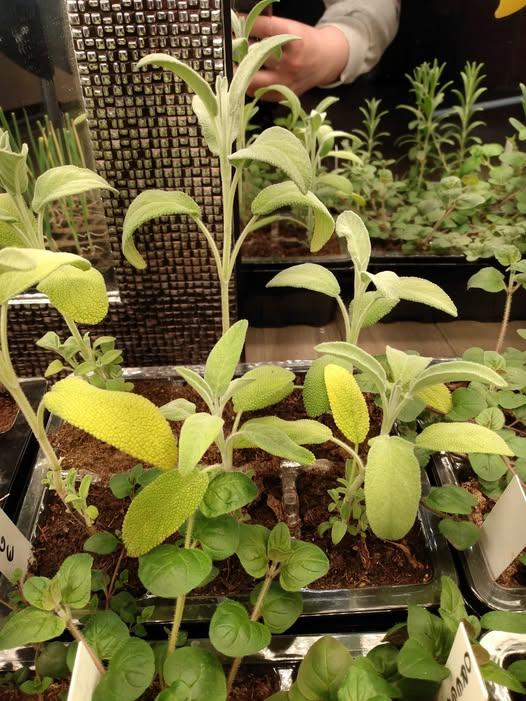
Explore different Sage varieties and find your perfect match.
Care Tips & Best Practices
Humidity
Sage prefers 40-60% humidity and doesn't need misting. In very dry homes, place the pot on a pebble tray filled with water (not touching the pot) to boost humidity without creating fungal problems.
Feeding
Sage is not a heavy feeder. Apply diluted balanced fertilizer (10-10-10) once monthly during spring and summer only. Too much nitrogen makes leaves soft and attracts pests.
Cleaning
Wipe leaves monthly with a soft, damp cloth to remove dust, which improves photosynthesis and pest detection. Use room-temperature water only—cold water can shock the plant.
Support & Staking
Sage's natural upright growth habit rarely needs staking. If stems become floppy indoors, pinch back growth and improve light instead of using supports.
Pruning
Pinch back young plants when 6 inches tall to encourage bushiness. Prune lightly in spring and summer to maintain shape. Avoid cutting into old woody growth, which struggles to regrow.
Rotation
Rotate the pot 90 degrees every 2 weeks so all sides receive equal light and the plant grows evenly instead of leaning toward the window.
Care Checklist
10 Common Mistakes to Avoid
Watering on a fixed schedule instead of checking soil moisture
Why it's bad: Root rot develops rapidly when soil stays wet longer than 3-4 days; overwatering is the #1 sage killer.
Do this instead: Insert your finger 1 inch deep into the soil before watering—water only if it feels completely dry to the touch.
Using rich, fertile potting soil meant for vegetables or flowers
Why it's bad: Sage evolved in poor, lean soil; rich soil promotes fungal diseases and weak, floppy growth instead of compact, aromatic foliage.
Do this instead: Mix your own: combine equal parts cactus soil, perlite, and compost for fast drainage and minimal nutrition.
Placing sage in low light or far from windows
Why it's bad: Insufficient light causes leggy, sparse growth and weak, flavorless leaves; the plant becomes susceptible to pests.
Do this instead: Ensure 6-8 hours of direct sunlight daily, or use a fluorescent grow light positioned 6-12 inches above the plant.
Misting the foliage to increase humidity
Why it's bad: Wet leaves and poor air circulation create powdery mildew and fungal problems indoors where air doesn't move freely.
Do this instead: Place the pot on a pebble tray filled with water, or run a small fan to improve air circulation without wetting leaves.
Fertilizing heavily or using nitrogen-rich fertilizers
Why it's bad: Excess nitrogen produces soft, tender new growth that attracts pests and dilutes the sage's characteristic flavor.
Do this instead: Apply diluted, balanced fertilizer (10-10-10) only once monthly during spring and summer, then stop entirely in fall.
Pruning into thick woody stems at the base
Why it's bad: Old woody tissue rarely regenerates; aggressive pruning of established stem bases stresses or kills the plant.
Do this instead: Pinch or cut just above leaf nodes, removing no more than 10-15% of the plant at once, and avoid cutting into bare woody stems.
Harvesting too heavily from young plants (under 3 months old)
Why it's bad: Young sage needs energy to establish roots and foliage; over-harvesting before maturity stunts growth and delays productivity.
Do this instead: Wait 3-4 months before harvesting heavily; pinch lightly at first to encourage bushiness.
Ignoring yellow leaves or waiting to act on pest infestations
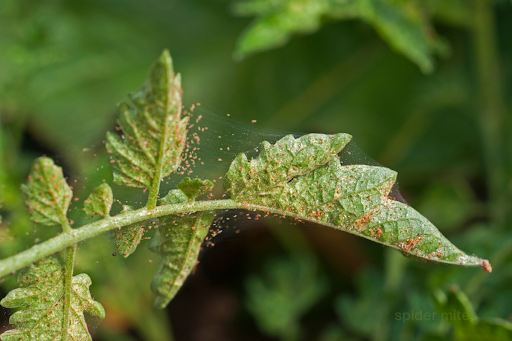
Why it's bad: Yellow foliage signals root problems that worsen daily; spider mites and aphids multiply exponentially without treatment.
Do this instead: Inspect the plant weekly, act immediately upon spotting yellow leaves or pests, and isolate the plant if infestation is severe.
Repotting too frequently or into oversized containers
Why it's bad: Frequent repotting disrupts roots and reduces the plant's ability to regulate water uptake; oversized pots hold too much moisture.
Do this instead: Repot only every 12-18 months into a pot just 1-2 inches larger than the current pot size.
Allowing the plant to flower indoors if the goal is maximum leaf production
Why it's bad: Flowering diverts energy from leaf development and shortens the plant's productive life; spent flowers look untidy.
Do this instead: Pinch off flower buds as they appear if you prioritize fresh leaf harvesting over flowers.
Frequently Asked Questions
How often should I water sage indoors?
Water when the top 1 inch of soil is completely dry, typically every 7-10 days. Stick your finger into the soil to check—this is far more reliable than watering on a schedule.
Can sage grow indoors under a grow light only?
Yes, but only fluorescent or LED grow lights work well. Position the light 6-12 inches above the plant and provide 14-16 hours daily. Natural sunlight is always superior if available.
Why are my sage leaves turning yellow?
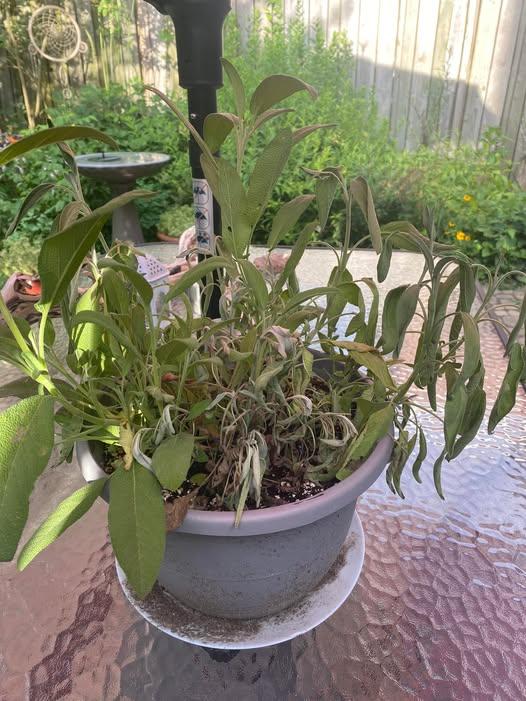
Yellow leaves usually mean overwatering or root rot. Check the soil immediately—if it's wet, repot into fresh dry soil immediately. Less often, it signals nutrient deficiency or the plant is naturally shedding old leaves.
Is sage toxic to cats or dogs?
Common sage (Salvia officinalis) is non-toxic to cats and dogs. However, some other Salvia species and concentrated sage oils can be harmful, so keep your plant identification certain.
How do I propagate sage from cuttings?
Cut 4-6 inch stems in spring, strip the lower leaves, dip in rooting hormone, and plant in moist potting mix. Roots form in 2-3 weeks. Once rooted, treat as a mature plant.
What's the best temperature for indoor sage?
Sage thrives at 65-75°F during the day. It can tolerate brief cold snaps down to 50°F but prefers to stay warmer. Keep it away from heating vents and cold drafts.
Can I use fresh sage leaves from my indoor plant for cooking immediately?
Yes, harvest anytime once the plant is 3+ months old. Pinch leaves from the top 1-2 inches of stems. Use fresh or dry them for later—dried sage has more concentrated flavor.
Why is my sage plant getting leggy and sparse?
Insufficient light is the main culprit. Move the plant closer to a sunny window or add a grow light. Pinch back new growth to encourage bushier branching.
How long can I keep a sage plant before replacing it?
Well-cared-for sage can live 3-5 years, but by year 4 it becomes very woody and less productive. Propagate fresh plants from cuttings every 2-3 years to maintain vigor.
Does sage need a humid environment?
No—sage prefers 40-60% humidity and dislikes excessive moisture on its leaves. A pebble tray provides gentle humidity without creating fungal problems. Never mist the foliage directly.
References & Sources
Information in this guide is based on these trusted sources.