
rubber plant
A bold, glossy statement plant that stays surprisingly low-maintenance if you match its light and watering needs.
Video Tutorials
Watch these helpful videos to learn more about rubber plant care.
About rubber plant
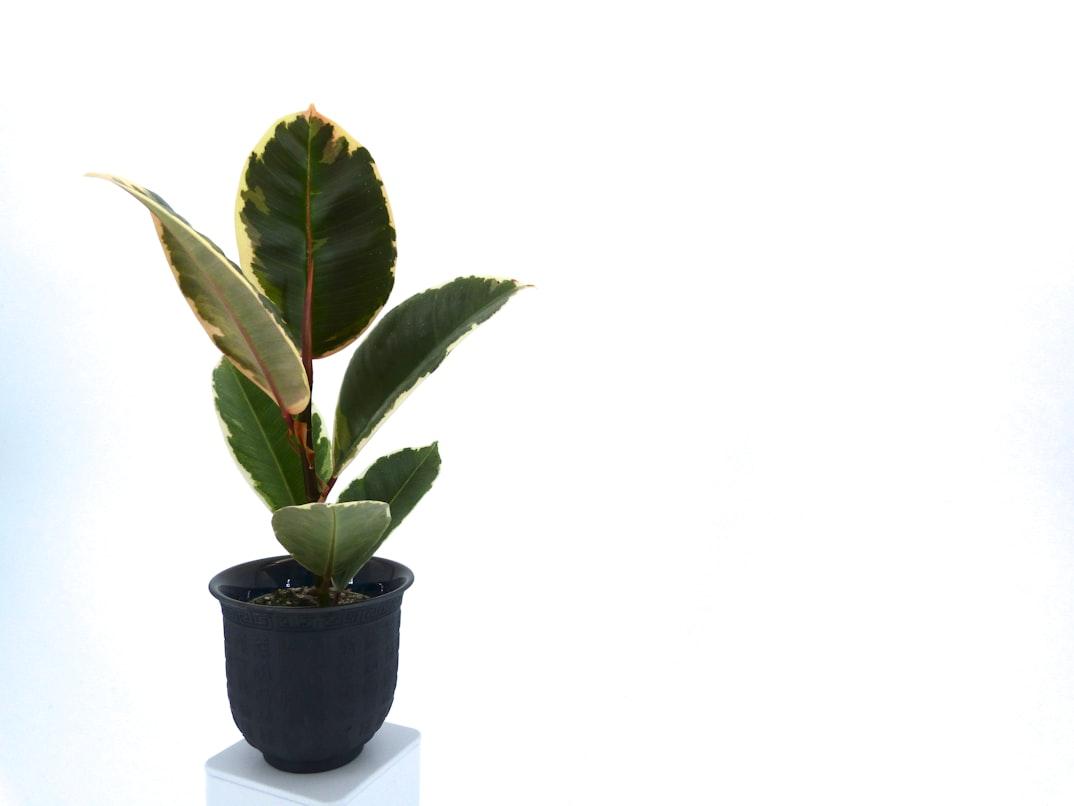
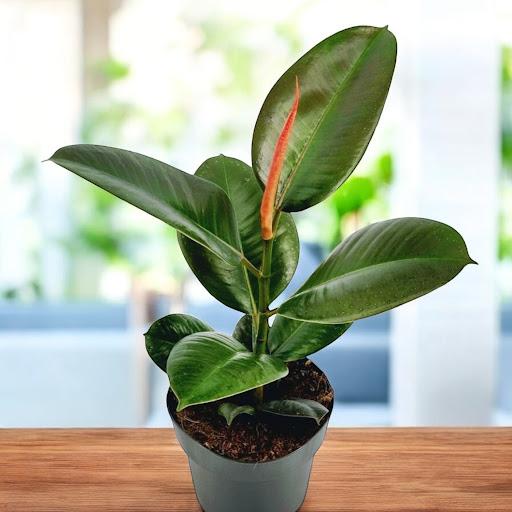
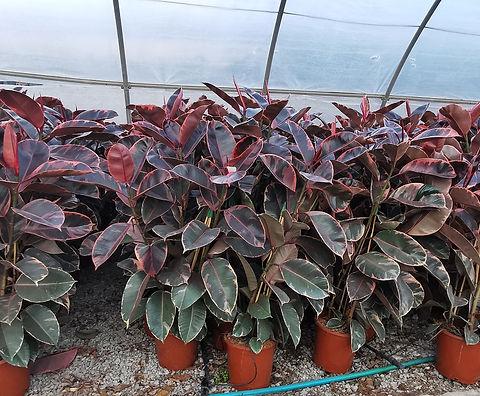
Rubber plant (Ficus elastica) is a classic indoor tree with big, glossy leaves that instantly make a room feel lush and stylish. It grows upright, handles typical home conditions, and rewards consistent care with steady, satisfying growth.
In the wild, rubber plants grow as large evergreen trees from the eastern Himalayas through Southeast Asia, where they can reach 40-60 meters tall in warm, humid forests.[2][6][11] They form a dense canopy of thick leaves and produce latex sap that was once used as a rubber source.
Indoors, rubber plants usually top out around 6-10 feet, growing as tall, narrow trees perfect for corners and bright windows.[3][4][11] With proper light, moderate watering, and occasional pruning, they can live for many years as reliable, air-purifying houseplants.[4][6]
Watering Schedule
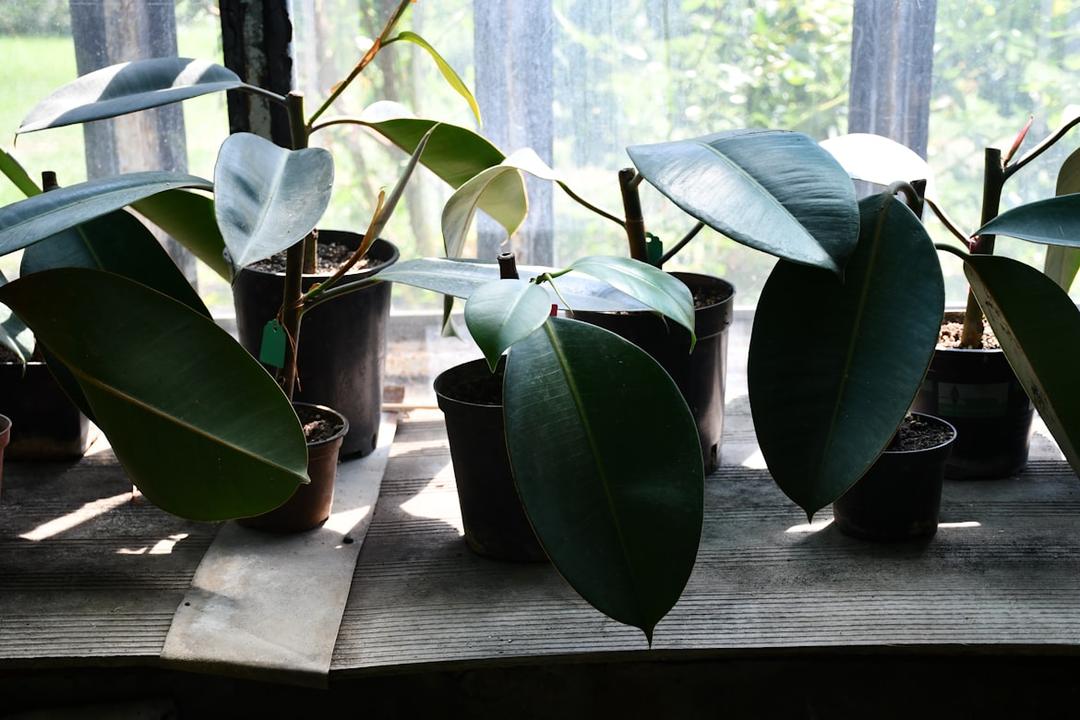
Rubber plants like consistent moisture but hate sitting in soggy soil. Let the top 2-3 inches dry out before watering again.[1][3][4]
Common Problems & Solutions
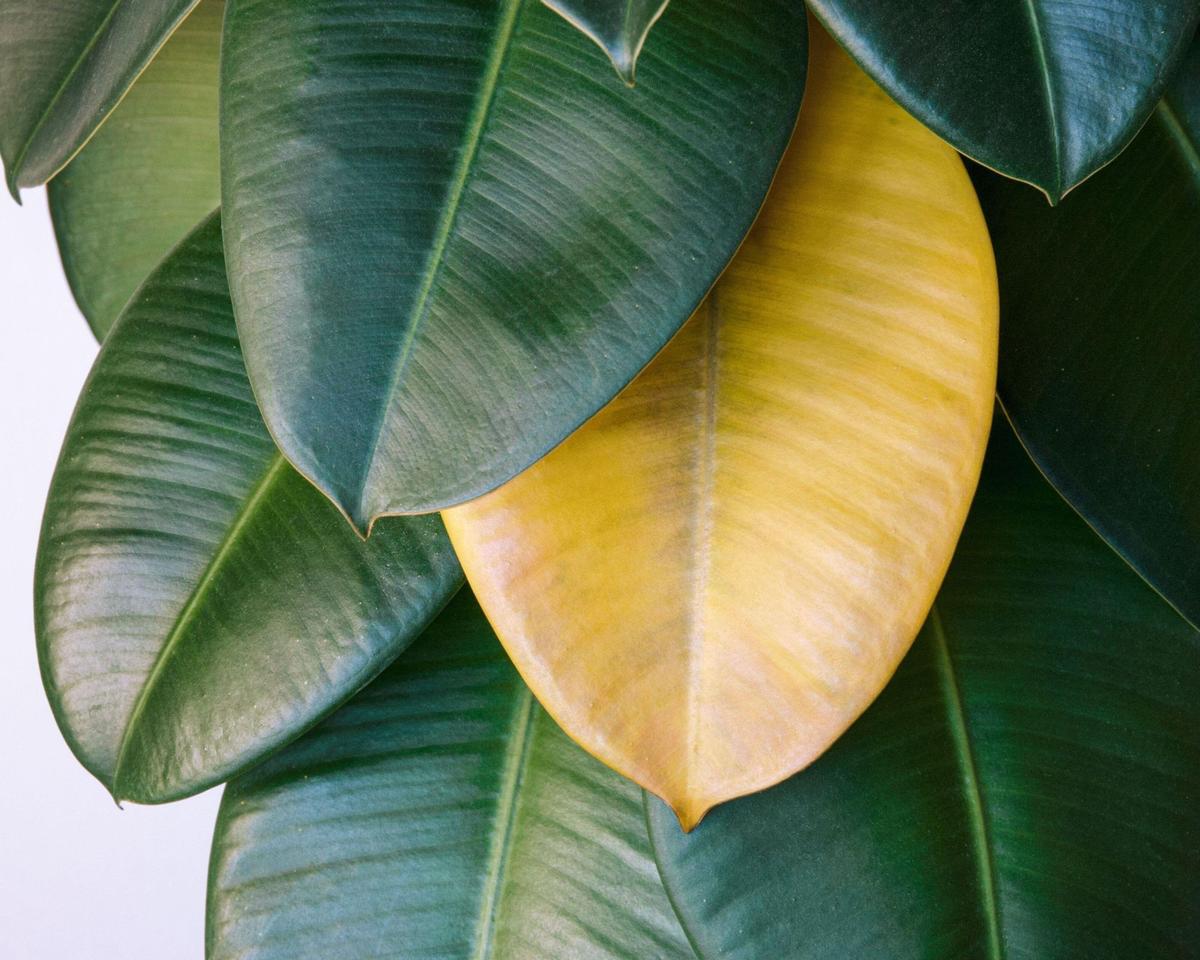
Here's how to identify and fix the most common rubber plant problems.
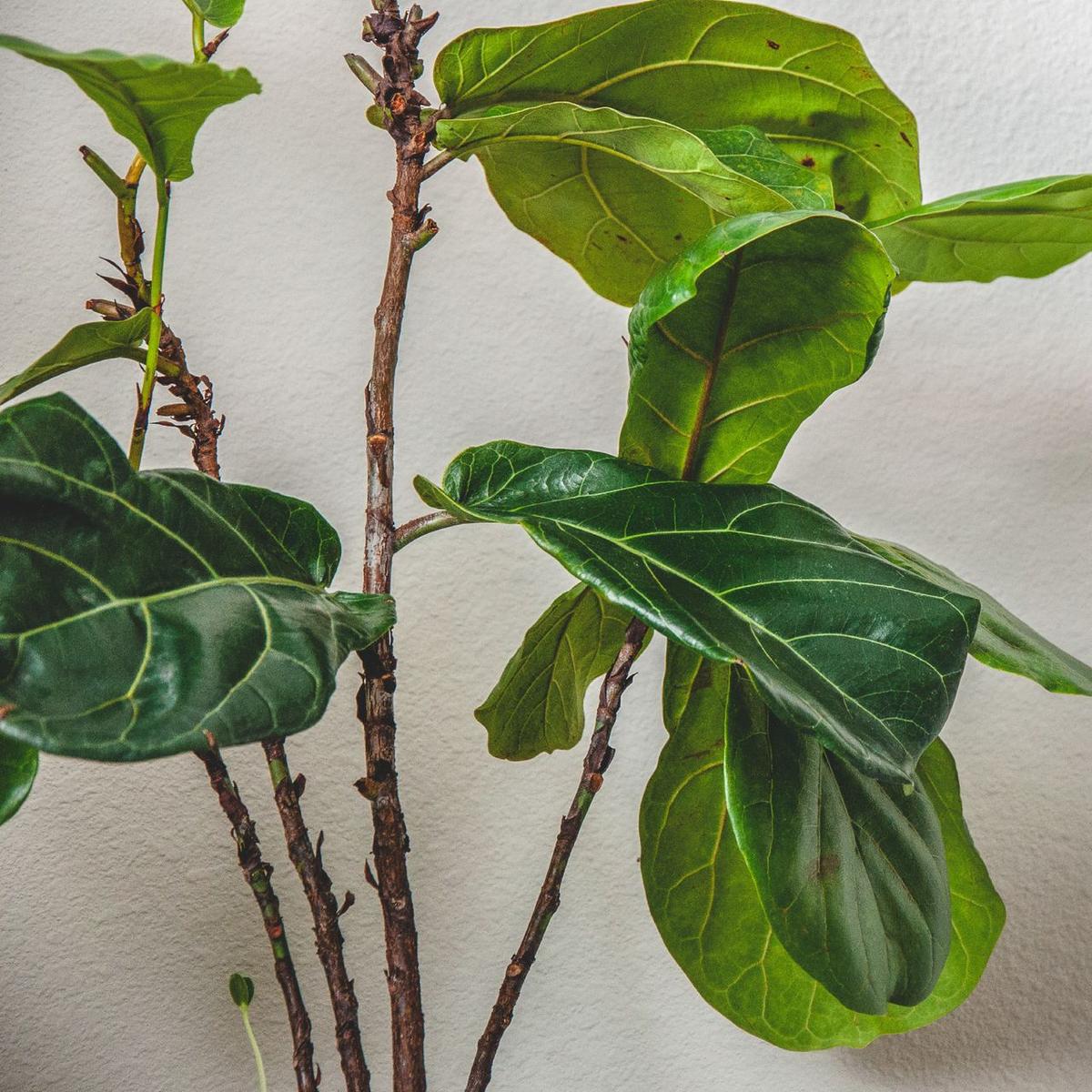
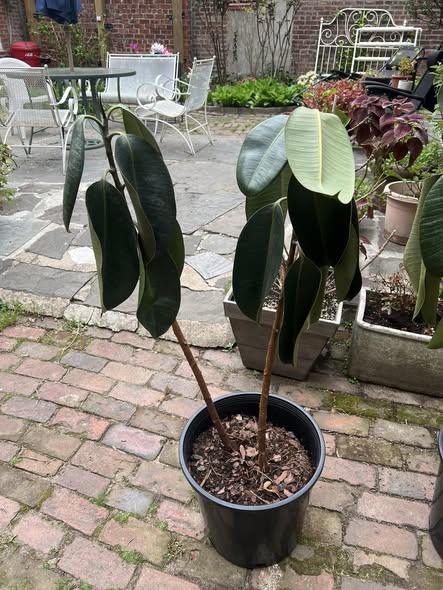
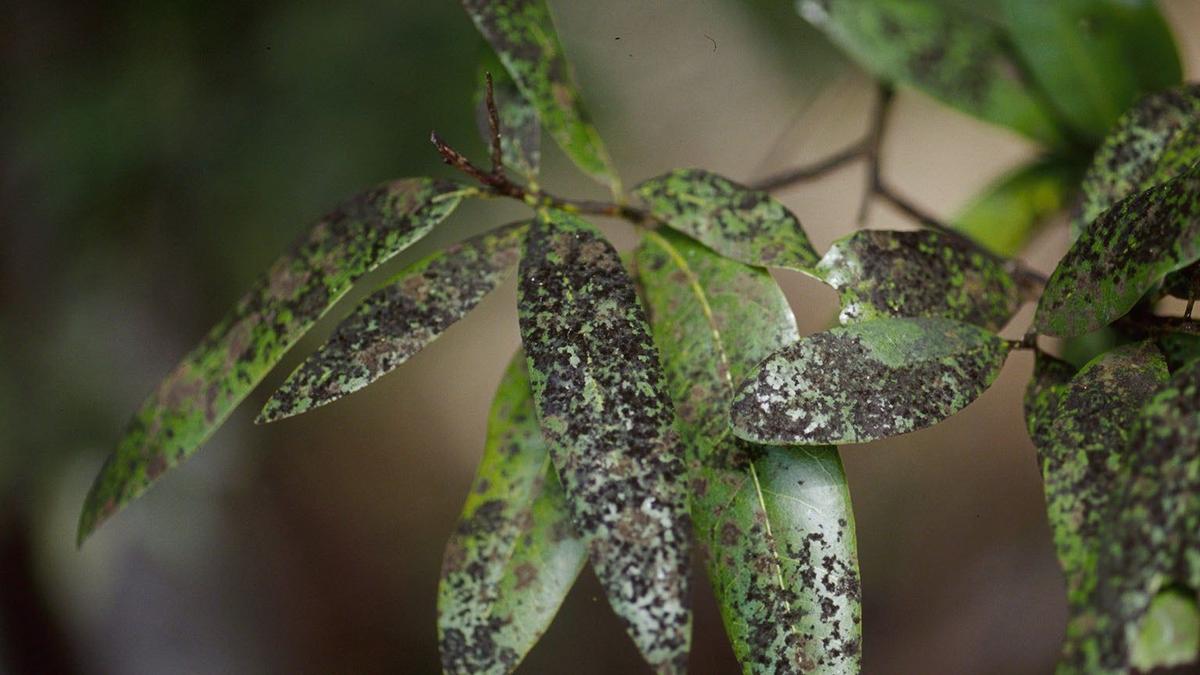
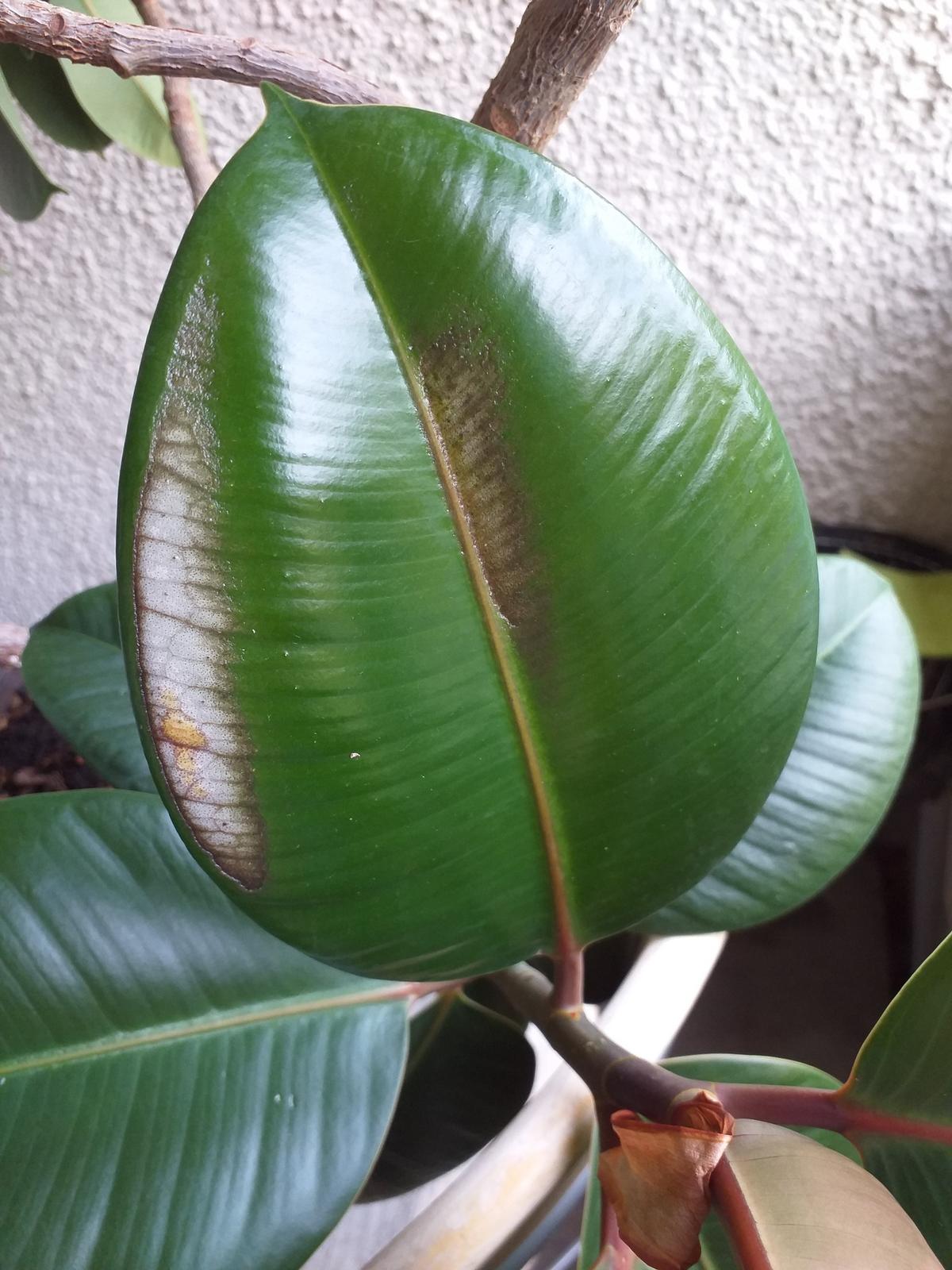
Popular Varieties
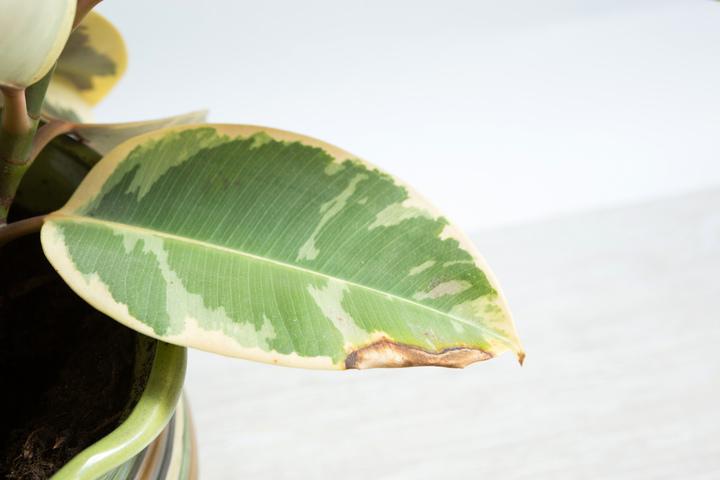
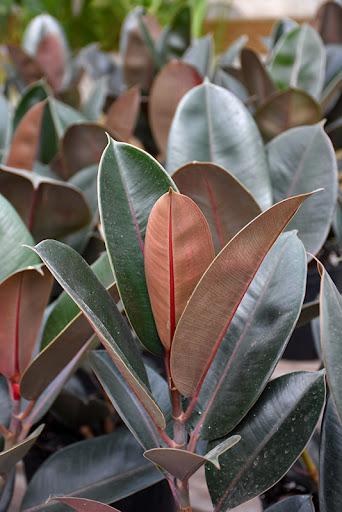
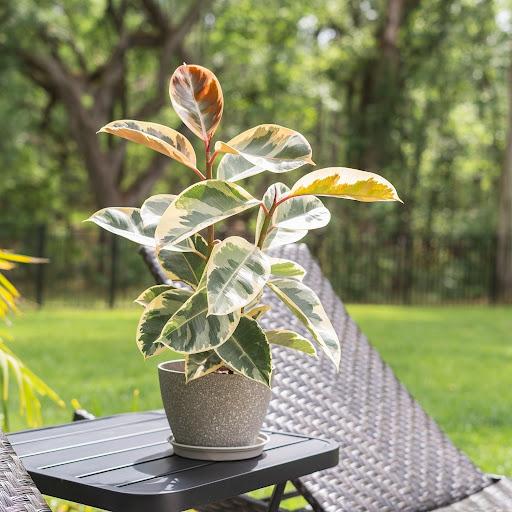
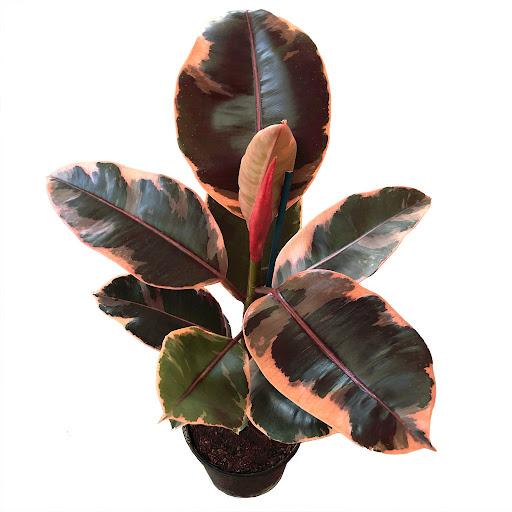
Explore different rubber plant varieties and find your perfect match.
Care Tips & Best Practices
Humidity
Keep humidity moderate, around 40-60 percent, and avoid very dry heated air.[1][4][10]
Feeding
Feed with balanced or high-nitrogen houseplant fertilizer monthly in spring and summer, less in winter.[1][2][4]
Cleaning
Wipe leaves with a damp cloth regularly to remove dust and support healthy photosynthesis.[4][7][14]
Support
Stake tall stems or use a moss pole to keep the plant upright and stable in its pot.[4]
Pruning
Prune in spring to control height and encourage branching, always using clean sharp tools.[2][4][7]
Rotation
Rotate the pot a quarter turn every few weeks to keep growth even and straight toward the light.
Care Checklist
10 Common Mistakes to Avoid
Watering on a fixed schedule without checking the soil.
Why it's bad: This often leads to overwatering or underwatering as conditions change.
Do this instead: Always feel the top 2-3 inches of soil and water only when they are dry.[1][3]
Placing the plant in very low light far from windows.
Why it's bad: Low light leads to weak, leggy growth and leaf drop over time.[3][4]
Do this instead: Move it near bright, indirect light and rotate regularly for even growth.[2][3]
Leaving water sitting in the saucer after watering.
Why it's bad: Standing water suffocates roots and encourages root rot and yellow leaves.[1][3]
Do this instead: Let excess drain fully, then empty the saucer within 15 minutes.[3][4]
Using a pot without drainage holes.
Why it's bad: Trapped water builds up and quickly damages roots and foliage.
Do this instead: Always use containers with good drainage and a free-draining mix.[2][4]
Putting the plant in harsh midday sun behind glass.
Why it's bad: Intense sun scorches leaves, causing bleached patches and crispy edges.[3][7]
Do this instead: Provide bright, filtered light using a sheer curtain or shifting position.[2][3]
Ignoring dust buildup on the leaves.
Why it's bad: Dust blocks light, slows growth, and makes pest problems harder to spot.[4][7]
Do this instead: Wipe leaves gently with a damp cloth every few weeks to keep them clean.[4]
Over-fertilizing to force faster growth.
Why it's bad: Excess fertilizer can burn roots and cause brown leaf tips or edges.[1][4]
Do this instead: Feed lightly during active growth and flush soil occasionally with clear water.[1][4]
Moving the plant frequently around the home.
Why it's bad: Frequent changes in light and drafts can trigger stress and leaf drop.[7]
Do this instead: Pick a bright, stable spot and keep the plant there long term.[7]
Pruning heavily in winter when growth is slow.
Why it's bad: Off-season pruning can stress the plant and reduce spring growth.
Do this instead: Do shaping and bigger cuts in spring or early summer when growth is active.[2][4]
Letting pets chew leaves or touch the sap.
Why it's bad: The latex sap can irritate skin and is toxic if ingested.[6][8]
Do this instead: Keep rubber plants out of reach and wear gloves when pruning sappy stems.[6][8]
Frequently Asked Questions
How often should I water my rubber plant?
Water when the top 2-3 inches of soil feel dry, usually every 7-10 days in bright conditions.[1][3] In winter, let the soil dry a bit more and always empty excess water from the saucer.[3][4]
What kind of light does a rubber plant need indoors?
Rubber plants thrive in bright, indirect light and can handle some gentle morning sun.[2][3] Medium light is tolerable, but growth will slow and stems may stretch.[3][4][9]
How tall will my indoor rubber plant get?
Indoors, rubber plants usually reach 6-10 feet with good light and care.[3][4][11] In containers you can keep them shorter with pruning to fit your space.[4][7]
Is a rubber plant toxic to pets or children?
Yes, the latex sap can irritate skin and is toxic if ingested by pets or people.[6][8] Keep it out of reach and wear gloves when pruning or propagating.
Why are my rubber plant leaves turning yellow and dropping?
Yellowing and leaf drop are often caused by overwatering, poor drainage, or sudden environmental changes.[1][3][8] Check the roots, adjust watering, and move to stable, bright light away from drafts.[3][4][7]
How can I make my rubber plant bushier instead of tall and spindly?
Provide brighter light and prune the main stem above a node in spring or summer.[4][7] This encourages side branches and a fuller shape instead of one tall, bare trunk.[4][7]
When should I repot my rubber plant?
Repot when roots circle the pot or grow through drainage holes, usually every 2-3 years.[2][4] Do this in late winter or spring and move only one pot size up with a well-drained mix.[2][4]
Can I grow a rubber plant in low light?
Rubber plants survive in medium to lower light, especially dark green types, but growth will slow.[3][4] For strong stems and large leaves, aim for bright, indirect light near a window.[2][3]
How do I propagate a rubber plant?
You can root stem cuttings in moist mix or use air layering on thicker stems.[2][4] Warm temperatures, high humidity, and bright, indirect light help cuttings root more reliably.[2][4]
Why are the edges of my rubber plant leaves turning brown?
Brown edges can result from low humidity, inconsistent watering, or fertilizer salts in the soil.[1][4] Water evenly, flush the pot occasionally, increase humidity, and keep the plant away from hot or cold drafts.[1][4][10]
References & Sources
Information in this guide is based on these trusted sources.