
rosemary
A fragrant Mediterranean herb with needle-like leaves that thrives indoors with bright light and minimal water.

Video Tutorials
Watch these helpful videos to learn more about rosemary care.
About rosemary
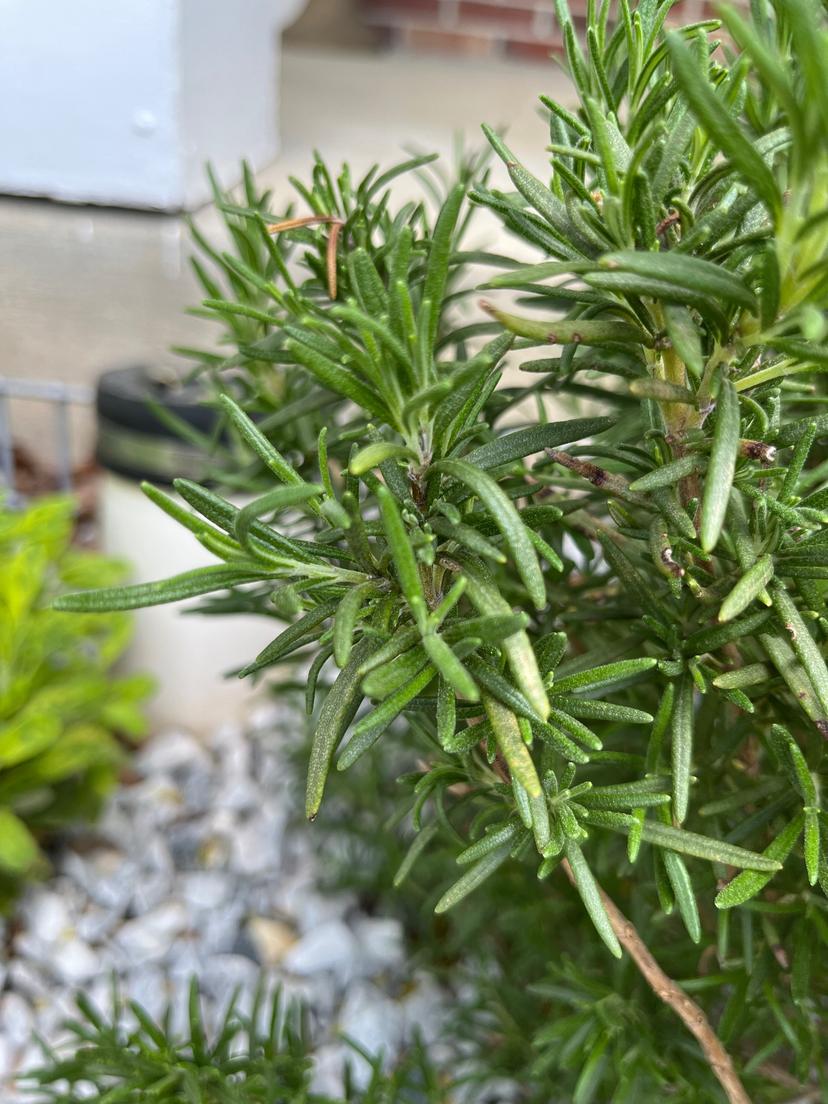
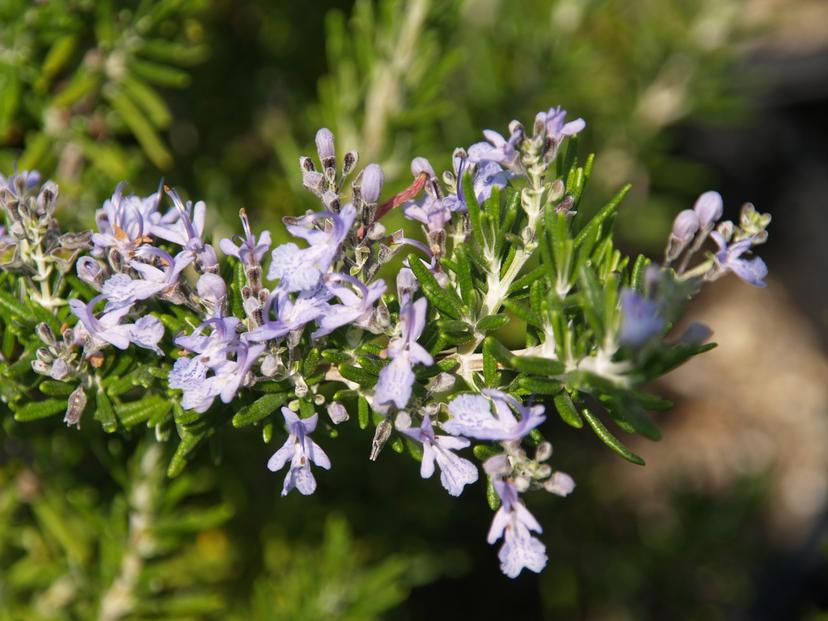
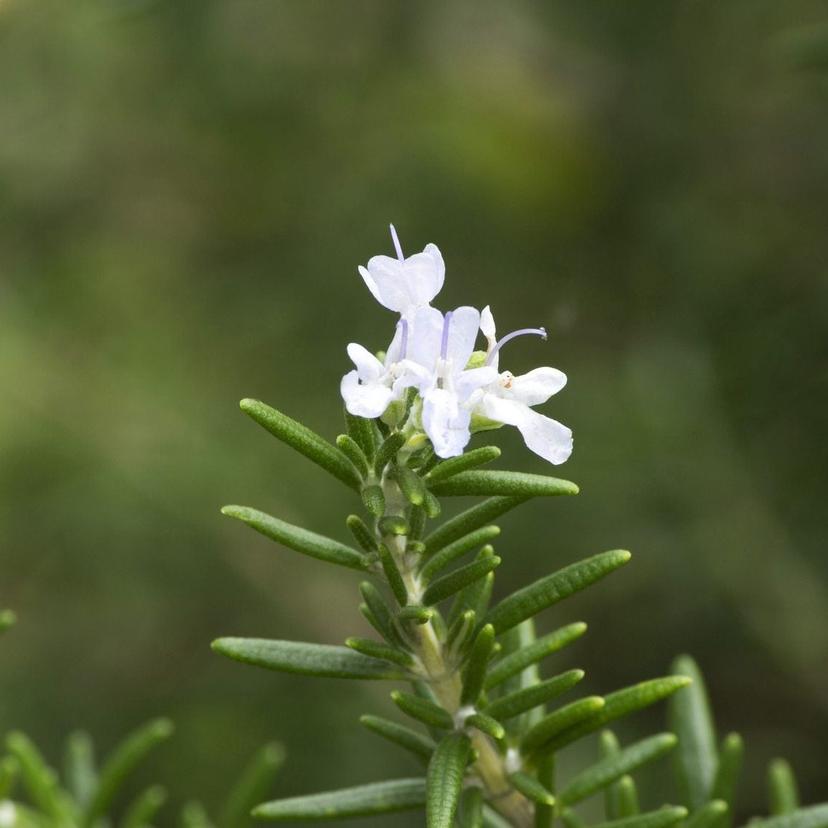
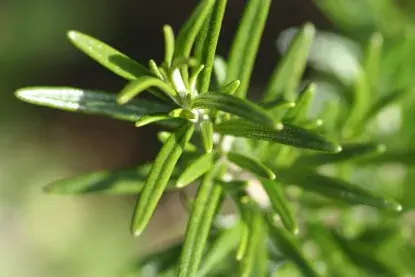
Rosemary is a beloved Mediterranean herb treasured for its aromatic, needle-like leaves and ornamental blue, purple, pink, or white flowers. This drought-tolerant evergreen has been cultivated for thousands of years and appears in culinary dishes worldwide. Known by its Latin name meaning 'dew of the sea,' rosemary grows wild on coastal Mediterranean cliffs and brings that seaside charm indoors.
Native to the Mediterranean region, rosemary thrives in rocky, well-drained soils with plenty of sunshine and ocean air exposure. The plant evolved to survive in dry conditions where roots must dig deep for water, making it naturally resistant to both drought and neglect. This harsh native habitat explains why rosemary struggles when overwatered or kept in humid environments.
As a houseplant, rosemary delivers year-round fragrance and culinary harvests with proper care. Indoor rosemary lives for many years when given bright light, good drainage, and airflow. While it grows slowly indoors compared to outdoor gardens, a mature potted plant can reach 2-4 feet tall and provide fresh herb cuttings throughout the year.

Watering Schedule
Rosemary is an upside-down plant—it wants dry roots but absorbs moisture through its leaves from the air. Allow the top 2 inches of soil to dry completely between waterings, typically every 10-14 days.
Common Problems & Solutions
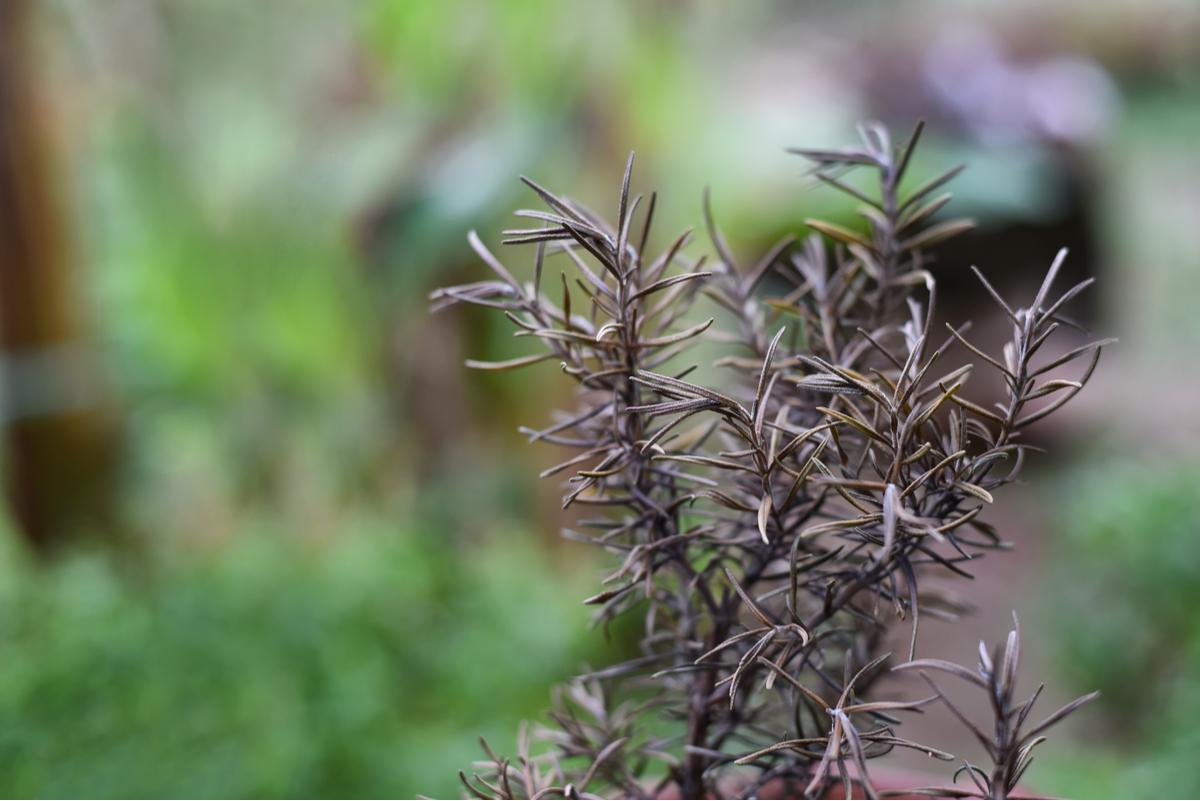
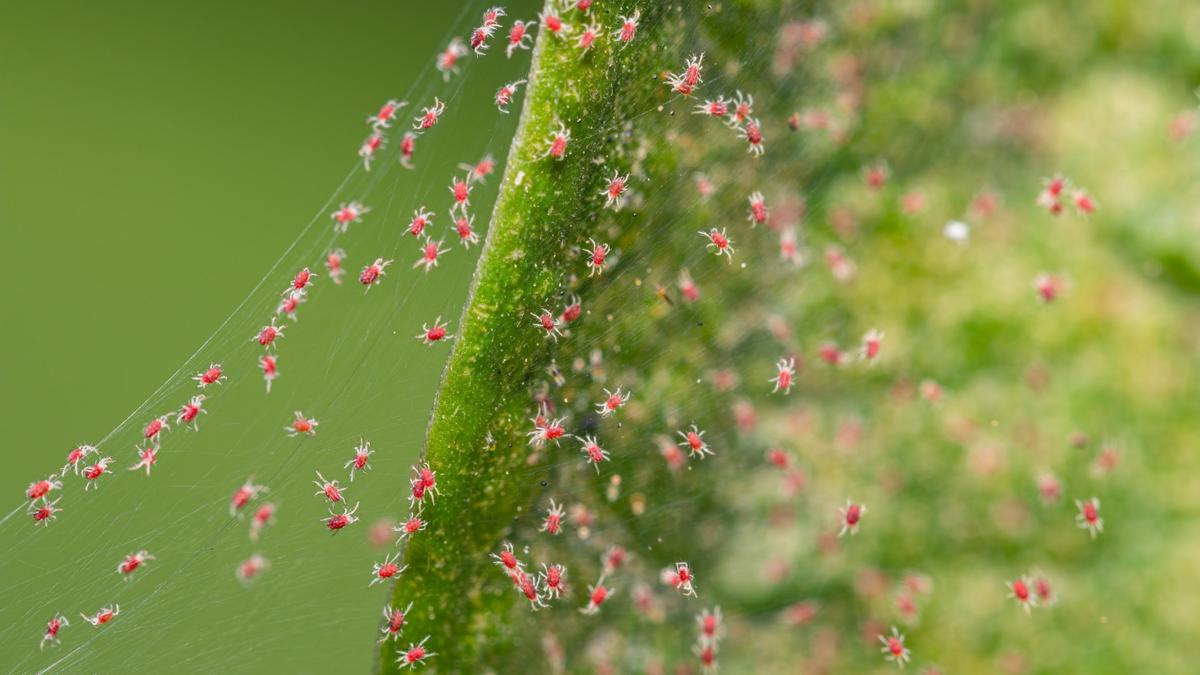
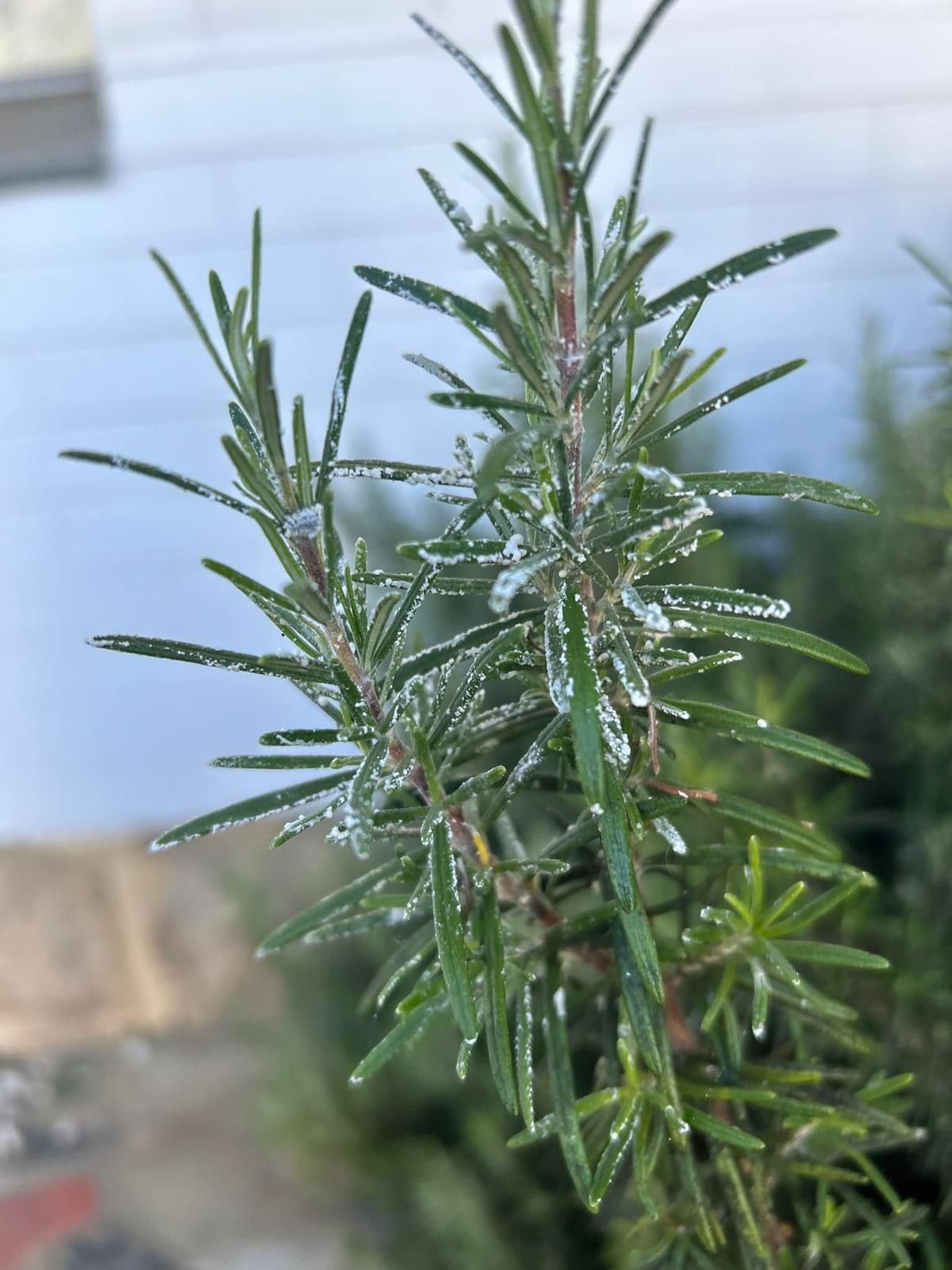
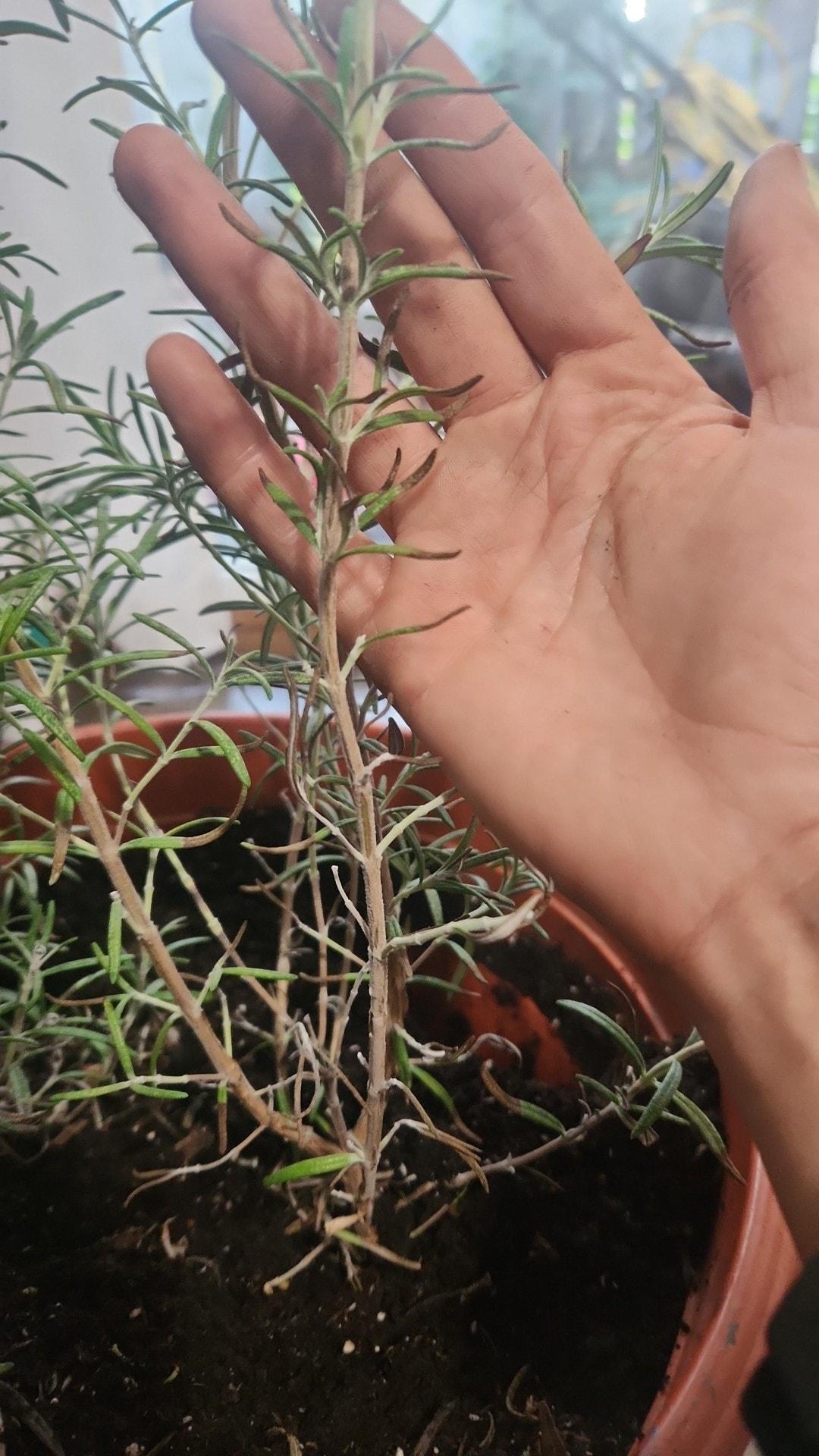
Here's how to identify and fix the most common rosemary problems.


Popular Varieties
Explore different rosemary varieties and find your perfect match.


Care Tips & Best Practices
Humidity Boost
Place pot on a pebble tray filled with water so it can absorb moisture through the air without waterlogging roots. Refill daily and let water evaporate naturally.
Feeding Strategy
Apply a balanced 10-10-10 fertilizer every 4-6 weeks during spring and summer only. Do not fertilize in fall or winter—rosemary is dormant and doesn't need nutrients.
Leaf Cleaning
Dust leaves gently with a soft, damp cloth monthly to remove dust that clogs leaf pores. Do not use commercial leaf shine products, as they can damage the waxy coating.
Pruning for Bushiness
Pinch back growing tips every 4-6 weeks to encourage branching and fuller shape. Never cut into old woody stems; cut just above a leaf node instead.
Air Circulation
Run a small oscillating fan on low speed for 2-3 hours daily to prevent mildew, improve gas exchange, and strengthen stems. Rosemary loves moving air.
Root Inspection
Check roots every 6 months by gently sliding the plant from its pot—healthy roots are white or light tan. Brown, mushy roots signal overwatering and demand immediate action.
Care Checklist
10 Common Mistakes to Avoid
Watering on a fixed schedule instead of checking soil dryness.
Why it's bad: Rosemary roots rot instantly in wet soil; fixed schedules cause overwatering in winter or when humidity is high.
Do this instead: Insert finger 1 inch into soil before every watering; water only if completely dry. Adjust frequency seasonally.
Using regular potting soil without extra drainage amendments.
Why it's bad: Standard potting soil retains too much moisture for Mediterranean herbs; rosemary suffocates in dense, wet soil.
Do this instead: Mix 50% potting soil with 50% perlite, coarse sand, or pumice for fast drainage matching its native rocky habitat.
Placing the plant in low-light or north-facing windows.
Why it's bad: Rosemary needs 6-8 hours daily of direct sun; weak light causes weak stems, sparse foliage, and no flowers.
Do this instead: Position in bright south or west-facing windows, or supplement with a 6500K grow light 6-12 inches above the plant.
Growing in humid environments or keeping plants in kitchens with steam.
Why it's bad: Rosemary evolved on dry Mediterranean cliffs; high humidity above 55% triggers powdery mildew and fungal diseases instantly.
Do this instead: Keep humidity 40-50% using a pebble tray, avoid steam-prone kitchens, and run a small fan 2-3 hours daily for air movement.
Fertilizing in winter or using nitrogen-heavy fertilizers.
Why it's bad: Winter dormancy means plants cannot process nutrients; excess nitrogen creates weak, leggy growth with poor flavor.
Do this instead: Fertilize only spring-summer every 4-6 weeks with balanced 10-10-10 formula; skip fall and winter entirely.
Never pruning or pinching back stems to encourage bushiness.
Why it's bad: Unpruned rosemary grows tall and thin with bare lower stems, looking leggy and weak.
Do this instead: Pinch back 0.25-0.5 inches from stem tips monthly to trigger branching at leaf nodes, creating full, compact shape.
Using plastic pots instead of terracotta for container growing.
Why it's bad: Plastic retains too much moisture; rosemary needs breathable containers that allow soil to dry between waterings.
Do this instead: Choose terracotta pots with drainage holes; terracotta's porous nature matches the plant's drainage needs perfectly.
Misting only once a week instead of daily.
Why it's bad: Rosemary absorbs moisture through leaves; indoor air is drier than Mediterranean sea spray; insufficient misting causes desiccation.
Do this instead: Mist leaves 2-3 times daily with a fine spray bottle, especially in winter when heating runs 24/7.
Repotting into a much larger pot to avoid frequent repotting.
Why it's bad: Too-large pots hold excess soil moisture that doesn't dry between waterings, causing root rot.
Do this instead: Repot into a container just 1-2 inches larger than the current pot; size up gradually as the plant grows.
Moving the plant frequently or rotating it excessively.
Why it's bad: Rosemary dislikes environmental stress; frequent moves trigger leaf drop and stunted growth.
Do this instead: Find a permanent bright spot and leave the plant there; rotate only 180 degrees weekly for balanced growth.
Frequently Asked Questions
Why are my rosemary leaves turning brown or falling off?
Brown leaves indicate overwatering or root rot. Allow soil to dry completely between waterings and repot into fresh, well-draining soil if roots are mushy. Leaf drop also results from low light—move to a brighter window. Desiccated (crispy) leaves mean underwatering; increase misting frequency.
How often should I water rosemary indoors?
Water every 10-14 days when the top 1-2 inches of soil feel completely dry. Never water on a fixed schedule; always check soil first. In winter, water every 2-3 weeks as growth slows. Mist leaves 2-3 times daily to provide the moisture rosemary absorbs through foliage.
Can rosemary grow in low-light conditions?
No. Rosemary requires 6-8 hours of direct, bright sunlight daily to thrive. In low light, it becomes weak, leggy, and sparse. If your home lacks adequate natural light, supplement with a grow light positioned 6-12 inches above the plant for 10-12 hours daily.
Is rosemary safe around cats and dogs?
Yes, the ASPCA lists rosemary as non-toxic to both dogs and cats. However, essential oils and extracts are toxic, so never apply rosemary oil directly to pets. Small amounts of fresh leaves are safe, but they're not nutritious for pets and should not replace normal diet.
How do I prevent powdery mildew on rosemary?
Powdery mildew thrives in humidity above 60% and poor air circulation. Run a small fan 2-3 hours daily to keep air moving. Keep humidity at 40-50% using a pebble tray. If mildew appears, prune infected leaves and spray with 1 part milk to 5 parts water in bright light, or apply sulfur-based fungicide weekly.
Why is my rosemary growing so slowly?
Rosemary is naturally slow-growing indoors, typically gaining 3-6 inches per year. Slow growth also results from insufficient light, overwatering, poor drainage, or being root-bound. Ensure 6-8 hours direct sun, allow soil to dry between waterings, and repot when roots emerge from drainage holes.
Can I propagate rosemary from cuttings?
Yes, easily. Cut 4-6 inch stems from soft, semi-woody new growth in early summer. Remove lower leaves, dip in rooting hormone, and place in moist perlite or water. Roots develop in 2-6 weeks. Soil-rooted cuttings produce stronger plants than water-rooted ones.
How do I harvest rosemary without killing the plant?
Pinch or cut stems from the upper third of the plant only. Never strip all leaves; always leave at least 2-3 inches of green growth on the branch. Regular light harvesting (every 2-4 weeks) actually stimulates bushier growth and prevents legginess.
What's the best temperature range for indoor rosemary?
Rosemary prefers 60-75°F during the day and 50-65°F at night. Winter dormancy is ideal at 50-65°F; avoid warm living rooms during winter. Keep away from radiators, heating vents, and AC units that create temperature swings and dry air.
Do I need to fertilize rosemary indoors?
Lightly yes. Apply a balanced 10-10-10 fertilizer every 4-6 weeks during spring and summer only. Do not fertilize in fall or winter—dormant plants cannot process nutrients. Over-fertilizing causes weak, leggy growth and reduces flavor.
References & Sources
Information in this guide is based on these trusted sources.