
rose
The queen of flowers beloved for centuries, roses produce stunning blooms in endless colors with intoxicating fragrance and remarkable longevity.
Video Tutorials
Watch these helpful videos to learn more about rose care.
About rose
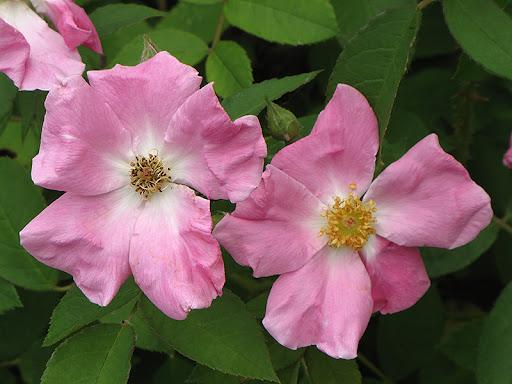
Roses are the world's most beloved flowering plant, prized for over 5,000 years across cultures for their stunning blooms, fragrance, and romantic symbolism. With over 300 species and thousands of cultivars, roses range from delicate miniatures to towering climbers. Modern varieties now offer unprecedented disease resistance, longer bloom times, and colors from pure white to deep crimson. Today, roses remain the top-selling cut flower globally and an increasingly popular container and houseplant option.
Native to Asia, Europe, and North America, wild roses thrive in temperate climates with cool nights, moderate rainfall, and well-drained soil. Most modern roses descend from roses originally cultivated in Persian and Chinese gardens 2,000+ years ago. Roses naturally flower in spring and summer, with many varieties blooming once yearly, though modern repeat-flowering cultivars have extended the bloom season dramatically.
As houseplants, potted and miniature roses bring living color indoors with proper light and care. Container roses require vigilant watering, excellent drainage, and at least 4-6 hours of direct sun daily. Properly tended indoor roses bloom for years, often outlasting outdoor plants. While naturally susceptible to fungal diseases in humid conditions, modern disease-resistant varieties have made indoor rose growing achievable for any gardener willing to monitor moisture and air flow.
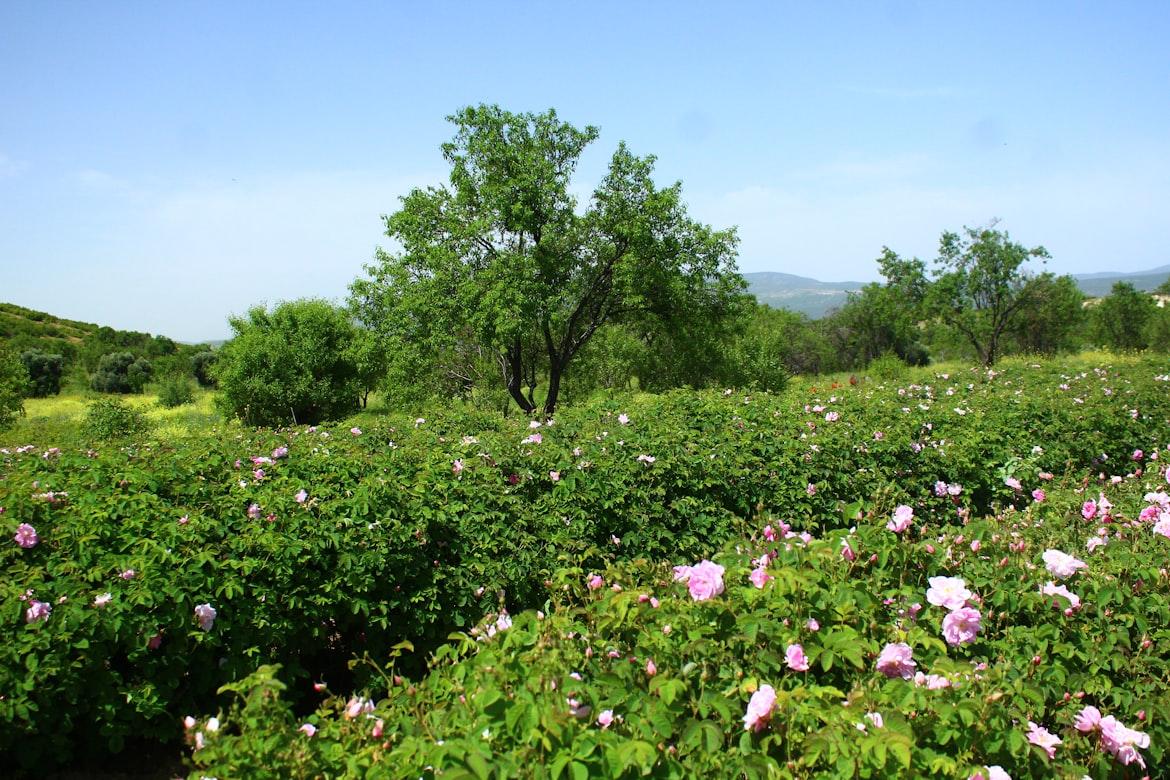
Watering Schedule
Roses are thirsty plants that dry out quickly in containers, especially during hot weather. The trick is keeping soil consistently moist without waterlogging roots.
Common Problems & Solutions
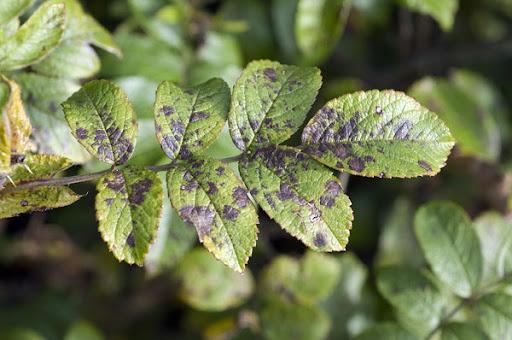
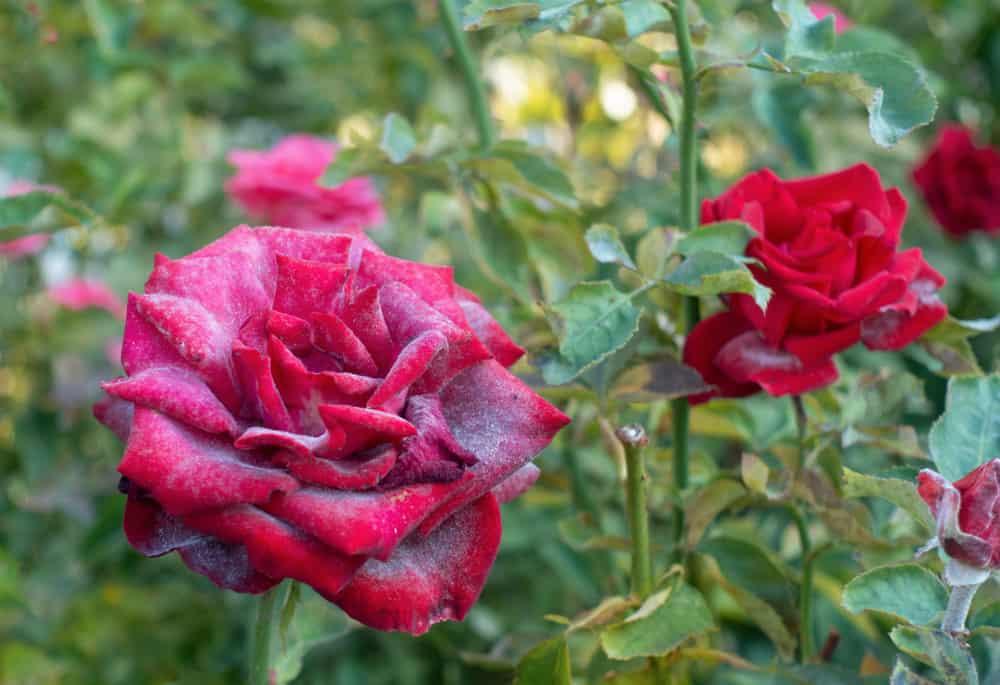
Here's how to identify and fix the most common rose problems.
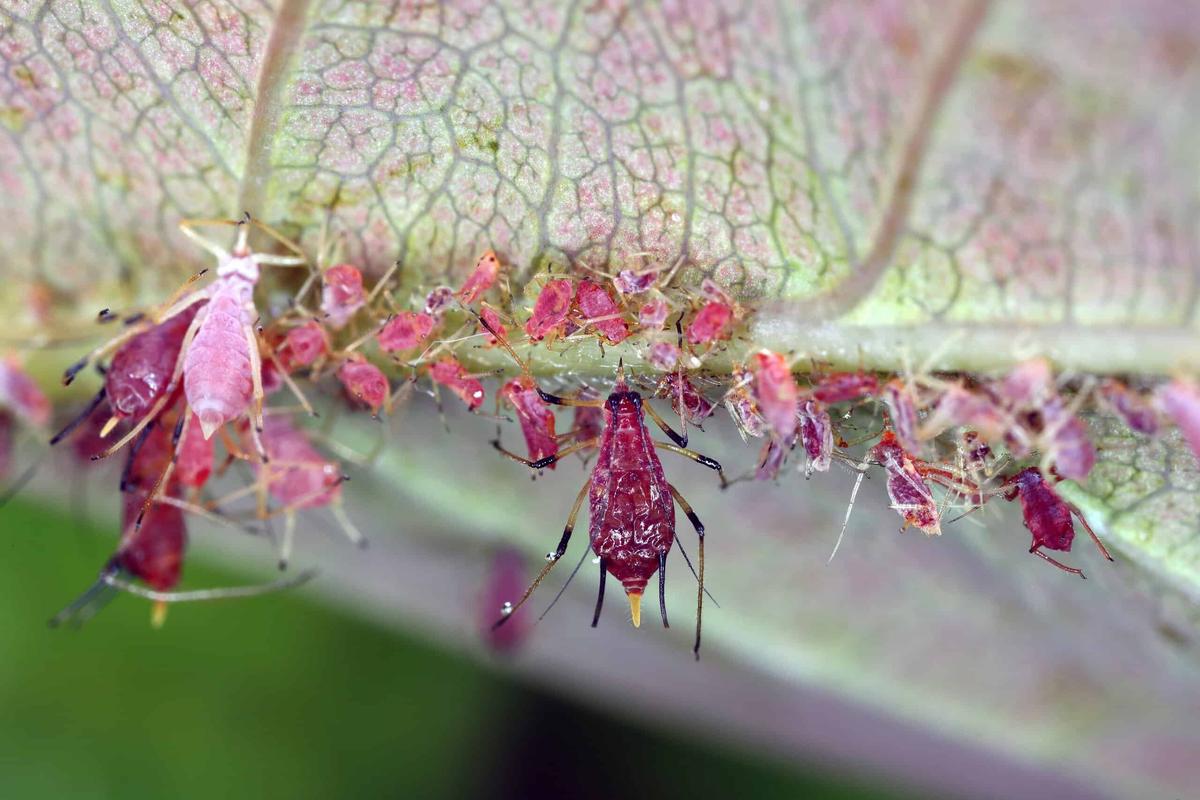
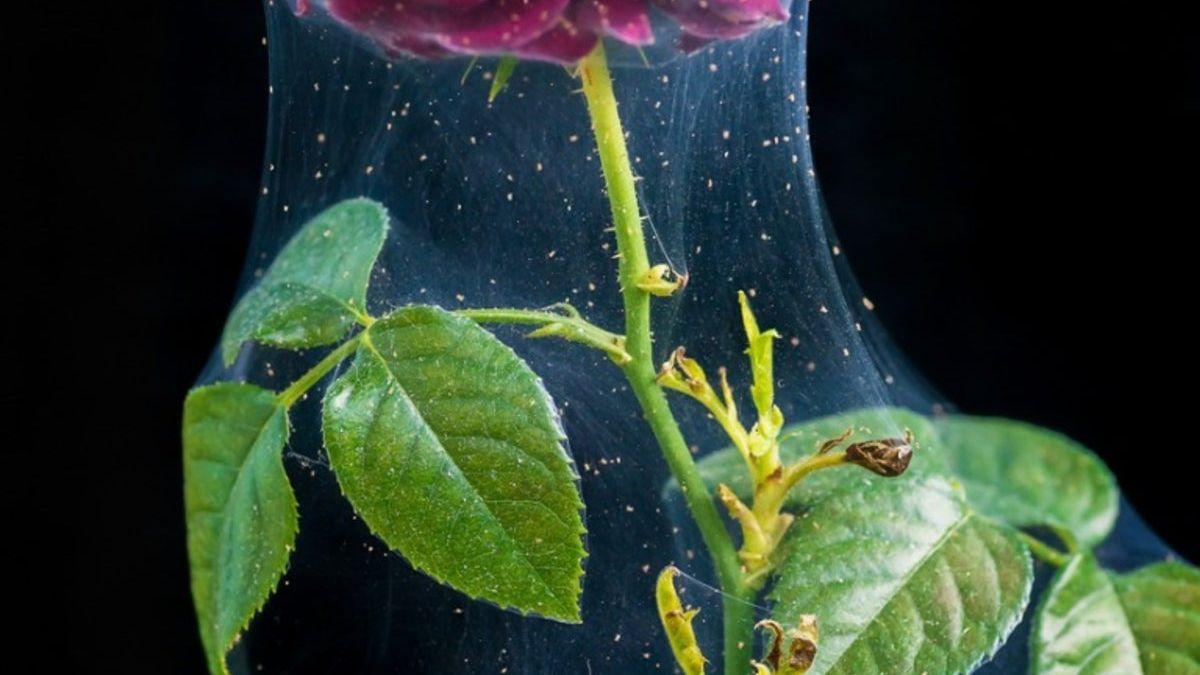
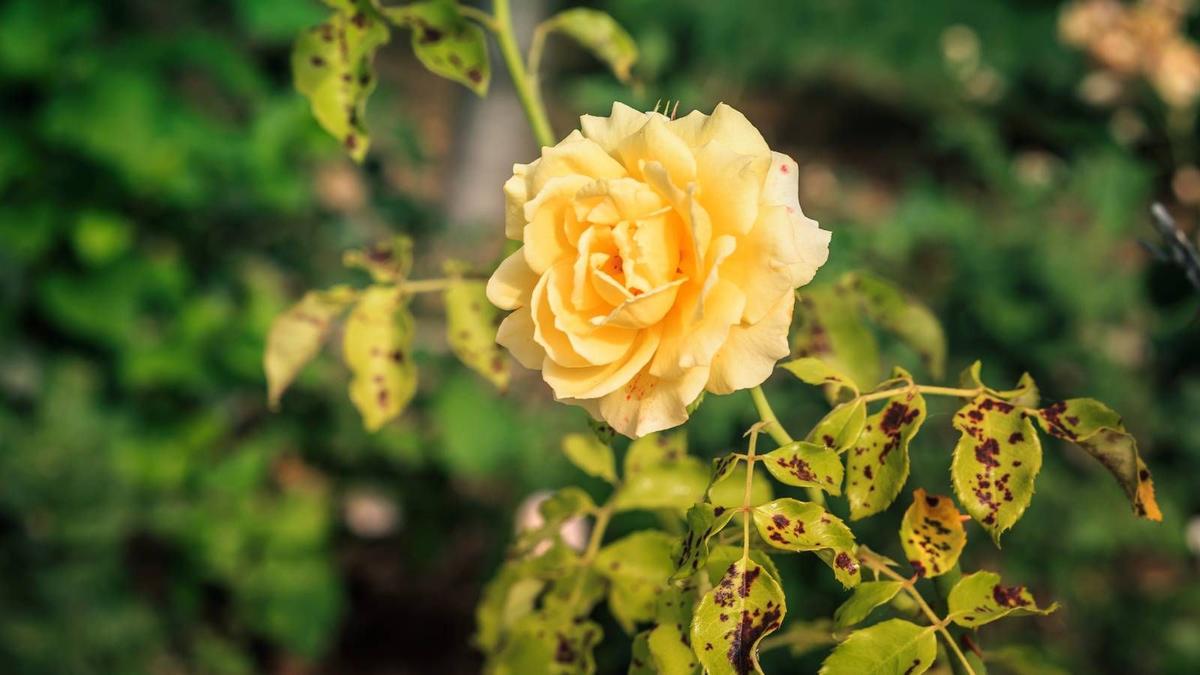
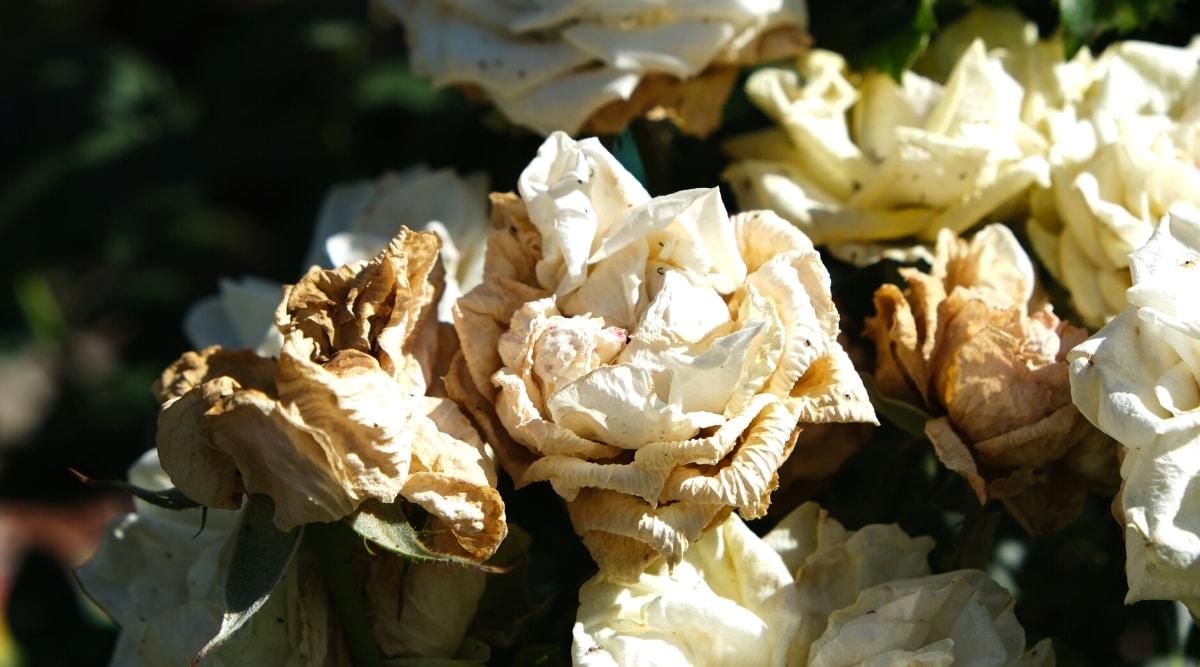
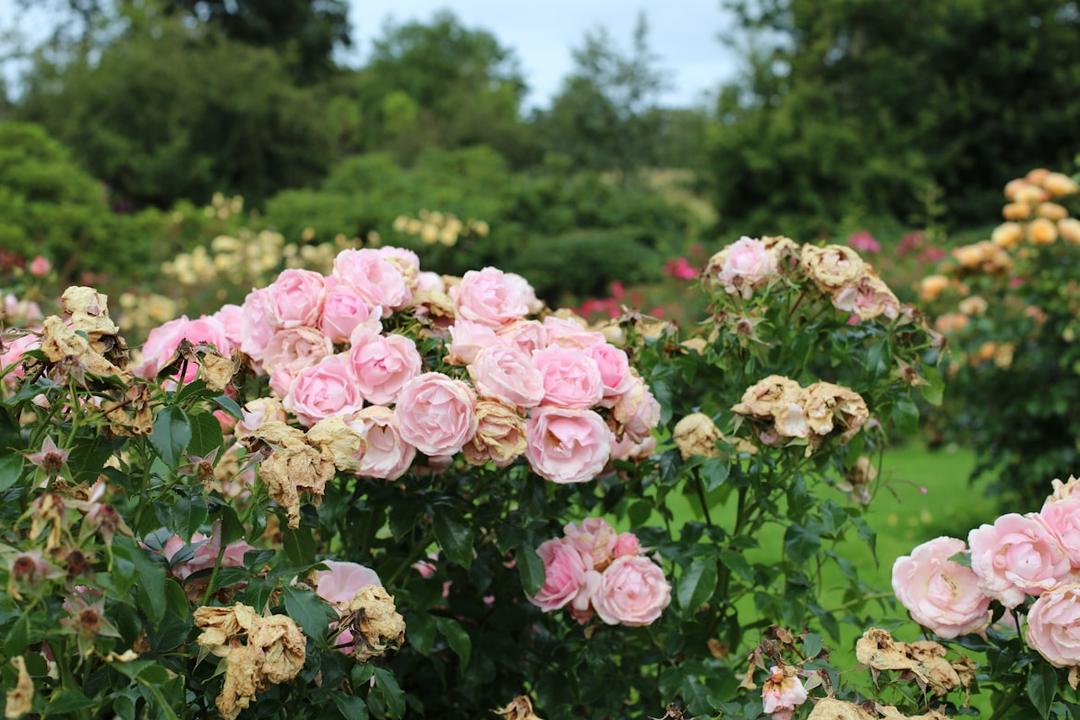
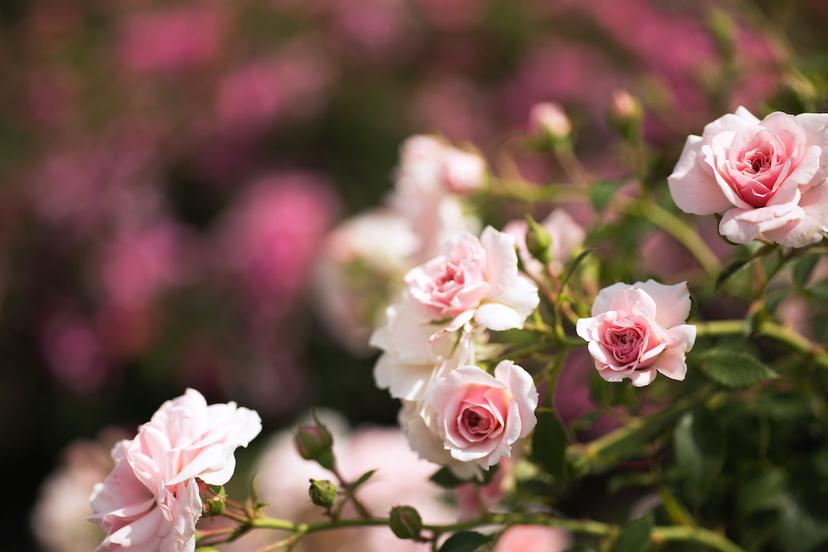
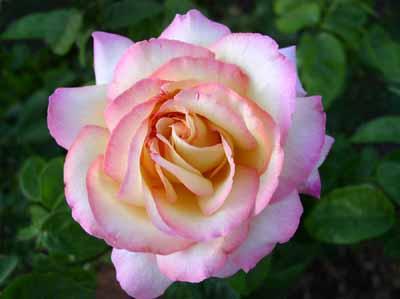
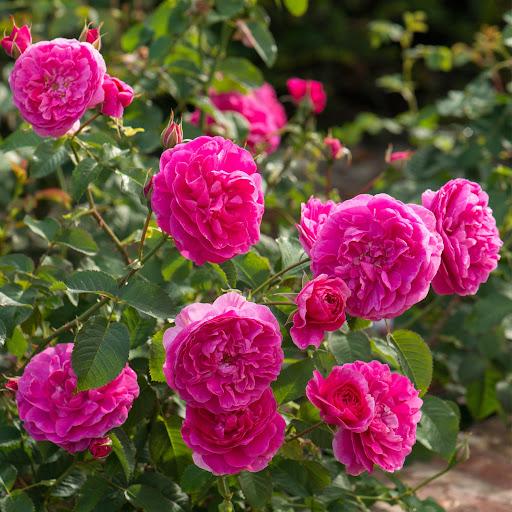
Popular Varieties
Explore different rose varieties and find your perfect match.
Care Tips & Best Practices
Humidity
Roses prefer 50-60% humidity. In dry indoor air, mist foliage lightly each morning (not evening) or place pot on a pebble tray with water.
Feeding
Apply rose-specific fertilizer every 4-6 weeks during growing season (spring-summer). Stop feeding in fall to prepare for winter dormancy.
Cleaning
Gently wipe leaves monthly with a soft damp cloth to remove dust and improve photosynthesis. Never use commercial leaf shine.
Support & Training
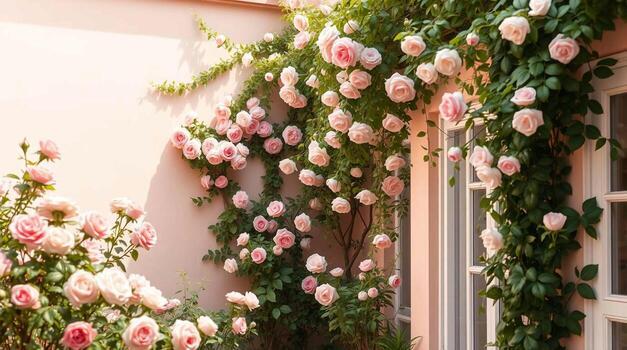
Climbing and rambling roses need sturdy support; tie horizontal branches to encourage side shoot flowering along their entire length.
Pruning
Deadhead spent blooms above the first 5-leaflet leaf to trigger repeat flowering. In late winter, prune out dead wood and shape the plant.
Rotation
Rotate container roses 90 degrees weekly to ensure even light exposure and prevent lopsided, reaching growth.
Care Checklist
10 Common Mistakes to Avoid
Placing roses in low light or shade to 'protect' them from heat
Why it's bad: Roses absolutely must have sun to bloom; without it, they only produce foliage.
Do this instead: Provide 6+ hours of sun; use afternoon shade only in extreme heat (90°F+), never shade all day.
Watering overhead or misting foliage in the afternoon or evening
Why it's bad: Wet leaves at night trigger black spot, powdery mildew, and fungal diseases that kill roses.
Do this instead: Water only at the base in early morning; mist only in early morning if needed, ensuring leaves dry by noon.
Ignoring early signs of black spot or powdery mildew
Why it's bad: These diseases spread rapidly in warm, humid conditions; once established, they're hard to cure.
Do this instead: Remove infected leaves immediately; isolate from other plants; spray with fungicide every 7 days; improve air flow.
Overwatering or allowing pots to sit in standing water
Why it's bad: Root rot develops within days in waterlogged soil; once established, the plant cannot recover.
Do this instead: Water when top inch is dry; ensure excellent drainage; never let water collect in saucers.
Using poorly draining potting soil or regular garden soil
Why it's bad: Heavy soil holds moisture, compacts roots, and prevents oxygen exchange necessary for healthy roots.
Do this instead: Always use a rose-specific or well-amended potting mix with perlite; never use garden soil in containers.
Never deadheading spent flowers or allowing dead flowers to stay on the plant
Why it's bad: Roses stop blooming if they're allowed to form seed hips; plant shifts focus to reproduction.
Do this instead: Deadhead every spent bloom above the first 5-leaflet leaf to trigger continuous flowering.
Feeding roses in fall or winter when dormant
Why it's bad: Dormant plants cannot utilize nutrients; excess fertilizer burns roots and causes problems.
Do this instead: Feed only spring-summer during growing season; stop feeding by end of October.
Propagating from diseased or pest-infested parent plants
Why it's bad: Cuttings inherit all problems from the parent; diseases and pests establish immediately in new plants.
Do this instead: Take cuttings only from healthy, pest-free plants; discard any with visible damage or infestation.
Exposing roses to cold below 45°F or temperature fluctuations
Why it's bad: Cold stress triggers dormancy, leaf drop, bud abortion, and can kill the entire plant if prolonged.
Do this instead: Keep indoors above 45°F; avoid cold drafts; protect from sudden temperature swings.
Repotting in heavy clay or never refreshing soil in established potted roses
Why it's bad: Old, depleted soil compacts, drainage worsens, diseases accumulate, and nutrient deficiency develops.
Do this instead: Repot every 1-2 years into fresh soil mix; refresh the top 3 inches of soil annually at minimum.
Frequently Asked Questions
How often should I water my potted rose?
Check soil daily; water when top 1-2 inches feel dry. Miniature roses may need water every 1-2 days in summer; larger potted roses every 2-3 days. Consistency matters more than frequency.
Why are my rose buds dropping before they open?
Bud drop results from inconsistent watering, cold drafts, low humidity, or pest stress. Ensure constant soil moisture, temperatures above 60°F, and 50%+ humidity. Treat pests immediately.
Can roses grow indoors under grow lights only?
Yes, but intense artificial light (24+ hours weekly) works better than natural light. Roses prefer direct sun, but quality LED grow lights 6-12 inches above plants can work if no window light exists.
How do I prevent black spot on roses?
Never wet foliage; water only at the base. Water in early morning. Improve air circulation with fans. Remove infected leaves immediately. Apply preventive fungicide every 7-10 days in high-risk conditions.
Are roses toxic to cats or dogs?
Rose petals and leaves are non-toxic to pets, but thorns can cause injuries. Remove thorns if giving roses as gifts with pets nearby. Some florist roses may be treated with pesticides; always assume commercial roses shouldn't be ingested.
What's the best way to deadhead roses?
Cut just above the first 5-leaflet leaf at a 45-degree angle using sharp, clean scissors. This signals the plant to produce more blooms. Spend 2 minutes daily deadheading spent flowers for constant blooming.
Can I propagate roses from store-bought bouquets?
Sometimes yes, but commercial roses are often treated with preservatives and pesticides that inhibit rooting. Florist roses root at 20-30% success; garden roses root at 70-80%. Always try, but expect lower success.
Why do my roses stop blooming in summer?
Extreme heat (above 90°F) can cause temporary dormancy; roses focus on survival rather than flowering. Ensure consistent watering, afternoon shade, and humidity. Blooming usually resumes as temperatures cool in fall.
How long do potted roses live indoors?
With proper care, potted roses live 5-10+ years, far longer than expected. Some well-maintained rose plants have thrived 20+ years indoors. Key factors are consistent care, annual repotting, and disease prevention.
Should I prune roses in winter or spring?
Late winter to early spring (Feb-Mar) is ideal. Remove dead wood, crossing branches, and weak growth. Shape the plant; cut stems back by 1/3. Avoid heavy pruning in fall; it encourages frost-tender new growth.
References & Sources
Information in this guide is based on these trusted sources.